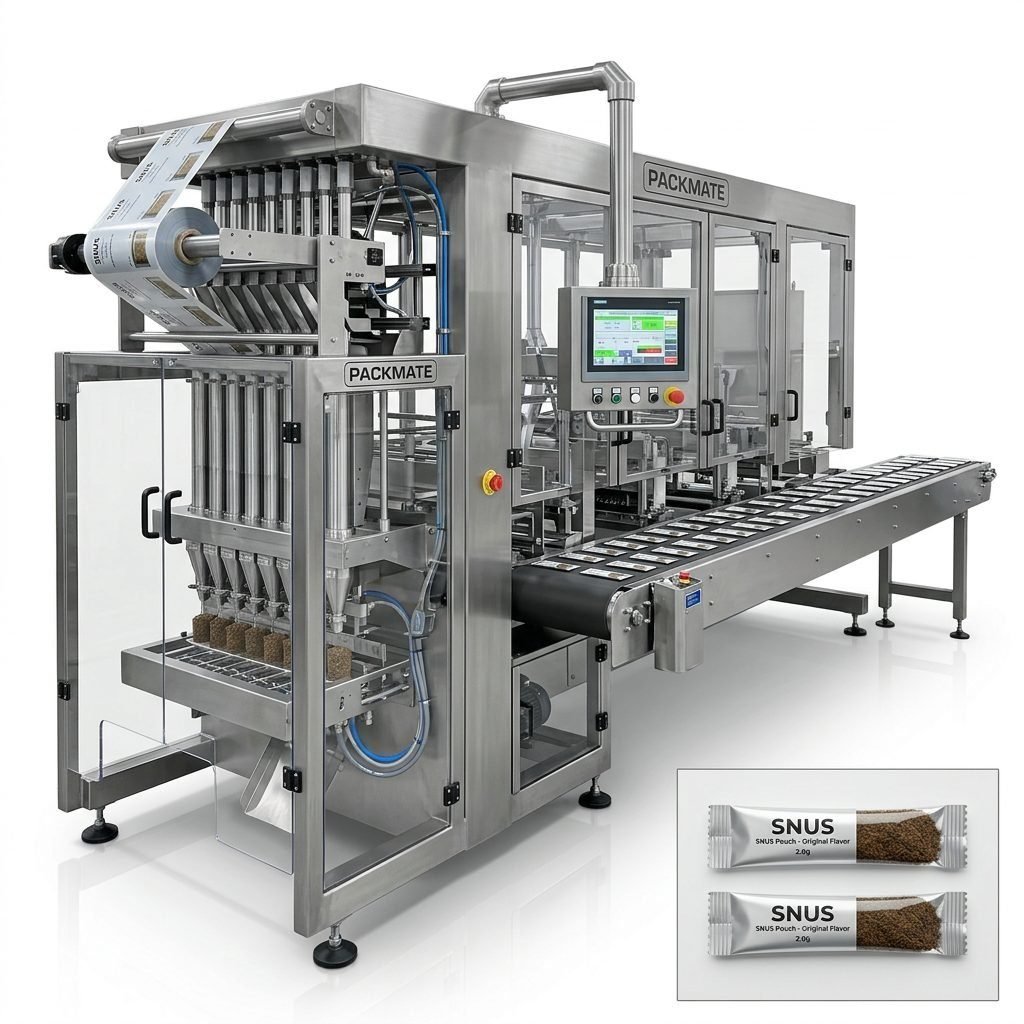
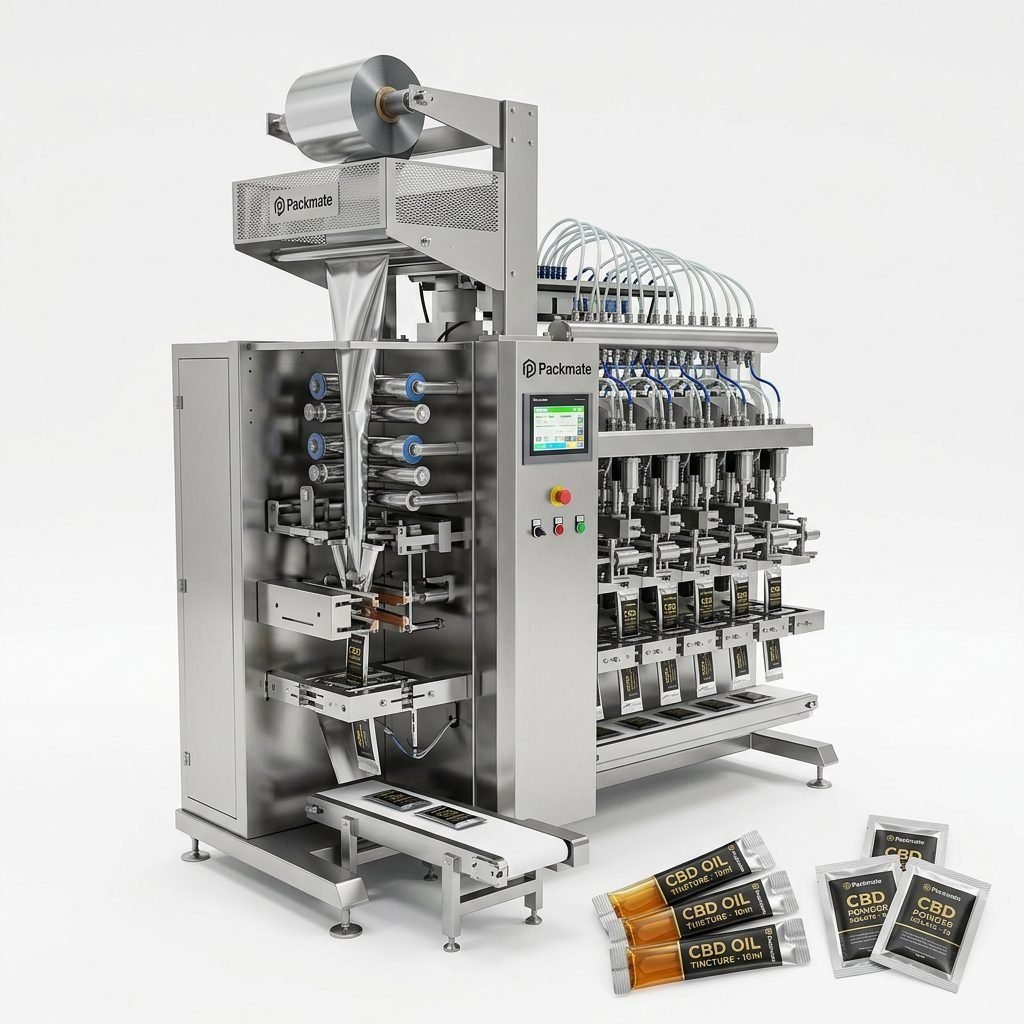
Choosing the right nicotine packaging machine for a manufacturing operation in Cabo Verde is more than a technical decision — it is a strategic step that touches on local climate, workforce, regulatory constraints, and supply chain realities. This guide walks you through practical criteria, machine types, and local considerations so you can select a reliable solution that fits both production targets and island conditions.
Understand Your Production Needs in Cabo Verde
Start by defining daily output, product format (loose pouches, sachets, single-dose sticks), and packaging materials. In Cabo Verde, manufacturers often target both local consumption and export to nearby West African or European markets, so plan for volumes that accommodate seasonal demand and export batches.
Key operational metrics to list before evaluating machines:
• Target units per minute/hour/day — this drives machine speed and lane configuration.
• Product dosing accuracy requirements — tight weight control reduces waste and regulatory risk.
• Desired packaging types (e.g., multi-lane pouches vs. stick packs).
• Available floor area, power supply, and local maintenance capability.
Local cultural and business notes
Portuguese is the official language and Cape Verdean Creole is widely used, so technical manuals and training in Portuguese will improve uptake. Business relationships in Cabo Verde value trust and ongoing support — prioritize suppliers who commit to long-term service and parts availability.
Types of Nicotine Packaging Machines to Consider
There are several machine families suited for nicotine pouches and snus production. Match the format you need with the right equipment:
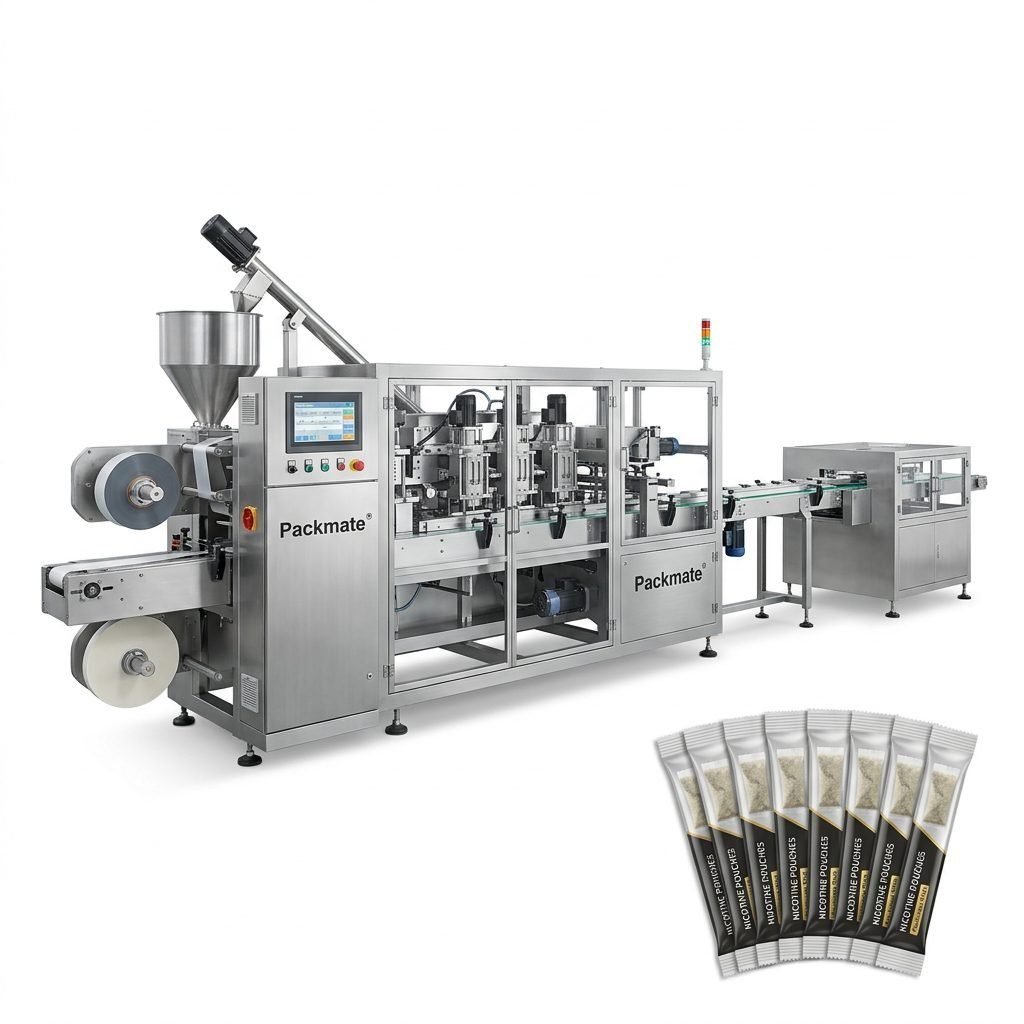
Stick pack machines
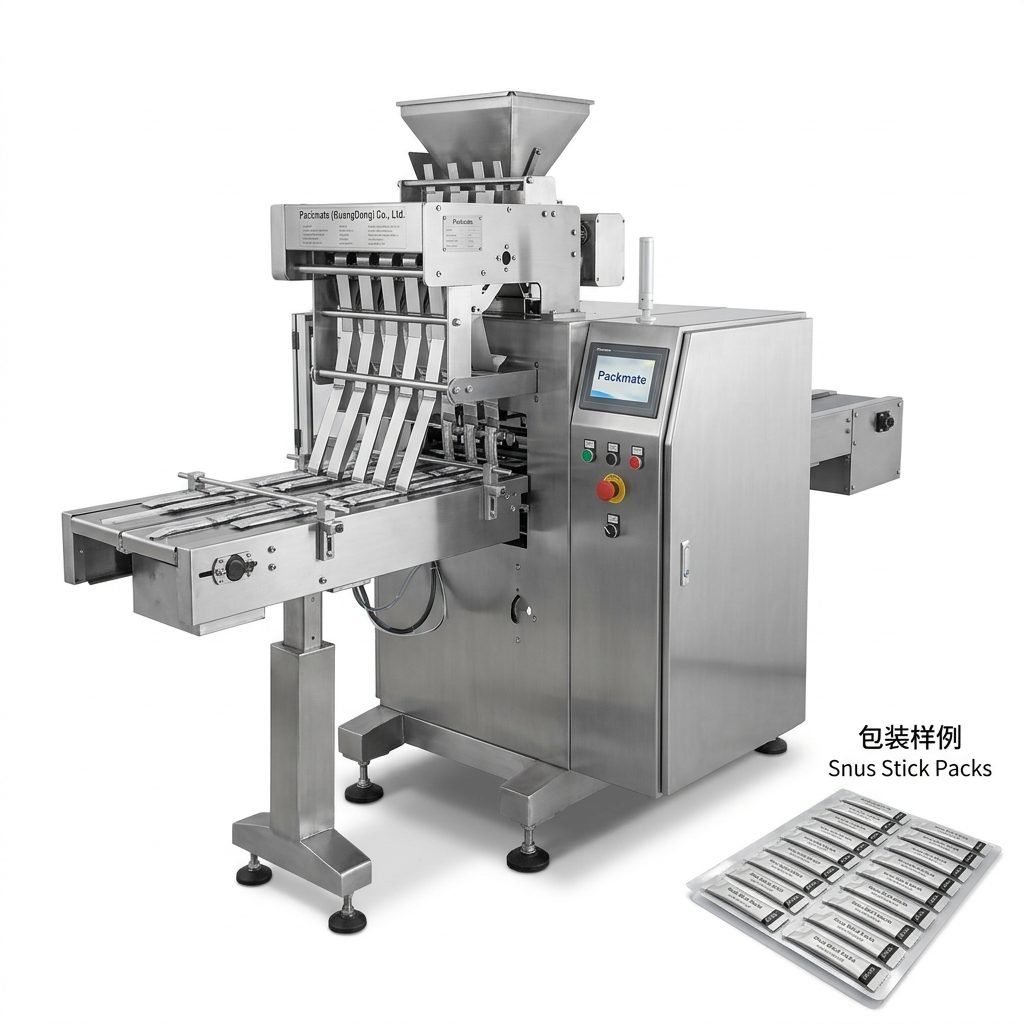
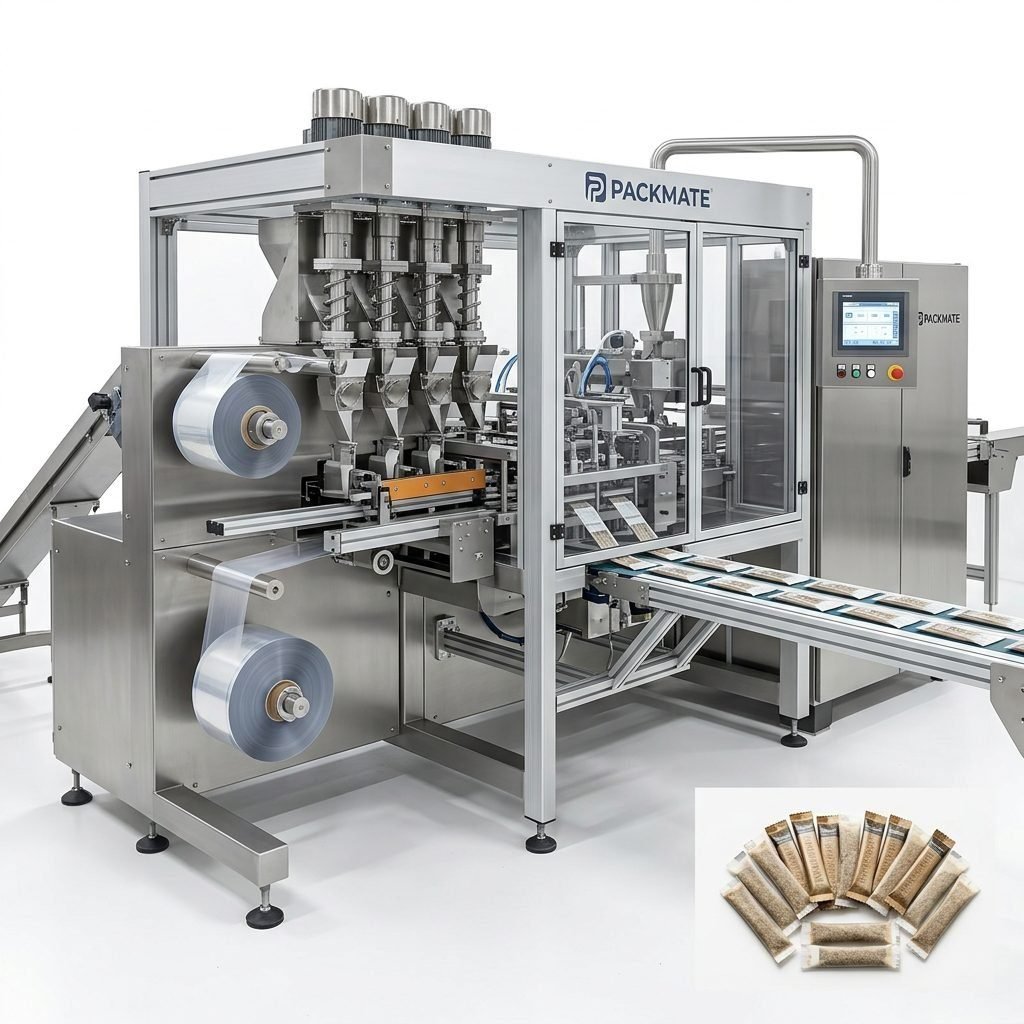
Stick pack systems are ideal for single-dose products and typically deliver high speeds with compact footprint. If your product demand includes on-the-go single servings, this is a common choice.
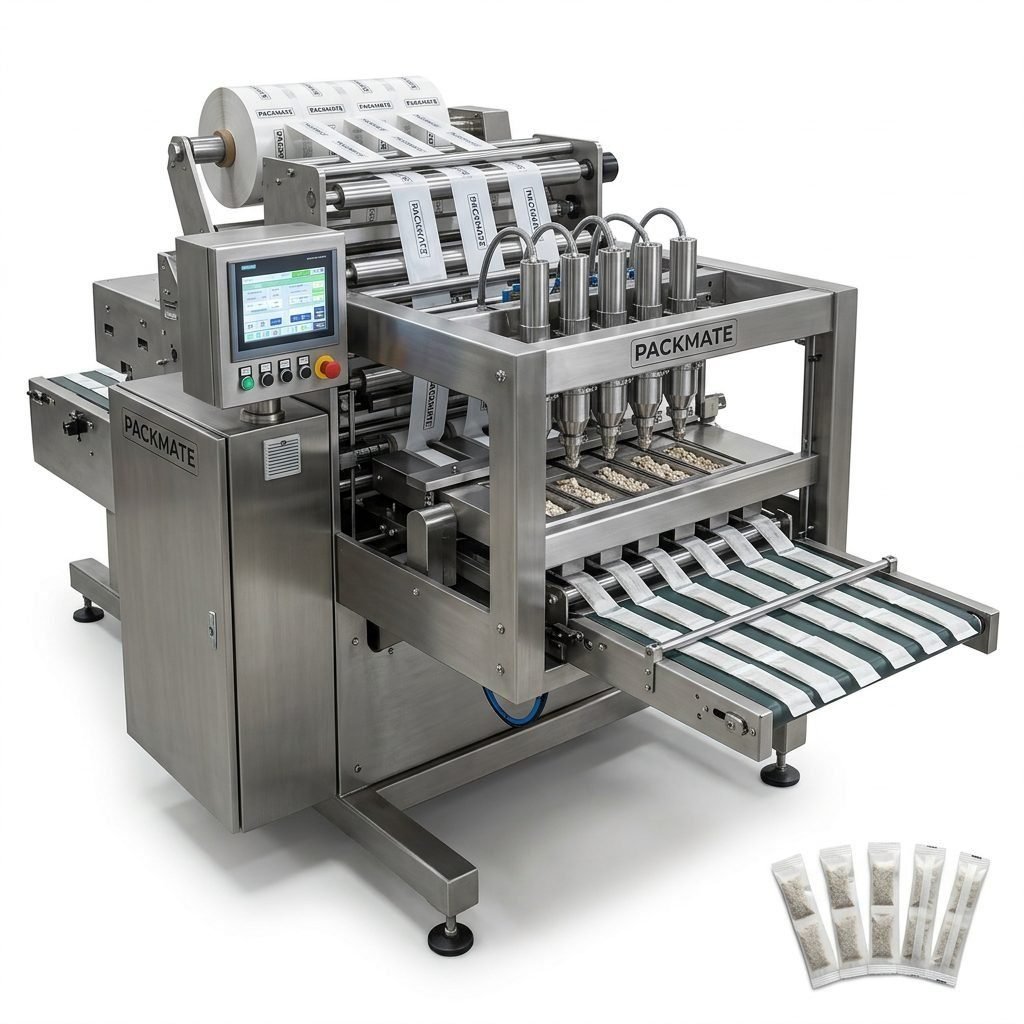
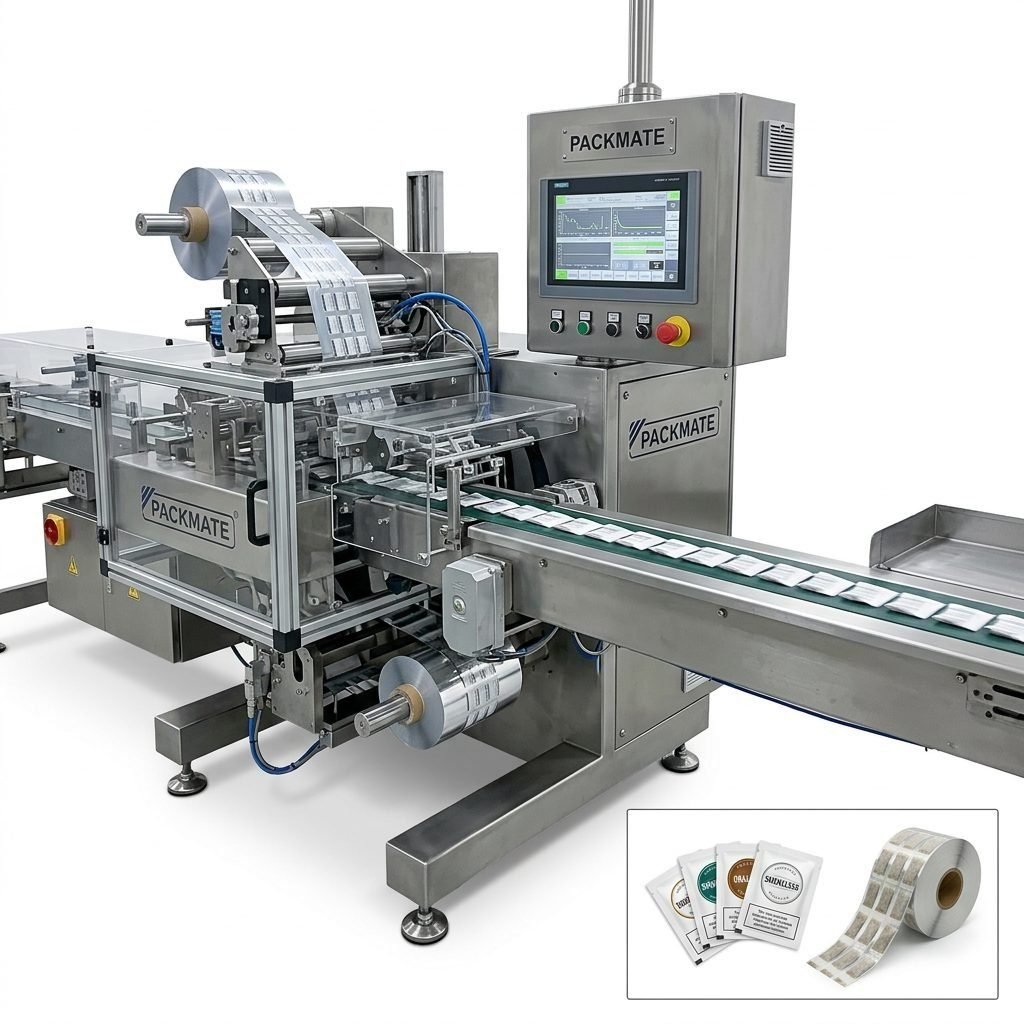
Sachet and pouch machines
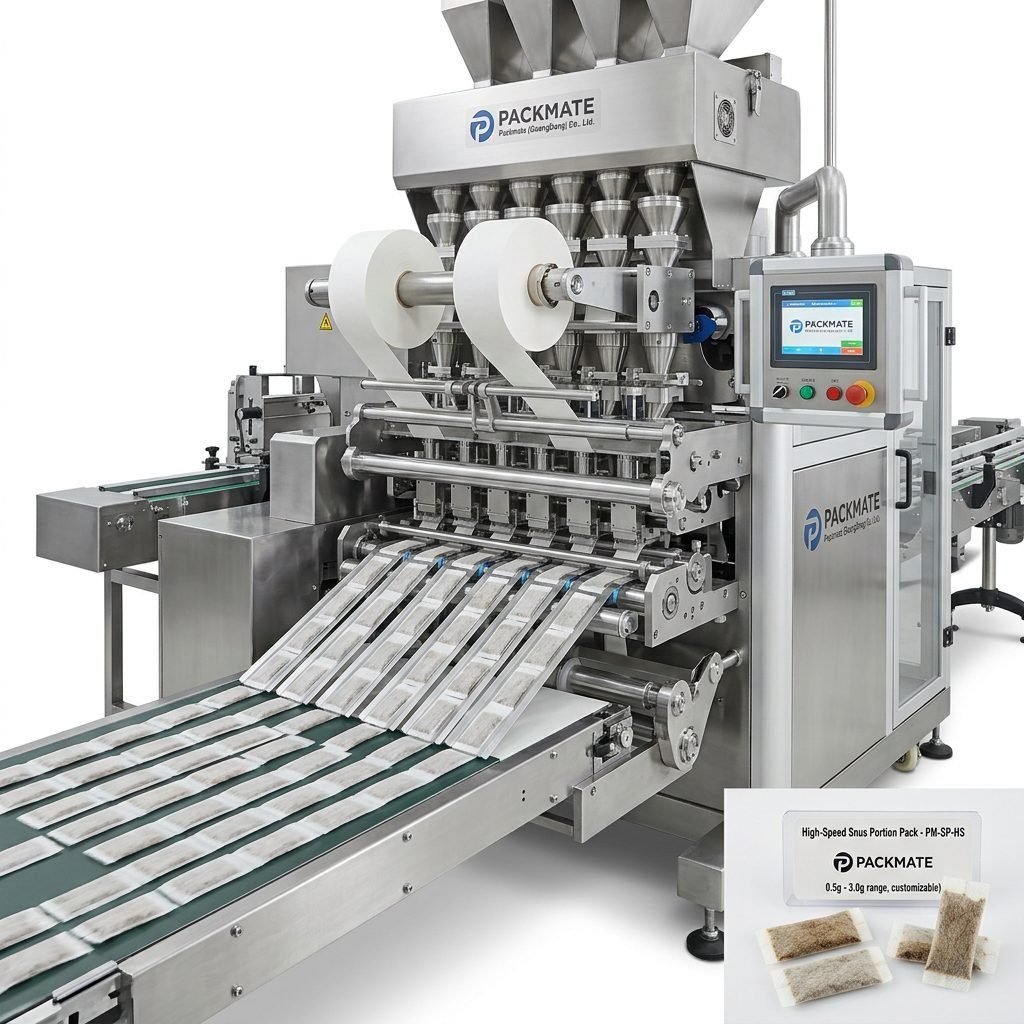
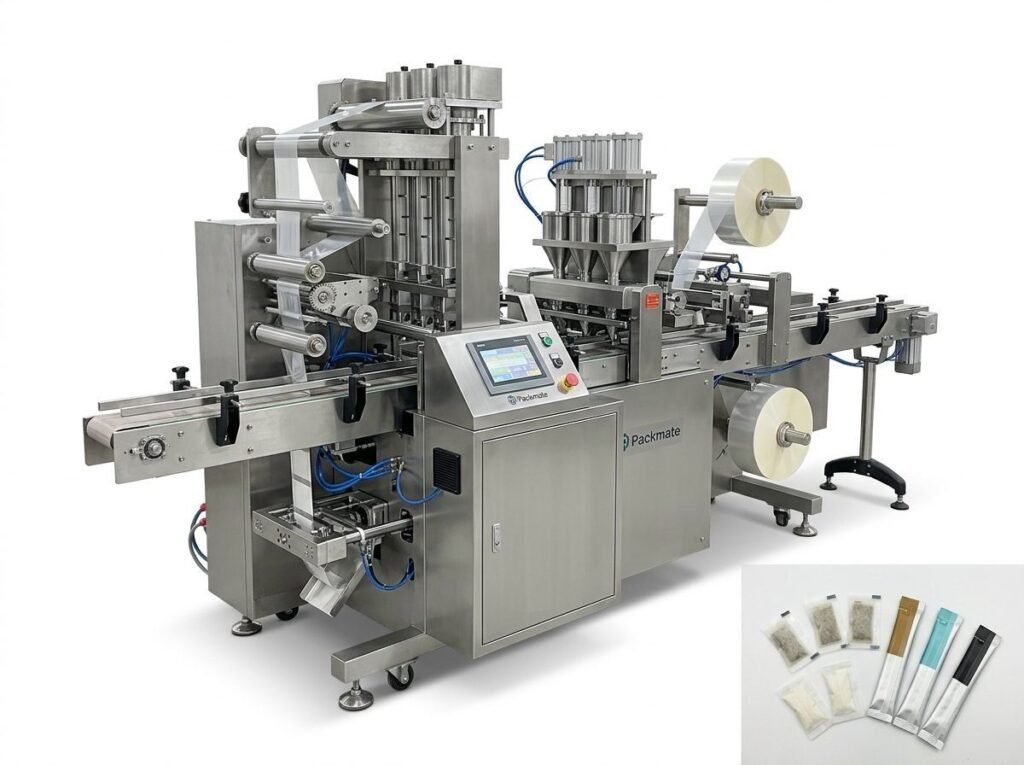
Sachet and multi-lane pouch machines suit small-dose nicotine pouches and snus. Multi-lane configurations significantly increase throughput without a proportional increase in floor space — a valuable trait for island facilities where space may be limited.
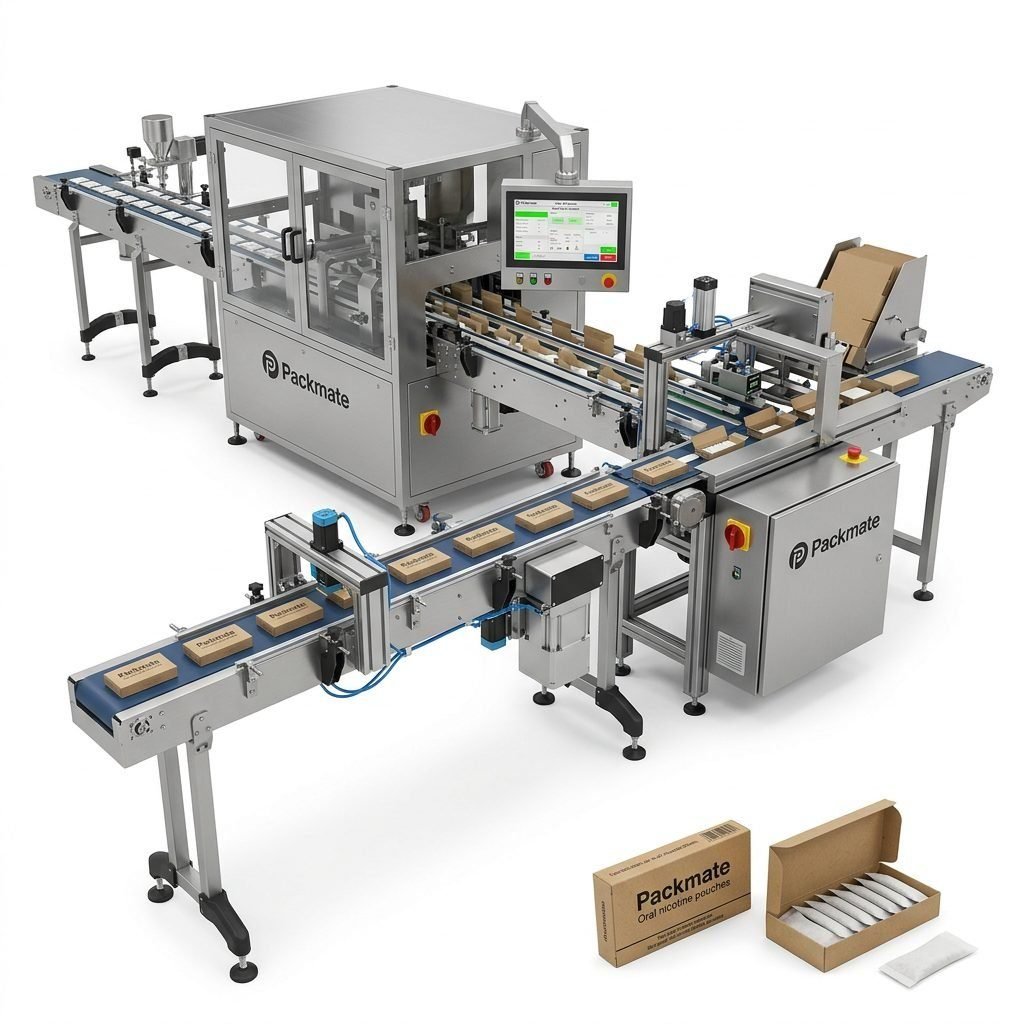
Integrated weighing and filling lines
For powder-based nicotine pouches, combination systems with precision weighing and dosing reduce variability and rework. Consider integrated lines when accuracy and consistency are top priorities.
Tip: Explore multi-lane machines if you expect to scale quickly — they offer better cost-per-unit at higher volumes.
Key Technical Specifications to Compare
When evaluating machine models, look beyond the headline speed. Important technical specs include:
• Construction materials (stainless steel grade, surface treatments).
• Dosing accuracy (gram tolerance) and repeatability.
• Changeover time between formats and tool-less features.
• Automation level (PLC controls, HMI, remote diagnostics).
• Spare parts availability and mean time between failures (MTBF).
⚠️ Important: In island environments like Cabo Verde, choose machines with corrosion-resistant finishes and sealed electronics to withstand saline air and occasional power instability.
Material & Build: Corrosion resistance matters
Coastal humidity and salt spray accelerate corrosion. Prioritize equipment with 316 or higher stainless steel for contact parts and protective coatings on frames. IP-rated electrical enclosures and conformal coating on PCBs will increase reliability.
Regulatory & Import Considerations in Cabo Verde
The regulatory environment for nicotine products varies by jurisdiction. In Cabo Verde, importers and producers should:
• Confirm local licensing requirements and health warnings for nicotine products.
• Verify customs duties and required certifications for imported machinery.
• Ensure packaging meets labeling rules for domestic sale and for intended export markets.
Work with a supplier experienced in global compliance who can provide CE/ISO documentation and machine certificates needed for customs clearance. Packmate offers full documentation and certification support for international shipments; learn more on their About page at About Packmate.
Power, site preparation and spare parts
Check local power specifications (voltage and frequency) and install voltage stabilizers or UPS units if supply is unstable. Maintain a safety stock of critical wear parts — belts, seals, cutting blades — because shipping lead times to Cabo Verde can be long.
Service, Training & Local Language Support
Effective handover is essential. Ask vendors for:
• On-site commissioning and operator training in Portuguese where possible.
• Remote diagnostics and spare parts kits for common failures.
• Documentation and troubleshooting guides in Portuguese and English.
Companies with an established export and exhibition history — for example those that participate in global shows — are often better prepared to support international customers. See Packmate’s exhibition record at Our Exhibition.
Choosing a Supplier: Why Packmate Might Be a Fit
With over 30 years of engineering experience and a broad portfolio of snus and nicotine packaging equipment, Packmate offers:
• Multiple machine models including multi-lane pouch systems and stick pack machines.
• A 20,000㎡ manufacturing facility with advanced CNC and precision assembly.
• CE and ISO certifications and turnkey packaging solutions.
Explore product ranges like Snus & Nicotine Packaging Machines and integrated lines at Filling & Packaging Lines. For customization options and case studies, visit Case.
Questions to ask suppliers
• Do you provide Portuguese-language manuals and local training?
• Can you offer references in similar climates or island markets?
• What is your lead time for spare parts to Cabo Verde?
• Are there modular upgrades for increased throughput as my business grows?
Installation, Maintenance & After-Sales Planning
A clear after-sales plan reduces downtime. Ensure your supplier provides:
• A commissioning checklist and remote support for early production runs.
• Spare parts kits and live parts catalogs.
• Preventive maintenance schedules tailored to salty, humid environments.
✅ Quick checklist for installation: site power validation, local language training, spare parts on-board, and a documented warranty & service agreement.
Cost, ROI, and Financing Considerations
Price is important, but calculate total cost of ownership (TCO): initial price, shipping, installation, spare parts, local taxes, and downtime costs. Multi-lane machines often deliver lower unit costs at scale, improving ROI for expanding operations.
Discuss payment terms, leasing, or phased purchases with suppliers. Vendors experienced in international sales can help structure shipments and provide documentation for customs clearance — check the vendor’s Service page for support options at Service.
Checklist: How to Decide
• Match machine format to your product and target markets.
• Prioritize corrosion-resistant designs for island conditions.
• Insist on Portuguese support and operator training.
• Verify certifications and spare parts lead times.
• Evaluate TCO and scalability, not just upfront price.
Final recommendations
For producers in Cabo Verde, a reliable approach is to choose a modular multi-lane pouch or stick pack system from an experienced manufacturer, ensure protective finishes for corrosive conditions, and secure a supplier that offers local-language training and dependable parts logistics. If you need a starting point, review specialized options at Packmate’s product pages, including Sachet & Stick Pack Machines and consult their Team via Contact Us.
Next steps
Prepare a written specification of your product and production goals, then request quotations and lifecycle data from two to three suppliers. Arrange virtual demonstrations and ask for references from similar climates to ensure the chosen machine will perform reliably on Cape Verdean islands.
Common Questions
Q1: What machine type is best for small-batch nicotine pouch production in Cabo Verde?
A1: For small batches, a flexible multi-lane pouch machine with easy format changeover is usually best because it balances throughput and format versatility.
Q2: How do I protect my equipment from coastal corrosion?
A2: Specify 316 stainless steel for product-contact parts, protective coatings on structural frames, IP-rated electrical enclosures, and a regular maintenance regime to rinse and inspect exposed surfaces.
Q3: Can Packmate supply documentation for customs and approvals?
A3: Yes—Packmate provides CE/ISO documentation, machine certificates, and can assist with export packing and shipment documentation. See their Certificate page for more details at Certificate.
Q4: What language should training be delivered in for Cabo Verde staff?
A4: Portuguese is recommended for manuals and on-site training; Cape Verdean Creole can be used for supplementary explanations to improve operator comprehension.