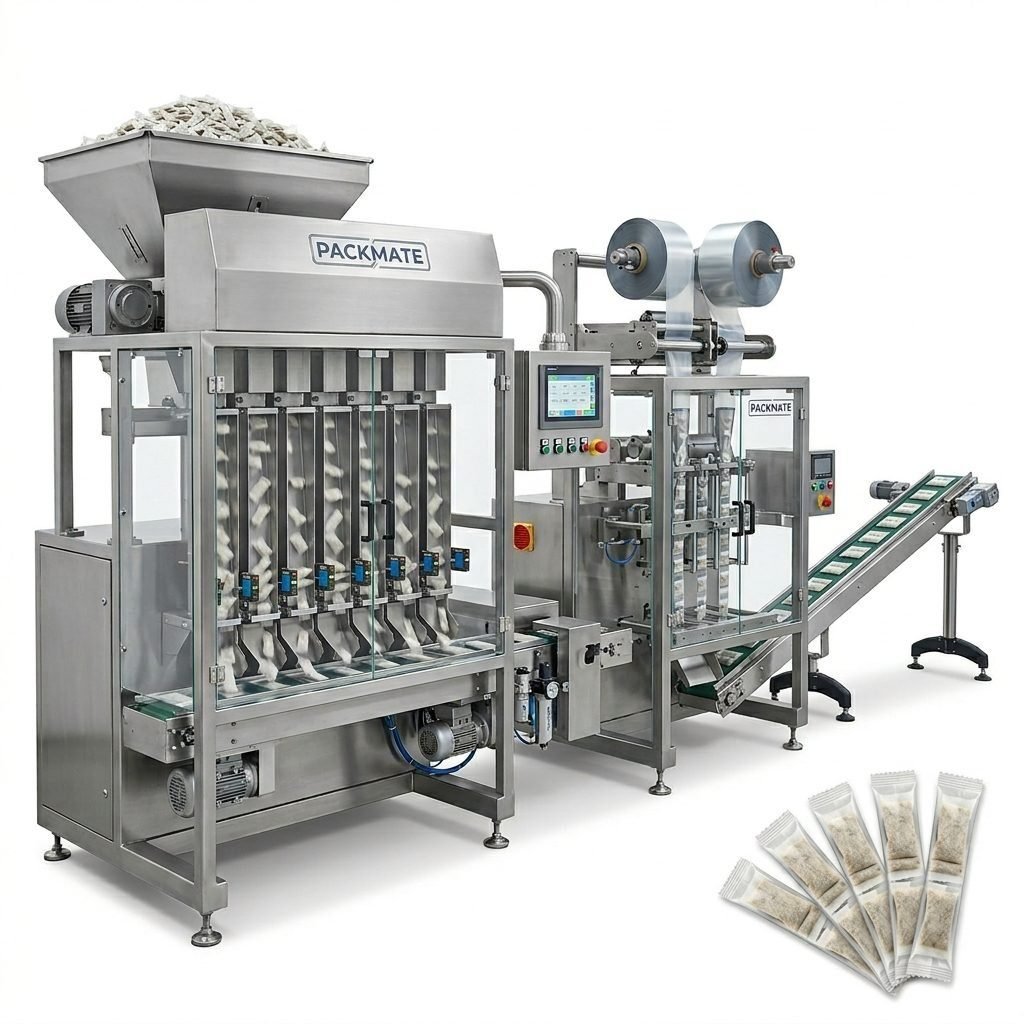
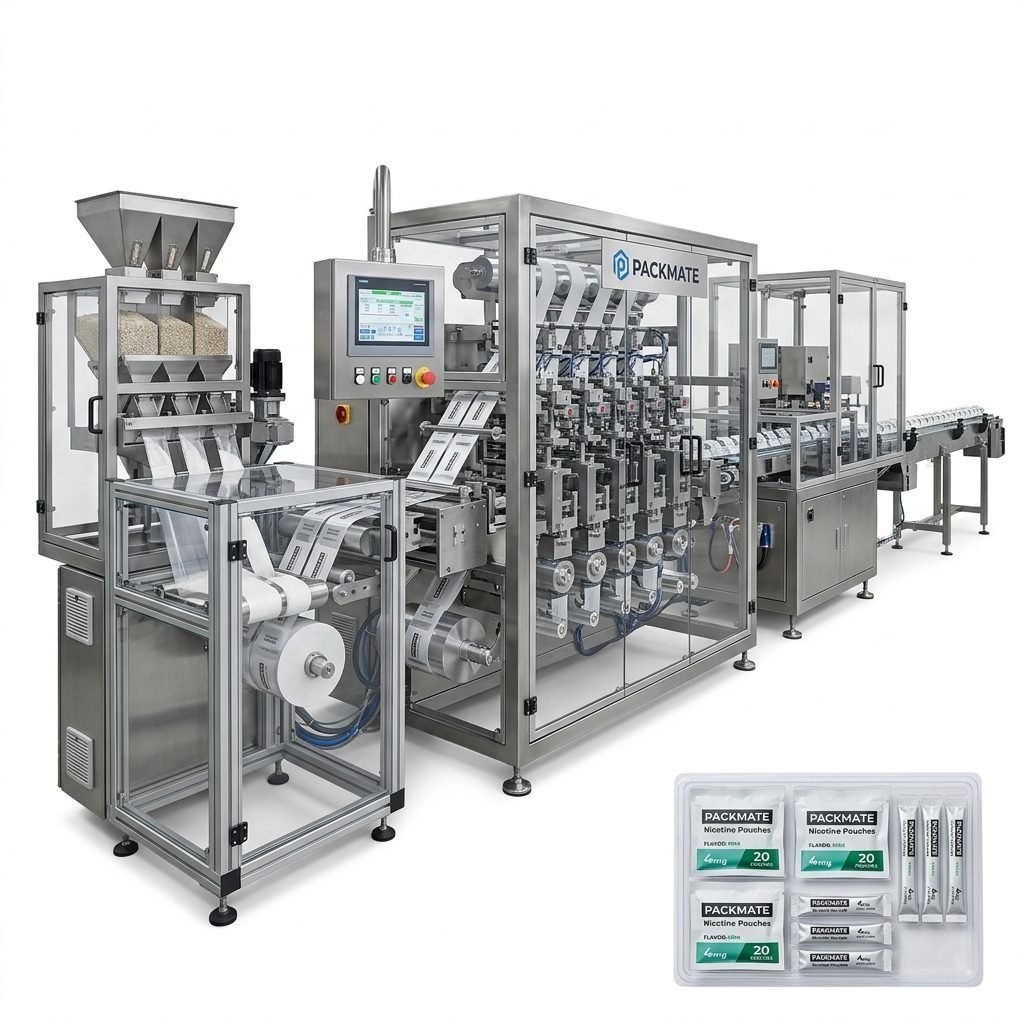
Choosing the right snus packaging machine manufacturer in Moldova can determine the success of your production line, cost-efficiency, and long-term reliability. This guide walks you through practical steps to evaluate suppliers, compare technical specifications, and secure a partner who delivers robust snus and nicotine pouch packaging solutions tailored to your business needs.
🔎 Understand Your Production Requirements
Before contacting manufacturers, map out your core requirements. Consider your target daily output, pouch format (stick pack, sachet, multi-lane snus pouches), material types, dosing accuracy needs, and future scalability. A clear requirement sheet prevents misunderstandings and helps you get realistic quotes.
Key data points to prepare:
- Desired output (pieces/min or packs/hr)
- Pouch dimensions and material types
- Product type (powder, granule, liquid, nicotine pouch)
- Quality tolerances and weight accuracy
- Automation level and required peripherals (weighers, conveyors, case packers)
⚙️ Match Machine Type to Product
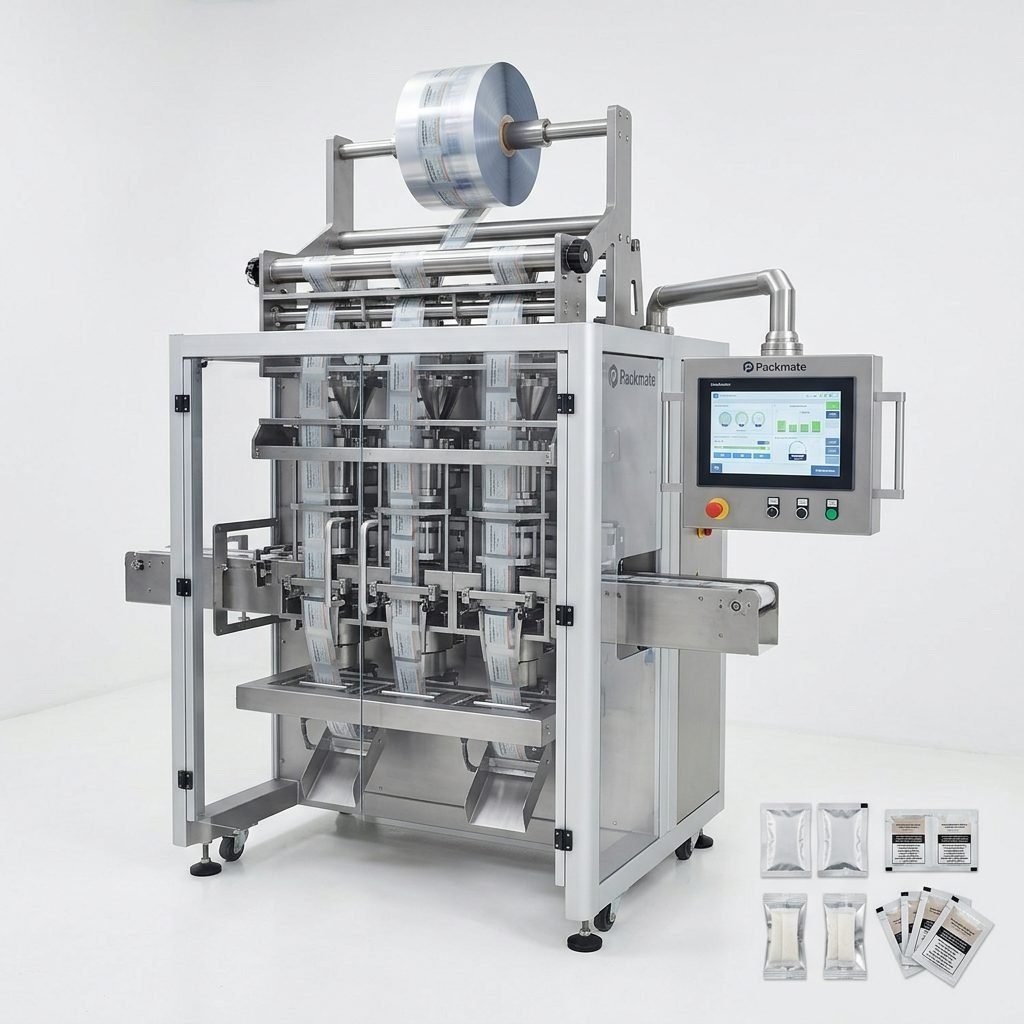
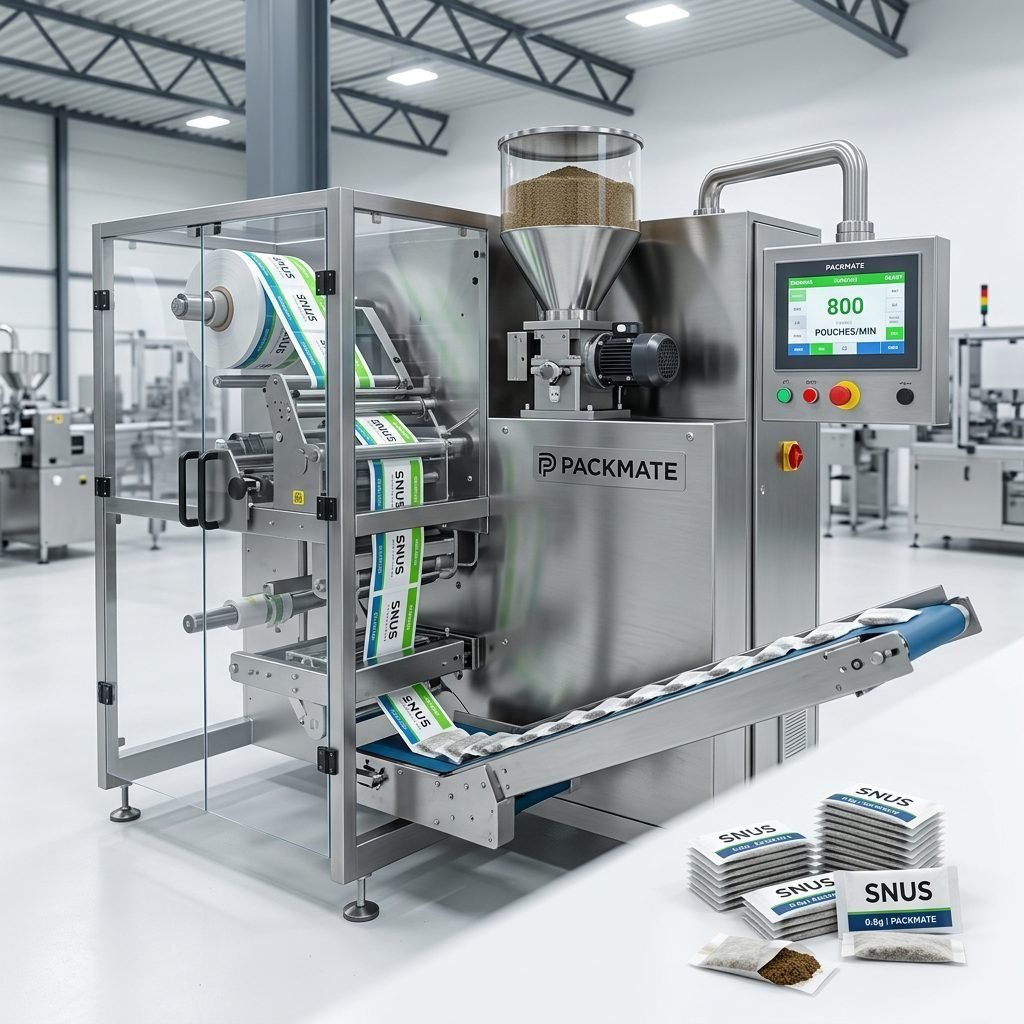
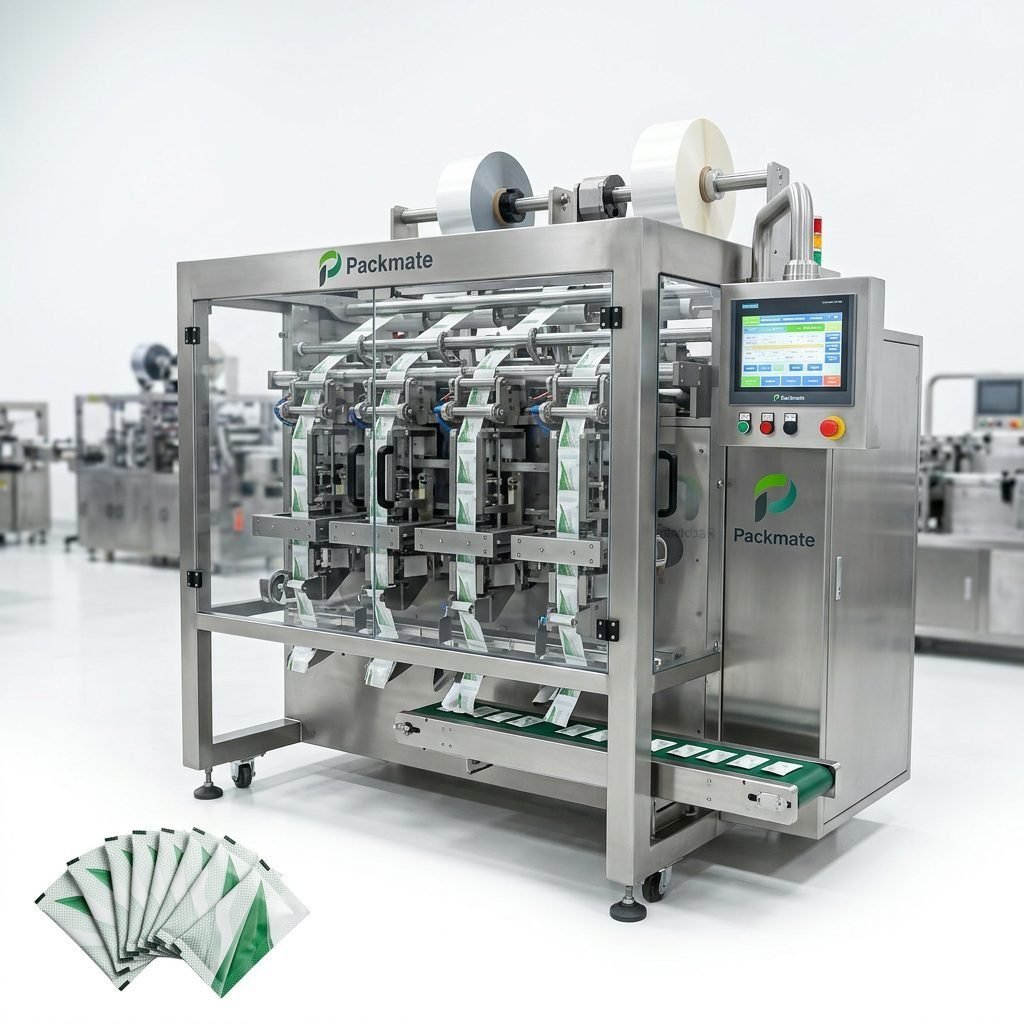
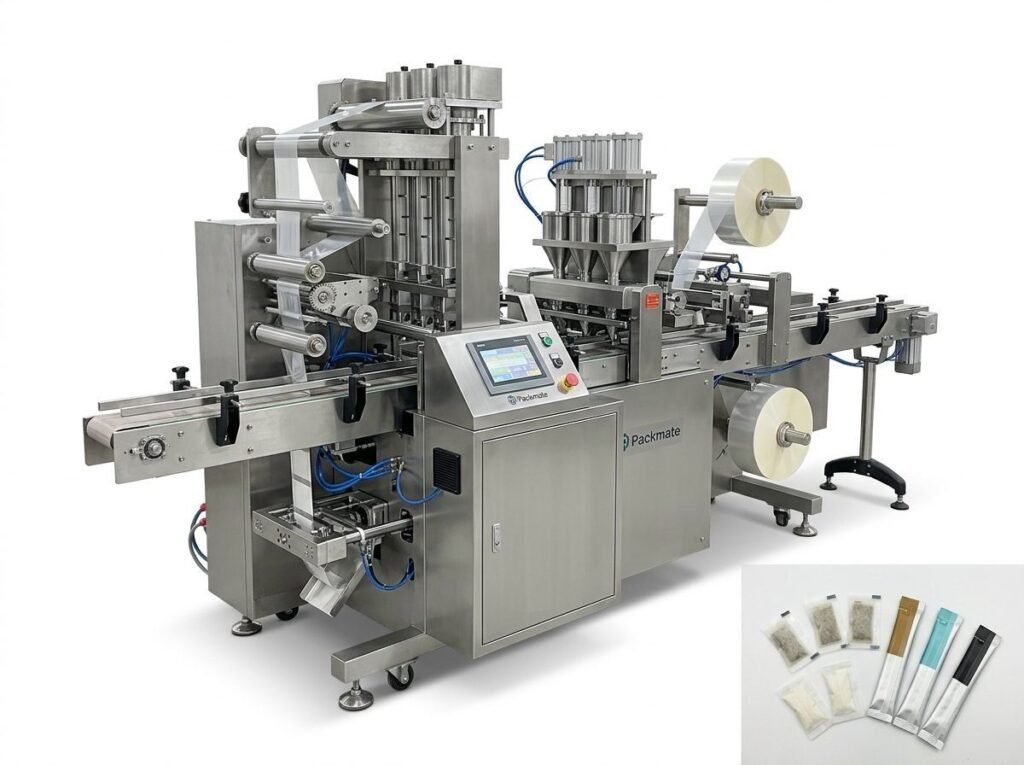
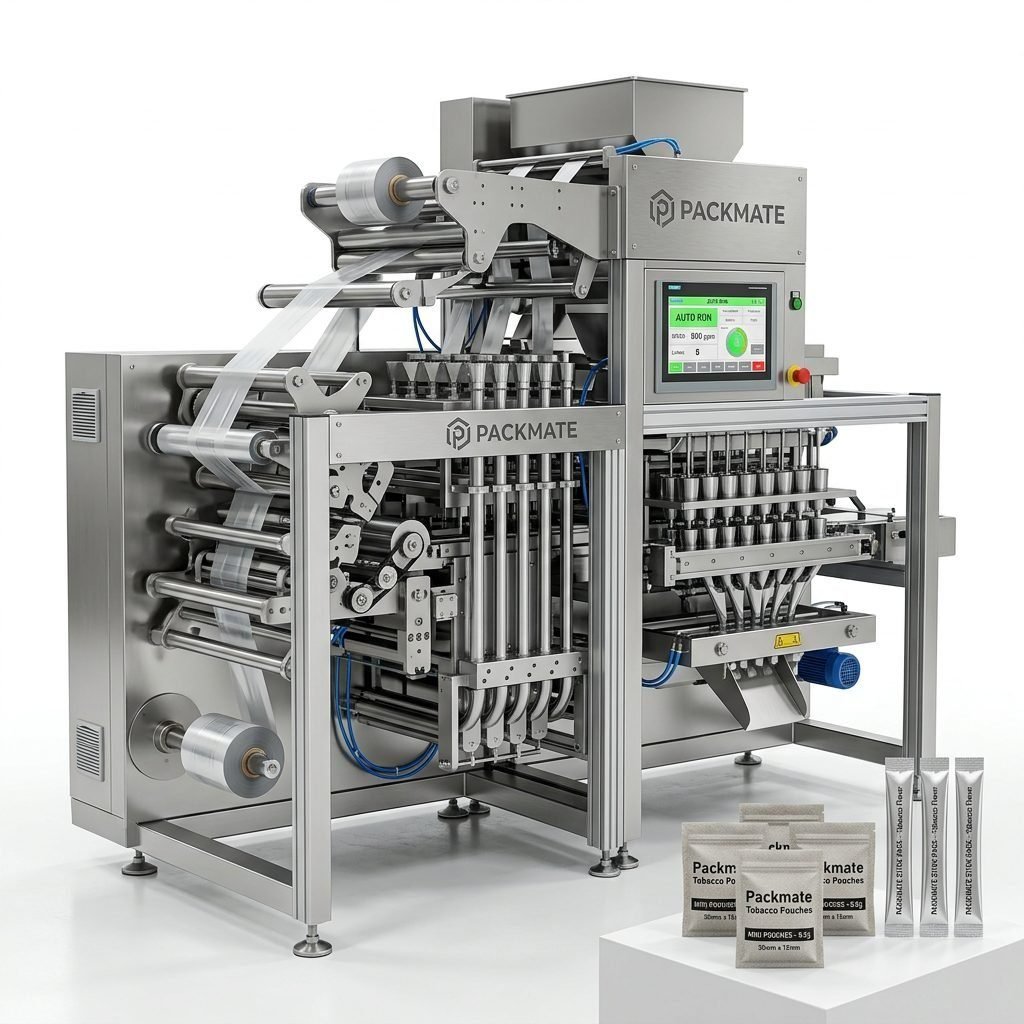
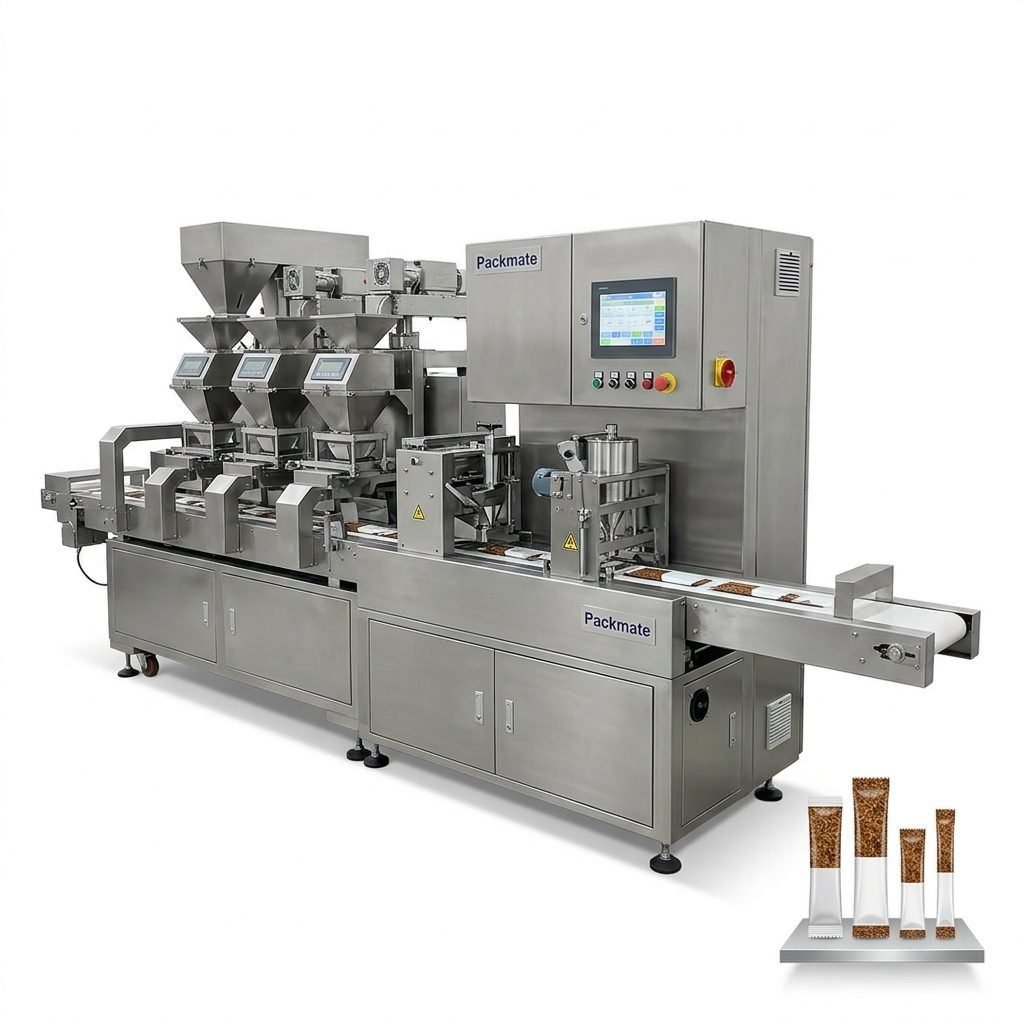
Different machines suit different snus formats. For nicotine pouches, multi-lane and high-precision pouch forming machines are often best. If you produce single-dose stick packs or sachets, a stick pack or sachet machine could be more efficient. Review manufacturers’ product lines — for example, look at their Snus & Nicotine Packaging Machines and Sachet & Stick Pack Machines to compare capabilities.
Tip: If you plan to expand product SKUs, choose a manufacturer with modular platforms that support quick format changes and multi-lane configurations.
🏭 Evaluate Manufacturer Capabilities and Factory Strength
Assess the manufacturer’s production capacity and engineering depth. A reputable supplier will have a well-equipped factory, advanced CNC centers, and precision assembly lines. Look for company facts such as factory area, number of models, and the scope of turnkey solutions. A supplier with broad experience in snus and nicotine packaging lines will reduce your integration risks.
Packmate Snus Machine, for example, operates a 20,000㎡ facility with over 30 years of engineering experience and a wide range of machine models. Such metrics indicate the ability to produce high-precision multi-lane systems and customized production lines.
✅ What to inspect during a factory visit
- Machine assembly lines and CNC machinery
- Quality control and testing stations
- Finished machine testing for snus-scale accuracy
- Documentation systems (drawings, electrical diagrams, testing reports)
- Spare parts warehouse and service readiness
Factory evidence: Photos, factory tour videos, and third-party certifications (CE, ISO) are strong indicators of manufacturing credibility.
📑 Verify Certifications and Regulatory Compliance
Regulatory compliance is essential for global sales. Ensure the manufacturer supplies CE and ISO certificates and that the machine meets local electrical and safety standards. Certification demonstrates a commitment to consistent manufacturing quality and safe machine design.
Check the supplier’s Certificate and ask for machine test reports that show accuracy, speed capability, and material compatibility. These documents help you compare machine performance claims objectively.
💡 Technical Features to Prioritize
When reviewing proposals, focus on key technical parameters that impact product quality and uptime:
- Filling accuracy and dosing system — essential for nicotine pouches to ensure compliance and minimize waste.
- Sealing technology and material handling — critical for moisture-sensitive snus products.
- Multi-lane capabilities and format flexibility — useful for scaling production without significant new investments.
- Automation & control systems — PLCs, HMI interfaces, recipe management, and remote diagnostics.
- Sanitary and clean design — easy-to-clean surfaces, minimal dead zones, and suitable for tobacco or nicotine handling.
🔧 Spare Parts & Maintenance
Reliable spare parts supply, clear maintenance manuals, and swift technical support are crucial. Ask about lead times for common wear parts, availability of service engineers, and options for preventive maintenance contracts. A manufacturer offering training and on-site commissioning reduces downtime risks.
📦 Evaluate Turnkey Solutions and Integration Support
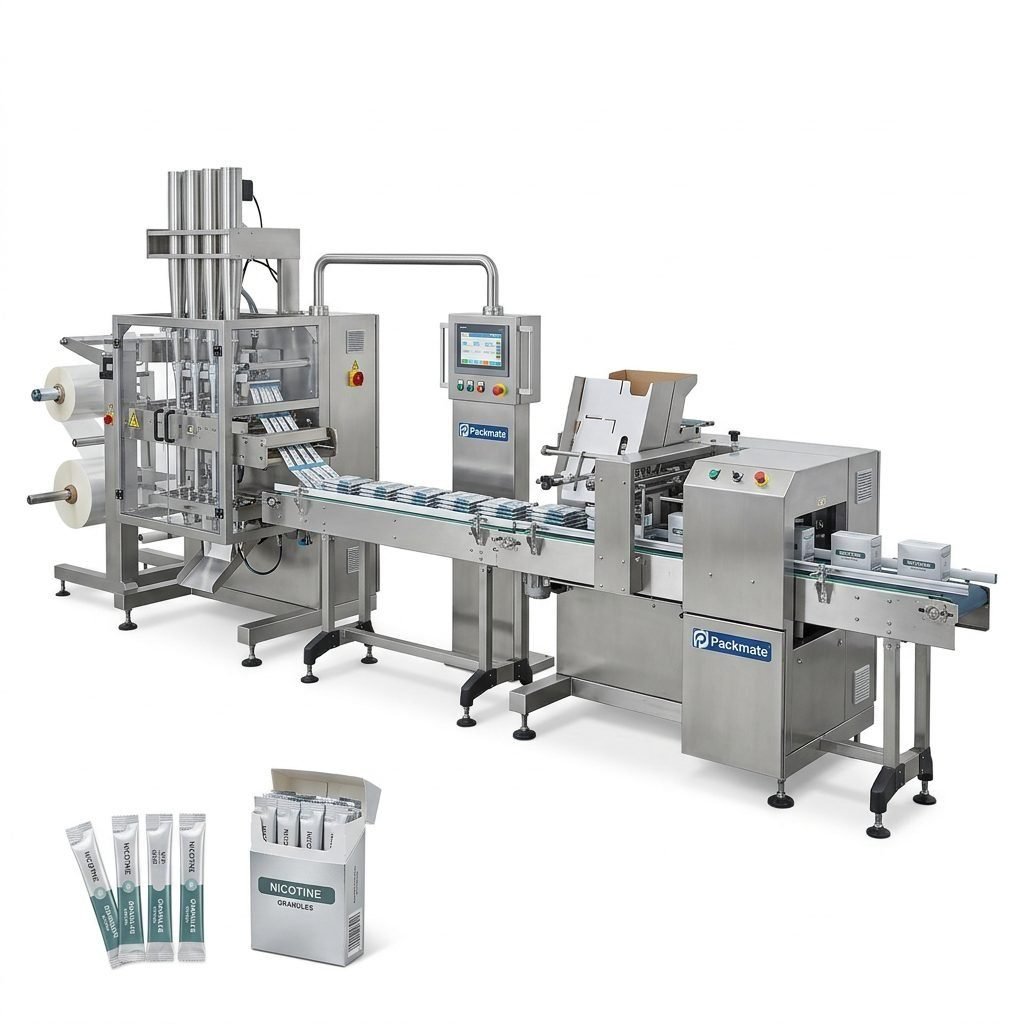
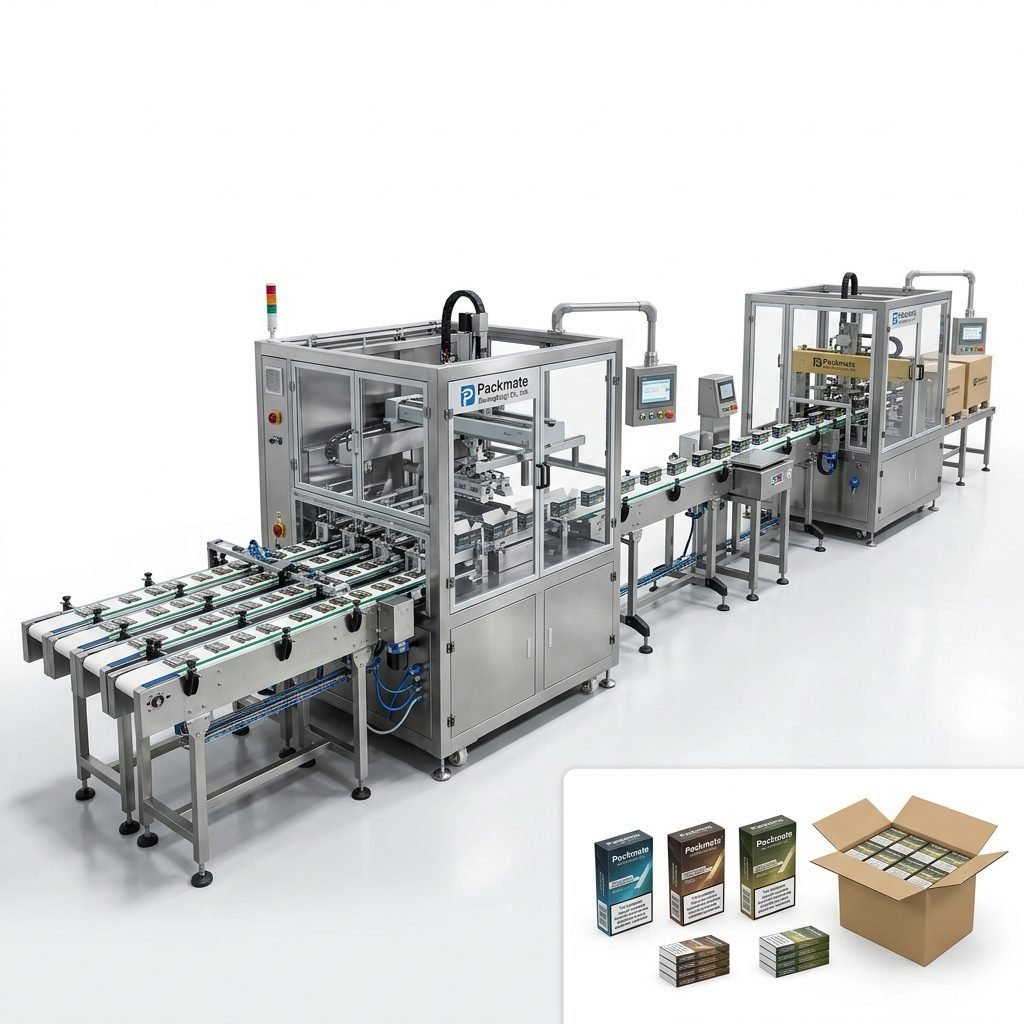
If you require a full production line — including filling, weighing, pouch forming, conveyance, and case packing — choose a supplier experienced in turnkey projects. Integration experience saves time and ensures the upstream/downstream devices communicate correctly and maintain consistent throughput.
To explore integrated line capabilities, review offerings in Filling & Packaging Lines, Weighing & Packaging Systems, and Auxiliary Packaging Equipment. A supplier with these systems can deliver synchronized performance and single-point accountability.
Integration advantage: Turnkey providers often include layout design, material flow planning, and operator training, which reduces commissioning time.
🤝 Assess After-Sales Service and Global Support
After-sales service distinguishes a machine purchase from a partnership. Confirm the supplier’s support channels (phone, email, remote diagnostics), average response time, and whether they provide spare parts kits with initial delivery. Ask for global references and case studies to evaluate real-world service performance.
Check the manufacturer’s Case pages and client testimonials to verify installation success stories. A track record of international exhibitions and global cooperation indicates a mature service network and exposure to diverse market demands.
📞 Contract Terms and Warranties
Negotiate clear warranty terms, spare parts availability windows, and defined service-level agreements (SLAs). Ensure delivery timelines, acceptance testing criteria, and penalty clauses (if critical) are included in the purchase contract to protect your investment.
💬 Communication, Transparency, and Cultural Fit
A smooth working relationship depends on transparent communication. Evaluate the responsiveness of sales and technical teams, clarity of technical proposals, and willingness to customize. A partner who listens and proposes practical engineering trade-offs is often easier to work with during ERP integration, layout changes, or product transitions.
Red flag: Vague technical answers or delayed quotes during the pre-sales stage may indicate longer delays after purchase.
📄 Compare Quotes: Total Cost of Ownership (TCO)
Price is important, but focus on TCO: initial purchase price, spare parts costs, expected machine lifetime, maintenance frequency, and energy consumption. A slightly higher-capability machine may be cheaper over its lifecycle if it reduces downtime or increases yield.
Request detailed quotations that list standard scope, optional extras, training, commissioning, and spare parts kits. Compare the ROI based on expected throughput and product margins.
🚀 Why Work with an Experienced Snus Packaging Specialist
Specialist manufacturers with focused experience in snus and nicotine pouch packaging understand the unique requirements of these products: small-dose accuracy, proper sealing for moisture control, and compliance with tobacco/nicotine regulations. They can deliver proven designs that maximize yield and minimize contamination risks.
If you want to review established product families and technical specifications, consider exploring Packmate’s product pages such as Snus & Nicotine Packaging Machines and Bag & Pouch Packaging Machines. These resources show typical machine configurations and capabilities relevant to snus production.
🔍 Validate References and Real-World Cases
Ask for client references and installation case studies in similar product segments. Real-world cases provide insight into uptime, integration complexity, and long-term service quality. Review completed Case pages to understand how manufacturers solve field issues and deliver results.
📌 Final Checklist Before You Buy
- Confirmed machine performance vs your production targets
- Factory audit, certifications, and quality control evidence
- Clear warranty, spare parts supply, and SLAs
- References and case studies from similar installations
- Turnkey integration capability and post-sale support plan
Action: Use this checklist to compare multiple suppliers and document responses for a transparent procurement decision.
🔗 Helpful Resources & Next Steps
For a deeper technical review and product comparisons, consult relevant product pages and resources:
- Snus & Nicotine Packaging Machines: https://www.snusmachinery.com/products/snus-nicotine-packaging-machines/
- Sachet & Stick Pack Machines: https://www.snusmachinery.com/products/sachet-stick-pack-machines/
- Case studies and installations: https://www.snusmachinery.com/case/
- Company background and certifications: https://www.snusmachinery.com/about-us/ / https://www.snusmachinery.com/certificate/
📌 Quick Purchasing Roadmap
1. Prepare a technical requirement document with KPIs.
2. Shortlist 3–5 manufacturers based on experience and factory capacity.
3. Request detailed quotations and machine datasheets.
4. Conduct a factory visit or request a live virtual tour.
5. Negotiate scope, delivery, training, and SLA terms.
6. Accept order, schedule FAT (Factory Acceptance Test), and plan installation.
📞 Contact and Follow-up
If you need a partner capable of supplying both machines and complete packaging lines, check the manufacturer’s Service and Contact pages for local agents or direct sales representatives. Direct engagement ensures faster clarification of technical questions and support during procurement.
Contact link for enquiries: https://www.snusmachinery.com/contact-us/
❓ Frequently Asked Questions
Q1: How long does it take to deliver a custom snus packaging line?
A1: Delivery depends on customization level and current factory load. Standard single machines often ship in a few months, while turnkey lines with custom integrations may take longer. Always confirm lead times in the quote and include FAT dates.
Q2: What certifications should I expect for a snus packaging machine?
A2: Typical certifications include CE for safety compliance and ISO for quality management. Additional regional or industry-specific approvals may be required depending on your market.
Q3: Can machines be adapted for different pouch materials and sizes?
A3: Yes. Many manufacturers design modular machines to accommodate various materials and sizes. Confirm format changeover time and the availability of quick-change parts before purchase.
Q4: What after-sales support should I expect?
A4: Expect technical phone support, spare parts supply, remote diagnostics, and on-site service options. Strong providers also offer operator training and preventive maintenance programs to maximize uptime.
Q5: How do I evaluate a manufacturer’s references?
A5: Request references in your region or industry segment, review case studies for similar projects, and, if possible, visit an installed line to observe real-world performance and reliability.