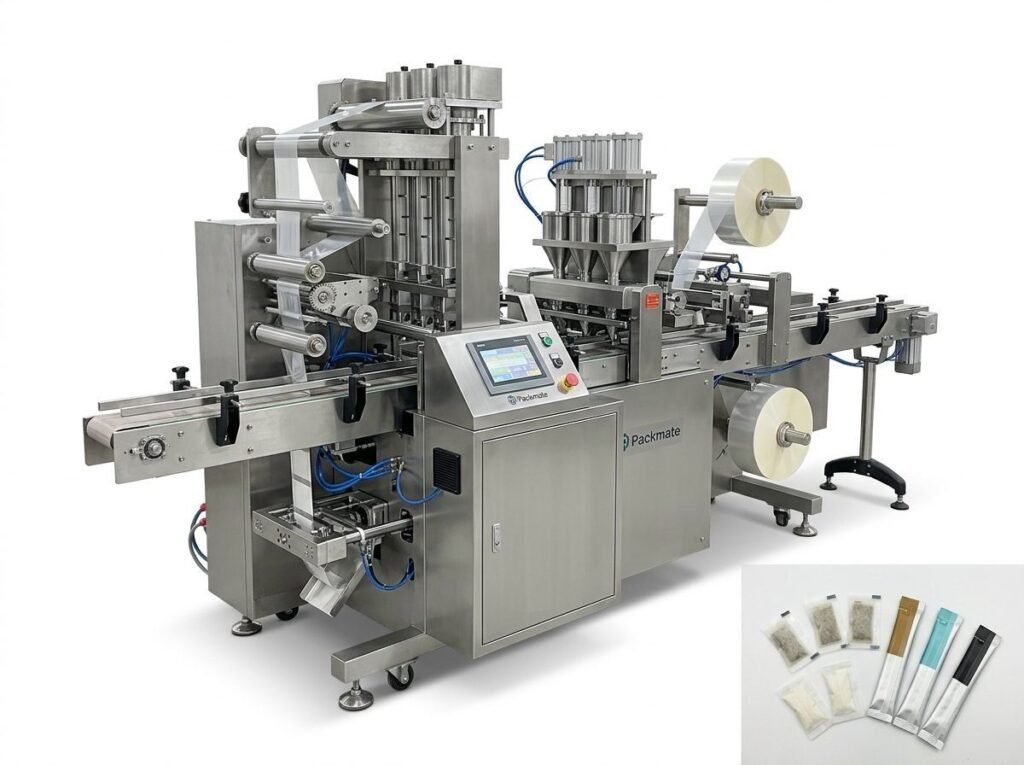
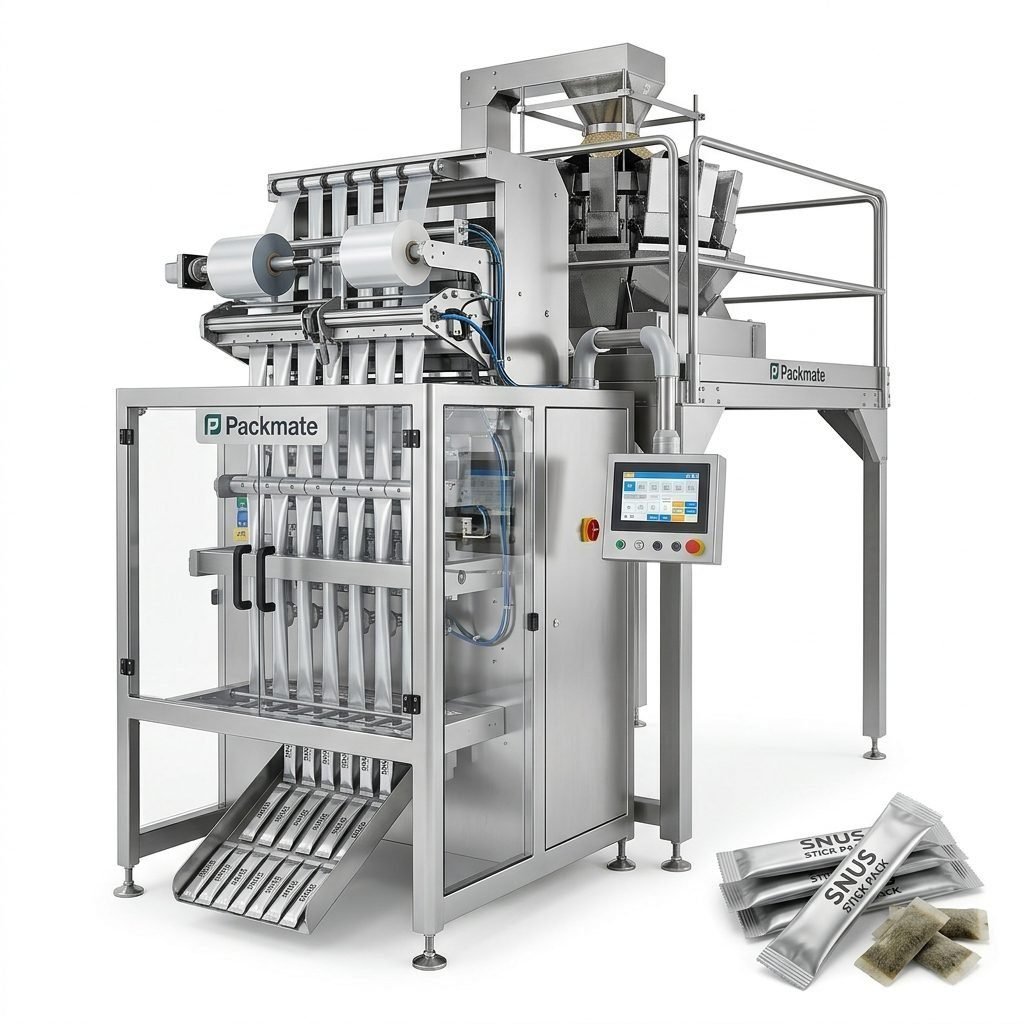
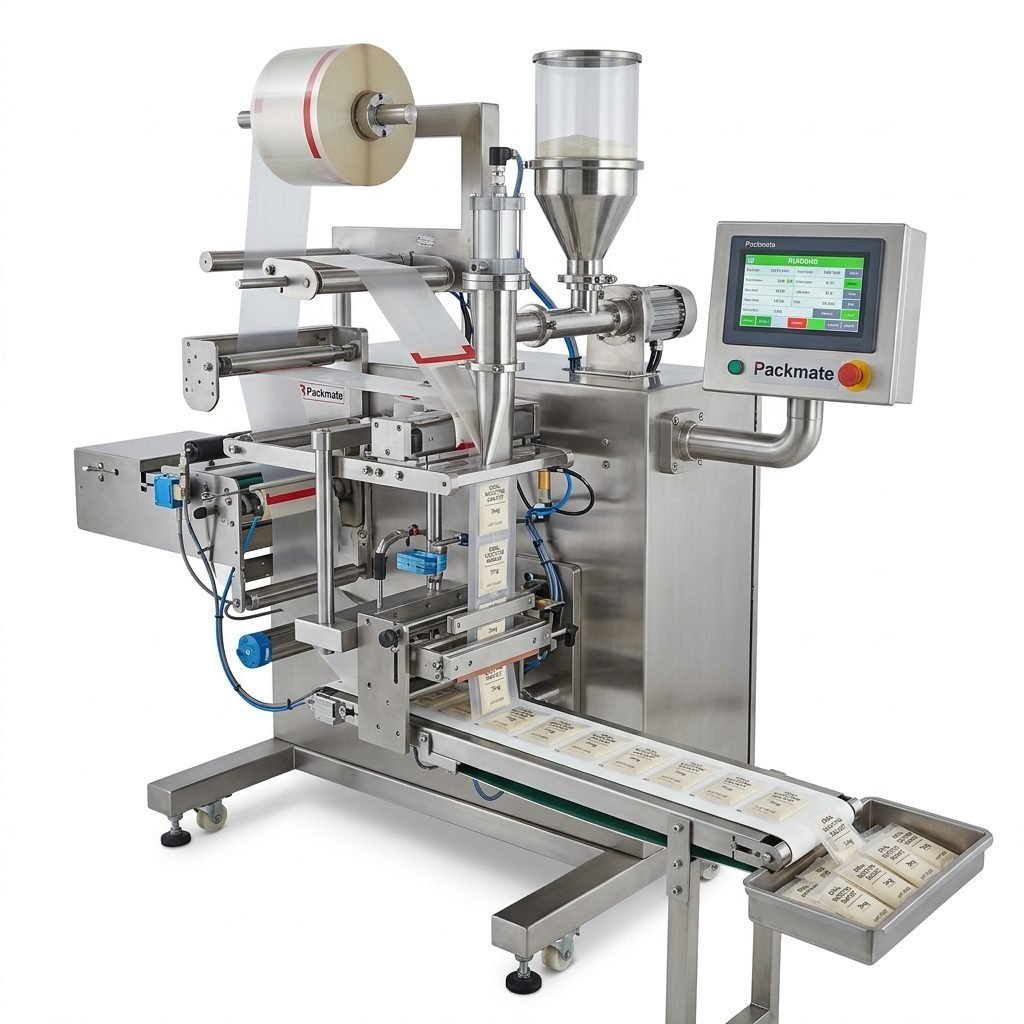
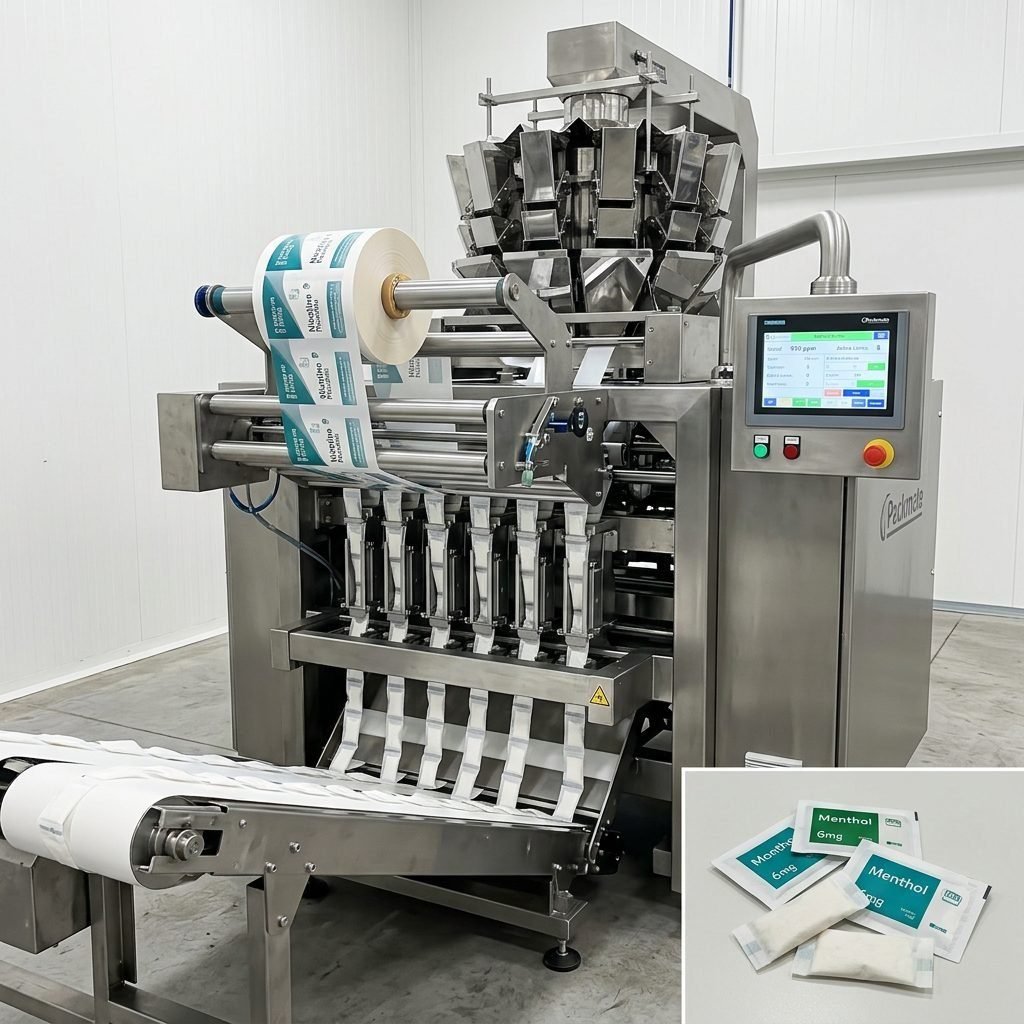
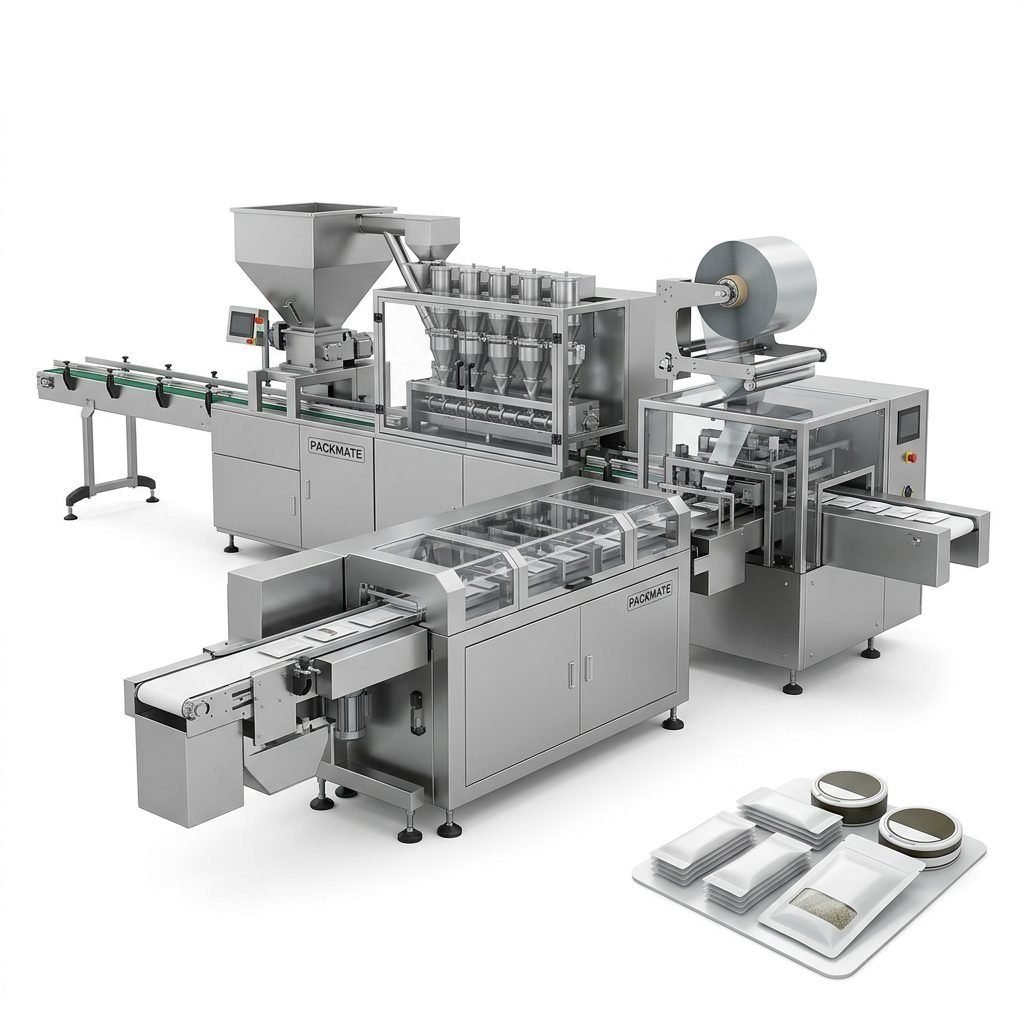
Choosing the right nicotine packaging machine supplier for your factory in Lebanon is a strategic decision that affects product quality, regulatory compliance, and long-term profitability. Whether you manufacture nicotine pouches, snus, or related oral products, selecting a partner who understands technical performance, local market practices, and after-sales support will determine how quickly your production reaches stable, cost-effective output.
Understand what your factory truly needs
Before approaching suppliers, prepare a clear brief: target daily output, pouch formats (stick, sachet, multi-lane snus pouches), product properties (powder, granules, moist snus), integration with upstream weighing or downstream cartonizing equipment, and available floor space. These requirements shape whether you need an off-the-shelf model or a customized production line.
Key outputs to specify: daily pouch volume, production shifts, number of lanes, target uptime, and the level of automation you expect (manual loading vs fully automated turnkey lines).
Why local context in Lebanon matters
Lebanon has a unique business environment. Import procedures, customs clearance, and seasonal holidays (such as Ramadan and public religious observances) can affect installation timetables. Language flexibility is valuable—many Lebanese engineers and managers work comfortably in Arabic, French, and English—so choose a supplier who can communicate clearly and provide documentation in English or French if needed.
Practical tip for Lebanese buyers
Face-to-face demonstrations and factory acceptance tests (FAT) are highly valued. Business relationships in Lebanon often rely on trust and personal visits; plan for on-site commissioning and in-person training whenever possible to build confidence and speed up handover.
Technical capabilities and machine performance
Evaluate machine throughput, format flexibility, accuracy (weighing and dosing tolerances), and stability under continuous operation. High-precision manufacturers with experience in snus and nicotine pouch lines will offer multi-lane systems that maximize yield while minimizing changeover time.
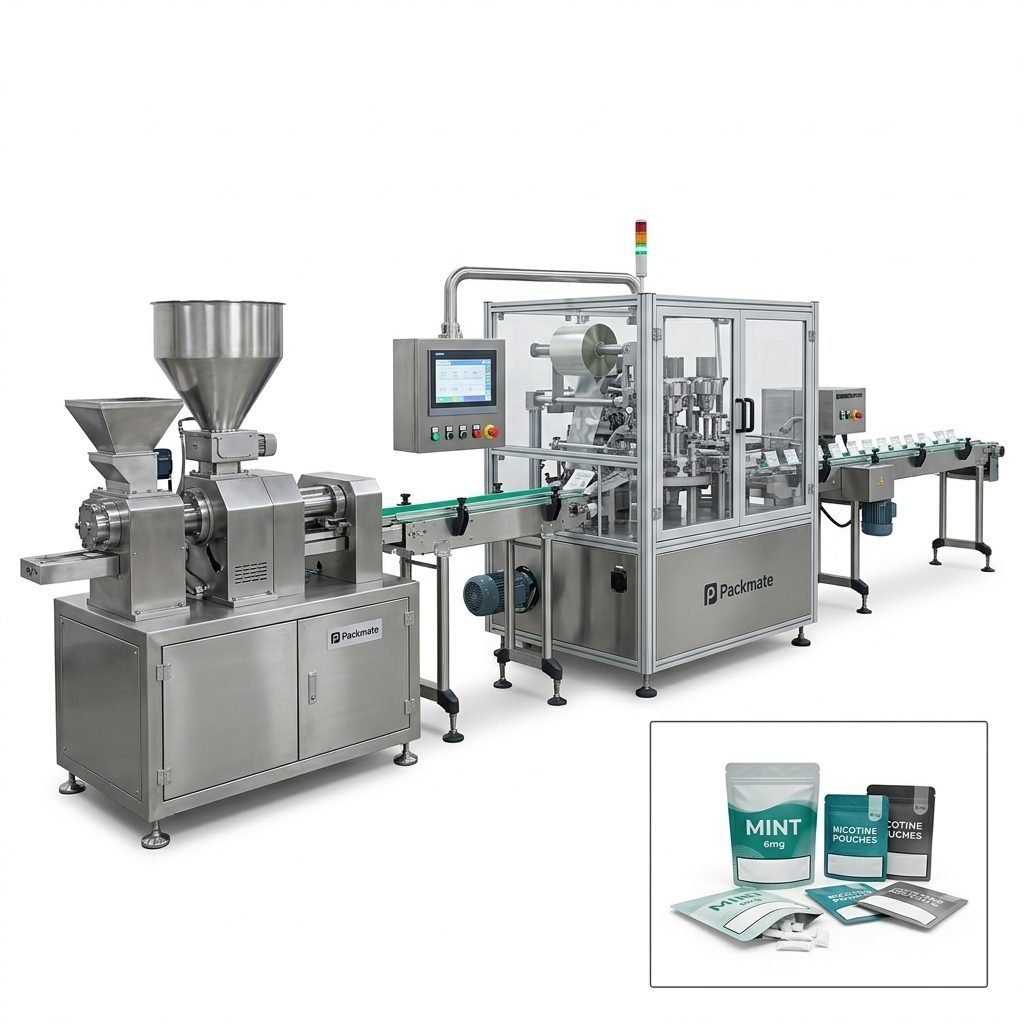
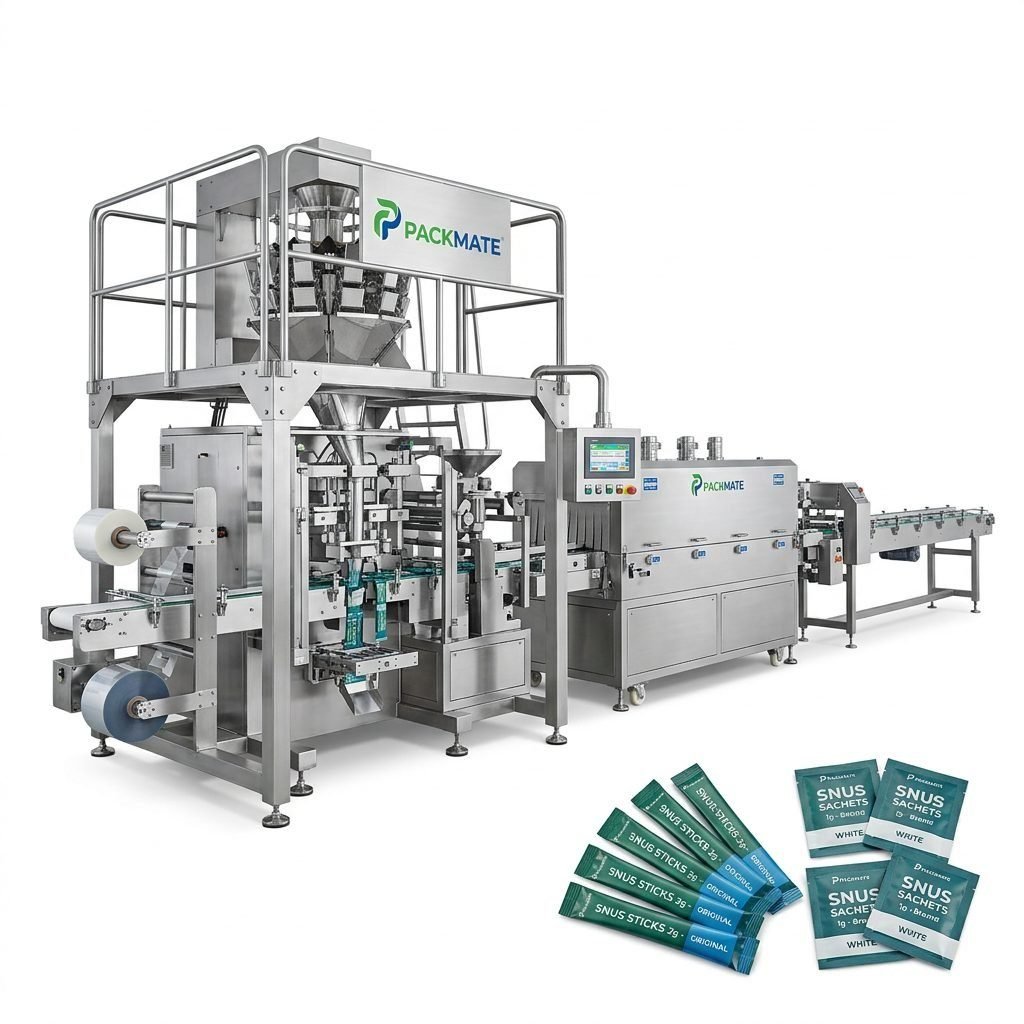
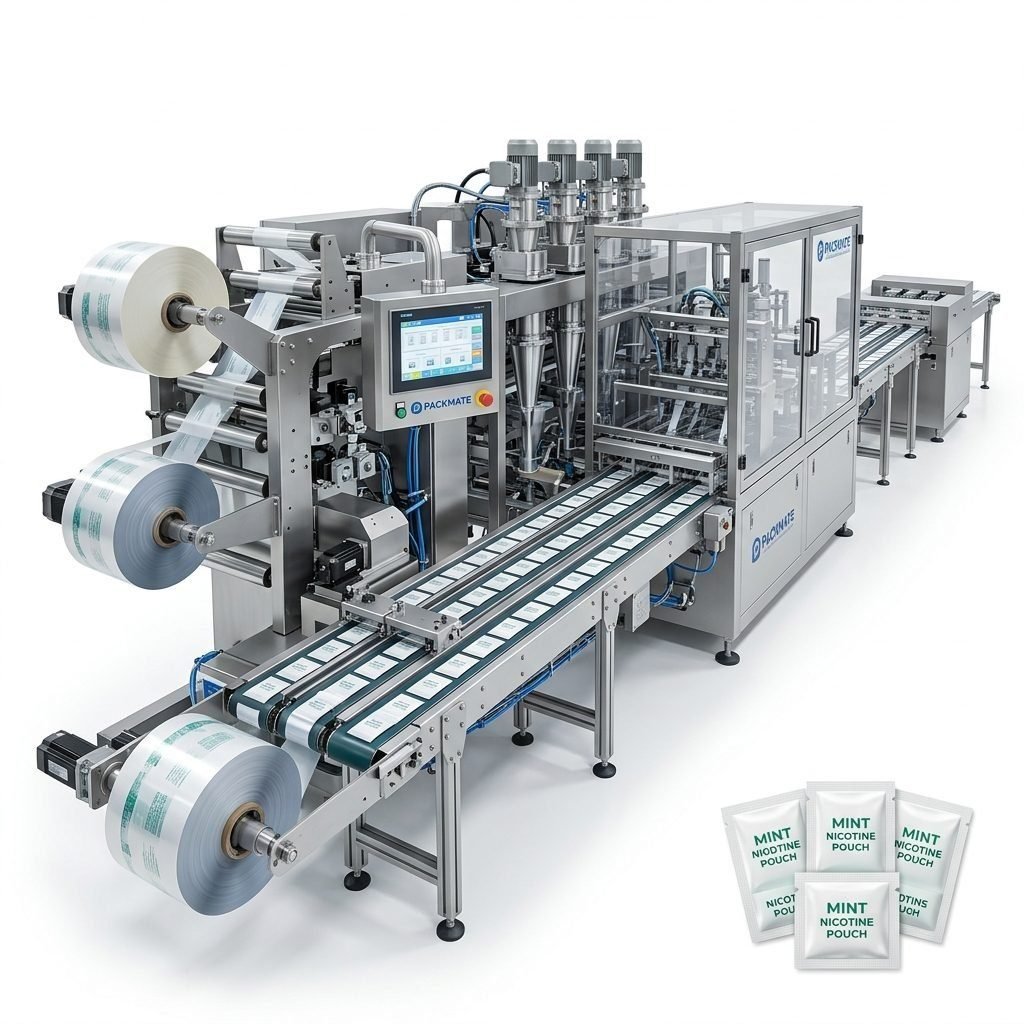
Consider suppliers like Packmate Snus Machine who specialize in snus and nicotine packaging technologies—reviewing their product pages such as
Snus & Nicotine Packaging Machines
can help you compare technical specs.
Customization and scalability
Your supplier should be able to deliver flexible solutions: multi-format tooling, optional lanes to expand capacity, and adaptable control systems for different recipes. When demand grows, you want modular machines that scale without a total rebuild.
Checklist: modular lanes, quick-change tooling, PLC and HMI standards, spare parts list, and upgrade pathways for automation.
Certifications, compliance and quality control
In Lebanon, as in most export markets, you must ensure machines meet international safety and quality standards. Look for suppliers with CE and ISO compliance and robust quality testing procedures. Inspect test reports and FAT documentation before shipment.
For trusted supplier credentials and manufacturing capability, check the supplier’s company information such as
About Packmate
and their
Certificate pages.
Sanitation, material contact and regulations
Ensure all product-contact materials are stainless steel (SS304/SS316 where needed) and finish standards meet food/pharmaceutical hygiene. Suppliers should provide cleanability documentation, and if you export to other markets, ask about compliance with destination-country regulations.
After-sales support, spare parts and training
Successful long-term operations depend on responsive after-sales service. Verify availability of spare parts, remote diagnostics capability, training packages, and local technical partners or agents in the Middle East who can provide field service.
Important questions to ask suppliers:
- Do you maintain a local spare parts inventory or a service partner in the region?
- What is the guaranteed lead time for critical components?
- Is remote troubleshooting via VPN/HMI offered, and what are the response SLAs?
Training and documentation
Ensure training programs cover operators, maintenance staff, and production supervisors. Documentation should include electrical and pneumatics schematics, spare parts lists, PLC code comments, and recommended maintenance schedules.
Total cost of ownership (TCO) and financing
Purchase price is only the start. Compute TCO including installation, commissioning, spare parts, energy consumption, consumables, operator training, and downtime costs. Ask suppliers for energy specs and mean time between failures (MTBF) statistics.
For financing and payment flexibility, many manufacturers offer staged payments, leasing options, or export finance programs. Discuss terms early to align cash flow with project milestones.
Factory visits, references and case studies
Always request references and, if possible, visit existing installations. A reputable supplier will provide case studies showing similar lines in operation. Review their global projects to understand how they handle logistics, customs, and remote commissioning.
Useful resources and examples of real projects can be found in supplier case pages like
Case.
Logistics and import considerations for Lebanon
Coordinate with customs brokers familiar with heavy machinery importation. Verify HS codes, duty rates, and inspection procedures. Consider shipping insurance and clear handover terms (EXW, FOB, CIF) to avoid misunderstandings during transport and customs clearance.
Local partner recommendation: working with a local integrator for installation, electrical hookup, and civil foundations can speed up commissioning and ensure compliance with local utility standards.
How to evaluate supplier proposals (comparison matrix)
When multiple proposals arrive, compare them across the same metrics: throughput, footprint, automation level, spare parts lead time, warranty terms, training scope, FAT inclusion, and warranty response time. Rank each supplier numerically to aid objective decision-making.
Red flags to watch for
⚠️ Vague spare parts policies, no FAT offer, missing quality certificates, unclear training commitments, or unwillingness to provide references are all warning signs. Also be cautious if the supplier cannot explain downtime reduction strategies or energy consumption figures.
Final selection and project kickoff
Once you’ve selected a supplier, agree on a detailed project plan with milestones for engineering, FAT, shipment, customs clearance, installation, and final acceptance. Clarify who is responsible for each activity and include penalties or remedies for missed milestones to protect your schedule.
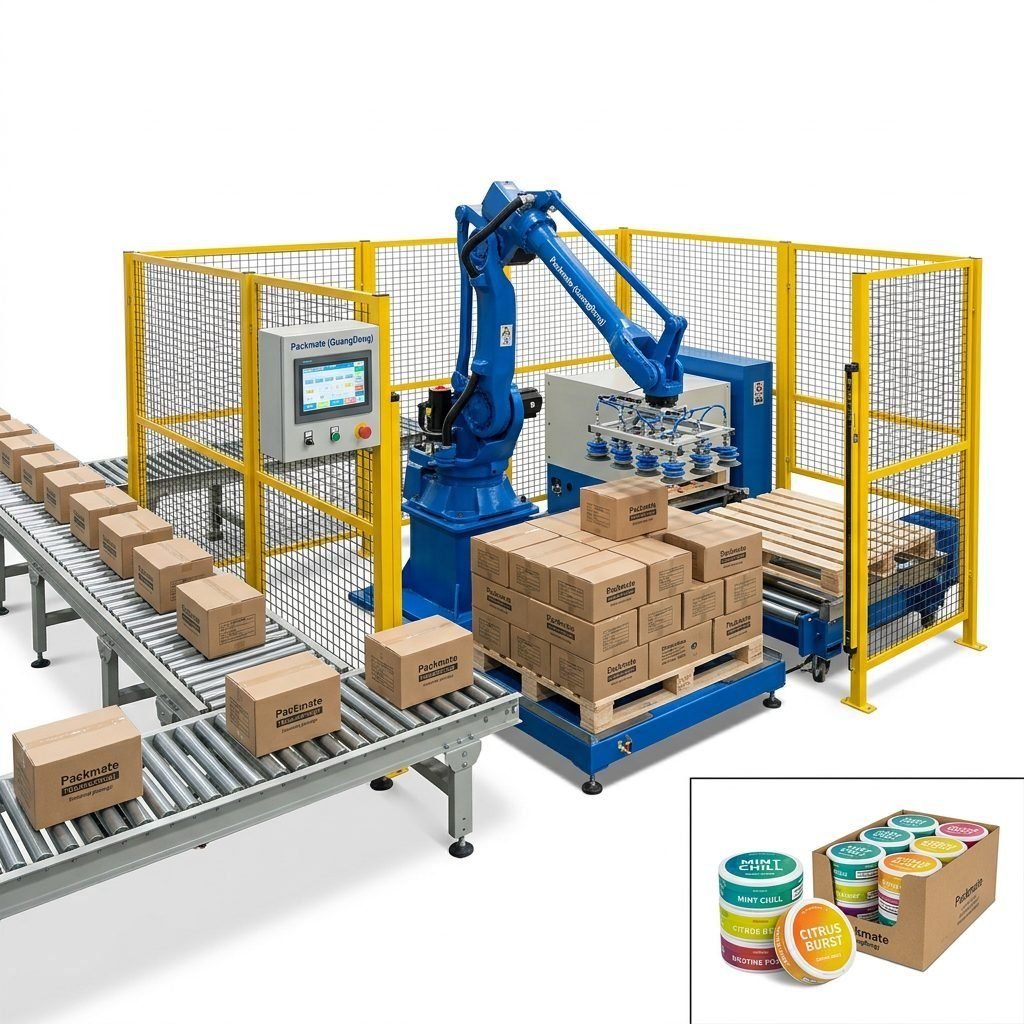
If you want to evaluate a range of packaging equipment—beyond snus machines—review related product categories like
Bag & Pouch Packaging Machines
and
Filling & Packaging Lines
for full-line integration.
Quick procurement checklist
📌 Clear technical brief and expected KPIs
📌 FAT and site acceptance included in contract
📌 Spare parts and training scope defined
📌 Compliance certificates verified (CE/ISO)
📌 Local customs & logistics plan in place
Where to get reliable support and next steps
For manufacturers with decades of experience in snus and nicotine pouch equipment, explore suppliers that provide turnkey solutions and global support. Review service offerings on pages like
Service
and contact their sales team through
Contact Us
to arrange demonstrations and factory visits.
Closing advice
Investing time in specification, vetting, and project planning reduces risk and accelerates return on investment. Focus on suppliers that combine proven machine technology, local market understanding, and solid after-sales support to ensure a smooth production ramp-up in Lebanon.
Frequently Asked Questions
Q1: How long does it take to install a snus/nicotine pouch line in Lebanon?
A: Typical timelines range from 6–12 weeks for standard lines after FAT, plus shipping and customs clearance time. Custom projects can take longer; agree on milestones in the contract.
Q2: What certifications should I insist on?
A: CE and ISO are baseline quality/safety marks. Also request material traceability for product-contact parts and FAT documentation demonstrating performance to your specs.
Q3: Can I get local service in Lebanon?
A: Many global suppliers work with regional agents or authorize local service partners. Confirm spare parts logistics and whether remote support is available for quick troubleshooting.
Q4: Is a FAT essential?
A: Yes—Factory Acceptance Tests verify performance and reduce installation time on-site. Insist on FAT as part of your purchase agreement.
Q5: Where can I see supplier machines and case studies?
A: Review supplier case pages and exhibition schedules. Suppliers often showcase live demos at major trade shows—check their Our Exhibition page for upcoming events.