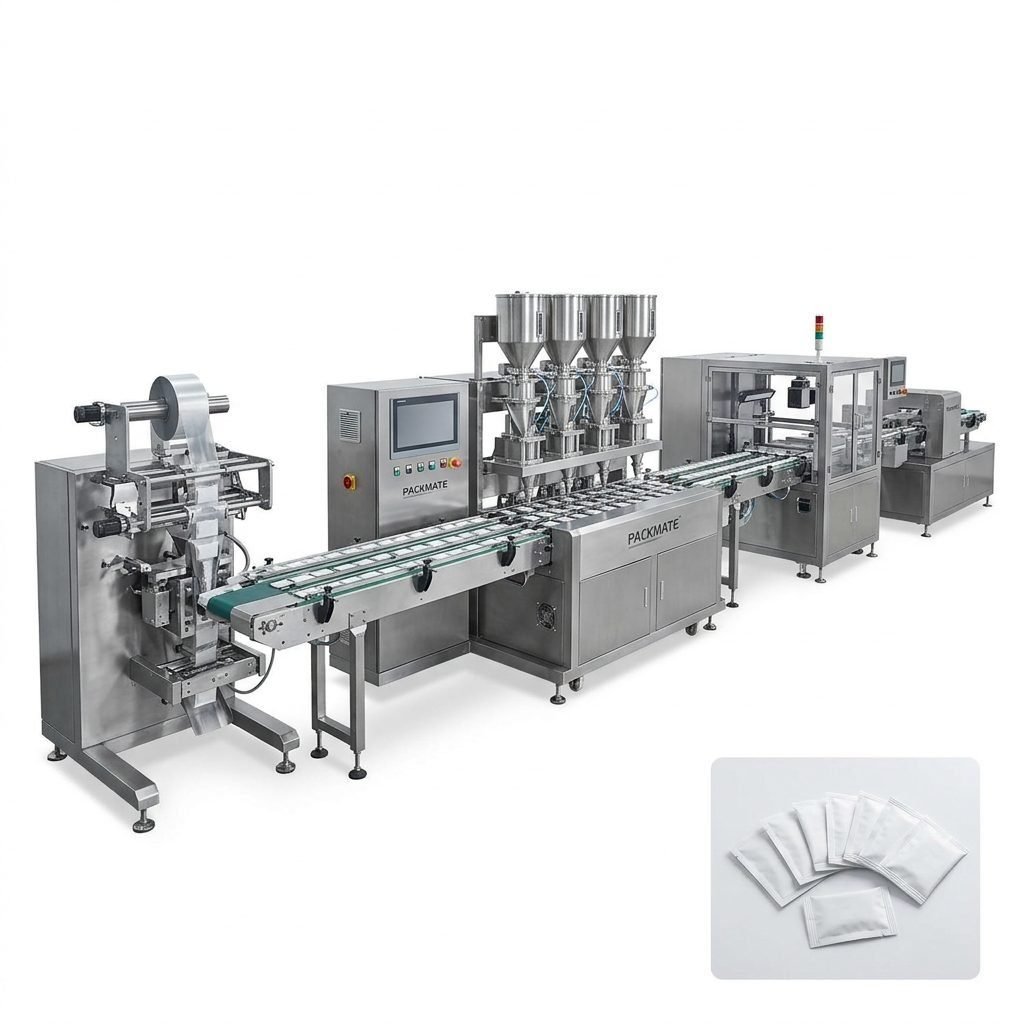
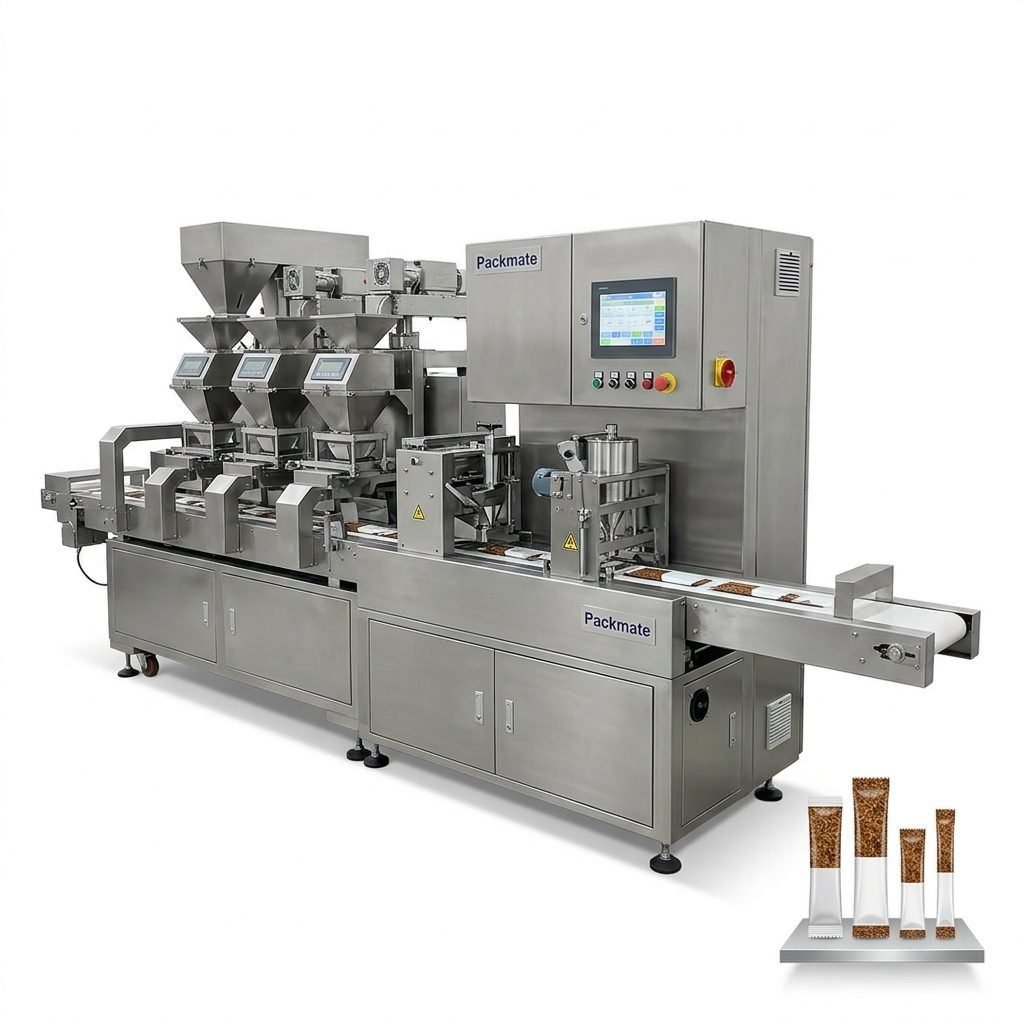
Choosing the right nicotine packaging machinery for production in Sierra Leone requires a clear understanding of your product specifications, production goals, local infrastructure, regulatory landscape, and long-term service needs. This guide walks you through the technical, operational, and commercial factors to consider so you can select equipment that delivers consistent quality, reliable uptime, and compliant packaging lines.
Understand Your Product and Output Requirements
Start by documenting the exact product format: nicotine pouches (snus), stick packs, sachets, powders, or liquid fills. Each format demands a different machine architecture and accessory set. Key parameters to list:
• Target production capacity (pieces per minute or per hour)
• Package sizes and gram weights or pouch dimensions
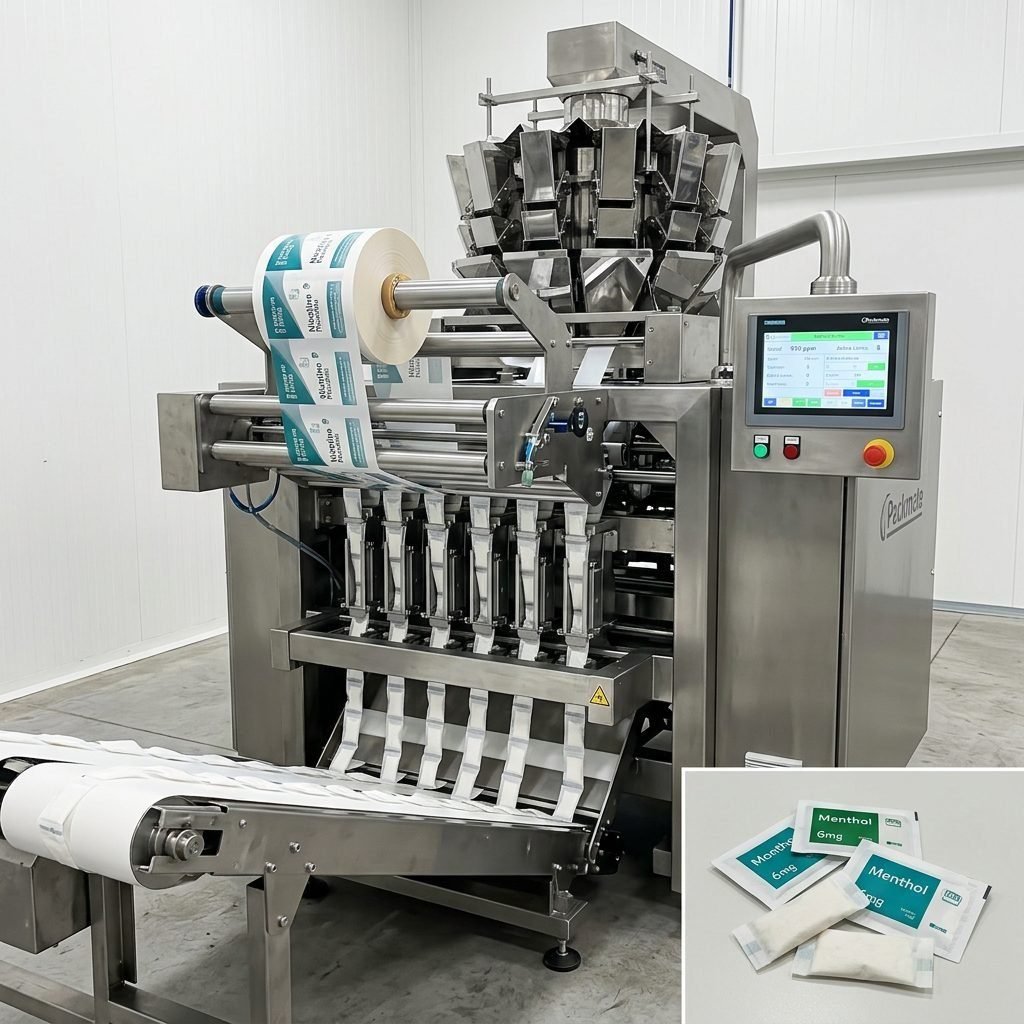
• Multi-lane vs single-lane preference for higher throughput
• Product characteristics (dry powder, moist pouch, granule, liquid)
Why these matter
Machines optimized for high-speed multi-lane nicotine pouch lines are fundamentally different from a stick-pack or sachet system. Choosing a machine rated below your required throughput leads to production bottlenecks; overspecifying adds unnecessary capital expense.
✔️ Quick tip: If you expect market growth, consider modular, multi-lane systems that can scale capacity by adding lanes rather than replacing the whole machine.
Match Machine Type to Product: Options and Trade-offs
Consider these common packaging platforms and their best-fit scenarios:
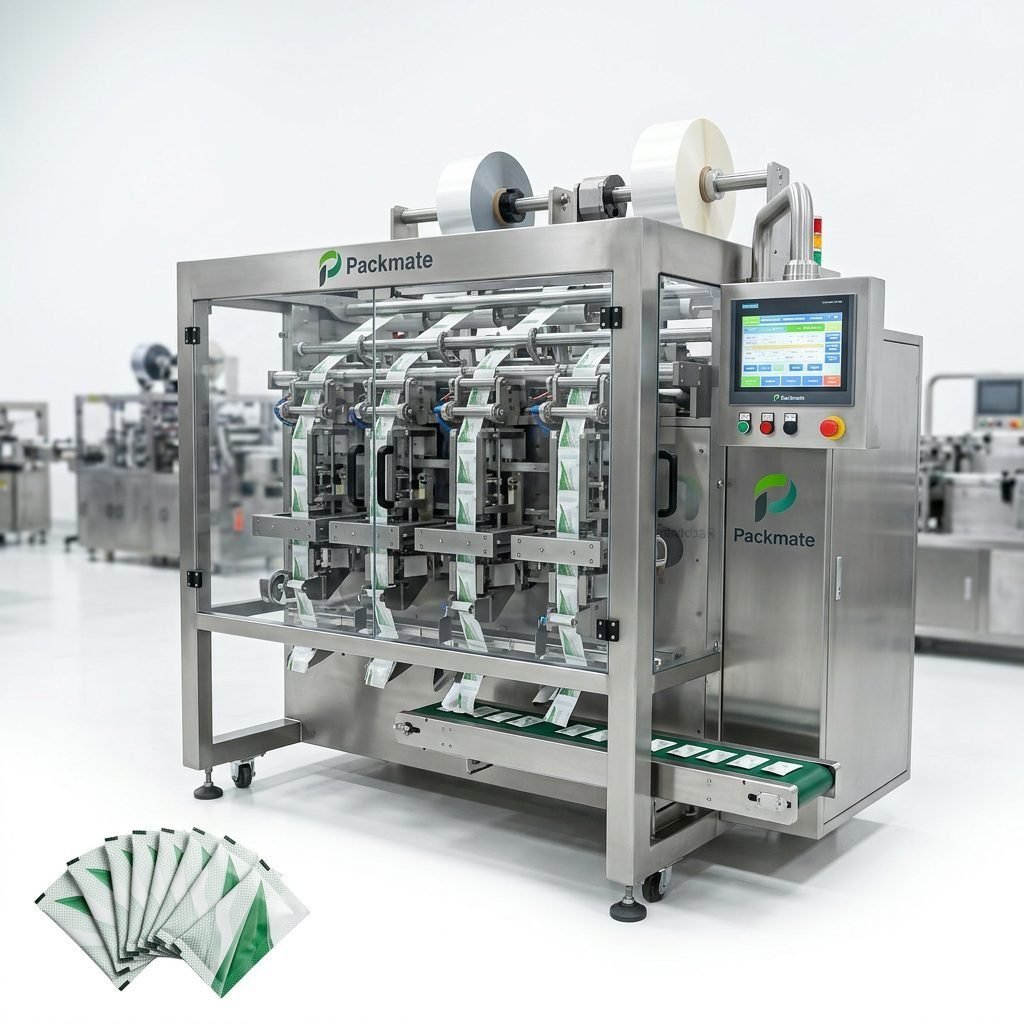
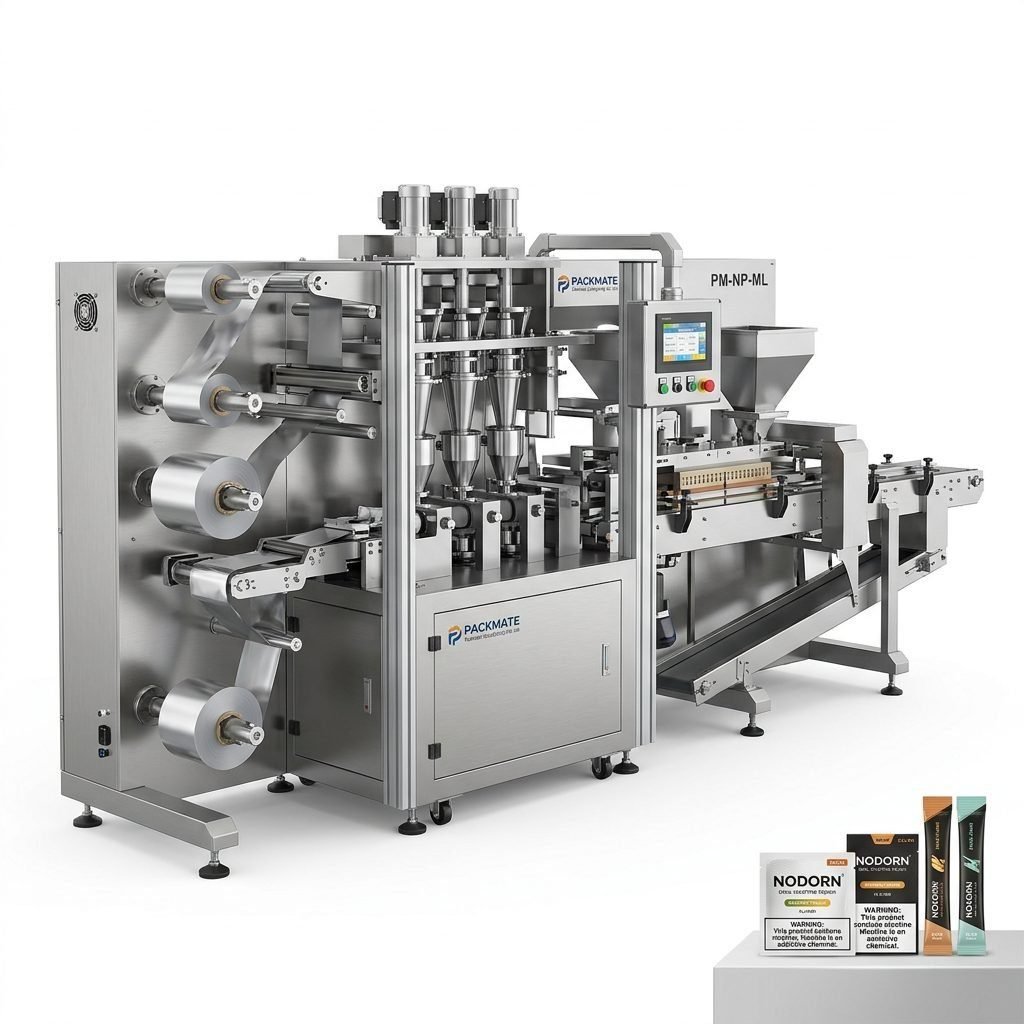
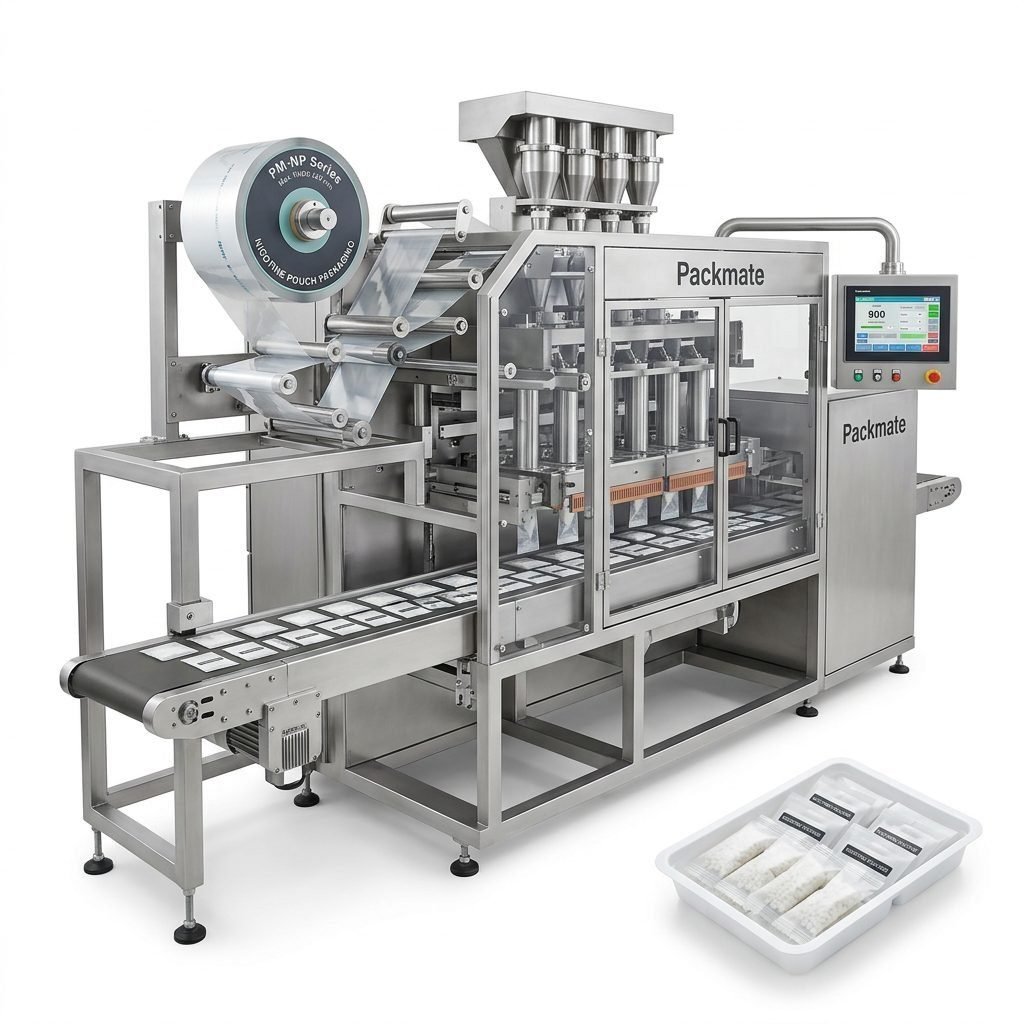
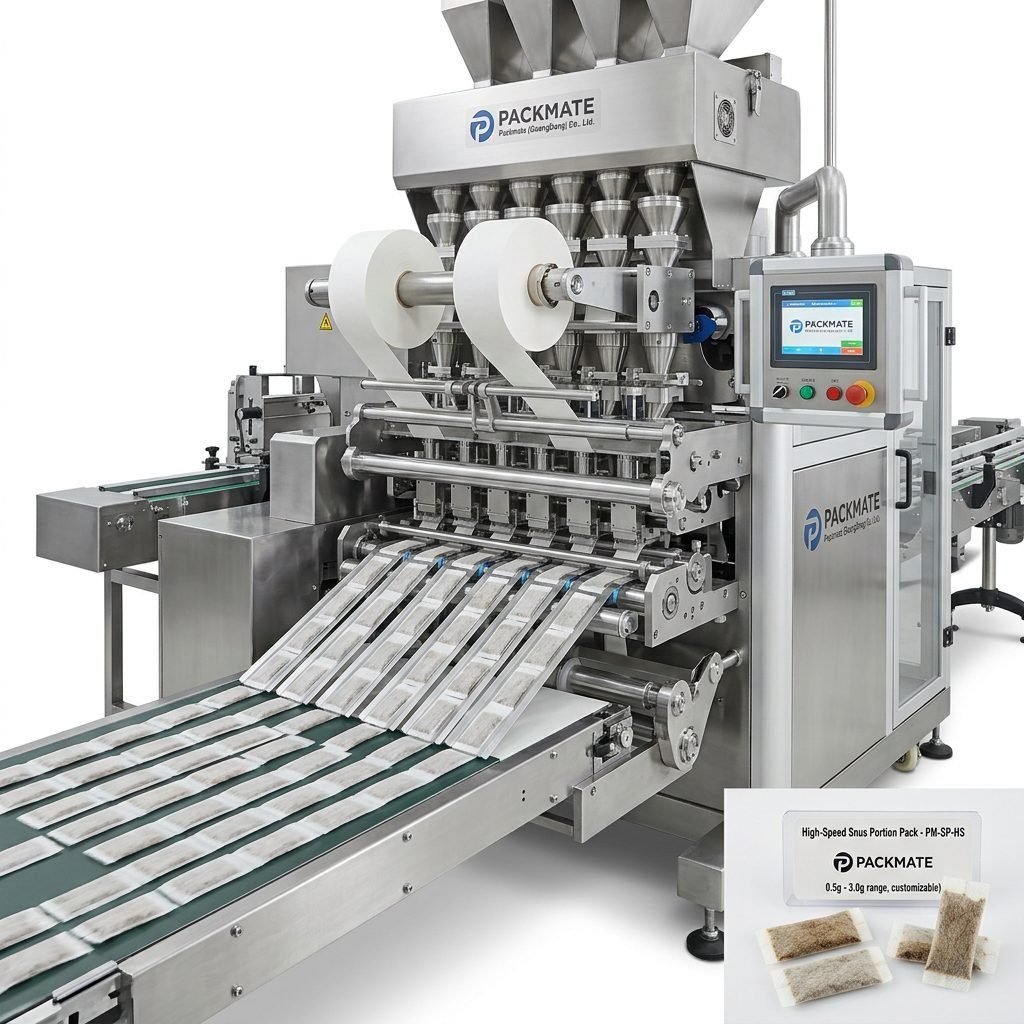
• Snus & Nicotine Pouch Machines: Designed for small-dose pouches, high precision metering, and gentle handling of moist products. Ideal for nicotine pouch production lines. See examples at Snus & Nicotine Packaging Machines.
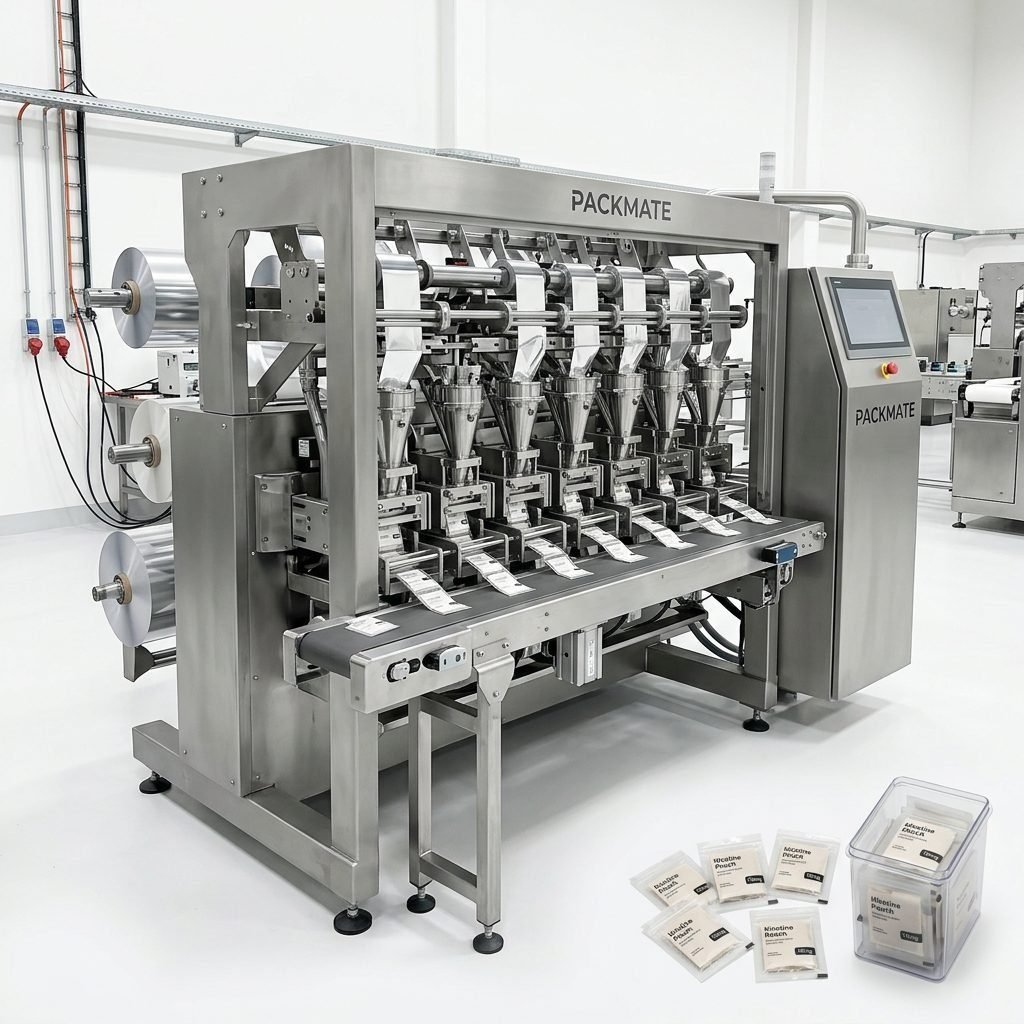
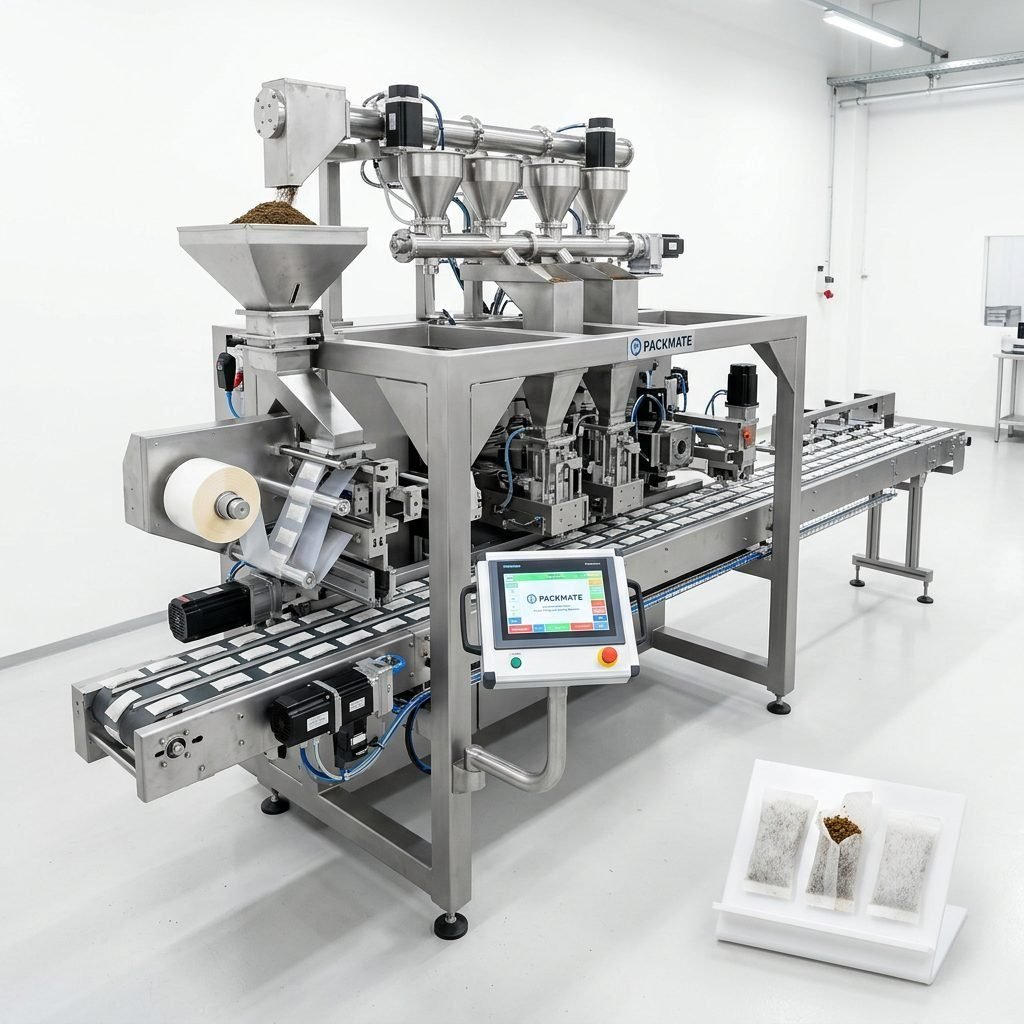
• Sachet & Stick Pack Machines: Best for single-dose sachets or stick packs with powders, granules, or liquids. Good for flexible packaging formats and promotional packs. (See Sachet & Stick Pack Machines.)
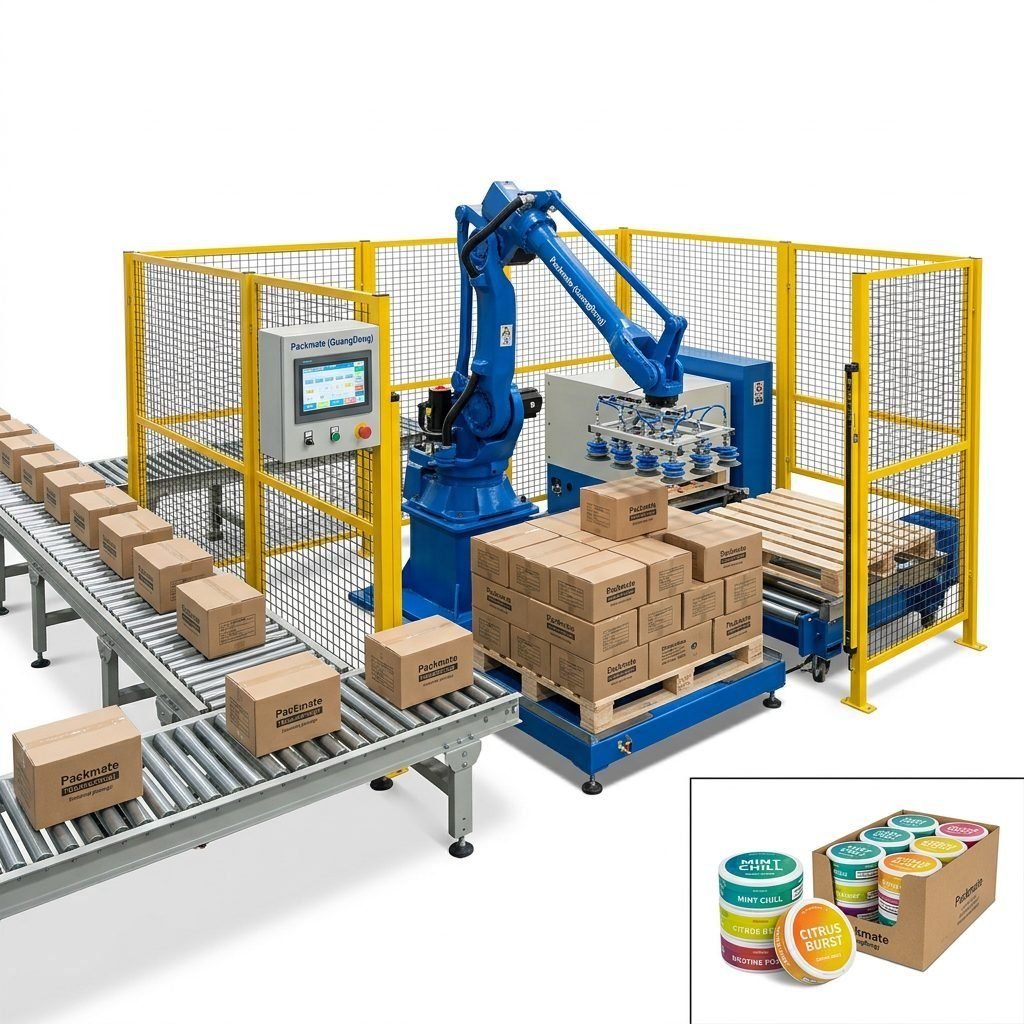
• Filling & Packaging Lines: For complete automated lines integrating weighing, filling, sealing, and case packing—choose if you want turnkey solutions. (Reference: Filling & Packaging Lines.)
Capacity Planning and Line Configuration
Accurately projecting capacity avoids costly under- or over-investment. Factors to analyze:
• Planned shifts per day and uptime targets (OEE expectations)
• Changeover frequency for different SKUs and packaging formats
• Need for downstream equipment: conveyors, cartoners, case packers, labelers
🔧 Important: A single multi-lane machine may reduce floor space and labor, but complexity increases for maintenance and spare parts. Balance modularity with your team’s technical capability.
Regulatory Compliance and Certification
In Sierra Leone, nicotine-containing products must meet local and export market regulations. Ensure equipment and materials support compliant packaging, tamper evidence, and traceability. Look for suppliers whose equipment meets international standards such as CE and ISO for machine safety and quality. Packmate, for instance, lists CE/ISO-compliant equipment across its lines—this can simplify validation and regulatory approval.
Evaluate Suppliers: Service, Training, and Local Support
Vendor selection is as important as machine specifications. Prioritize suppliers that provide:
• Comprehensive installation and commissioning services
• Operator and maintenance training programs
• Readily available spare parts and remote diagnostics
• Proven case studies in similar markets (see examples: Case)
📦 Supplier checklist: Ask for OEE reports, MTBF data, spare parts lead times, and references from existing clients in similar climates or regulatory environments.
Automation Level and Industry 4.0 Capabilities
Decide the level of automation that fits your business model. Full automation reduces labor but increases initial cost and technical demands. Modern lines often include PLC control, HMI interfaces, and remote monitoring for predictive maintenance. If you plan to export products, automated serialization and data logging can streamline compliance and traceability.
Material Compatibility and Packaging Supplies
Different sealing materials, barrier films, and pouch structures affect machine selection. Verify that the proposed machine supports the film width, sealing temperature, and pouch types you plan to use. Consider partnering with your equipment vendor for packaging material sourcing to ensure compatibility and reliable seals—this reduces packaging defects and product returns.
Energy, Utilities, and Factory Layout
Sierra Leone facilities may face utility constraints. Confirm:
• Power requirements and voltage stabilization needs (generators or UPS)
• Compressed air quality and consumption for pneumatic actuators
• Clean room or dust control needs for product integrity
• Floor loading and space allocation for multi-lane or inline systems
⚙️ Practical note: Always perform a factory acceptance test (FAT) and site acceptance test (SAT) with your actual packaging materials and product samples to avoid commissioning delays.
Maintenance Strategy and Spare Parts Planning
Plan for preventative maintenance, spare parts inventory, and technician training. Machines that use standard components and have clear service documentation reduce downtime. Confirm lead times for critical spare parts—ideally under 4–6 weeks—or ensure the vendor can ship quickly to Sierra Leone.
Total Cost of Ownership (TCO) vs Initial Capital Cost
Evaluate TCO, not just the purchase price. Include:
• Installation & commissioning costs
• Training and documentation
• Energy and consumables cost (films, sealing elements)
• Spare parts and service contracts
• Expected lifetime and resale or upgrade options
Customization and Turnkey Solutions
If you require specific integrations—for example, multi-lane dosing, inline metal detection, or automated cartoning—choose a supplier that offers turnkey packaging lines and customization. Packmate provides comprehensive lines and flexible models across snus, stick pack, sachet, and filling systems; review their product range to match line designs: Bag & Pouch Packaging Machines and related systems.
Training, Documentation, and After-Sales Service
Good documentation (operation manuals, spare part catalogs, electrical drawings) and local technician training are vital. Ensure the vendor offers post-sale service packages, remote troubleshooting, and periodic maintenance visits. A supplier with a global footprint and exhibition presence often demonstrates robust after-sales capabilities—learn more about vendor presence in exhibitions at Our Exhibition.
Evaluate Real-World Performance: Ask for References and Case Studies
Request references from manufacturers in similar climates or product types. Review case studies for uptime, changeover times, and packaging quality. Real-world performance is the best indicator of how equipment will behave on your line. Explore vendor case history to benchmark expectations: Case.
📌 Bottom line: Machines from experienced manufacturers with documented performance and global support networks reduce risk—especially when operating in regions with limited local expertise.
Procurement Checklist: Questions to Ask Suppliers
• Can you provide FAT and SAT with my materials?
• What is the guaranteed throughput and OEE under real conditions?
• What spare parts are required for the first 12 months, and lead times?
• Do you offer operator and maintenance training locally?
• Are CE/ISO certificates and machine safety documentation available?
• What remote support and diagnostic tools are included?
Why Partner with an Experienced Manufacturer?
Vendors with decades of engineering experience and dedicated production facilities bring design maturity, quality control, and faster development cycles. For example, a manufacturer with extensive experience in snus and nicotine pouch lines offers optimized dosing systems, multi-lane synchronization, and specialized conveyors for gentle handling. Learn more about company capabilities at About Packmate.
Implementation Timeline and Project Management
Typical procurement-to-production timelines include design, FAT, shipping, installation, SAT, and validation. Plan for buffer time to address site-specific issues such as power conditioning, utility installation, and regulatory inspections. A clear project timeline and milestones with the vendor will keep commissioning on schedule.
Final Selection Strategy
Balance technical fit, TCO, supplier reliability, and local support. Use scoring criteria to compare proposals:
• Technical match to product and capacity (30%)
• After-sales service and spare parts availability (25%)
• Total cost of ownership and financing options (20%)
• Documentation, training, and compliance support (15%)
• Vendor reputation and case references (10%)
✅ Recommendation: Score each vendor objectively and include trial runs with your packaging materials as a decisive evaluation step.
Conclusion
Selecting the best nicotine packaging machinery for Sierra Leone involves a careful mix of technical specification, supplier evaluation, regulatory compliance, and local operational readiness. Prioritize equipment that matches your product formats, offers scalable throughput, and is backed by strong after-sales support. Choosing an experienced partner with proven case studies and turnkey capabilities will minimize production risk and accelerate time to market.
Frequently Asked Questions
Q1: What should I prioritize when selecting a nicotine pouch machine for small-batch production?
A1: Prioritize flexibility and quick changeover features. A single- or dual-lane machine with modular tooling reduces waste and fits small-batch runs while allowing future scaling.
Q2: How important is CE/ISO certification when buying packaging equipment for Sierra Leone?
A2: Very important—certifications indicate adherence to international safety and quality standards, facilitating export approvals and ensuring reliable machine design.
Q3: What level of spare parts inventory should I maintain locally?
A3: Keep critical wear parts (seals, belts, sensors, spare heating elements) for 3–6 months of production and maintain a plan with your supplier for rapid replenishment of major components.
Q4: Can I get a turnkey line including weighing, filling, and cartoning?
A4: Yes. Many manufacturers offer turnkey packaging lines integrating weighing, filling, and packaging—review turnkey options and references to ensure smooth integration. Explore full line options at Weighing & Packaging Systems.
Q5: How do I verify a supplier’s claims about machine throughput and OEE?
A5: Request FAT data with your materials, ask for onsite references, and review documented OEE reports under real operating conditions. A reputable supplier will support FAT trials and provide transparent performance metrics.