Choosing the right nicotine packaging machine in Rwanda requires balancing local regulations, production goals, budget, and the realities of operating in East Africa. This guide walks Rwandan manufacturers, entrepreneurs, and contract packers through practical steps to select a machine that delivers accuracy, compliance, and reliable after-sales support — while considering Rwanda’s infrastructure, labor skills, import logistics, and market preferences.
Understanding Rwanda’s Market & Regulatory Context
Rwanda emphasizes public health and maintains strict regulations on tobacco products. Before purchasing equipment for nicotine pouches or snus, verify local regulations with the Rwanda FDA or relevant authorities and ensure your products meet labeling and ingredient rules. Many businesses choose to prioritize compliance by selecting machinery that supports traceability and consistent dosing.
Local consumer preferences in Rwanda favor discreet, compact packaging and portion-controlled formats. Small-batch manufacturing is common for startups, while established brands may require multi-lane, high-speed lines to meet regional export demand into East Africa.
Key Machine Types to Consider
Understand the main equipment classes so you can match machine capabilities to your product format:
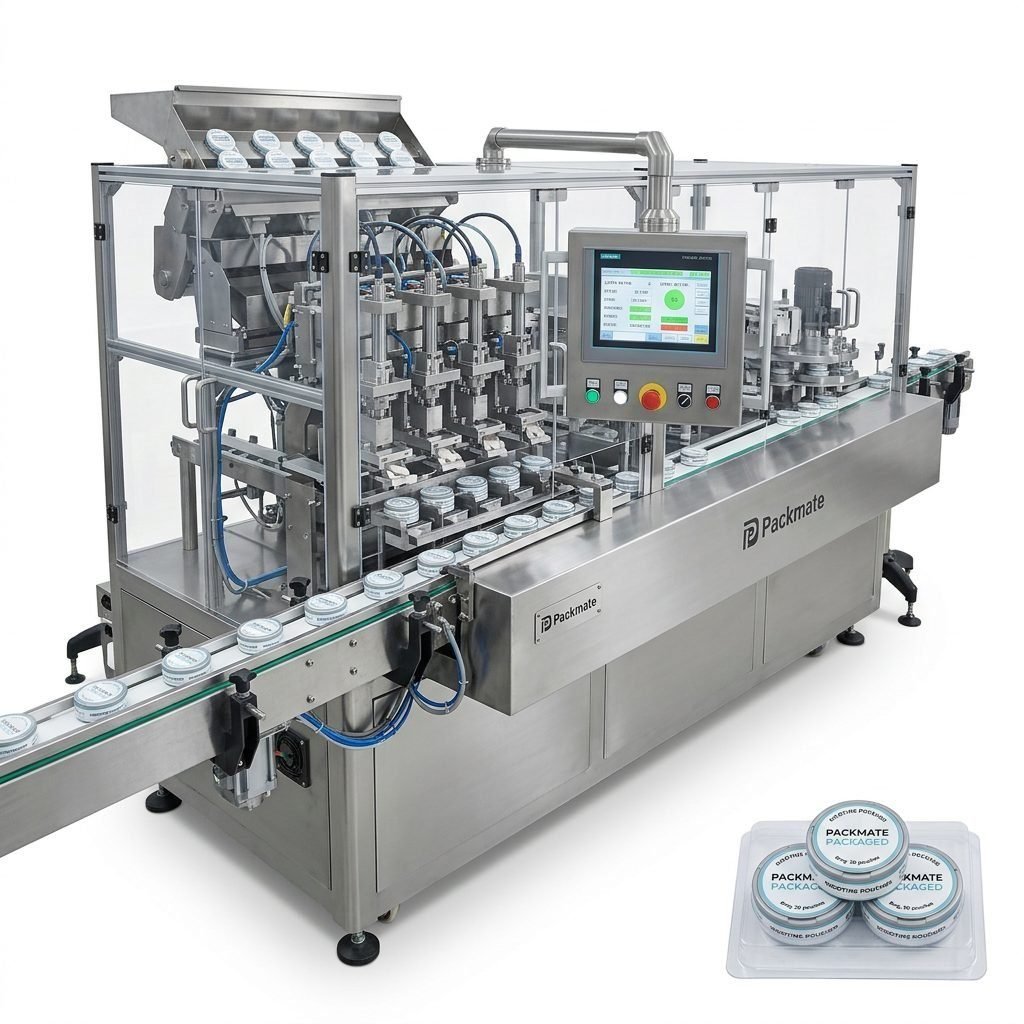
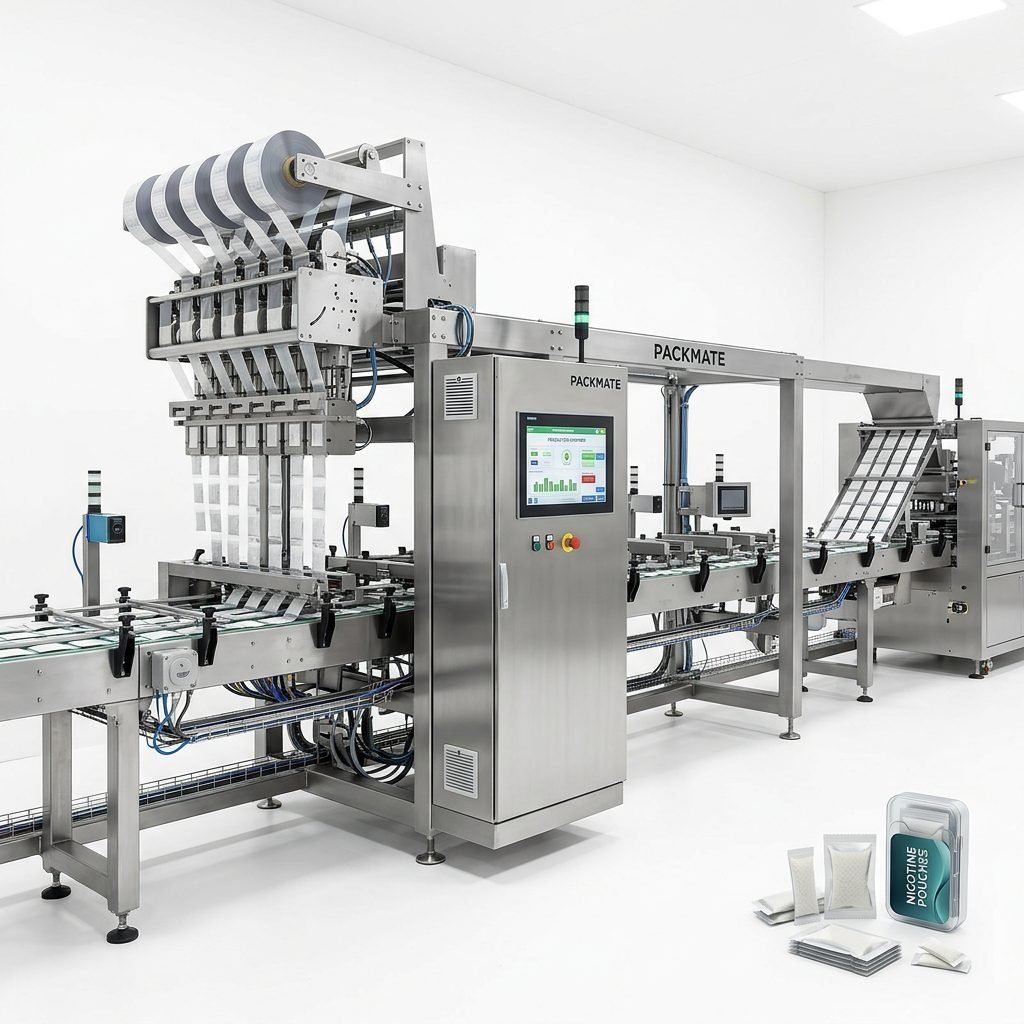
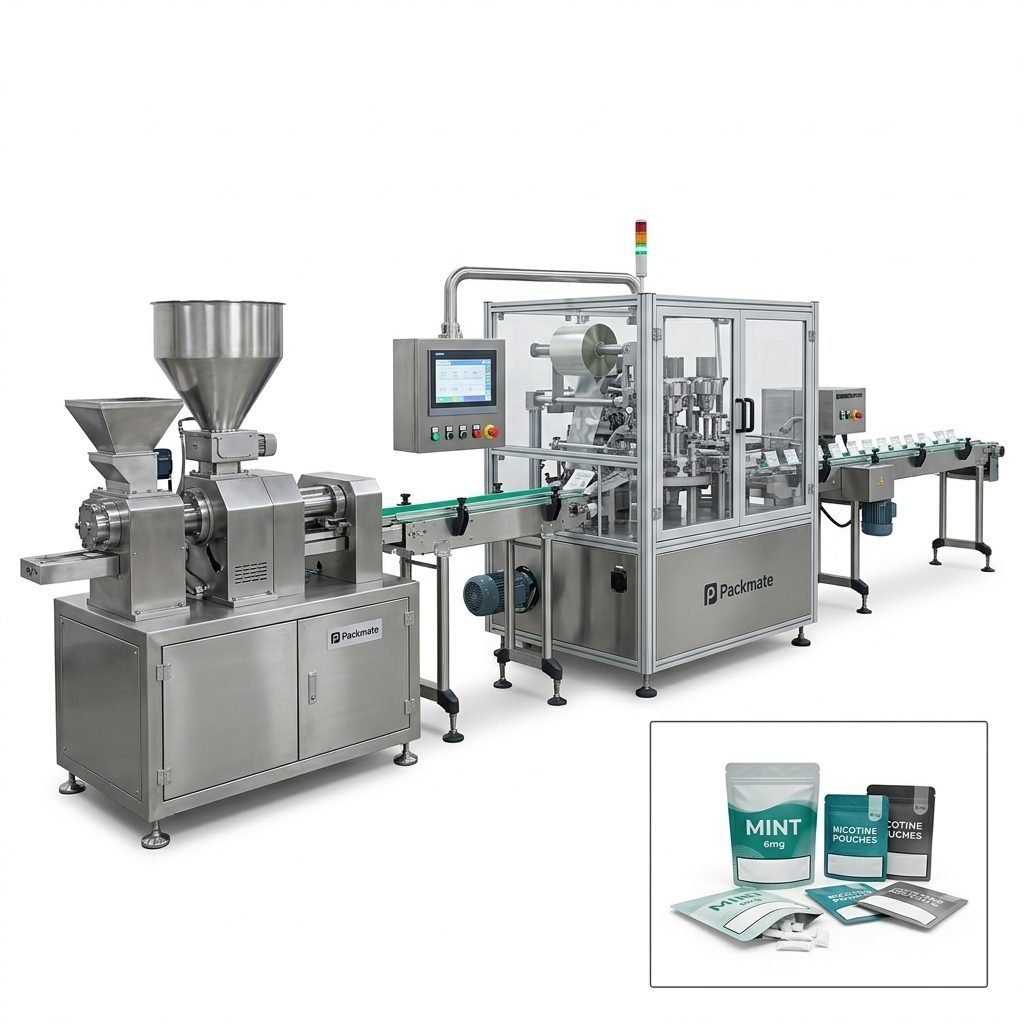
🔧 Snus & Nicotine Pouch Machines — Designed for small-dose pouches, offering precise fill control and sealed pouches that match snus formats. Ideal for nicotine sachets and small pouches.
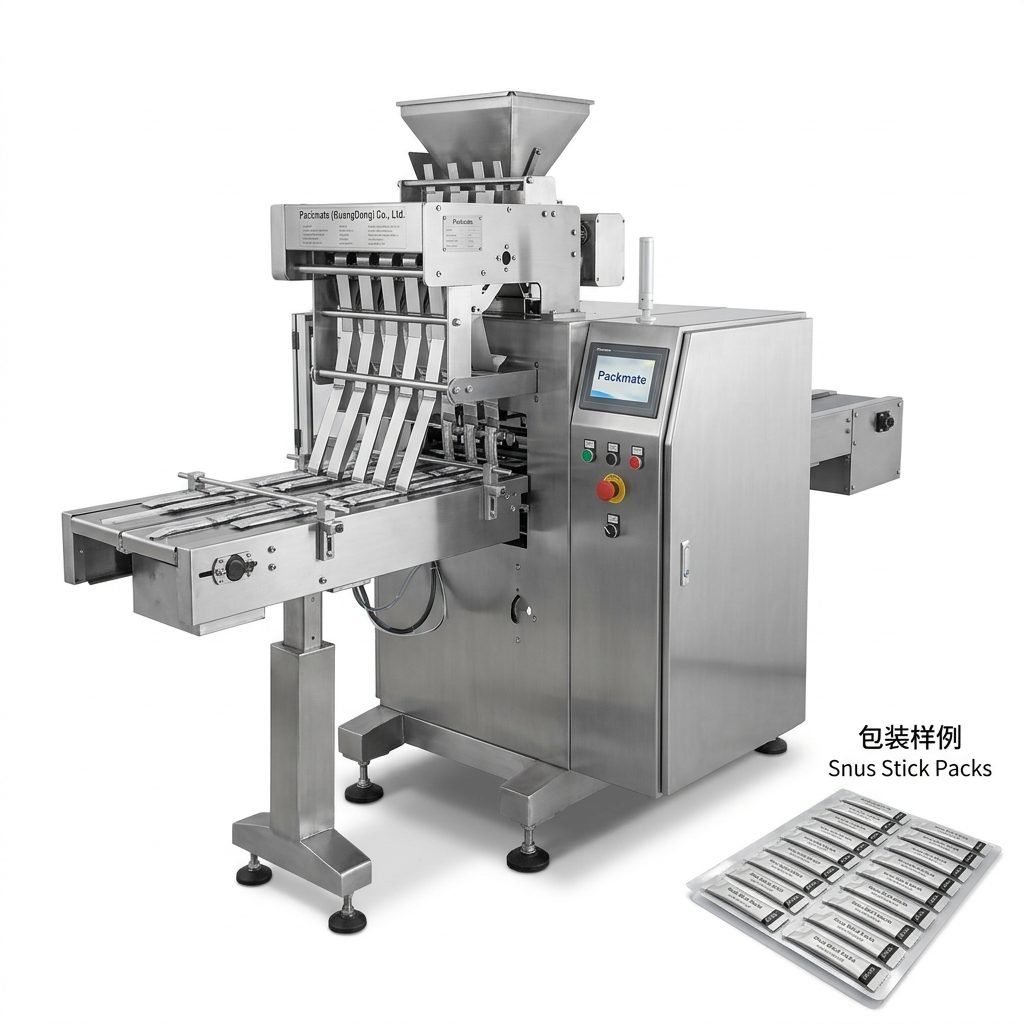
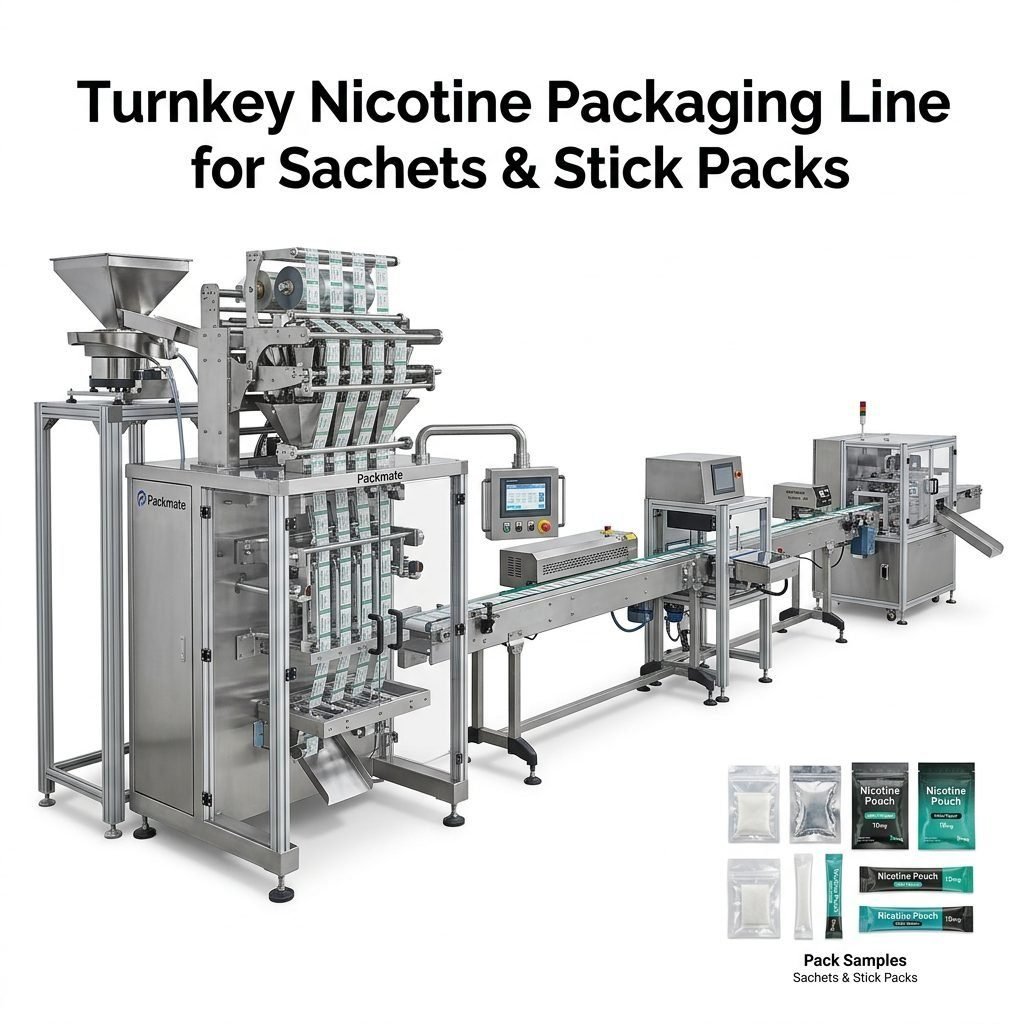
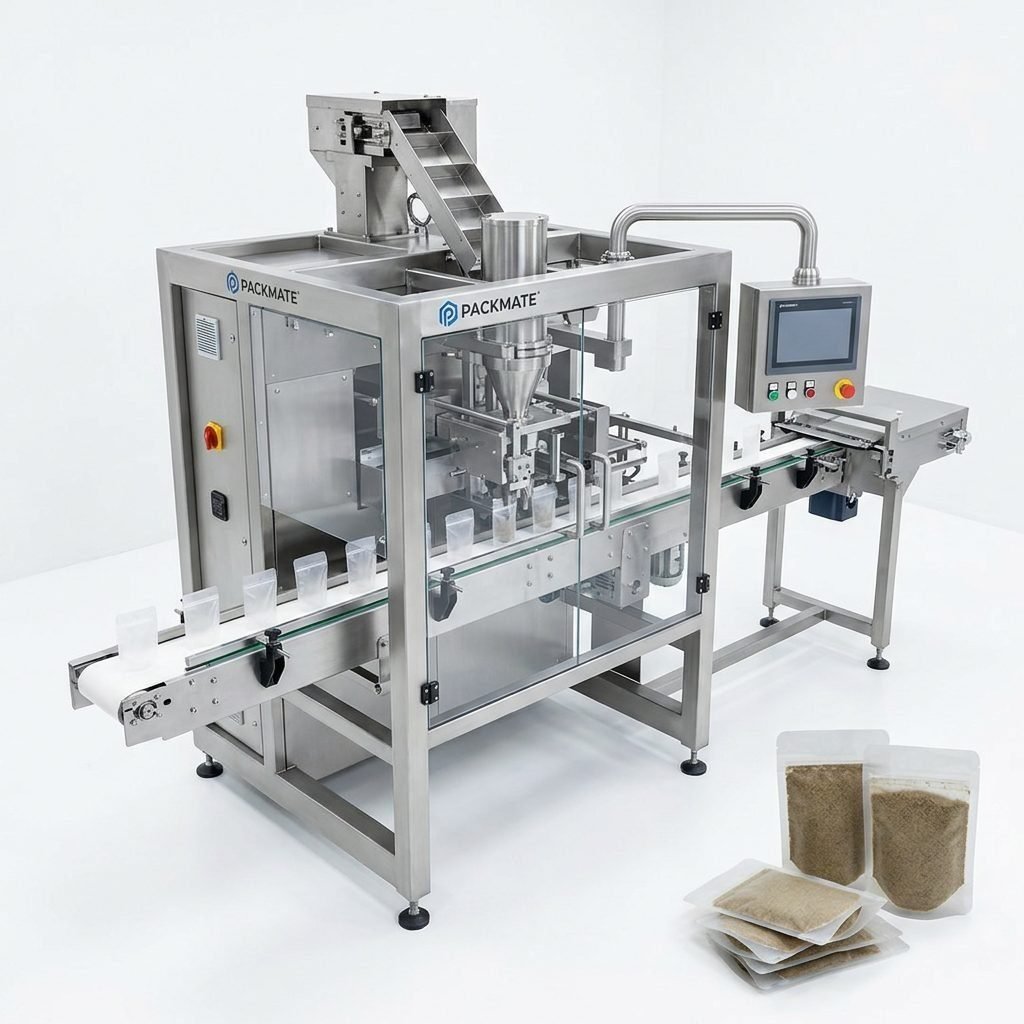
📦 Stick Pack / Sachet Machines — Great for single-dose sticks and single-serve sachets. Useful if you plan on adding powder blends or flavor sachets.
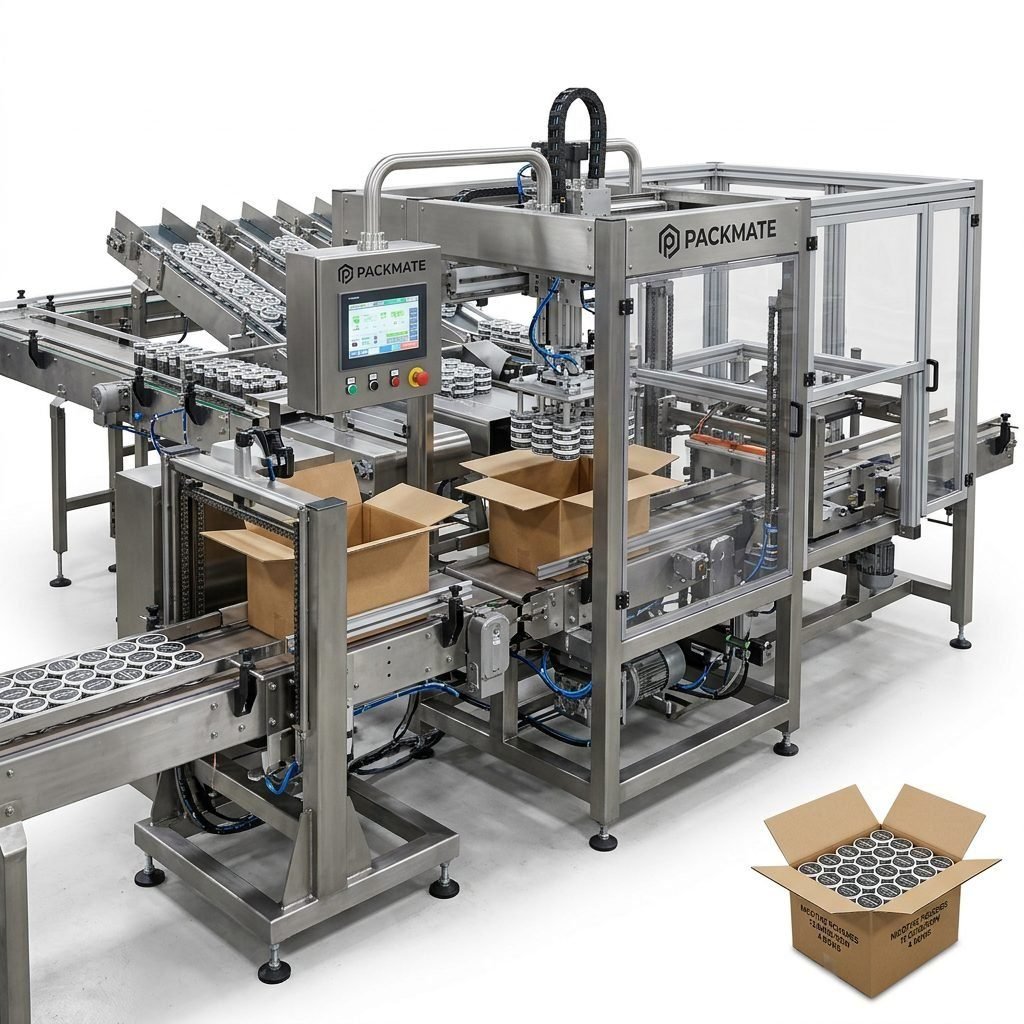
🔁 Multi-lane Systems — Multiply throughput without doubling floor space. Choose these if export or high-volume local distribution is a priority.
Material Compatibility
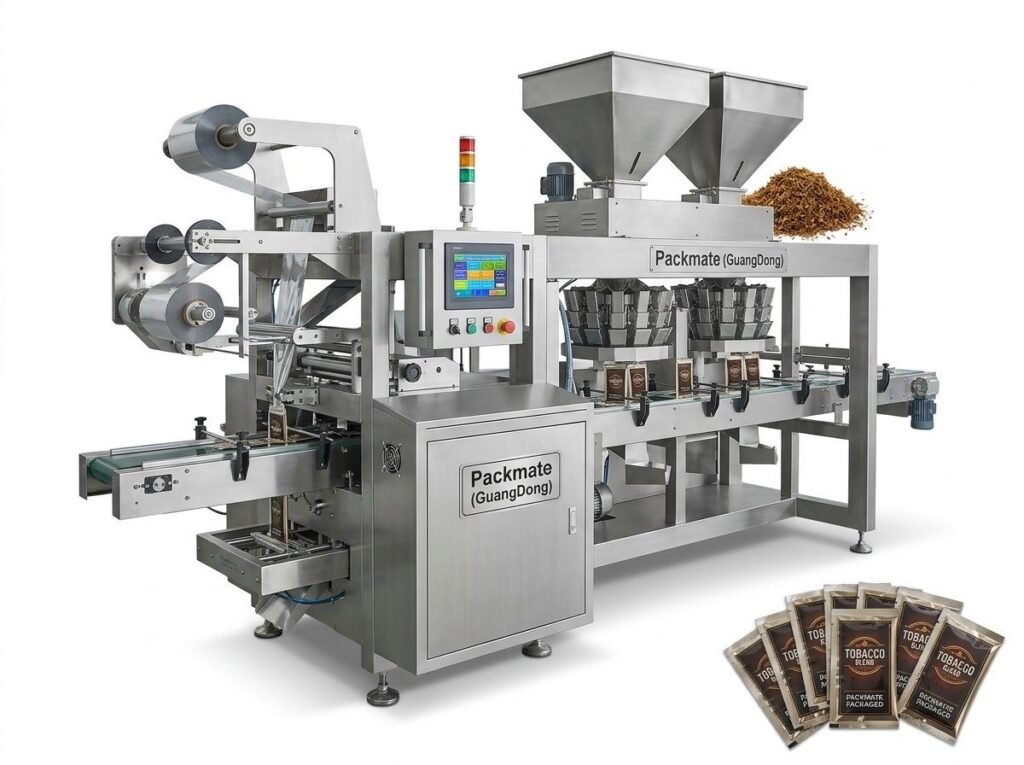
Whether your product is powder, granule, paste, or liquid will determine the feeding and sealing solutions you need. Stainless steel contact parts (usually SS304 or SS316) are preferred for hygiene and durability — especially in humid climates like Rwanda’s temperate equatorial environment.
Technical Specifications That Matter
Prioritize these technical specs when shortlisting machines:
✅ Filling Accuracy — Look for ≤±2–3% variance for nicotine pouch dosing to ensure regulatory compliance and product consistency.
✅ Speed and Lane Count — Single lanes suit startups, multi-lane (4, 8, 12 lanes) for scale. Calculate throughput based on pouches/minute and your shift patterns.
✅ Sealing Quality — Heat-seal consistency prevents leaks and preserves product integrity. Check for temperature control and seal-width options.
✅ Control Systems — PLC with HMI, recipe memory, and remote diagnostics reduce downtime and simplify operator training.
Electrical & Environmental Considerations in Rwanda
Rwanda uses 230V/50Hz electricity in most industrial settings. Confirm the machine’s voltage compatibility and whether a step-down/up transformer is needed. Given occasional grid instability, consider installing voltage stabilizers or UPS systems to protect sensitive servo drives and PLCs.
Humidity and dust can impact machines; choose equipment with appropriate ingress protection and easy-to-clean surfaces. Machines with modular and open access designs simplify sanitation and maintenance.
After-Sales Support & Local Service Network
This is a top priority for Rwanda-based buyers. Fast parts delivery, remote troubleshooting, spare components availability, and training are essential. Ask suppliers about:
⚙️ Lead Time for Spare Parts — Understand shipping routes to Rwanda (via Mombasa or Dar es Salaam ports) and customs timings.
⚙️ Onsite Commissioning & Training — Remote manuals help, but hands-on training reduces operator error and downtime.
⚙️ Warranty & Maintenance Contracts — Prefer suppliers that offer extended warranties and annual service plans.
Supplier Credibility — What to Ask
Vet suppliers carefully. Request references, factory photos, CE or ISO documentation, and machine demonstration videos. If possible, view case studies or attend an exhibition where the equipment is demonstrated. Packmate Snus Machine, for example, has decades of experience and global turnkey solutions — useful when evaluating multi-lane snus lines. (See About Packmate and product lines for details.)
Useful links for product research:
– Snus & Nicotine Packaging Machines
– Bag & Pouch Packaging Machines
– About Packmate
– Contact Us
Cost Breakdown: CAPEX vs OPEX
Compare initial capital expenditures (CAPEX) and ongoing operating costs (OPEX). CAPEX includes the machine price, import duties, transport, and installation. OPEX includes consumables (films, labels), maintenance, electricity, operator wages, and spare parts. In Rwanda, factor in import duties, inland transport from Kigali’s logistics hubs, and any quarantine or inspection fees.
Look for energy-efficient drives and machines with low waste rates — even small gains in yield can improve your ROI quickly when local material costs are high.
Consumables & Packaging Films
Source flexible films and pouches compatible with your sealing method. Check local suppliers and import options; sometimes buying bulk from regional hubs reduces unit cost. Films suitable for nicotine pouches often require barrier properties; the correct lamination prevents moisture ingress and protects flavor.
Practical Buying Checklist for Rwandan Buyers
🔎 Compliance: CE/ISO certificates and local regulatory compatibility.
🔎 Machine Specs: Speed (pouches/min), accuracy, lane count, materials compatibility.
🔎 Service: Local spares availability, remote support, training.
🔎 Total Cost: Include import, installation, consumables, and warranty coverage.
Installation & Training
Proper installation saves time. Arrange for supplier-assisted commissioning; insist on operator and maintenance training in Kinyarwanda or English. Clear manuals and spare parts lists reduce the learning curve. Consider subscribing to a maintenance plan for the first year to ensure uptime.
Common Pitfalls and How to Avoid Them
⚠️ Underestimating After-Sales Needs — Machines need spare parts and skilled technicians. Ensure clear SLA terms.
⚠️ Ignoring Local Power Quality — Protect sensitive controls with stabilizers or UPS.
⚠️ Buying Excess Capacity — Oversized machines increase capital tied up. Start with scalable solutions or modular systems.
Sustainability & Waste Reduction
Select machines with low changeover waste, accurate dosing, and features that support recyclable packaging films if your brand strategy emphasizes sustainability. Energy-efficient motors and servo control reduce electricity usage — important for both cost and environmental footprint.
Why Consider Packmate Snus Machine?
With 30+ years of engineering experience and a focus on snus and nicotine pouch lines, Packmate offers multi-lane, stick pack, and sachet solutions tailored for small-dose products. Their 20,000㎡ manufacturing base, CE/ISO certifications, and global case studies can be a decisive advantage when seeking robust, export-ready machinery. Explore more product categories and case examples through their line-up to match your production needs.
For detailed machine specs and case studies, consider reviewing: Snus & Nicotine Packaging Machines, Sachet & Stick Pack Machines, and their Case pages for real-world installations.
Negotiation Tips for Rwandan Buyers
– Ask for turnkey quotes including commissioning and training.
– Request a trial run or video of the exact model running your formulation.
– Negotiate spare parts kits and extended warranty into the purchase price.
– Clarify delivery terms (EXW, FOB, CIF) to estimate landing cost in Kigali.
Final Decision Flow — A Simple Roadmap
1) Define product format and daily capacity needs.
2) Shortlist machines by filling method and lane count.
3) Verify regulatory and material compatibility.
4) Evaluate supplier support, spare parts lead times, and local logistics.
5) Compare total landed cost and projected ROI.
🔍 Pro Tip: Start with a modular or semi-automatic line if you’re new to nicotine pouch manufacturing in Rwanda. Scale to a fully automated multi-lane line as demand grows to protect cash flow and reduce upfront risk.
Action Checklist Before You Buy
– Confirm legal requirements and product classifications.
– Validate machine demos with your specific material.
– Get a complete quote including installation, training, and spares.
– Check references and warranty terms.
– Plan for local power conditioning and spare storage.
Local Partnerships & Export Opportunities
Rwanda’s strategic location in East Africa can be a gateway for regional distribution. Consider partners for distribution and regulatory support across neighboring markets. If export is a goal, choose machines with international compliance and documentation to smooth customs and certification processes.
Summary — Making the Best Choice in Rwanda
Selecting the best nicotine packaging machine in Rwanda means aligning technical specs with local realities: regulation, power quality, logistics, and workforce skill. Prioritize filling accuracy, reliable sealing, supplier support, and realistic total landed costs. Modular growth, strong after-sales service, and partners with proven snus/nicotine experience will help you scale safely and profitably.
Frequently Asked Questions (FAQs)
Q1: Can I import a machine directly to Rwanda?
A: Yes. Choose clear delivery terms, prepare documentation for customs, and factor in port transit (Mombasa or Dar es Salaam) and inland transport to Kigali. Work with experienced freight forwarders to avoid delays.
Q2: How important is machine certification?
A: Very important. CE/ISO and supplier-provided test reports help with compliance and resale value. Certifications also indicate consistent manufacturing quality and international support.
Q3: What after-sales support should I expect?
A: Expect commissioning, operator training, spare parts availability, remote troubleshooting, and optional maintenance contracts. Clarify response times and parts lead times before signing.
Q4: Is multi-lane equipment worth it for Rwanda?
A: If you plan to scale quickly or export, multi-lane systems offer high throughput and space efficiency. For startups focusing on local niche markets, modular or single-lane systems may be more cost-effective.
Q5: Where can I see real machine cases and product lines?
A: Review supplier case studies and product pages online to see machines running similar products — for example, explore Packmate’s product pages and case examples to evaluate real-world performance.