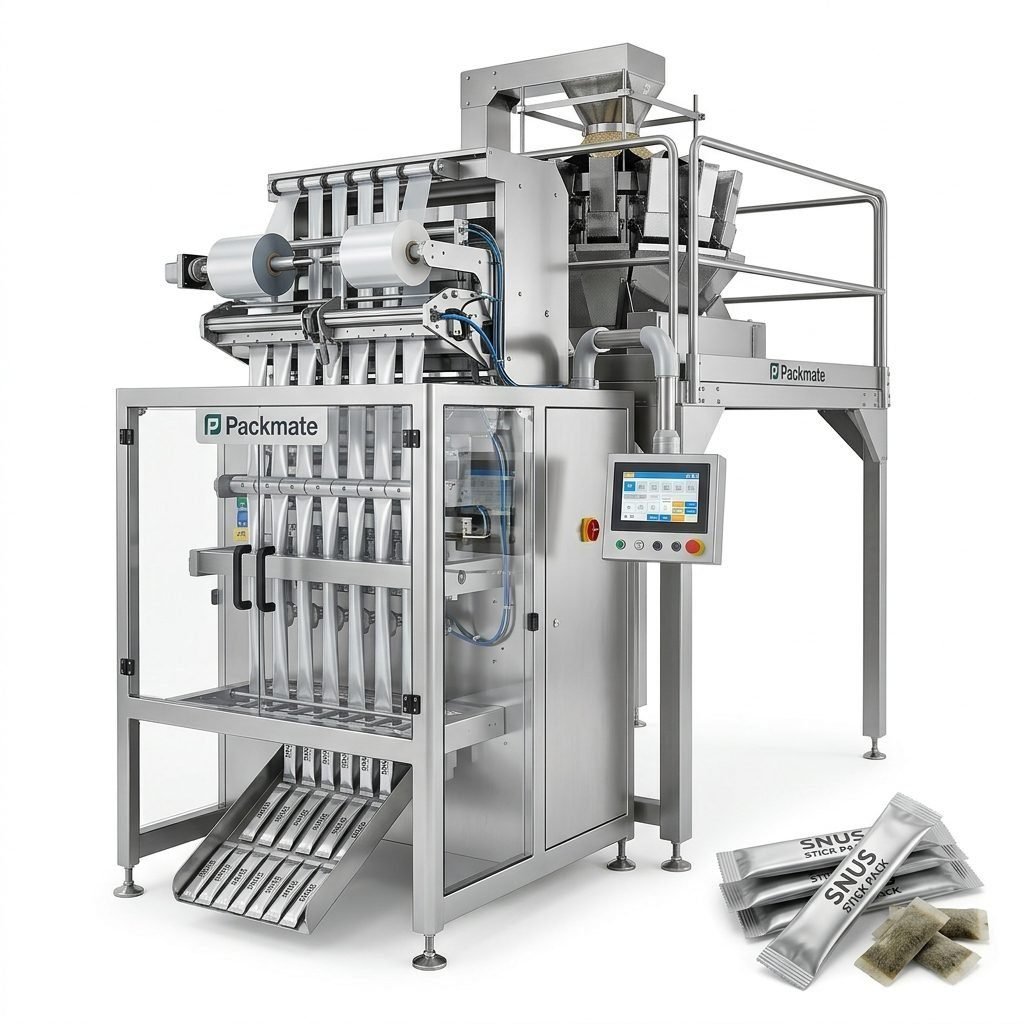
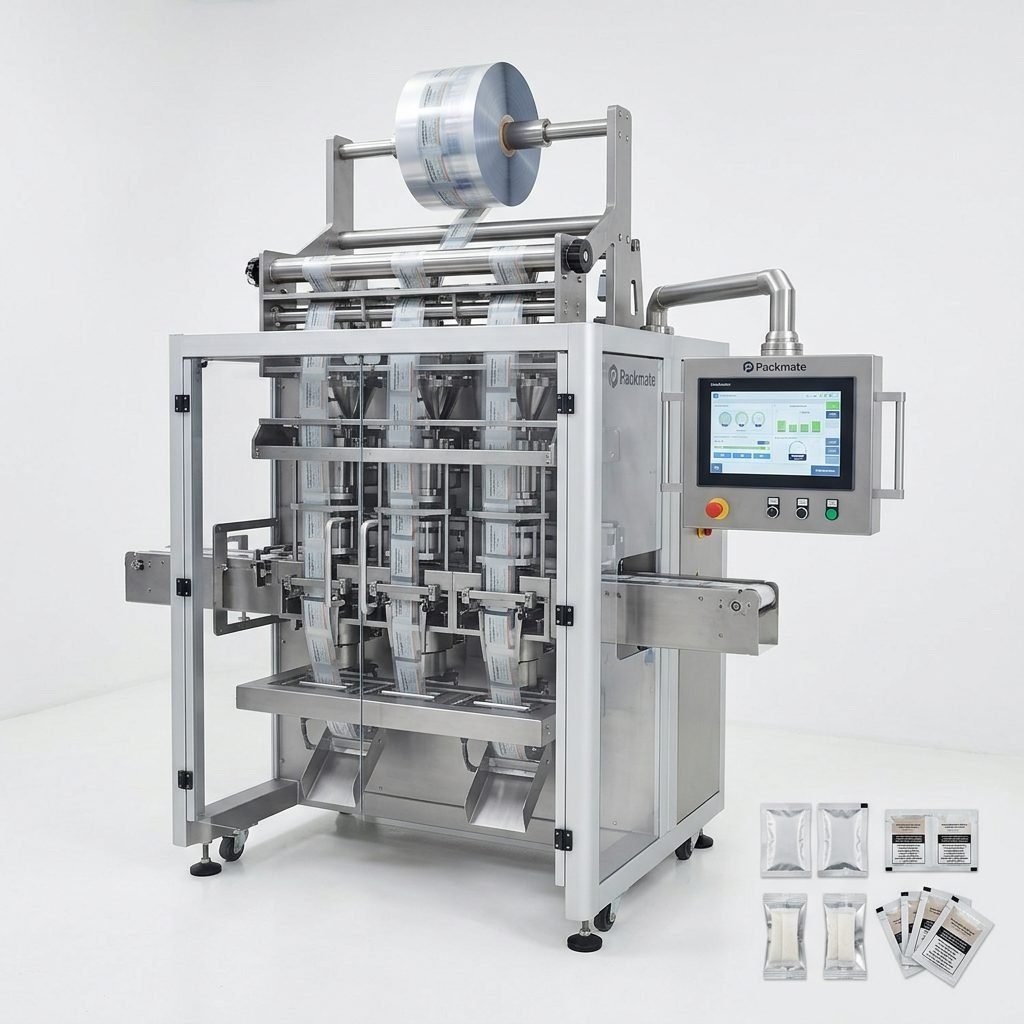
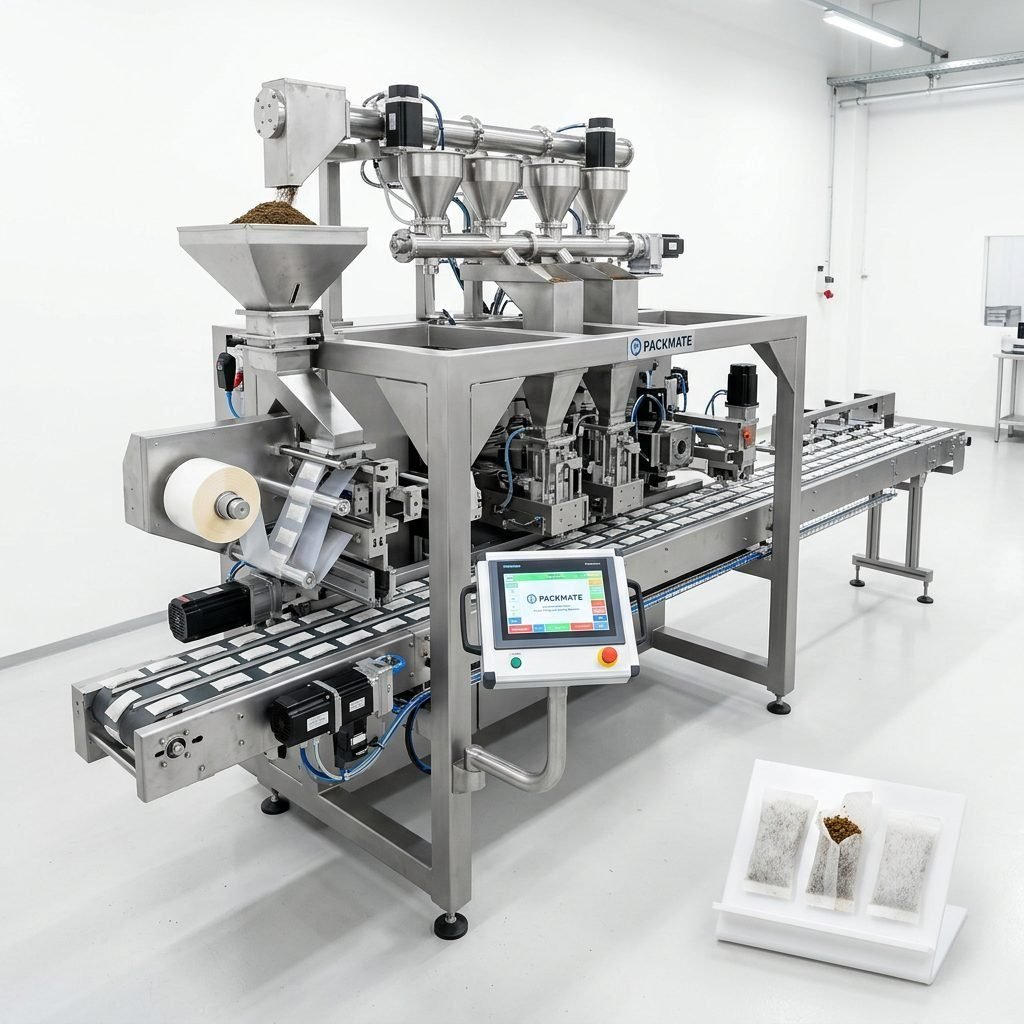
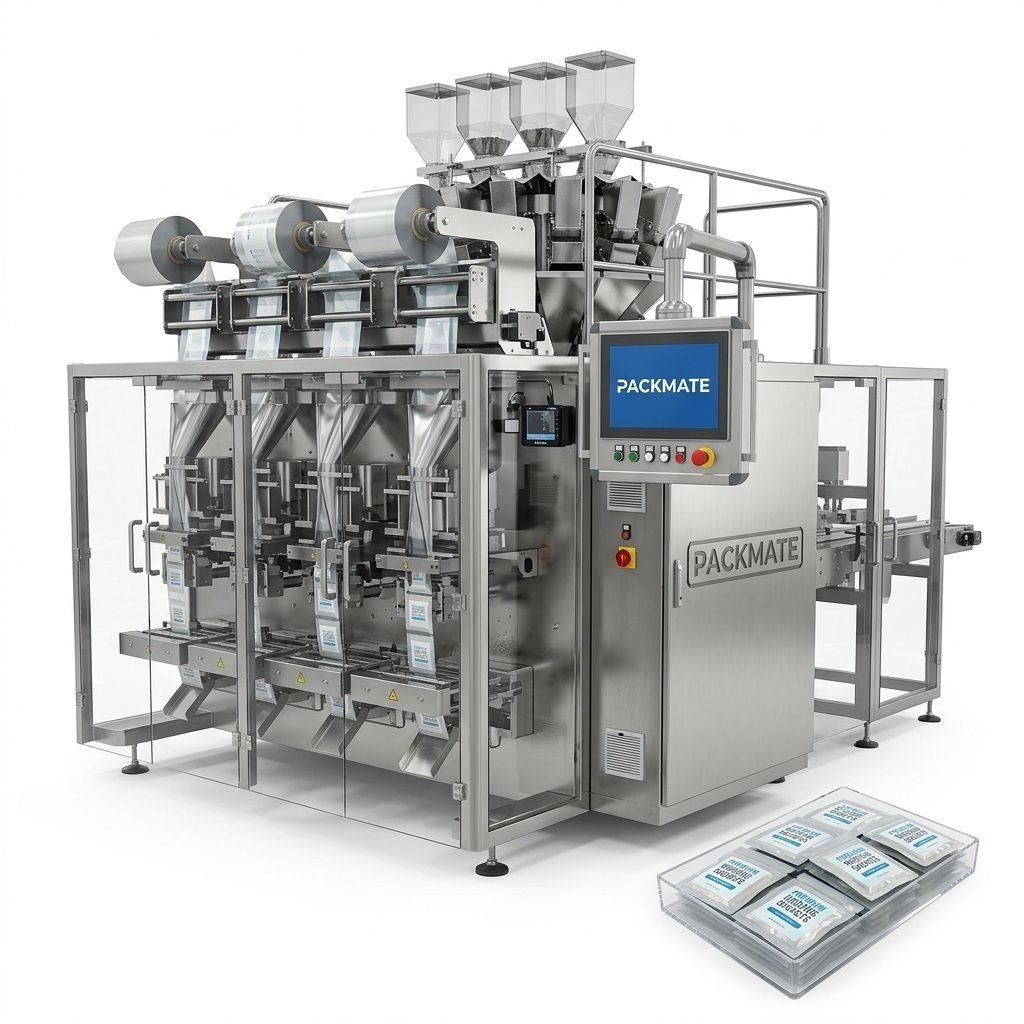
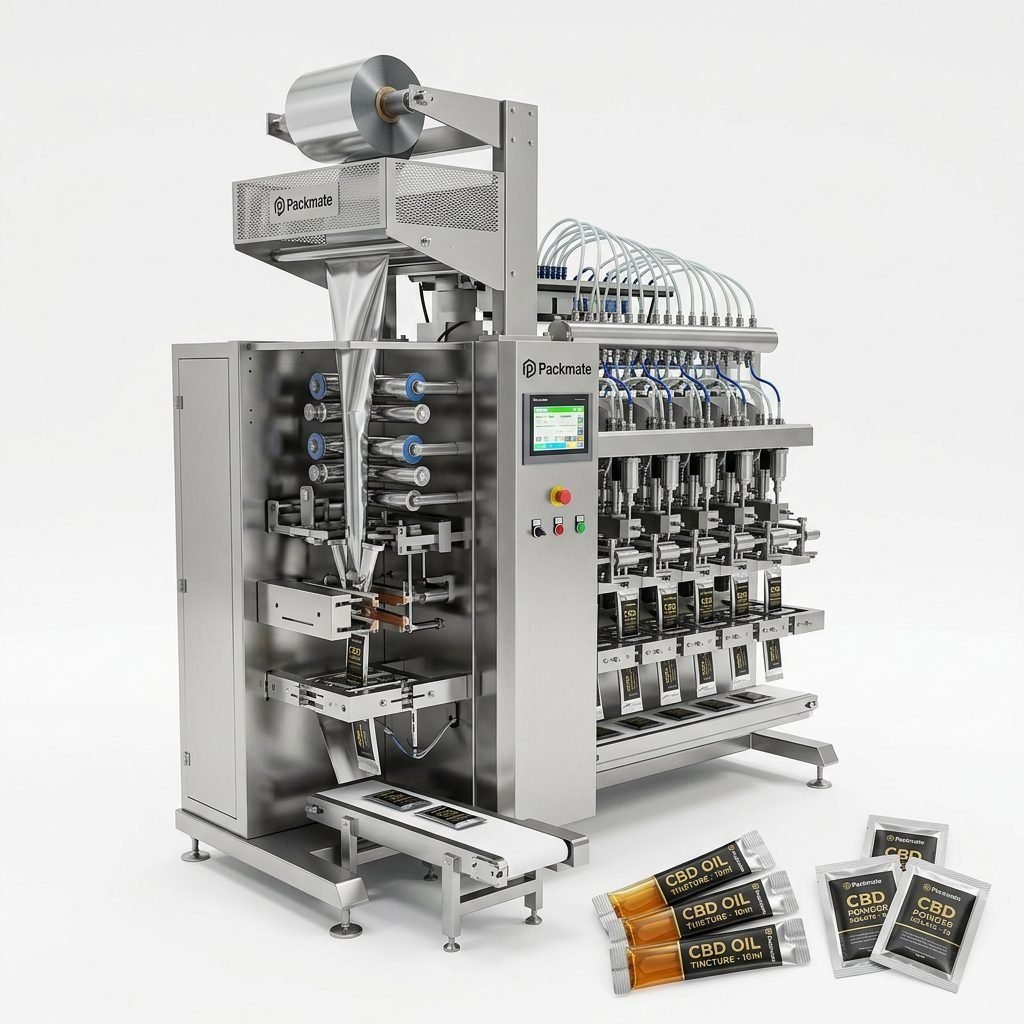
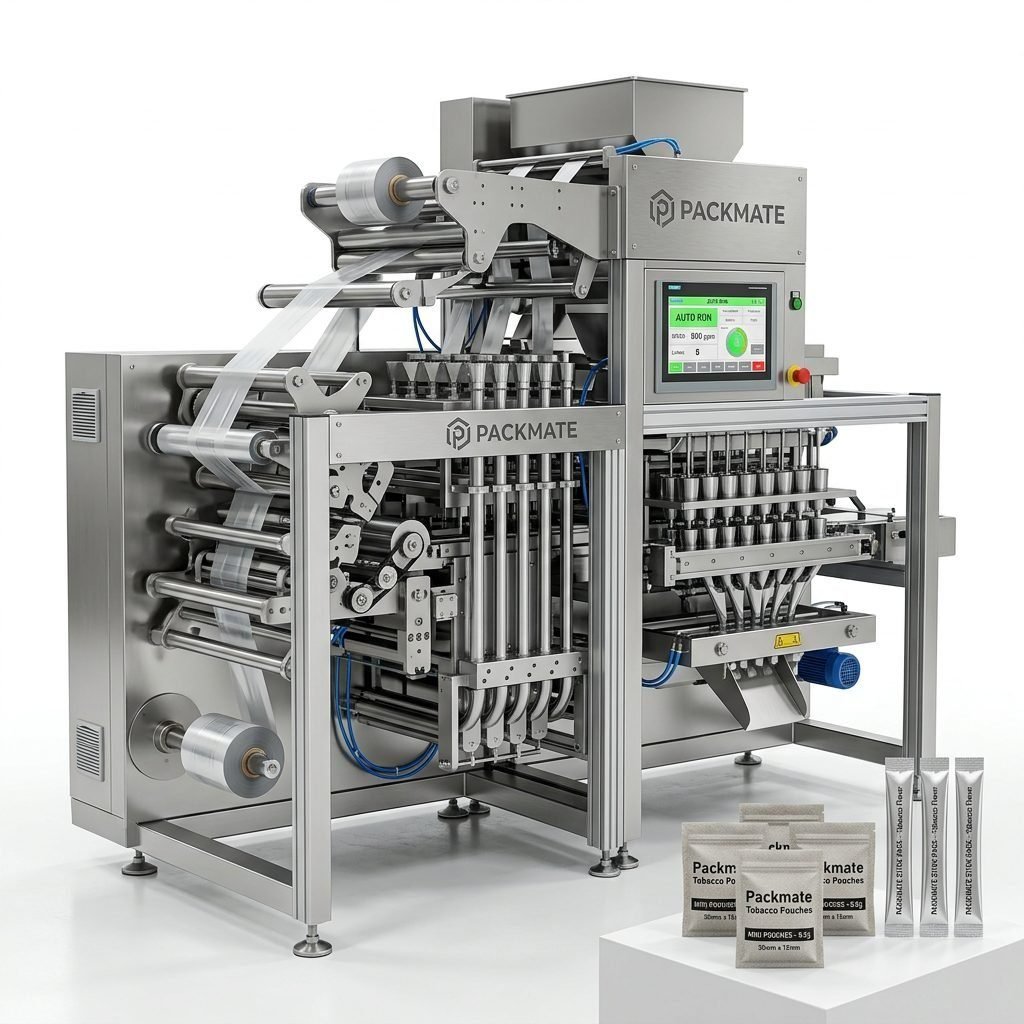
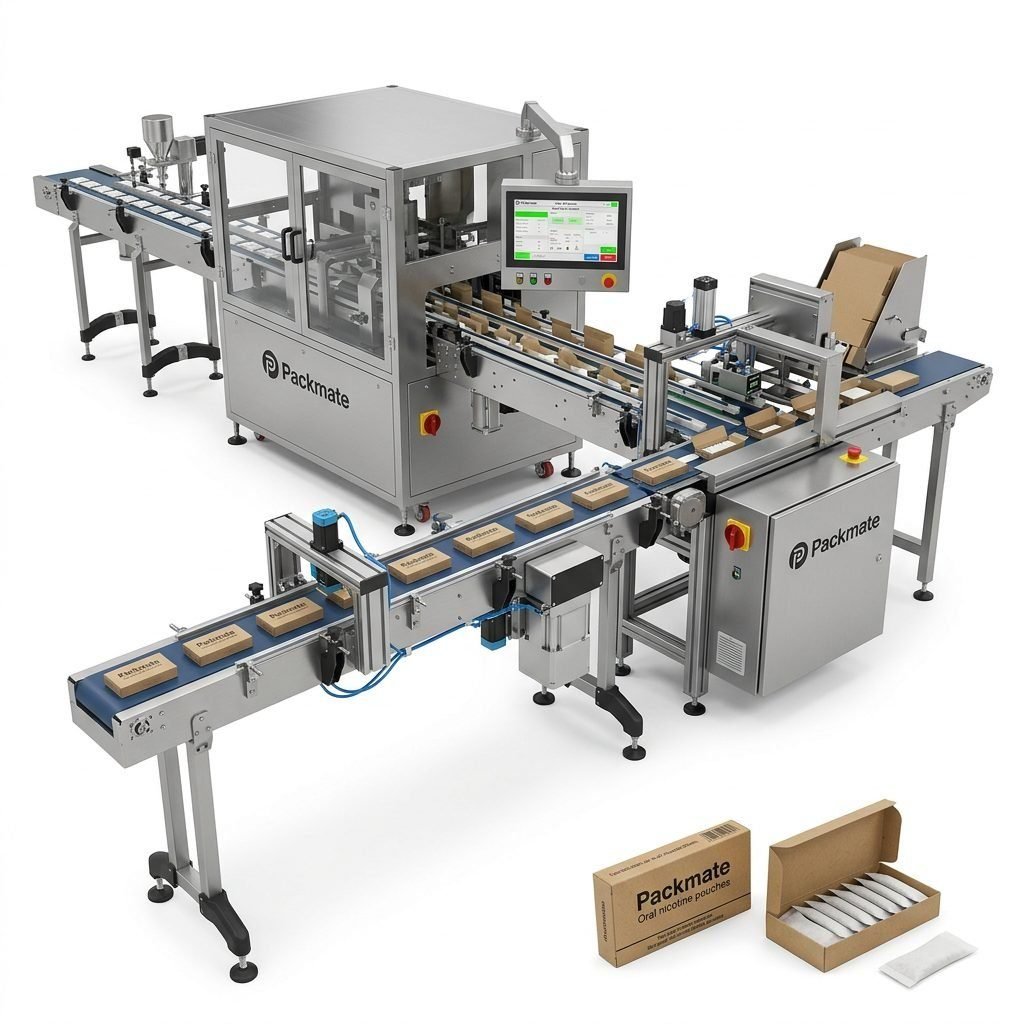
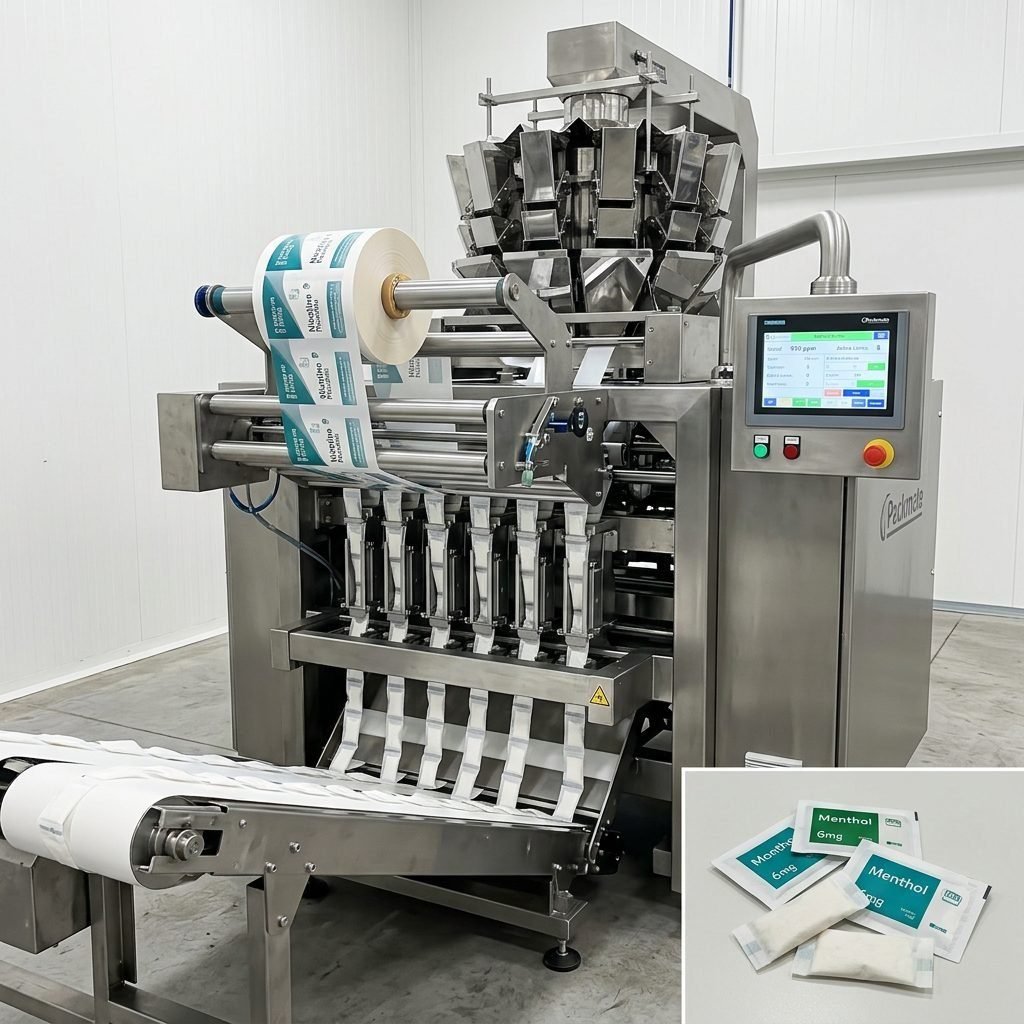
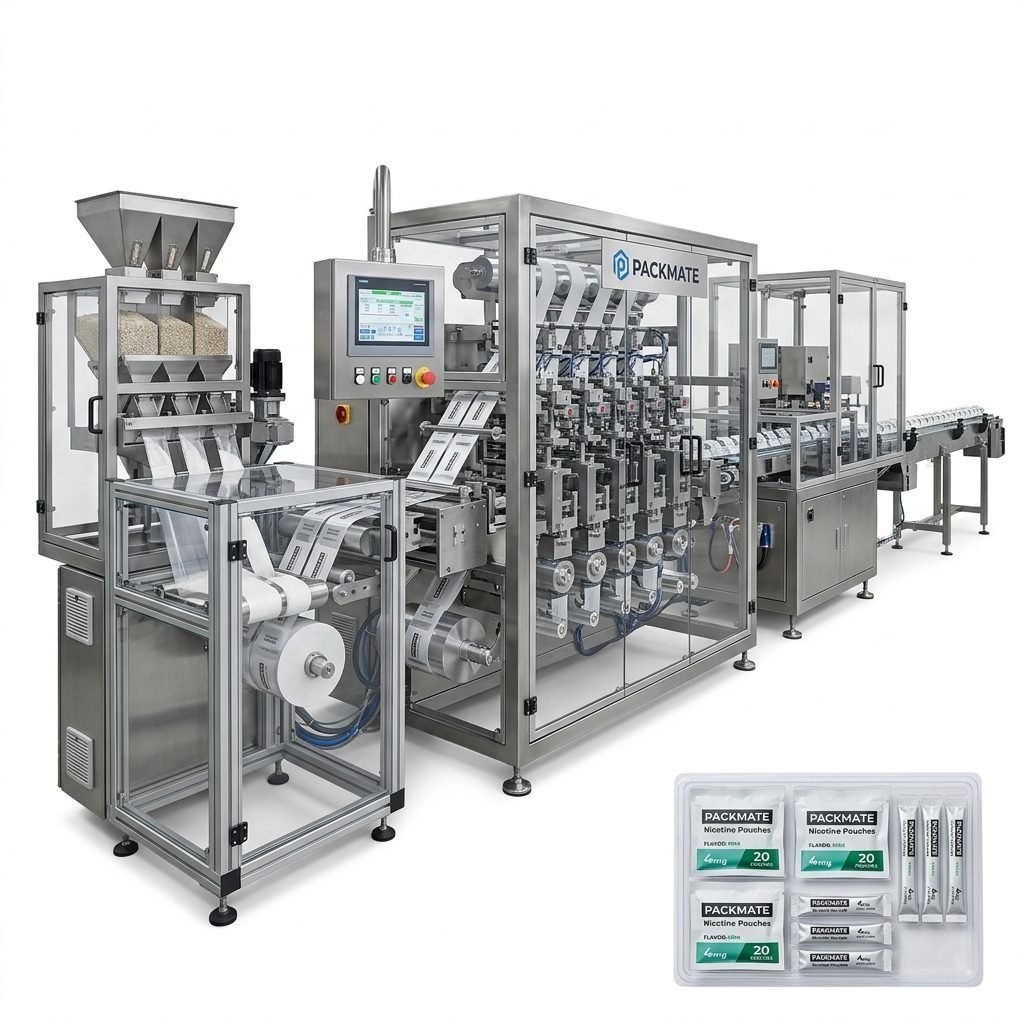
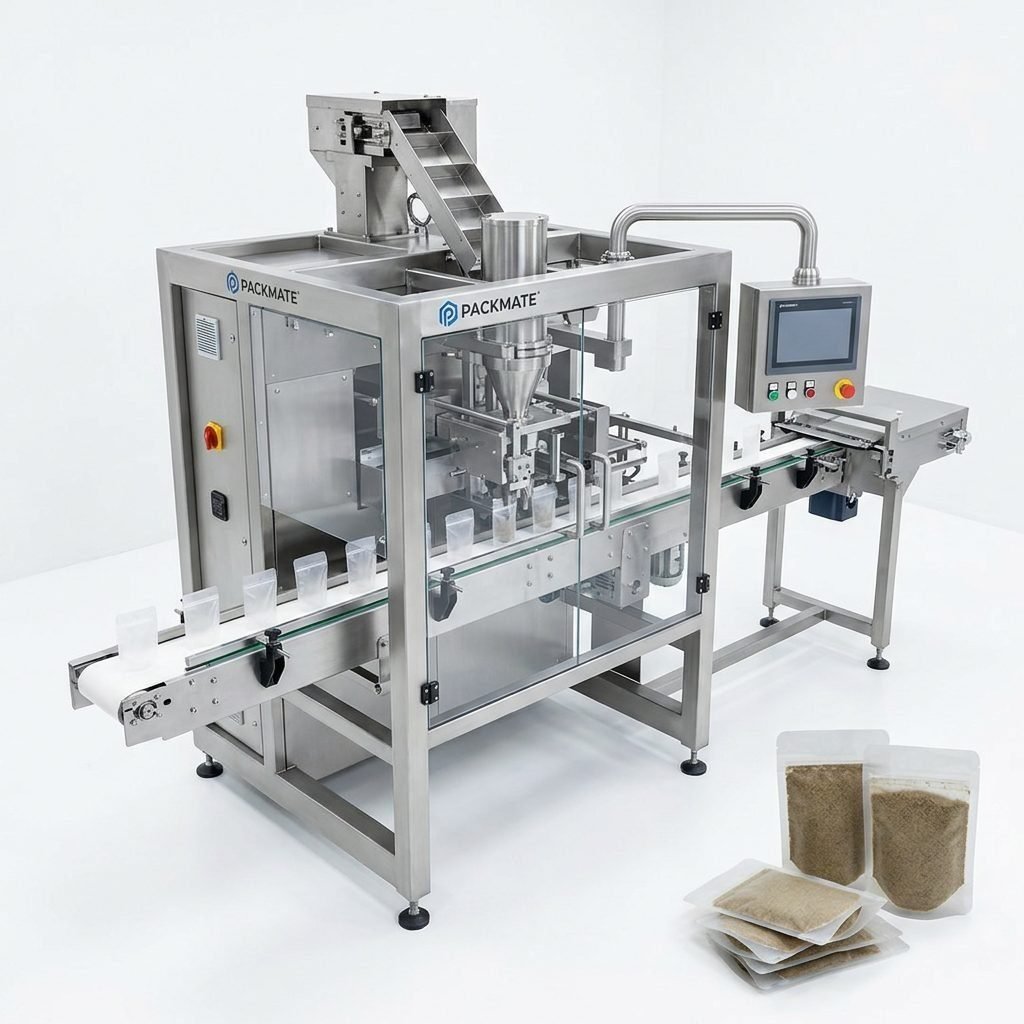
Maintaining snus packing machines is essential for consistent output, product quality, and long-term equipment reliability. This guide focuses on practical, industry-proven maintenance steps for cleaning, lubrication, and troubleshooting that suit high-speed snus & nicotine pouch lines and related packaging equipment. Whether you operate a compact sachet machine or a multi-lane snus packing line, the routines below will reduce downtime and extend machine service life.
Routine Maintenance Schedule for Snus Machines
A clear maintenance schedule is the foundation of a reliable production plan. Create a matrix that separates tasks by frequency: daily, weekly, monthly, and quarterly. Daily checks focus on visual inspection, cleaning accessible product-contact surfaces, and verifying sensors. Weekly tasks should include detailed lubrication of designated points and belt/chain alignment. Monthly and quarterly checks look deeper: electrical cabinets, drive systems, and servo calibrations.
Key reminder: Keep a logbook or digital record of every maintenance action. This helps trace recurring faults and improves the accuracy of preventive schedules.
Daily Cleaning Procedures
Start the day with a brief but thorough cleaning routine. Remove loose debris, dust, and product residues from hoppers, infeed conveyors, and forming areas. For snus pouches that produce fine dust, use a soft brush and vacuum-rated equipment to protect sensors and motors. Wipe accessible surfaces with a lint-free cloth dampened in a manufacturer-approved cleaning solution.
Pay attention to sealing jaws and cutting knives; these areas must be free of adhesives or deposits that compromise seal integrity. If your line includes a dosing or weighing system, ensure weigh hoppers and feed chutes are free of buildup to avoid weight variation.
Detailed Weekly Cleaning
Perform a deeper clean during scheduled weekly downtime. Disassemble accessible guards and covers where residue tends to accumulate. Remove conveyor belts if needed to clear bearings and drive pulleys. Inspect product-contact components for wear or corrosion. Sanitize parts in contact with product following your industry hygiene guidelines and return them only after drying thoroughly.
Safety note: Always de-energize and lockout-tagout the machine before disassembly. Verify stored energy is released and follow facility safety protocols.
Lubrication: Points, Frequency and Best Practices
Proper lubrication keeps bearings, chains, and moving guides running smoothly. Use the lubricant types recommended by the equipment manufacturer. Typical lubrication points on snus machines include chain drives, linear guides, gearbox input shafts, and cam followers. Over-lubrication can attract dust and accelerate wear, while under-lubrication increases friction and heat—both cause costly downtime.
Implement a chart that identifies each lubrication point, lubricant type (grease or oil grade), application method, and frequency. For example, high-load bearings in indexing tables may need weekly grease, while low-load linear guides could be serviced monthly. Use syringe applicators or automatic lubrication systems for precision and cleanliness.
Pro tip: Mark lubrication dates on the machine near each point so operators and technicians can confirm recent service at a glance.
Choosing the Right Lubricant
Use food-grade lubricants for all product-contact risk zones. Even if your machine is dedicated to non-food snus, airborne dust may transfer to product. Check manufacturer guidance and choose lubricants with temperature stability appropriate for your production environment.
Troubleshooting Common Issues
Rapid identification of faults shortens downtime. Document symptom-to-cause maps, and train operators to run simple diagnostics. Below are frequent failure modes on snus packing lines and practical troubleshooting steps.
1. Inconsistent Seal Quality
Symptoms: wrinkled seals, partial adhesion, or leaking pouches. Causes include worn or contaminated sealing jaws, incorrect temperature, or misaligned tooling. Actions: clean sealing surfaces, inspect heater bands and thermocouples, verify temperature settings versus material requirements, and check jaw alignment. Replace sealing elements if surface damage is present.
2. Erratic Film Feed / Web Tracking
Symptoms: film wrinkles, misregistered printing, or frequent film breakage. Causes include worn feed rollers, incorrect tension settings, or damaged guiderails. Actions: inspect rollers for wear, clean film path, recalibrate tension controls, and inspect dancer arms or pneumatic tensioners.
3. Weighing Inaccuracy (for pouch dosing systems)
Symptoms: underfilled or overfilled pouches, weight drift. Causes: scale calibration drift, residual buildup in dosing hoppers, or air drafts affecting weigh systems. Actions: verify calibration using certified test weights, clean dosing surfaces, and isolate weighing station from convection currents.
Diagnostic checklist icon: ⚙️ Start with the simplest checks — power, air supply, emergency stops, and safety interlocks — before moving to complex electrical or pneumatic diagnostics.
Preventive Maintenance Best Practices
Preventive maintenance is proactive and data-driven. Use machine logs and SPC (statistical process control) trends to spot gradual degradations like increased vibration or cycle time drift. Schedule planned downtime for in-depth inspections and component changeouts before they fail.
Maintain a stock of critical spare parts such as sealing elements, drive belts, bearings, and spare PLC modules. Partnering with your machine manufacturer for recommended spares reduces lead time when replacements are required.
Recommended Spare Parts List
Keep on hand: sealing jaws, cutting blades, drive belts/chains, encoder disks, servo connectors, proximity sensors, and common fasteners. Rotate consumables on a scheduled basis to avoid using degraded replacements.
Electrical & Controls Maintenance
Controls and servo systems require a separate checklist. Inspect connections, clean cooling fans in cabinets, and check backup battery health for PLC memory. For complex faults, capture error codes and consult the manufacturer technical documents or remote support.
Regularly update software/firmware only after testing in a controlled environment. Keep an archive of proven software versions and configuration backups to restore the machine quickly if an update causes instability.
Cleaning Agents and Materials Compatibility
Choose cleaning agents that remove product residue effectively but do not attack aluminum, anodized surfaces, plastic housings, or sensor coatings. Avoid solvents that leave residues or damage seals. For food-grade environments, use sanitizers approved for contact surfaces.
Compatibility check: Test any new cleaning chemical on a small panel before full use and document results.
Operator Training and Documentation
Skilled operators are your first line of defense against equipment failure. Provide structured training that covers daily cleaning, routine checkpoints, and initial troubleshooting. Use the manufacturer’s manuals, but supplement them with quick-reference guides and visual aids that match your specific line setup.
Keep maintenance manuals, wiring diagrams, spare parts lists, and service contacts accessible near the machine, and store digital copies on your internal maintenance platform. If you require OEM support, consult the Packmate resources such as About Packmate, Service, and Contact Us for official documentation and service options.
When to Contact Manufacturer Support
Escalate to manufacturer support if faults persist after standard troubleshooting, particularly for complex electrical, safety, or mechanical failures. Provide the manufacturer with error logs, serial numbers, and a clear description of symptoms. For Packmate machines, you can view product lines and reach out via Snus & Nicotine Packaging Machines, Service, or Contact Us pages to request spare parts or field service.
Spare Parts, Upgrades and Lifecycle Management
Periodically review the lifecycle of major components. Upgrade drives, HMI panels, or control modules when they no longer meet performance expectations or when spare parts become scarce. Work with the manufacturer to identify upgrade kits that improve reliability or add features such as enhanced weighing, multi-lane synchronization, or improved HMI diagnostics.
Consider a service contract for multi-shift operations that includes scheduled preventive visits and priority spares. Packmate provides global solutions and case examples showing how comprehensive service reduces total cost of ownership — see Case and Service pages for details.
Record-Keeping and Continuous Improvement
Maintain an electronic maintenance history that tracks faults, corrective actions, and parts replaced. Use this data for root cause analysis and continuous improvement projects. Frequent minor faults in the same subsystem often signal the need for design adjustment or operator retraining.
Compliance, Certification and Safety
Keep your machine compliant with local machine safety and product regulations. Verify that protective guards, emergency stops, and interlocks function correctly. For international exports, ensure your equipment meets CE and ISO standards; Packmate provides certificates and documentation to support compliance — refer to Certificate and Catalog for official records.
Important: Never bypass safety systems to chase productivity. Short-term gains from bypassing interlocks can result in severe injuries and costly liabilities.
Selecting the Right Service Partner
Evaluate partners by technical expertise, spare parts availability, geographic reach, and demonstrated experience with snus or nicotine pouch machines. Look for manufacturers with substantial factory capability and global support infrastructure. Packmate’s 20,000㎡ facility, decades of experience, and range of product lines from Stick Pack to multi-lane systems are examples of the support scale required for high-demand operations — see Snus & Nicotine Packaging Machines and About Packmate to learn more.
Final checklist before restarting production
Ensure all guards are reinstalled, all tools are removed, electrical panels closed, lubrication points serviced, and a test run with empty pouches/film confirms stable operation before full-speed production.
For additional equipment options and auxiliary solutions, explore Bag & Pouch Packaging Machines, Sachet & Stick Pack Machines, and Auxiliary Packaging Equipment pages to find compatible modules and upgrades.
Frequently Asked Questions (FAQs)
Q1: How often should sealing jaws be replaced?
A: Replacement frequency depends on production volume and material type. Inspect jaws weekly for scoring or discoloration. For high-volume lines, consider scheduled replacement every 3–6 months; for lower volumes, replacement may be annual. Keep spares on hand to prevent long downtimes.
Q2: What lubricant is recommended for conveyor chains on snus lines?
A: Use a light-grade food-safe chain lubricant for contact-risk zones, or the specified industrial lubricant for non-contact chains. Follow chain manufacturer specs for viscosity and re-lubrication intervals; use automatic lubrication where possible for consistent application.
Q3: Can I perform firmware updates during production hours?
A: No. Firmware or control software updates should be performed during scheduled downtime in a controlled environment after backing up current configurations. Test any update on a non-production machine or in a simulation if possible.
Q4: Where can I purchase genuine spare parts and request service?
A: Purchase genuine parts and request OEM service directly from the manufacturer or authorized distributors. For Packmate machines, consult the Service, Contact Us, and Case pages to find authorized channels and field service options.
Q5: How do I reduce film wrinkles and improve registration?
A: Check tension settings, clean rollers and guides, verify web alignment sensors, and inspect for worn or uneven feed rollers. Correct web tracking and maintain even tension across the film width to minimize wrinkles and registration issues.