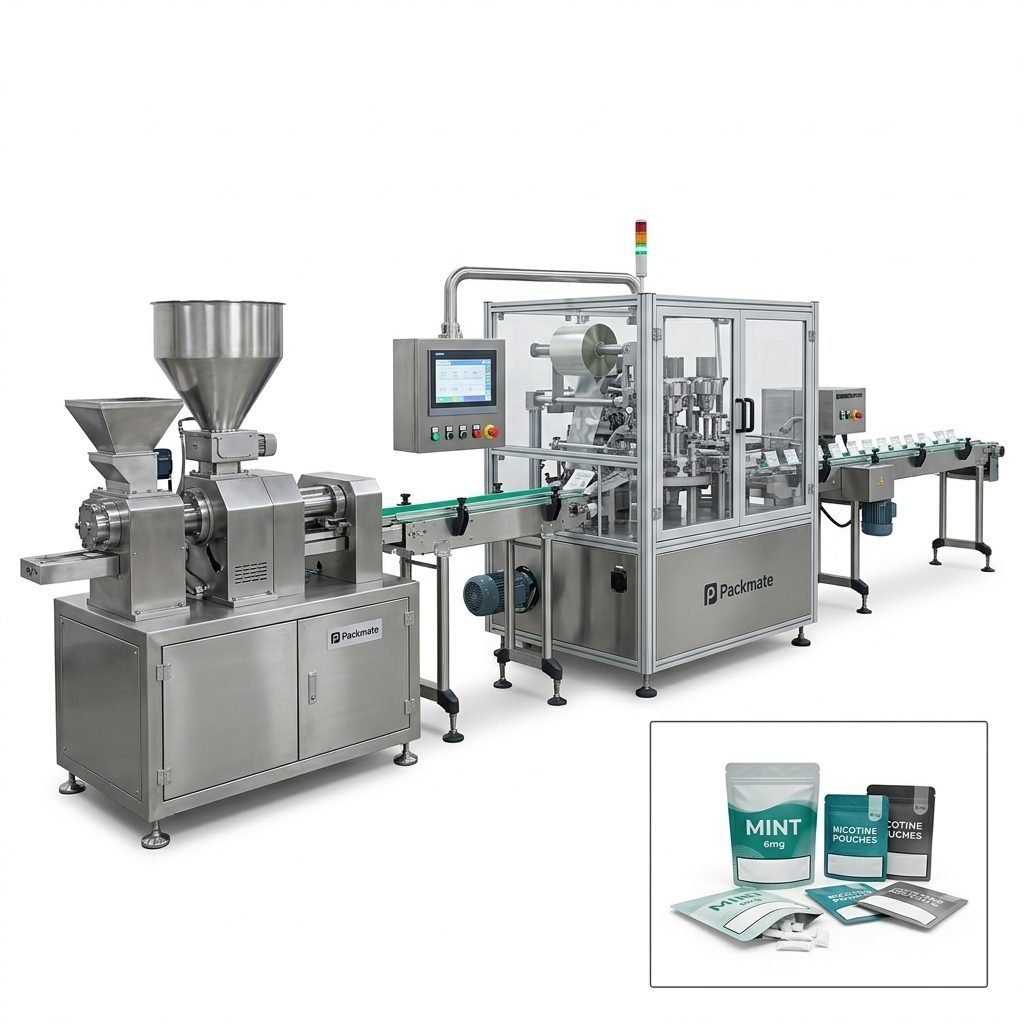
Choosing the right nicotine packaging machinery supplier in South America can make or break production efficiency, regulatory compliance, and long-term profitability for your business. Whether you are launching nicotine pouches, snus, or expanding an existing line, suppliers need to deliver not only robust machines but also local insight, after-sales support, and reliable supply chains. This guide walks you through the practical steps to evaluate suppliers, highlights regional considerations for South American markets, and explains how to align technology choices with your business goals.
Understand Your Production Needs First
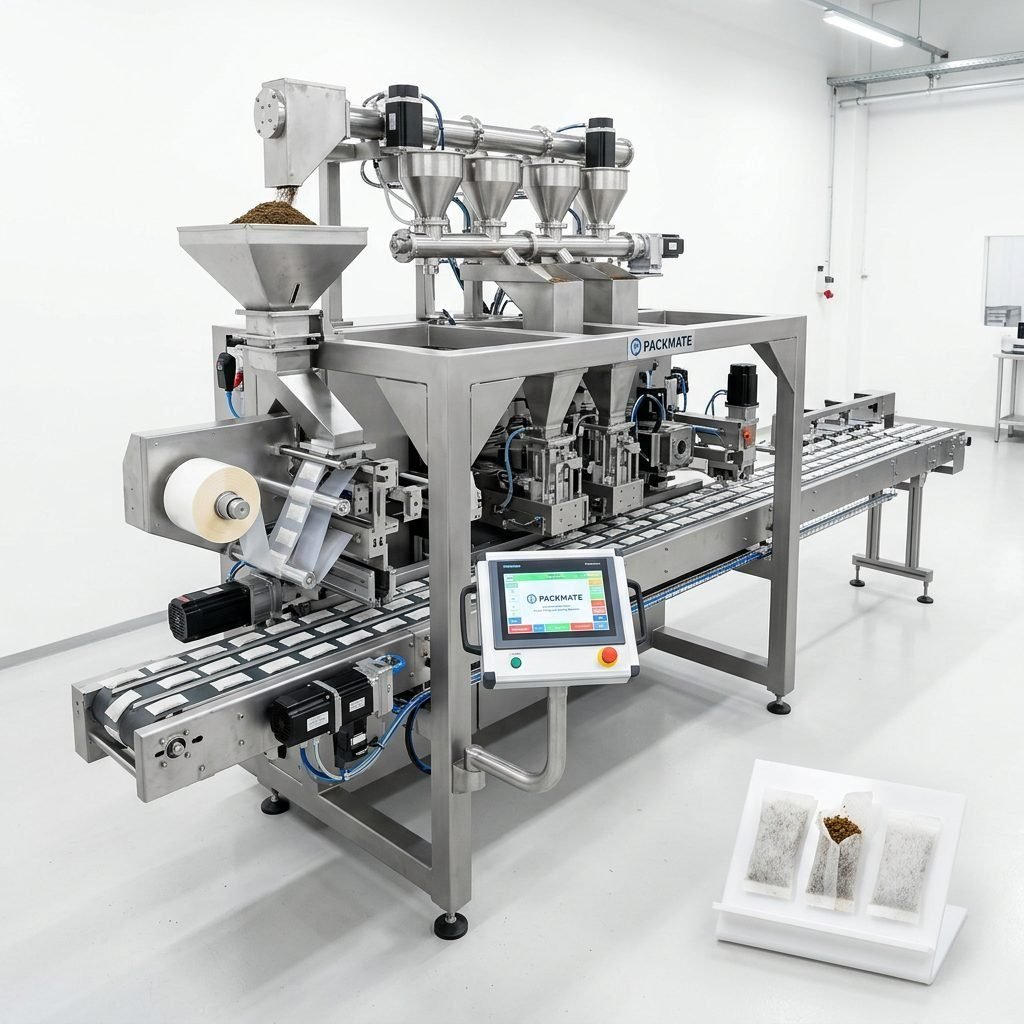
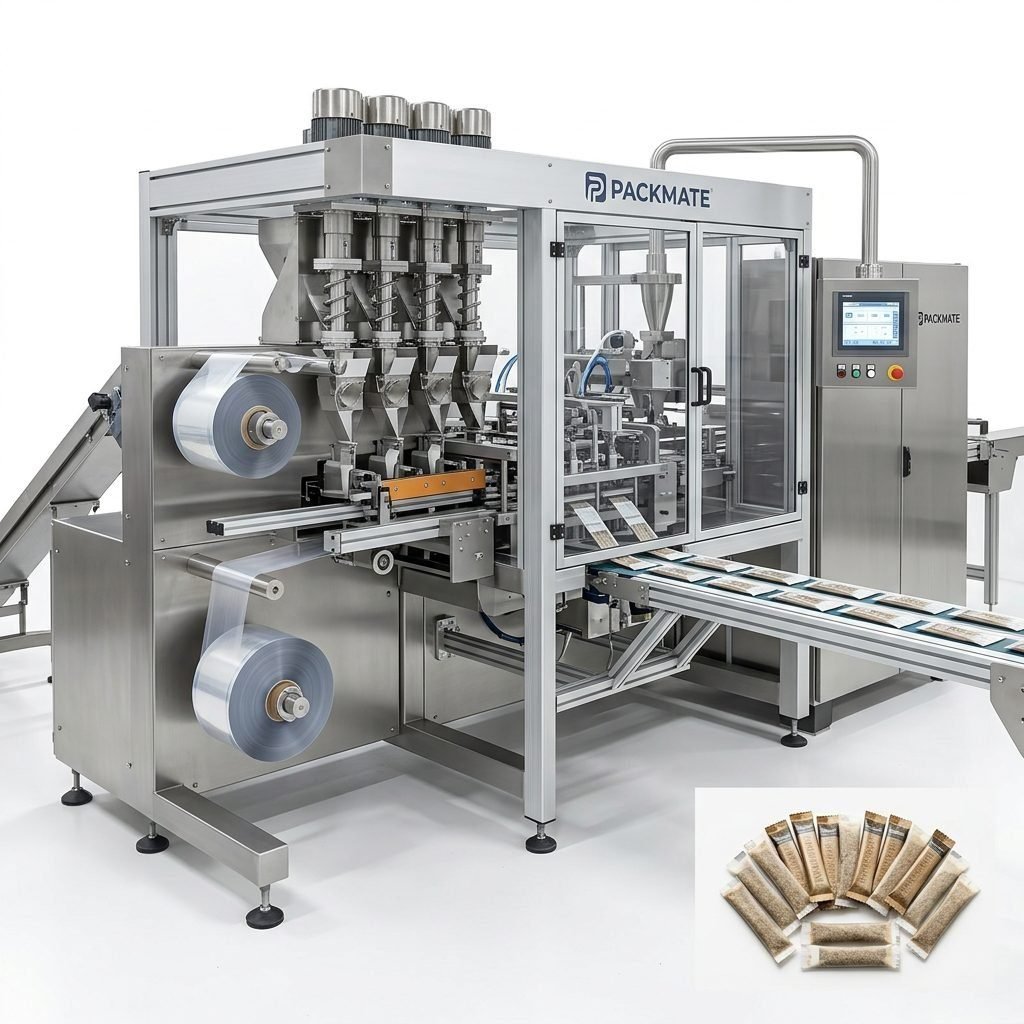
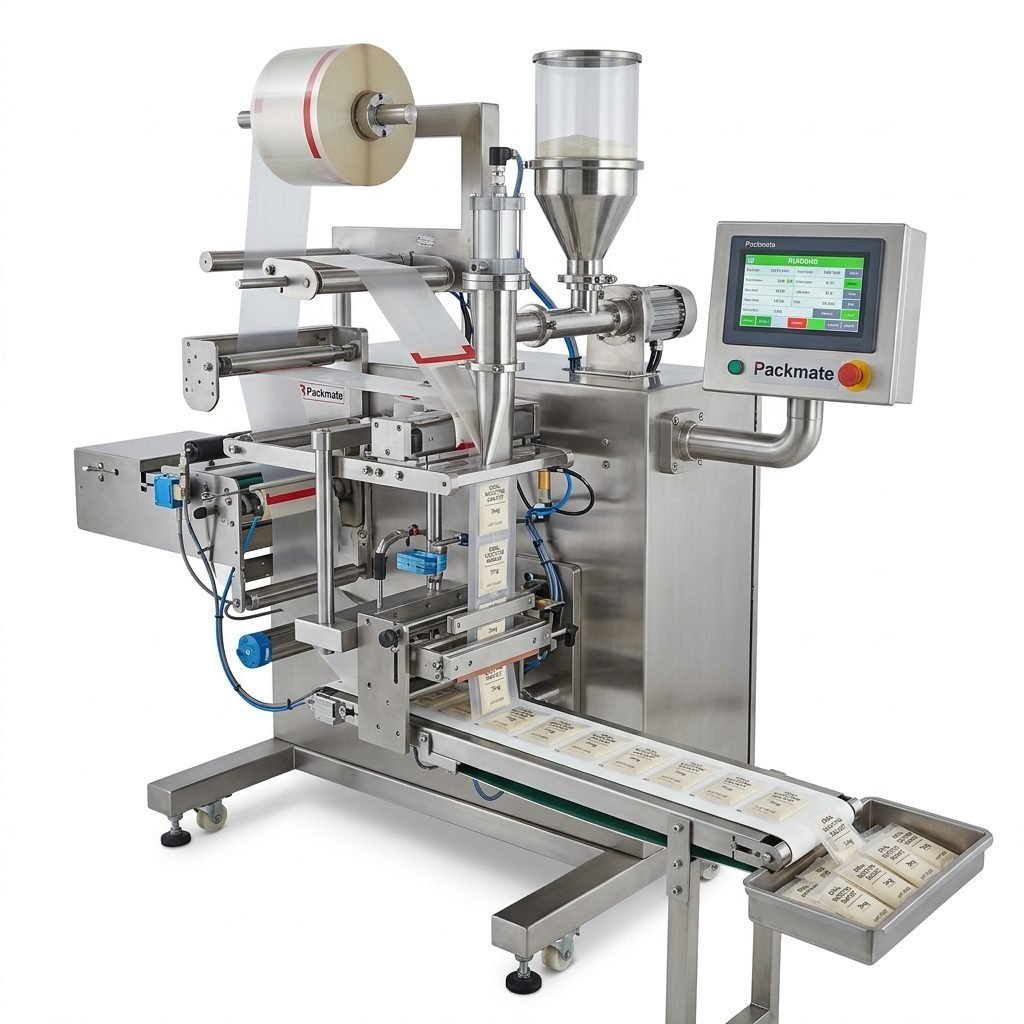
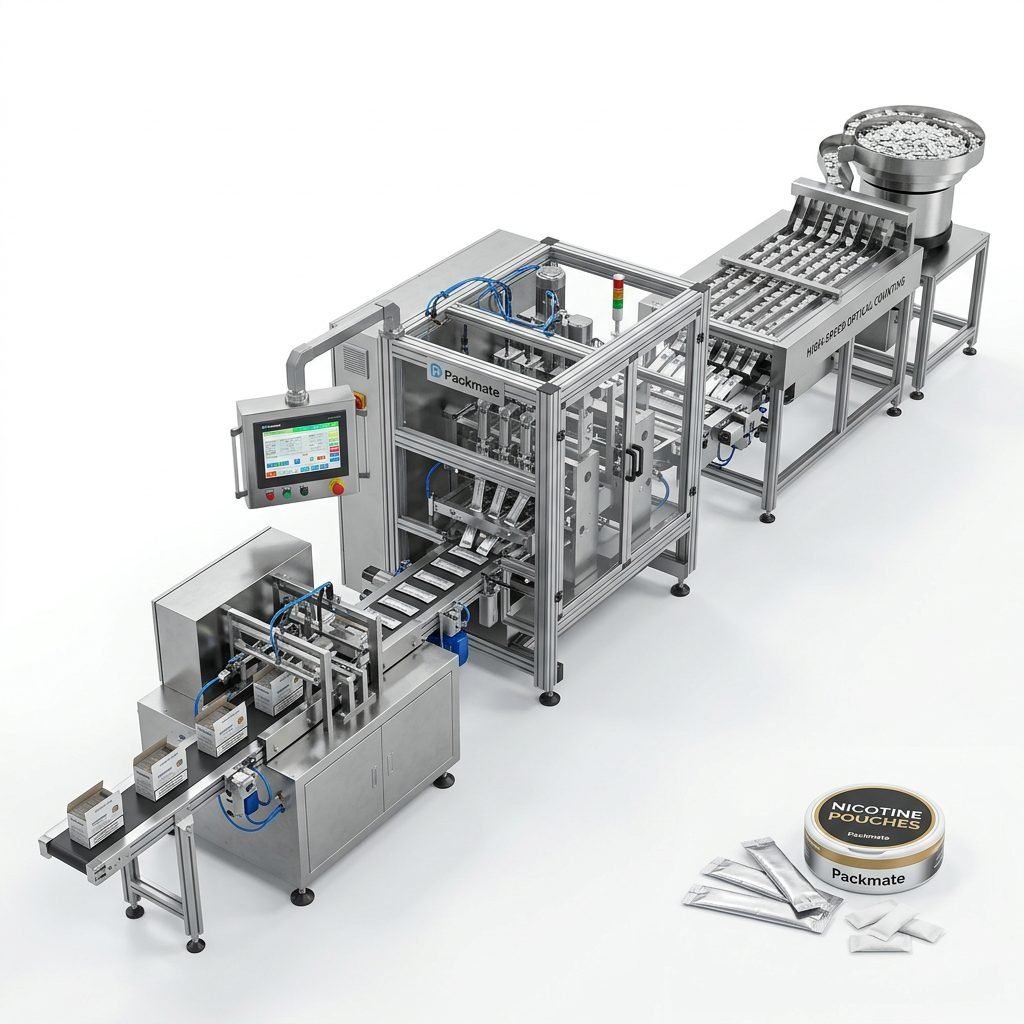
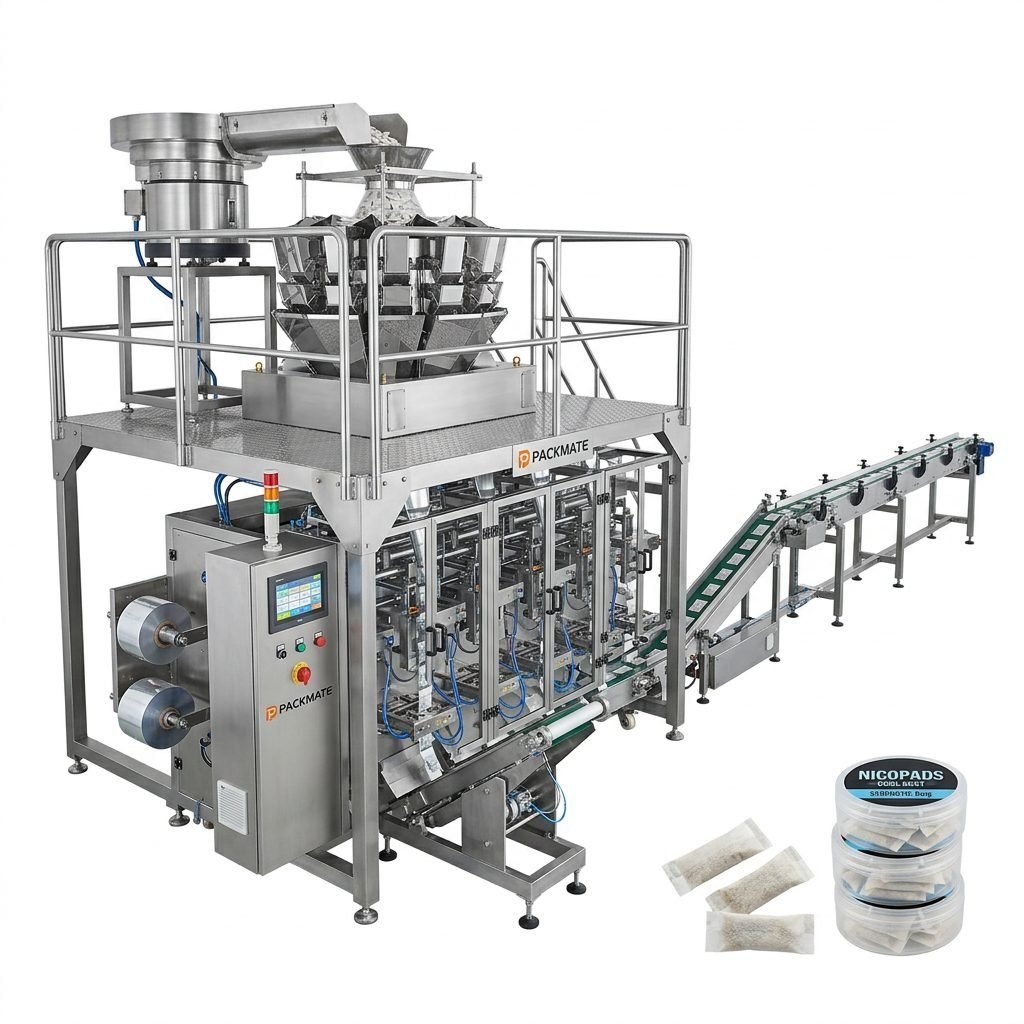
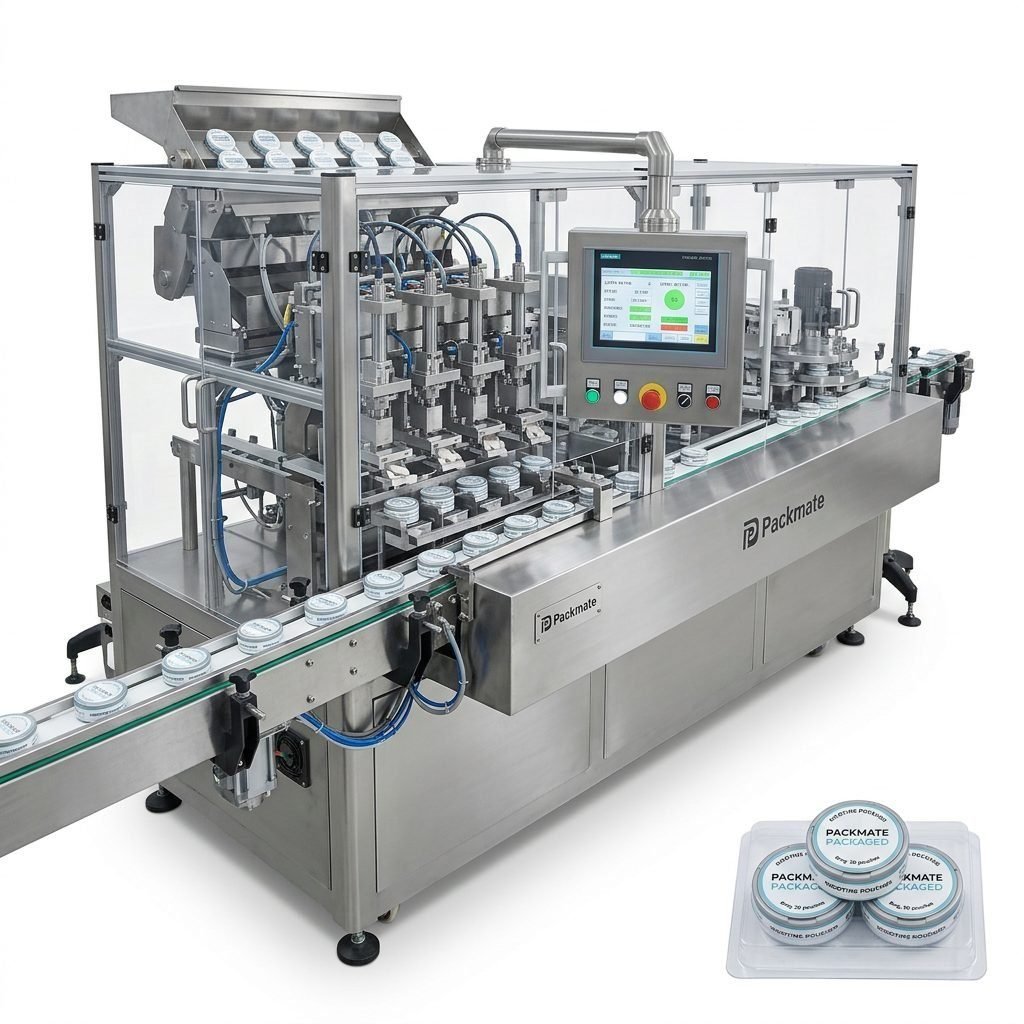
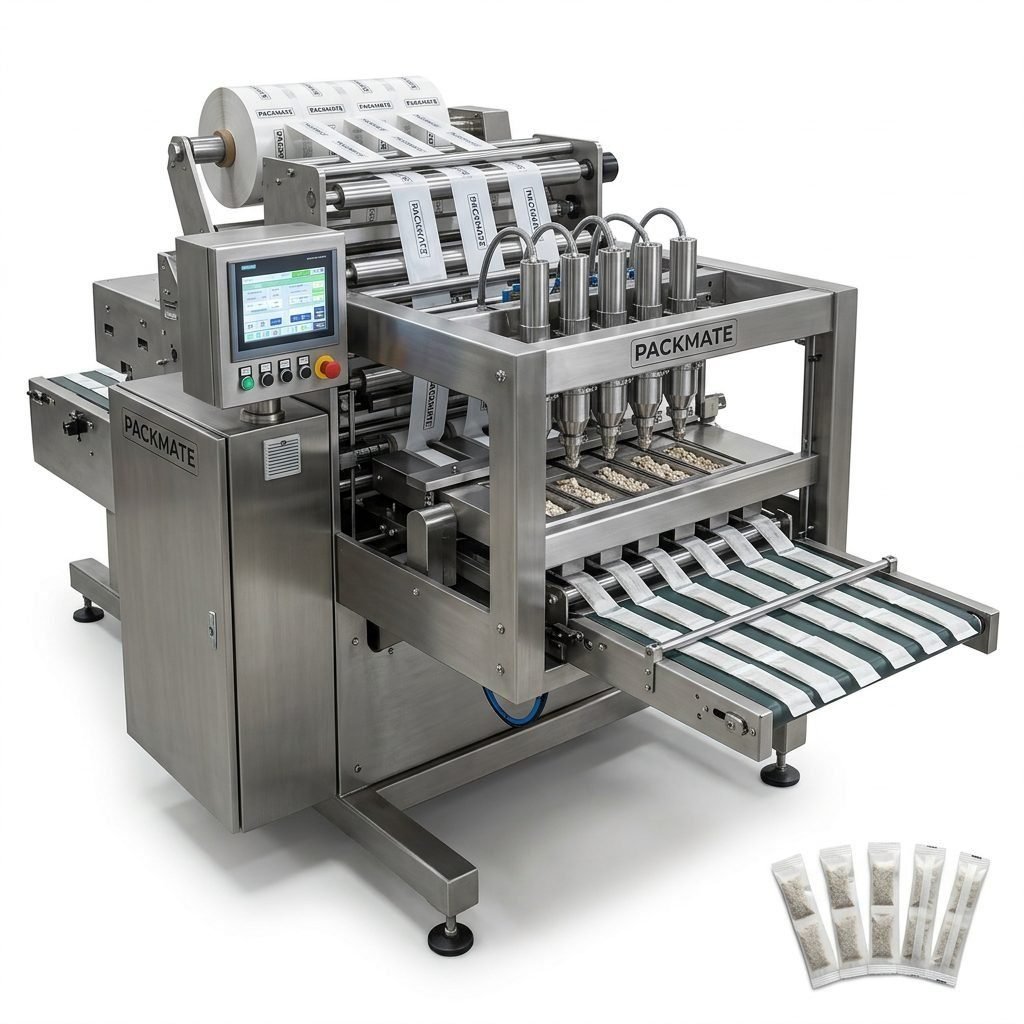
Before you engage suppliers, take time to define production targets, product formats, and quality requirements. Ask yourself: What daily throughput do you need? Which pouch formats (single-dose sachet, stick pack, multi-lane nicotine pouch) are you producing? Do you require additional modules like dosing systems, nitrogen flushing, or reclosable pouches? A supplier like Packmate can offer a range of machines — from single-lane sachet lines to high-speed multi-lane snus packaging solutions — but the right choice depends on your specific capacity and flexibility needs.
Key production questions to answer
🔧 Target throughput: units per minute/hour/day.
🌡️ Product sensitivity: hygroscopic powders, oils, or dry pouches require different handling.
🧩 Format flexibility: will you switch SKUs often or run long, stable runs?
🏷️ Regulatory labeling & traceability: serial codes, lot numbers, and tamper evidence.
Why Regional Experience Matters in South America
South America has diverse regulatory environments, supply chain realities, and cultural preferences. A supplier that understands local labor skills, import procedures, and maintenance logistics will be far more valuable than one that only sells generic machines. For instance, customs delays at major ports like Santos (Brazil) or Cartagena (Colombia) can affect delivery schedules; local support channels reduce downtime and lower the total cost of ownership. Choose a partner with proven regional projects and case references across the continent.
Local considerations to check
🌎 Language & support: Spanish and Portuguese speaking service engineers reduce communication friction.
🚚 Spare parts logistics: local warehousing or fast international shipments matter for uptime.
📜 Regulatory compliance: CE/ISO standards are a good baseline, but local certifications may be required.
🤝 Payment & financing: flexible terms, local bank arrangements, and letters of credit can simplify procurement.
Evaluate Technical Capabilities and Machine Portfolio
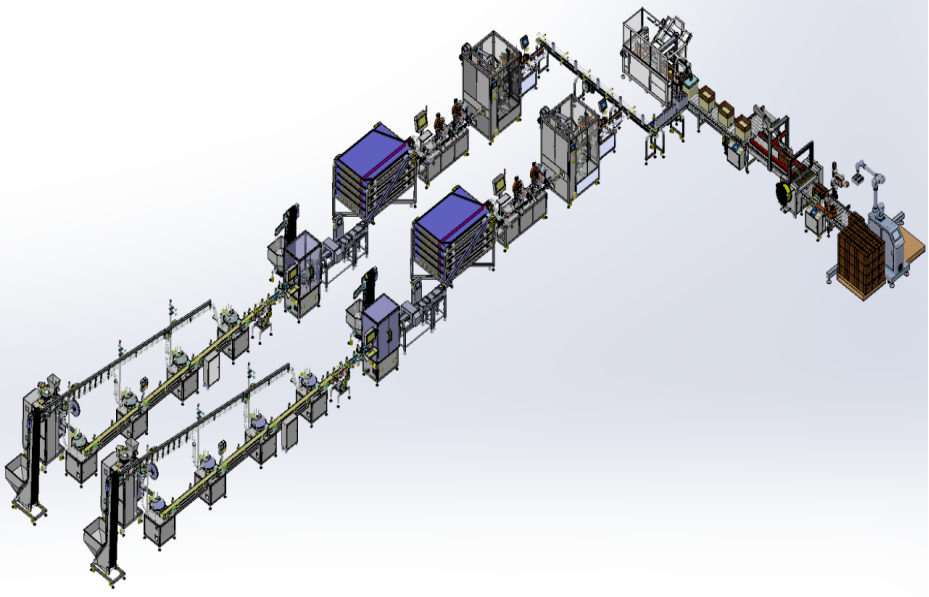
Assess the supplier’s machine range, customization ability, and engineering depth. A manufacturer with decades of experience and a wide portfolio — covering snus & nicotine packaging machines, sachet and stick pack machines, filling lines, and auxiliary equipment — will help you build a future-proof line. Look for suppliers that can supply turnkey solutions: integration of weighing, filling, packaging, and inspection systems reduces compatibility risks and simplifies vendor management.
Useful reference pages to review from potential suppliers include their product lines and case studies. For example, Packmate’s product categories such as Snus & Nicotine Packaging Machines, Sachet & Stick Pack Machines, and Filling & Packaging Lines are useful starting points to compare technical specifications.
What to ask in technical evaluations
✔️ Throughput tests: request real-world speed numbers using your product or close analogs.
✔️ Changeover time: how fast can the line switch SKUs? Tool-less changeovers are preferred.
✔️ Accuracy & waste rates: ask for measured fill accuracy and scrap percentages.
✔️ Hygiene & cleaning: design features for easy sanitation, especially for moisture-sensitive nicotine products.
Inspect Quality, Certifications, and Manufacturing Strength
High-performance nicotine packaging equipment requires precision parts, reliable assembly, and strict quality control. Check the supplier’s factory capabilities: advanced CNC machining centers, precision assembly lines, and dedicated testing areas reflect manufacturing maturity. Certifications such as CE and ISO provide assurance of international-standard production practices and are often required for export and regulatory acceptance.
If available, request a factory tour or virtual walkthrough. Look for traceability in parts, documented quality control processes, and completed test protocols. Manufacturers with a broad model range and decades of R&D experience are better positioned to handle custom requirements and provide long-term upgrades.
Red flags to avoid
⚠️ Lack of clear documentation, no references or case studies, inconsistent QC practices, or evasive answers about spare parts availability. Also be wary of suppliers offering significantly lower prices with minimal technical detail — this often leads to higher lifetime costs and downtime.
Service, Training, and Spare Parts Strategy
A machine is only as good as the support network behind it. Confirm lead times for spare parts, availability of local technicians or remote support, and training packages for your operators and maintenance teams. Quality suppliers provide comprehensive installation, commissioning, and training services and back them up with clear service contracts.
📦 Spare parts kit: confirm which wear parts come with the machine and recommended stock levels.
🛠️ Local technicians: on-site service in major South American markets or fast remote diagnostics.
🎓 Operator training: structured programs and manuals in Spanish/Portuguese.
🕒 SLA & response time: guaranteed response windows for critical failures.
Commercial Terms, Warranty and Total Cost of Ownership (TCO)
Price is important, but focus on TCO. Evaluate energy consumption, spare parts cost, mean time between failures (MTBF), and training overhead when comparing quotes. Get clarity on warranty coverage, what’s included in installation, and long-term service agreements. Suppliers that offer modular upgrades and clear maintenance plans help you scale while controlling costs.
Negotiation tips: ask for bundled pricing for complete lines, inquire about financing or leasing options, and request a life-cycle cost analysis. Some manufacturers also provide performance guarantees or trial periods — these can be very valuable for reducing purchase risk.
Contract elements to confirm
• Delivery timelines, penalties for delays, and import responsibilities.
• Acceptance tests and clear performance metrics for final sign-off.
• Spare parts list and recommended inventory levels.
• Warranty duration and what constitutes warranty vs. chargeable service.
Check References, Case Studies, and Exhibition Presence
Ask for references in South America and review case studies that demonstrate real-world performance. Suppliers that regularly attend international exhibitions and demonstrate machines provide tangible proof of reliability and willingness to invest in customer relationships. Packmate, for example, showcases turnkey lines and has documented global cooperation cases that illustrate implementation scenarios for nicotine pouch production.
Useful links to validate supplier credentials include their case histories and company profile pages — these help you confirm installations, partner ecosystems, and exhibition activity. See supplier resources such as Case, About Packmate, and Our Exhibition.
Cultural and Market Nuances in South America
South American consumer preferences, regulatory attitudes toward nicotine products, and retail packaging norms vary by country. For example, labeling language requirements differ across Brazil, Argentina, and Chile; Brazil mandates Portuguese labels and often has specific health warning rules. Understanding local retail formats — single-stick sales vs. multi-pouch retail boxes — will influence packaging choices and machine configuration.
In many South American markets, smaller retailers are common, so offering flexible pack sizes and robust shelf-ready packaging could improve market penetration. A supplier that can advise on packaging formats and help adapt lines to regional packaging materials (paper, laminated films, or recyclable substrates) will provide strategic value beyond machinery.
Pilot Runs, FAT, and Acceptance Tests
Always insist on a Factory Acceptance Test (FAT) and, where possible, a pilot production run using your materials. FATs reduce surprises during commissioning and provide documented machine performance under test conditions. If travel is difficult, request video FATs, detailed run data, and the supplier’s permission to bring an independent engineer or third-party witness.
Document acceptance criteria up front (speed, accuracy, defect rate), and make sure commissioning includes on-site training and sign-off procedures. A good supplier will provide thorough FAT documentation and be transparent about test conditions and product changeover procedures.
Acceptance checklist highlights
✅ Performance test results with your product.
✅ Spare parts & tooling included at handover.
✅ Full documentation: drawings, PLC code, manuals, and electrical schematics.
✅ Training records for operators and maintenance staff.
Making the Final Decision
Rank suppliers on technical fit, local support presence, financial terms, and long-term reliability. Prioritize partners who offer transparent documentation, demonstrable field performance, and the ability to scale. If a supplier like Packmate can provide turnkey lines, spare parts logistics, and references across regions, they become a strategic partner rather than just an equipment vendor.
Before signing, ensure alignment on timelines, acceptance criteria, and warranty scope. Negotiate a phased payment schedule tied to milestones such as engineering approval, FAT completion, shipment, and successful commissioning.
Final Practical Tips
• Perform a side-by-side comparison matrix for shortlisted suppliers including throughput, accuracy, warranty, local support, and TCO.
• Ask for references in South America and schedule calls with existing customers.
• Validate spare parts lead times and local stocking options.
• Insist on FAT and clear acceptance testing protocols.
• Verify documentation language and operator training availability in Spanish/Portuguese.
🔍 If you want to explore detailed product categories or request specific machine specifications, useful resources include: Bag & Pouch Packaging Machines and Weighing & Packaging Systems. For after-sales topics, check the supplier’s Service page and FAQs.
Common Questions
Q1: How long does it typically take to install and commission a nicotine pouch packaging line?
A1: Installation and commissioning time varies by complexity, but a basic single-line installation can take several weeks, while full turnkey multi-line projects typically require 8–16 weeks including FAT and local customization.
Q2: What warranty and spare parts strategy should I expect from a reputable supplier?
A2: Expect a standard warranty period (often 12 months) covering manufacturing defects, a recommended spare parts kit at handover, and options for extended service contracts. Confirm lead times for critical wear parts and whether local stocking is available.
Q3: Are machines adaptable to different nicotine pouch formats and materials?
A3: Modern machines are designed for flexibility — changeover kits, modular tooling, and software recipes allow adaptation to different pouch sizes and materials. Validate changeover times and request demonstrations with your specific substrates.
Q4: How important is a Factory Acceptance Test (FAT)?
A4: FAT is essential. It validates machine performance on test products before shipment, reduces commissioning risk, and serves as the contractual acceptance basis. If you cannot attend in person, request detailed video records and run data.
Q5: How can I confirm a supplier’s credibility in South America?
A5: Check regional references, case studies, exhibition presence, and local service partnerships. Verify certifications like CE and ISO, and ask for contactable customer references in the region to confirm field performance.