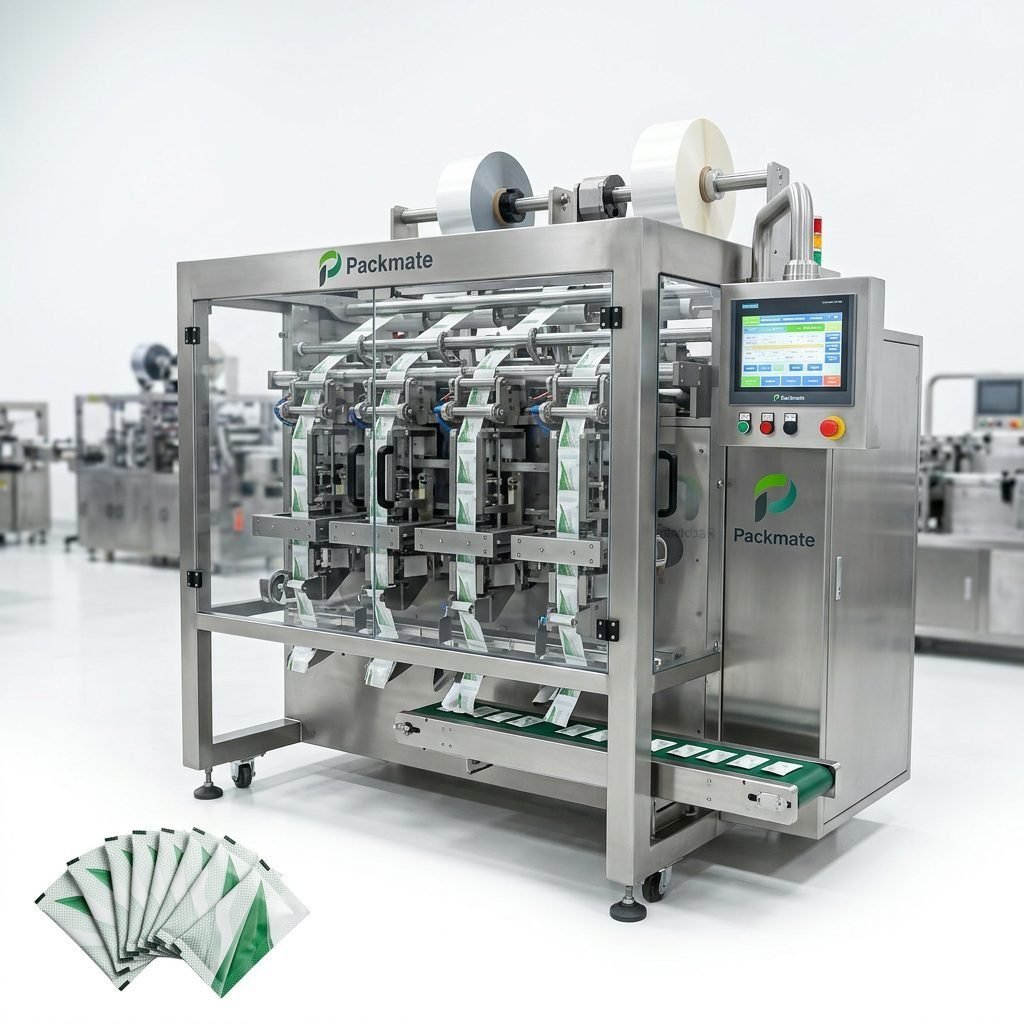
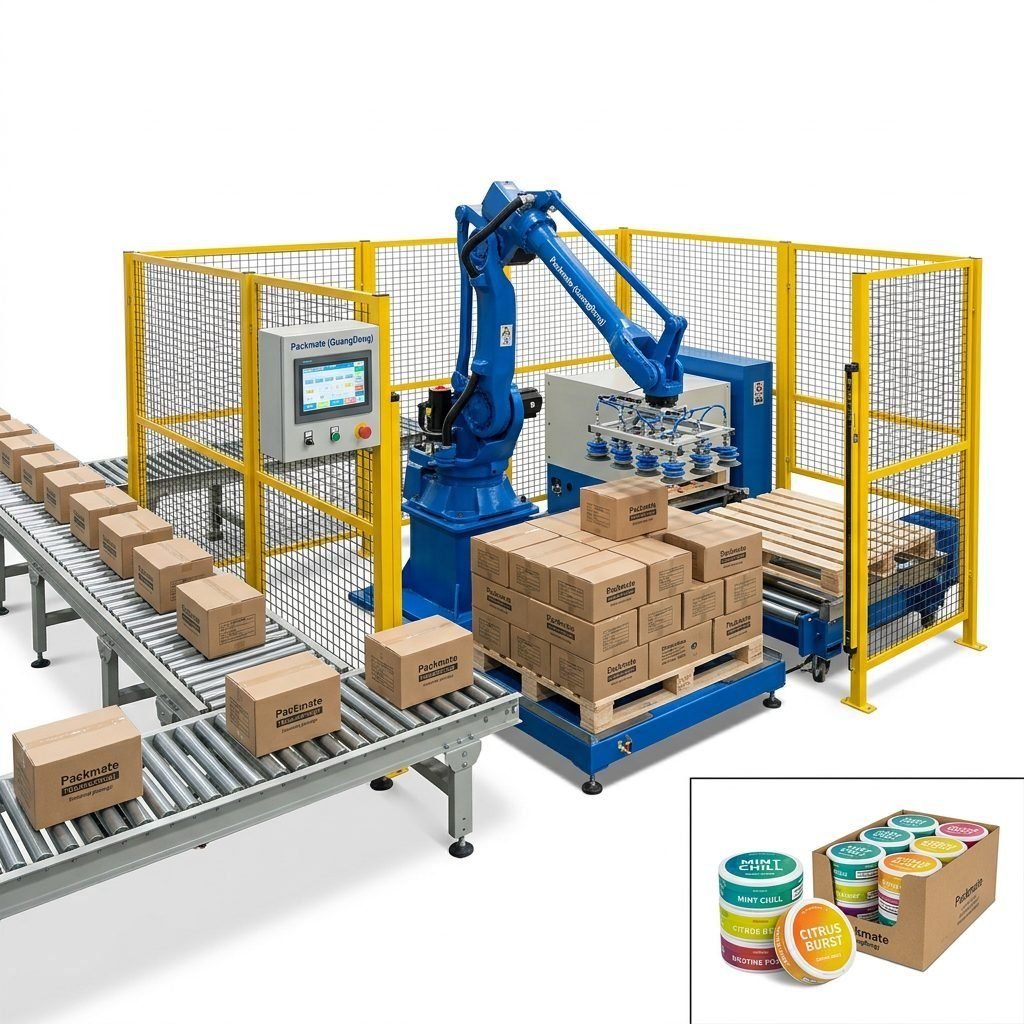
Expanding or launching a nicotine pouch or snus business in Albania requires careful choice of packaging machinery partners. Selecting the right supplier impacts product quality, regulatory compliance, production uptime and your ability to scale. This guide walks you through a practical, Albania-focused process for choosing the best nicotine packaging machinery supplier for your business, including technical, commercial and cultural considerations to ensure long-term success.
Understand the Albanian Market and Local Considerations
Albania’s market dynamics, import procedures and consumer preferences shape your machinery requirements. Before engaging suppliers:
- ✓ Check national regulations and labeling rules — product labeling often needs Albanian language content and clear ingredient listings.
- ✓ Verify import duties and customs handling times to estimate lead times and landed cost.
- ✓ Understand distribution channels — retailers, tobacconists and online channels may each require different pack formats and run sizes.
Local tip: Business relationships in Albania are often strengthened through face-to-face meetings and clear after-sales support commitments. Expect to invest time in supplier visits or invite vendor teams for equipment demonstrations.
Regulatory & Compliance Checklist
Because nicotine-containing products are sensitive, confirm that any supplier can help you meet compliance with labeling, health warnings, CE marking (for equipment) and appropriate documentation for import into Albania. If you need compliant packaging solutions and technical guidance, explore specialized equipment like the ones listed on the supplier’s Snus & Nicotine Packaging Machines page.
Assess Supplier Technical Capabilities
Choose a supplier with proven experience in small-dose pouch production, flexible multi-lane lines and robust filling technologies. Key technical capabilities to evaluate:
- Precision dosing for nicotine pouches — consistent weight control reduces waste and regulatory risk.
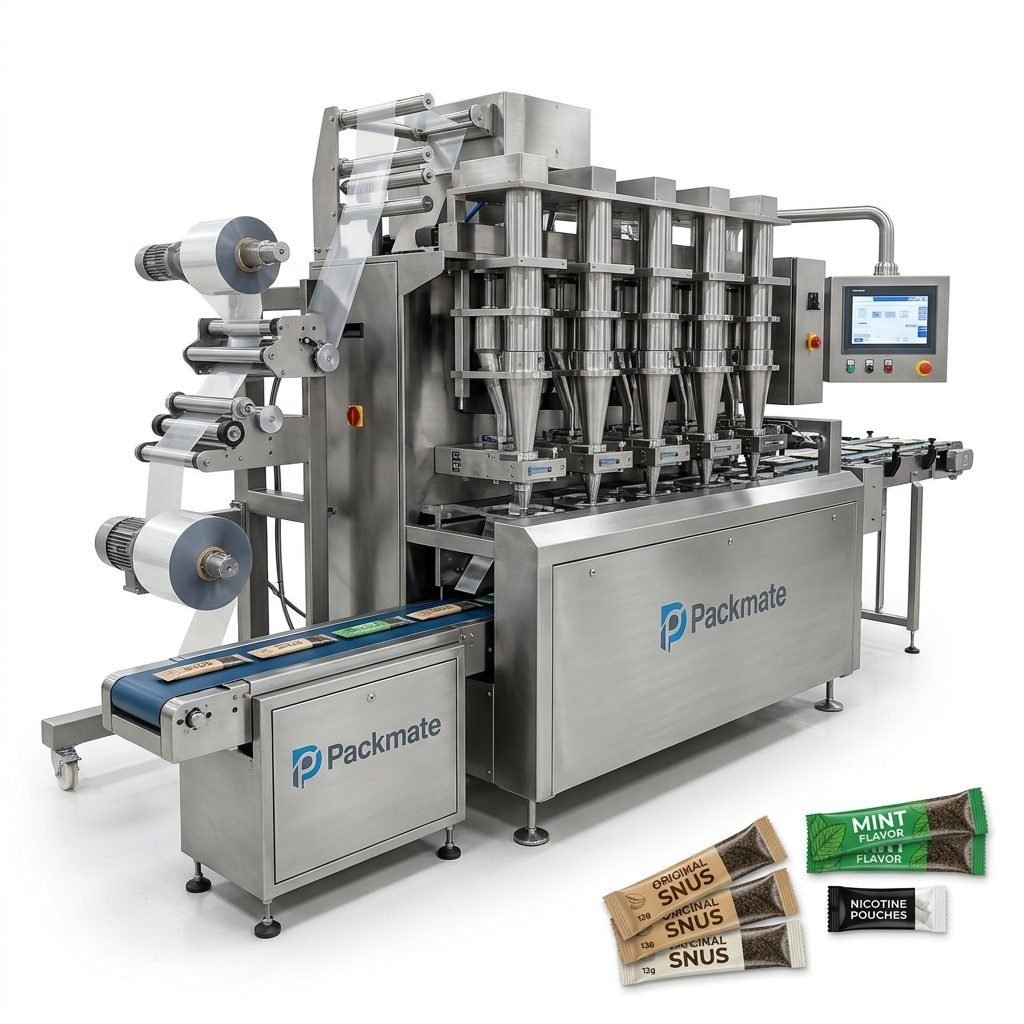
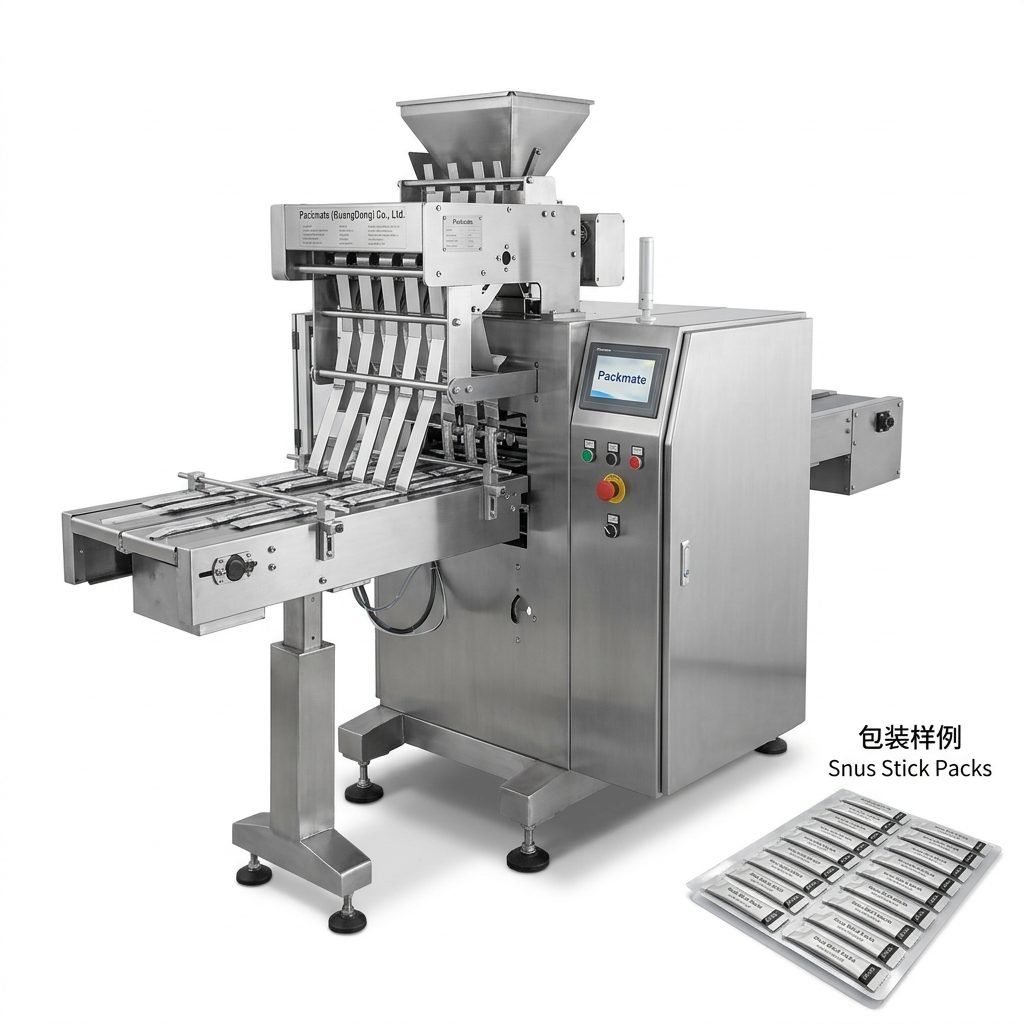
- Multi-format flexibility — ability to run sachets, stick packs or multi-lane pouch formats without excessive changeover time.
- Automation and HMI — easy-to-use controls for local operators, language options and remote support capability.
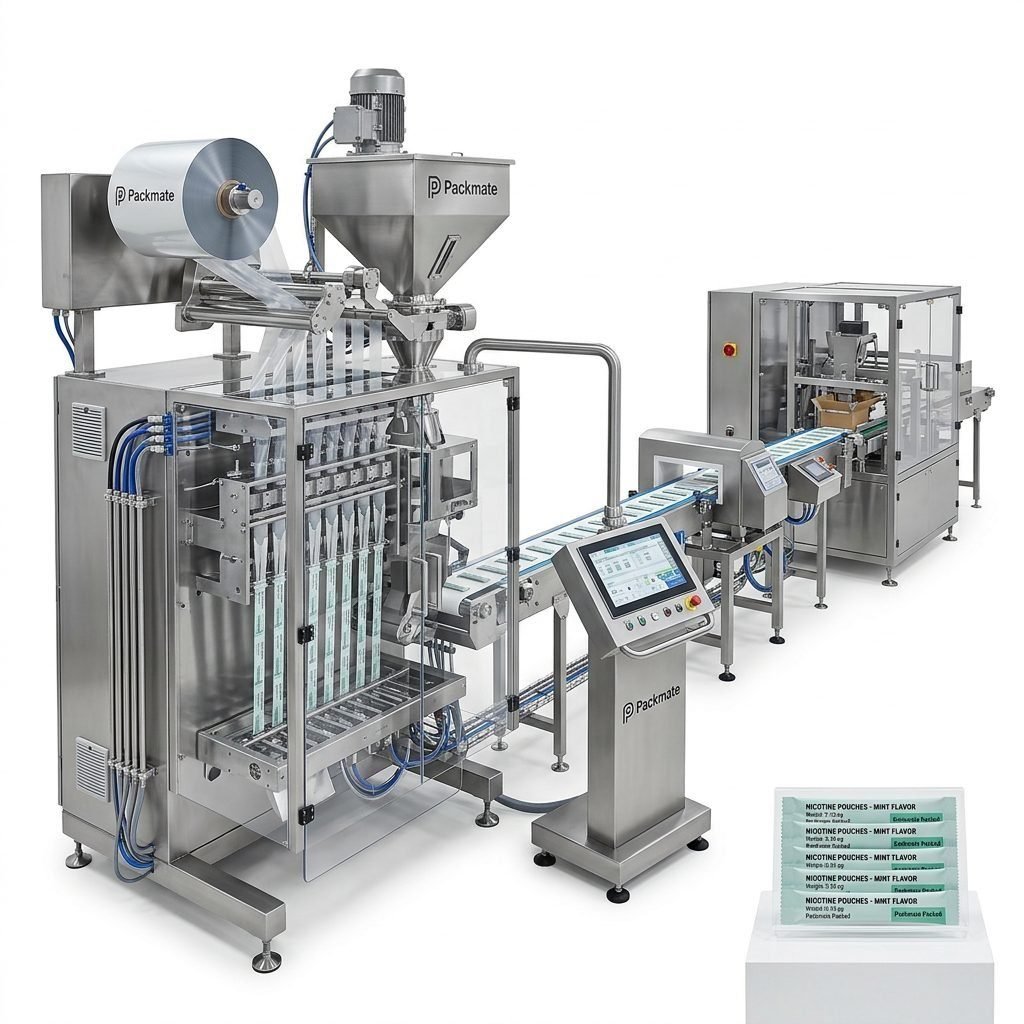
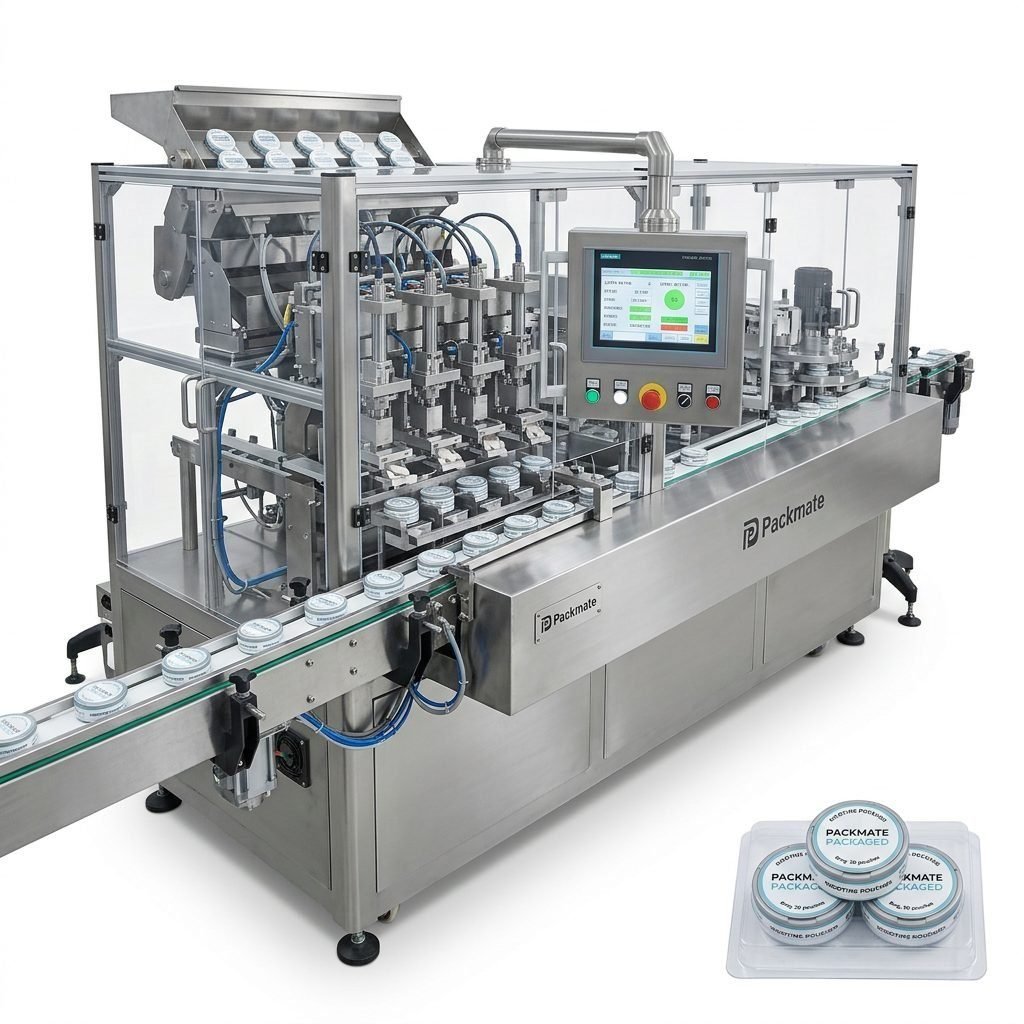
- Integration potential — compatibility with upstream weighing systems and downstream cartoning or case packing lines. See options for Weighing & Packaging Systems and Filling & Packaging Lines for examples.
⚙️ Important: Request machine performance data — OEE estimates, production speed for your target pouch size, and examples of successful installations in similar markets.
Machine Types to Consider
Depending on your product format, you may need one or more of the following:
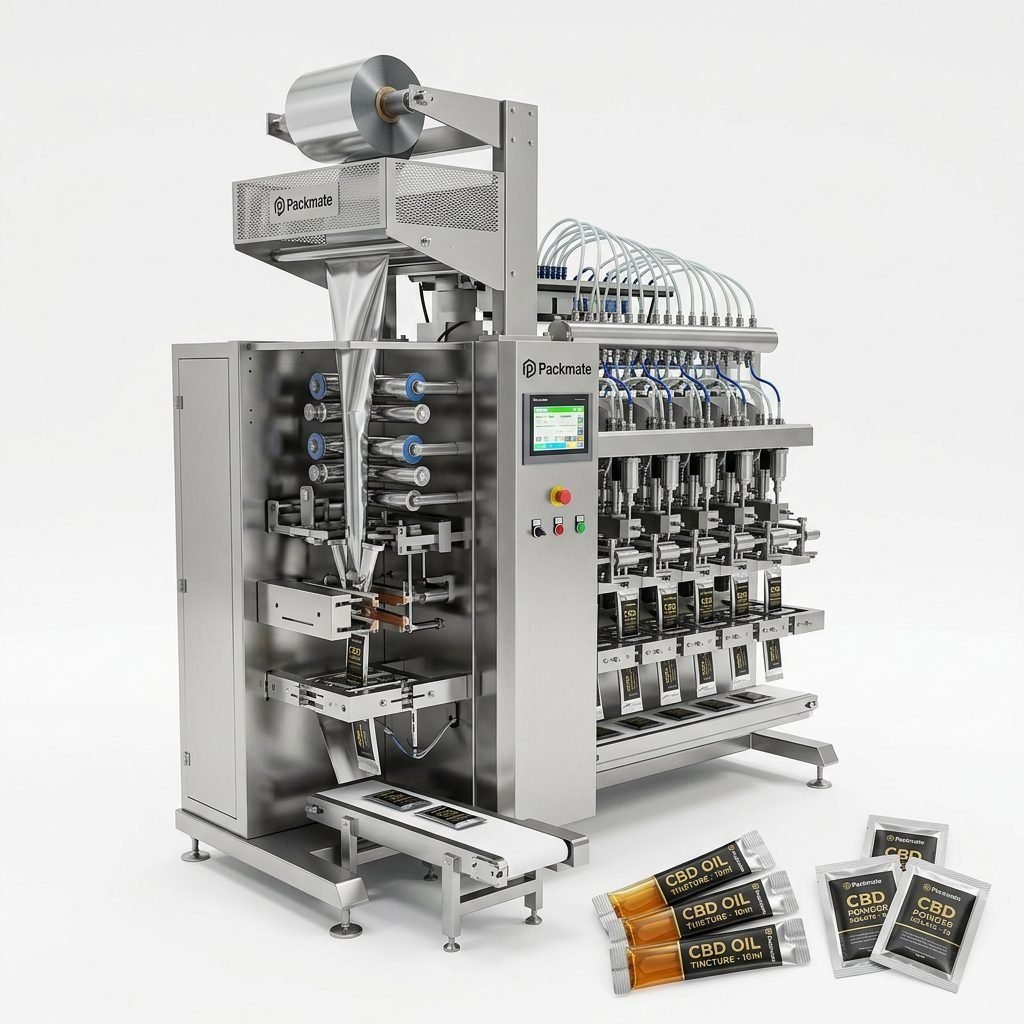
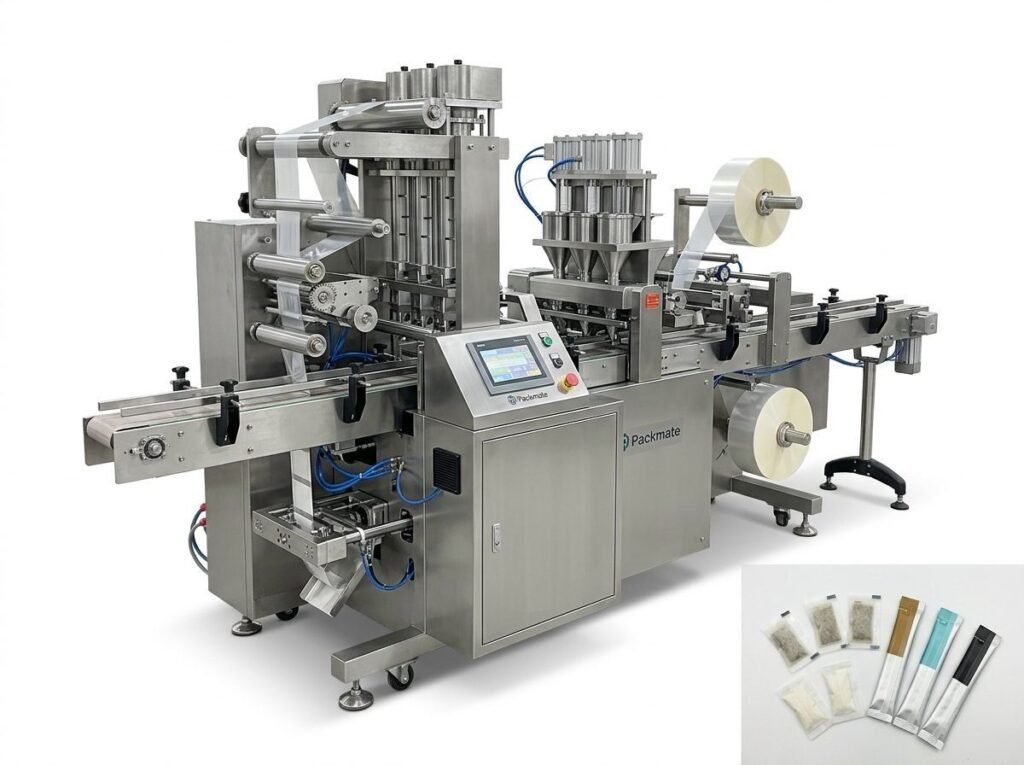
- Snus / Nicotine pouch packaging machines for multi-lane, high-speed sachet production.
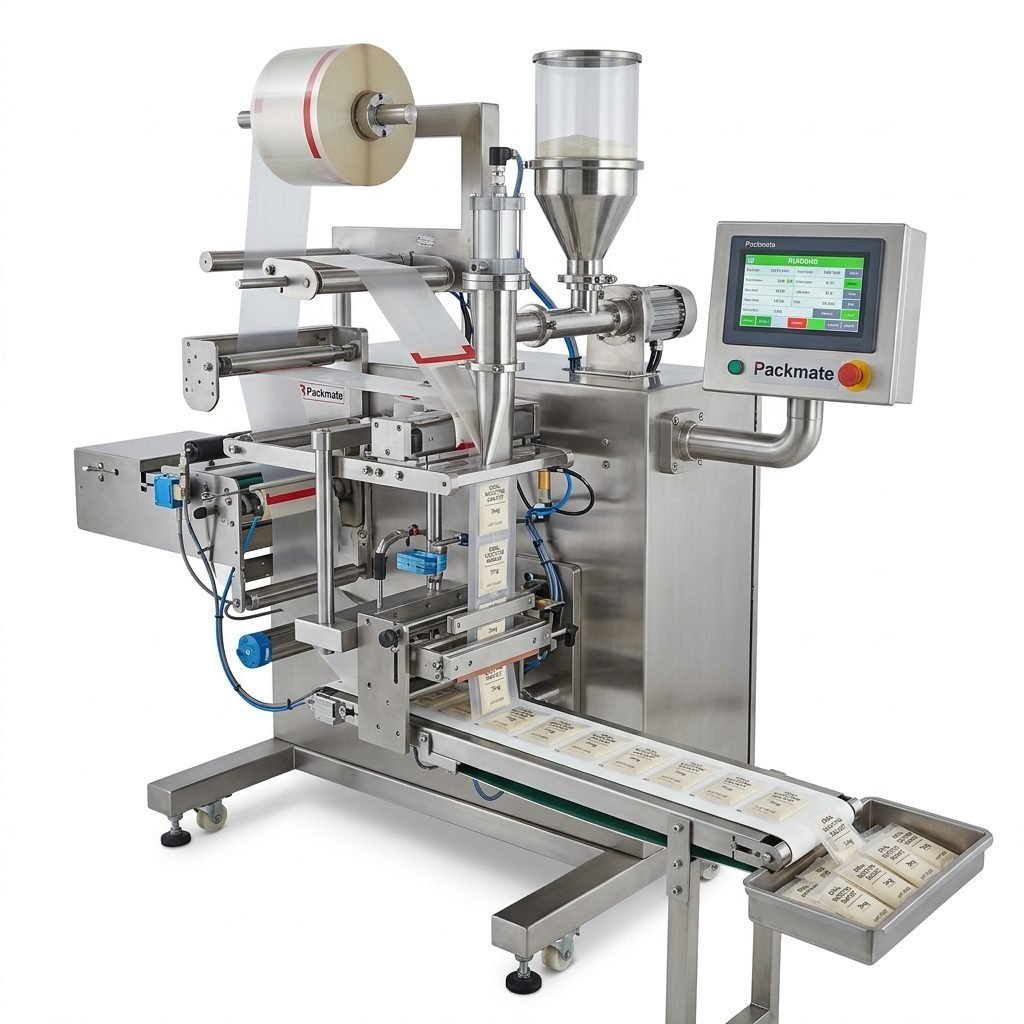
- Stick pack and sachet machines for single-dose formats — suitable for on-the-go retail packs.
- Auxiliary equipment: feeders, metal detectors, checkweighers and case packers to build a complete line.
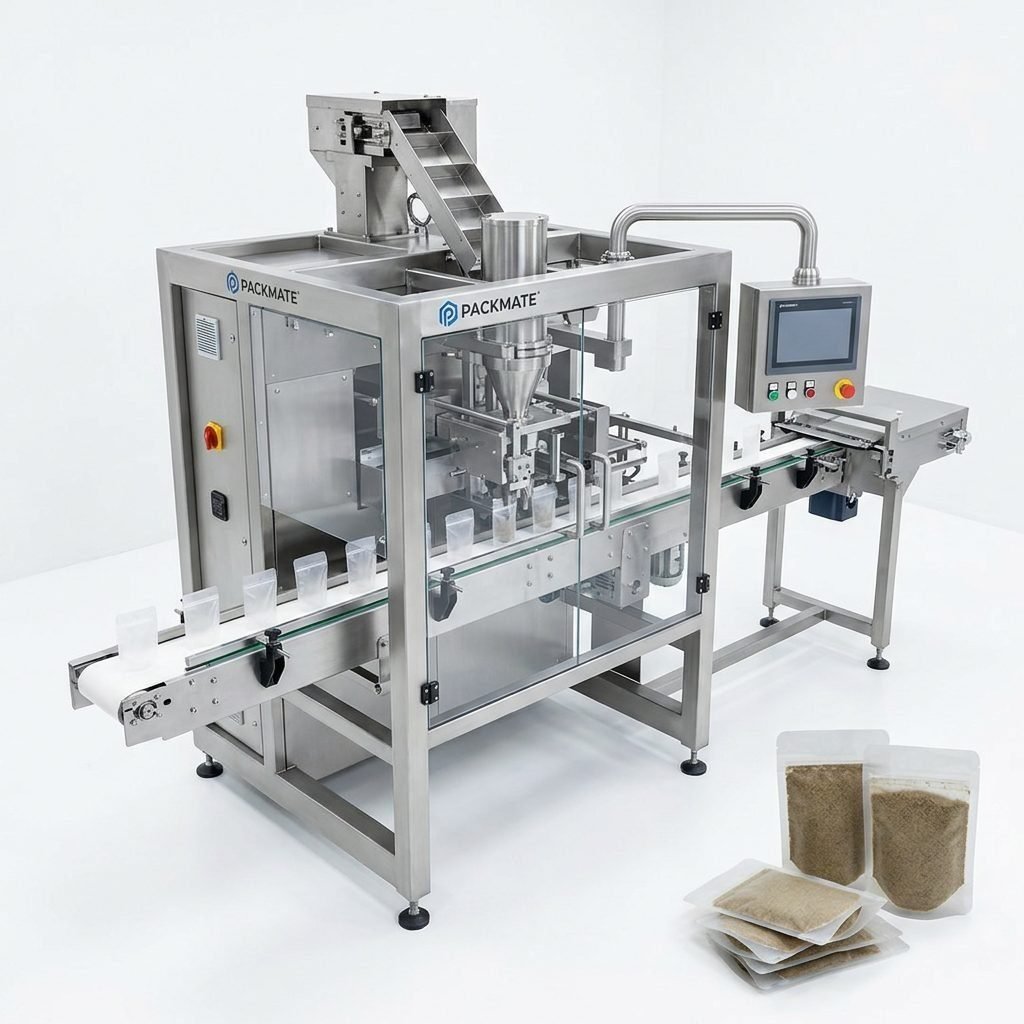
For product browsing and technical comparisons, refer to the supplier product categories like Snus & Nicotine Packaging Machines and Bag & Pouch Packaging Machines.
Evaluate Quality, Certifications and Factory Strength
A supplier’s manufacturing footprint and certifications are strong indicators of consistency and reliability. Look for:
- Factory scale and CNC machining capability — larger, modern facilities generally offer better spare-part control and QA systems.
- International certifications such as CE and ISO — these confirm machine safety and management systems.
- Documented quality checks, factory tests and performance validation reports prior to shipment.
Supplier profile example: A supplier with 30+ years engineering experience and a 20,000㎡ manufacturing facility, offering 50+ machine models and global turnkey solutions, demonstrates manufacturing depth and customization ability.
After-sales Service, Spare Parts and Local Support
After-sales service is often the deciding factor for long-term success. For Albania, consider:
- Availability of spare parts in region or reasonable shipping times from factory.
- Remote diagnostic support and local-trained technicians for rapid downtime resolution.
- Training offerings for operators and maintenance staff — ideally delivered in your preferred language or with translated manuals.
When vetting suppliers, ask for references in Europe or nearby markets and documented case studies of installations. Review the supplier’s case studies to see real-world performance examples.
Total Cost of Ownership (TCO) — Beyond the Purchase Price
Focus on lifetime cost: energy use, maintenance, spare parts, consumables, training and expected useful life. A lower upfront price may hide higher operational cost.
- Energy efficiency and smart controls lower operating expenses.
- Ease of maintenance reduces downtime and labor cost.
- Standardized components simplify spare-parts inventory.
Commercial Terms and Contract Essentials
Negotiate clear terms: delivery schedule, factory acceptance test (FAT) criteria, warranty coverage, training scope, spare parts list and payment milestones. Include dispute-resolution clauses and clear acceptance criteria for performance.
📌 Pro tip: Insist on a documented FAT and video demonstration of your exact product run. This reduces surprises on arrival and aligns expectations.
Logistics, Installation and Local Setup in Albania
Plan for customs clearance, inland transport and local installation support. Consider hiring a local customs broker and ensure all machine documentation is available in advance (packing list, commercial invoice, CE/ISO certificates).
Factory Visits and Virtual Audits
Visiting the supplier’s factory or arranging a virtual tour helps verify build quality and engineering standards. Look for CNC machining centers, assembly lines and test bays. If travel is limited, request live video inspections and machine run-offs.
Cultural & Communication Factors When Working with Suppliers
Albania values direct relationships and clear, respectful communication. Practical tips:
- Be punctual and clear in meetings; confirm next steps in writing.
- Use a combination of English and Albanian documentation where possible for regulatory filings and local staff training.
- Establish a local contact point or service partner to shorten response time for technical issues.
How to Shortlist and Rank Suppliers — Practical Scoring Model
Create a weighted scoring model to compare suppliers objectively. Example categories:
- Technical fit and customization (30%)
- Quality, certifications and factory capability (20%)
- After-sales support and spare-parts availability (20%)
- TCO and financing options (15%)
- References and proven case studies (15%)
Example resource: Review supplier portfolios and technical catalogs (for example, About Packmate) to validate claims with documented evidence of experience.
Pilot Runs, Training and Ramp-up
Before committing to full-scale production, schedule a pilot run to validate product consistency, packaging integrity and cycle times. Ensure supplier provides:
- On-site or virtual training for operators and technicians.
- Spare parts starter kit and documentation translated if needed.
- Clear escalation pathways for warranty and emergency support.
If you want to contact the supplier directly to request quotes, technical data sheets and service options, use the supplier’s Contact page to start the conversation: Contact Us.
Making the Final Decision
After technical evaluation, site visits and commercial negotiation, choose the supplier that balances technical fit, proven quality and robust local support. Prioritize long-term partnership potential over short-term savings.
✔ Final checklist before signing: FAT agreement, acceptance criteria, warranty terms, spare-parts list, delivery timeline and local installation plan.
Where to Evaluate Real Machines and References
Attend industry exhibitions or schedule factory demonstrations to watch machines in operation. Many suppliers participate in global shows and maintain documented demonstrations of snus and nicotine pouch lines — check the Our Exhibition section for upcoming events and demos.
Why a Turnkey Approach Often Works Best
For new operations in Albania, a turnkey solution reduces complexity: one supplier coordinates packaging machines, filling systems, weighing solutions and auxiliary equipment. A supplier with proven turnkey experience can speed your time-to-market and simplify supplier management. For more on complete lines, review options under Filling & Packaging Lines and Auxiliary Packaging Equipment.
Next Steps: Action Plan for Albanian Buyers
1. Prepare a clear specification: format, pouch size, daily output and quality targets.
2. Shortlist 3–5 suppliers and request formal proposals with FAT plans.
3. Validate references and review case studies.
4. Negotiate terms with attention to warranty, spare parts and training.
5. Plan logistics, customs and local installation well in advance.
Need more resources? Explore product catalogs and technical pages to match machine features to your specification, for instance the Sachet & Stick Pack Machines and comprehensive Weighing & Packaging Systems.
Conclusion
Choosing the best nicotine packaging machinery supplier in Albania is a balanced exercise between technical fit, regulatory compliance, after-sales service and cultural alignment. Prioritize suppliers with demonstrable snus/nicotine pouch experience, solid factory capabilities, and clear service promises. With careful vetting, factory testing and a well-defined contract, you can secure reliable equipment that supports product quality and business growth in the Albanian market.
Frequently Asked Questions
Q1: How do I confirm a supplier’s machine performance before purchase?
Ask for a Factory Acceptance Test (FAT), video of the machine running your product sample, performance data (OEE, speed for your pouch size) and references from similar installations.
Q2: What documentation is essential for importing packaging machinery into Albania?
Essential docs typically include the commercial invoice, packing list, machine CE and ISO certificates, technical manuals, and a bill of lading. Engage a local customs broker early to confirm specifics.
Q3: How important is spare-parts availability and what should I stock?
Very important. Stock critical wear parts and items with long lead times (seals, belts, sensors). Confirm lead times for other parts and whether the supplier offers a starter spare-parts kit.
Q4: Can I get local training and technical support in Albania?
Many global suppliers provide on-site training and remote support; confirm whether they can supply language support or train local partners. Consider formal training agreements as part of the purchase.
Q5: Where can I view supplier case studies and request a quote?
Review case studies and submit an inquiry through the supplier’s case and contact pages to request tailored quotes and factory demonstration scheduling.