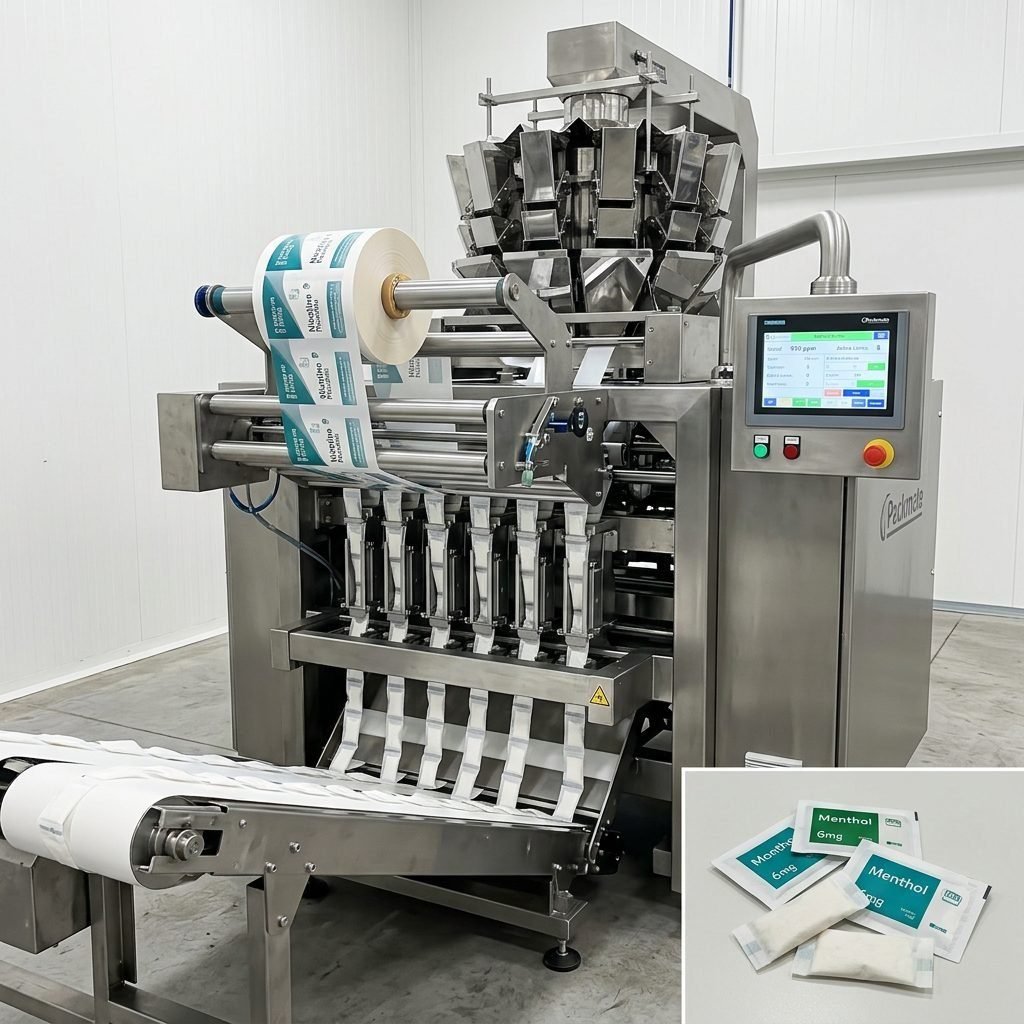
Integrated snus packaging lines are transforming how manufacturers handle portion-packed nicotine pouches, snus sachets, and related small-dose products. With rising global demand for high-speed, compliant, and flexible packaging, modern automated lines combine multiple machines into a seamless workflow that delivers consistent product quality, improved yield, and streamlined operations.
Overview of an Integrated Snus Packaging Line
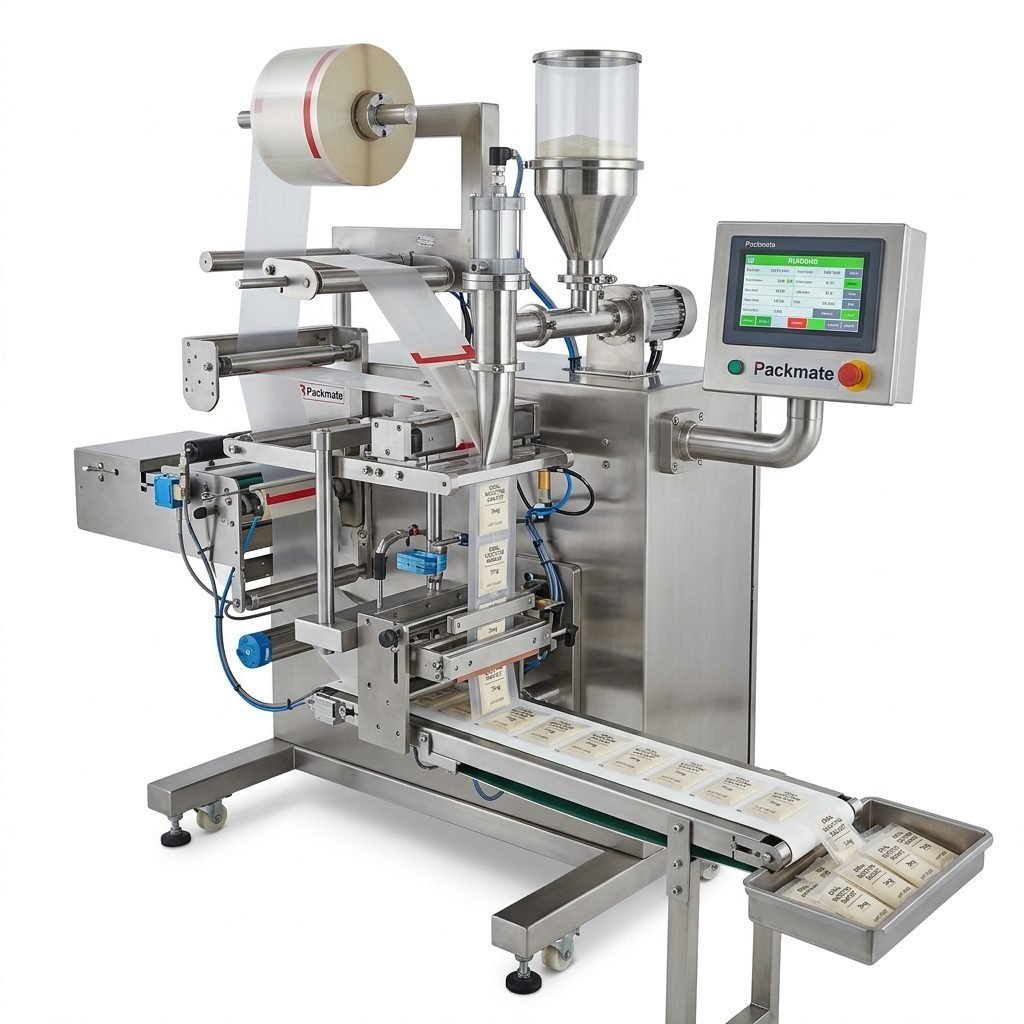
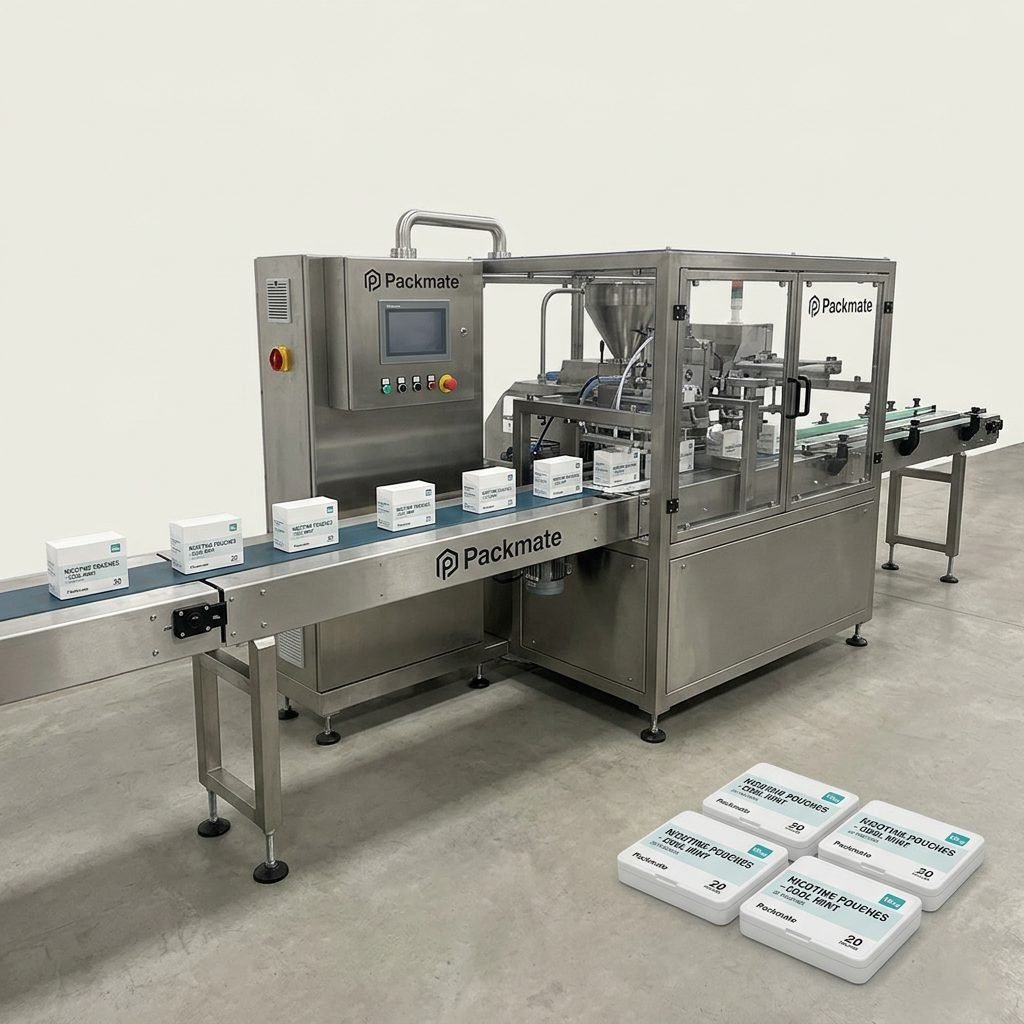
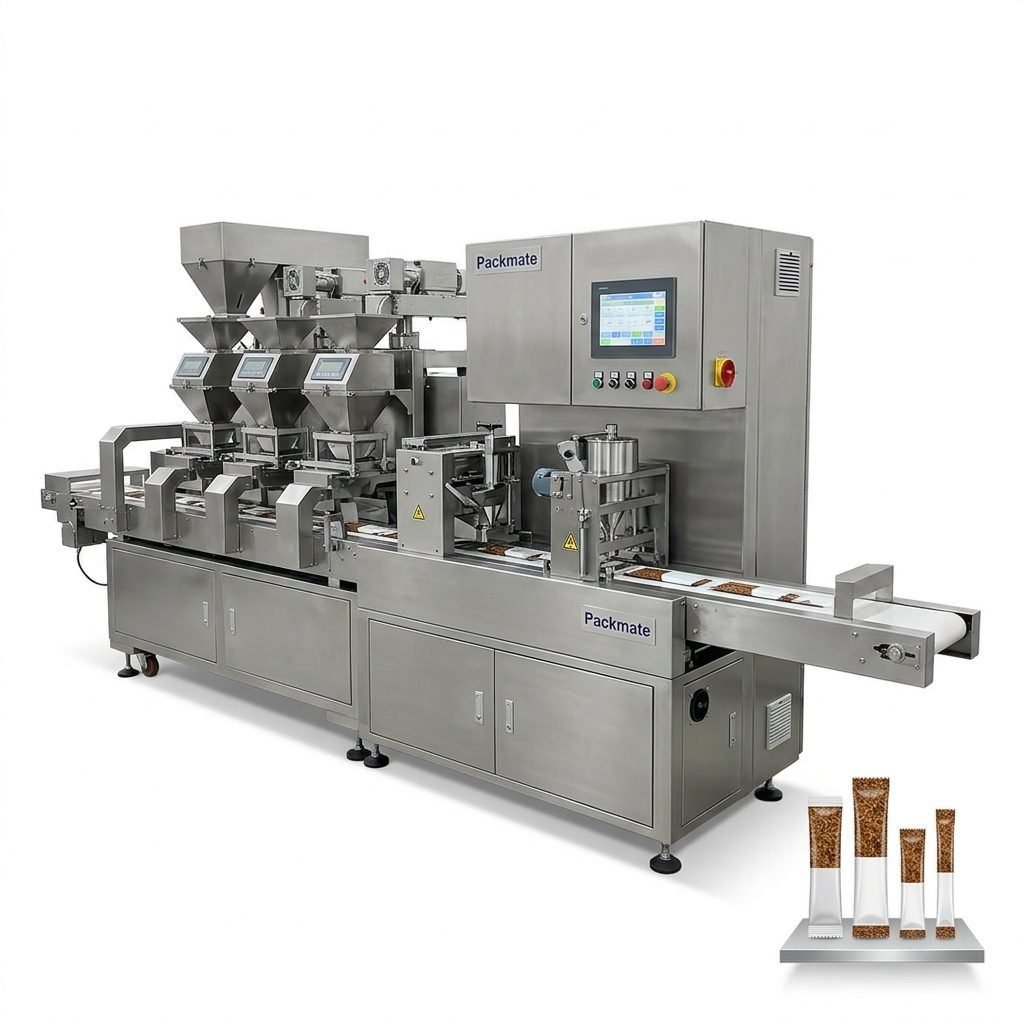
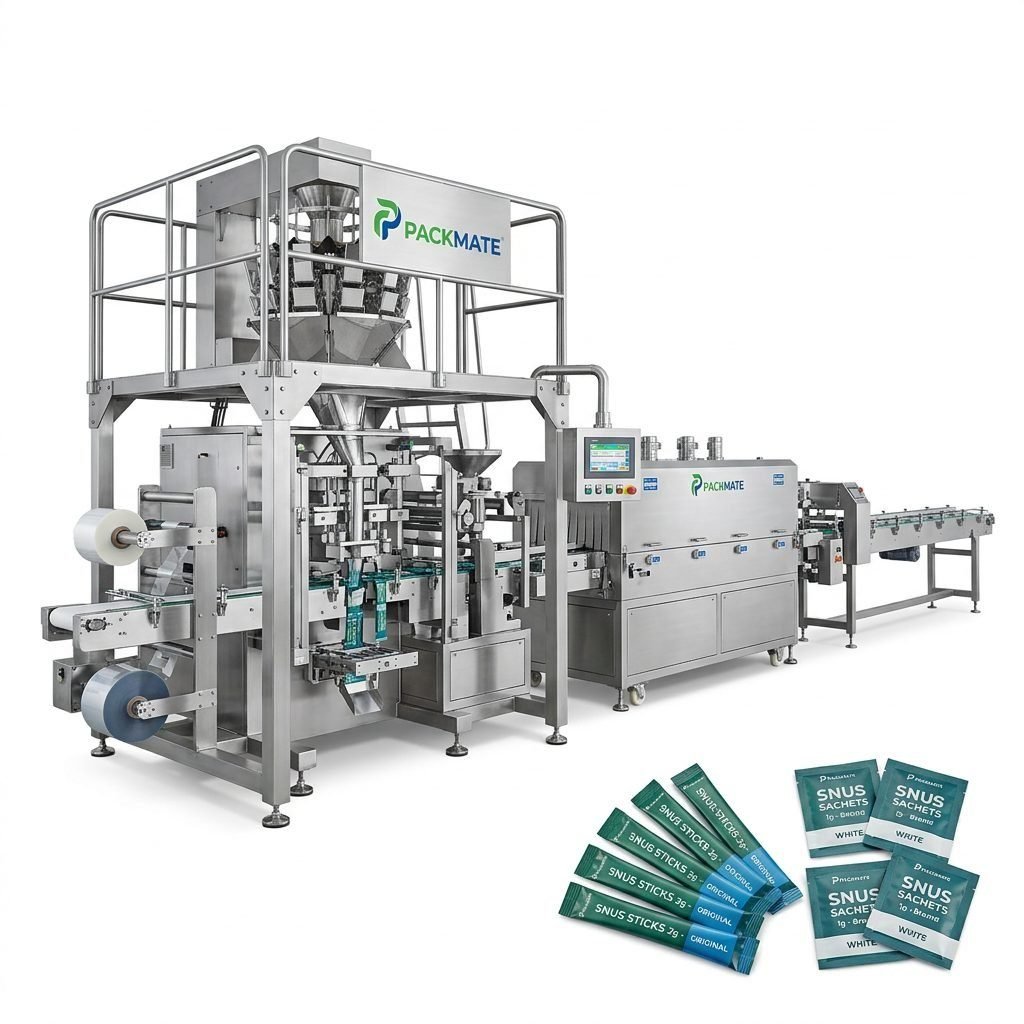
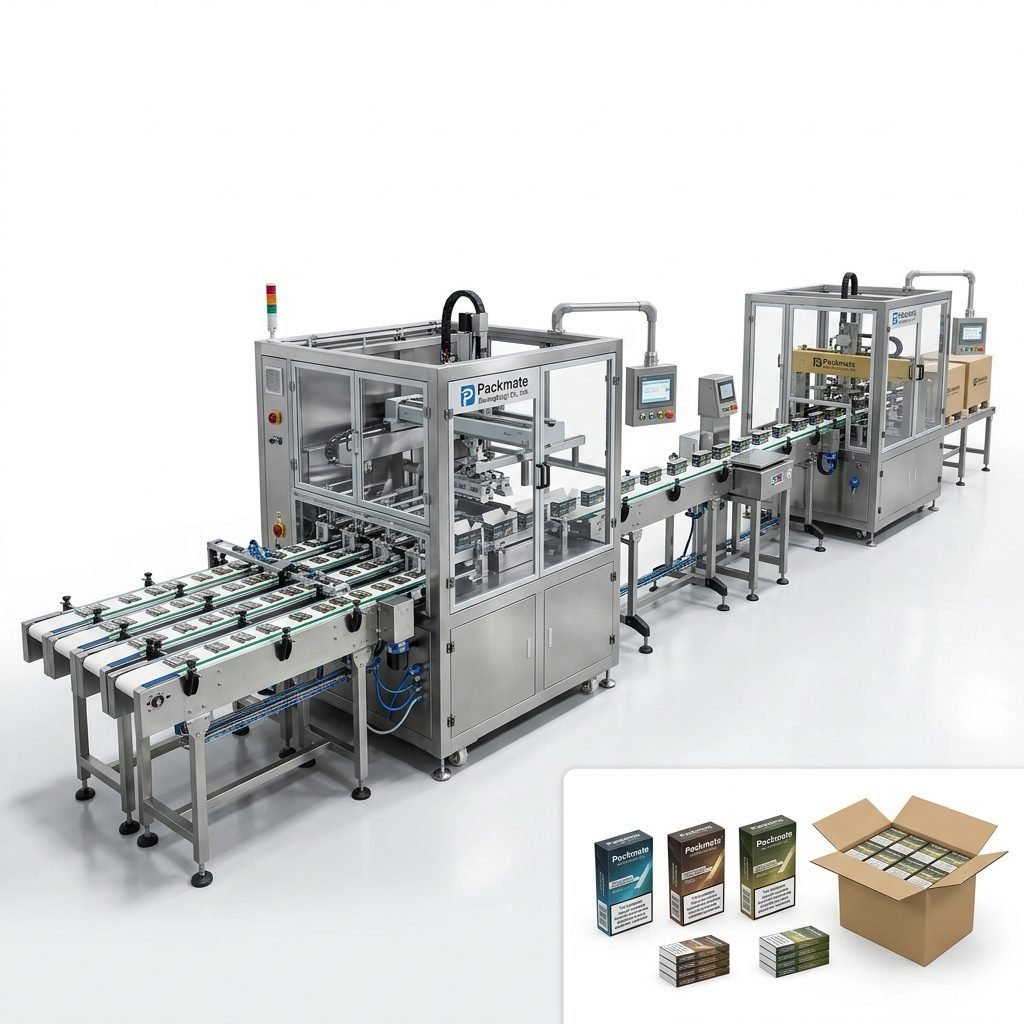
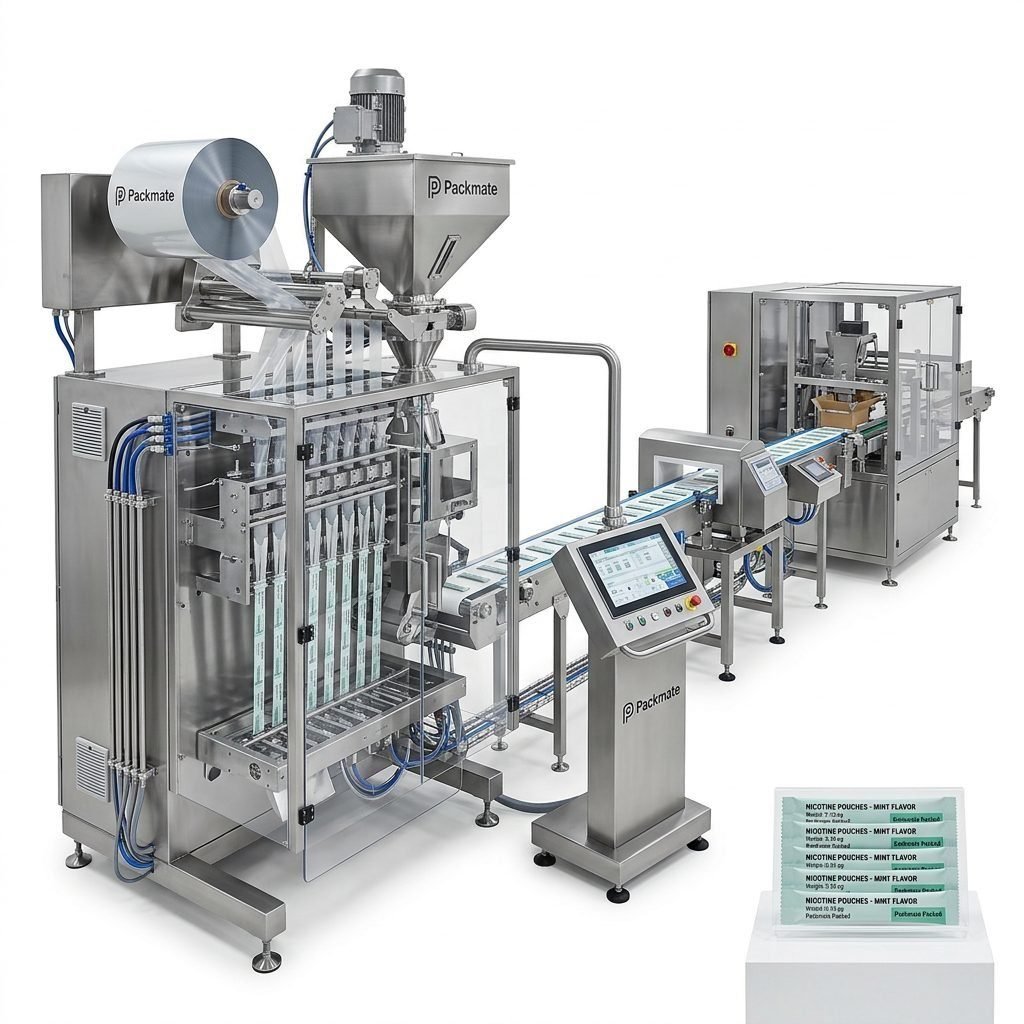
A complete automated solution typically integrates feeding and dosing systems, multi-lane pouch forming, precise filling, reliable sealing, secondary packaging, and end-of-line handling. These lines are engineered to handle a wide range of formats including portion pouches, sachets, stick packs, and multi-lane bags, and often include auxiliary equipment such as metal detectors, checkweighers, and vision inspection systems.
Key Components
Every integrated line is composed of modular machines designed to work together:
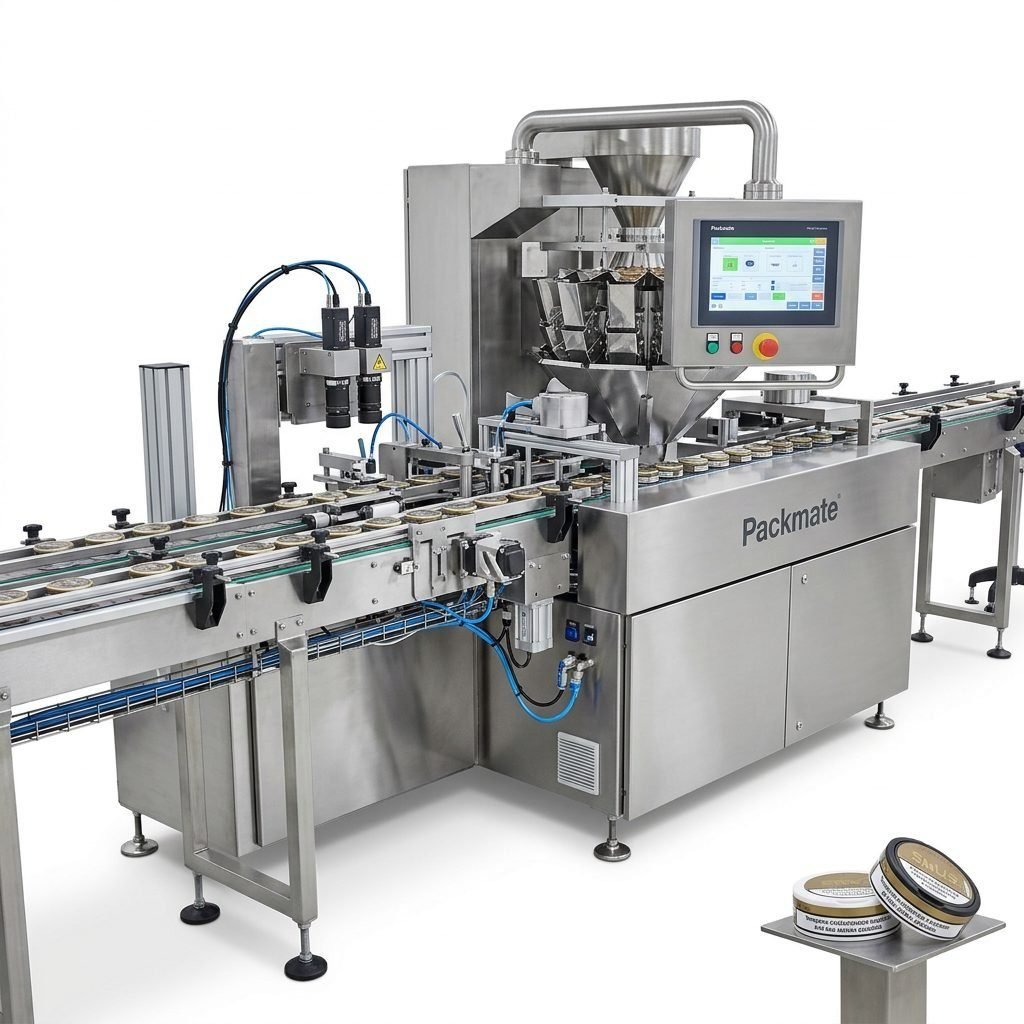
✅ Filling & Dosing Modules: high-precision auger, volumetric, or multi-head weighers for powders and blends.
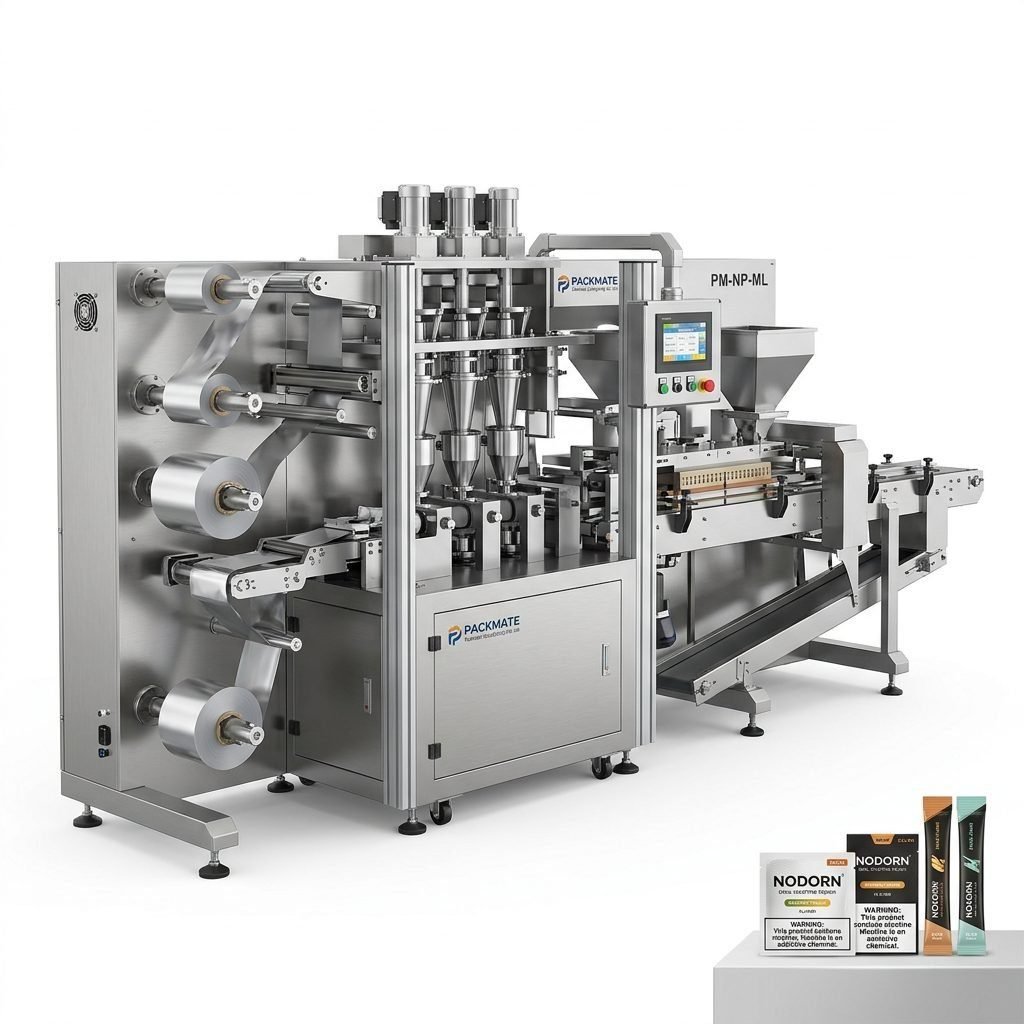
🔧 Multi-Lane Formers: enable parallel production lanes for high throughput.
⚙️ Sealing & Cutting Units: ultrasonic or thermal sealing for leak-proof pouches.
🏭 Secondary Packaging: cartoning, overwrapping, and case packers for retail-ready units.
Performance highlight: An optimized multi-lane line can multiply single lane speed without proportionally increasing floor space—delivering higher throughput, lower labor costs, and stable product consistency.
Why Choose an Integrated Solution?
Integration reduces the number of manual touchpoints and simplifies line management. When feeding, filling, and sealing are synchronized, throughput becomes predictable and machine downtime is minimized. For manufacturers targeting the snus and nicotine pouch market, integrated lines help meet regulatory traceability requirements and maintain hygienic processing environments.
Customization and Flexible Configuration
Not all snus products are the same—some require precise moisture control, others demand very small portion sizes or unique outer packaging. Leading suppliers offer modular solutions that can be configured for:
– Single-dose portion pouches with tear notches.
– Multi-lane sachets for high-volume SKUs.
– Stick packs for discrete single-serve formats.
– Custom outer packaging such as tins, cartons, or pouch-in-pouch solutions.
Tip: Use multi-lane formers to scale output while preserving the ability to switch formats quickly. This approach reduces capital expenditure per unit of capacity.
Quality Control, Compliance & Certifications
Quality is non-negotiable in the snus industry. Integrated lines must support consistent dosing, airtight seals, and traceability. Reputable manufacturers build machines that comply with international standards such as CE and ISO, and provide options for HACCP-ready configurations and GMP-compliant layouts.
Built-in Inspection & Safety
Common built-in inspection tools include vision systems for seal integrity, metal detectors for foreign body control, and checkweighers to verify fill accuracy. Safety interlocks and easy-to-clean designs help meet regulatory audits and reduce microbial risk.
Engineering & Manufacturing Strength
A strong engineering foundation matters. Manufacturers with decades of experience, CNC machining centers, and controlled assembly lines deliver machines with better tolerances, longer service life, and faster lead times. Look for suppliers who publish factory details, machine models, and case studies to verify capability.
Packmate Snus Machine, for example, operates a 20,000㎡ facility with advanced CNC and precision assembly systems and offers 50+ machine models along with turnkey solutions tailored to snus and nicotine pouch producers. Learn more about offerings on the Snus & Nicotine Packaging Machines page or explore Bag & Pouch Packaging Machines for related formats.
Turnkey Lines: From Design to Commissioning
Turnkey delivery means the supplier handles design, equipment supply, installation, training, and start-up support. This reduces the burden on internal teams and accelerates time-to-market. Typical turnkey steps include:
1) Requirements analysis and layout design.
2) Machine selection and customization.
3) Factory acceptance testing (FAT).
4) On-site installation and commissioning.
5) Training and after-sales support.
Service assurance: Confirm the supplier’s global service network and spare parts strategy. A sound maintenance plan and rapid support reduce downtime and safeguard production targets.
ROI and Operational Benefits
Investing in an integrated automatic snus packaging line typically produces measurable returns:
– Reduced labor costs through automation.
– Lower waste and higher yield thanks to precise dosing and sealing.
– Faster changeovers and SKU flexibility.
– Enhanced product consistency, leading to better brand reputation.
Practical Considerations for ROI
Consider total cost of ownership: initial capital, spare parts inventory, warranty and service, energy consumption, and operator training. A comprehensive quotation should include lifecycle support and upgrade paths for future expansion.
Installation, Layout & Footprint
Packaging lines must be integrated into factory flow with attention to material flow, utilities, and maintenance access. Modular machines allow flexible layouts—inline, L-shaped, or U-shaped—depending on space constraints and production strategy.
When planning installation, account for:
– Electrical and pneumatic supplies.
– Waste handling and ventilation.
– Operator training zones and spare parts storage.
– Clean-in-place (CIP) or easy wash-down access if required.
Maintenance & Lifecycle Management
Predictive maintenance and scheduled servicing reduce unexpected downtime. Suppliers should provide maintenance manuals, recommended spare parts kits, and remote diagnostics where possible. Routine tasks include lubrication, seal checks, belt tension adjustments, and software updates.
Proactive tip: Implement a spare parts consignment model for critical wear components to minimize lead times and protect production schedules.
Case Study Highlights
Many brands have successfully scaled product lines using multi-lane integrated solutions. Typical successes include a 3x increase in throughput after switching from a manual packaging process, a 20% reduction in material waste due to precise dosing, and improved market responsiveness through rapid changeover capabilities. For real-world installations and case references, explore Packmate’s Case page and customer stories.
Exhibitions & Global Reach
Leading manufacturers demonstrate new lines at international exhibitions, offering live demos and technical consultations. If you are planning an investment, attending exhibitions or viewing live demos helps validate machine performance before purchase. See upcoming events and exhibition records to witness machines in operation.
Selecting the Right Supplier
Choose a supplier with proven engineering experience, transparent factory capabilities, certifications, and a track record in snus packaging. Verify references, request FAT, and ensure they provide training and local support.
Useful links for further research:
Snus & Nicotine Packaging Machines,
Bag & Pouch Packaging Machines,
About Packmate,
Service,
Contact Us.
Practical Implementation Checklist
Before committing to an integrated line, verify the following:
– Product specifications and tolerances are validated with the supplier.
– Production capacity targets are documented and demonstrated.
– Factory layout and utilities are compatible with machine requirements.
– Maintenance and spare parts agreements are in place.
– Regulatory and traceability features meet market requirements.
Decision factor: Prioritize suppliers who offer FAT and on-site commissioning to reduce integration risks and speed validation.
Sustainability & Material Efficiency
Efficient dosing and accurate sealing reduce material waste. Many suppliers now offer designs that are energy-efficient and designed for recyclable packaging materials. When sustainability is a priority, discuss compatible packaging films and recyclable alternatives with your supplier.
Common Challenges and How to Overcome Them
Integration can present challenges such as mismatched speeds between modules, inconsistent product flow, or unplanned downtime. These are addressed by:
– Precision engineering and synchronized control systems.
– Robust spare parts and maintenance plans.
– Operator training and clear SOPs.
– Pilot runs and FAT to validate machine interactions.
Conclusion
Integrated snus packaging lines are a strategic investment for manufacturers seeking to scale production, improve product quality, and maintain regulatory compliance. By selecting a supplier with strong engineering capabilities, transparent factory practices, and comprehensive service offerings, brands can accelerate growth and maintain a competitive edge in the evolving nicotine pouch market.
Frequently Asked Questions
Q1: What is the typical lead time for a fully integrated snus packaging line?
A1: Lead times vary by configuration and customization level. Standard modular lines can be delivered in months, while fully customized turnkey systems including FAT and commissioning may take longer. Discuss timelines with your supplier early in the project.
Q2: How do integrated lines ensure fill accuracy for tiny nicotine pouches?
A2: Precision dosing is achieved with specialized augers, multi-head weighers, or volumetric feeders calibrated for small volumes. Integrated checkweighers and vision systems provide secondary verification to maintain consistency.
Q3: Can an integrated line handle multiple pouch formats and rapid SKU changes?
A3: Yes—modular designs and quick-change tooling enable format switches. Work with suppliers to define expected SKUs and changeover times during the design phase to ensure the line meets operational needs.
Q4: What after-sales support should I expect?
A4: Expect installation, commissioning, operator training, spare parts supply, and remote or on-site technical support. Confirm warranty terms, service response times, and training scope before purchase.
Q5: How can I evaluate a supplier’s credibility?
A5: Verify factory capabilities, certifications (CE/ISO), customer references, and ask for FAT demonstrations. Reviewing case studies and exhibition demonstrations provides additional confidence in performance claims.