The modern nicotine pouch market demands packaging systems that are fast, precise, and flexible. Stick pack systems for slim nicotine pouches are a cornerstone of high-volume production, delivering single-dose pouches in compact, attractive formats. This article explores the design, operation, and commercial benefits of Nicotine Pouch Stick Pack Systems, with practical guidance on selecting the right machines and integrating them into a scalable production line.
Technical Overview: What a Stick Pack System Is
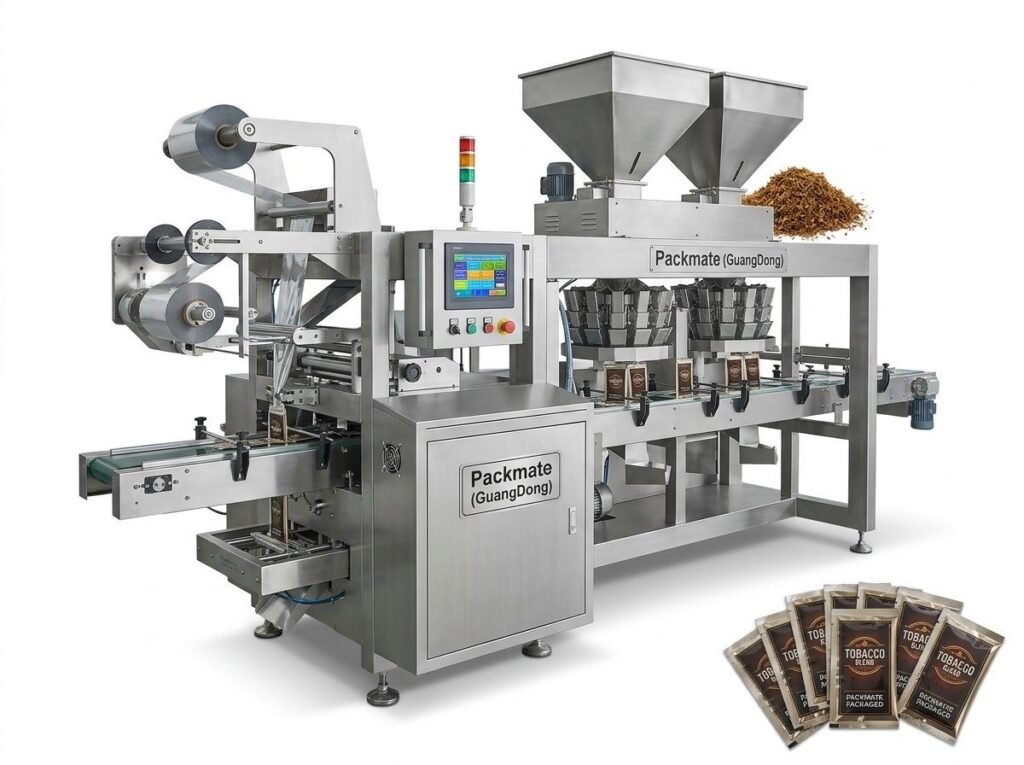
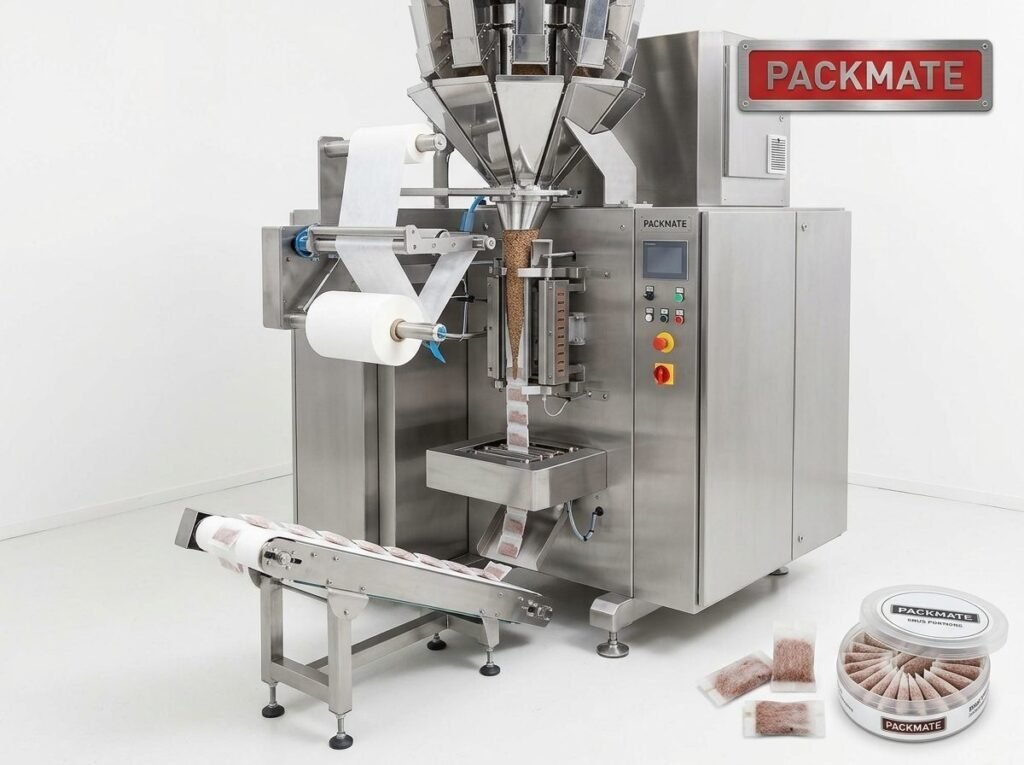
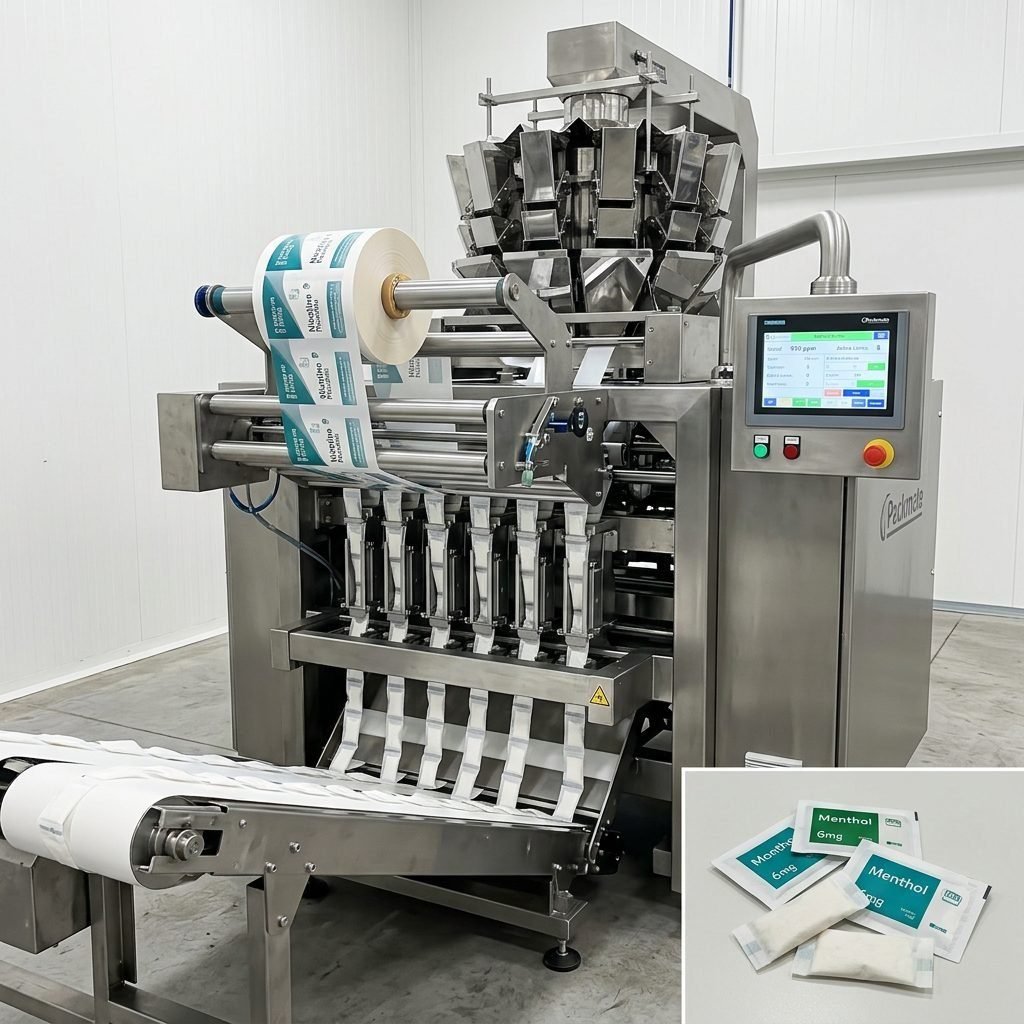
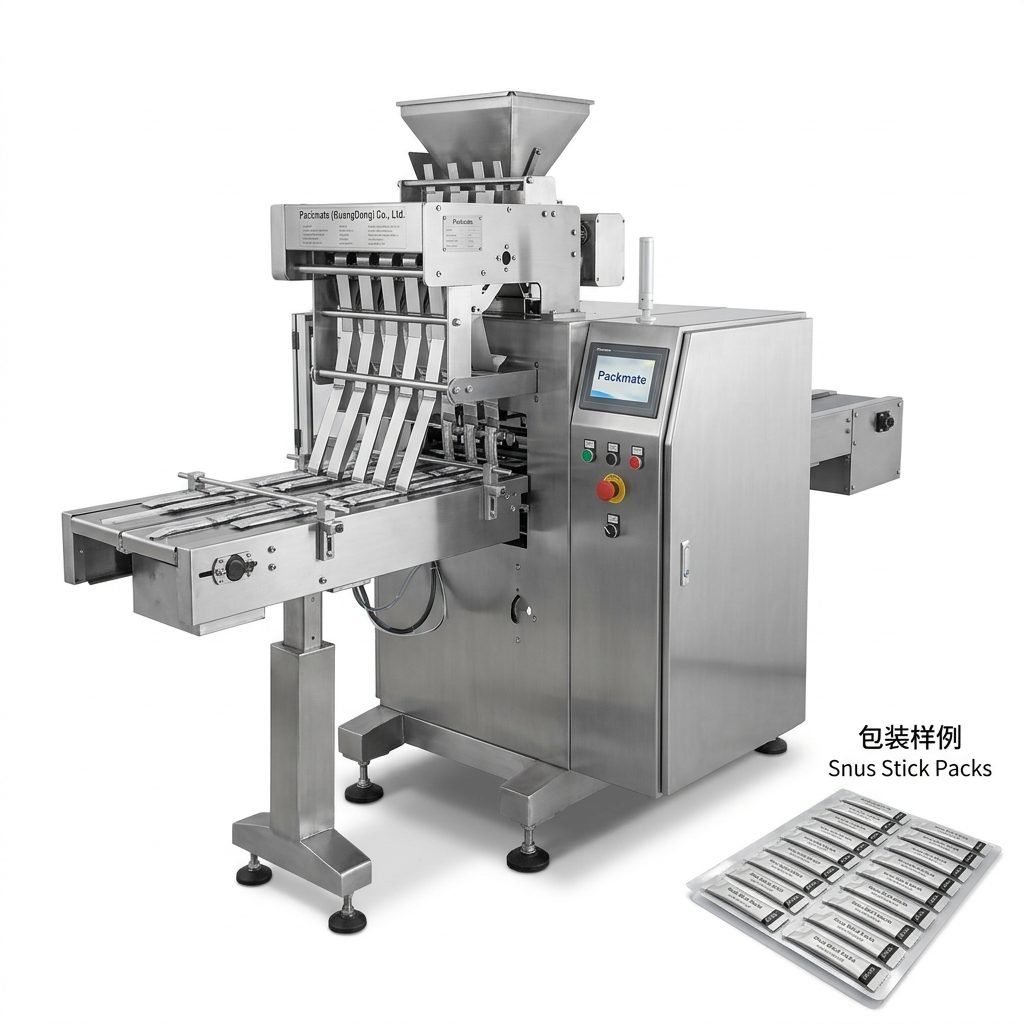
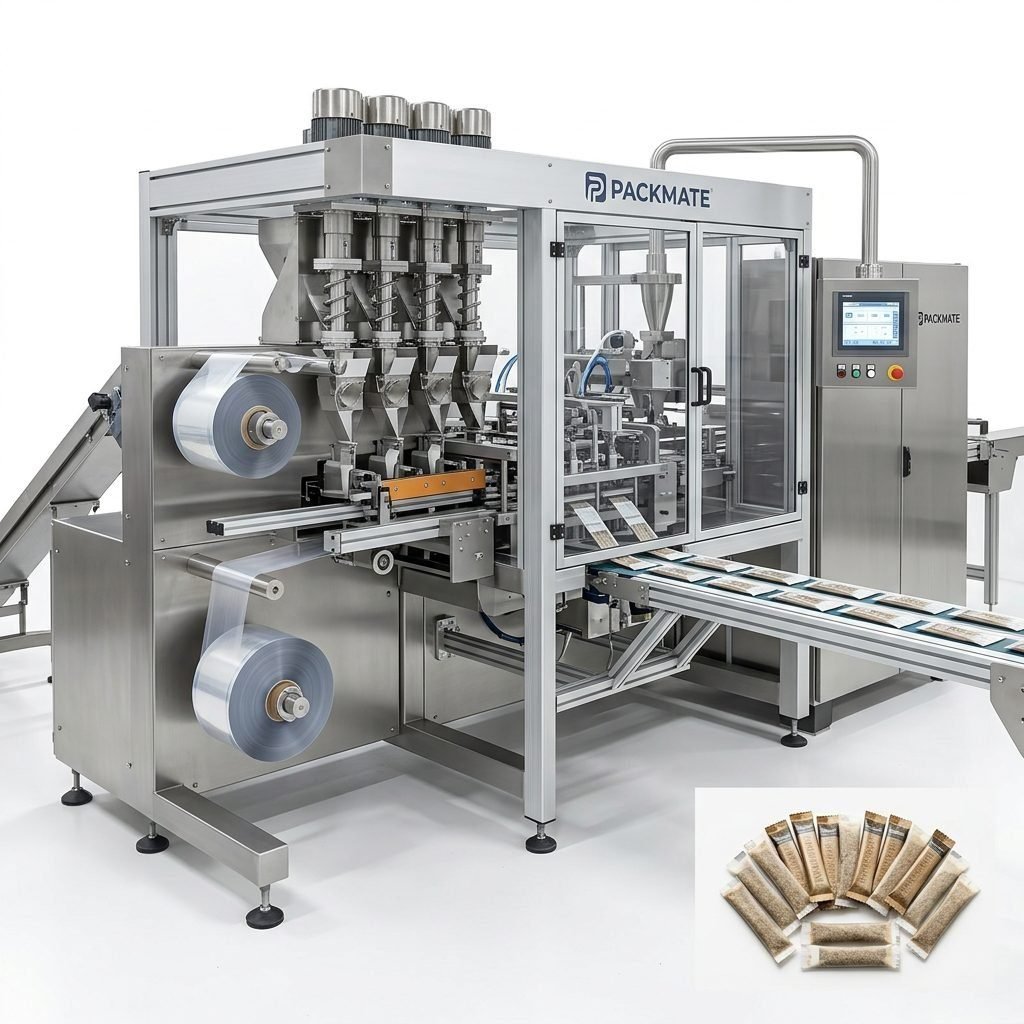
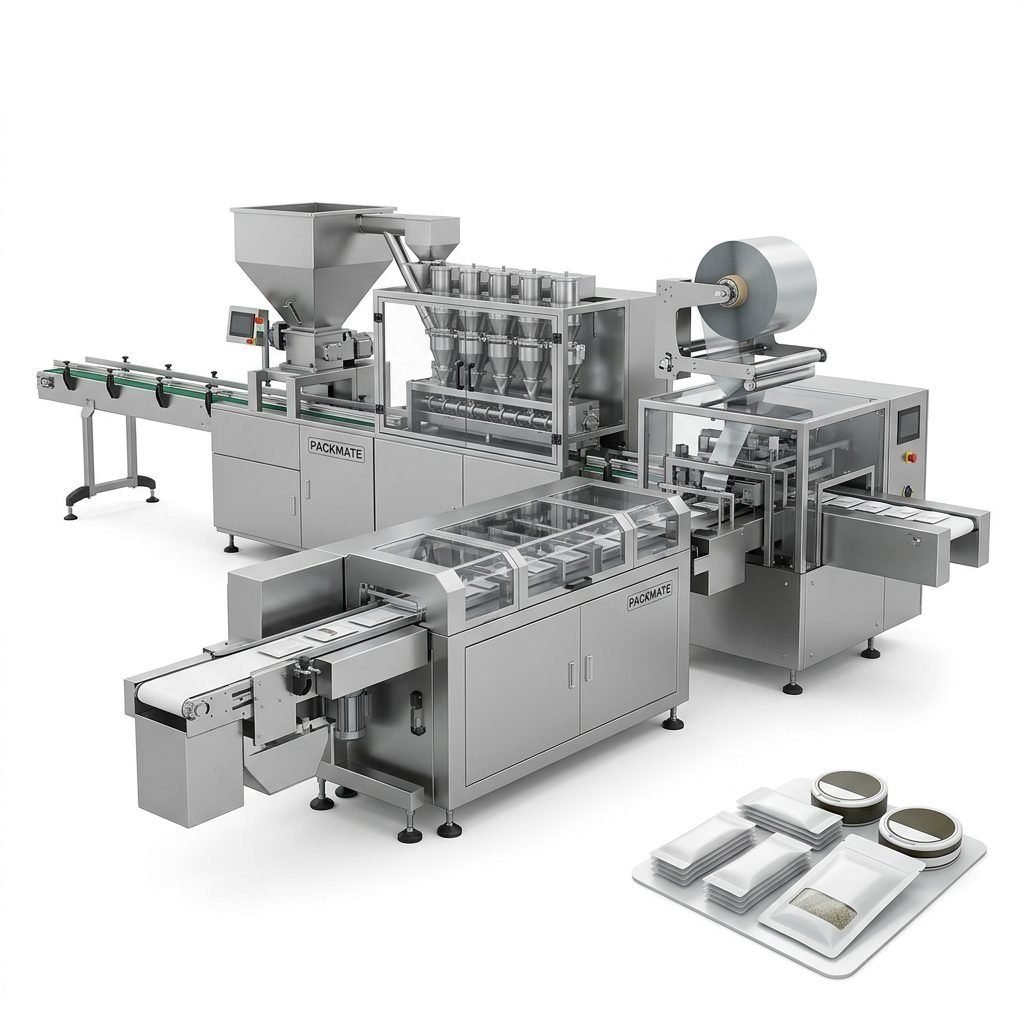
A stick pack system for nicotine pouches is a continuous-form packaging machine that forms, fills, and seals narrow sachets (stick packs) from a roll of flexible packaging film. Typically used for single-dose slim pouches, these systems precisely portion dry or semi-dry pouch material and deliver consistent bag dimensions, clean seals, and high output speeds. The core processes include film unwinding, longitudinal sealing, cross sealing and cutting, pouch dosing and placement, and final collection or secondary packaging.
Key Components
▪️ Film unwind and registration
▪️ Forming tube and longitudinal sealing system
▪️ Precision dosing unit for nicotine pouch material
▪️ Cross-seal & rotary cutting mechanism for slim packs
▪️ Control panel with PLC and HMI for recipe and fault diagnostics
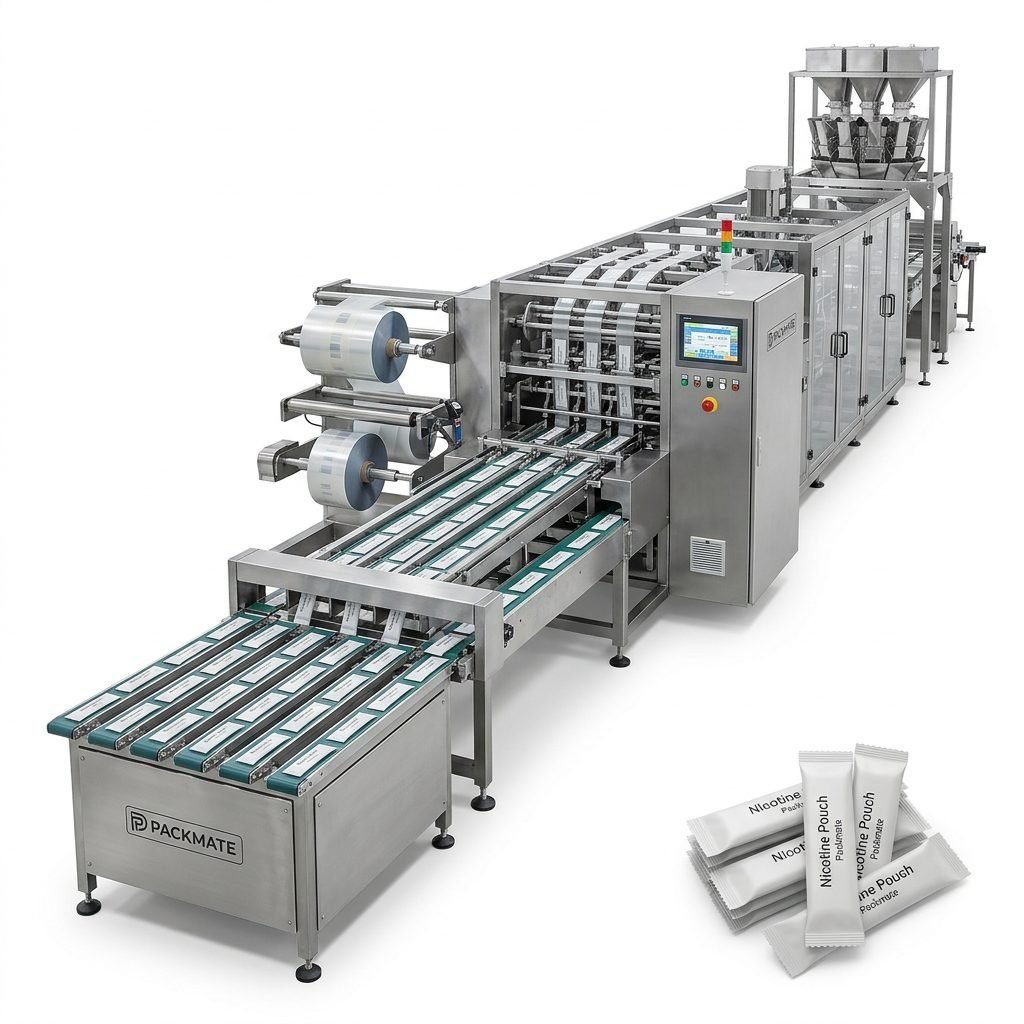
▪️ Optional multi-lane modules for increased throughput
Why precision matters: Slim nicotine pouches are low-mass items where a small dosing variance affects product weight, regulatory compliance, and consumer experience. Advanced dosing and servo control ensure minimal variation and high first-pass yield.
Performance Metrics: Speed, Yield, and Flexibility
Output speed for modern stick pack systems varies from a few hundred to several thousand packs per minute depending on lane configuration and pouch size. Single-lane high-precision systems can reach up to 100–200 packs/min for complex recipes, while multi-lane configurations (4, 6, 8 lanes) multiply effective throughput for high-volume production.
Key performance indicators to evaluate:
✔️ Packaging speed (packs/min)
✔️ Dosing accuracy (± mg)
✔️ Changeover time between formats
✔️ Downtime and ease of maintenance
✔️ Compliance with safety and hygiene standards
Multi-Lane vs Single-Lane: Choosing the Right Configuration
Multi-lane stick pack machines are ideal when high throughput is required while retaining compact footprint. Single-lane machines are beneficial for R&D, low-volume product runs, and rapid format changes. Many manufacturers offer modular designs where lanes can be added or removed to match demand and budget.
Production tip: If you expect to scale within 12–24 months, a multi-lane platform with modular expansion usually provides a better total cost of ownership than purchasing multiple single-lane machines later.
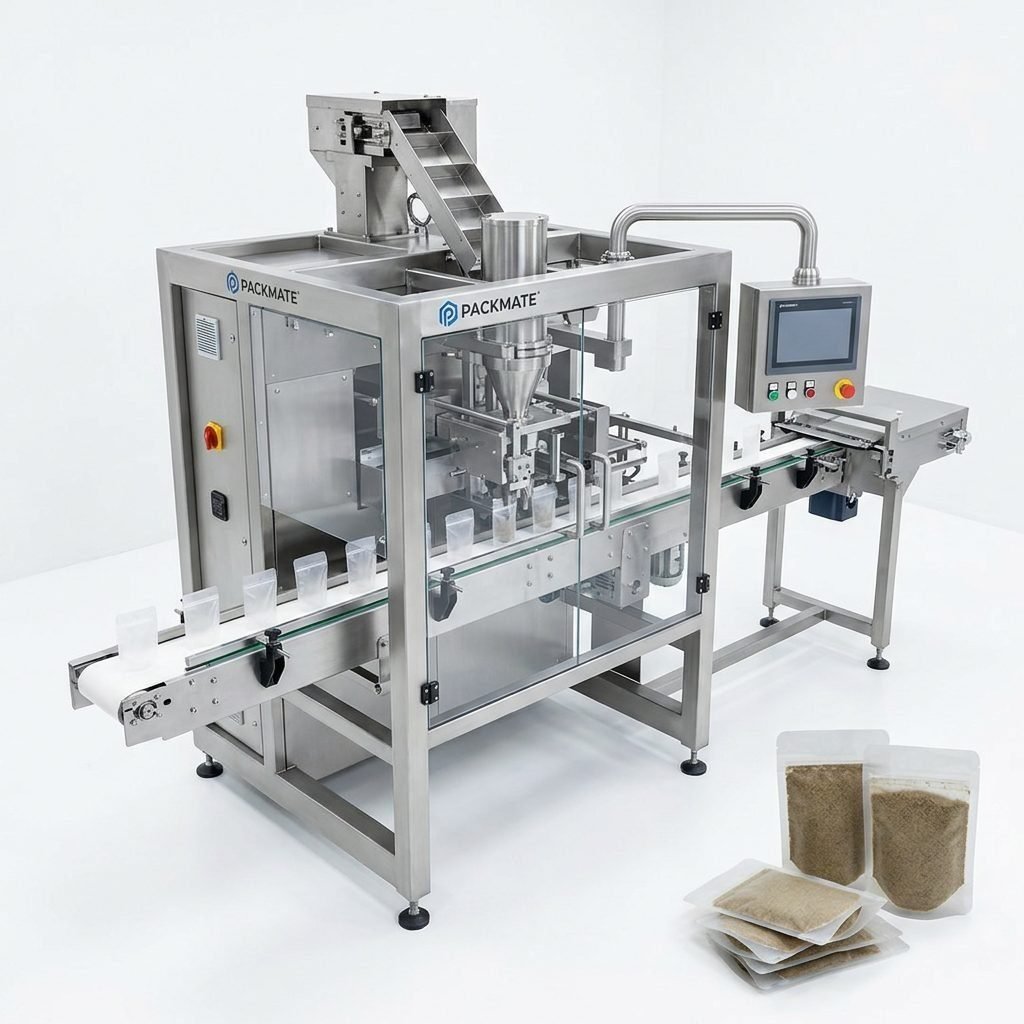
Material Compatibility and Pouch Formats
Choice of film, inner pouch material, and external lamination affects barrier properties, seal integrity, and consumer perception. Typical films used for nicotine pouch stick packs include multi-layer barrier laminates with heat-sealable inner layers. Machines must handle films with varying thickness and tensile properties without compromising registration or seal quality.
Common pack styles:
● Slim single-dose stick packs (vertical narrow sachets)
● Multi-compartment variants for bundled pouches
● Sachets with tear-notches and micro-perforations for consumer convenience
Special Considerations for Nicotine Pouches
Nicotine-containing products may be regulated in many jurisdictions. Machines should be designed to support traceability, batch encoding, and integration with upstream and downstream systems for full production record keeping. Cleanability and hygienic design reduce cross-contamination risk when handling flavored and nicotine-dosed products.
Automation and Integration: Building a Turnkey Line
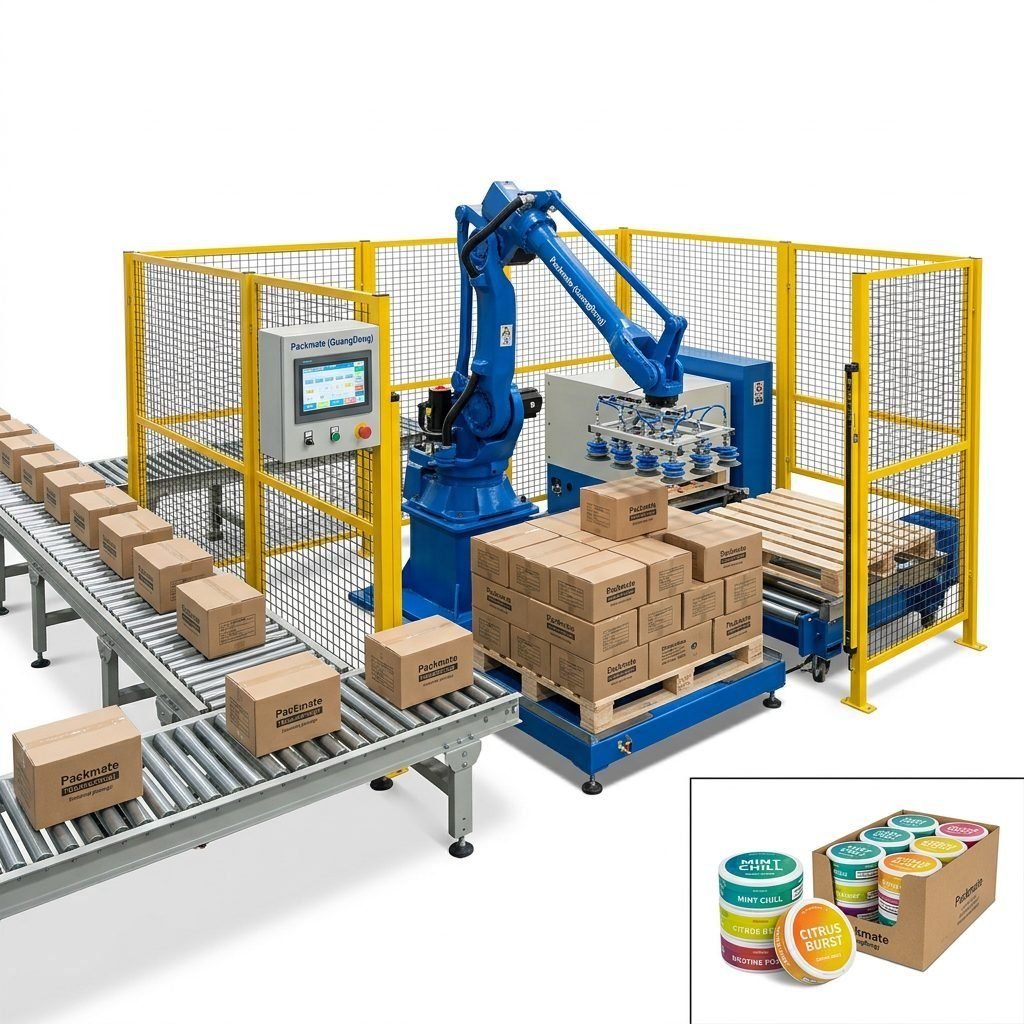
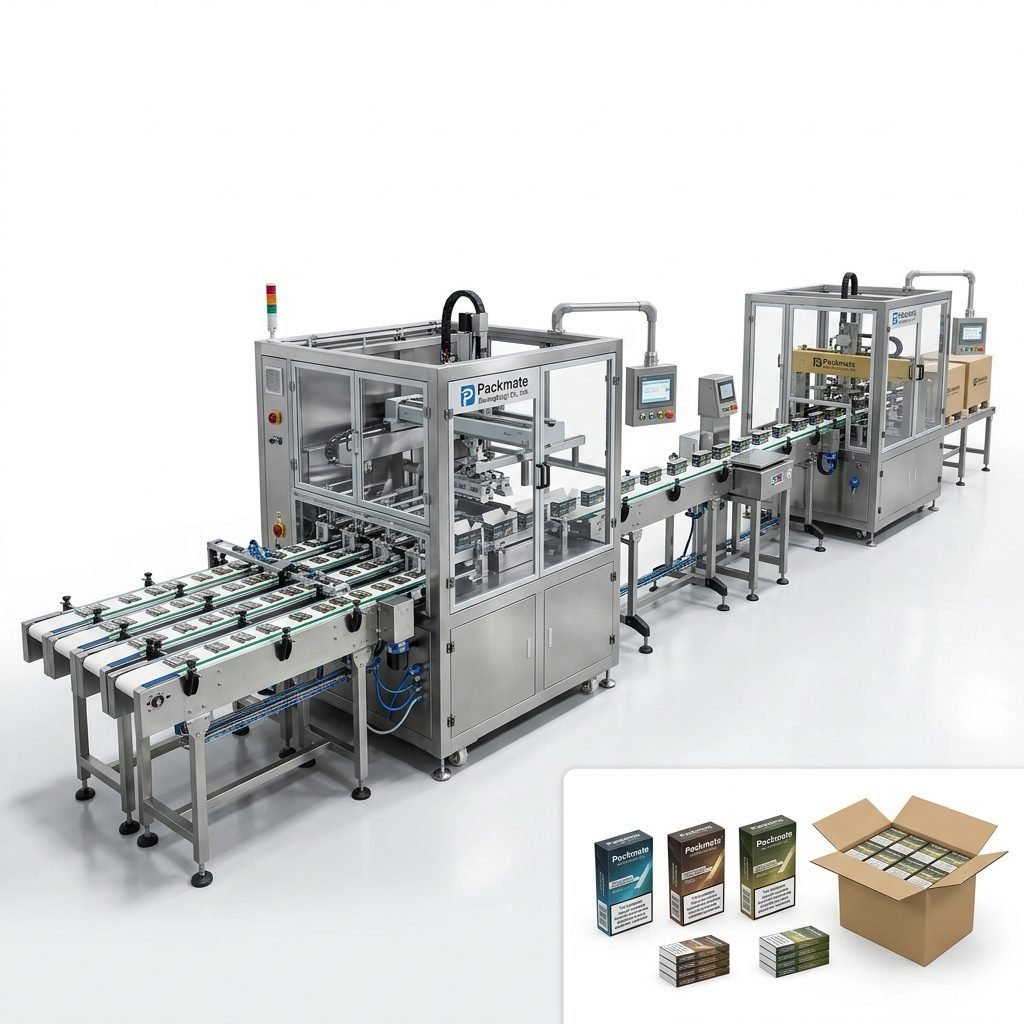
A fully automated stick pack line includes upstream dosing/filling systems, in-line seal inspection, and downstream cartoning and case-packing. Integrating weighing & packaging systems and filling lines provides end-to-end automation for large-scale production. Manufacturers with turnkey experience can optimize line layout, material handling, and electrical integration to minimize installation time and commissioning risk.
For more details on compatible equipment, see the Weighing & Packaging Systems and Filling & Packaging Lines for how upstream and downstream units coordinate to maintain speed and quality.
Control and Recipe Management
Modern systems use PLCs and HMIs with recipe management, allowing rapid changeovers: film type, pouch length, dosing weight, and seal parameters. Logged alarms, fault history, and remote diagnostic capability accelerate troubleshooting and reduce mean-time-to-repair (MTTR).
Integration advantage: When a stick pack machine is integrated with automated feeding and vision inspection, reject rates drop and downstream processes such as cartoning run more smoothly.
Quality Assurance and Compliance
Quality controls include inline check weighing, vision systems for seal integrity and print verification, and metal detection if required. For nicotine pouch production, certifications and compliance such as CE and ISO may be expected by global customers. Seek manufacturers with documented QA processes and traceable component sourcing.
Packmate Snus Machine, with three decades of engineering experience and a 20,000㎡ factory, emphasizes quality through advanced CNC machining and precision assembly—factors that reduce variability and extend machine uptime.
Inspection Technologies
● Vision systems for print and seal inspection
● Checkweighers for dosing accuracy verification
● Leak detection for hermetic seals (where required)
Maintenance, Service, and Spare Parts
A robust service network and fast spare parts supply are essential. Look for OEMs that provide clear maintenance schedules, quick-change parts for wear items (seals, blades), and remote support to diagnose PLC/HMI issues. Preventive maintenance plans help maximize lifetime output.
Manufacturers with demonstrated global service capability and exhibition presence often offer more reliable post-sale support—see the company exhibition history and service pages for insight into availability.
Selecting a Supplier: What to Evaluate
When evaluating suppliers, consider:
✔️ Manufacturing experience in snus and nicotine pouch equipment
✔️ Range of machine models and modular options
✔️ Factory capacity and quality control systems
✔️ Certifications such as CE and ISO
✔️ Turnkey project experience and references
Packmate’s long history since 1993 and a dedicated snus machine product line positions it as a capable supplier for companies requiring reliable nicotine pouch production. Explore product lines like Snus & Nicotine Packaging Machines and Sachet & Stick Pack Machines for specifications and model choices.
Snus & Nicotine Packaging Machines
Factory Capability and Customization
A capable supplier offers customization: multi-lane modifications, special dosing systems for unique blends, and tailored film handling for new packaging materials. Advanced suppliers also provide full documentation, FAT (Factory Acceptance Test), SAT (Site Acceptance Test), and operator training.
Case highlight: Global brands using turnkey lines benefit from synchronized filling, stick packing, cartoning, and case packing—reducing manual handling and improving hygiene.
Cost Considerations and Return on Investment
Initial capital cost depends on lane count, automation level, and auxiliary equipment. Consider total cost of ownership: energy consumption, spare parts, maintenance labor, and product yield. High-efficiency lines often deliver quicker payback through reduced labor and higher throughput.
Return on investment is typically driven by:
● Increased throughput reducing unit production cost
● Lower scrap and rework due to precision dosing
● Reduced labor and faster changeovers for flexible SKUs
Common Use Cases and Market Applications
Stick pack systems for nicotine pouches are suited to:
○ Consumer nicotine pouch brands launching new SKUs
○ Contract packaging operations offering flexible runs
○ Large brands scaling production with multi-lane platforms
○ Companies integrating with secondary packaging for retail-ready bundles
Global Reach and Case Studies
Many suppliers support global deployments and have references across Europe, Asia, and the Americas. Review case studies and ask for references to validate performance and after-sales experience. For a sample of completed projects and partner stories, review company case materials.
Practical Checklist Before Purchase
▪️ Define expected annual throughput and SKU mix
▪️ Determine required lane count for headroom and scalability
▪️ Specify dosing tolerance and pouch format options
▪️ Confirm compliance and traceability features
▪️ Request FAT documentation and acceptance criteria
▪️ Verify spare parts lead times and local service capability
Important: A clear agreement on acceptance tests and spare parts list avoids project delays. Request a machine training schedule and on-site commissioning plan before signing.
How Packmate Supports Nicotine Pouch Producers
Packmate Snus Machine specializes in snus and nicotine pouch packaging equipment with over 30 years of engineering experience and a factory offering advanced CNC machining, assembly lines, and strict quality systems. They provide a range of machine models and full-turnkey solutions that integrate stick pack machines with upstream and downstream systems.
What to Expect From a Turnkey Provider
✔️ Customized line layout and installation
✔️ FAT and SAT protocols with measurable acceptance criteria
✔️ Training for operators and maintenance staff
✔️ Ongoing spare parts and field support
Final Thoughts
Nicotine pouch stick pack systems offer a high-efficiency route to producing slim single-dose pouches at scale. Choosing the right machine involves balancing throughput needs, dosing accuracy, material compatibility, and long-term serviceability. With modular, multi-lane options and integrated automation, modern lines deliver strong ROI and support rapid market expansion.
For product exploration, consider reviewing the full product catalogs for related equipment categories: Bag & Pouch Packaging Machines and Auxiliary Packaging Equipment.
Frequently Asked Questions
Q1: How fast can a nicotine pouch stick pack machine run?
A1: Speeds vary by configuration. Single-lane precision machines typically run in the low hundreds of packs per minute, while multi-lane systems can multiply throughput into the thousands per minute equivalent.
Q2: What level of dosing accuracy is achievable?
A2: With precision dosing and checkweigh systems, modern lines can achieve dosing variances within single-digit milligrams for small-dose pouches, depending on formulation and feed consistency.
Q3: Can I expand a stick pack line later if demand increases?
A3: Yes. Many suppliers provide modular multi-lane platforms designed for staged expansion. Discuss expansion options and spare parts kits during procurement to reduce future lead times.
Q4: What certifications should I look for in a supplier?
A4: CE and ISO certifications are standard for global supply. Also request documentation for quality control processes, FAT reports, and references from similar projects.
Q5: How do I get support after purchase?
A5: Verify the supplier’s spare parts lead times, on-site service capabilities, and remote diagnostic options. A supplier with a global footprint and documented service plans will minimize downtime.