Choosing the right snus packaging machinery for your operation in Malawi is a strategic decision that impacts product quality, production capacity, regulatory compliance, and long-term profitability. This guide walks through practical, technical, and business considerations to help manufacturers, entrepreneurs, and production managers select equipment that fits current needs and scales with future growth.
Understand Your Production Goals and Throughput
Start with a clear assessment of your production goals. Are you launching a small regional brand, or are you planning to supply across Southern Africa? Typical questions to answer include target daily output, number of product SKUs, dosing precision requirements, and acceptable batch changeover time. For example, if you aim to produce several hundred thousand nicotine pouches per month, you will likely need high-speed multi-lane systems rather than single-lane benchtop units.
Key metric: define target pieces per minute (ppm) and daily run hours. These metrics directly determine machine family selection and required auxiliary systems.
Identify the Right Machine Type for Your Product
Snus and nicotine pouches can be packaged using several equipment types. Each has pros and cons depending on format, materials, and production scale:
Sachet & Stick Pack Machines
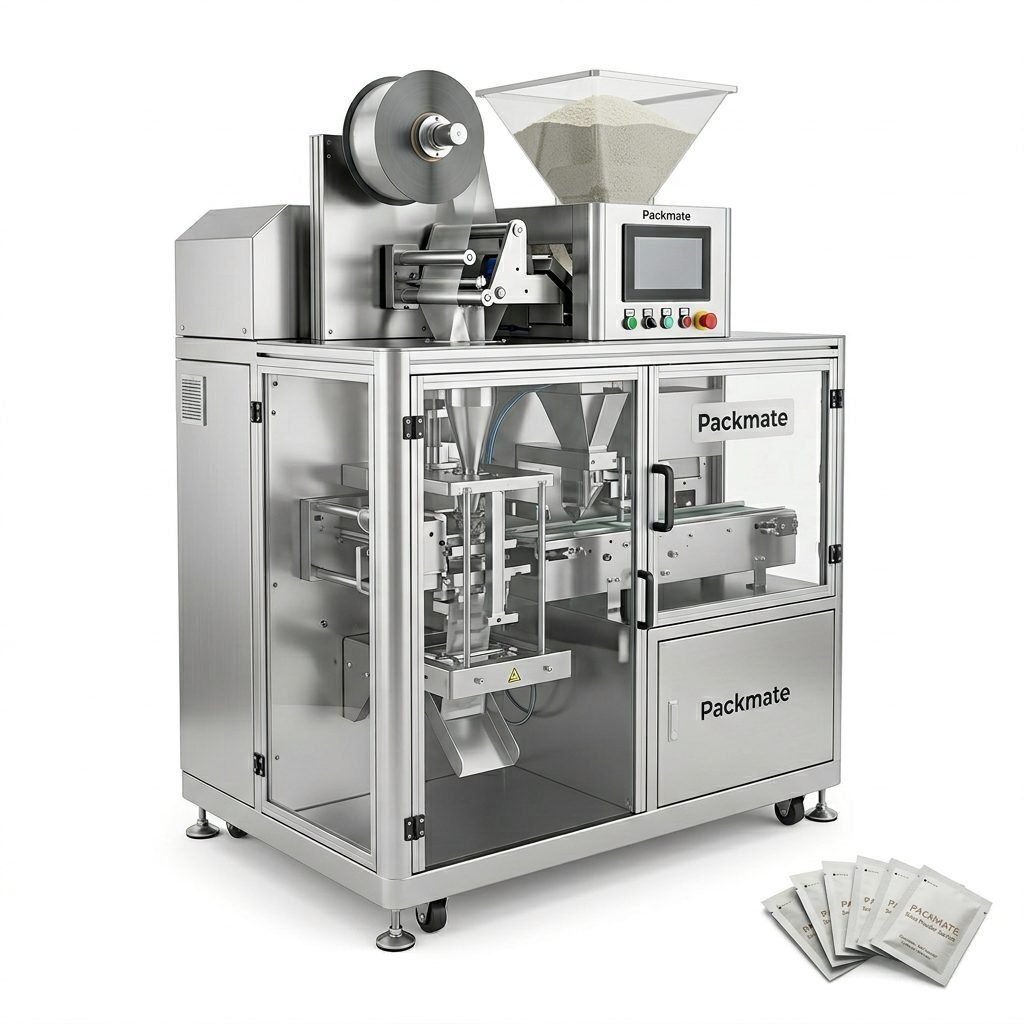
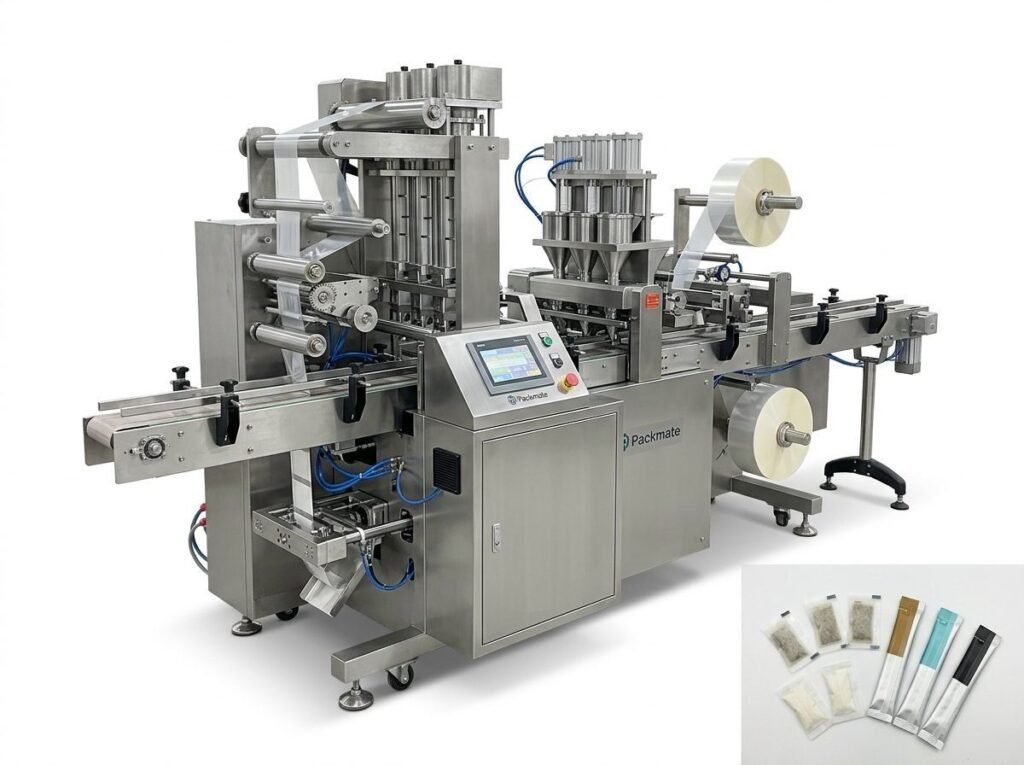
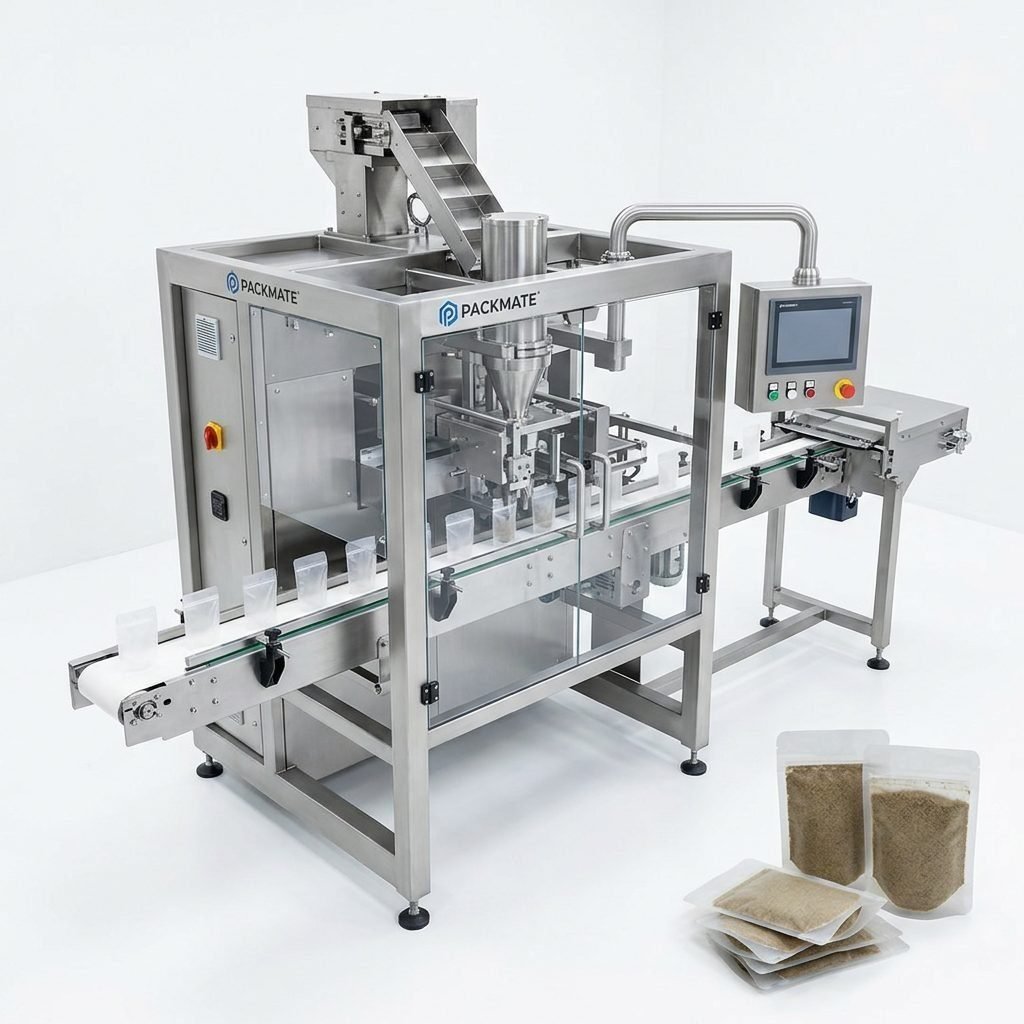
Sachet and stick pack machines are flexible for single-portion formats and offer relatively low capital entry points. They are suitable when you need fast SKU changes and compact footprints. For higher volumes, consider multi-lane stick pack systems that parallelize filling and sealing to raise throughput.
Multi-lane Snus / Nicotine Packaging Machines
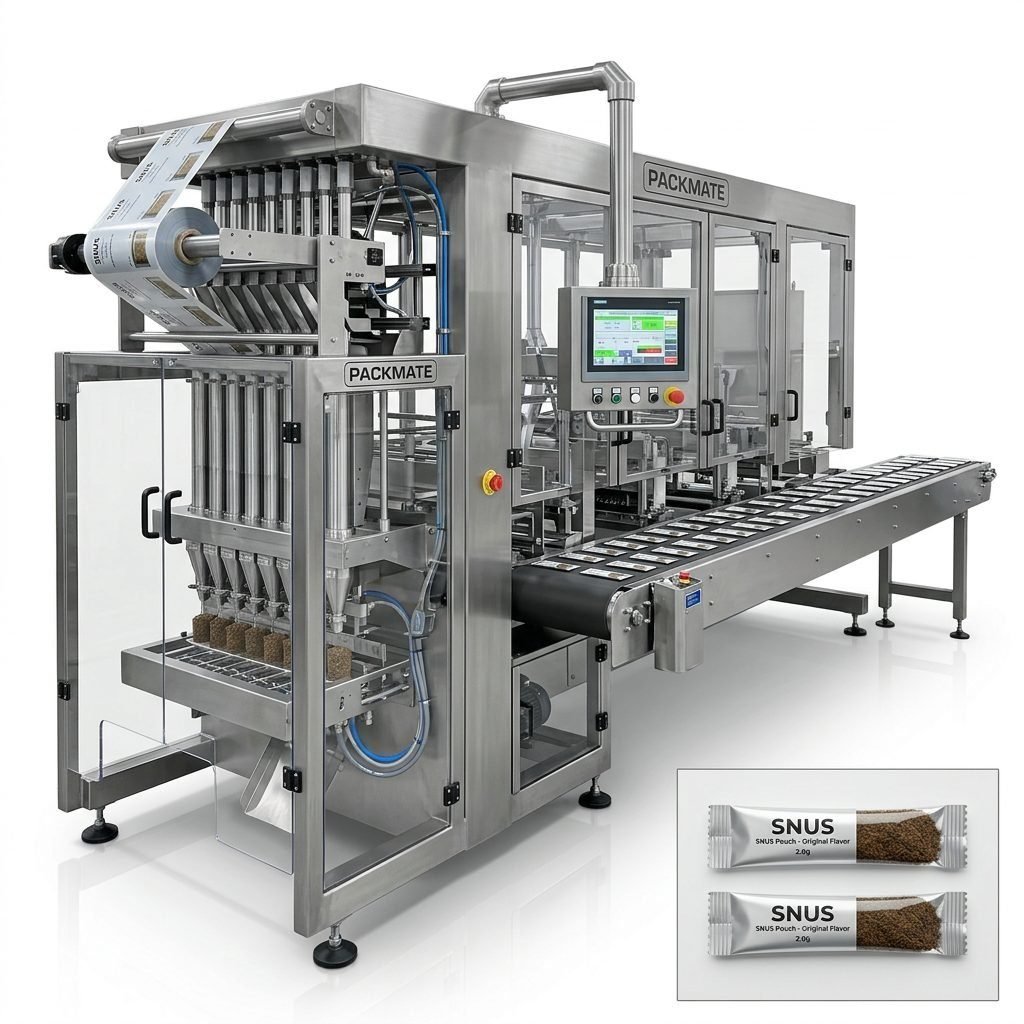
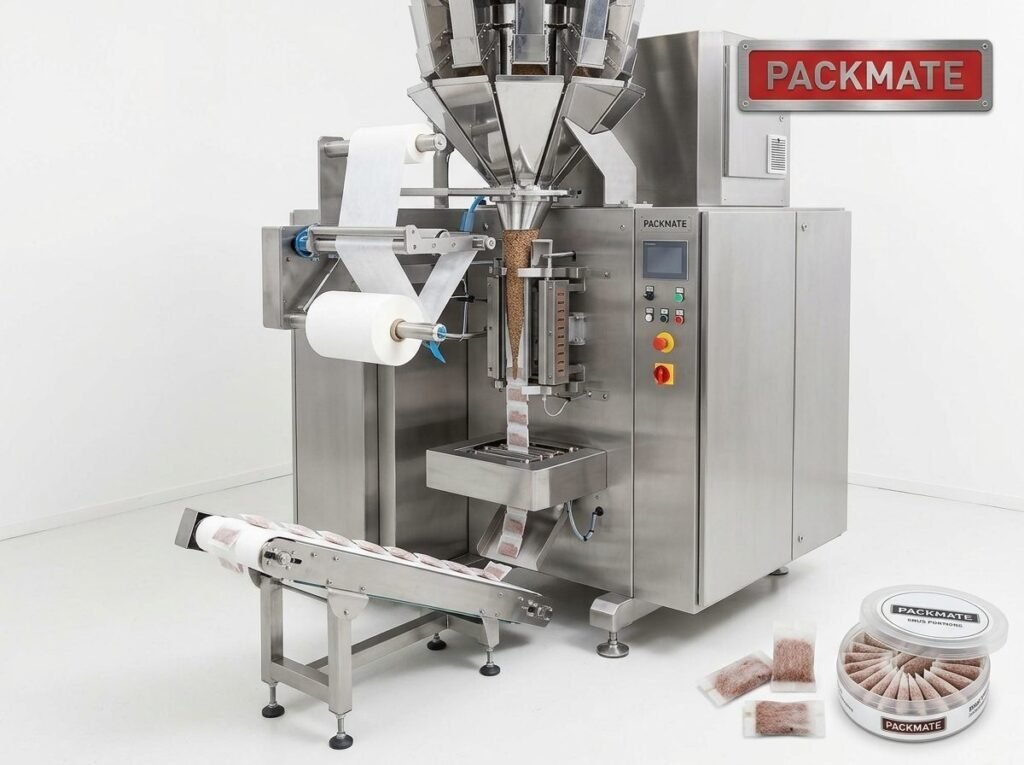
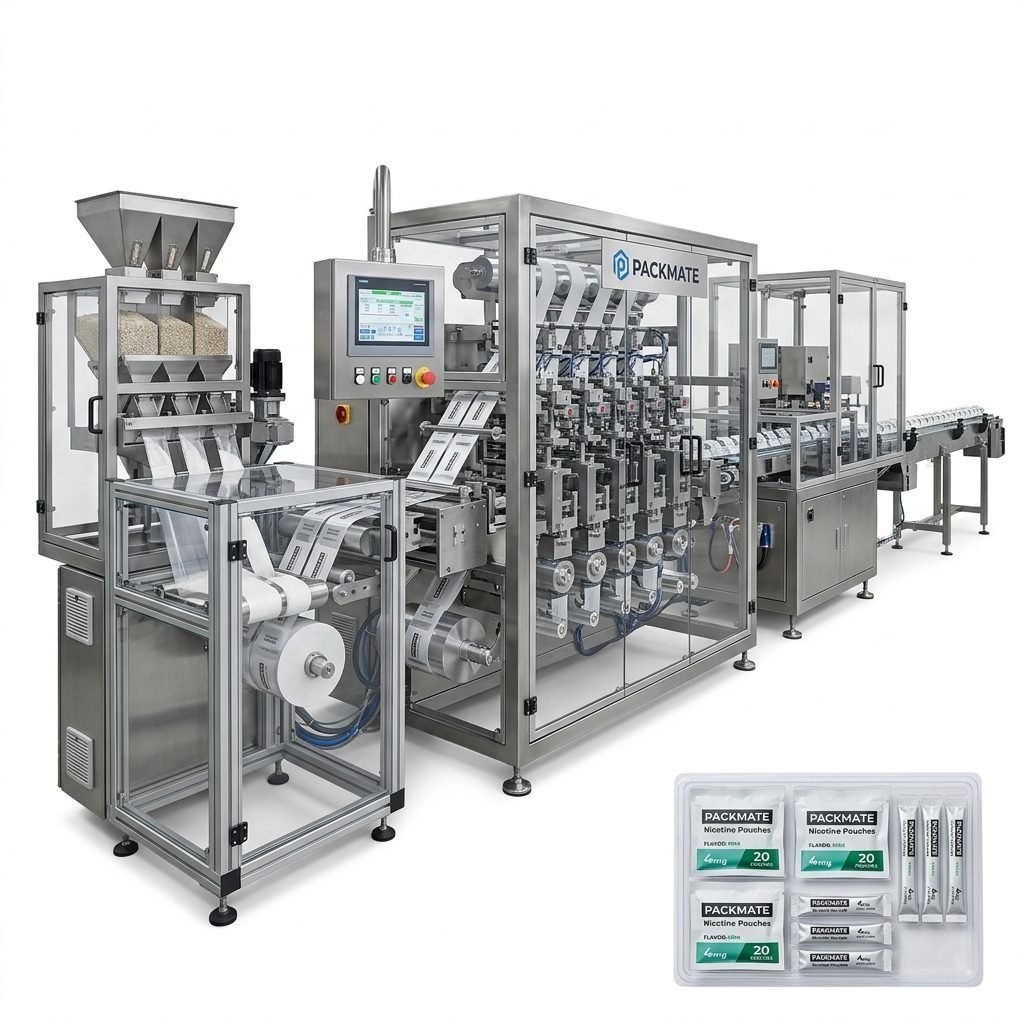
For mass production of small-dose pouches, multi-lane systems provide the best balance of speed and precision. These systems are engineered for consistent pouch shape, weight control, and high line efficiency. Look for machines designed specifically for nicotine pouch production to ensure accurate dosing and gentle handling of product.
Filling & Packaging Lines and Auxiliary Systems
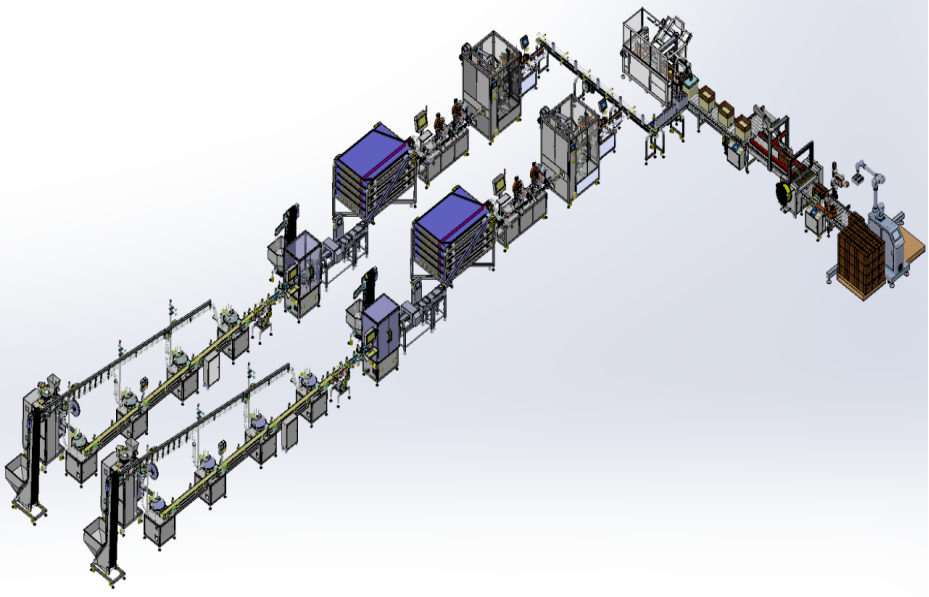
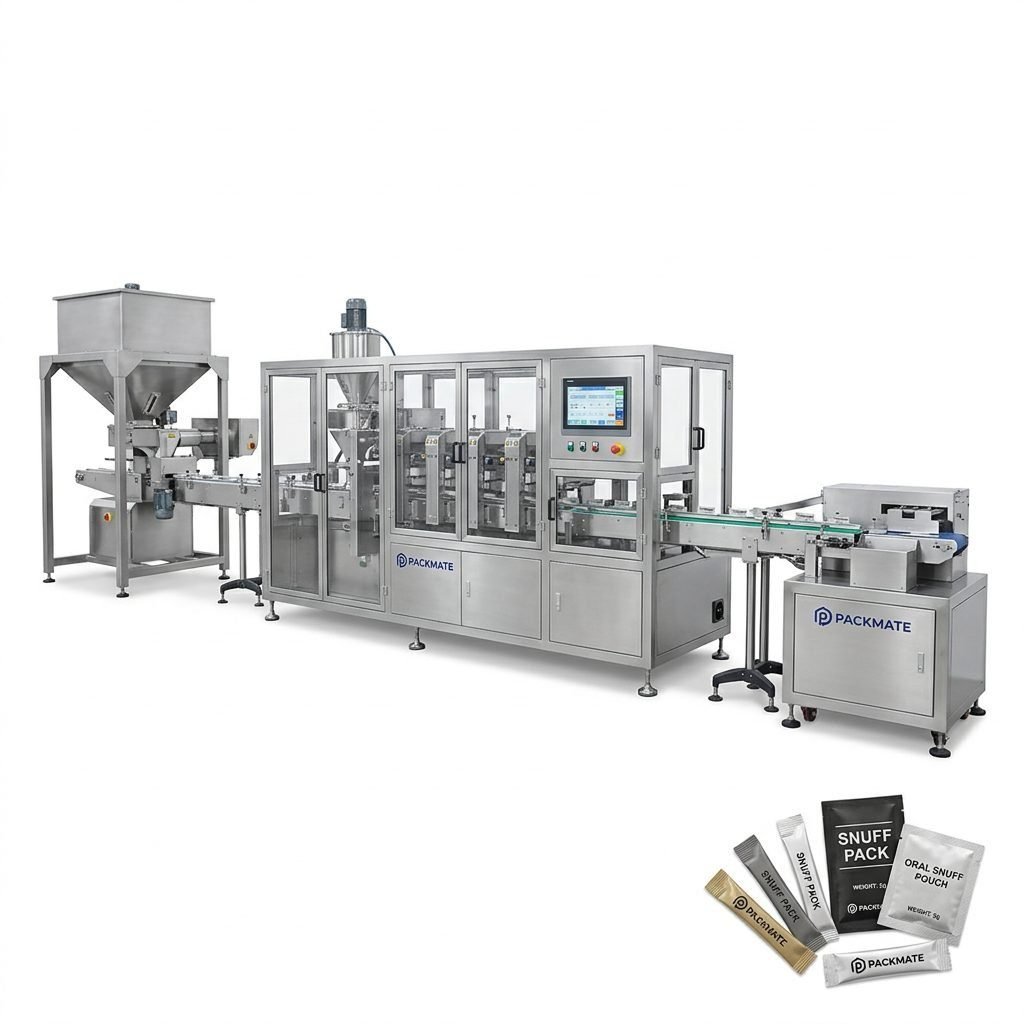
A complete production line often includes dosing/weighing systems, feeding conveyors, metal detection, and secondary packaging — all critical to achieving stable output. When buying, evaluate the compatibility of the main packer with auxiliary equipment to avoid integration delays.
Learn more about proven configurations and machine types on manufacturer product pages such as Snus & Nicotine Packaging Machines and Sachet & Stick Pack Machines.
Evaluate Filling Accuracy and Material Compatibility
Precision dosing is non-negotiable for nicotine pouches. Check machine specifications for dosing tolerance, typical variation (e.g., ±X mg), and how the system handles different materials — powders, granules, or moist snus. Machines with high-precision weighing and closed feeding systems reduce product loss and improve compliance with labeling and legal limits.
Tip: choose systems with modular dosing heads or multi-head weighers if you produce a range of pouch weights.
Automation Level, Controls and Industry 4.0 Readiness
Determine how much automation you need. Fully automated lines reduce labor costs and improve repeatability but require higher initial investment and skilled maintenance. Check for features like PLC controls, HMI touchscreens, recipe management, remote diagnostics, and data logging. Industry 4.0 capabilities provide predictive maintenance alerts and production analytics — helpful for optimizing OEE (Overall Equipment Effectiveness).
Build Quality, Certification and Reliability
Quality construction extends uptime and lowers total cost of ownership. Look for reputable manufacturers with international certifications such as CE and ISO. Robust frames, stainless contact parts, and reputable electrical components (Siemens, Schneider, Mitsubishi, etc.) are indicators of long-term reliability. Packmate Snus Machine highlights CE/ISO compliance and extensive manufacturing capabilities if you need a proven global supplier.
For more information about turnkey solutions and product ranges, review the manufacturer’s line-up at Filling & Packaging Lines and Weighing & Packaging Systems.
Service, Spare Parts and Local Support in Malawi
Local support can make or break a production ramp-up. Investigate whether the supplier offers timely spare parts shipments, remote technical support, and on-site commissioning. If the supplier does not have a local presence in Malawi, consider regional service hubs in Africa or authorized partners who can supply spare parts and technical visits.
Service checklist: spare parts lead time, warranty terms, training packages, and remote troubleshooting options.
Energy, Climate and Facility Considerations in Malawi
Malawi’s climate and infrastructure influence equipment choice. High humidity can affect powder flow and packaging film. Ensure machines have appropriate environmental protection for electronics and corrosion-resistant parts. Confirm electrical specifications (voltage, phase) and consider backup power or UPS for sensitive controls. Evaluate factory layout to minimize product transfer distances and streamline utilities.
Regulatory Compliance and Traceability
Nicotine products are increasingly regulated worldwide. Choose equipment that supports traceability features (batch coding, date stamping, serialization) and easy cleaning for audits. Confirm the packaging materials and inks are compliant with target market regulations. A supplier familiar with international markets can advise on compliance strategies for export.
Total Cost of Ownership and ROI
Price is only part of the picture. Factor in installation, commissioning, training, spare parts inventory, utilities, and downtime costs. Higher initial cost machines with superior uptime and lower waste often deliver the best ROI. Build a 3–5 year financial model to compare scenarios and justify the investment.
Financial tip: include projected product yield improvements and labor savings when calculating ROI.
Supplier Selection: Questions to Ask
When evaluating vendors, ask focused questions:
🔍 What is the machine’s guaranteed uptime and MTBF (mean time between failures)?
🔍 Can you provide references or case studies from similar markets or applications?
🔍 What is included in the installation and training package?
🔍 How accessible are critical spare parts and what are typical lead times?
🔍 Does the machine support future upgrades for higher speeds or additional lanes?
For manufacturer background, certifications, and case histories, refer to the company overview pages such as About Packmate and their Case studies.
Installation, Commissioning and Training
Well-planned installation and thorough operator training reduce startup friction. Confirm vendor commitment to on-site commissioning and that training covers routine maintenance, troubleshooting, and basic PLC adjustments. Request training materials and checklists so your team can maintain first-line repairs locally.
Customization and Future-Proofing
Your product line will evolve. Choose suppliers that offer modular designs or custom engineering services to adapt machines for new pouch sizes, materials, or secondary packaging formats. This reduces future capex and avoids early obsolescence.
Practical Checklist Before Purchase
Quick checklist
• Confirm throughput target and machine family
• Verify dosing accuracy and material handling capabilities
• Assess local service, spare parts, and training support
• Ensure compliance features (coding, traceability)
• Validate total cost of ownership and planned ROI
Why Work with Established Manufacturers
Established machine builders with decades of engineering experience deliver reliable solutions and global support networks. Packmate Snus Machine, for example, emphasizes 30+ years in packaging engineering, advanced CNC manufacturing, and a wide product portfolio which can shorten procurement cycles and reduce integration risks.
Sourcing and Import Considerations for Malawi
When importing machinery into Malawi, plan for customs duties, shipping, local clearance, and compliance documentation. Work with freight forwarders experienced in heavy machinery shipments and request complete packing lists, origin certificates, and electrical compliance documentation in advance. Factor in installation time and potential import inspections into your project timeline.
Final Selection Approach — A Practical Roadmap
1) Define production targets and product specifications.
2) Shortlist machine families based on throughput needs.
3) Request detailed quotes including spare parts lists, service contracts, and training.
4) Visit reference sites or watch remote demonstrations.
5) Negotiate acceptance tests and performance guarantees before shipment.
Note: insist on FAT (Factory Acceptance Test) and SAT (Site Acceptance Test) criteria to ensure delivered equipment meets agreed performance.
Useful resources
If you want to explore machine models and full packaging lines, check supplier catalogs and product pages such as Bag & Pouch Packaging Machines or contact the manufacturer directly through their Contact Us page for tailored support.
Conclusion
Selecting the best snus packaging machinery in Malawi means aligning technical specifications, production goals, local serviceability, and financial planning. Prioritize dosing accuracy, build quality, supplier support, and modularity to create a scalable production platform. Thorough vendor evaluation, FAT/SAT agreements, and planning for local constraints will help you achieve reliable operation and profitable growth.
Frequently Asked Questions
Q1: How do I decide between single-lane and multi-lane packaging machines?
A: Choose based on required throughput, product size, and budget. Single-lane machines suit lower volumes and frequent SKU changeovers, while multi-lane systems are optimal for high-volume, consistent SKU production with improved per-unit costs.
Q2: What service support should I insist on from the supplier?
A: Insist on commissioning, operator training, a clear spare parts list, remote support options, and defined SLA for critical parts. Verify availability of parts in your region or nearby.
Q3: How important are certifications like CE and ISO for snus packaging equipment?
A: Very important — certifications demonstrate compliance with international safety and quality practices and ease export to regulated markets. They also indicate reliable manufacturing processes.
Q4: Can machines handle different pouch materials and nicotine formulations?
A: Many modern machines are designed for material flexibility, but always verify compatibility and request sample runs. Some products need gentle handling or modified dosing solutions.
Q5: Where can I see real-world examples of snus packaging lines?
A: Review case studies on manufacturer websites and ask for references. Packmate provides detailed case examples and exhibition demonstrations which can be helpful when evaluating suppliers.