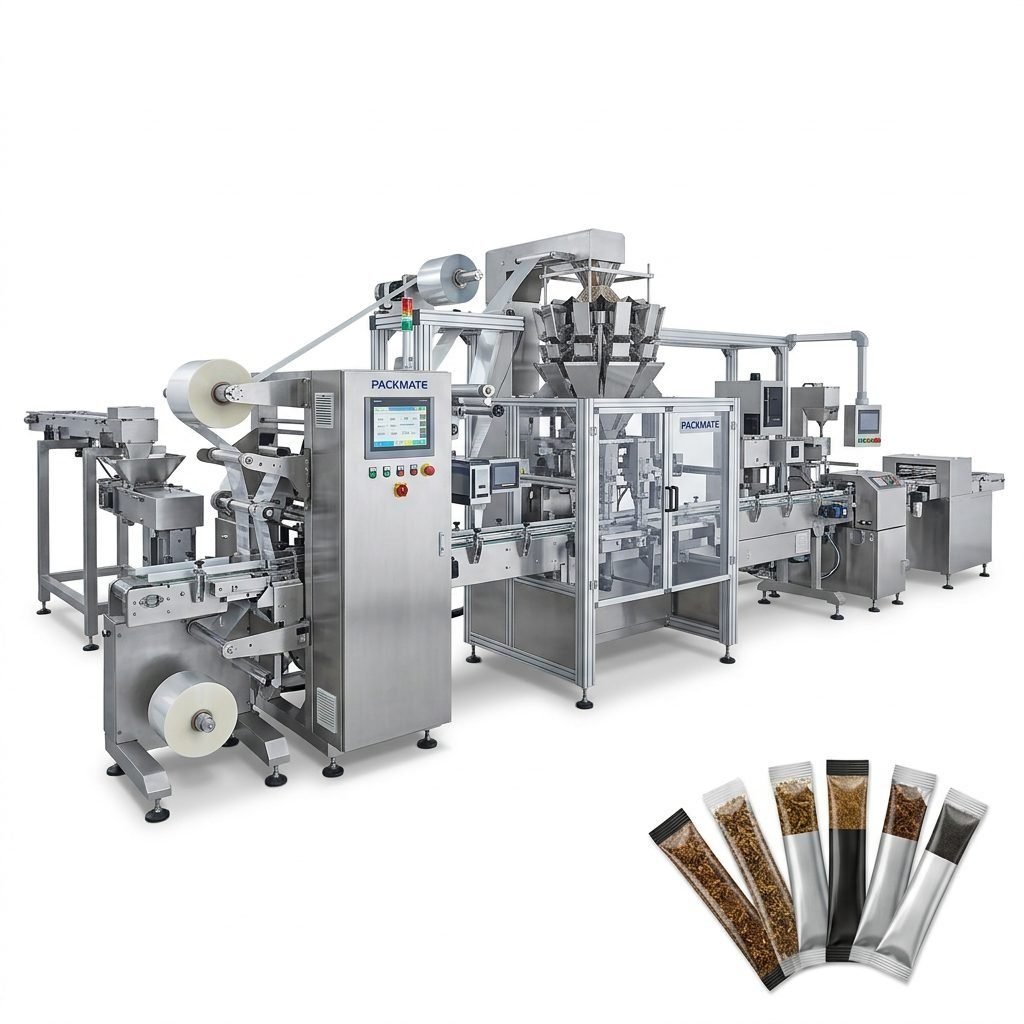
Choosing the right snus packaging machine manufacturer for your business in El Salvador requires a clear understanding of product requirements, local market habits, import rules, and long-term service expectations. This guide walks you through practical steps and essential criteria so you can confidently select a supplier that delivers reliable machines, compliant solutions, and strong after-sales support for the Salvadoran market.
Understand Your Product and Local Preferences
Before approaching manufacturers, define your product specifications: pouch size, fill weight, moisture content, packaging material, and desired output speed. In El Salvador, small and medium enterprises often prioritize compact lines with flexible production because of varied product portfolios and limited factory floor space. Additionally, Salvadoran customers may favor discreet, hygienic packaging formats. Align your machine choice with these local preferences to avoid unnecessary customization later.
Key product questions to answer
How many pouches per minute do you need? What pouch shapes do you plan to offer? Will you run different formulations that require frequent changeovers? The clearer your answers, the easier it is for manufacturers to recommend the right machine model (for example, single-lane vs multi-lane snus systems).
Evaluate Manufacturer Experience and Reputation
Look for manufacturers with proven experience in snus and nicotine pouch equipment. Manufacturers with decades of engineering history typically offer more robust designs and refined process controls. For instance, a company that has evolved from early R&D into specialized multi-lane systems will likely provide solutions that scale from lab runs to full production.
Helpful indicators include years in business, factory capacity, the number of machine models offered, and international case studies. If available, review their customer references and case examples to understand how their machines perform in real production environments.
Spot checks
✅ Ask for a factory tour (virtual or in-person) and machine run demonstrations.
✅ Request references from similar-sized operations or markets in Central America and Latin America.
✅ Verify consistent product improvement and R&D investment.
Verify Certifications and Compliance
Compliance matters for safety, export, and local regulatory inspections. Look for manufacturers who provide CE and ISO certifications and who design machines to meet food and pharmaceutical hygiene standards. Machines destined for El Salvador should also be easy to document for customs clearance and local health inspections.
A reputable manufacturer will supply complete technical documentation, electrical schematics, spare parts lists, and validation records when requested. This reduces delays at the port and eases operator training and maintenance planning.
Assess Machine Types and Flexibility
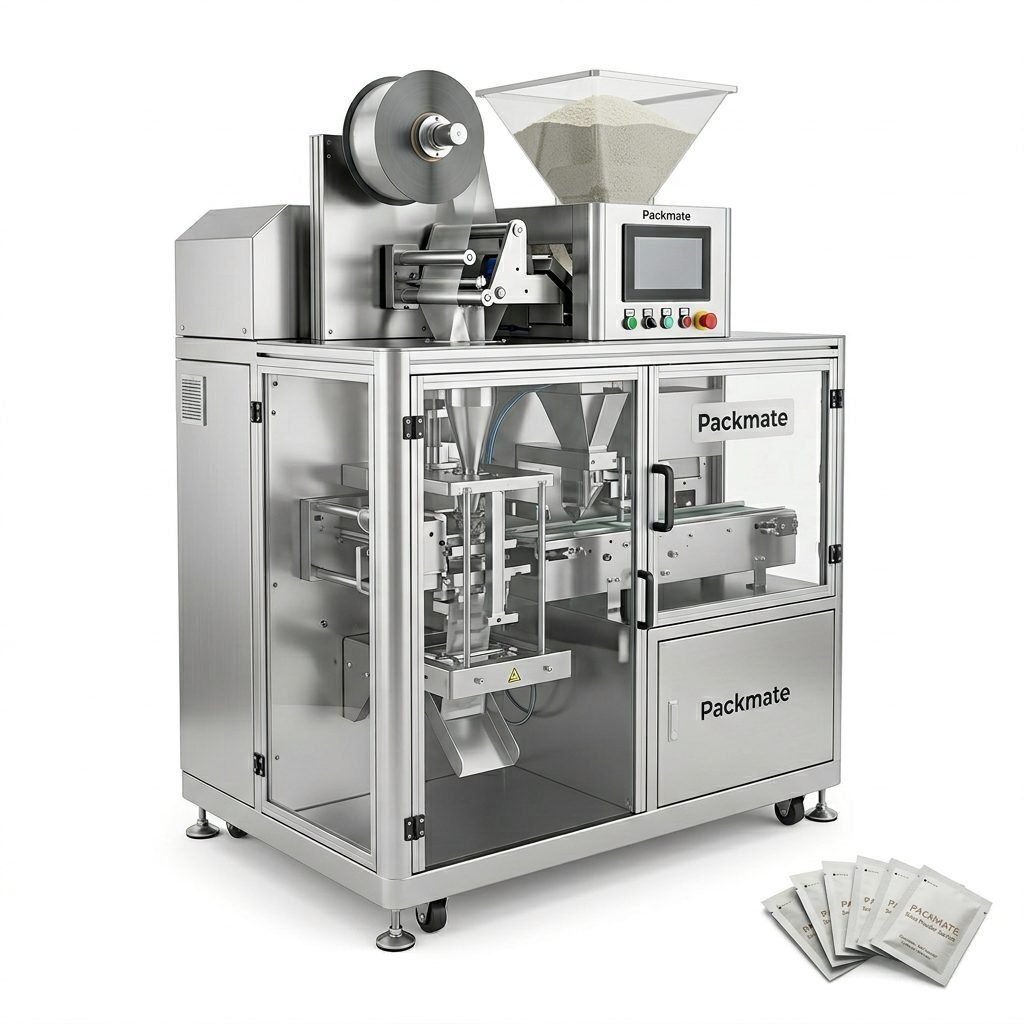
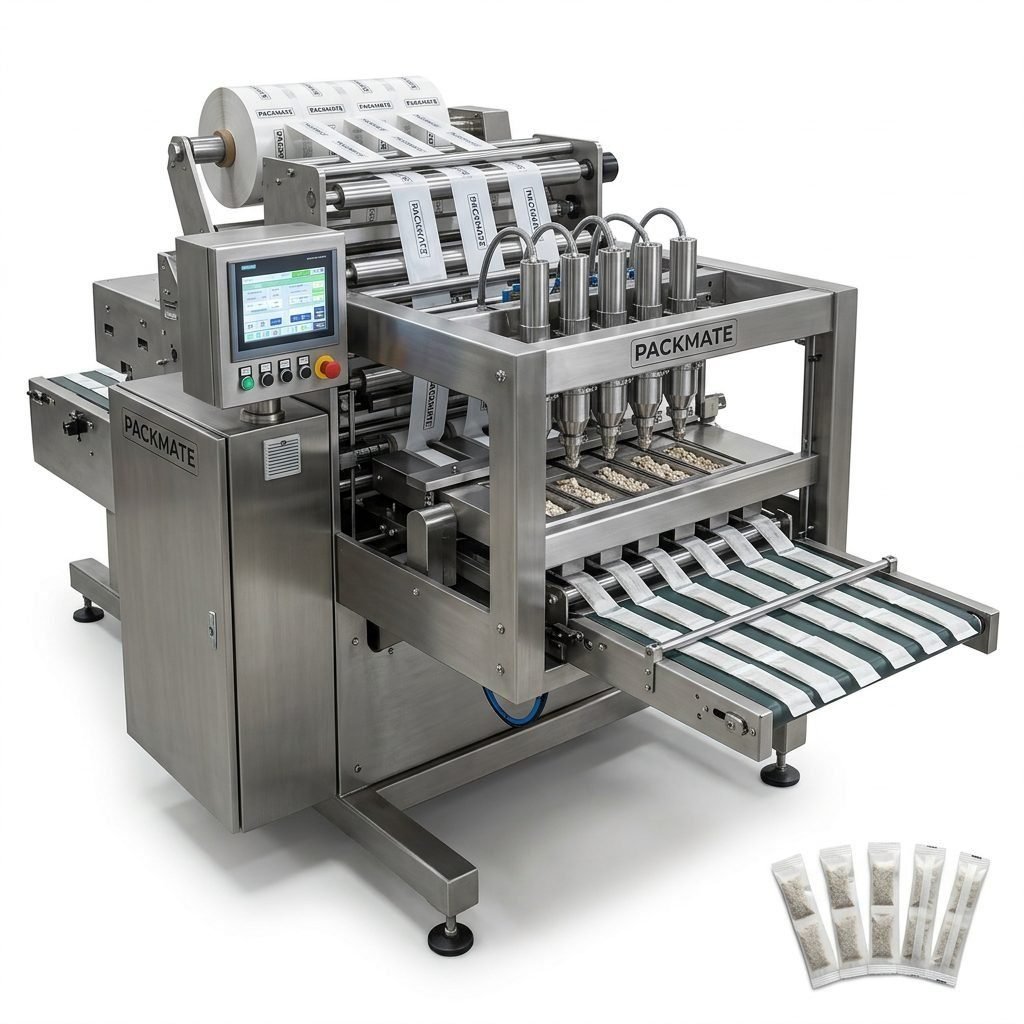
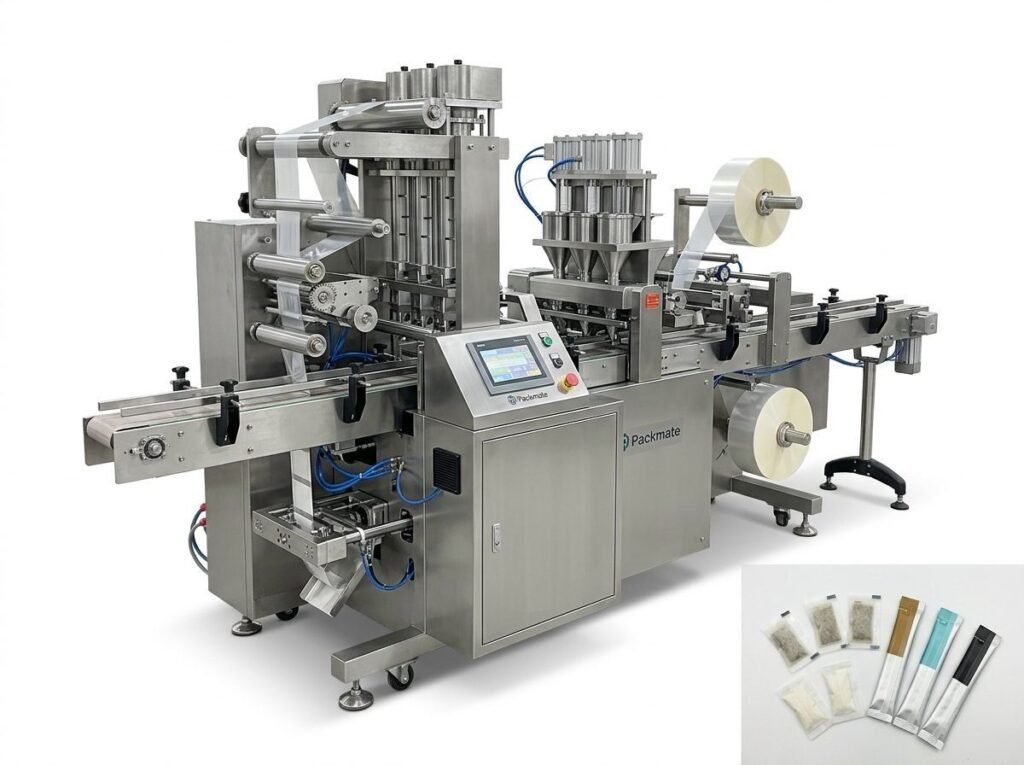
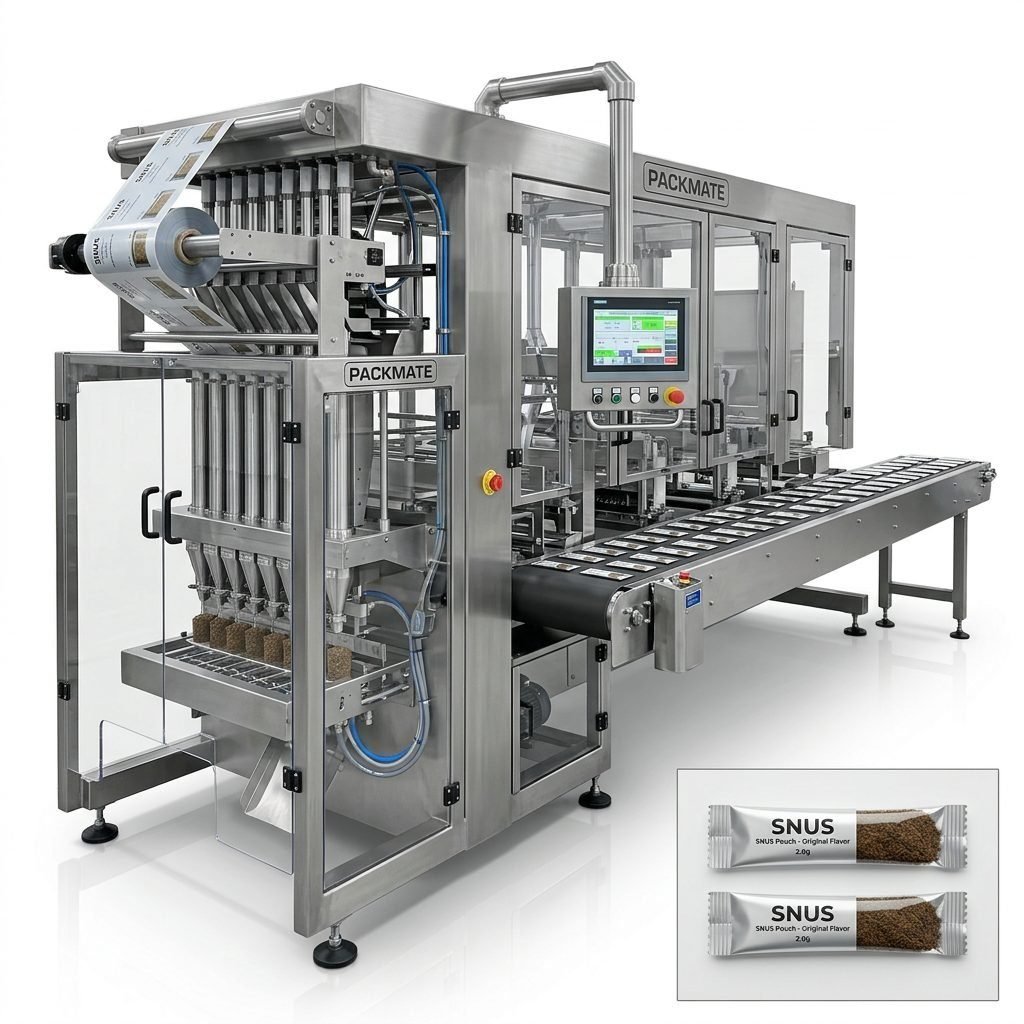
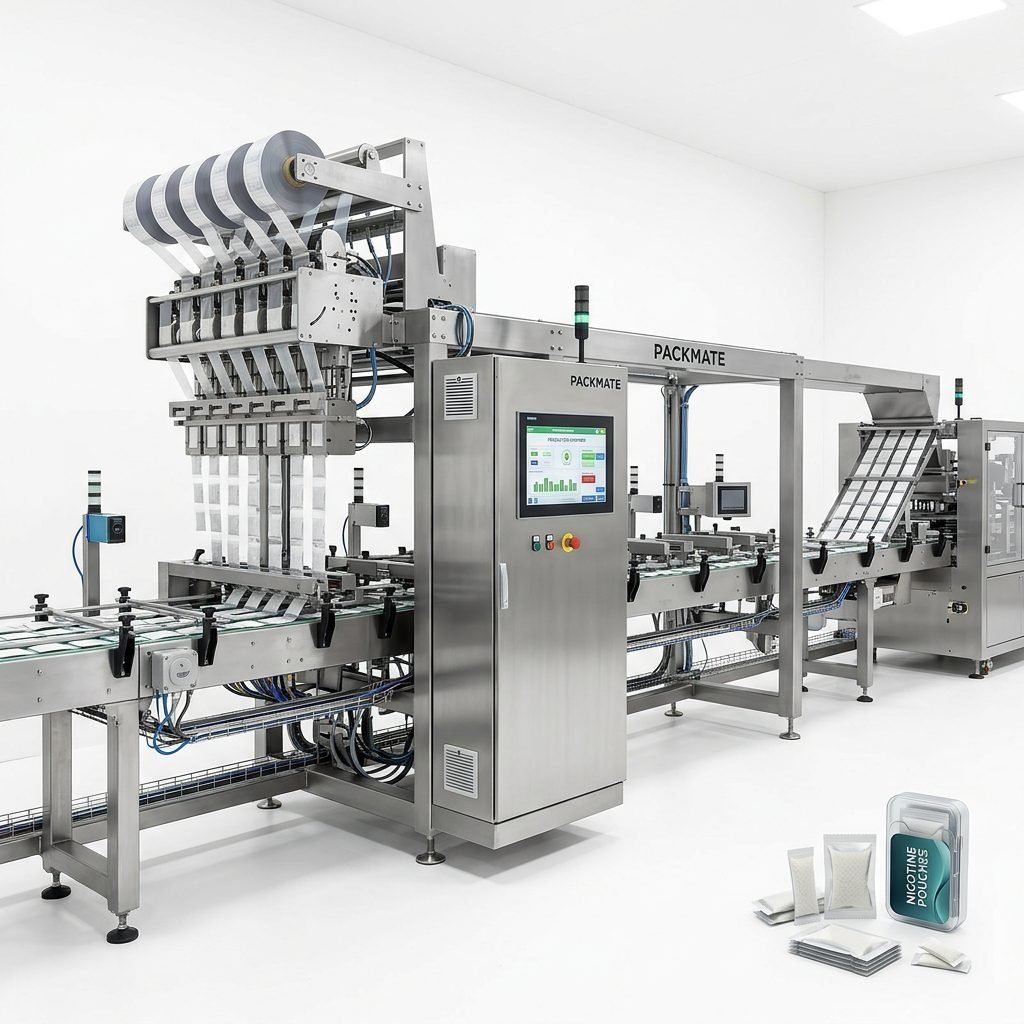
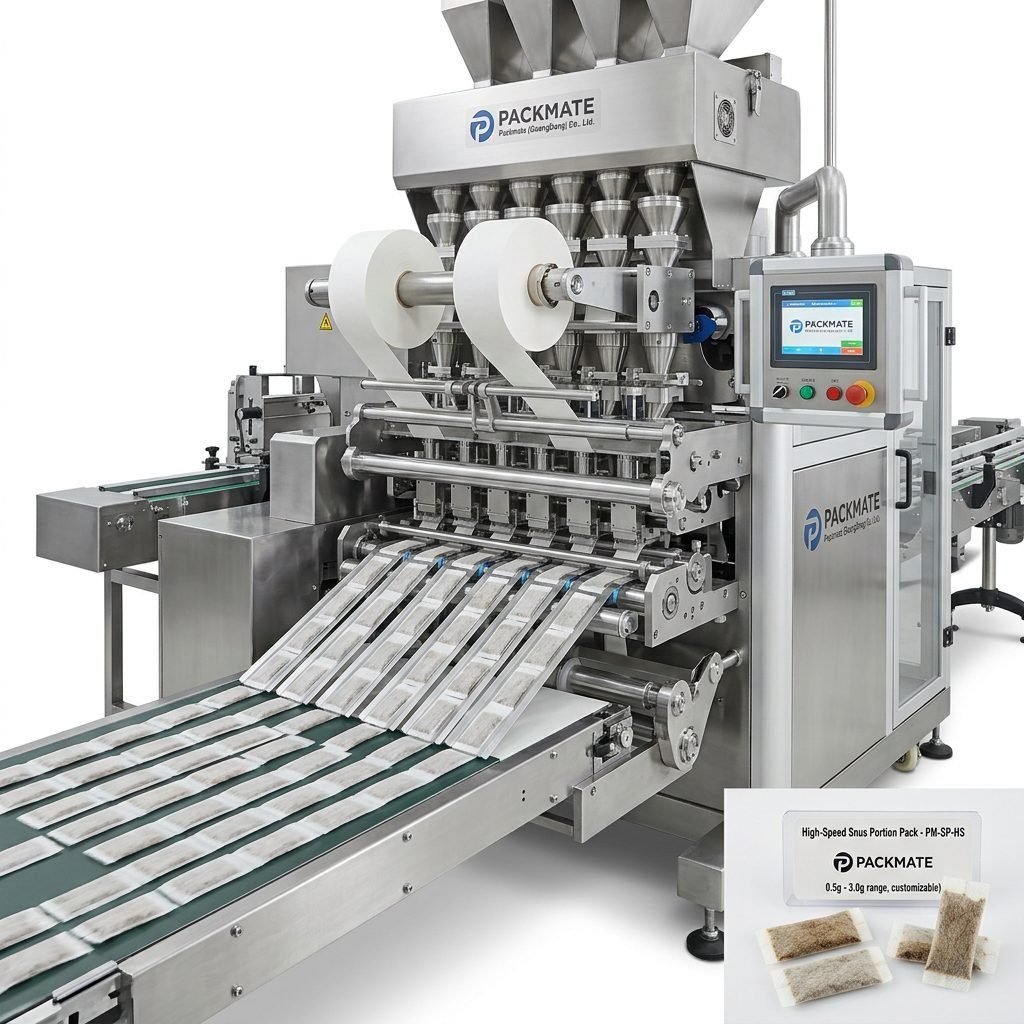
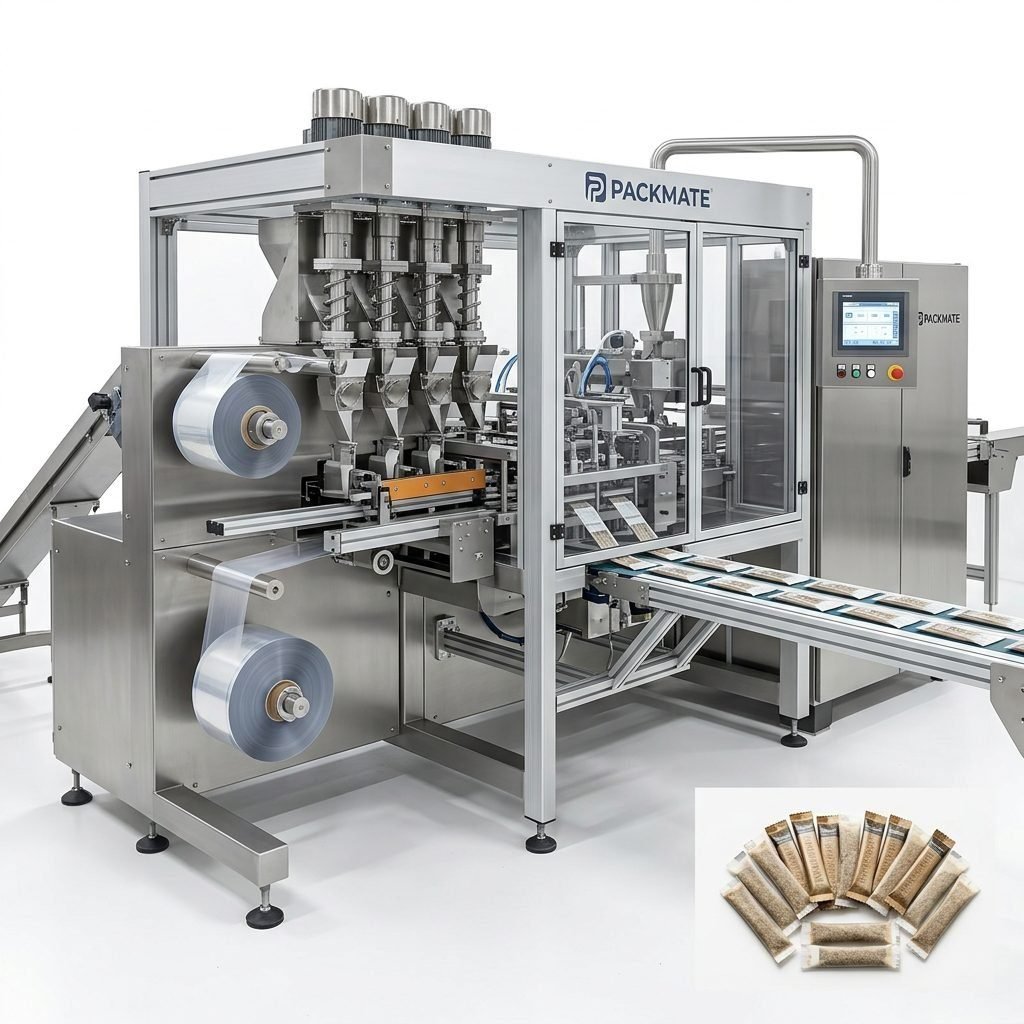
Common snus packaging machine formats include stick pack, sachet, and multi-lane pouch systems. Each format offers trade-offs in speed, flexibility, and capital cost. For example, multi-lane systems increase throughput on small-dose pouches but require more precise synchronization and maintenance discipline.
If your product range will expand or change frequently, emphasize modularity and quick-change features. Machines that allow rapid tooling swaps and programmable recipes will save downtime and reduce long-term costs.
Quality, Durability, and Spare Parts Availability
Prioritize mechanical robustness and the use of quality components (linear guides, precision gears, reliable PLC/HMI systems). Ask about typical wear parts and their expected lifetimes. A well-documented spare parts strategy and reasonable stock levels reduce the risk of production halts.
Tip: Choose suppliers who can ship spare parts quickly to El Salvador or who have local partners/distributors that hold critical spares.
After-Sales Service and Local Support
The quality of after-sales service often determines the long-term success of your investment. Evaluate response times, remote diagnostics options, training offerings, and warranty terms. Ideally, the manufacturer will provide:
– Remote troubleshooting and PLC/HMI remote access for quick fixes.
– On-site installation and commissioning support.
– Training for Salvadoran operators in Spanish and on-site maintenance workshops.
📌 Service checklist: Confirm the supplier’s Spanish-speaking support capabilities, average on-site visit lead time to Central America, and availability of certified technicians for periodic maintenance.
Factory Capacity and Production Lead Times
A manufacturer’s production capacity affects delivery schedules. If you need to ramp up quickly for seasonal demand or promotional launches in El Salvador, ensure the supplier can meet your timeline. Large manufacturers with advanced CNC machining centers and assembly lines tend to maintain shorter lead times and better quality control.
Ask for realistic lead times including engineering, custom tooling, FAT (Factory Acceptance Test), shipping, and local commissioning. Building buffer time into your project schedule prevents costly delays.
Total Cost of Ownership (TCO) vs. Upfront Price
Don’t make decisions based solely on the lowest purchase price. Consider energy consumption, spare parts costs, downtime risk, and training expenses. A higher-quality machine that reduces stoppages and waste can outperform a cheaper alternative over a few production cycles.
Evaluate warranty coverage, preventive maintenance plans, and the cost of consumables. Look for proven designs with a track record of low scrap rates and consistent packaging integrity.
Customization and Turnkey Solutions
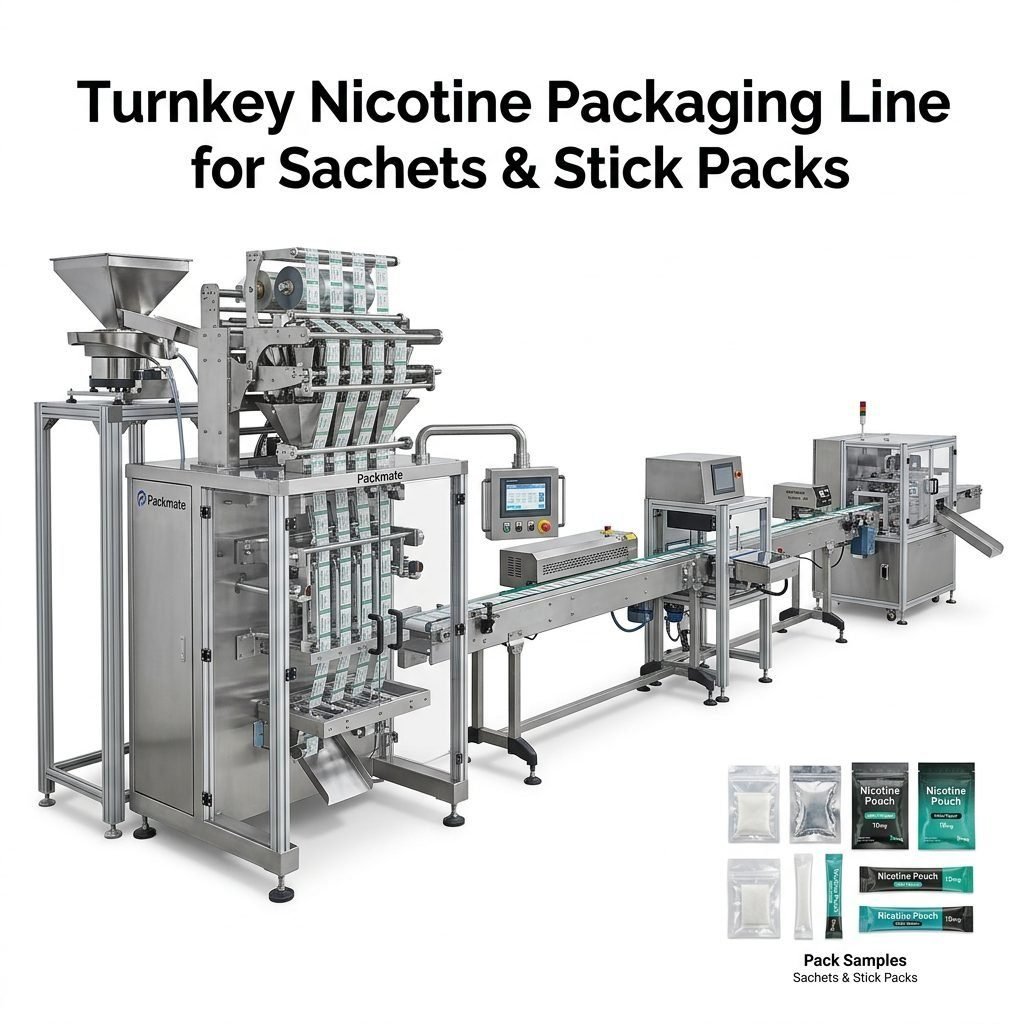
Many Salvadoran businesses prefer turnkey solutions that include upstream weighing/filling and downstream cartoning or case packing. If you need a complete line, ensure the manufacturer can integrate weighing systems, conveyors, and end-of-line packaging equipment. A single-source supplier reduces integration risk and provides a single point of responsibility.
Manufacturers that offer a broad portfolio—such as snus machines, sachet and stick pack machinery, and auxiliary equipment—can design smoother, optimized production lines. If you want to explore different product formats later, confirm compatibility between modules.
Useful product links: Snus & Nicotine Packaging Machines, Sachet & Stick Pack Machines, Weighing & Packaging Systems.
Logistics, Shipping and Importing into El Salvador
Understand shipping routes, port options (Acajutla and La Unión are primary), and customs clearance procedures. Determine who handles freight forwarding and customs brokerage. Some manufacturers provide DDP (Delivered Duty Paid) quotes, which simplify procurement but might increase cost.
Make sure technical documentation and certificates accompany the shipment to avoid delays. Discuss crating, shock protection, and on-site rigging requirements with both the supplier and your local rigging contractor.
Factory Acceptance Test (FAT) and Site Installation
A formal FAT verifies machine performance before shipment. Attend FAT in person or remotely to confirm capacity, sealing integrity, cycle times, and changeover procedures. After delivery, insist on manufacturer-supervised installation and commissioning to ensure proper alignment, calibration, and staff training.
✅ FAT essentials: sample production runs, documentation of parameters, signed acceptance report, and training schedule for local operators and maintenance staff.
Language, Training, and Cultural Fit
In El Salvador, Spanish is the business language. Select a manufacturer that provides manuals, training, and remote support in Spanish. Sensitivity to local business customs—clear contracts, transparent payment terms, and practical training sessions—will make the partnership smoother.
Salvadoran teams often prefer hands-on training complemented by written SOPs. Aim for a supplier who can deliver both and who values long-term service relationships over one-off sales.
Financial Options and Lead Times
Ask about payment terms, financing options, and deposit schedules. Some manufacturers offer staged payments aligned with project milestones (design approval, FAT, delivery, commissioning). Negotiate delivery windows and penalties for missed timelines if your production schedule depends on the new equipment.
Perform a Risk Assessment and Plan for Redundancy
Identify single points of failure and critical spares. For high-volume lines, consider a second identical machine or a simple backup process to avoid full production stops. Factor this into budget planning and supplier discussions.
Why Choose Manufacturers with Proven Global Footprints
Suppliers with global clients have experience navigating cross-border regulations, varied production requirements, and multiple end-of-line solutions. Their exposure to international trade helps them anticipate issues and provide robust documentation, reducing surprises during customs clearance and commissioning.
If available, review manufacturer case studies relevant to Latin America. A reliable supplier will show examples of similar installations and provide contactable references.
Example resources
Learn more about company capabilities and past cases at About Packmate and Case.
Checklist: Decision Factors for El Salvador Buyers
Use this decision checklist to compare suppliers:
– Technical fit: machine types match your pouch format and capacity.
– Compliance: CE/ISO documentation and hygiene-friendly design.
– Support: Spanish-language training, remote diagnostics, and on-site commissioning.
– Spare parts: accessible stock or local distributor arrangements.
– TCO: energy, maintenance, and consumables factored into the purchase decision.
– Logistics: clarity on shipping, customs documentation, and port handling for El Salvador.
– Reputation: verifiable references and production case studies in similar markets.
⚠️ Red flag: Suppliers unwilling to provide FAT, technical references, or clear spare parts lead times should be treated cautiously.
How to Vet a Supplier: Practical Steps
1) Request machine videos and a full specification sheet.
2) Ask for an equipment validation plan and FAT checklist.
3) Obtain an itemized spare part list with expected lifetimes.
4) Verify certifications and ask for scanned copies of CE/ISO documents.
5) Check customer references and ask about the supplier’s responsiveness and problem resolution record.
Local Partnerships and Distributor Networks
Some manufacturers work with local distributors or authorized agents who provide faster response times for spare parts and maintenance in El Salvador. If you prefer a local contact, request distributor details and evaluate their inventory and service agreements.
For turnkey production lines that include weighing, filling, and packaging, consider suppliers offering a consolidated project manager and single warranty for the entire line.
Final Selection: Putting It All Together
Score candidates across technical fit, quality, service, documentation, lead times, and cost. Consider site visits, FAT attendance, and pilot runs. When in doubt, prioritize proven reliability and local service capability over marginal cost savings.
If you wish to explore established equipment options, browse relevant product groups such as Bag & Pouch Packaging Machines and Filling & Packaging Lines.
Next Steps for Salvadoran Buyers
Start by documenting your product specs and production targets, then prepare a Request for Quotation (RFQ) that includes warranty, FAT, training, spare parts, and delivery terms. Schedule supplier calls and insist on clear lead times. If needed, seek references from other Latin American customers to validate performance and support.
📦 Helpful contacts: For more supplier details, exhibitions, and certificates, see Our Exhibition and Certificate. To request service or contact sales, use Contact Us.
Summary
Selecting the best snus packaging machine manufacturer in El Salvador depends on technical alignment, regulatory compliance, strong after-sales service in Spanish, and realistic logistics planning. By prioritizing quality, spare parts availability, and proven global experience, Salvadoran businesses can secure a reliable partner and a production line that delivers consistent results.
Frequently Asked Questions
Q1: What certifications should a snus packaging machine have for El Salvador?
A1: Machines should have CE and ISO certifications for manufacturing quality and safety, along with hygienic design documentation to ease local inspections.
Q2: How important is after-sales support in Spanish?
A2: Extremely important. Spanish-language manuals, training, and remote support shorten troubleshooting times and improve operator competence.
Q3: Should I attend the Factory Acceptance Test (FAT)?
A3: Yes. Attending FAT ensures the machine meets your specifications and avoids surprises during commissioning.
Q4: What is the best machine format for small-dose nicotine pouches?
A4: Multi-lane snus pouch systems often provide the best throughput for small-dose pouches, but single-lane flexible machines can be better for diversified product portfolios.
Q5: How can I reduce import delays into El Salvador?
A5: Ensure complete technical documentation, translated manuals if necessary, and clear customs paperwork. Consider DDP shipping or working with an experienced freight forwarder familiar with Salvadoran ports.