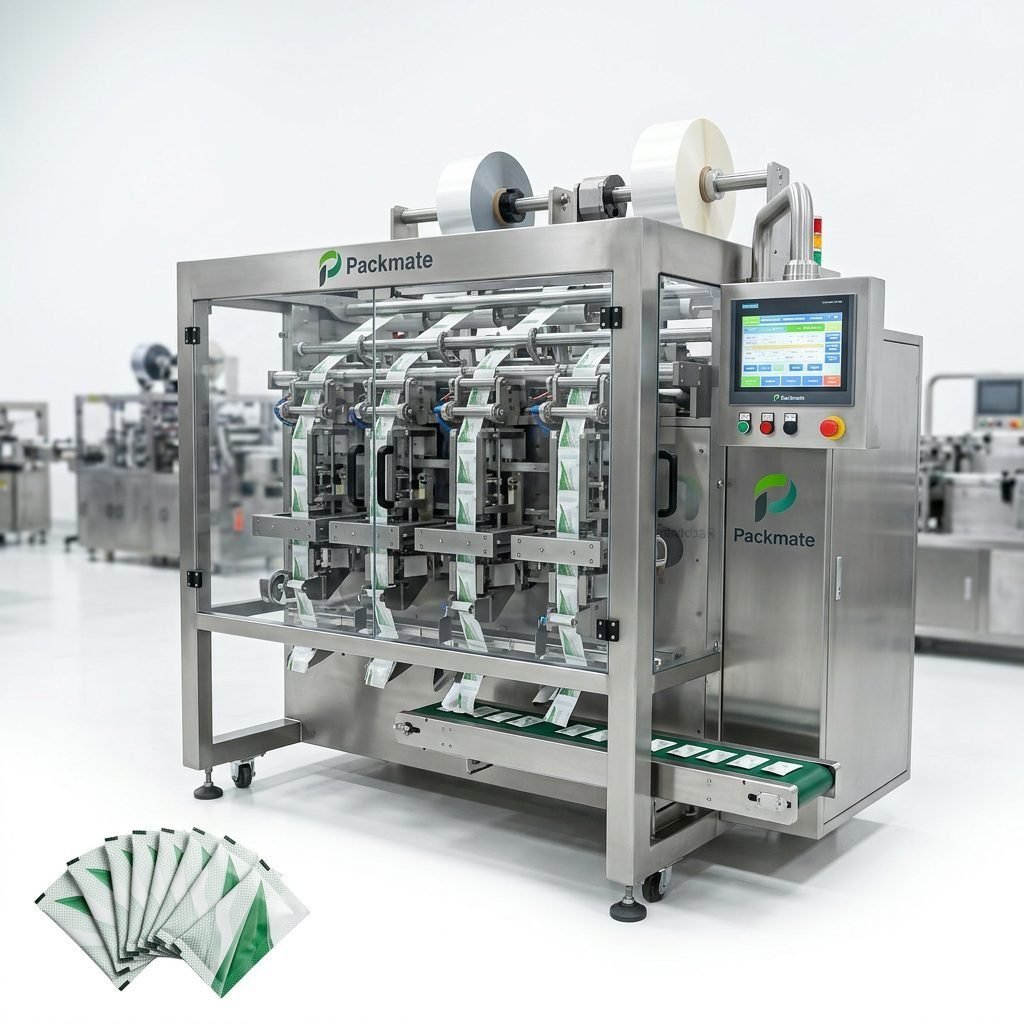
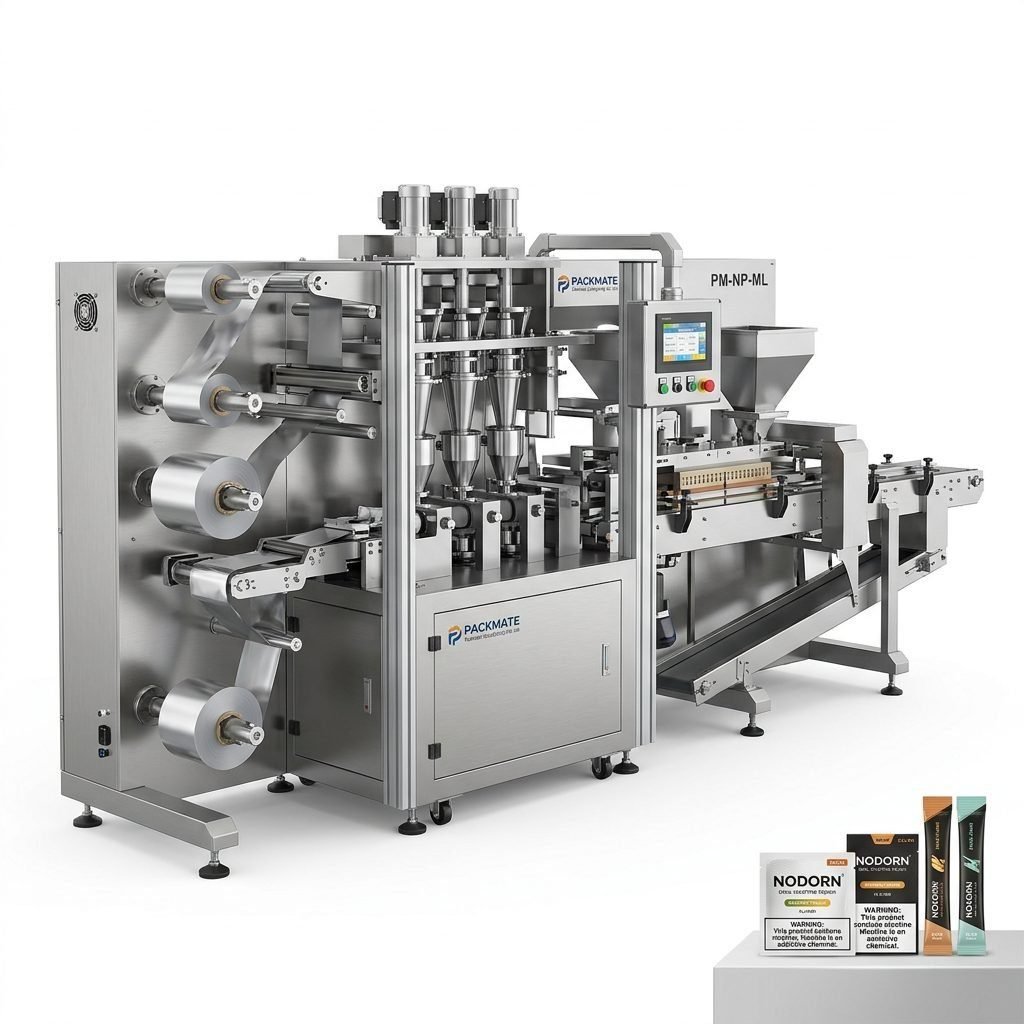
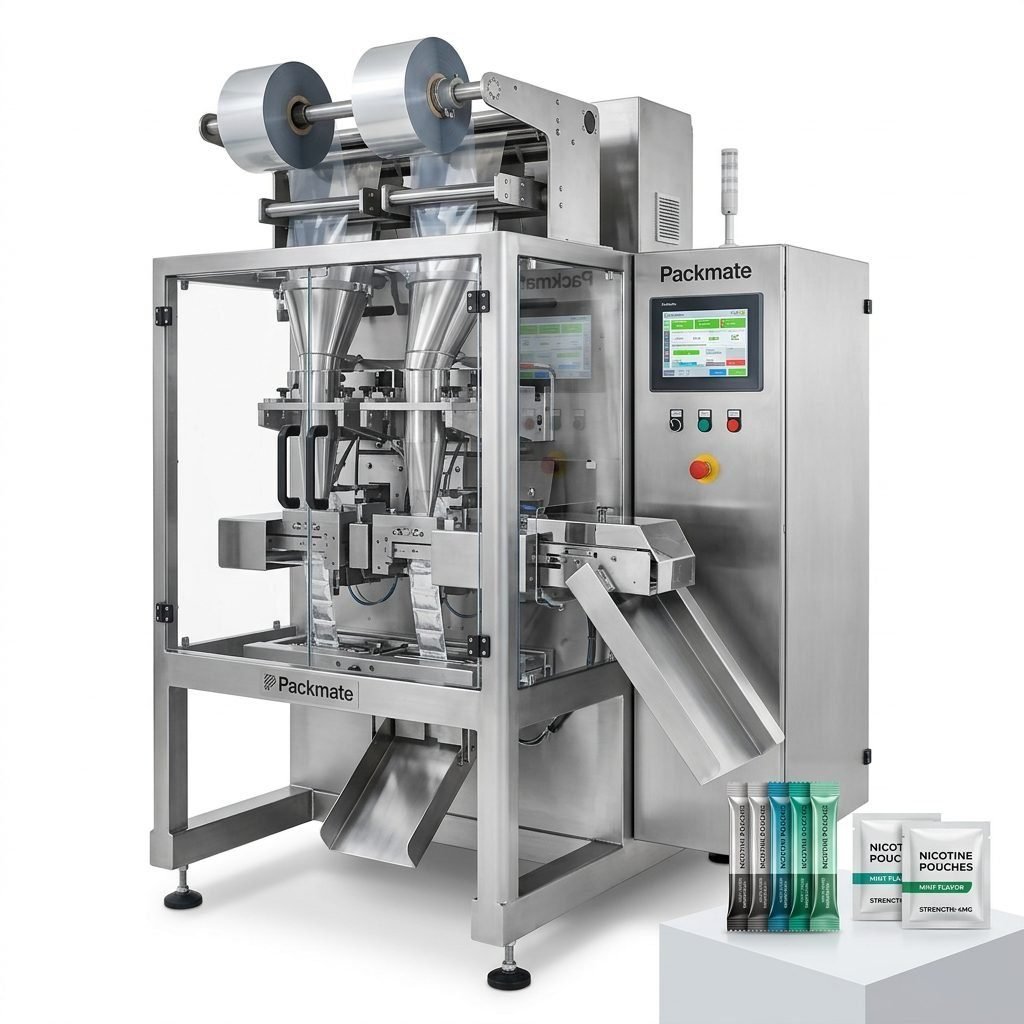
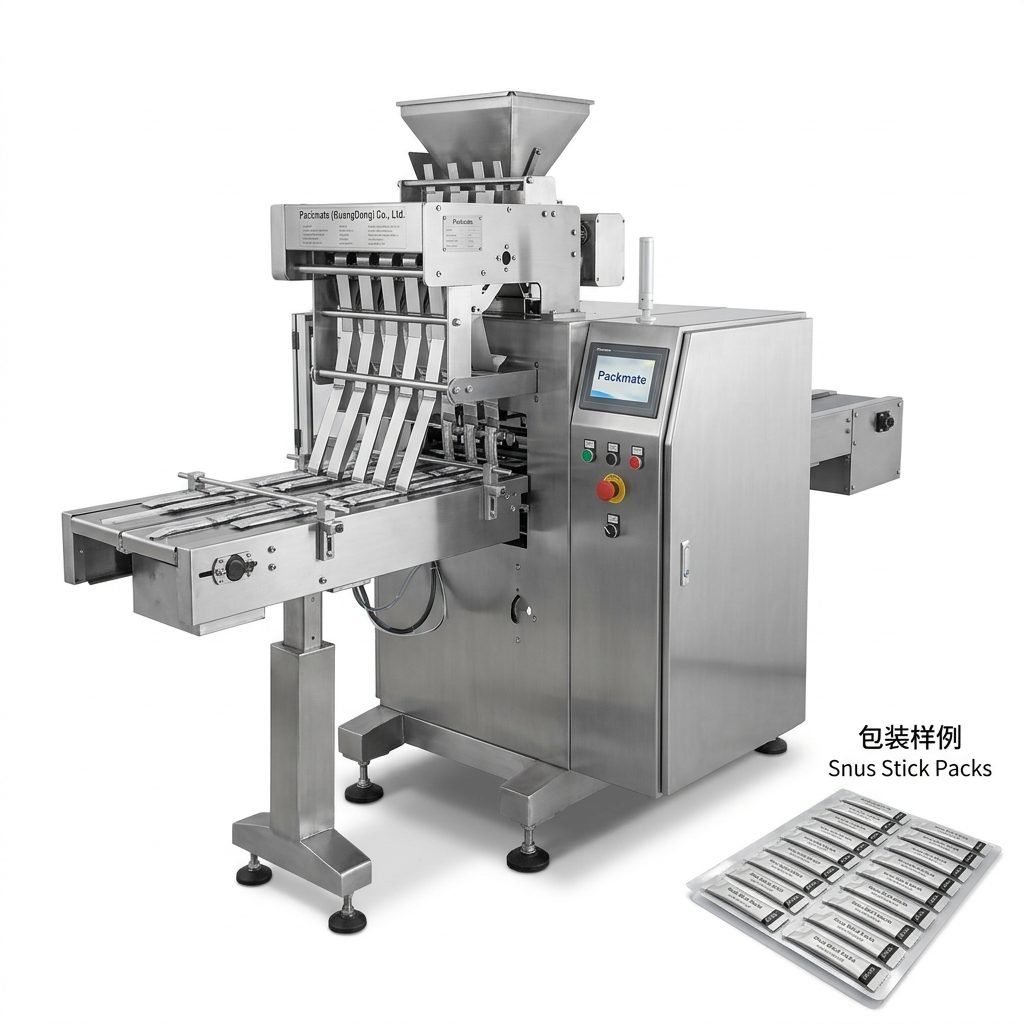
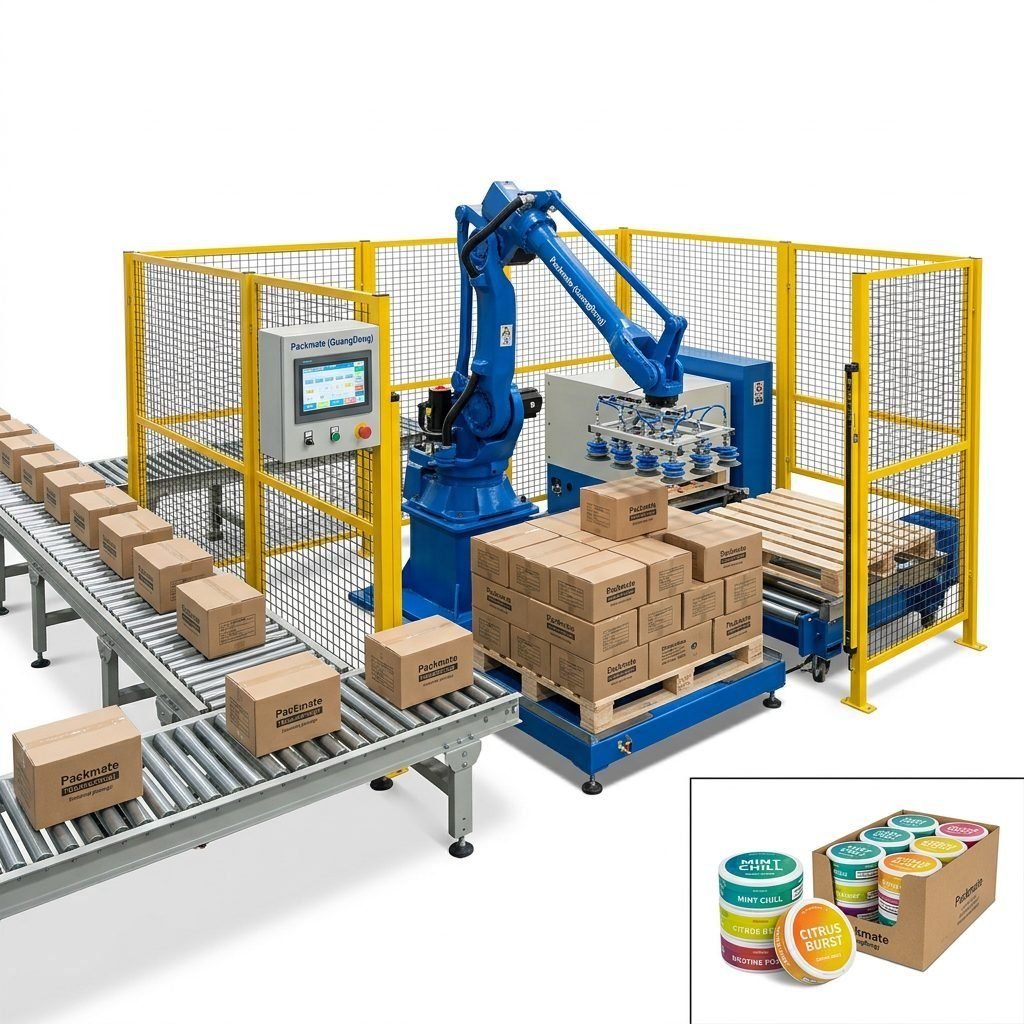
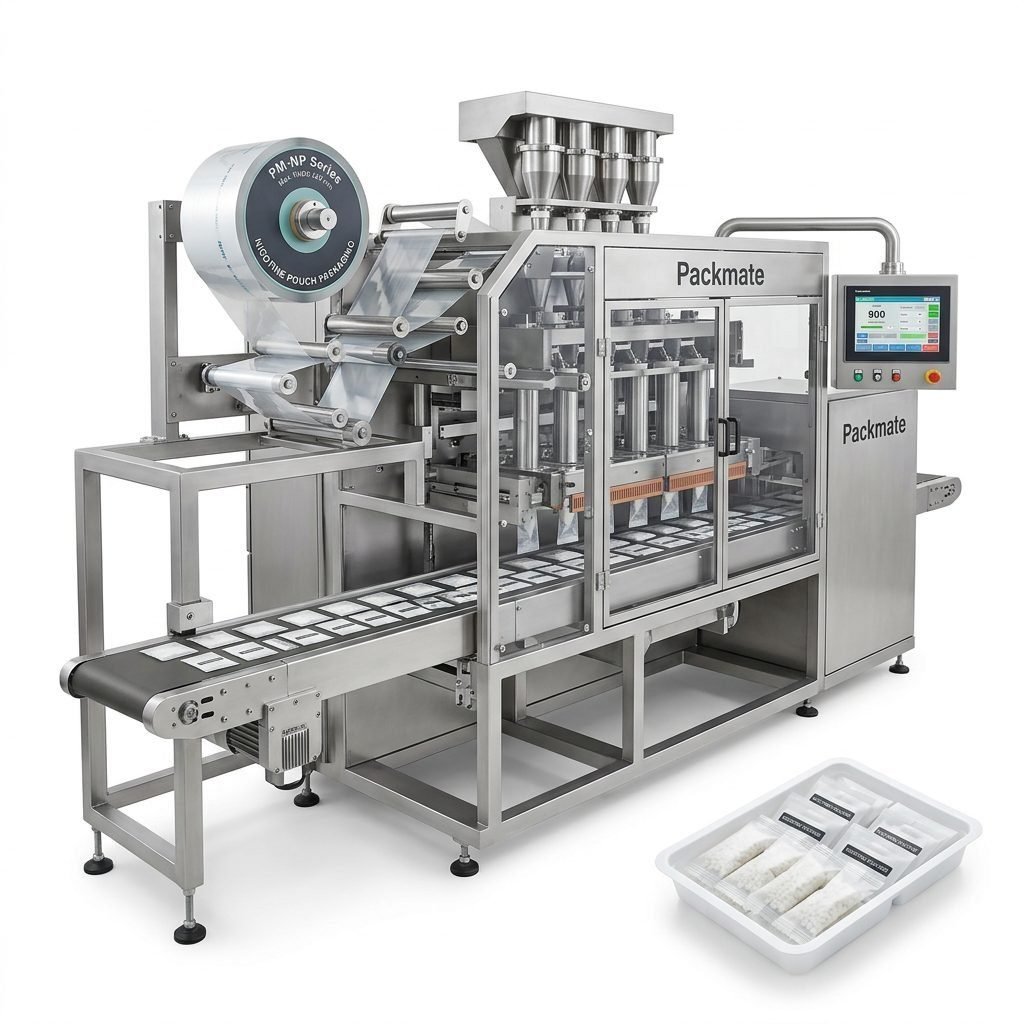
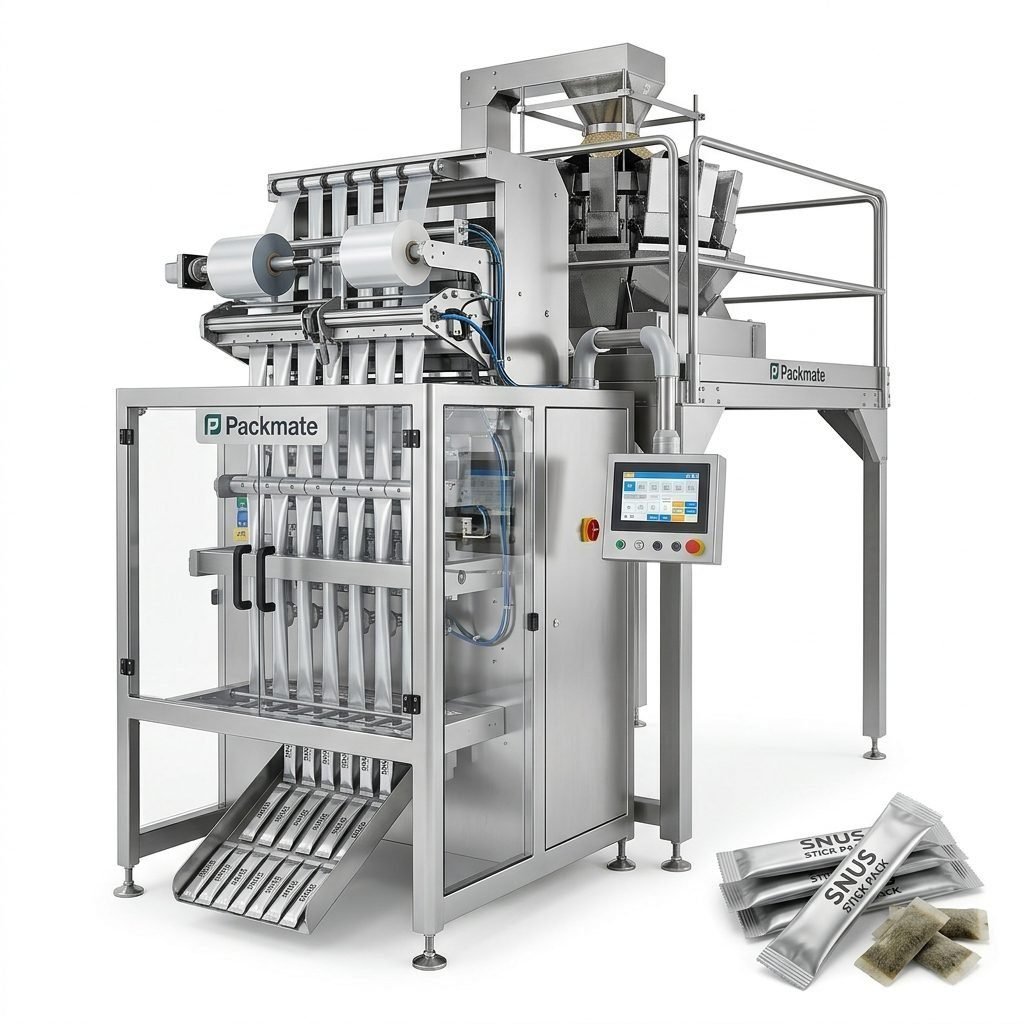
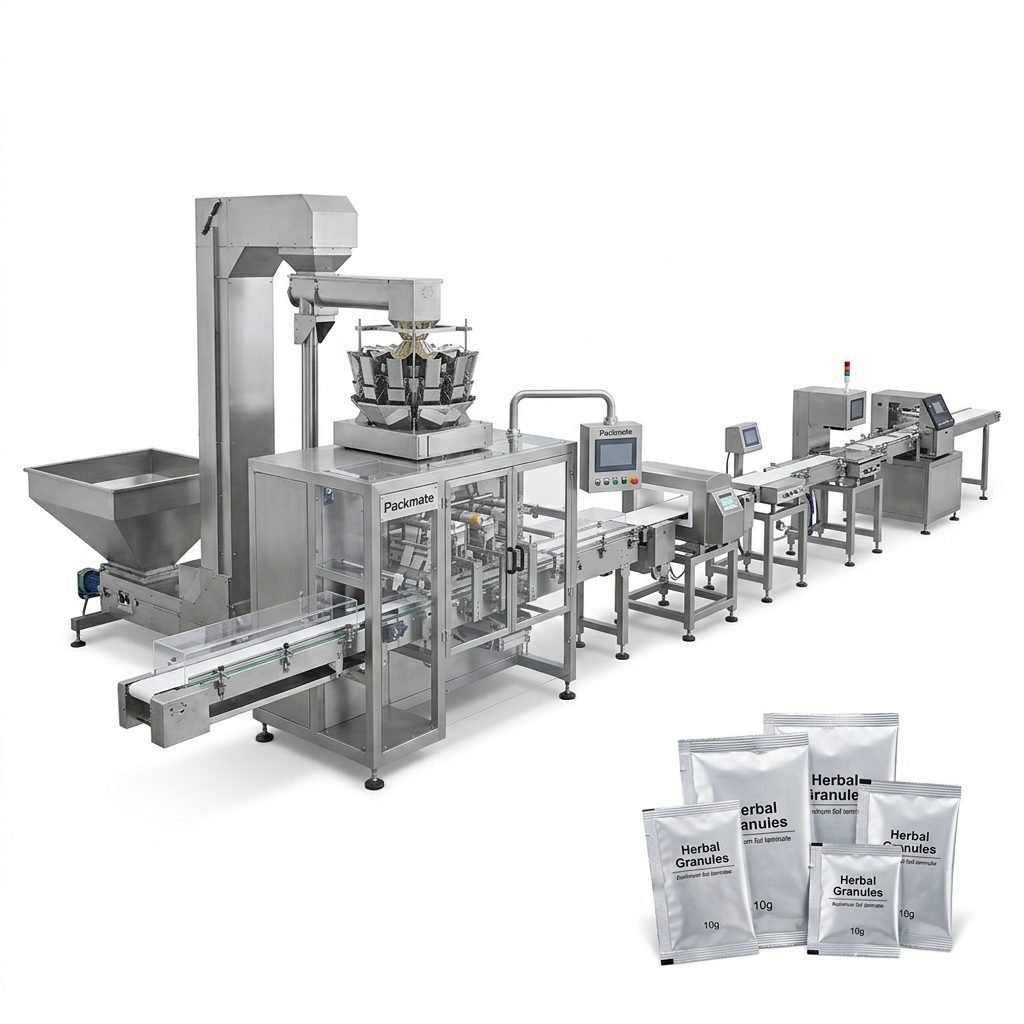
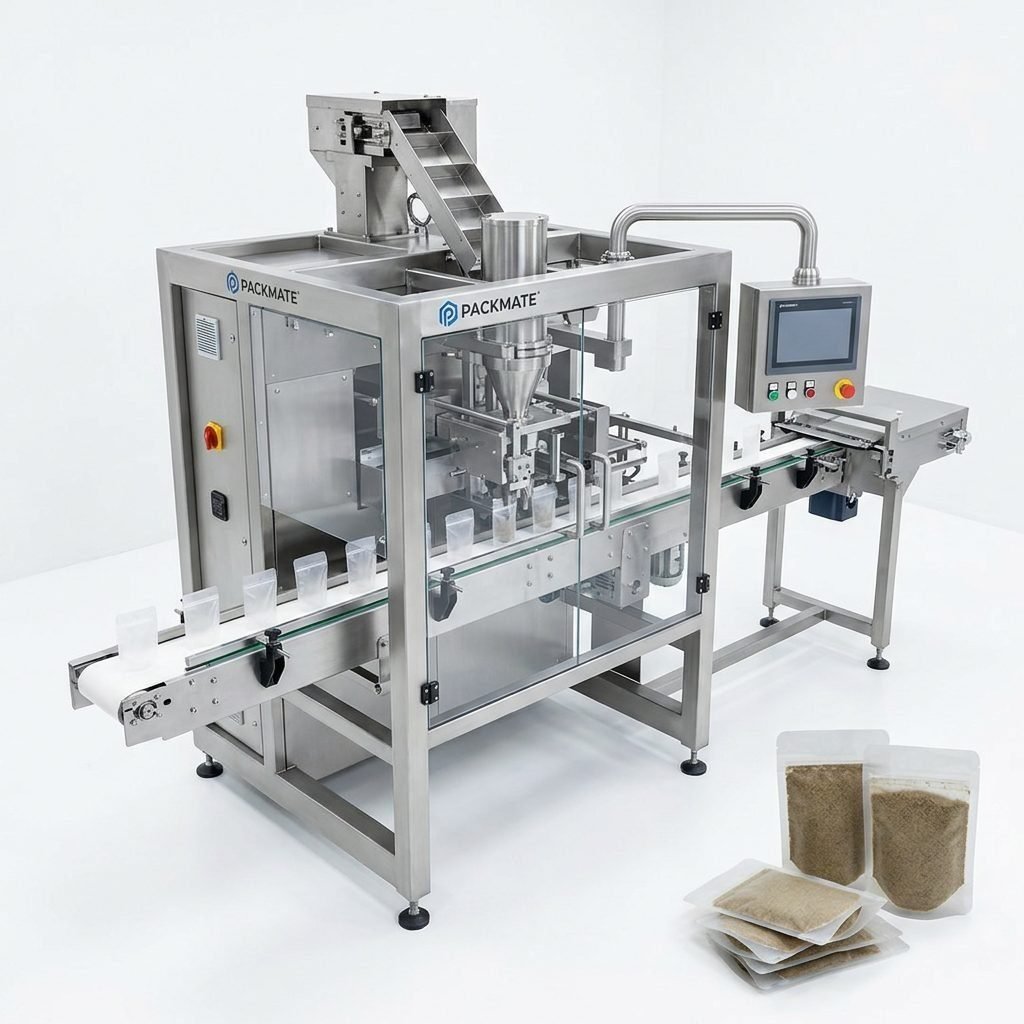
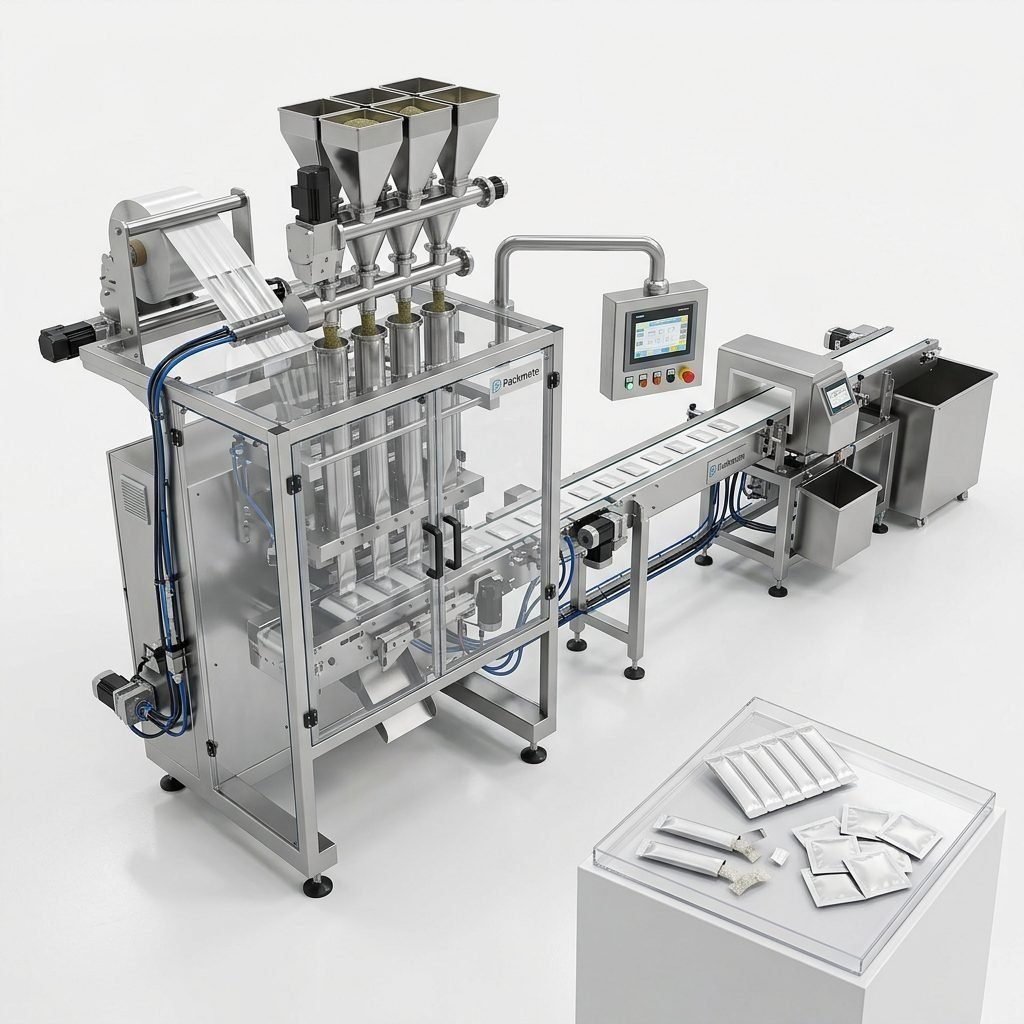
Efficient snus line maintenance reduces downtime, improves product quality, and extends equipment life. This guide outlines practical, field-tested strategies for keeping snus and nicotine pouch packaging lines running reliably. Whether you operate a single lane stick pack system or a high-speed multi-lane snus pouch line, the following best practices will help you maximize throughput and minimize unexpected stops.
⚙️ Why Maintenance Matters for Snus Packing Lines
Packaging lines for snus and nicotine pouches combine precision mechanics, dosing systems, and delicate sealing processes. Small deviations in calibration or wear on critical parts can cause sealing failures, misfeeds, weight variance, and product waste. Proactive maintenance ensures consistent pouch weight, hermetic seals, and regulatory compliance.
Key Benefits
Reduced downtime — fewer unplanned stops and faster recovery.
Improved product consistency — stable pouch weight and sealing integrity.
Lower operating costs — fewer emergency parts and labor surges.
🔎 Daily Maintenance Checklist
Daily checks are quick but crucial. A simple routine performed every shift can catch issues before they escalate.
Daily items (≈ 10–20 minutes):
✓ Visual inspection of belts, guide rails and film paths for wear or misalignment.
✓ Check the vacuum and suction components for leaks or blockages.
✓ Confirm sensors and safety interlocks are working (no alarm lights).
✓ Verify correct pouch weights on the first production run and adjust feeders if needed.
🛠 Weekly & Monthly Tasks
Weekly tasks should be more thorough, and monthly checks should include calibration and consumable replacement planning.
- Weekly: Lubricate mechanical linkages and check tension on drive belts.
- Weekly: Clean dosing nozzles and weighers to avoid cross-contamination.
- Monthly: Calibrate load cells, check servo alignment and update machine software if required.
- Monthly: Inventory critical spare parts and reorder wear components proactively.
Highlight: Lubrication & Consumables
Proper lubrication reduces friction and heat. Use manufacturer-recommended lubricants and avoid over-lubrication near sealing zones. Replace cutting knives, belts and sealing elements on a schedule—these are often the largest contributors to line stops if neglected.
🔧 Preventive vs. Predictive Maintenance
Preventive maintenance follows scheduled tasks; predictive maintenance uses data to perform work exactly when needed. Combining both yields the best results for snus lines: scheduled checks for known wear points, and condition-based actions driven by sensor data and machine logs.
Implementing Predictive Tools
Install vibration sensors on motor bearings, monitor temperature on sealing bars, and log cycle counts for critical components. This data helps you plan replacements and avoid mid-shift failures.
🧼 Cleaning & Contamination Control
Cleanliness is paramount in nicotine pouch production. Residues can affect seal integrity and product safety. Use food-grade cleaning agents and ensure no liquid ingress into electrical cabinets.
Best practices:
• Shut down and lockout energy sources before major cleaning.
• Use compressed air carefully—keep it filtered and dry.
• Wipe sealing bars and cutting areas after every product change to prevent build-up.
🔁 Efficient Changeovers
Fast, repeatable changeovers reduce downtime between SKUs. Standardize setup steps and keep a changeover kit ready with common items (bolts, spare cutters, seals).
Create a checklist with time targets. Train operators to perform measured cartridge swaps and cell changes. Use quick-release clamps and indexed guides to ensure repeatable positioning.
📦 Spare Parts Strategy
A well-managed spare parts inventory minimizes downtime during failures. Prioritize stocking parts that historically cause stops: sealing jaws, belts, knives, sensors, and drive couplings.
Tip: Track consumption rates and set reorder points. For customized parts, keep supplier lead times in mind and maintain critical spares onsite.
🧭 Troubleshooting Common Issues
Quick diagnostics reduce lost production. Use a structured approach: Observe → Isolate → Repair → Verify.
- Issue: Seal failures — Check film tension, sealing temperature, and cleanliness of sealing jaws.
- Issue: Inconsistent fill weight — Inspect weigh module calibration, hopper flow, and feeders.
- Issue: Film tracking drift — Realign film guides and verify film width and take-up tension.
🔐 Safety & Documentation
Always follow lockout/tagout procedures during maintenance. Keep operation manuals, wiring diagrams, and parts lists readily accessible—either printed near the machine or through a secure digital system.
Operator Logs & Digital Records
Maintain operator logs for shift handovers. Record minor anomalies so patterns can be identified. Consider linking to a full-service provider for advanced diagnostics and remote support.
👩🏭 Training & Skills Development
Skilled operators and technicians are the first defense against downtime. Implement structured training modules covering daily checks, basic troubleshooting, and safe maintenance practices.
Use hands-on workshops and machine-specific SOPs. Make sure staff know how to perform the critical first-response steps after an alarm.
📈 Continuous Improvement & KPIs
Track metrics such as OEE (Overall Equipment Effectiveness), mean time between failures (MTBF), and mean time to repair (MTTR). Use these KPIs to guide maintenance investments and training priorities.
Practical KPI Targets
Aim for OEE improvements by focusing on minor stoppages and quick changeovers. Regular analysis will show whether to invest in spare channels, additional sensors, or operator training.
📚 Resources & When to Call OEM Support
For complex electrical, servo, or PLC issues, contact your machine manufacturer. OEM support can provide firmware updates, certified spare parts, and tailored service agreements. For Packmate users, refer to official resources and service options.
Useful links:
Snus & Nicotine Packaging Machines,
Sachet & Stick Pack Machines,
Service,
Contact Us.
✔️ Quick Maintenance SOP Template (Starter)
Step 1: Pre-shift visual inspection (5–10 min)
Step 2: Verify sensors and alarms (3–5 min)
Step 3: Check product first-run weight & sealing (5 min)
Step 4: Record anomalies in log; escalate if outside tolerance
Step 5: End-of-shift handover notes and parts reorder if needed.
Conclusion
Consistent maintenance practices—combining daily checks, scheduled preventive tasks, data-driven predictive strategies, and well-trained personnel—deliver reliable, low-downtime snus production. Investing in the right tools, spare parts, and training pays off through higher throughput, less waste, and longer machine life.
Frequently Asked Questions
Q: How often should sealing jaws be inspected or replaced?
A: Inspect sealing jaws daily for residue and wear; plan replacements based on cycle counts—commonly every few months for high-speed lines, sooner if you see seal defects. Keep spare jaws on hand to reduce downtime.
Q: Can we use general-purpose lubricants on snus packaging machines?
A: Use only manufacturer-recommended lubricants, particularly in food or consumer product zones. Food-grade lubricants are required where incidental contact is possible; avoid over-application near film path and sealing areas.
Q: What spare parts should every facility stock for a snus line?
A: Prioritize sealing elements, knives, belts, sensors, bearings, and common electrical fuses. Track historical failures to refine your spare parts list.
Q: When should we consider upgrading to a multi-lane or automated line?
A: Consider upgrades when demand consistently exceeds current throughput, or when labor and downtime costs justify investment. Speak with OEMs about modular upgrades and turnkey solutions.
Q: Where can I find certified service and replacement parts?
A: Contact your machine manufacturer or authorized service partner. For Packmate users, consult the official service pages and product catalogs to source certified parts and maintenance plans.