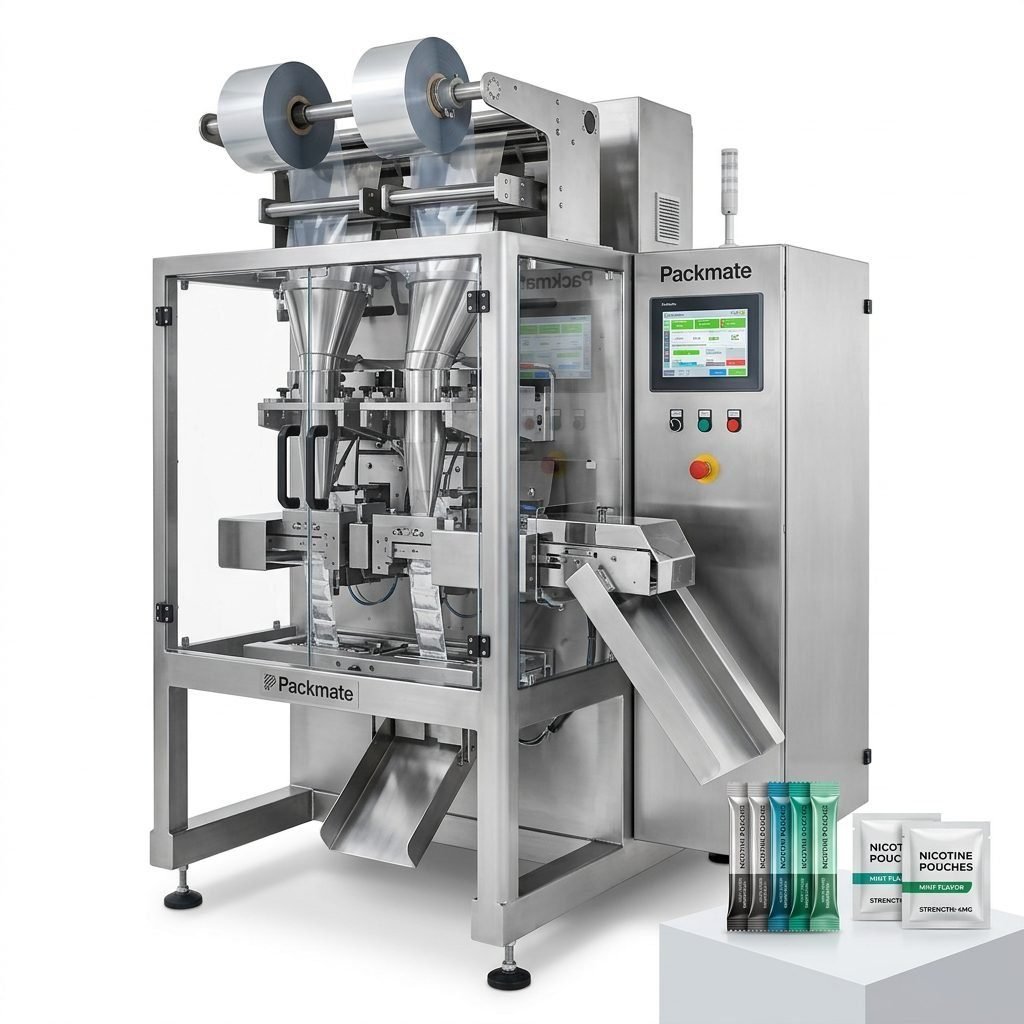
Choosing the right snus packaging machine supplier in Bulgaria is a strategic decision that affects product quality, production efficiency, regulatory compliance, and long-term costs. Whether you are launching a small-batch nicotine pouch brand for the Bulgarian market, upgrading a multi-lane production line, or sourcing turnkey packaging solutions for export across the European Union, this guide will help you evaluate suppliers, ask the right questions, and select a partner who matches your technical needs and business values.
Understand the Bulgarian Market Context and Local Expectations
Bulgaria operates within EU regulatory frameworks, and local buyers often value a combination of competitive pricing and proven quality. Many Bulgarian manufacturers and brands prefer suppliers who understand European safety standards and can document CE and ISO compliance. In addition, relationship-building is important—Bulgarian companies often emphasize trust, clear communication, and after-sales reliability. Keep these local cultural preferences in mind when evaluating prospective machine suppliers.
Key local factors to remember
🔸 Compliance with European directives and export paperwork is essential.
🔸 Bulgarian operations often need flexible financing or staged investment options.
🔸 On-site training, spare parts availability, and prompt service response are highly valued.
Define Your Production Requirements Clearly
Before contacting suppliers, create a clear specification sheet that covers product formats, target output, and quality criteria. A well-defined brief saves time and ensures the recommendations you receive are relevant.
Include these essential details in your brief:
✅ Product type: snus pouches, nicotine pouches, or other sachet formats.
✅ Pouch style: stick pack, sachet, multi-lane pouches, or cans.
✅ Target output: packs per minute, lanes, and shift expectations.
✅ Filling accuracy: weight tolerances for powder or granules.
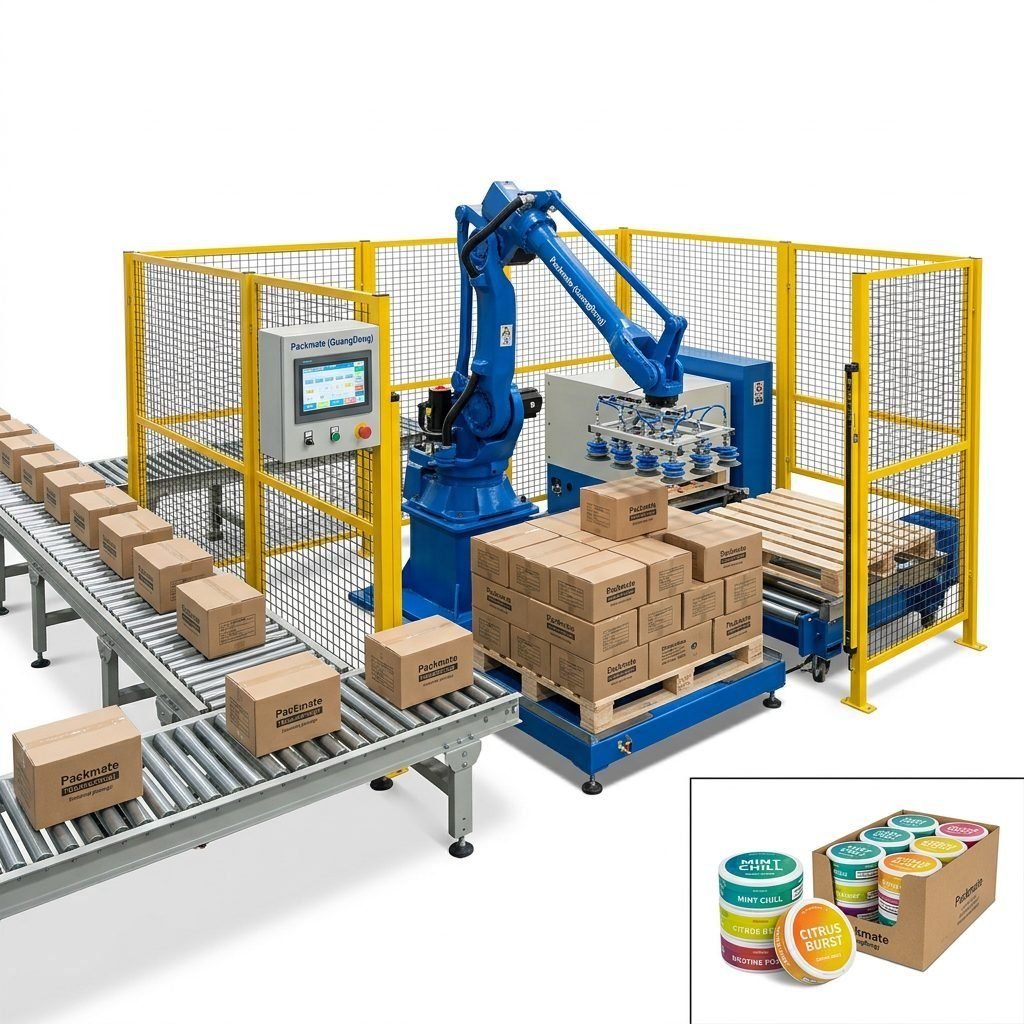
✅ Integration: whether you need upstream dosing/weighing and downstream cartoning or labeling.
Tip: If you plan to expand across EU markets, specify compliance and language requirements for control panels, manuals, and safety signage. Suppliers that already export to Europe often simplify certification and documentation for customs and regulatory checks.
Evaluate Supplier Technical Capabilities and Product Range
A reliable supplier must demonstrate technical depth and a product portfolio that matches your current and future needs. Look for manufacturers with extensive R&D, multiple machine models, and the ability to customize lines for unique product formats.
Important capabilities to verify:
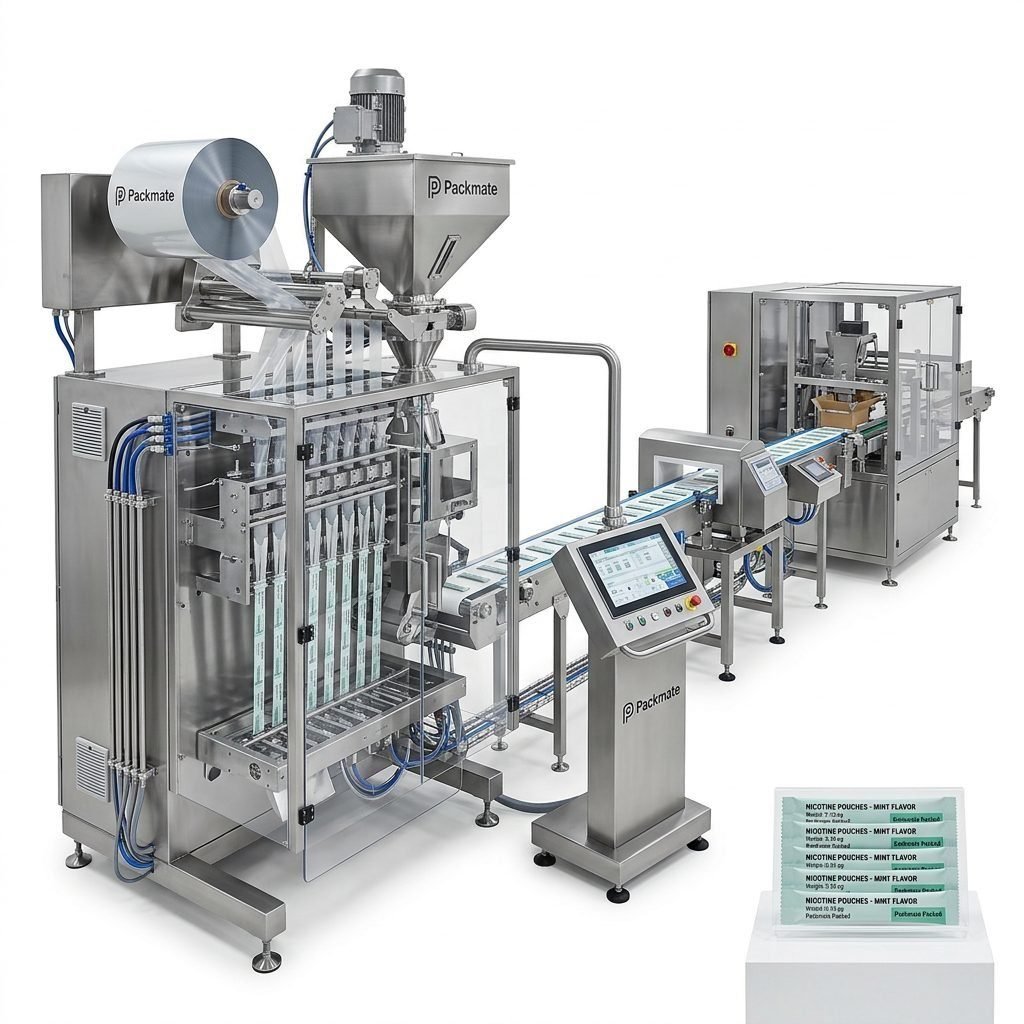
🔸 Range of models including single-lane and multi-lane systems.
🔸 Experience with nicotine pouch and snus packaging specifics (moisture control, small-dose accuracy).
🔸 Advanced CNC manufacturing and precision assembly practices.
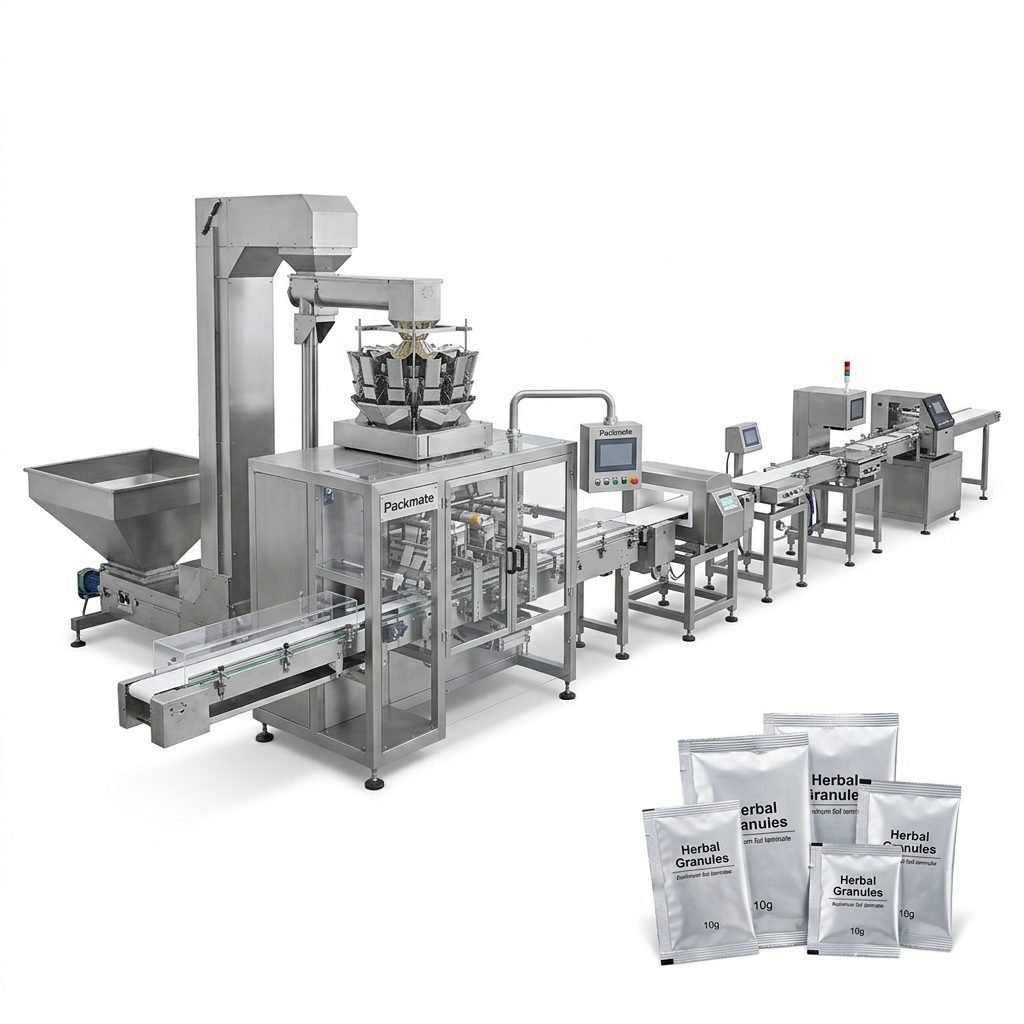
🔸 Availability of ancillary equipment: weigher integration, filling systems, and auxiliary gear.
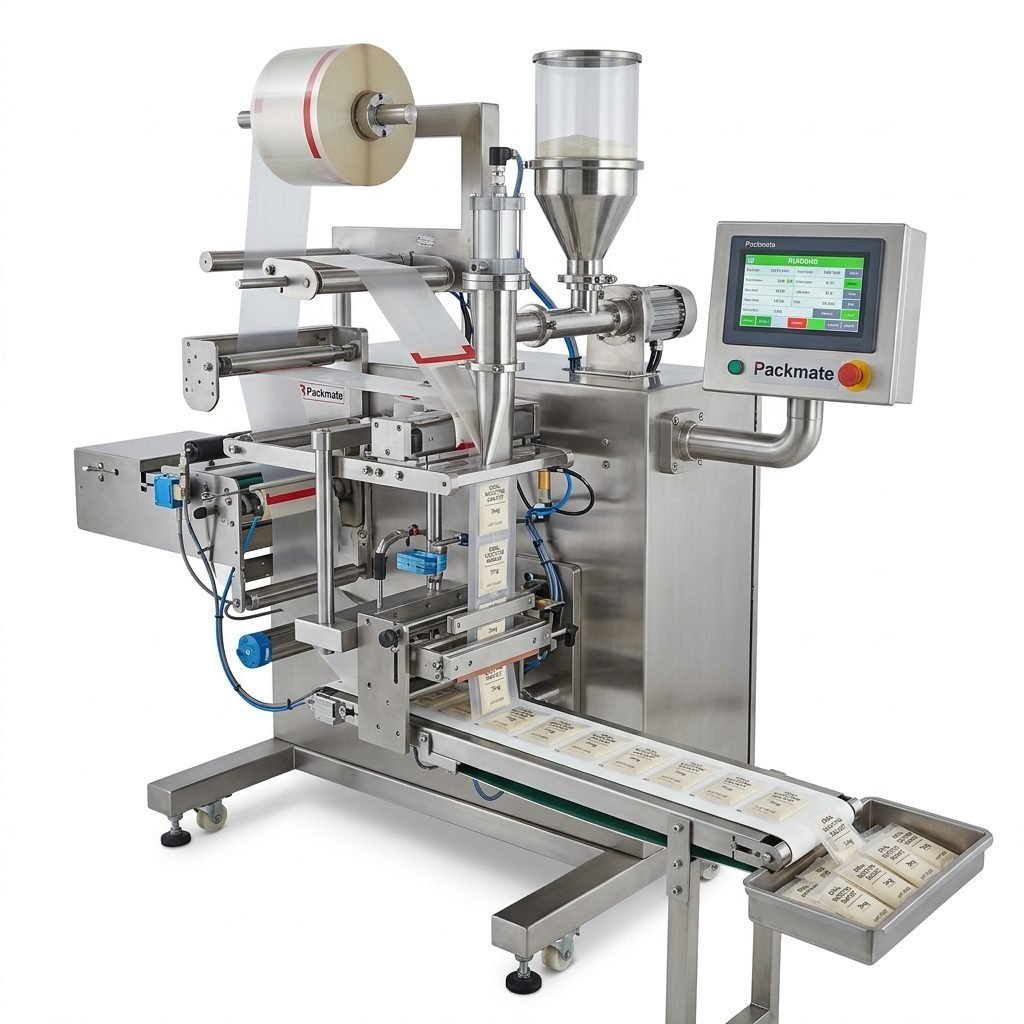
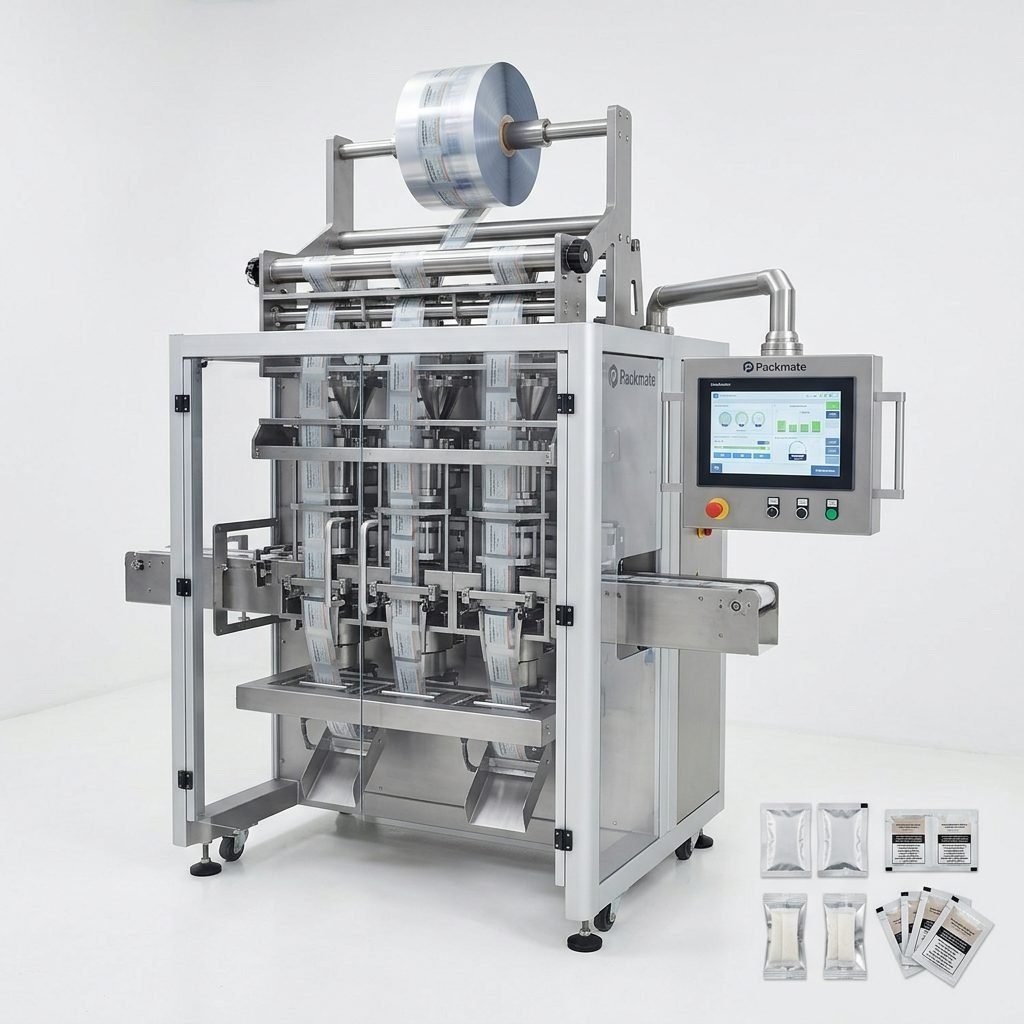
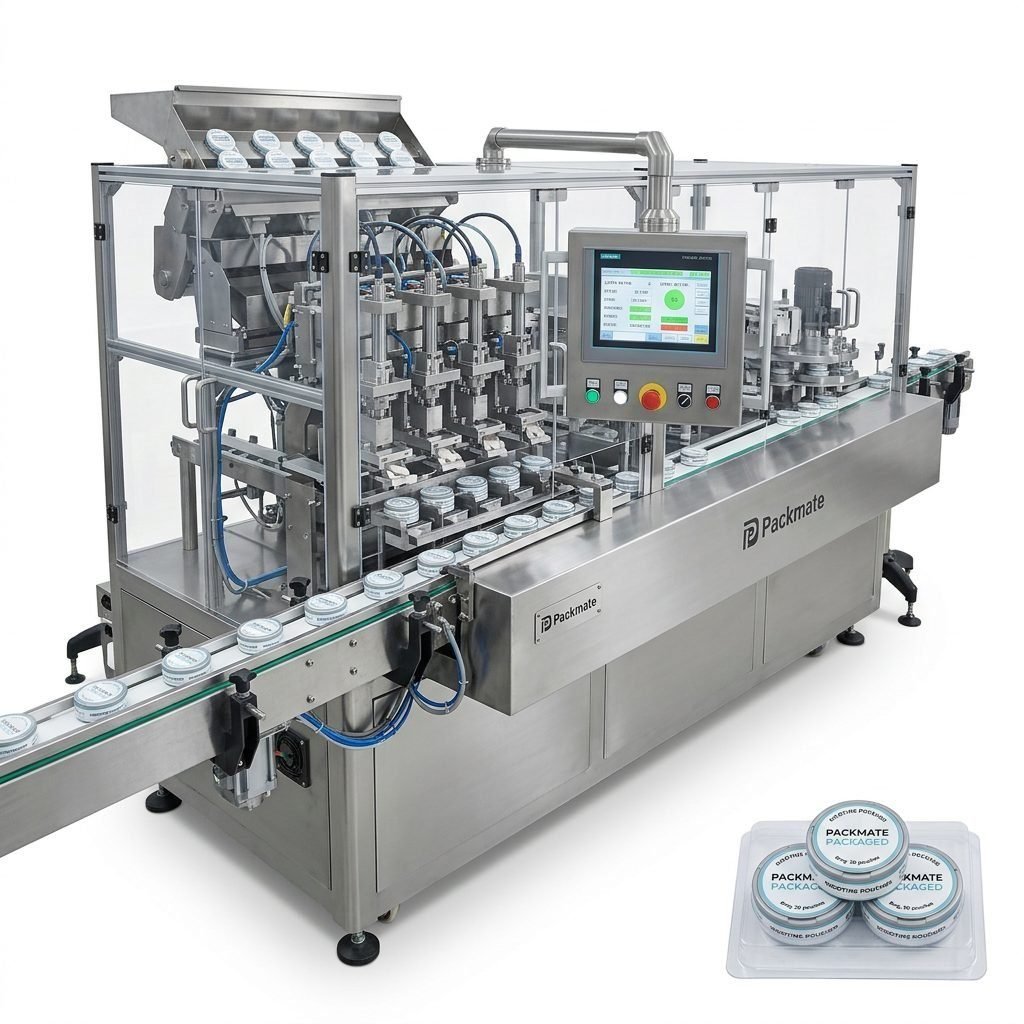
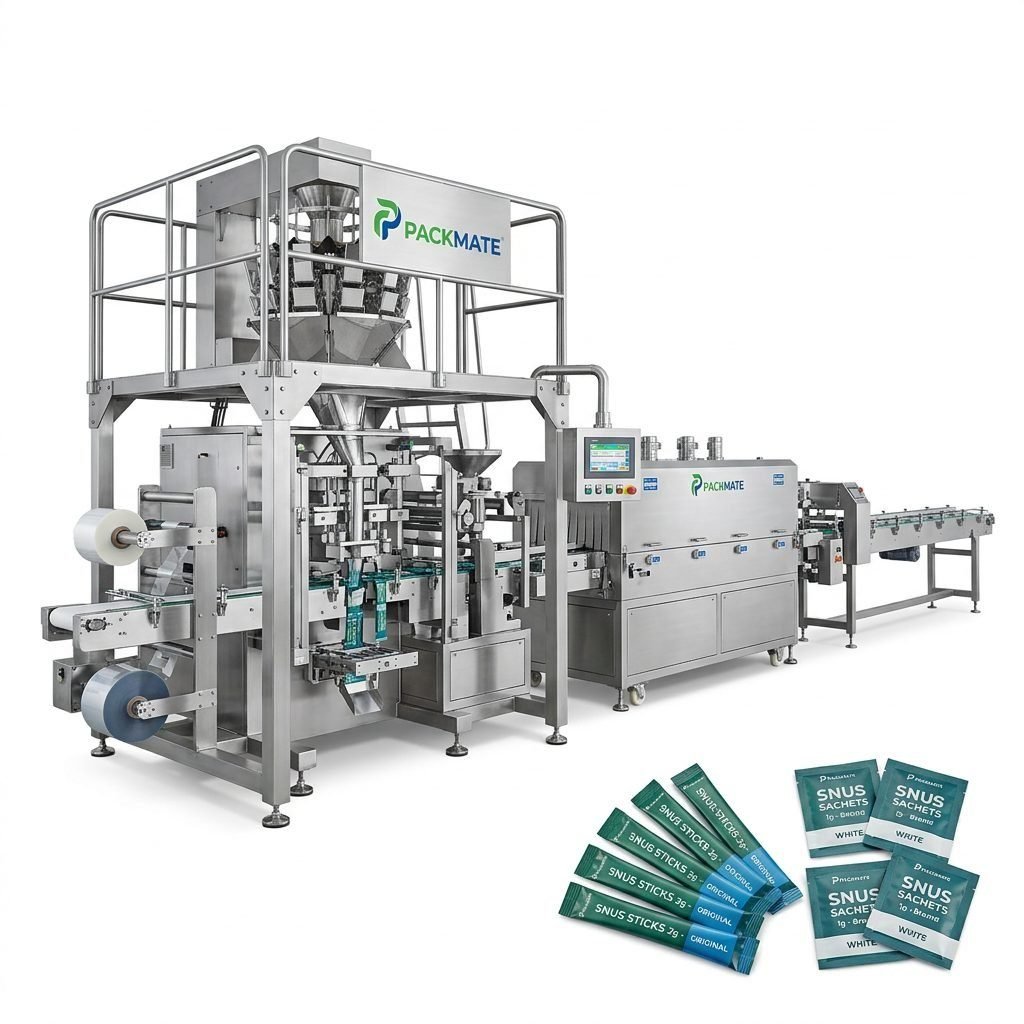
For example, suppliers like Packmate provide dedicated snus and nicotine packaging lines and a broad lineup of machines that can be explored on their product pages such as Snus & Nicotine Packaging Machines and Sachet & Stick Pack Machines.
Quality, Manufacturing Strength and Certifications
Strong manufacturing capabilities and recognized certifications are critical indicators of long-term reliability. Confirm the supplier operates with modern CNC centers, precise assembly lines, and maintains strict quality control. Certified equipment (CE, ISO) is necessary for sales and operation within the EU.
Must-check: Ask for copies of CE and ISO certificates, and request a factory tour (virtual or in-person). Suppliers with 20,000㎡ facilities and 30+ years of engineering experience are more likely to deliver consistent quality and spare parts continuity.
Inspect Performance Data and Case Studies
Request machine performance metrics such as output rates, uptime statistics, typical changeover times, and waste ratios. Case studies and customer references reveal how machines perform under real production conditions. Check examples of completed projects and exhibitions to validate claims.
Manufacturers often publish customer cases and exhibition participation; reviewing these pages helps you see live demos and real-world installations. For instance, review sample projects or history on suppliers’ pages such as Case and exhibitions at Our Exhibition.
After-Sales Service, Spare Parts and Local Support
After-sales service is often the deciding factor when selecting a supplier in Bulgaria. Quick availability of spare parts, remote diagnostics, and timely field engineers reduce downtime and protect your production schedule.
Questions to ask prospective suppliers:
🔸 Do they provide local stocking of critical spare parts or express shipping to Bulgaria?
🔸 What response time is guaranteed for service requests and how is remote troubleshooting handled?
🔸 Are operator and maintenance training services available on-site or online in English (and local languages if needed)?
Total Cost of Ownership vs. Initial Price
A low purchase price can be attractive, but total cost of ownership (TCO) includes spare parts, energy consumption, maintenance, changeover times, and potential production losses. Evaluate long-term costs and savings potential—higher initial investment in robust machines often yields lower operating cost and less downtime.
Include these elements when calculating TCO:
✅ Energy efficiency and consumption data.
✅ Mean time between failures (MTBF) and recommended preventive maintenance.
✅ Consumables cost and availability (seals, blades, filling nozzles).
✅ Expected lifespan and depreciation.
Negotiation tip: Ask suppliers for a three-year service plan and include spare-part packages in your quotation so the TCO comparison is apples-to-apples.
Customization, Scalability and Turnkey Solutions
Your growth plans should influence your choice. If you expect product line expansion or export to new markets, choose a supplier that provides modular machines, multi-lane scalability, and turnkey lines that integrate weighing, filling, and packaging seamlessly.
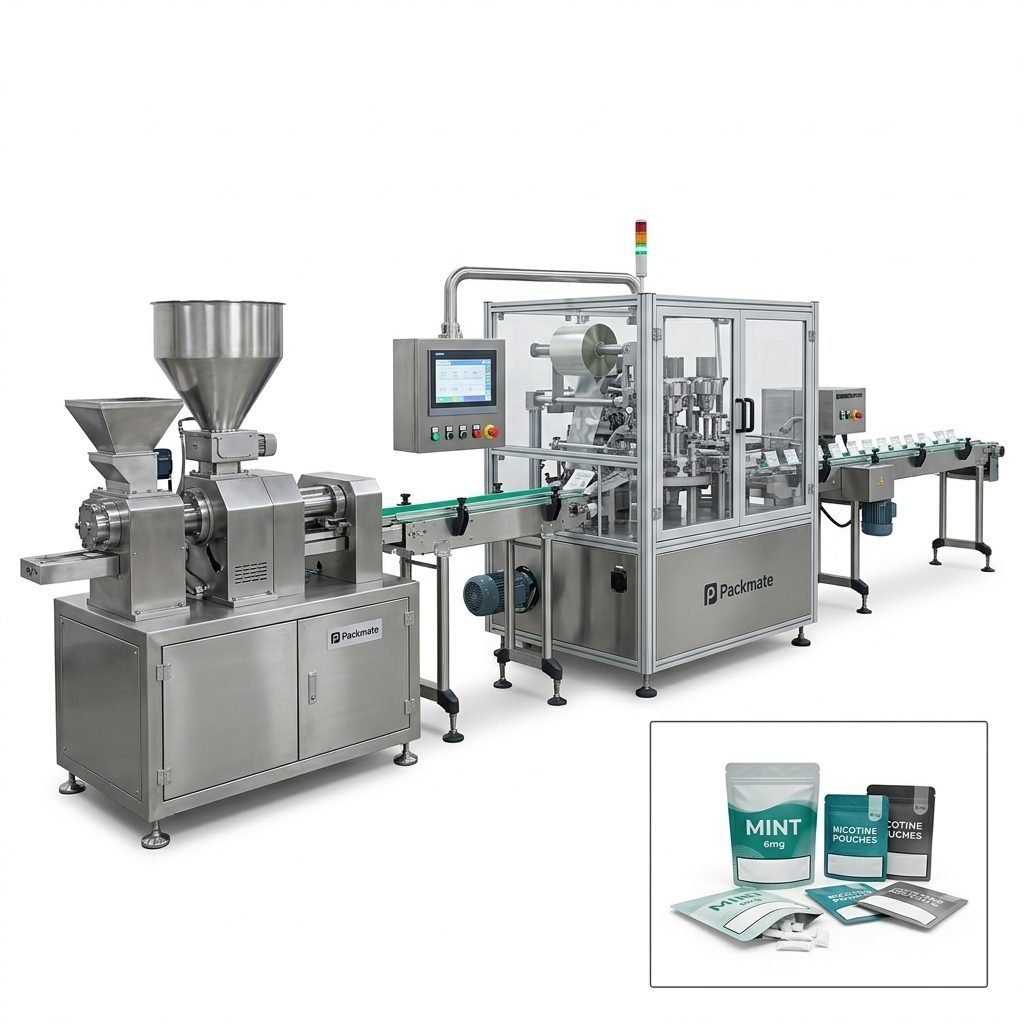
Some suppliers specialize in end-to-end production lines and can customize equipment to specific pouch sizes, materials, and hygiene standards. Explore options such as integrated Weighing & Packaging Systems and Filling & Packaging Lines if you need a full solution.
Factory Acceptance Test (FAT) and Site Acceptance Test (SAT)
A credible supplier will offer a Factory Acceptance Test (FAT) before shipment and a Site Acceptance Test (SAT) after installation. These tests verify machine performance using your product samples and confirm that the line meets agreed output and quality metrics.
During FAT/SAT make sure to:
🔸 Provide your product samples for realistic testing.
🔸 Specify acceptance criteria for weight accuracy, sealing quality, and throughput.
🔸 Record data and sign off on test results to avoid disputes later.
Contracts, Warranties and Delivery Terms
Clarify contract terms including delivery timelines, payment schedules, warranty coverage, and liability clauses. A balanced contract mitigates risks for both buyer and seller.
Essential contract items:
✅ Lead time and penalties for late delivery.
✅ Warranty length and scope, including labor and parts.
✅ Payment milestones tied to FAT and shipment.
✅ Shipping terms (INCOTERMS), customs support, and installation responsibilities.
Consider Cultural Fit and Long-Term Partnership Potential
A successful supplier relationship extends beyond the sale. Evaluate cultural fit: responsiveness, transparency, technical communication, and willingness to provide training or co-develop solutions. Bulgarian businesses often prefer long-term partners who can grow alongside them.
Quick checklist: factory visits, customer references, FAT records, spare parts lead time, and warranty terms. Suppliers that allow a transparent inspection and provide verifiable references are usually safer choices.
How to Run Supplier Comparisons Efficiently
Create a scoring matrix and rate suppliers on technical fit, certifications, price, TCO, service, delivery, and cultural fit. Weight categories according to your priorities (for example, if regulatory compliance is critical, assign it a high weight).
Use these columns in your matrix:
• Technical match and customization
• Certifications and factory capabilities
• TCO and energy efficiency
• After-sales and spare parts availability
• References, case studies and FAT evidence
• Delivery time and contract terms
Practical Steps to Finalize Your Supplier
1. Shortlist 2–4 suppliers based on initial evaluations.
2. Request formal quotations including machine specs, lead time, and warranty.
3. Schedule FAT with product samples and request demonstration videos if an in-person visit is not possible.
4. Check references and visit a live installation where feasible.
5. Negotiate contract terms, secure a clear installation and training plan, and confirm acceptance criteria.
If you need more detailed product information or want to speak directly with a manufacturer experienced in snus packaging lines, see the supplier’s company overview such as About Packmate or reach out via their Contact Us page for tailored advice and quotations.
Final Considerations for Bulgaria
Because Bulgaria is within the EU, emphasize compliance, spare parts logistics, and compatibility with EU safety standards. Consider energy-efficient machines to reduce operating costs and prefer suppliers who provide clear documentation in English and, where possible, Bulgarian. Local customs value timely communications—select a partner who responds promptly and offers realistic delivery commitments.
Frequently Asked Questions
Q1: What certifications should a snus packaging machine have for use in Bulgaria and the EU?
A1: Machines should carry CE marking and ideally the manufacturer should follow ISO quality standards. Documentation for electrical safety, EMC compliance, and material food-contact certifications (if applicable) should be provided.
Q2: How important is a Factory Acceptance Test (FAT)?
A2: FAT is essential. It verifies that the machine meets the agreed specifications with your product and prevents disputes after shipment. Always insist on FAT data or a live demonstration using your samples.
Q3: What should I look for in after-sales support from a supplier?
A3: Fast spare parts delivery, remote diagnostics, on-site service options, and training for operators and maintenance staff. A documented service-level agreement improves predictability.
Q4: Can suppliers integrate weighing and filling systems into a snus packaging line?
A4: Yes, many experienced manufacturers provide integrated solutions including weighing, filling, multi-lane packaging, and end-of-line equipment. Check product modules such as weighing & packaging systems and filling lines for turnkey integration.
Q5: How do I compare total cost of ownership between suppliers?
A5: Compare initial price plus projected maintenance, spare parts, energy consumption, and expected downtime costs. Request a three-year or five-year cost estimate and service plan to make an informed comparison.