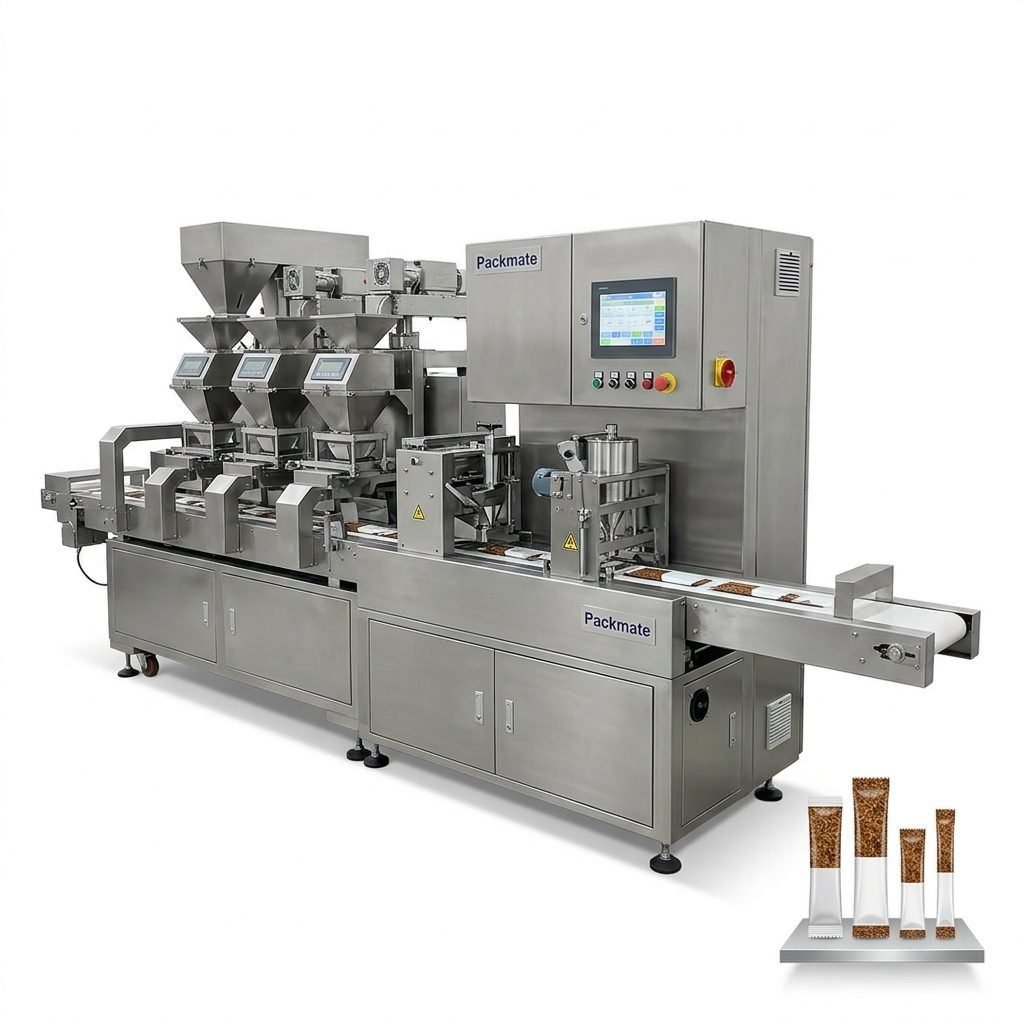
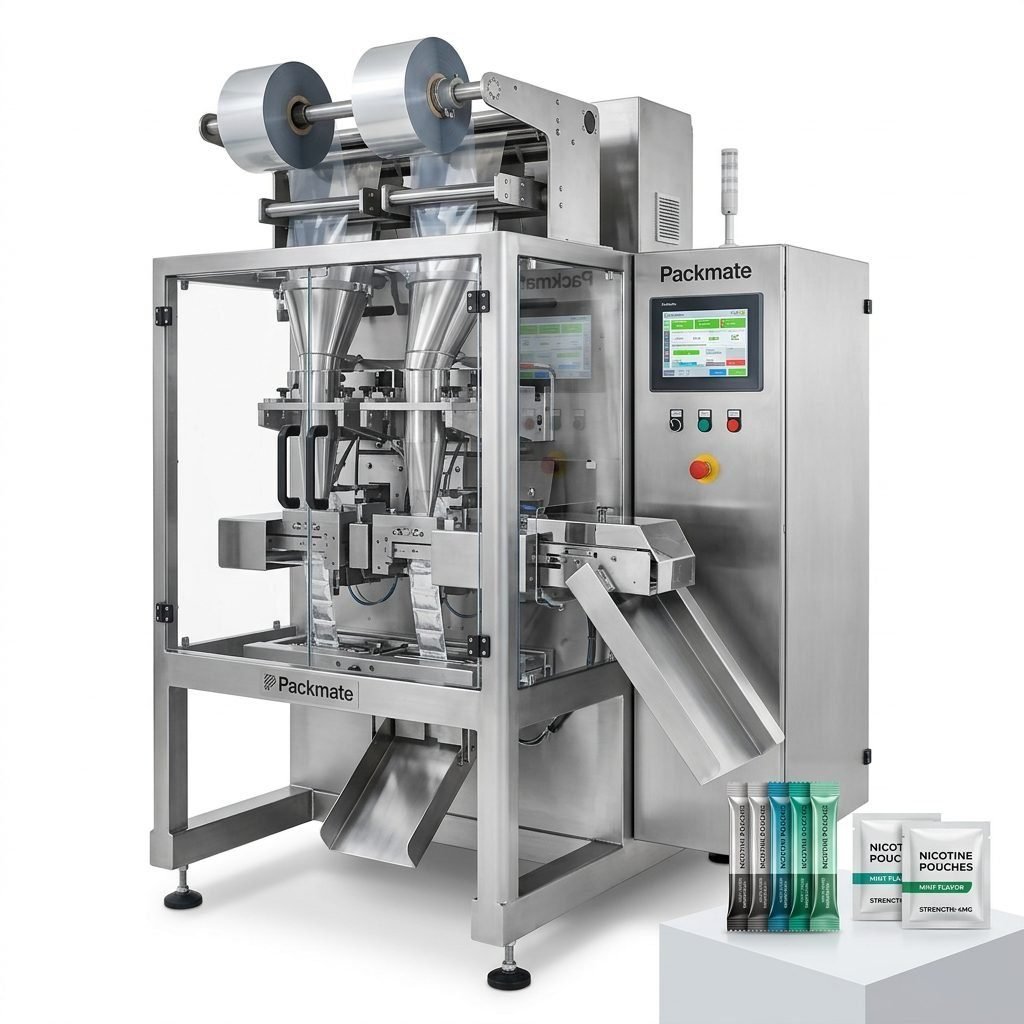
Producing consistent, high-quality snus and nicotine pouches requires a combination of precise machinery, tightly controlled filling systems, and smart automation. This guide walks production managers, engineers, and packaging buyers through the full landscape of pouch production equipment — from individual pouch forming machines and filling heads to multi‑lane automated lines and auxiliary devices that ensure throughput, hygiene, and regulatory compliance.
Overview: What Defines a Modern Snus Pouch Production Line ⚙️
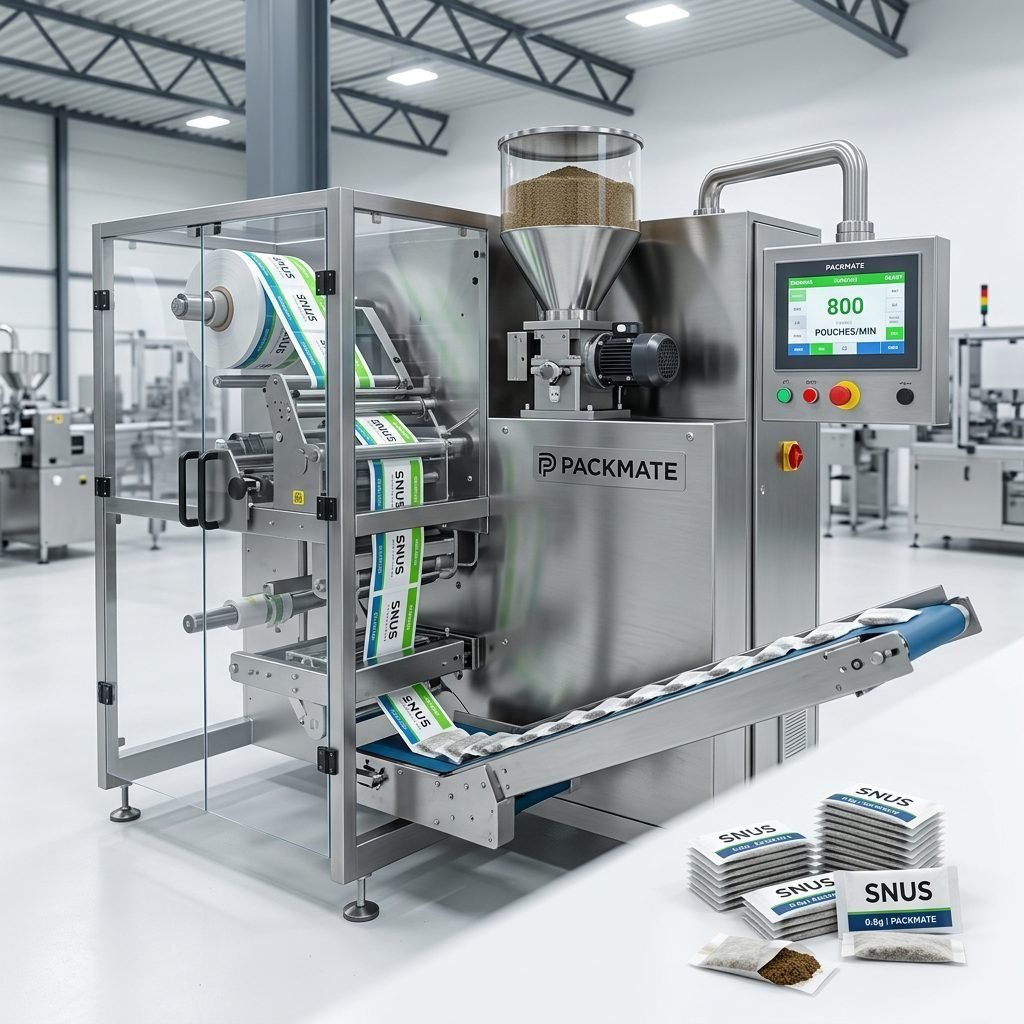
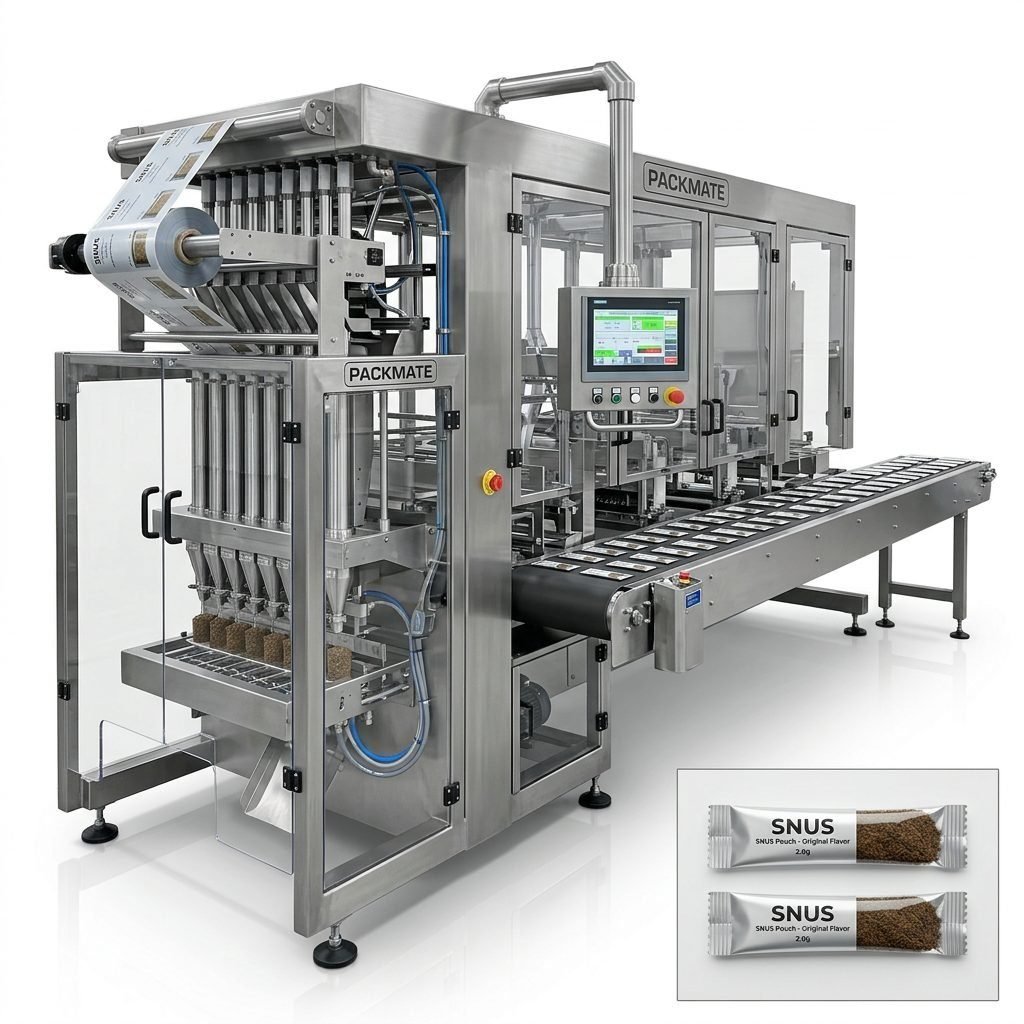
A modern snus pouch production line is more than a pouch maker. It is a coordinated system that forms pouches, fills precise doses, seals, inspects, and packs finished units into retail-ready formats. Typical components include pouch forming machines, dosing/filling systems, sealing modules, automatic conveyors, metal detectors, and final packing stations. For nicotine pouches, consistency in dose weight, moisture control, and pouch integrity are the top priorities.
- High dosing accuracy (±1–3% depending on product)
- Consistent pouch weight and seal strength
- Sanitary design for easy cleaning and low contamination risk
- Scalable lanes for higher throughput
- Integrated quality inspection and traceability
Core Machines and Their Functions
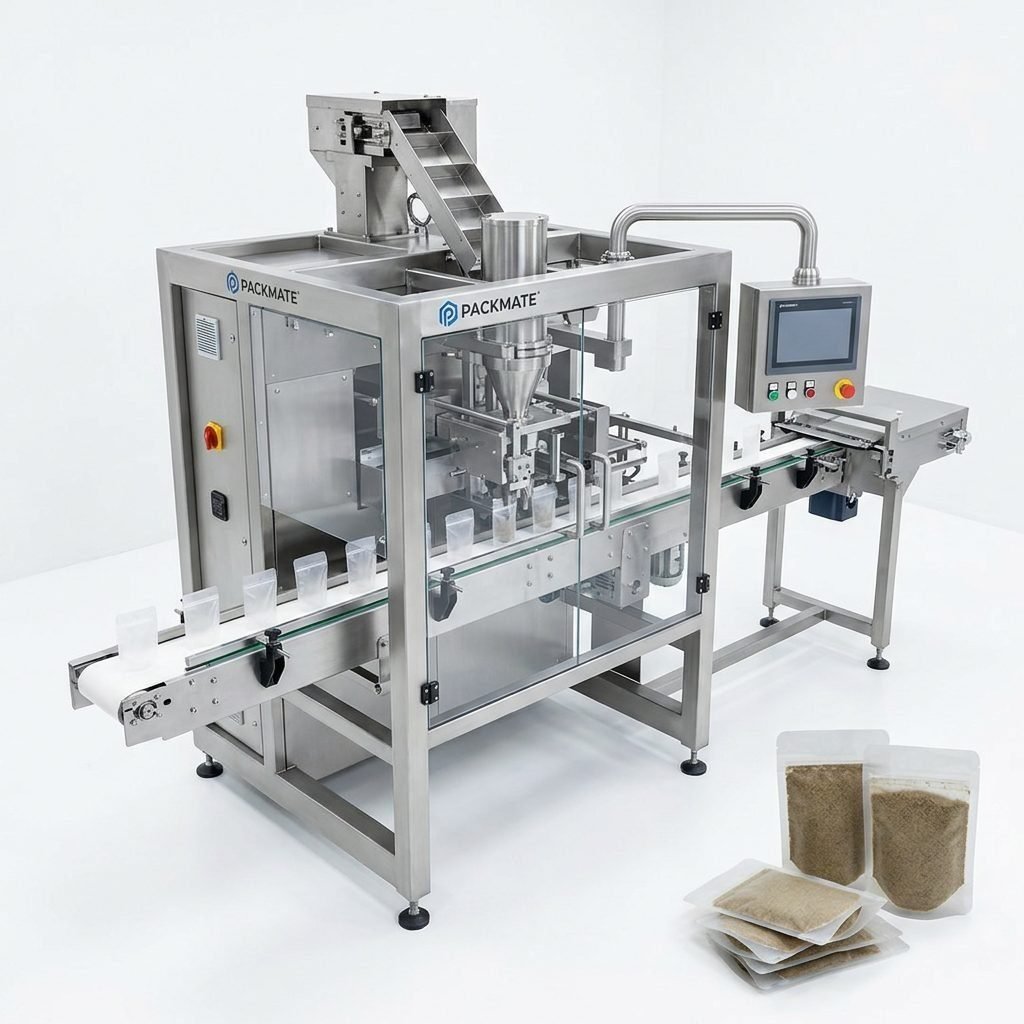
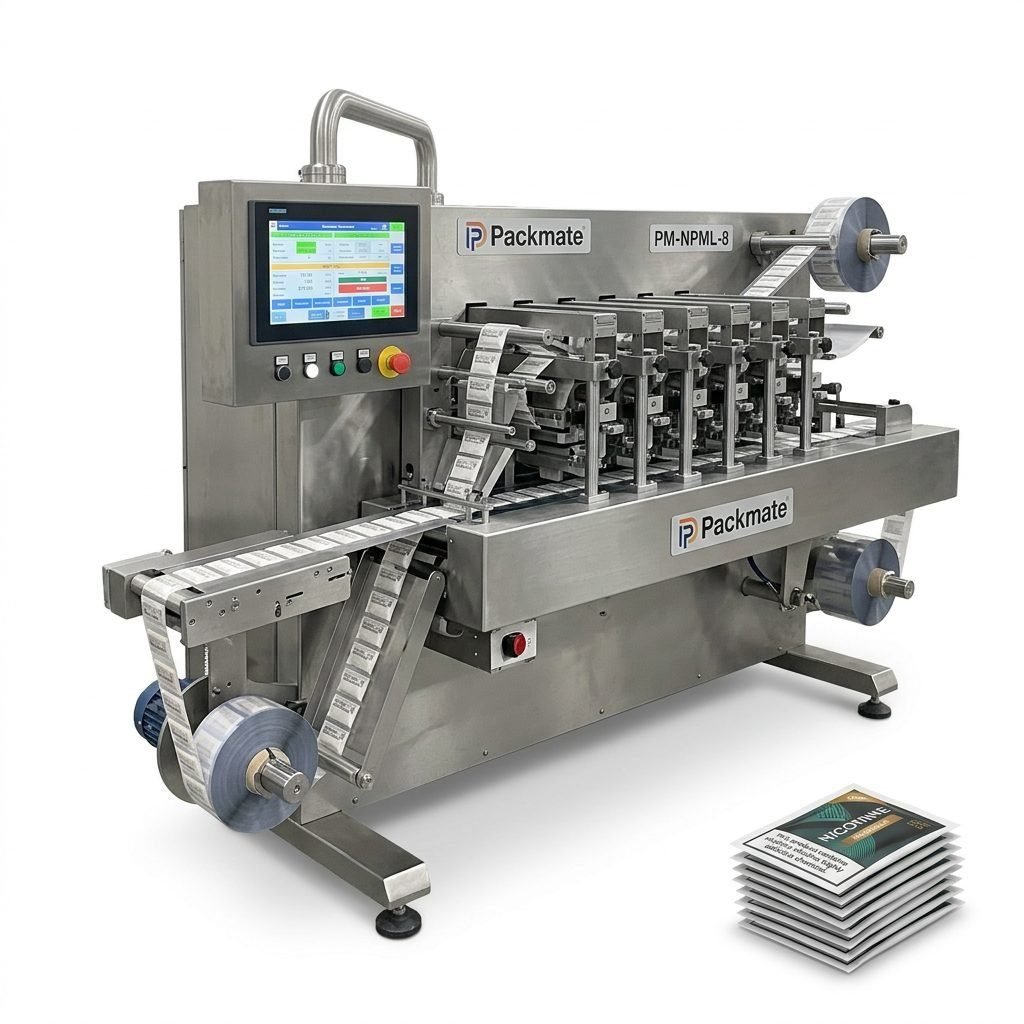
Below are the primary machine categories you will encounter when planning a snus pouch line. Many manufacturers — like Packmate — supply modular systems that can be combined into turnkey lines.
1. Pouch Forming Machines
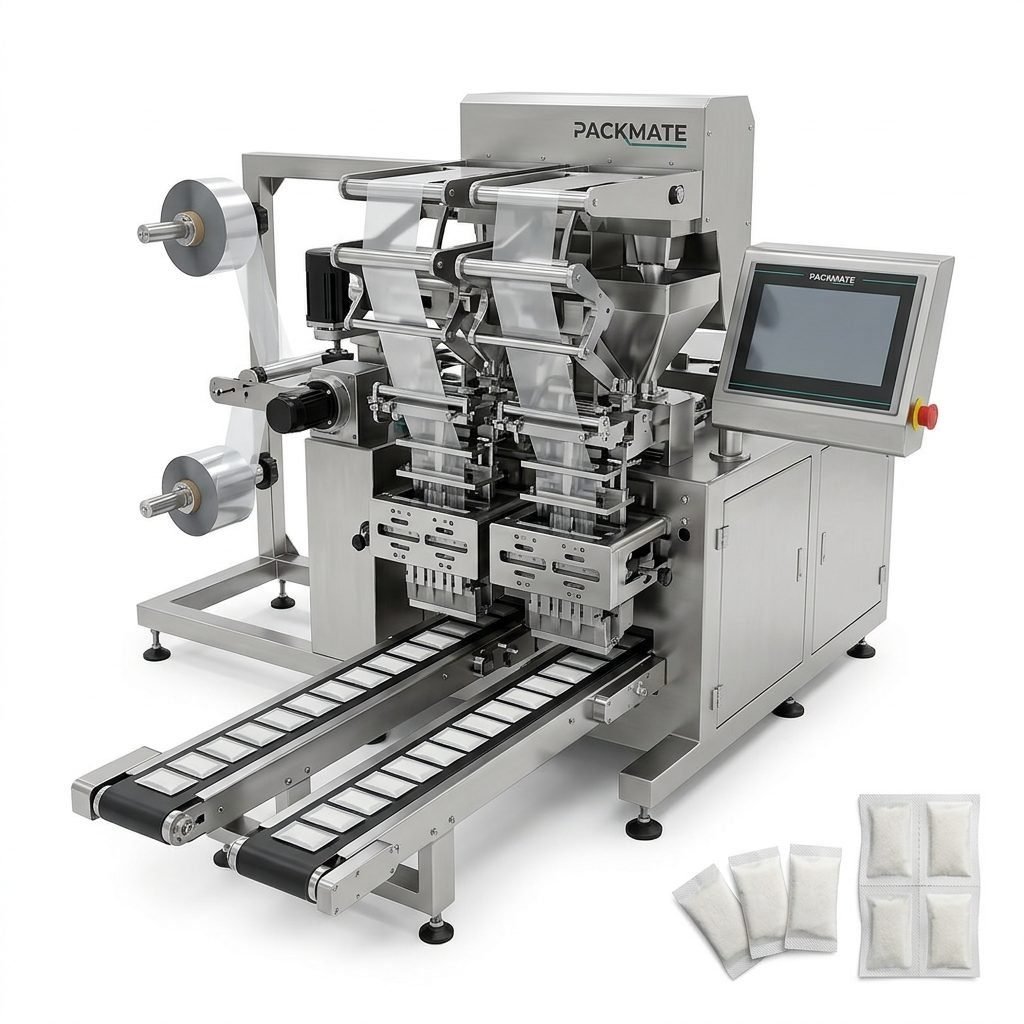
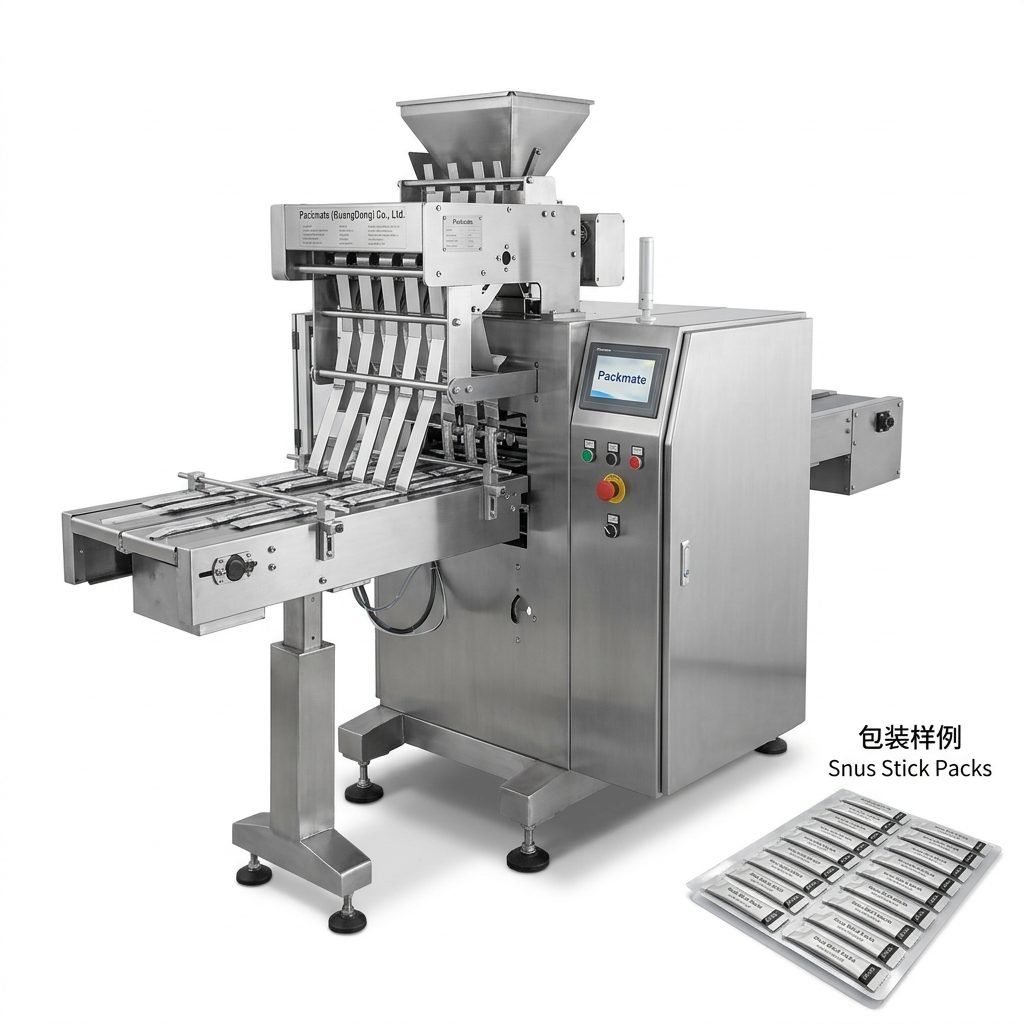
Pouch forming machines create the outer envelope that becomes the pouch. For snus pouches, options include pre-made pouch feeding (for sachets) or forming from roll film into sealed pockets. Multi-lane forming stations allow parallel production of several pouches per stroke, increasing throughput without sacrificing precision.
2. Filling & Dosing Systems
Accurate weighing and dosing are critical. Systems range from auger/volumetric fillers for powders and blends to gravity or positive-displacement fillers for moist tobacco or paste-like nicotine blends. Integrated weighing modules provide in-line checks to keep dose variance within specification.
3. Sealing & Cutting Modules
Heat-seal bars, ultrasonic sealing, and precision cutting tools ensure pouches are hermetic and uniform. For flavored or moisture-sensitive pouches, hermetic seals preserve shelf life and product performance.
Advanced Automation: Multi‑Lane & End‑of‑Line Integration
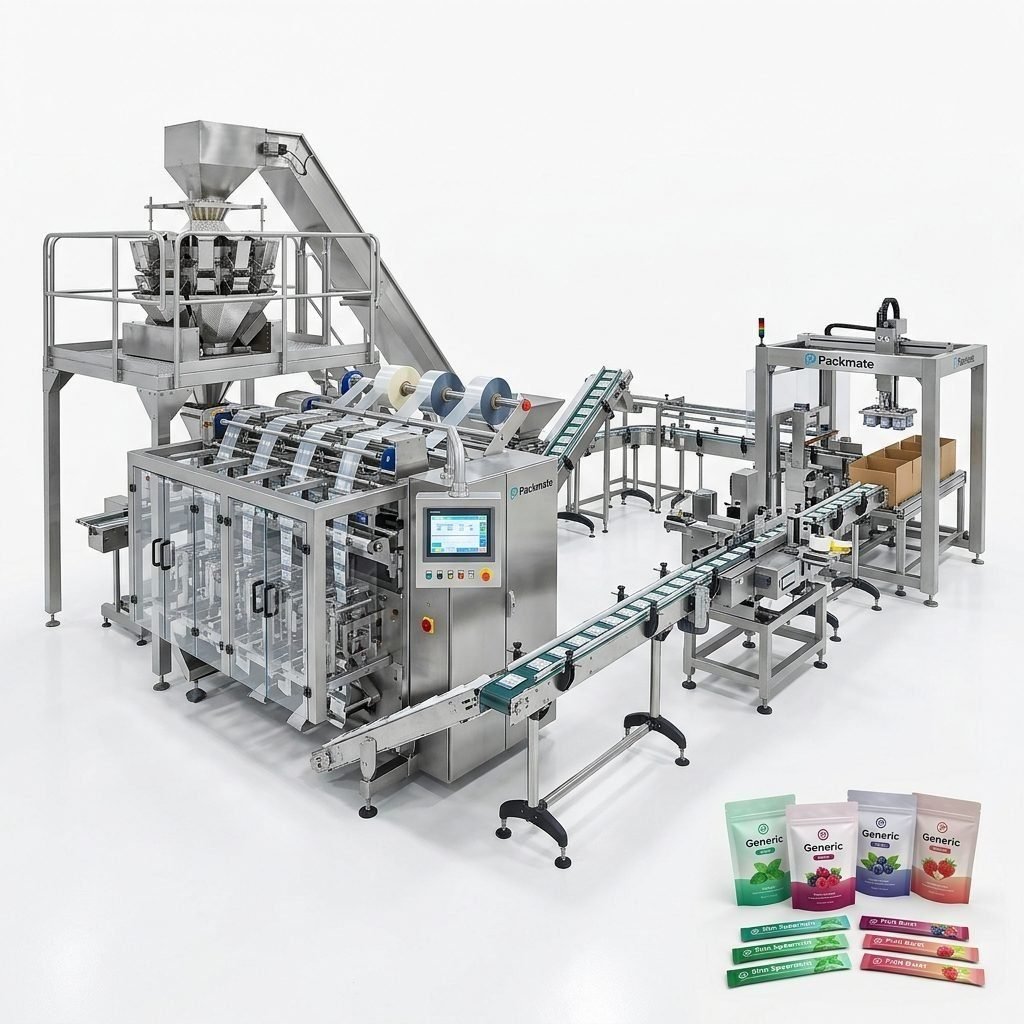
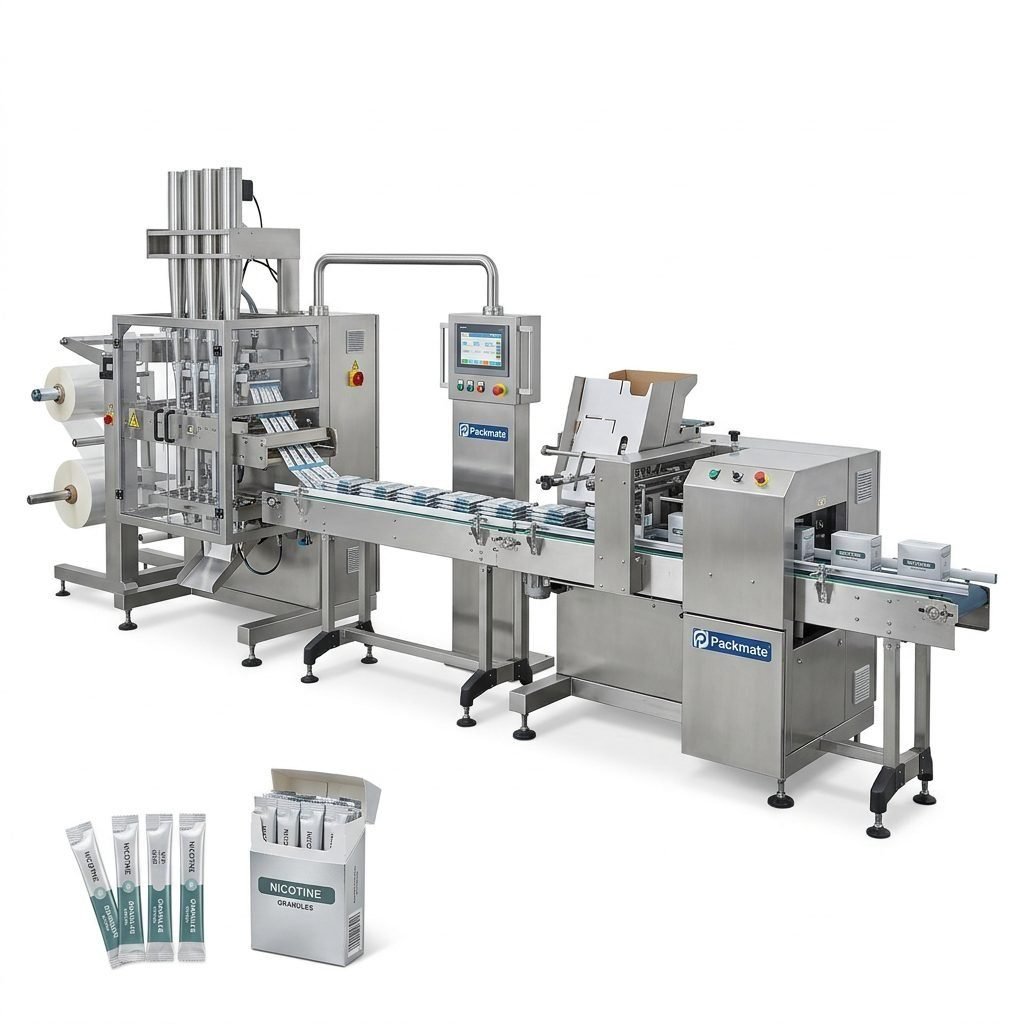
To meet rising demand and lower per-unit costs, manufacturers adopt multi-lane systems and automated downstream equipment. Multi-lane pouchers multiply output while centralized dosing keeps accuracy high. End-of-line automation — case erectors, cartoners, and palletizers — reduces manual handling and speeds packaging.
- Consistent output and lower labor variance
- Faster changeovers with recipe-based controls
- Improved traceability with barcode/labeling modules
- Reduced product exposure and contamination risk
Design Considerations for Snus & Nicotine Pouches
When evaluating machinery, consider material compatibility, dosing range, pouch style (round, oval, sachet), and regulatory requirements. Hygienic materials (stainless steel, sanitary finishes) and CIP-ready designs simplify cleaning. If your product includes flavor oils or high-moisture blends, ensure seals and film laminates are compatible to avoid migration or leakage.
Materials & Films
Film selection affects barrier properties, sealability, and appearance. Multi-layer laminates with oxygen and moisture barriers are common. Work with suppliers to validate seal parameters and select films that match your sealing technology.
Quality Control, Inspection & Compliance ✅
Inline inspection systems are essential. Typical QC devices integrated into lines include:
- Checkweighers for dose verification
- Vision systems to detect seal defects, misprints, and missing pouches
- Metal detectors and X-ray units for foreign body detection
- Moisture sensors and in-line humidity control
Auxiliary Equipment & Support Systems
A complete production line includes auxiliary systems such as feeders, vibrating conveyors, product conditioning tanks, and dust control. For highly hygroscopic ingredients, temperature and humidity control around dosing hoppers is critical to maintain flowability and accuracy.
Selecting the Right Supplier: What to Ask
Choosing a machine supplier is as important as the machine itself. Key questions:
- Does the supplier provide turnkey line design and project management?
- Can they deliver FAT/SAT testing and commissioning support?
- Are spare parts, training, and long-term service available globally?
- Do they have references or case studies for snus/nicotine pouch lines?
Packmate Snus Machine, for example, offers multi‑lane systems and turnkey solutions with over 30 years of engineering experience and a 20,000㎡ manufacturing facility. Explore product ranges such as Snus & Nicotine Packaging Machines and Filling & Packaging Lines for integrated solutions.
Layout, Commissioning & Installation Tips
Proper factory layout and planning reduce ramp-up time. Consider building a simulation floor plan with clear zones for raw material handling, production, QC, and finished goods. During commissioning:
- Perform FAT (Factory Acceptance Test) to validate targets before shipment
- Use standardized mechanical and electrical documentation
- Train operators and maintenance staff during SAT (Site Acceptance Test)
- Validate cleaning procedures and changeover times
Maintenance, Spare Parts and After‑Sales Service
Preventive maintenance programs are essential for uptime. A robust support agreement should include scheduled inspections, recommended spare parts kits, and remote troubleshooting capabilities. Verify that the supplier stocks critical wear parts and offers global shipping.
Case Examples & Performance Metrics
Successful lines balance speed with accuracy. Typical metrics to monitor:
- Throughput (pouches/minute per lane)
- Filled weight variance and rejection rate
- Downtime percentage (planned vs unplanned)
- Changeover time between formats
Read real-world applications and customer stories on the supplier’s site, for instance the Case pages which often detail line configurations and achieved KPIs.
Costing & ROI Considerations
While capital investment in high‑precision multi‑lane equipment is significant, ROI is realized through labor savings, consistent yield, lower reject rates, and increased throughput. When evaluating total cost of ownership, include:
- Installation and commissioning costs
- Training and documentation
- Spare parts and consumables
- Service contracts and remote support
Why Choose an Experienced Manufacturer?
Experience matters for niche products like snus. A supplier with decades in packaging machinery understands nuance — from material handling quirks to regulatory expectations. Packmate’s history, extensive machine catalog, and international certifications (CE, ISO) exemplify the kind of capabilities that reduce risk and accelerate production readiness. Learn more About Packmate.
Preparing Your Team & Facility
Operational readiness is as important as equipment. Train operators on GMP, product handling, and machine safety. Arrange utility provisioning — compressed air, stabilized power supply, and drainage — before equipment arrival to avoid delays.
Final Checklist Before Purchase
Use this checklist to minimize surprises:
- Completed FAT report and performance guarantees
- Clear spare parts list and service SLAs
- Training plan and operator manuals in your language
- Validation documentation for regulatory needs
- References and on-site customer visits if possible
For specific configurations — such as multi-lane sachet lines, stick packs, or specialized filling systems — review product categories and technical brochures like Bag & Pouch Packaging Machines and Weighing & Packaging Systems.
Getting Started: Next Steps
Begin with a process audit: define product specifications, expected throughput, and regulatory requirements. Request a tailored line proposal and a layout drawing. Confirm lead times, installation plan, and warranty terms. For procurement assistance or to request a quote, contact the supplier’s sales and service team via their Contact Us page.
Frequently Asked Questions (FAQs)
Q1: What throughput can I expect from a multi‑lane snus pouch line?
Throughput depends on lane count, pouch format, and dosing speed. Single-lane machines may run dozens of pouches per minute; 4–8 lane systems can multiply output accordingly. Suppliers provide expected pouches/minute per lane under defined product conditions.
Q2: How do I ensure dosing accuracy for small-dose nicotine pouches?
Use high-precision dosing (volumetric or auger with feedback), integrated checkweighers, and stable product conditioning (temperature/moisture control). Regular calibration and preventive maintenance keep variance low.
Q3: What hygiene and cleaning features should I look for?
Look for stainless steel contact surfaces, tool-less disassembly for quick cleaning, sealed motors away from product zones, and CIP-compatible hopper designs. Clear access to potential contamination points speeds sanitation.
Q4: Can the same line handle different pouch shapes and sizes?
Many modern machines offer format change kits and recipe-based controls to switch between sizes and shapes. Confirm changeover times and whether tool changes are manual or quick-change automated options.
Q5: How do I get pricing and lead time information?
Request a formal quote from suppliers with product specs, desired throughput, and optional auxiliary equipment. For Packmate product lines and service options, see their Service and Catalog.