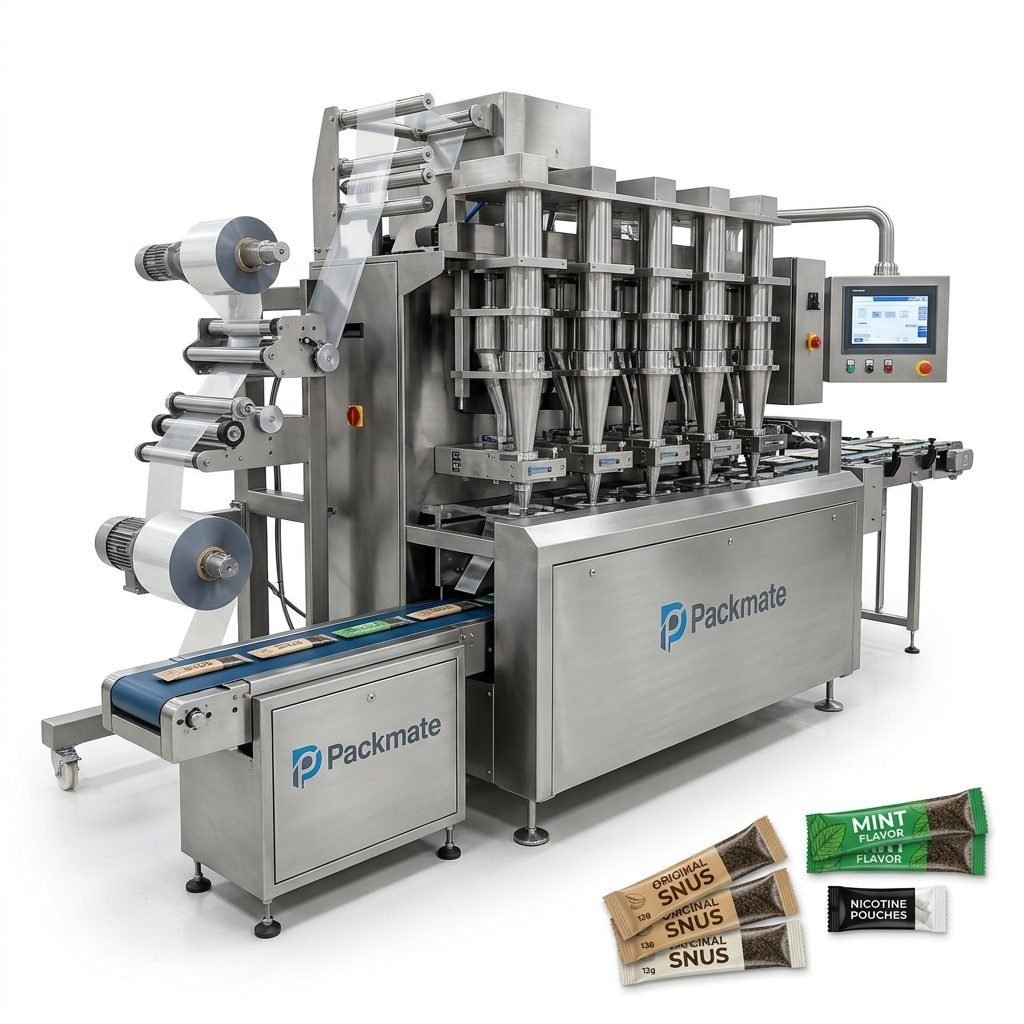
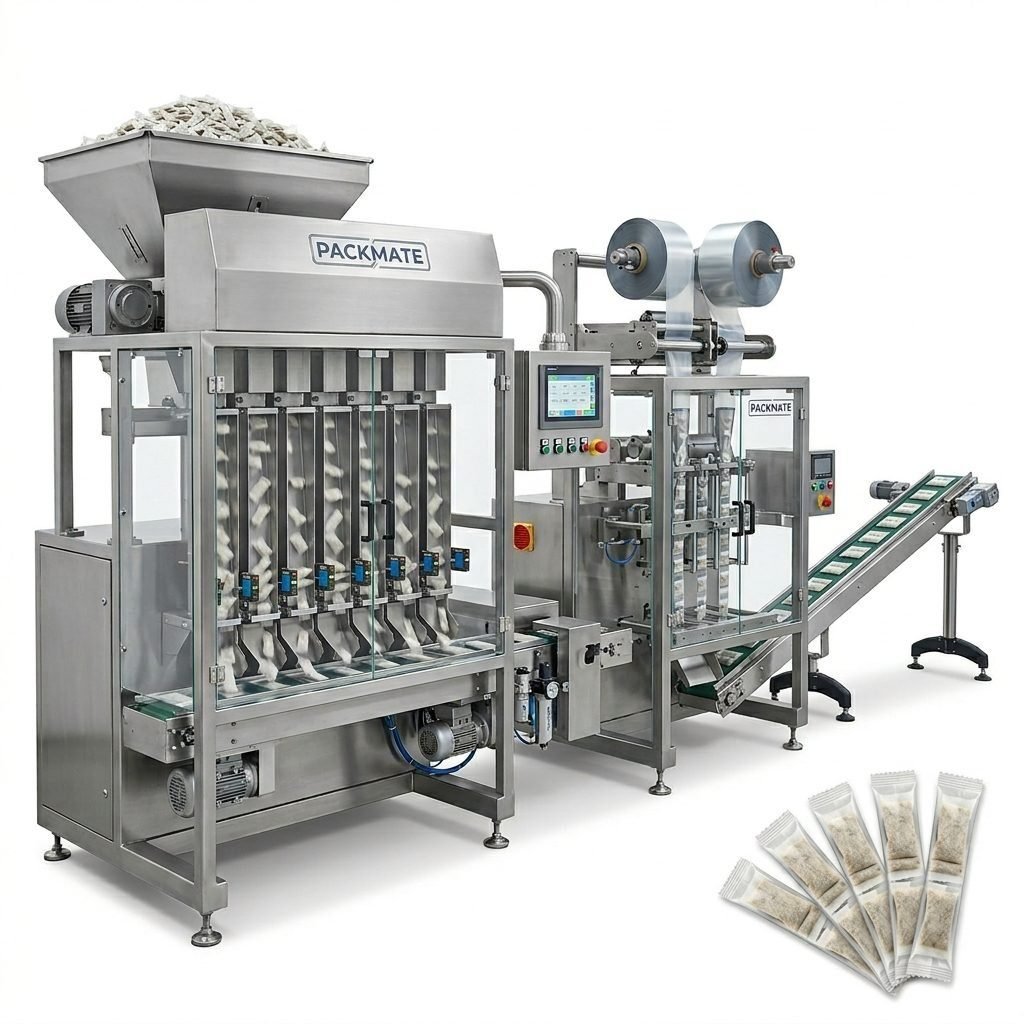
Choosing the right snus packaging machinery supplier in Sri Lanka is more than a purchasing decision — it is a strategic step that affects product quality, regulatory compliance, and long-term profitability. Whether you are a local tobacco entrepreneur, an importer of nicotine pouches, or a contract packer expanding services for South Asian markets, this guide walks you through practical criteria, local considerations, and an actionable checklist to help you select a supplier who delivers reliable machines, robust service, and a competitive return on investment.
Understanding the Sri Lankan Market & Local Needs
Sri Lanka has unique consumer habits, regulatory frameworks, and distribution channels. Many local users favour single-portion formats and discreet packaging due to cultural preferences and public usage patterns. As a supplier, you must ensure machines can produce formats popular in Sri Lanka — small sachets, stick packs, and multi-lane pouches — with consistent weight and sealing quality.
Key local considerations: import lead times, after-sales technical support in the region, spare parts availability, and machines optimized for humid tropical conditions.
Why machine choice matters for Sri Lankan customers
In Sri Lanka, retail environments vary from modern supermarkets to small kiosks. Packaging aesthetics, durability against humidity, and consistent dosing are critical to retaining consumer trust. Additionally, customs and import duties can affect total landed cost — a reliable supplier can help with documentation and local compliance to avoid costly delays.
Top Criteria to Evaluate a Snus Packaging Machinery Supplier
1. Proven Industry Experience
Look for suppliers with decades of practical engineering experience in snus and nicotine pouch machinery. Manufacturers with long-term track records not only deliver stable performance but also iterate on design to reduce downtime and maintenance. Packmate’s 30+ years of engineering background is an example of the kind of experience that matters.
2. Product Range & Customization
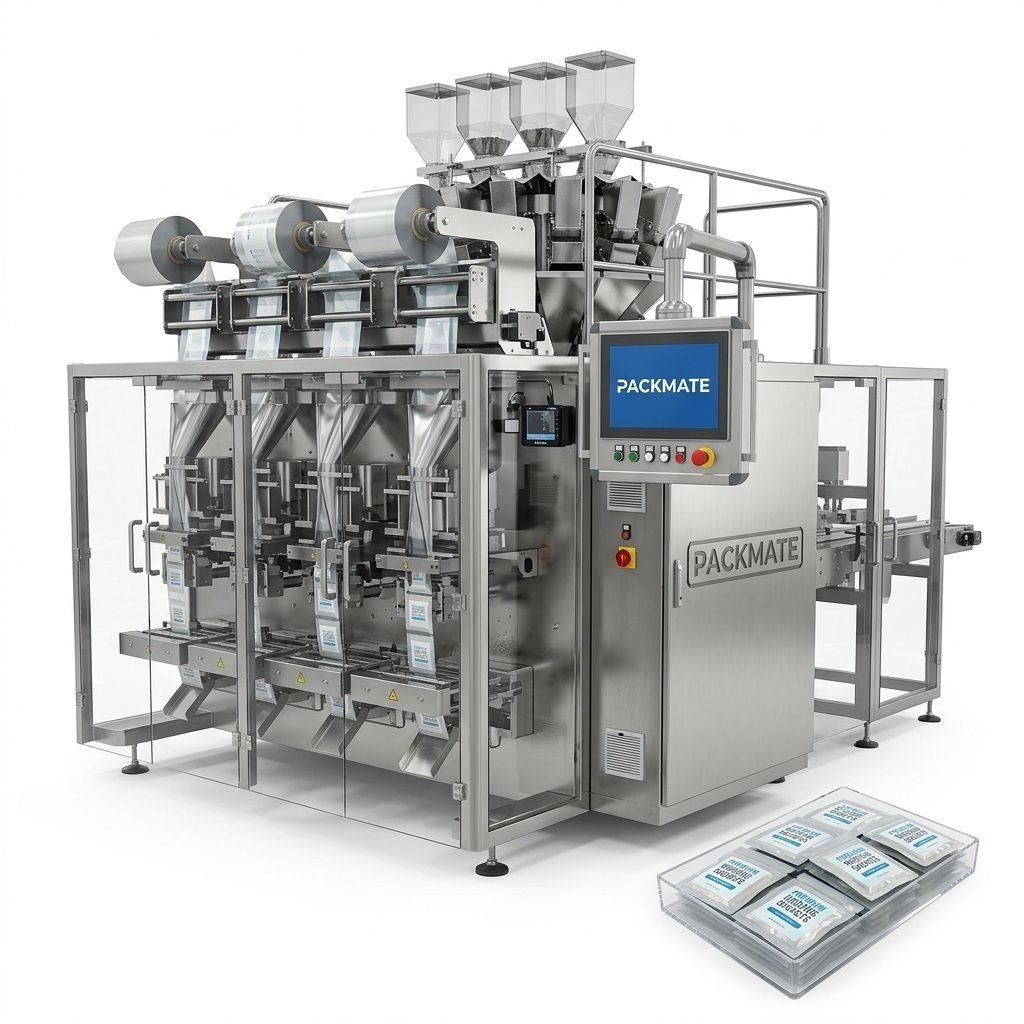
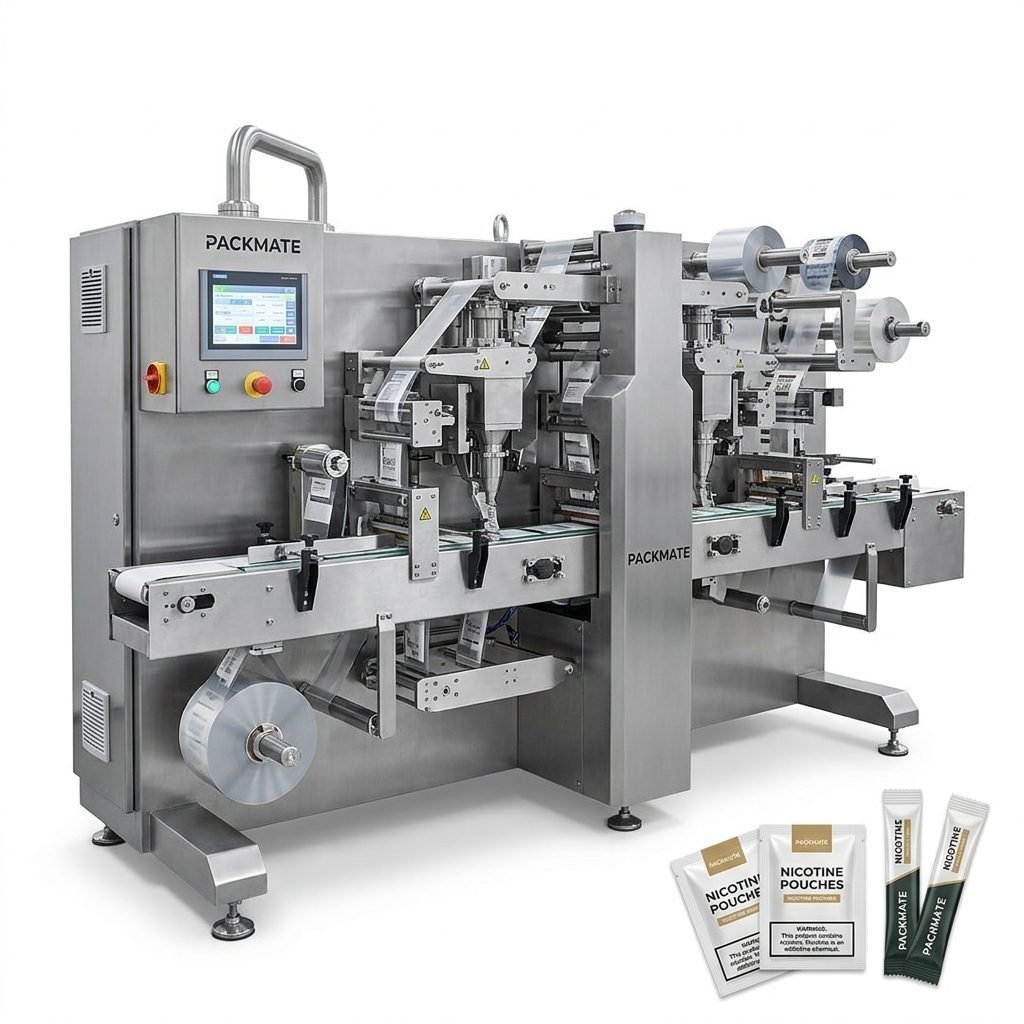
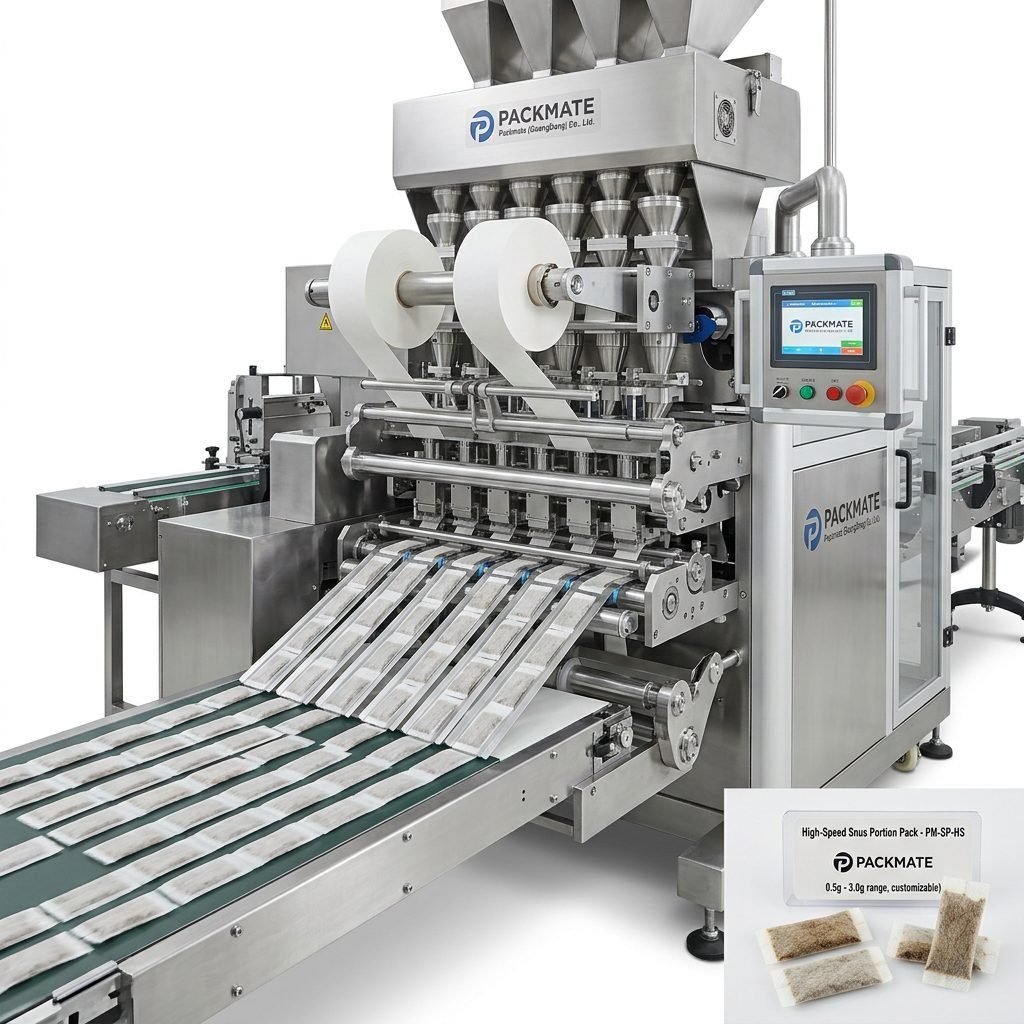
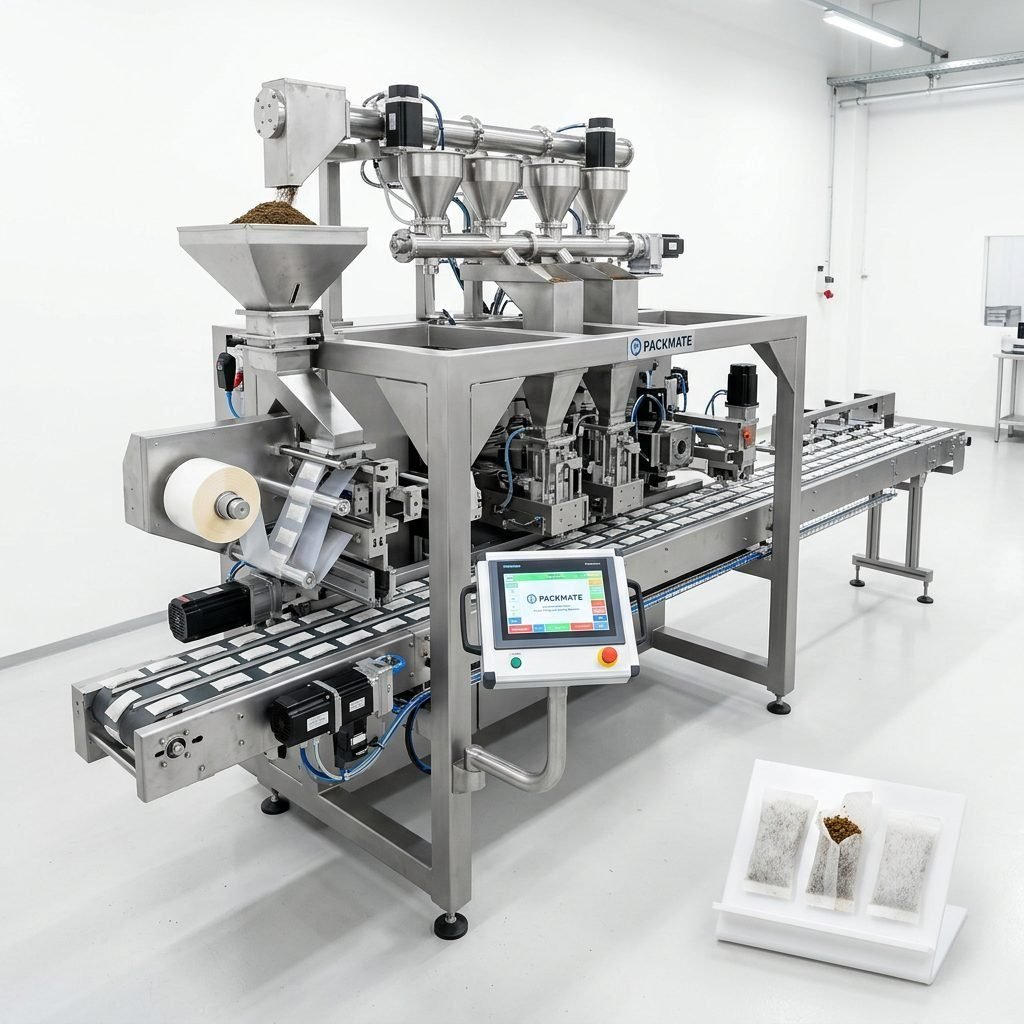
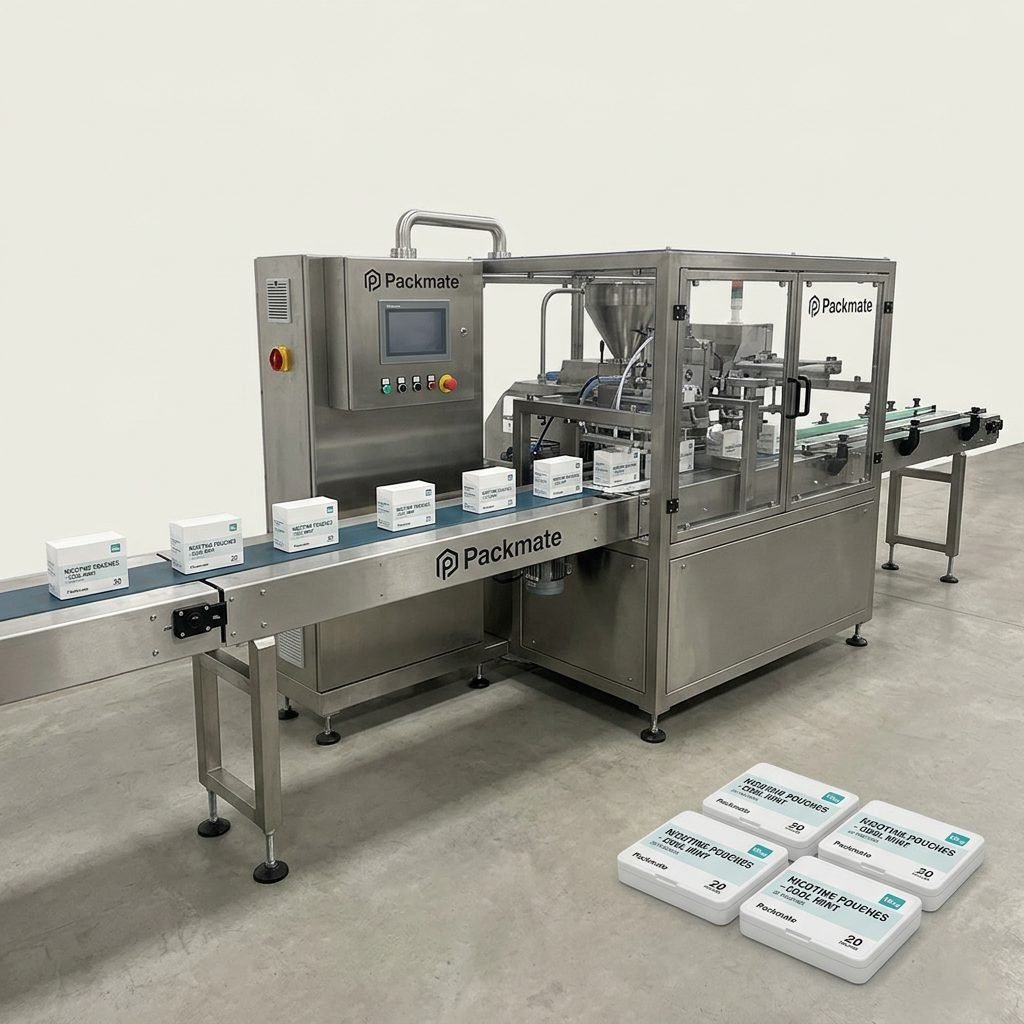
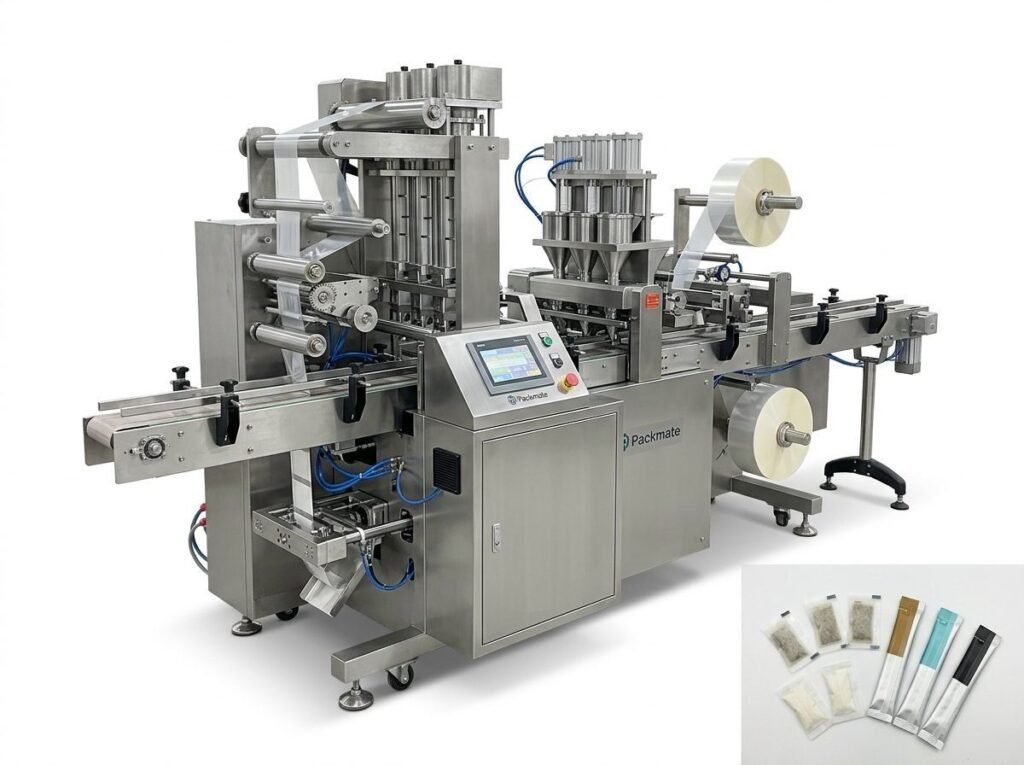
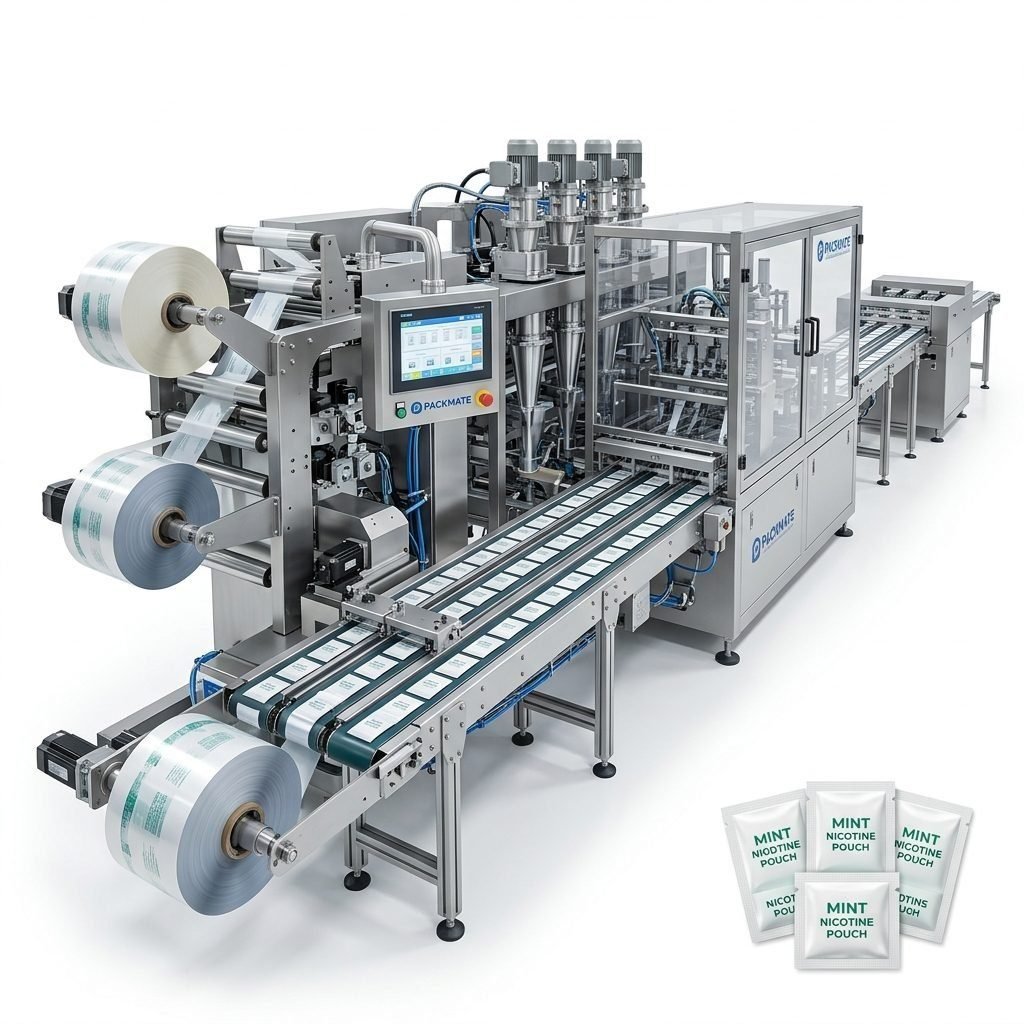
A wide product range — from multi-lane pouch machines to sachet and stick pack systems — allows you to scale or diversify. Ensure the supplier offers customization for pouch materials, sizes, and dosing systems suitable for nicotine pouches and snus. See real machine families and specifications at Snus & Nicotine Packaging Machines.
3. Certifications & Compliance
International certifications (CE, ISO) are essential. They indicate safety and manufacturing standards that align with export requirements and local regulations. Verify certificates on the supplier site, for example Certificate.
Operational & Technical Criteria
Beyond the obvious, evaluate machine uptime, spare parts lead time, PLC/control system familiarity, and ease-of-use for local operators who might have varied skill levels. Machines designed with accessible maintenance points and clear diagnostics will reduce downtime in Sri Lanka, where fast on-site service may be limited.
Assessing Factory Strength & After-Sales Support
When possible, request a virtual or physical factory visit. A supplier with a well-equipped manufacturing base, advanced CNC machining centers, and precise assembly lines demonstrates an ability to deliver consistent quality. Packmate’s 20,000㎡ facility and advanced systems illustrate the type of factory investment you should look for.
Ask for: production photos, assembly videos, and live machine demonstrations during trade exhibitions. You can check exhibition presence at Our Exhibition.
Spare Parts & Local Support
Reliable suppliers will keep critical spares in stock and provide remote troubleshooting. Consider suppliers offering local agent networks or fast shipping to Sri Lanka. Ask about typical spare parts lead times and any local partners they have in South Asia to speed repairs and minimize production loss.
Financial Considerations — Price vs Value
Initial machine cost is only part of the total cost of ownership. Factor in installation, operator training, spare parts, shipping, customs, and potential downtime. A slightly higher upfront investment in a robust machine often yields faster payback through higher efficiency, better yield, and lower maintenance. Ask for a detailed ROI estimate based on your planned production volumes.
Negotiating Payment & Warranty Terms
Negotiate warranty length, on-site installation terms, training hours, and spare parts kits. Long-term suppliers may offer phased payments tied to milestones — factory acceptance test, shipment, and installation. Confirm warranty coverage for electronics, mechanical parts, and servo systems.
Technical Features to Prioritize
Precision dosing: For nicotine pouches consistent weight is crucial to avoid product complaints and regulatory issues.
Multi-lane capability: Multi-lane systems increase throughput with lower floor footprint — ideal for scaling production quickly.
Material compatibility: Ensure the machine handles common pouch films and barrier laminates used in tropical climates to preserve product shelf life.
Evaluating Supplier Reputation & Case Studies
Request case studies and client references in similar markets. Suppliers who operate globally and have successful installations across Asia, Europe, and the Americas demonstrate cross-market performance and adaptability. Review published cases or ask for site contacts so you can verify machine uptime and service quality. Explore supplier success stories in their case section: Case.
What to ask during reference checks
How quickly did the supplier resolve breakdowns? Were spare parts available? Did the machine meet promised throughput and yield? How did the supplier support start-up and training? Honest answers will highlight a supplier’s commitment to long-term partnership.
Implementation Roadmap for Sri Lankan Buyers
Step-by-step plan: evaluate needs → shortlist suppliers → request quotes & FAT videos → negotiate terms → ship & install → operator training → start-up and local optimization.
Work with supplier to account for local power standards, humidity control in production areas, and packaging material storage. A good supplier will provide a complete filling & packaging line solution if you need integrated solutions.
Training & Documentation
Ensure the supplier supplies manuals, spare parts lists, software backups, and remote training. Local language support or translated documentation can accelerate operator learning curves in Sri Lanka.
Checklist: Questions to Ask Potential Suppliers
📌 Can you provide FAT (Factory Acceptance Test) videos and performance data for machines similar to our requirements?
📌 What certifications do you hold (CE, ISO)? Please share copies.
📌 What is the standard warranty and what does it cover?
📌 Do you offer installation and training in Sri Lanka or remote support?
📌 Can you supply long-term spare parts support and recommended spares list?
📌 Provide three customer references in Asia or similar climates.
Selecting the Right Partner — Beyond the Machine
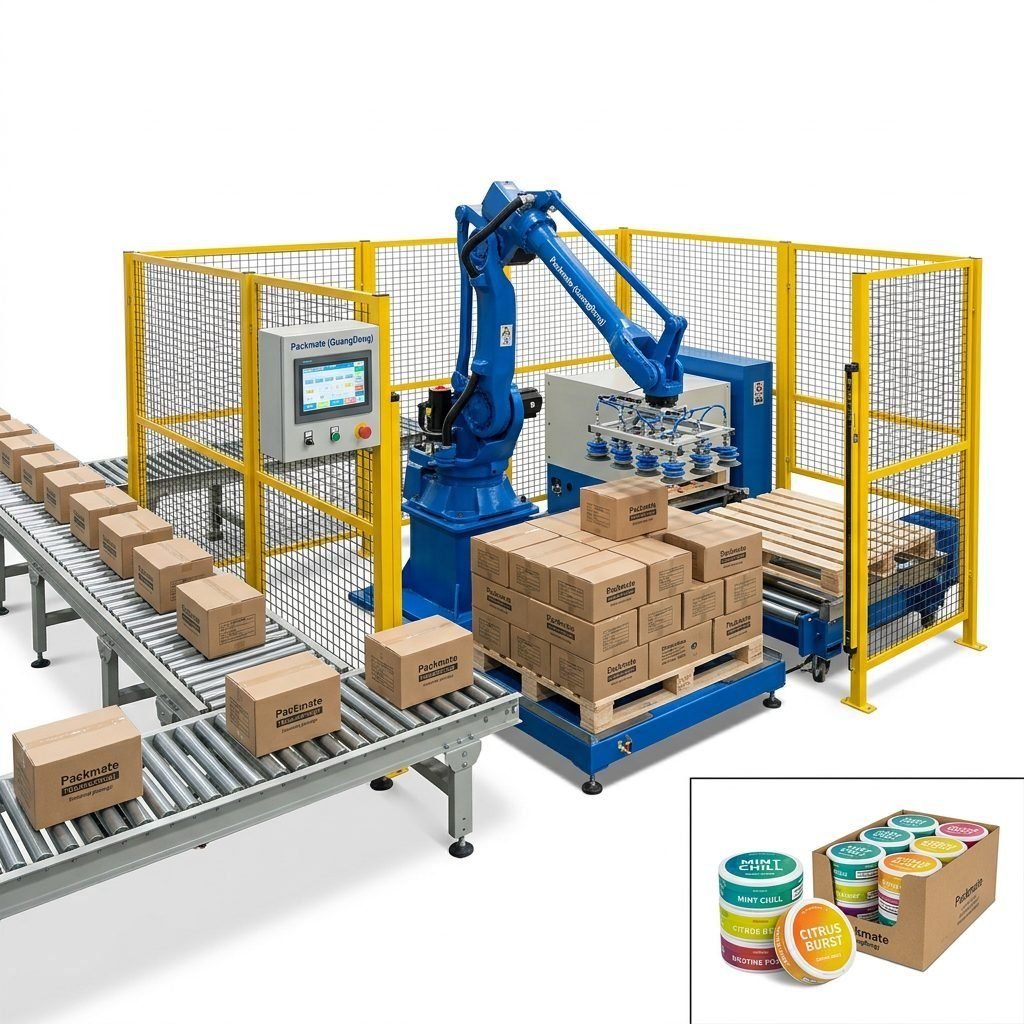
The best supplier is a partner: one who advises on product formats, optimizes lines for material savings, and supports regulatory documentation. If you need additional equipment beyond snus machines — such as weighing systems or auxiliary equipment — look for suppliers that can supply integrated solutions to reduce compatibility issues. Review combined solutions here: Weighing & Packaging Systems and Auxiliary Packaging Equipment.
Final selection tips
Prioritize suppliers who demonstrate technical transparency, provide clear service plans, and show proven performance in humid and tropical markets. Remember that after-sales support often matters more than initial cost — reliable uptime directly impacts profitability.
Next Steps & How to Contact a Trusted Supplier
Start by preparing a short RFP with your target formats, daily throughput, desired automation level, and environmental conditions. Share this with shortlisted suppliers and request a line layout, preliminary budget, and FAT videos. For supplier information, company background, and contact details, you can visit the manufacturer profile and contact page: About Packmate and Contact Us.
Quick Summary
Choose a supplier with deep snus-specific experience, strong factory capabilities, clear documentation, regional support, and a track record of successful installations. Aim for partners who offer integrated solutions and can optimize packaging for the Sri Lankan climate and consumer habits.
Frequently Asked Questions
Q1: How long does it take to install a snus packaging line in Sri Lanka?
A: Installation time depends on the line complexity. A typical single-machine start-up with training can take 1–2 weeks on-site after arrival; a full turnkey line may require 3–6 weeks including commissioning and optimization.
Q2: What certifications should I verify?
A: Verify CE and ISO certifications, electrical safety documents, and machine software compliance. Ask the supplier for scanned certificates and machine-specific compliance tests.
Q3: Are spare parts shipped to Sri Lanka quickly?
A: Lead times vary. Choose suppliers who keep critical spare parts in stock and offer express shipping options. Negotiate a recommended spare parts kit with the initial purchase.
Q4: Can machines be customized for local pouch types and materials?
A: Yes. Reputable suppliers provide customization for pouch dimensions, film handling systems, and dosing units to match local packaging preferences and materials suited for humid climates.
Q5: How do I evaluate a supplier remotely?
A: Request FAT videos, client references, and live online demonstrations. Review factory photos, machinery specifications, and ask detailed questions about maintenance procedures and local support options.