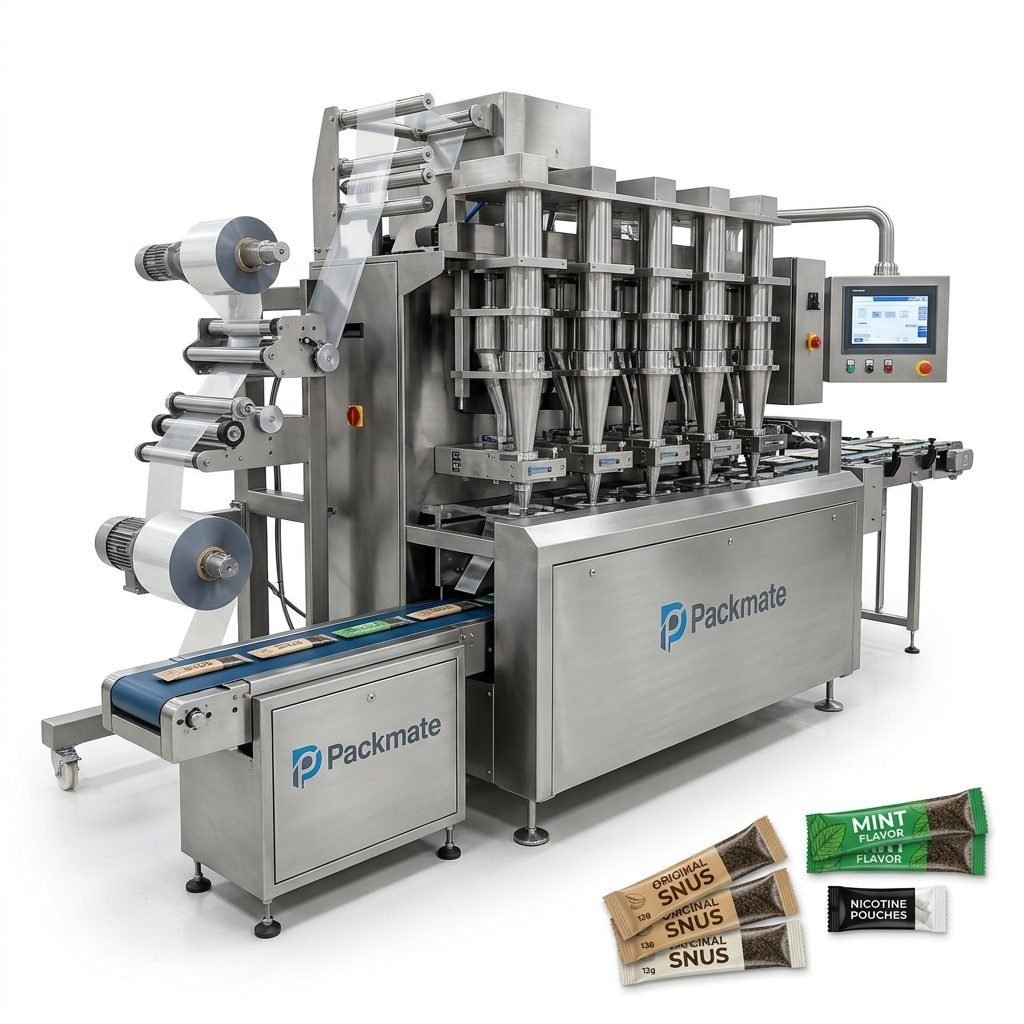
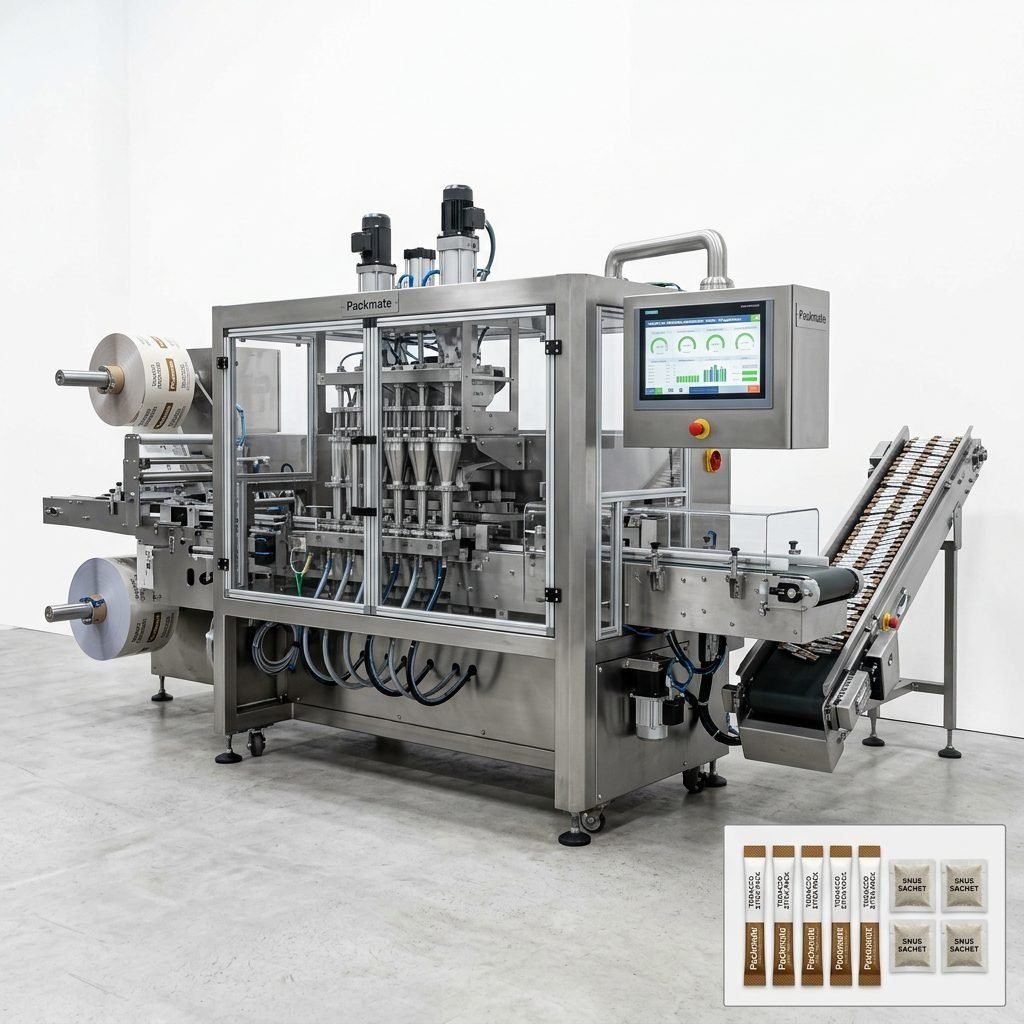
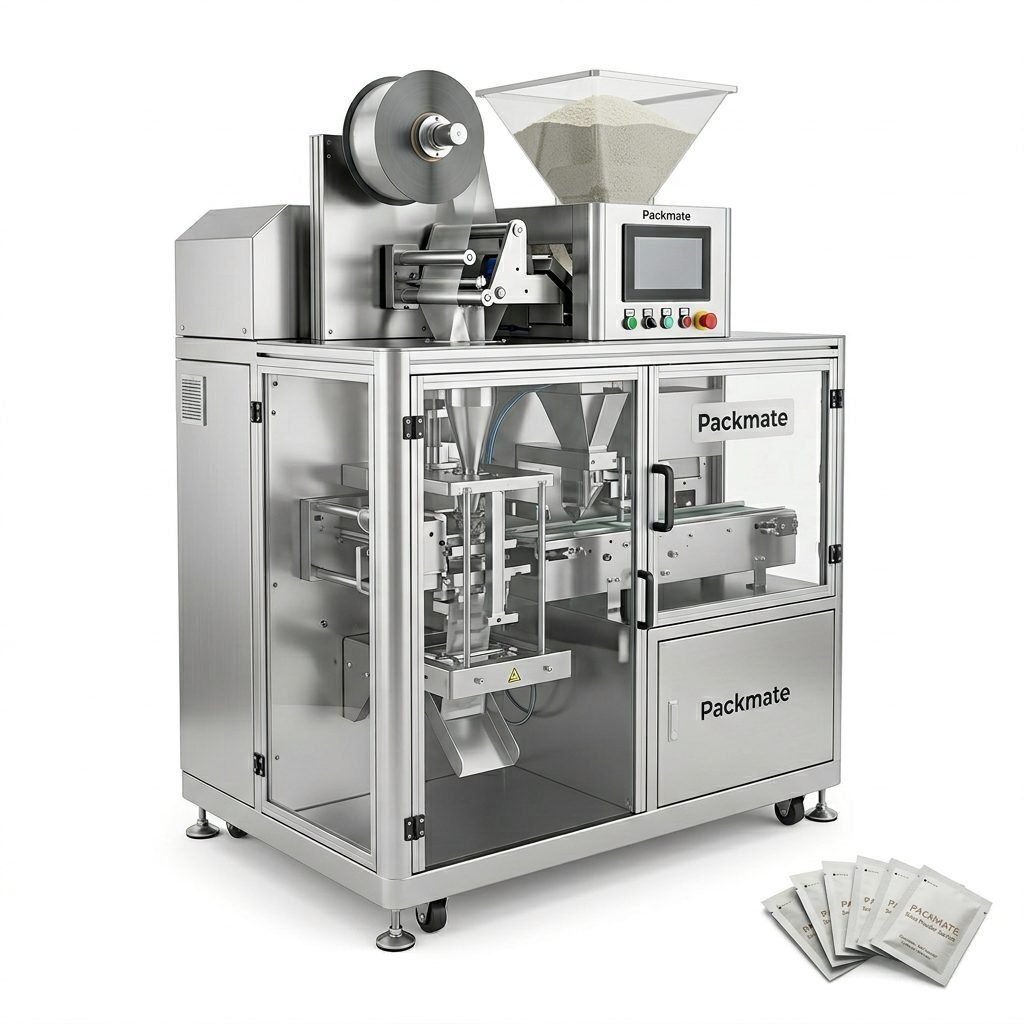
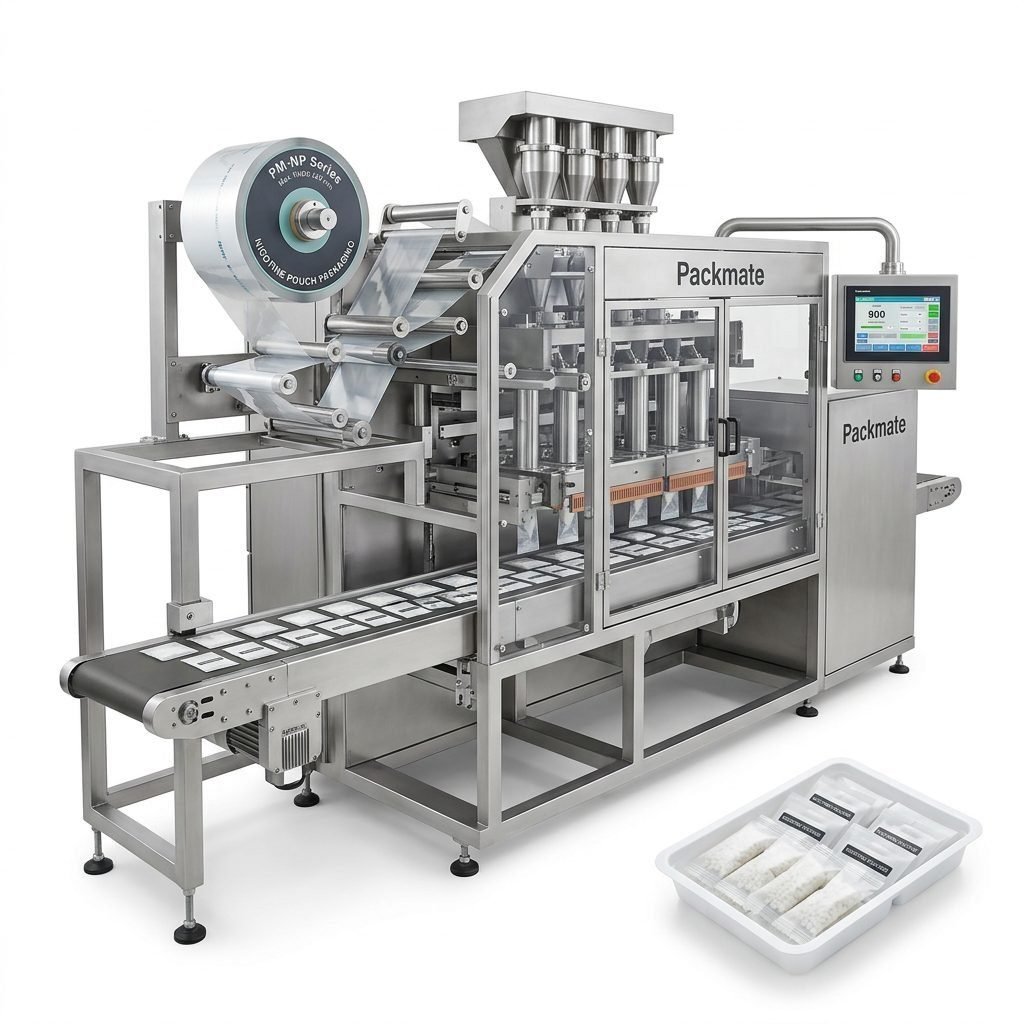
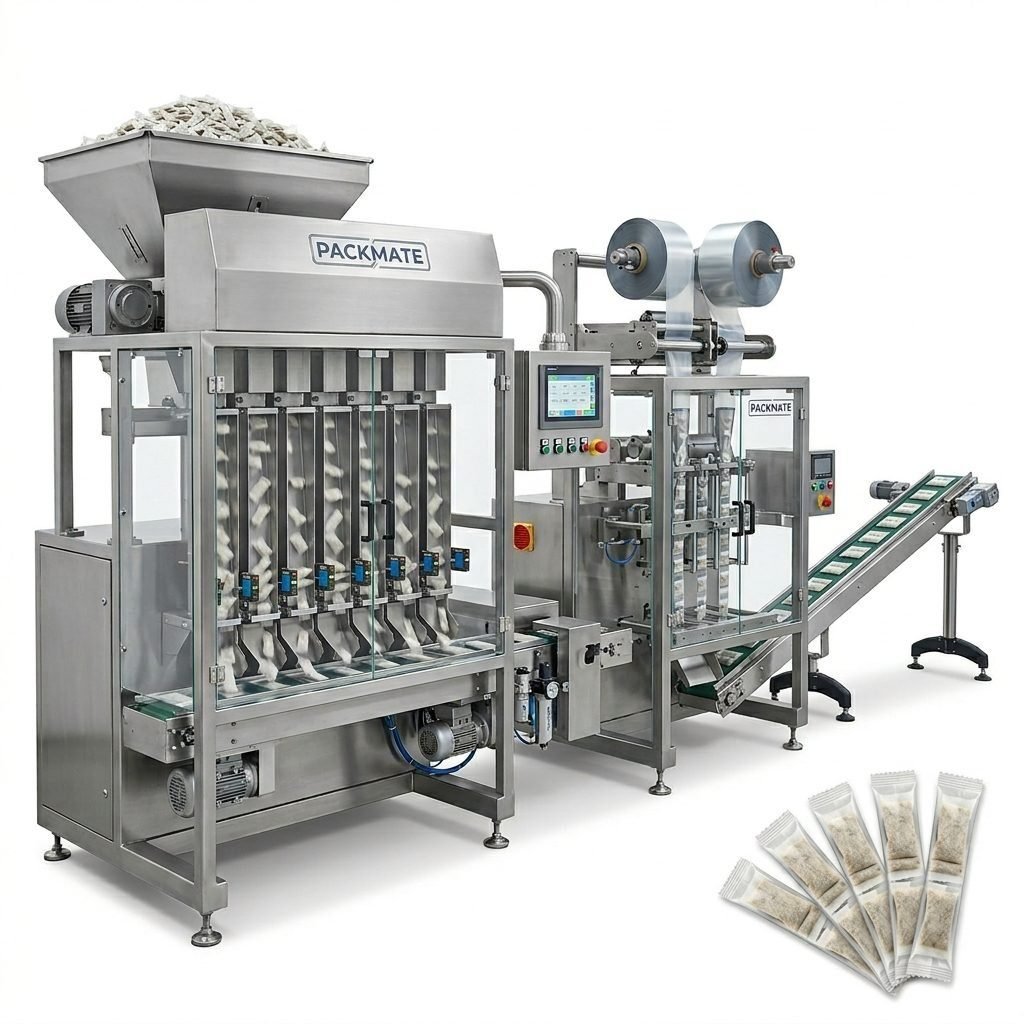
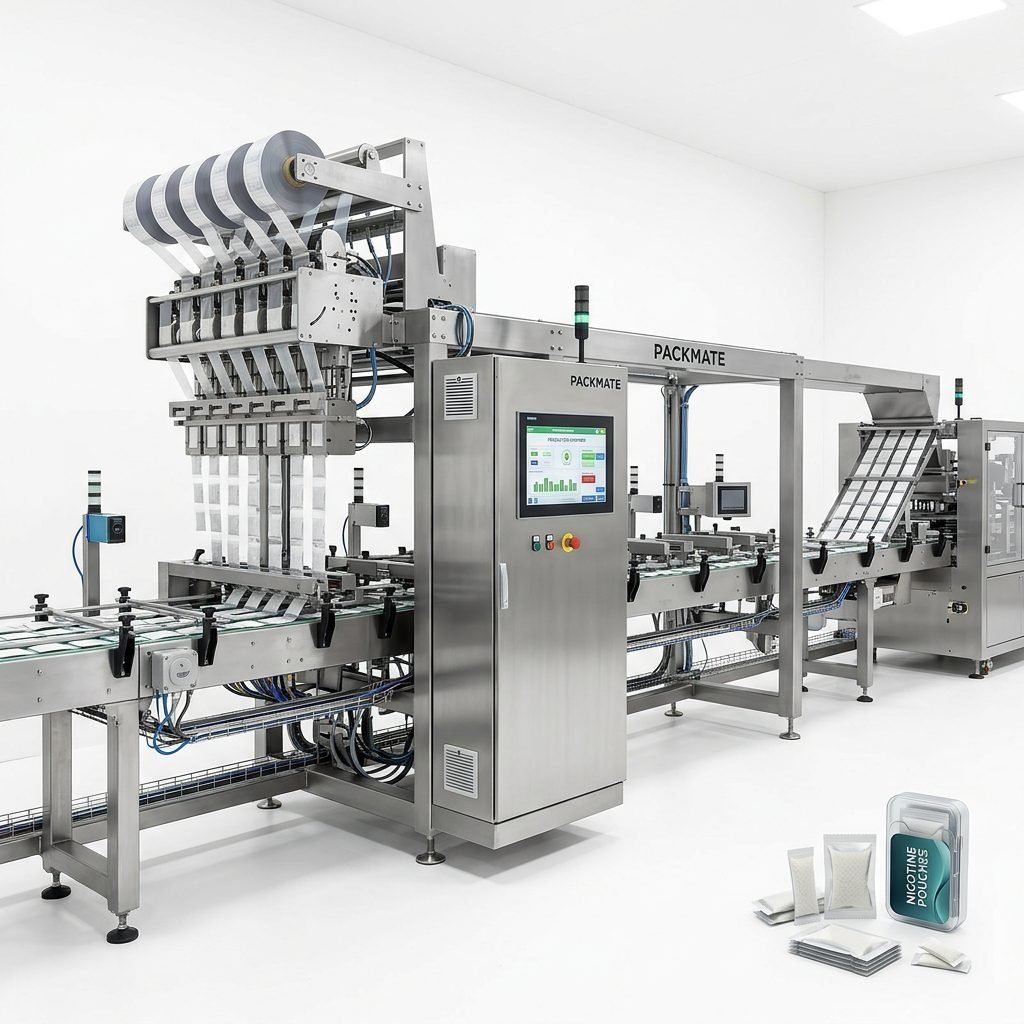
The global tobacco and nicotine pouch market demands packaging that is precise, reliable, and fully compliant with quality expectations. For manufacturers seeking robust snus packaging solutions, the right equipment partner can transform production efficiency, product consistency, and regulatory compliance. This article explores how industrial-grade snus packaging machines—backed by decades of engineering experience—deliver automated, scalable, and high-quality solutions for tobacco producers and related industries.
Why Choose Automated Snus Packaging Equipment?
Modern snus and nicotine pouch production requires machines that handle small-dose pouches with extreme consistency. Manual processes introduce variability, slow throughput, and increase contamination risk. Automated packaging systems eliminate these issues by offering:
✓ High Repeatability — Precise filling and sealing across thousands of pouches per hour.
✓ Reduced Human Error — Automated weighing, dosing, and quality checks keep yields high.
✓ Scalable Production — Multi-lane and modular systems grow with market demand.
Core Machine Types and Their Advantages
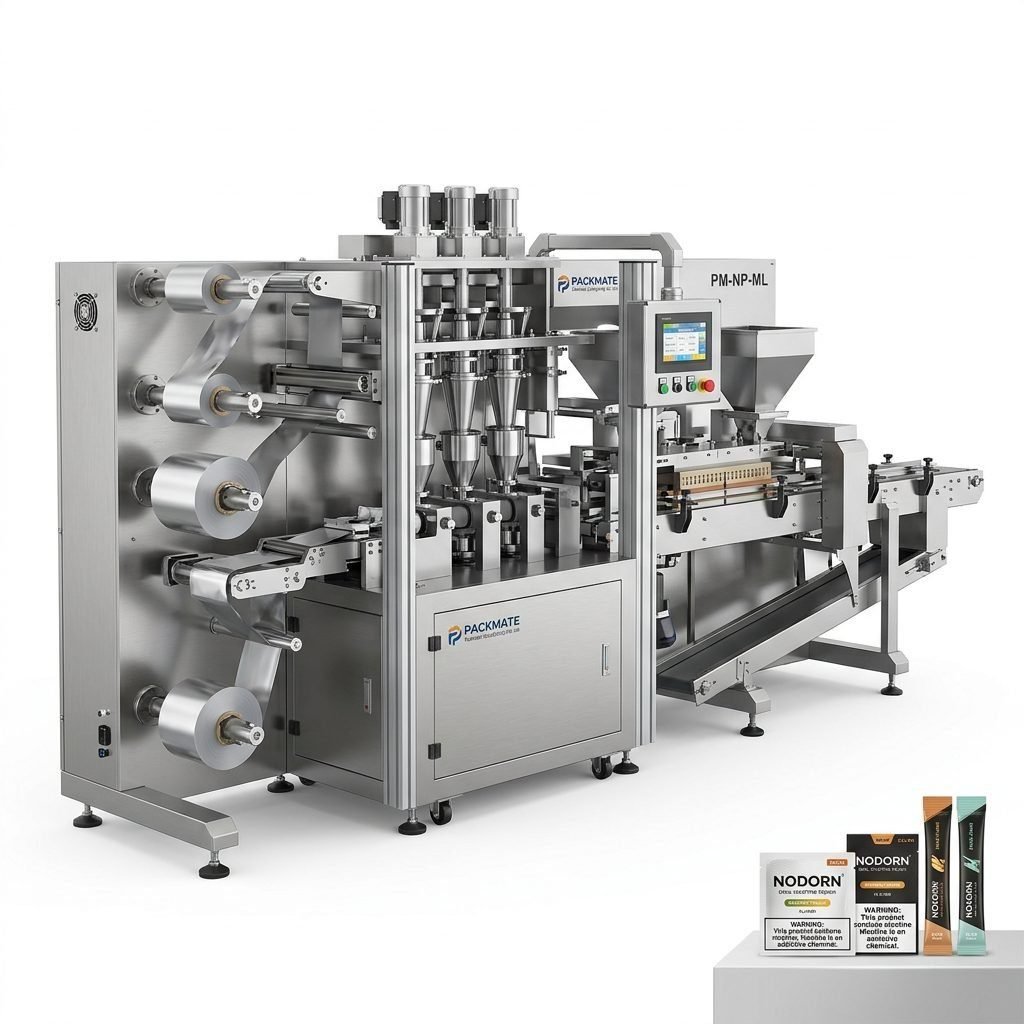
Packaging systems for snus and nicotine pouches come in several configurations. Choosing the right type depends on product form (powder, granule, paste), pouch style (stick pack, sachet, multi-lane small-dose pouches), and desired throughput.
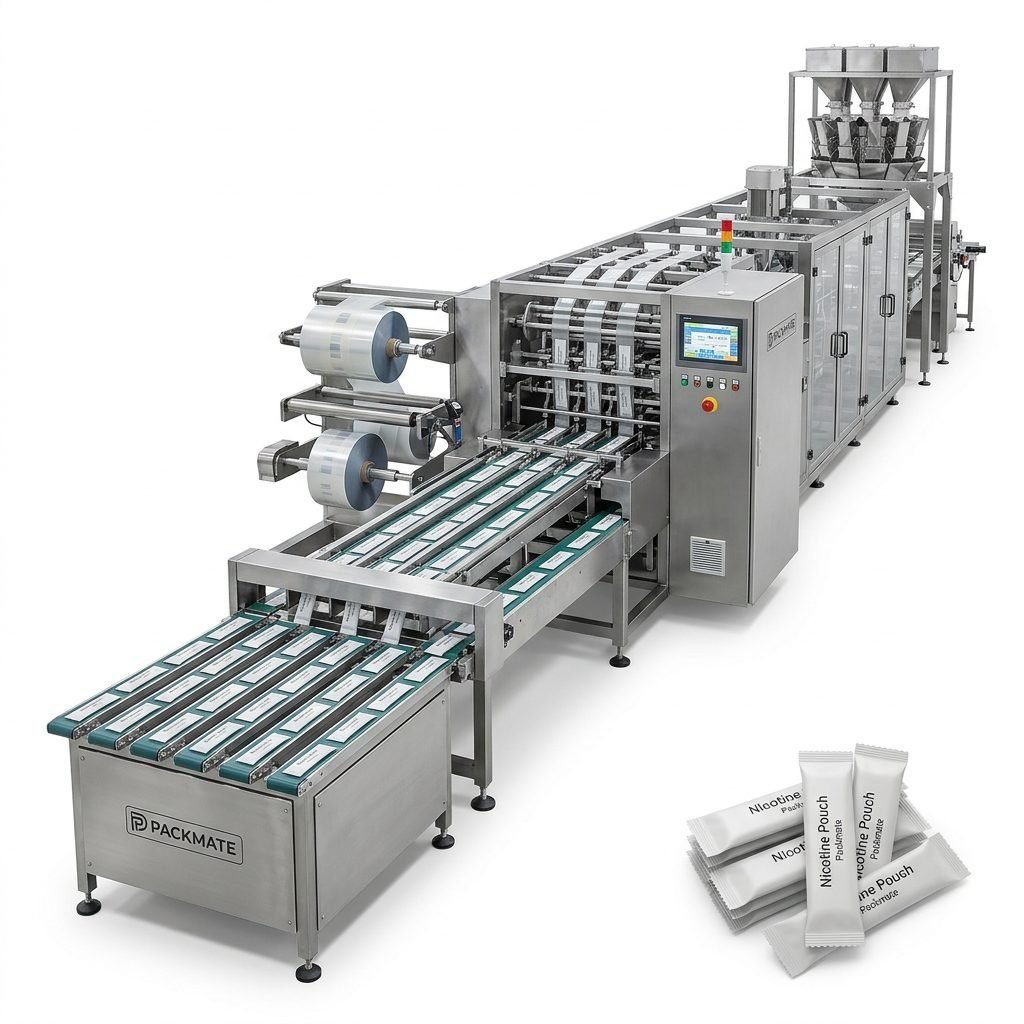
Stick Pack Machines
Stick pack machines are ideal for single-dose formats and offer compact packaging with strong seal integrity. They shine in markets where convenience and portion control are key. Features often include servo-driven film feeding, accurate dosing, and quick changeover.
Sachet & Multi-Lane Pouch Machines
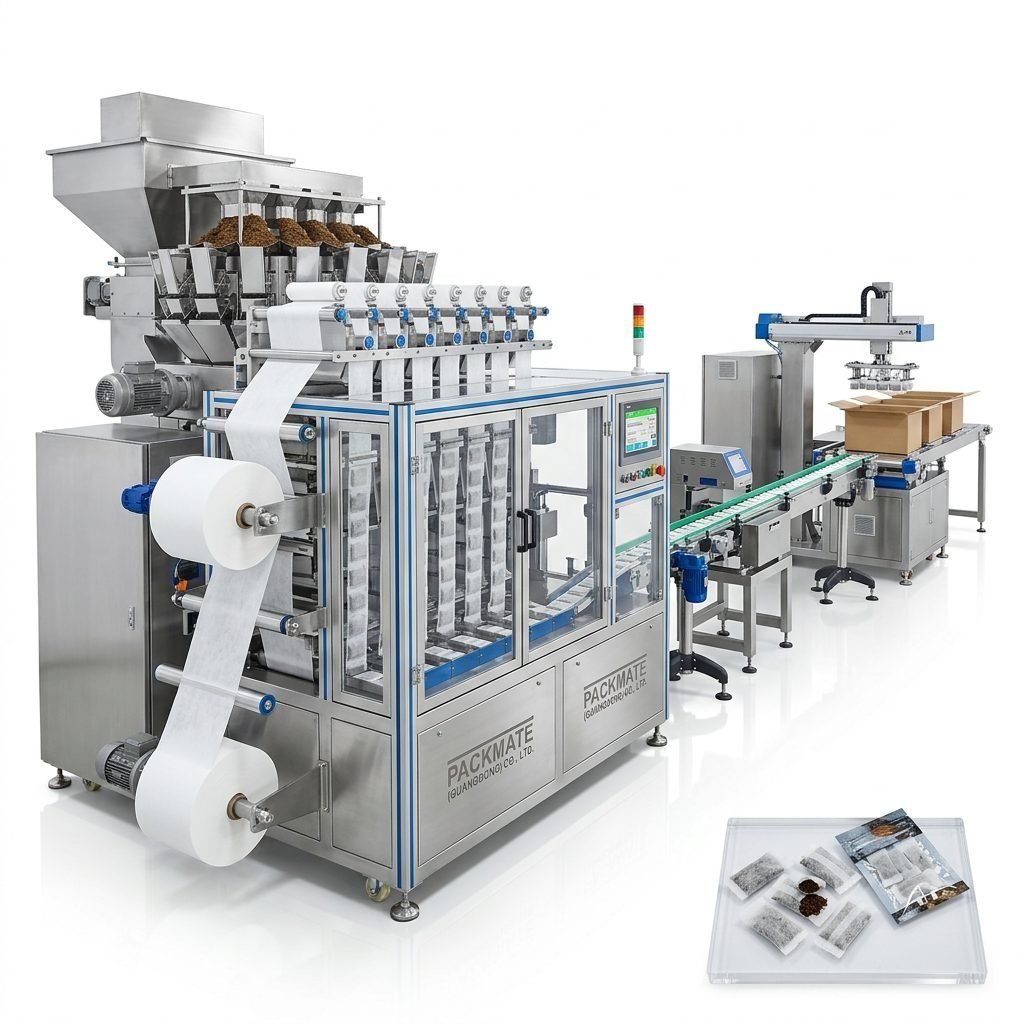
Sachet and multi-lane systems provide high throughput for nicotine pouches and snus. Multi-lane designs multiply output without a proportional increase in footprint, making them ideal for manufacturers expanding production. Integration with weighing and packing modules creates a turnkey line.
Filling & Auxiliary Systems
Consistent metering of powder, granules, or liquid extracts is essential. Modern filling systems support volumetric and gravimetric dosing, while auxiliary equipment—such as conveyors, checkweighers, and metal detectors—ensures compliance and product safety.
For detailed machine categories and technical specifications, explore product resources like
Snus & Nicotine Packaging Machines and
Sachet & Stick Pack Machines.
Engineering Excellence: What to Look for in a Manufacturer
Selecting a vendor is more than buying machinery—it’s partnering with a team that supports production goals, regulatory requirements, and long-term serviceability. Key criteria include:
• Proven Track Record — Look for manufacturers with decades of R&D and global installations.
• Manufacturing Capability — A large, well-equipped factory with CNC centers and precision assembly ensures quality control.
• Certifications & Compliance — CE, ISO, and other international certificates demonstrate adherence to safety and quality standards.
• After-Sales Support — Long-term technical support and spare parts availability minimize downtime.
Turnkey Lines: From Raw Materials to Finished Cartons
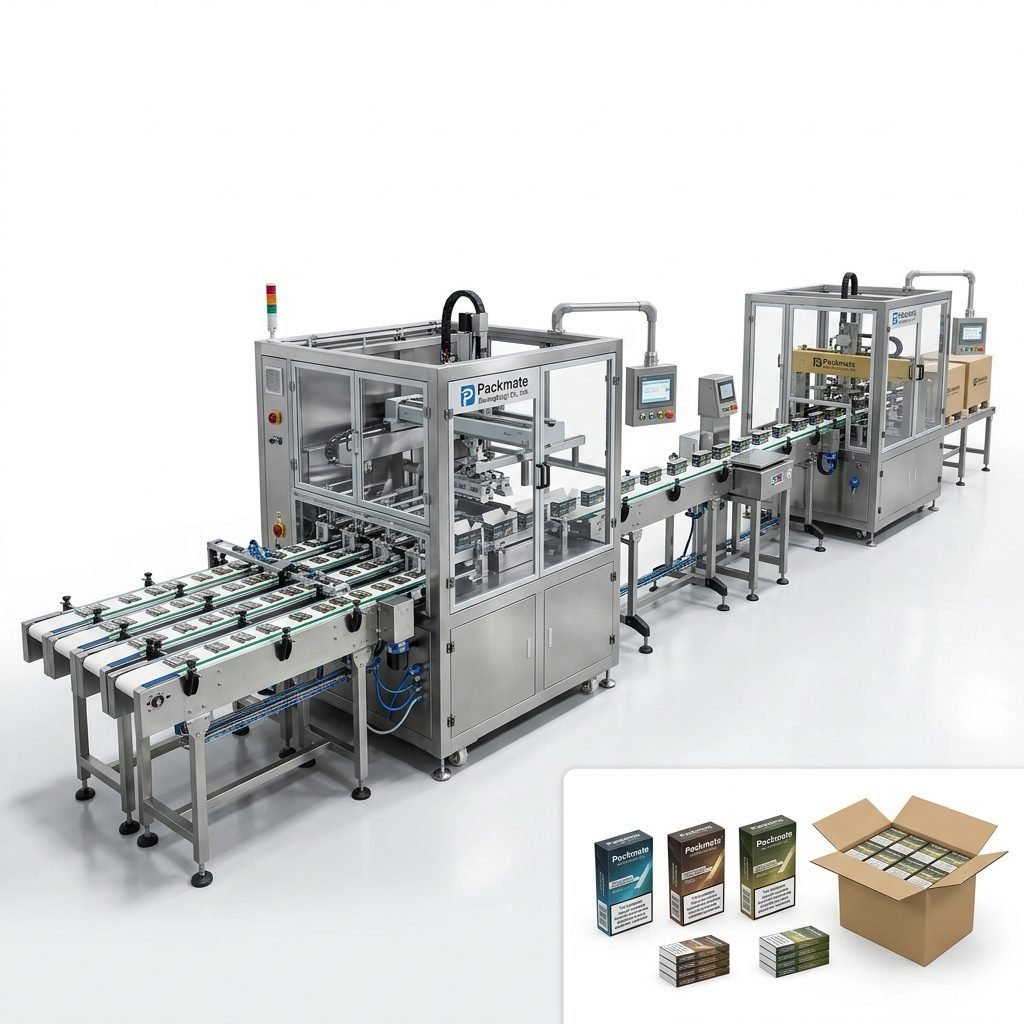
A complete production line integrates upstream systems (weighing, dosing) with downstream equipment (cartoning, case packing). Turnkey suppliers coordinate machine interfaces, control systems, and testing to deliver a fully functioning line. This reduces commissioning time and simplifies operator training.
Tip: Opt for vendors who can provide complete lines such as combined filling, multi-lane packing, and final packing modules. See examples in our project Case studies.
Customization and Small-Dose Innovation
Snus and modern nicotine pouches often demand unique fill weights, pouch sizes, and multi-lane arrangements to maximize output. Leading manufacturers offer tailor-made solutions to meet specific product portfolios, including:
– Adjustable dosing platforms for a range of weights.
– Fast-change tooling for rapid format switches.
– Enhanced dust control and product containment for hygienic operation.
– Integrated vision systems for pouch integrity and label verification.
Quality Assurance and Regulatory Compliance
Regulatory oversight for tobacco and nicotine products is strict in many markets. Packaging lines must support traceability, tamper-evident seals, and consistent product presentation. Reputable suppliers design machines that facilitate compliance with:
• Material Compatibility — Support for barrier films and recyclable materials.
• Controlled Environments — Clean-in-place and GMP considerations for nicotine handling.
• Documented Validation — IQ/OQ/PQ documentation and machine traceability records.
After-Sales Service: Keeping Your Line Running
Long-term performance relies on competent service and a reliable supply chain for spare parts. Critical factors include remote diagnostics, field service teams, and a stocked parts inventory. When evaluating suppliers, confirm:
• Response Time — SLA terms for critical breakdowns.
• Training Programs — On-site operator and maintenance training.
• Documentation — Manuals, circuit diagrams, and spare parts lists.
Global Footprint and Local Considerations
Manufacturers with international experience bring a deep understanding of regional regulations, market preferences, and logistical challenges. Whether serving Europe, Asia, or the Americas, a global supplier can adapt machine designs and service offerings to local needs. Learn more about a manufacturer’s global presence and reliability at their About Packmate page or view upcoming events on the Our Exhibition listing.
Investment Considerations and ROI
Capital investments in packaging lines should be evaluated by total cost of ownership (TCO) rather than initial purchase price alone. Consider:
• Throughput vs. Demand — Right-size your line to avoid underutilization or bottlenecks.
• Maintenance & Parts Costs — Reliable components reduce downtime and lifecycle expense.
• Energy Efficiency — Lower operational costs via modern servo systems and optimized pneumatics.
How to Evaluate a Supplier: Checklist
Before committing to a packaging partner, use a practical checklist to validate capability and compatibility:
⚙️ Factory visits and production audits
🔍 Sample testing and on-site trials
📄 Certification and compliance documentation
🤝 Clear warranty, training, and service terms
Next Steps: From Inquiry to Commissioning
Initiating a project with a snus machine supplier usually follows these stages: requirement analysis, layout proposal, factory acceptance testing (FAT), shipping & installation, and site acceptance testing (SAT). For direct contact and tailored proposals, use the supplier’s contact channels—many vendors provide online inquiry forms and pre-sales consultations. Visit Contact Us to start a conversation.
Quick Resource Links:
Bag & Pouch Packaging Machines,
Filling & Packaging Lines
Case Studies and Proven Solutions
Real-world deployments illustrate how multi-lane snus machines increase throughput while maintaining product integrity. Successful projects include turnkey lines that combine weighing, multi-lane packing, and automated cartoning for export-ready products. Review documented implementations in the supplier’s case library to benchmark capabilities.
Getting a Quote and Factory Visit
When requesting a quote, provide product specifications, target hourly output, desired pouch formats, and any regulatory constraints. A factory visit or video tour helps validate manufacturing quality and allows you to witness machine performance. See more about how Packmate presents its facilities and certifications in their Certificate section.
Conclusion
Investing in reliable, automated snus packaging equipment is a decisive step for tobacco and nicotine pouch producers who aim to scale responsibly and meet stringent quality standards. Choose a manufacturer that offers comprehensive engineering experience, robust manufacturing capabilities, certified equipment, and long-term service. The right partner will not only supply machines but enable a productive, compliant, and future-ready production line.
Common Questions
Q1: How do I choose the right machine for small-dose nicotine pouches?
A1: Evaluate required throughput, pouch format, and dosing accuracy. Multi-lane pouch machines with gravimetric dosing are often optimal for consistent small-dose output.
Q2: What certifications should snus packaging equipment have?
A2: Look for CE and ISO certifications, along with documentation for machine safety, electrical compliance, and, where relevant, GMP-related guidelines.
Q3: Can packaging lines be customized for different pouch sizes and materials?
A3: Yes. Most manufacturers provide modular tooling and quick-change systems to accommodate varied pouch dimensions and barrier films.
Q4: What level of after-sales support is typical?
A4: Reputable suppliers offer installation, operator training, preventive maintenance plans, and remote diagnostics, along with spare parts supply.
Q5: How can I see real-world machine performance before purchasing?
A5: Request a factory acceptance test (FAT) or live demo, review case studies, and, if possible, visit production sites where similar lines are in operation.