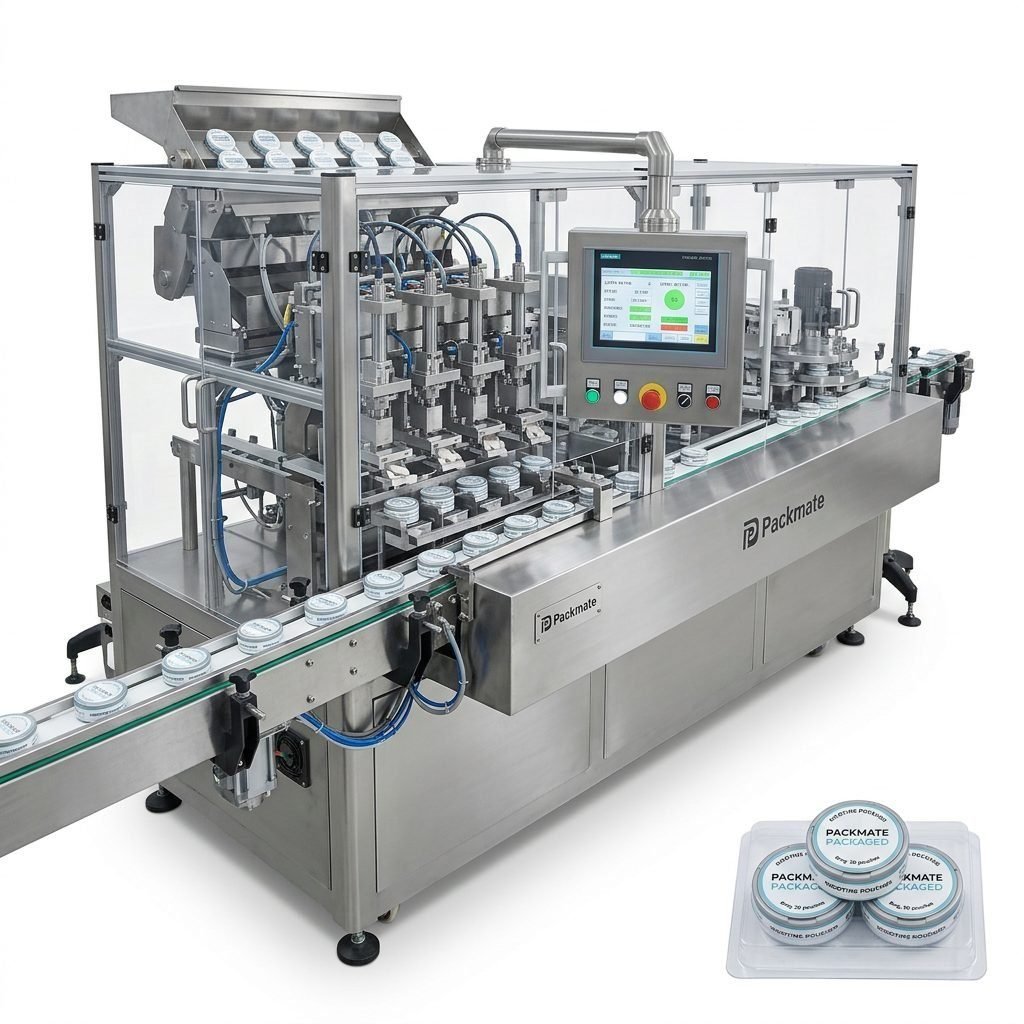
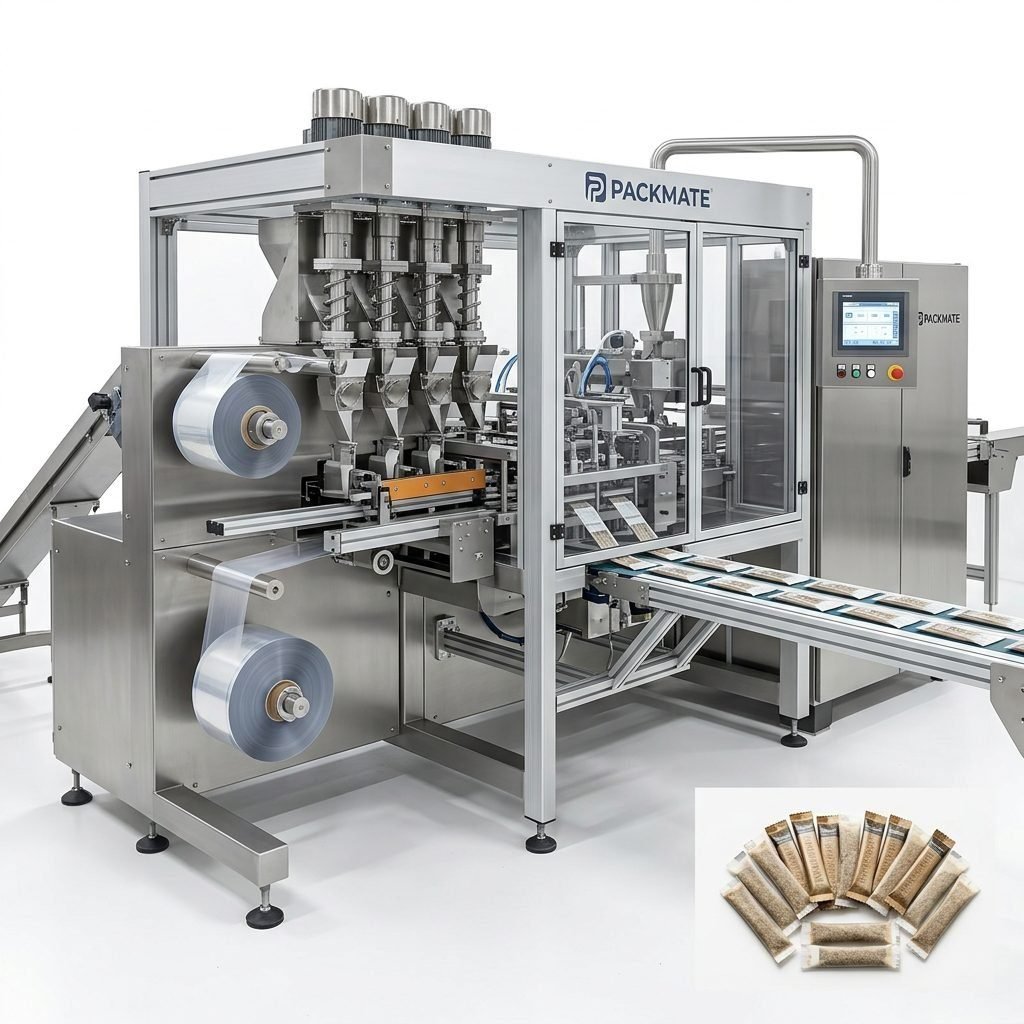
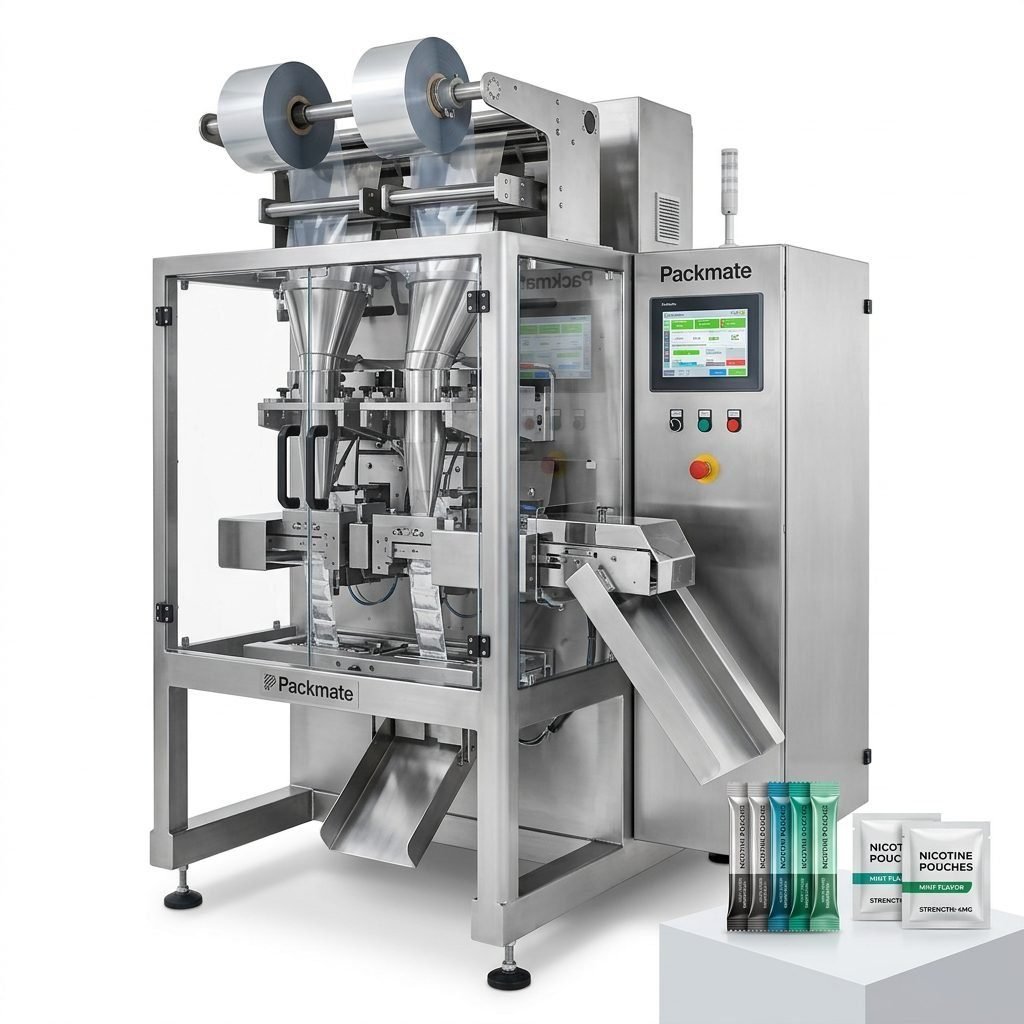
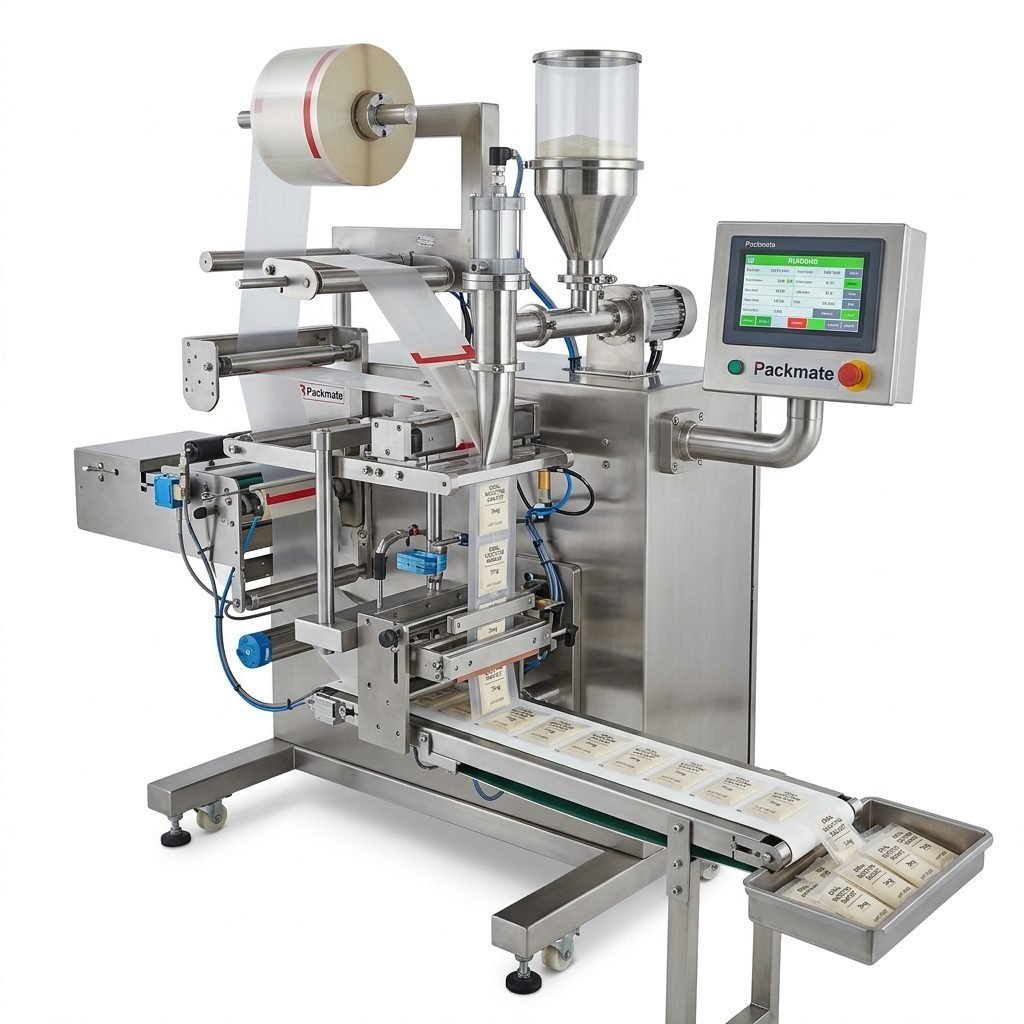
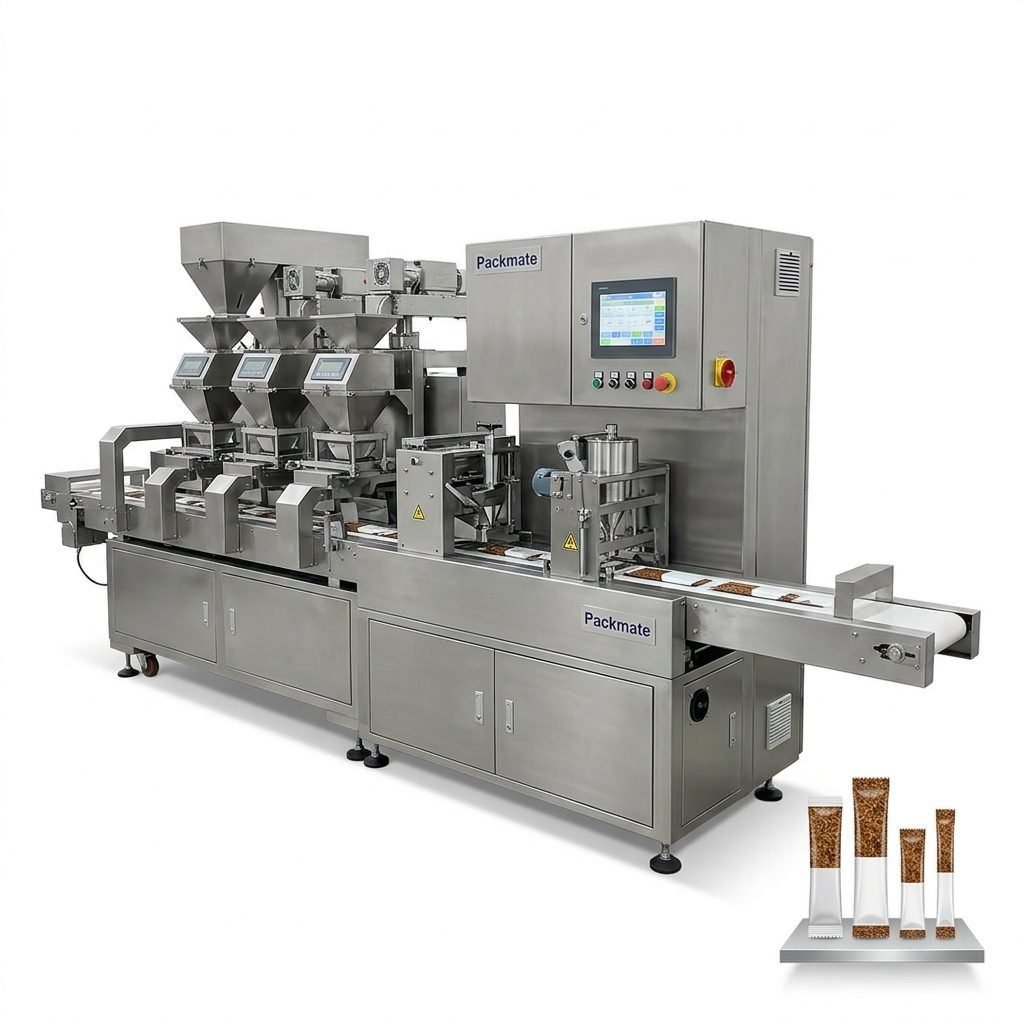
In a competitive snus and nicotine pouch market, manufacturers are seeking production systems that combine precision, speed and regulatory compliance. Packmate Snus Machine brings over three decades of engineering experience to deliver complete production line design, optimization and turnkey solutions for snus manufacturers worldwide. This article outlines practical engineering approaches, core equipment, line layout strategies and commissioning essentials to help you scale production reliably and efficiently.
Why a Turnkey Approach Matters for Snus Production ⚙️
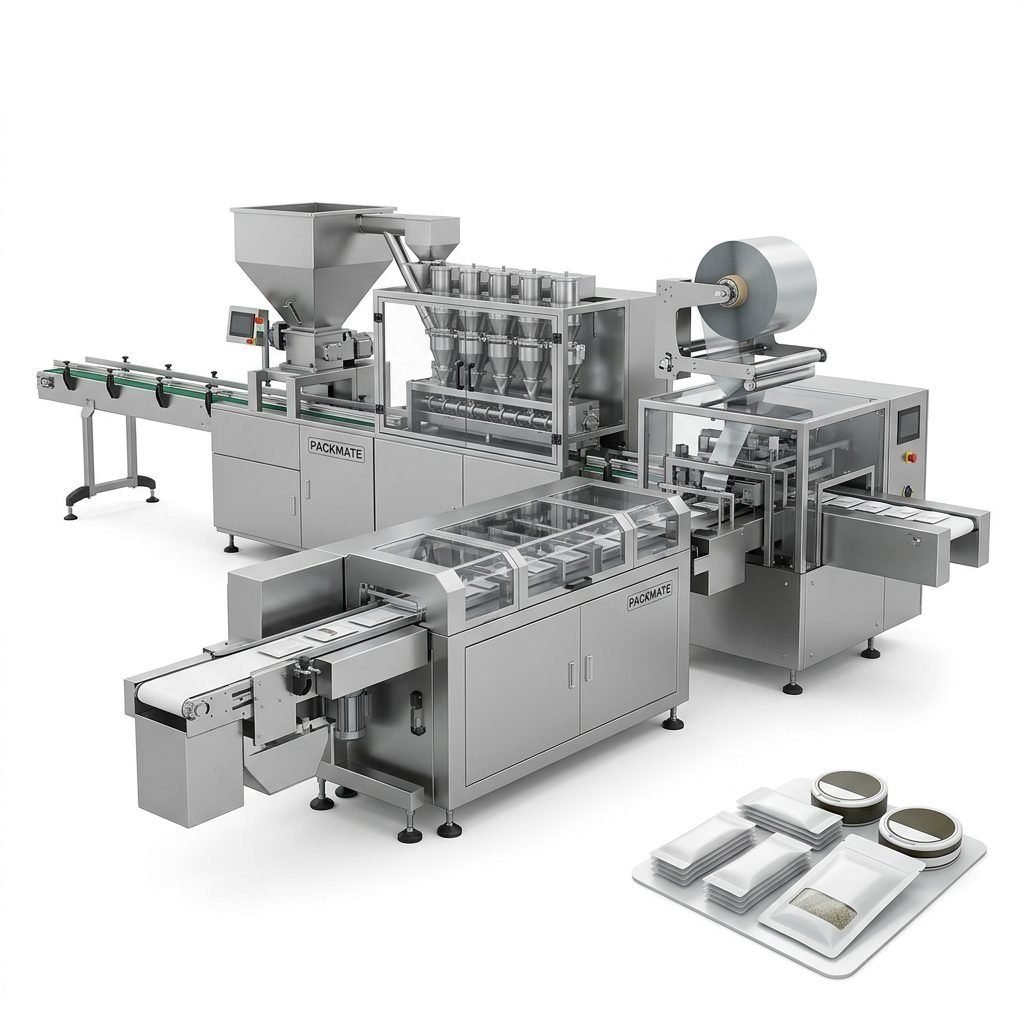
Snus production requires tight control over dosing, pouch integrity, and packaging hygiene. A turnkey production line reduces integration risk by delivering a unified solution including filling, forming, sealing, conveying and end-of-line packaging. Instead of piecing together individual machines, producers get a validated workflow engineered for consistent yields, traceability and simplified maintenance.
Key benefits you gain
Improved uptime, faster time-to-market, unified control systems, and simplified validation for quality and compliance. For companies expanding from R&D to full-scale manufacturing, turnkey lines significantly shorten commissioning time and reduce engineering overhead.
🔧 Packmate’s advantage: 30+ years of industry experience, a 20,000㎡ manufacturing facility and more than 50 machine models create a complete ecosystem for snus and nicotine pouch production.
Designing a Complete Snus Production Line
A production line must be designed around product specs, output targets and regulatory requirements. Typical design stages include requirements analysis, proof-of-concept, equipment selection, layout engineering, control integration, FAT (Factory Acceptance Test) and SAT (Site Acceptance Test). Each stage is an opportunity to optimize for throughput, changeover time and cleanability.
Stage 1: Product & Process Definition
Define pouch type (stick, sachet, multi-lane nicotine pouches), target weights/doses, fill material characteristics (moisture, particulate size), packaging materials and end-of-line formats (boxes, flow-wrapped or bulk). This specification informs machine selection from filling heads to pouch formers and labeling systems.
Stage 2: Equipment Selection & Integration
Select machines that match accuracy and speed: high-precision fillers, multi-lane form-fill-seal units, advanced pouch feeders and automated baggers. Integration involves harmonizing PLCs, HMI interfaces, vision inspection and data logging for production intelligence and traceability.
📦 Tip: Modular design enables phased investment — begin with a high-accuracy filler and add downstream automation as volumes increase.
Core Machines and Technologies in a Snus Line
A robust snus production line comprises several key machines. Selecting best-in-class units from a single supplier reduces compatibility issues and ensures service continuity.
1. High-precision dosers and weighers
Accurate dosing is critical for nicotine products to meet regulatory limits and maintain product consistency. Multi-head weighers and auger or piston fillers with repeatable accuracy are commonly used depending on material flow properties.
2. Multi-lane form-fill-seal systems
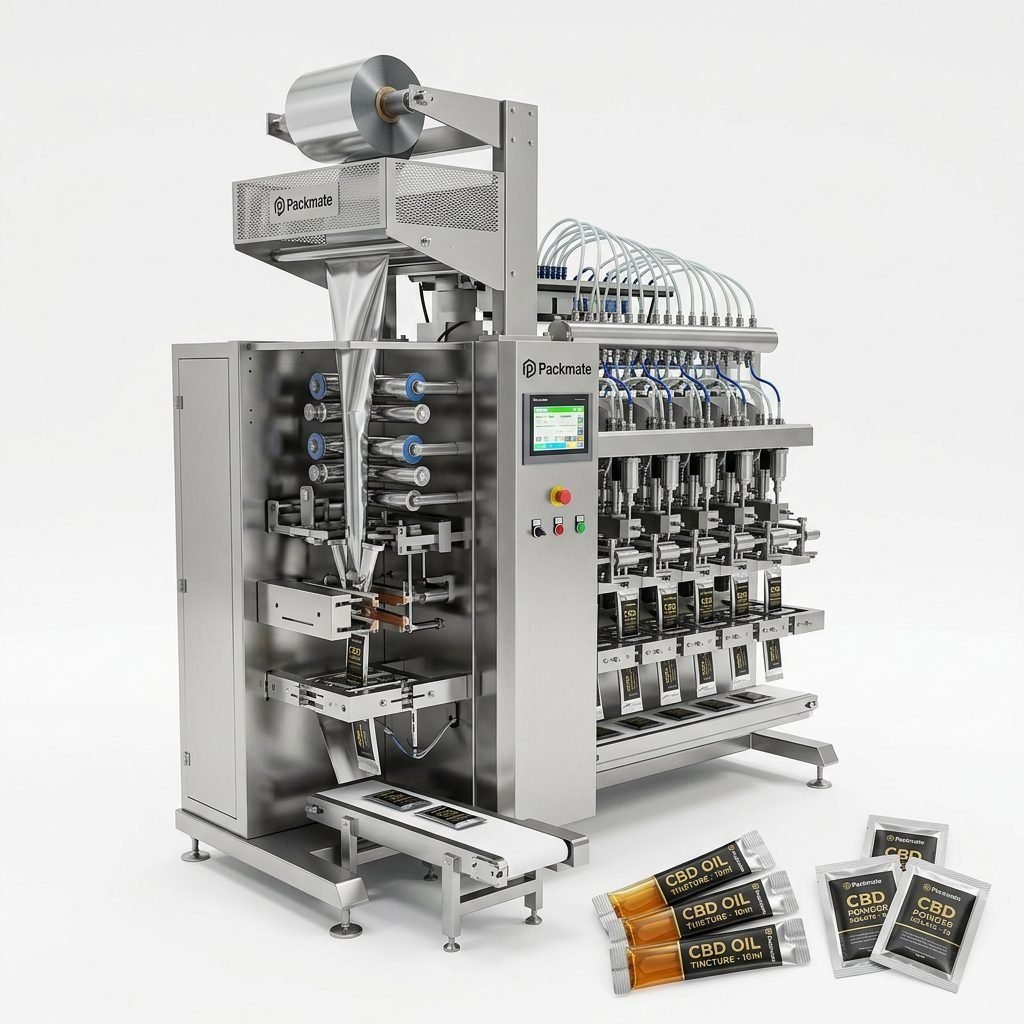
For small-dose pouches, multi-lane systems increase throughput while maintaining compact floor space. Packmate designs multi-lane pouch machines specifically tuned for nicotine pouches, ensuring uniform heat sealing and precise pouch shape.
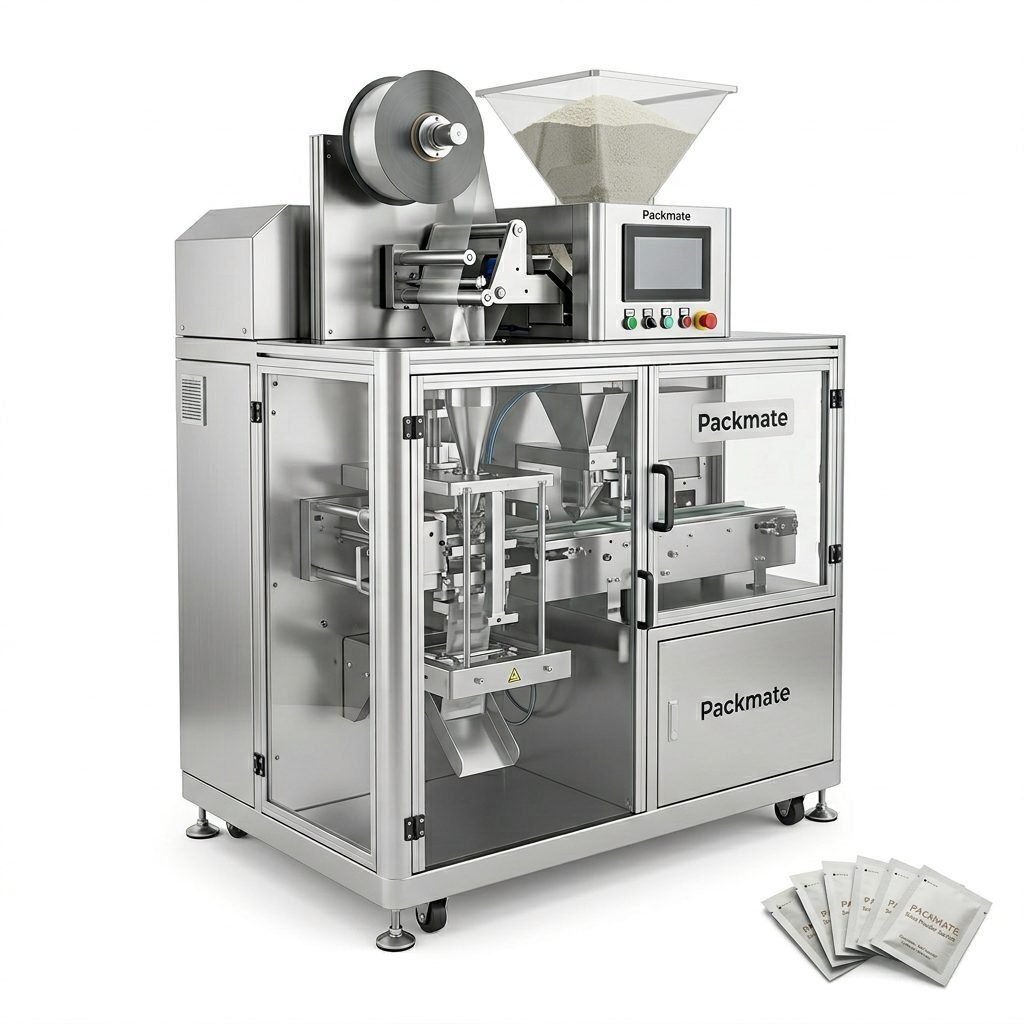
3. Sachet & stick pack machines
Stick packs and sachets are popular formats for single-dose portions. Machines need to handle delicate web materials and perform rapid cutting and sealing cycles without compromising package integrity.
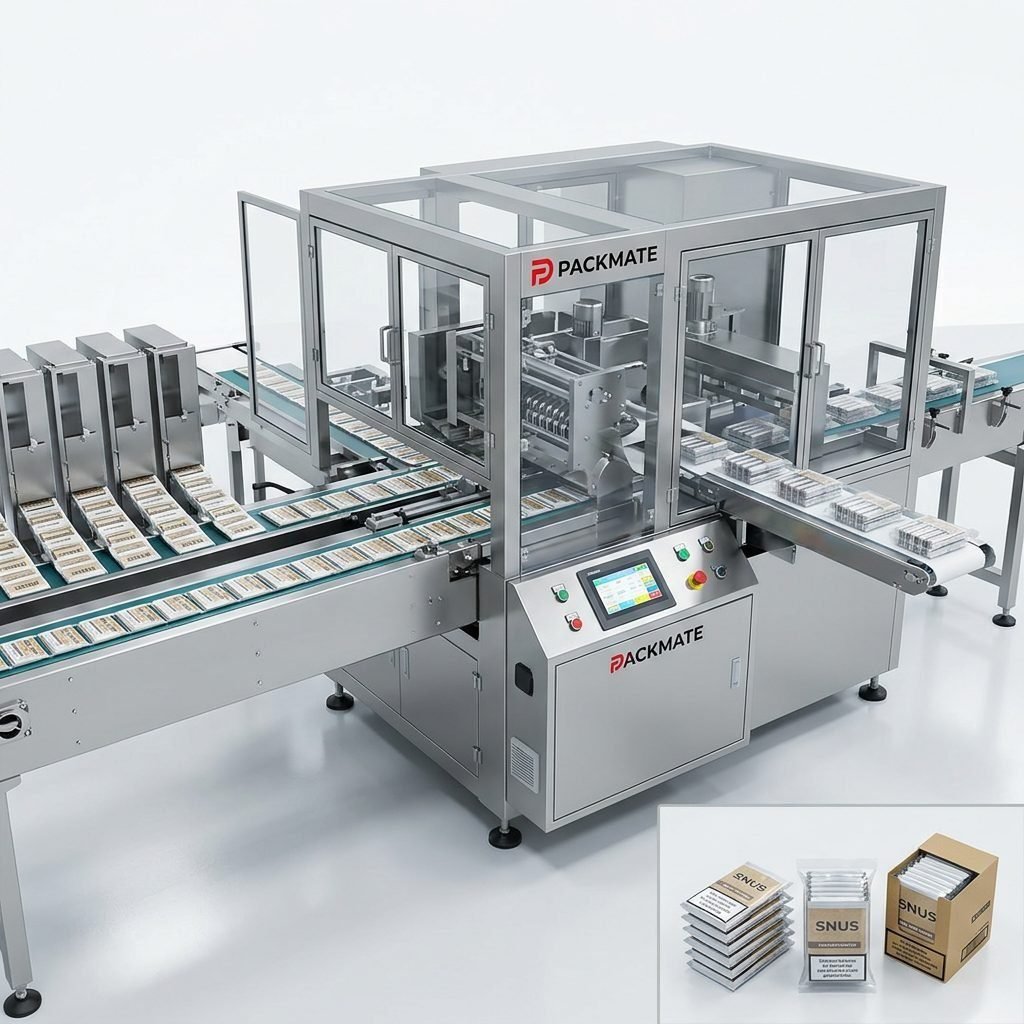
4. Ancillary equipment
Overwrappers, cartoners, checkweighers, vision systems and case packers complete the line. Centralized control and synchronized conveyors minimize human intervention and speed product flow.
Learn more about specialized machine ranges such as Snus & Nicotine Packaging Machines, Sachet & Stick Pack Machines and Filling & Packaging Lines for specific capabilities and model options.
Optimizing for Yield, Safety and Compliance
Regulatory compliance for nicotine products varies by region. Lines must be designed to support traceability, allergen control and hygiene standards. Incorporate CIP-friendly designs where applicable, use food-grade materials and ensure easy access for cleaning and maintenance.
✅ Quality control: Vision inspection and in-line checkweighers reduce recalls; data logging supports batch-level traceability and audit readiness.
Common optimization targets
– Reduce changeover time through modular tooling and recipe-driven HMI.
– Improve OEE via predictive maintenance and spare parts kits.
– Lower downtime by standardizing pneumatic and electrical interfaces.
Layout & Workflow Considerations for Factory Floors
Efficient floor layout minimizes product travel, reduces cross-contamination risk and supports operator ergonomics. Multi-lane machines allow compact, high-throughput lines that are ideal for facilities with limited footprint. Consider separate staging areas for raw materials, in-process inventory and finished goods.
Material handling and storage
Proper storage conditions for snus and nicotine pouches stabilize moisture and active compound potency. Use temperature and humidity controls when required and integrate inventory systems for FIFO and batch control.
Commissioning, Training and After-Sales Support
A successful installation requires thorough commissioning and operator training. Packmate offers on-site commissioning, remote support and long-term service contracts. Comprehensive documentation, spare parts lists and preventive maintenance schedules are essential for long-term reliability.
📘 Support network: Global spare parts and remote troubleshooting reduce mean time to repair. Visit Service and Contact Us for assistance and service options.
Case Study Snapshot: Scaling a European Snus Producer
A mid-sized European producer expanded production by installing a multi-lane nicotine pouch line. Results included a 3x throughput increase, 18% reduction in material waste due to improved dosing accuracy, and expedited regulatory documentation through integrated batch logging. The producer selected machines compliant with CE and ISO standards to match regional regulatory expectations and consumer safety norms.
Why regional considerations matter
In Europe and other regulated markets, consumer safety and labeling are paramount. Packmate’s lines are built to meet CE and ISO certifications and can be tailored to local packaging conventions and labeling languages to meet market expectations.
Selecting the Right Supplier
Choose a supplier with proven field installations, spare parts availability and responsive technical support. Packmate’s history from a small R&D workshop in 1993 to a 20,000㎡ facility demonstrates a long-term commitment to product development and manufacturing excellence.
Explore machine categories and real-world implementations on the Packmate website: Bag & Pouch Packaging Machines and Case studies.
🌐 Global reach: Packmate supports customers across Europe, Asia and the Americas with on-site support and exhibition demonstrations — check Our Exhibition for upcoming events.
Final Recommendations for Manufacturers
Start with clear production targets and a phased roadmap. Prioritize dosing accuracy and sealing integrity when specifying equipment. Opt for modular architectures to keep capital expenditure scalable. Finally, insist on proper validation, documentation and training for a smooth transition to high-volume production.
Next steps
Contact a packaging partner early in the design phase to align mechanical, electrical and software interfaces. For detailed catalogs, certifications and technical specs, see Catalog and Certificate.
Frequently Asked Questions
Q1: How quickly can a turnkey snus line be delivered and commissioned?
A: Typical delivery ranges from 12 to 30 weeks depending on customization, testing and export logistics. Standard multi-lane systems often follow shorter lead times if using proven configurations.
Q2: What certifications should I expect for export markets?
A: Equipment should comply with CE and ISO standards where applicable; Packmate provides documentation to support regulatory filings and quality audits.
Q3: Can the line handle different pouch formats without major rebuilds?
A: Yes — modular tooling and recipe-driven HMI allow quick changeovers between pouch sizes and formats, though some format families require dedicated tooling.
Q4: Where can I see real machine demos or case studies?
A: Attend industry exhibitions or request a factory visit. Refer to Case and About Packmate for examples and company history.