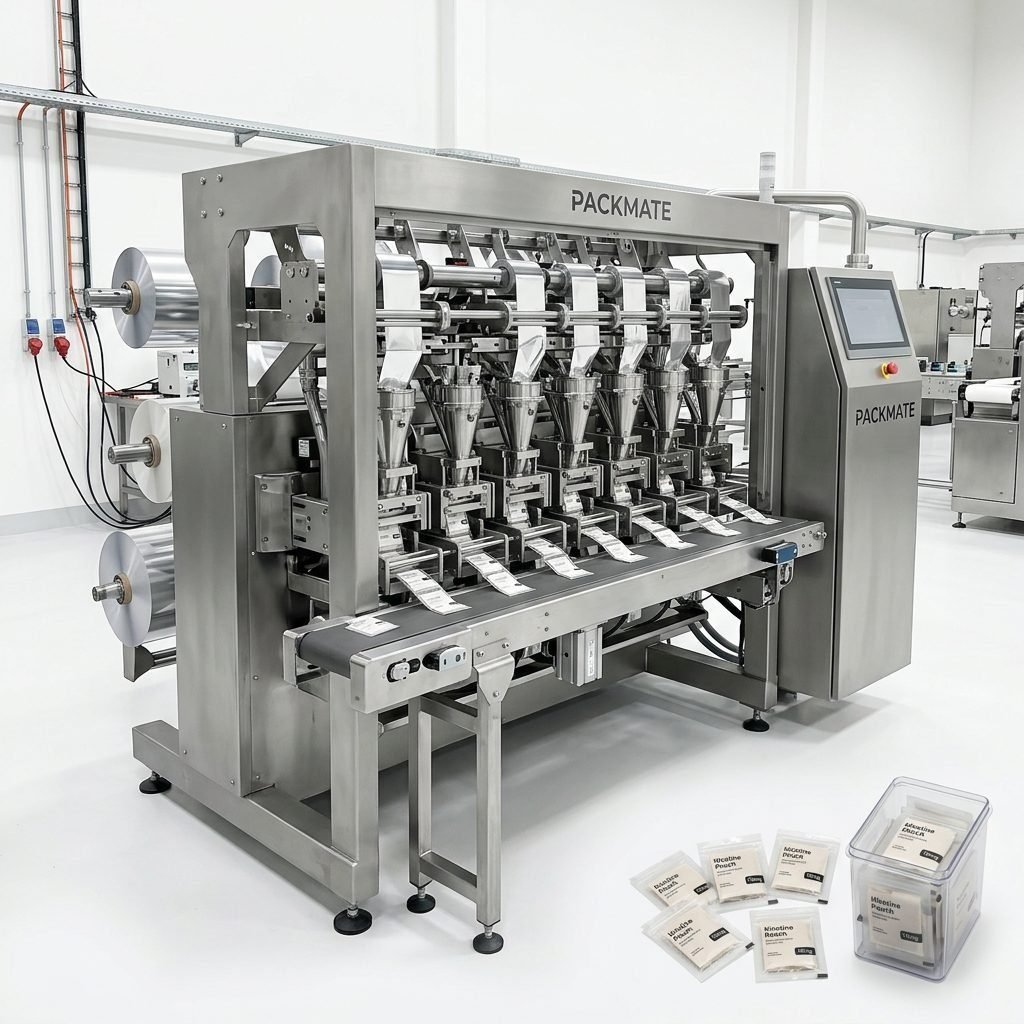
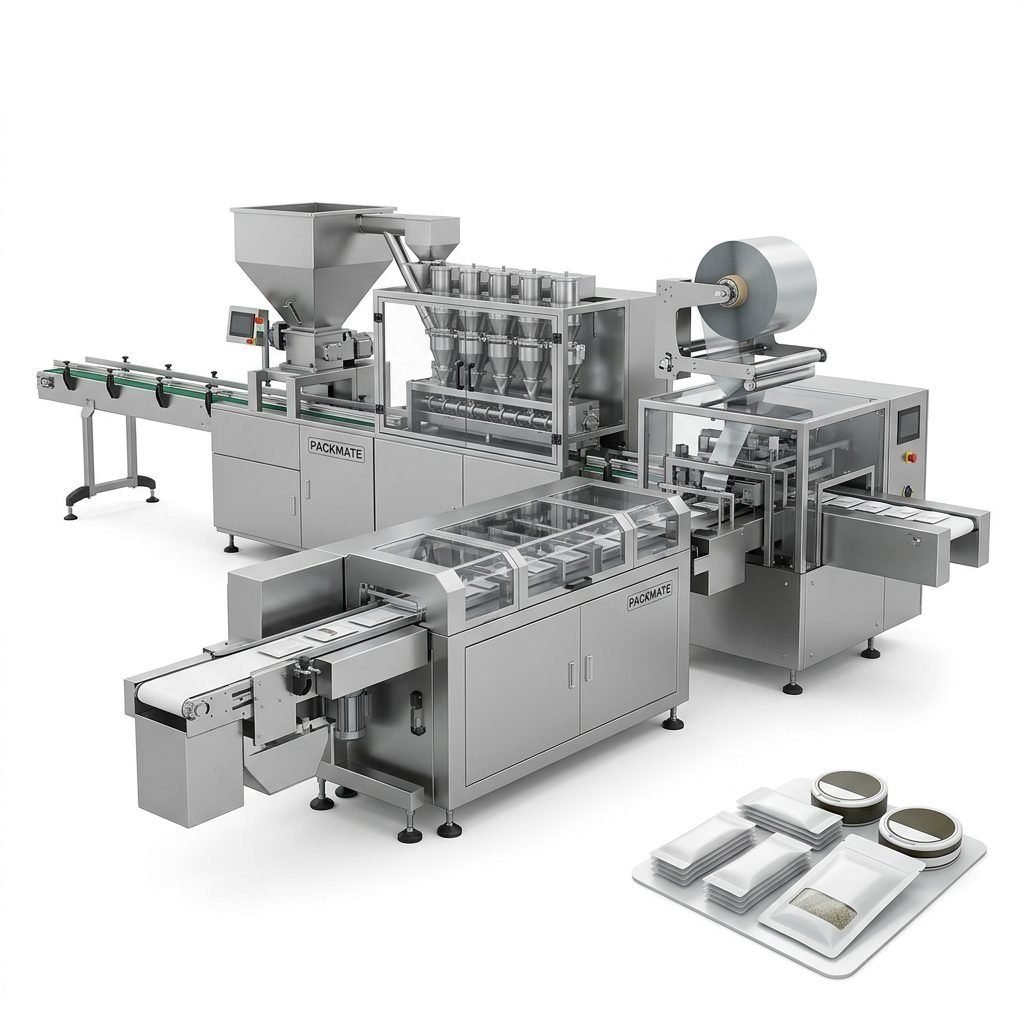
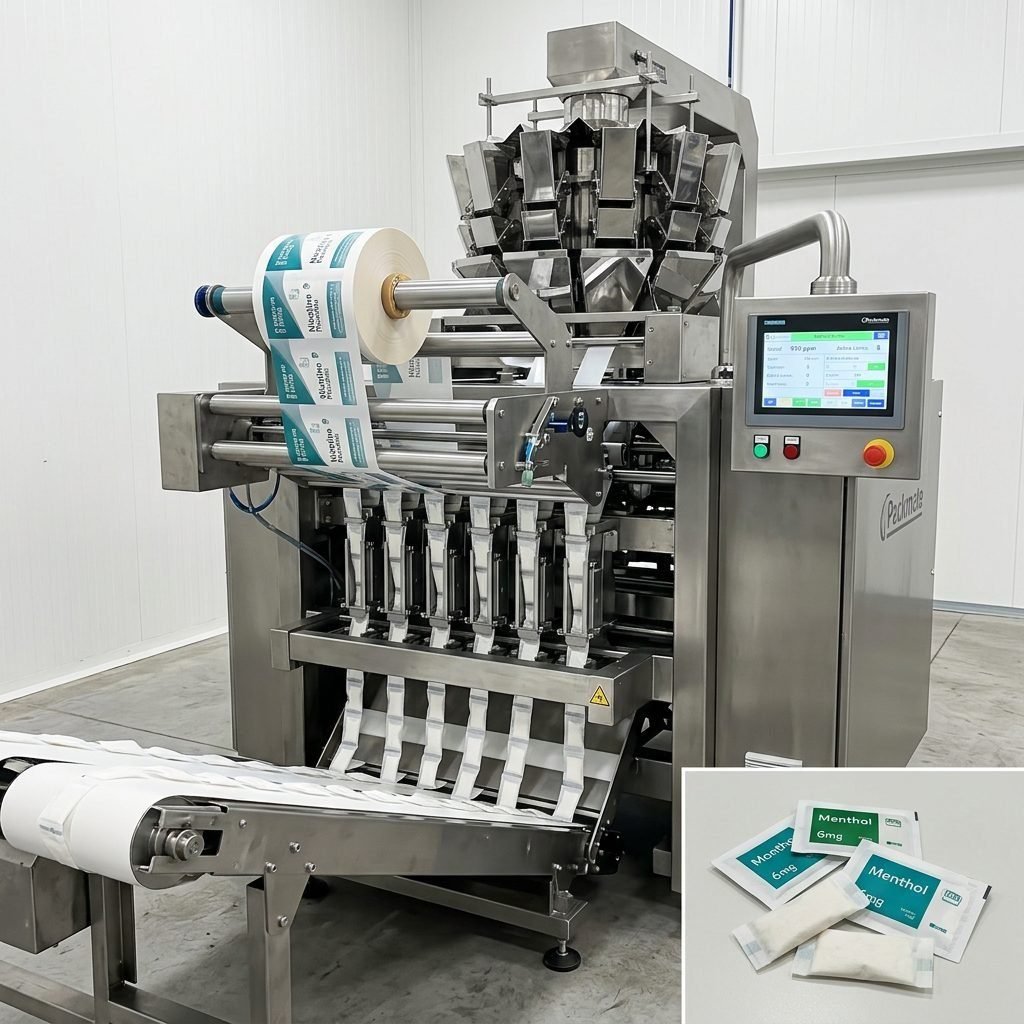
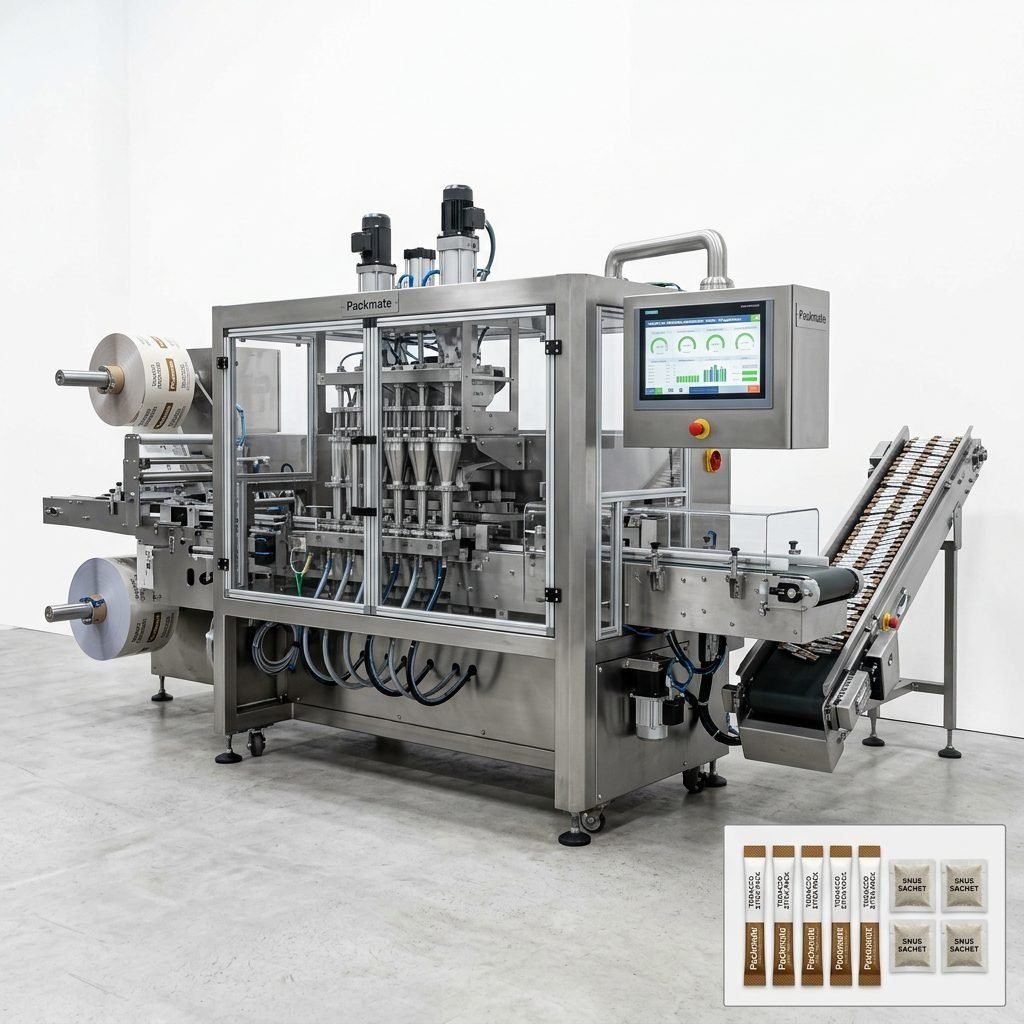
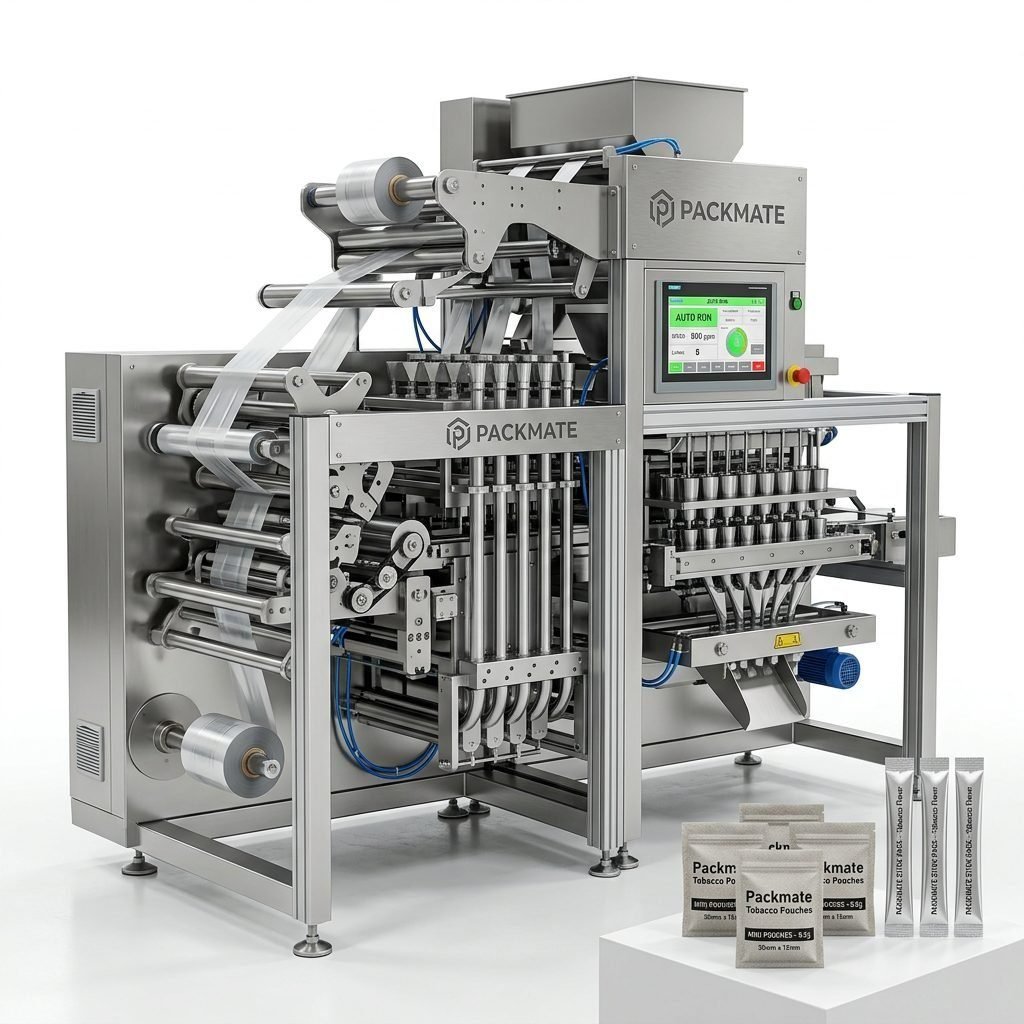
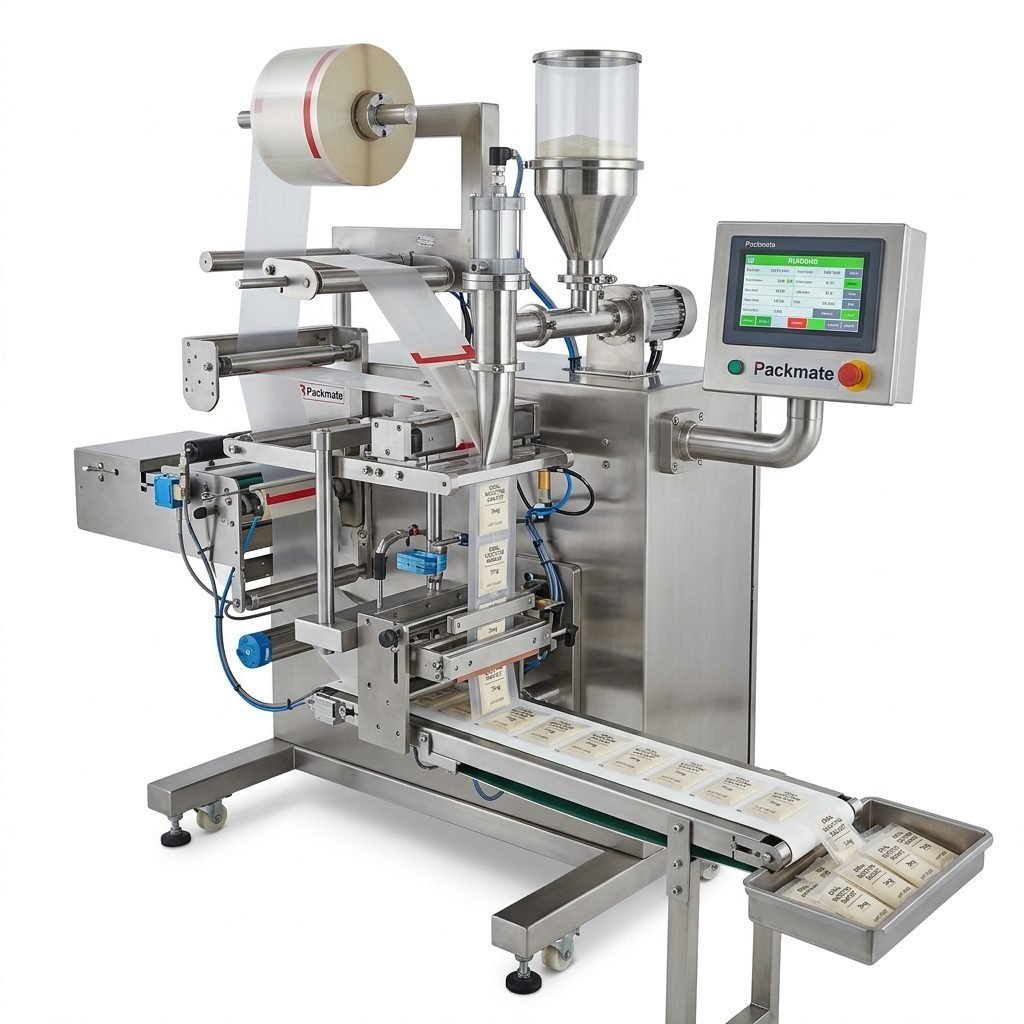
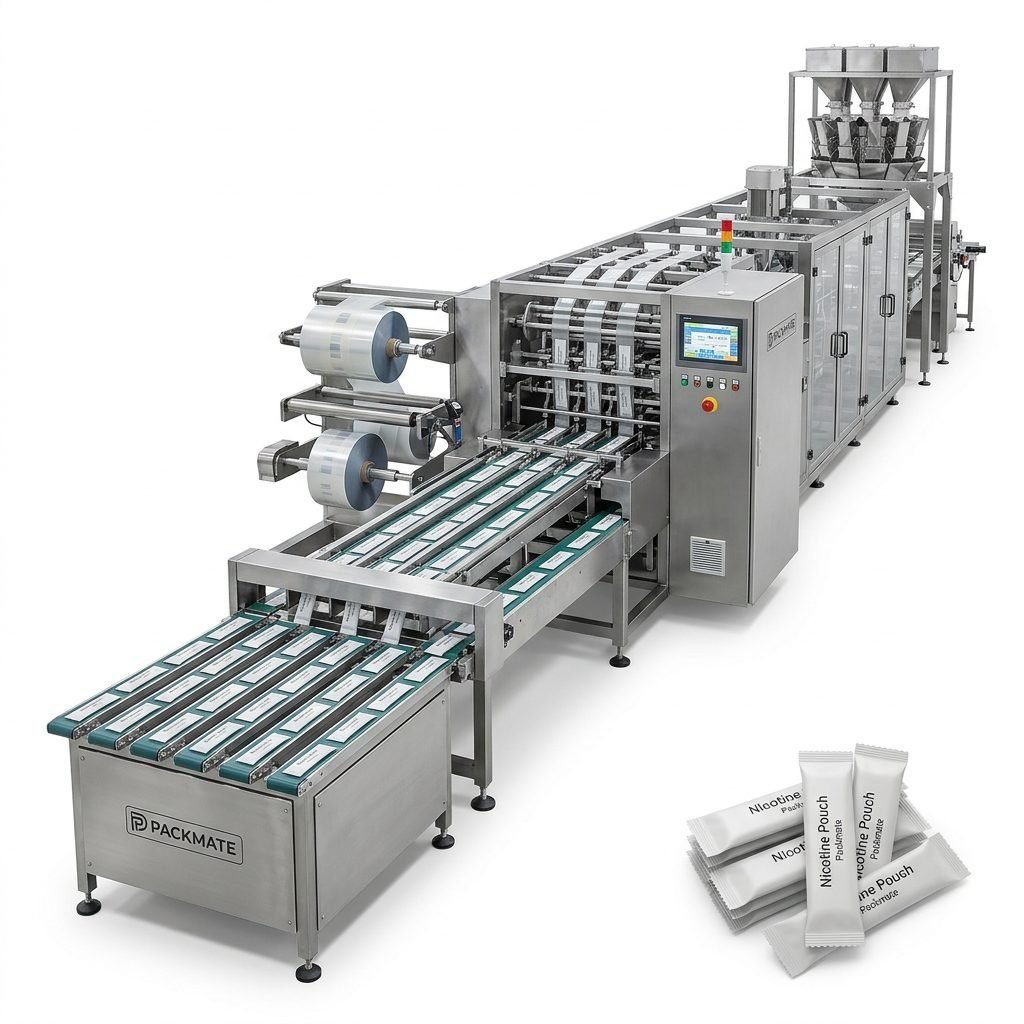
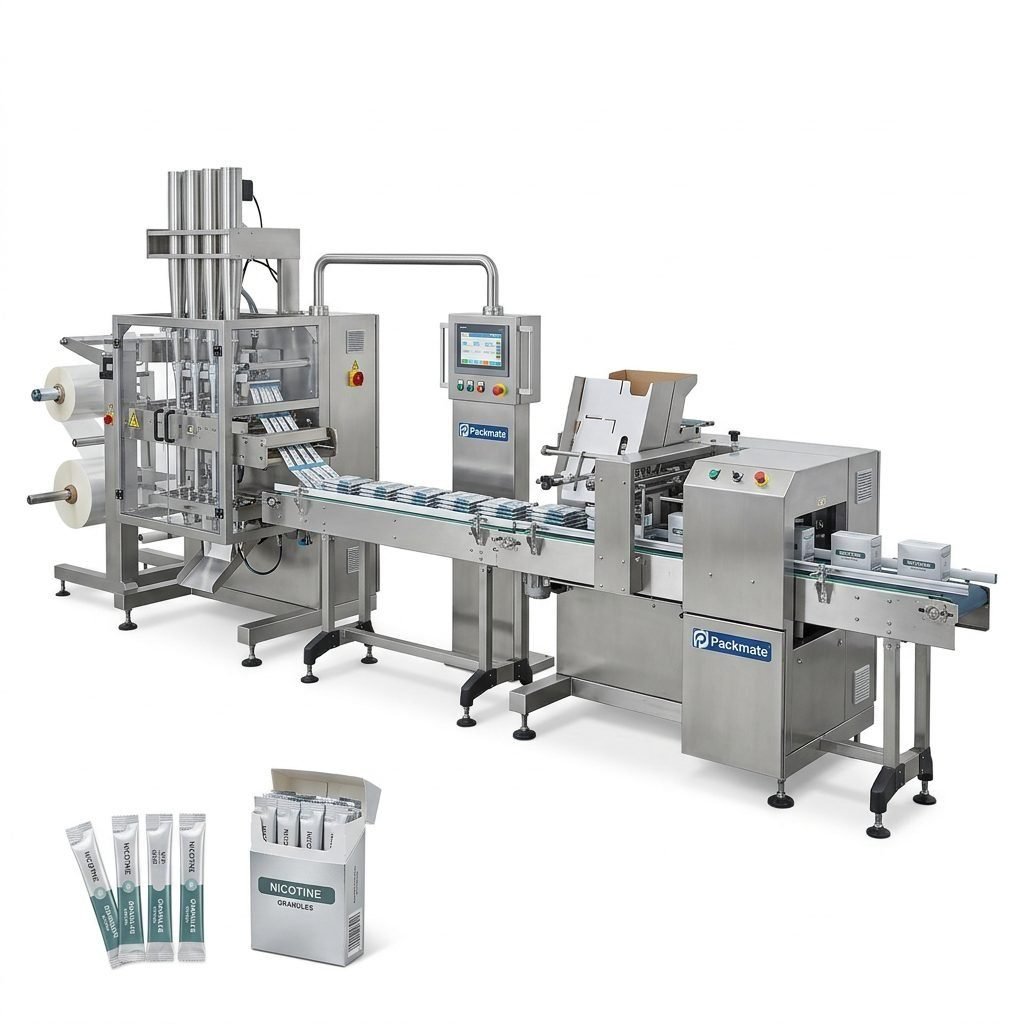
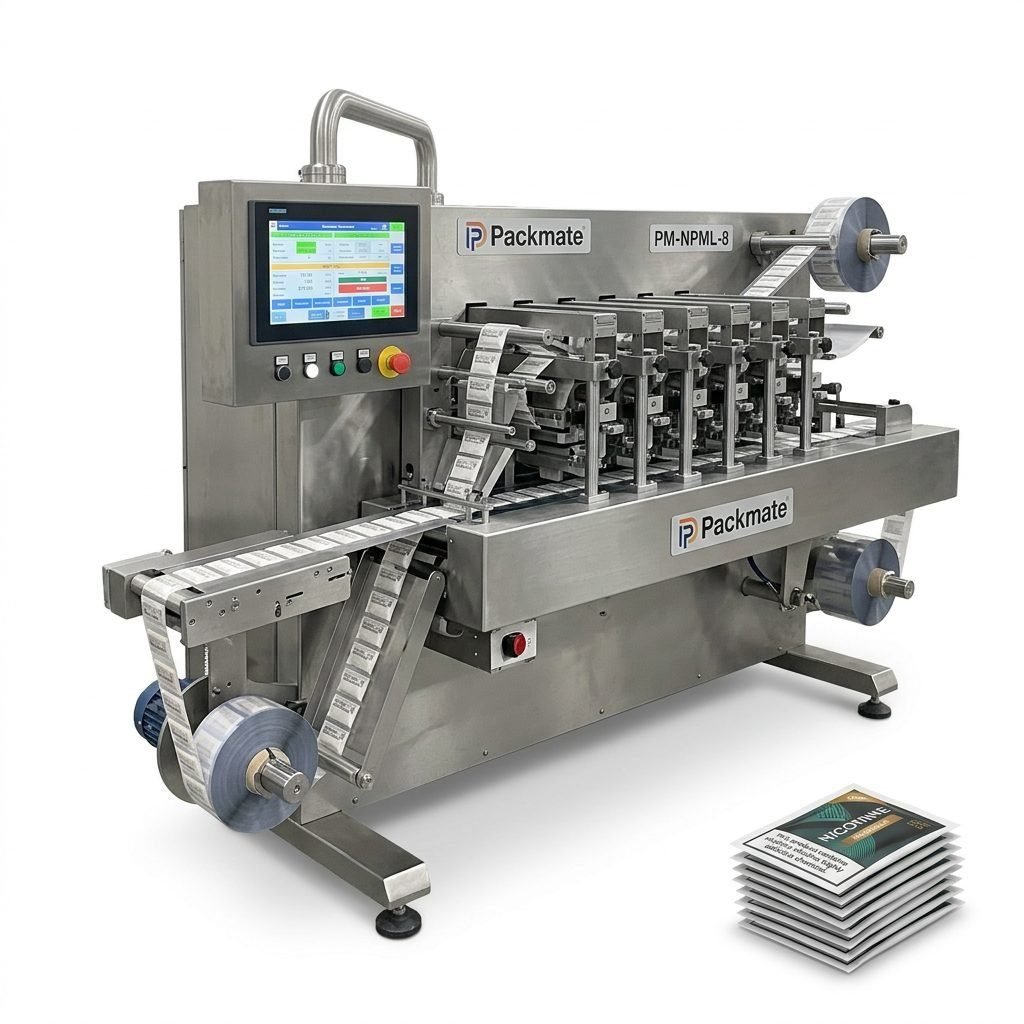
Maintaining a snus packing machine is essential for reliable performance, regulatory compliance, and long-term cost savings. This guide consolidates pro tips and practical routines for daily checks, preventive maintenance, troubleshooting, and parts replacement—helping production managers, maintenance technicians, and operations teams get the most out of their snus and nicotine pouch packaging lines.
Why Preventive Maintenance Matters for Snus Machines
A well-maintained snus machine reduces downtime, ensures consistent pouch weight and seal integrity, and maintains hygiene standards vital for consumable products. With complex multi-lane systems and high-speed snus & nicotine packaging machines, small faults can quickly escalate into production-stopping failures.
Key benefits of a structured maintenance program
✓ Operational stability — fewer surprises and predictable output.
✓ Extended machine lifespan — lower capital replacement costs.
✓ Product quality & compliance — consistent pouch seals and accurate dosing.
✓ Reduced spare parts inventory — planned replacements instead of emergency ordering.
Daily Maintenance Checklist (Start / End of Shift)
Keep daily checks fast but thorough. A short routine performed by operators prevents many common issues.
🔧 Visual inspection: Look for loose guards, torn belts, unusual wear on feed systems and conveyors.
⚠️ Seal & pouch check: Remove 10–20 samples per lane to verify correct sealing, print alignment, and fill accuracy.
🔋 Power & controls: Check for alarm conditions, confirm emergency stops operate, and ensure HMI readings are within expected ranges.
🧼 Cleanliness: Wipe product contact surfaces to prevent nicotine residue buildup—keep openings clear to avoid product contamination.
Weekly Maintenance Tasks
Weekly tasks dive a little deeper: lubrication, minor adjustments, and verifying ancillary systems.
🔩 Lubrication points: Apply grease/oil per manufacturer charts to bearings, chains, and cams. Use food-grade lubricants where product contact is possible.
🧰 Belt & chain tension: Check and adjust tensions to prevent slippage or excessive wear.
💨 Pneumatics: Inspect air filters, regulators, and drains; ensure no moisture or oil in the lines affects actuators.
⚙️ Sensor calibration: Clean and verify photoeyes, proximity sensors, and load cells for consistent detection.
Monthly and Quarterly Preventive Checks
These checks reduce the risk of unexpected breakdowns over longer runs or high-volume seasons.
🛠️ Mechanical inspection: Inspect gears, cams, and shafts for pitting or fatigue. Replace worn parts before failure.
🔌 Electrical checks: Tighten terminal connections, inspect belts on motors, and verify VFD or PLC event logs for anomalies.
🧾 Spare parts review: Restock commonly used parts like seals, belts, and sensors. For turnkey lines, check auxiliary equipment inventory such as fillers and weigher components (weighing & packaging systems).
Annual Overhaul and Calibration
Once a year, schedule a deeper inspection and calibration to preserve production accuracy and meet regulatory audits.
📐 Full calibration: Recalibrate weighing systems, dosing units and check printing quality for barcodes or batch codes.
🔍 Non-routine replacements: Replace seals, bearings, and any consumables approaching end-of-life.
🧾 Documentation: Update maintenance logs, service intervals, and parts history—use these records for warranty or regulatory purposes.
Maintenance Tools & Supplies Checklist
Having the right tools and consumables on-site saves hours. Keep a maintenance cabinet with common items and a documented stock list.
⚒️ Wrenches, torque drivers, and bearing pullers
🧴 Food-grade lubricants and anti-seize compounds
🧰 Replacement belts, sprockets, seals, and filters
🧷 Electrical spare parts: fuses, relays, connectors, sensors
📘 Logbooks and digital maintenance records
Troubleshooting Common Issues
Quick diagnostics help minimize downtime. Below are frequent symptoms and fast checks to identify root causes.
⚠️ Poor seal quality: Check temperature uniformity, worn sealing jaws, and contaminated film. Verify film tension and alignment.
🚫 Inconsistent pouch weight: Inspect dosing system calibration, hopper blockages, or faulty load cells.
🌀 Belt slippage or excessive vibration: Re-tension belts, check pulley alignment, and inspect motor mounts.
❗ Frequent electrical trips: Review motor currents, short circuits, or VFD error codes; ensure proper grounding and clean ventilation.
When to Call Factory Support
For complex PLC logic issues, servo tuning, or mechanical failures beyond field service skillsets, contact the OEM. Packmate offers global turnkey solutions and service support; refer to service resources accordingly.
Visit Service or Contact Us for authorized technical assistance and spare parts support.
Spare Parts Strategy & Inventory
A smart spare parts strategy balances capital tied in inventory with the cost of downtime. Prioritize critical wear items and items with long lead times.
Recommended spare parts: sealing jaws, belts, sensors, bearings, drive belts, control fuses, and pump cartridges.
Stock levels: Keep 1–2 months’ worth of high-use consumables and single items for critical components. Review usage after peak seasons and update reorder points.
Upgrades and Retrofit Opportunities
As production needs evolve, consider retrofits for higher output, improved hygiene, or automation upgrades. Packmate manufactures multi-lane and stick-pack systems that can often be integrated into existing lines—check product options like sachet & stick pack machines or bag solutions at Bag & Pouch Packaging Machines.
Safety and Regulatory Considerations
For tobacco-related consumables and nicotine pouches, hygiene, traceability, and operator safety are essential. Follow local regulations for handling nicotine-containing materials and ensure CE/ISO compliance for exported equipment; Packmate machines adhere to international standards and carry certifications to support global operations.
🔐 Lockout/tagout: Always de-energize equipment before maintenance.
🧤 PPE: Gloves, eye protection, and appropriate respiratory measures when cleaning nicotine residues.
🗂️ Traceability: Maintain batch logs for pouches, machine settings, and calibration records in case of audits.
Training & Operator Best Practices
Investment in proper operator training dramatically lowers user errors and improves first-line troubleshooting capabilities. Schedule refresher trainings, create easy-to-follow checklists, and provide quick-reference guides near the machine.
Choosing the Right Service Partner
Select a service partner familiar with snus packing specifics and the subtleties of nicotine pouch production. A partner offering turnkey lines and spare parts globally ensures faster recovery from failures and long-term optimization.
Learn more about Packmate’s production lines and factory capabilities at About Packmate and browse real-world installations in Case.
Quick Reference: Maintenance Frequency Table (Guideline)
Daily — visual inspection, sample seal checks, cleaning.
Weekly — lubrication, belt tension, sensor cleaning.
Monthly — electrical tightening, spare stock review.
Annually — full calibration, major replacements, documentation audit.
Final Recommendations
Implement a clear maintenance schedule, train operators for first-level checks, and partner with qualified service providers to maintain high uptime. A proactive maintenance culture ensures consistent quality for snus and nicotine pouch production and protects your investment in high-precision packaging equipment.
Frequently Asked Questions
Q1: How often should I replace sealing jaws?
A: Replace sealing jaws when you see consistent sealing defects or after a manufacturer-recommended runtime. Keep spares on hand to avoid production delays.
Q2: Can operators perform electrical troubleshooting?
A: Operators can check for obvious issues (tripped breakers, loose cables) but in-depth electrical repairs should be handled by certified electricians or factory support to avoid hazards.
Q3: What lubricants are recommended for food-contact zones?
A: Use verified food-grade lubricants for any parts that may accidentally contact product; non-contact driveline lubricants can be industrial-grade per OEM guidance.
Q4: How do I scale maintenance for multi-lane lines?
A: Scale by increasing inspection frequency for high-output lanes, maintaining a larger spare stock, and scheduling staggered overhauls to avoid full-line downtime.
Q5: Where can I get official spare parts and technical support?
A: Contact the OEM or authorized service channels. See Service or Contact Us for Packmate support and genuine spare parts.