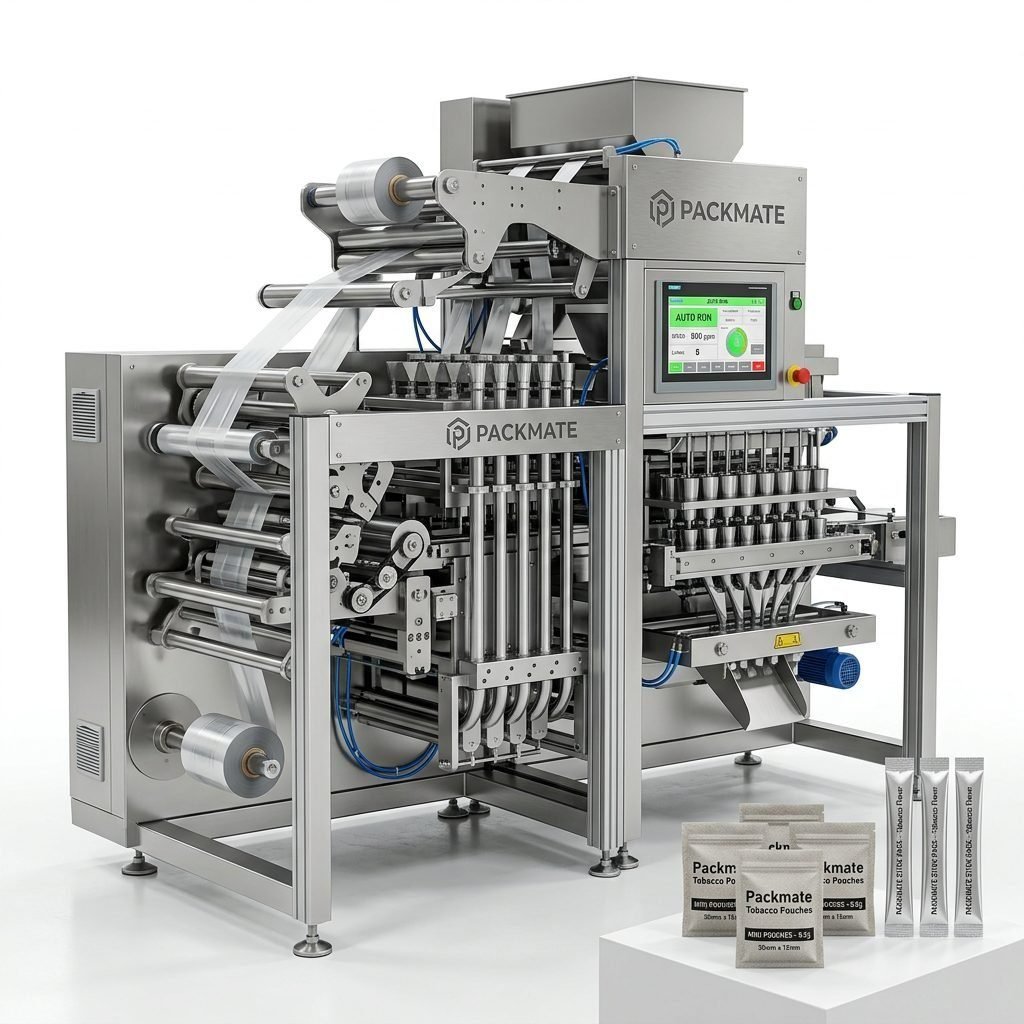
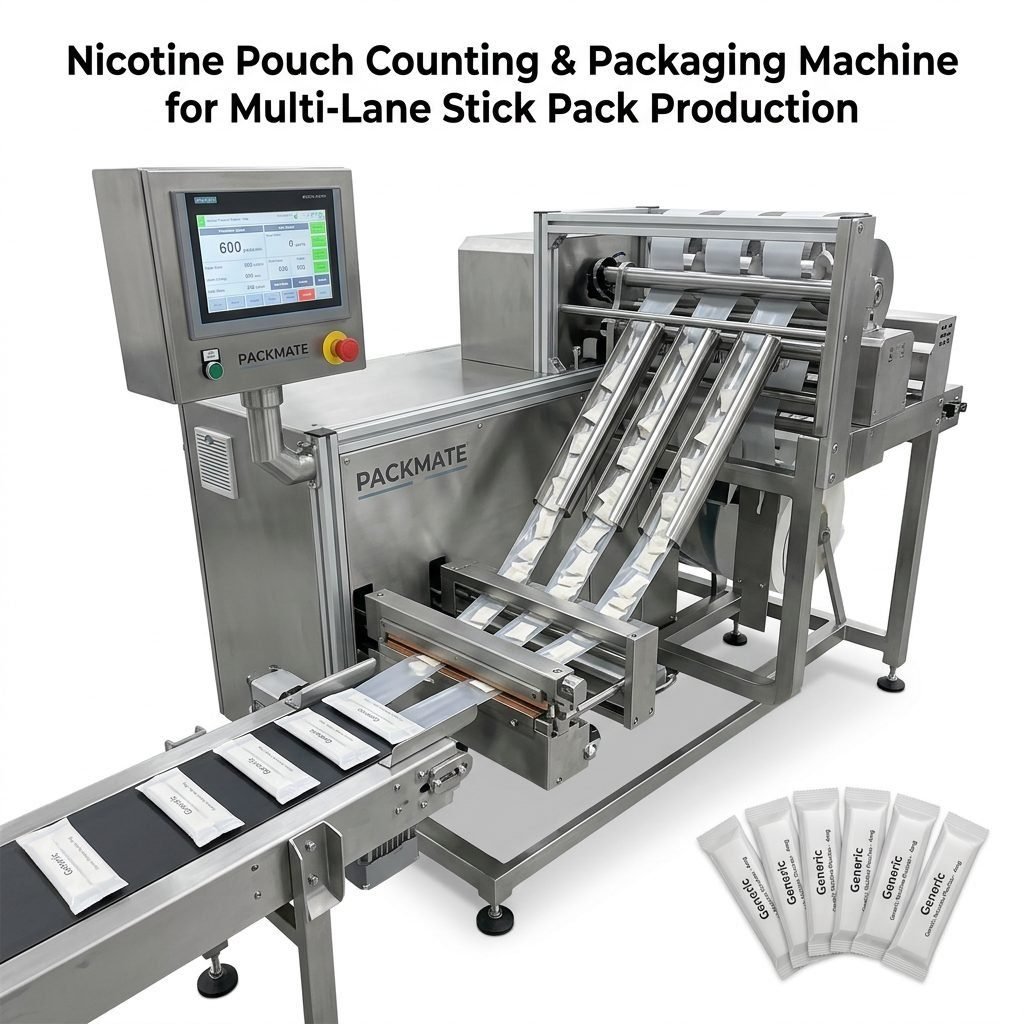
Selecting the right snus packaging machinery supplier for the Serbian market is a strategic decision that affects product quality, regulatory compliance, and long-term profitability. Whether you are launching nicotine pouches, stick packs, or sachets, finding a partner who understands machine performance, local logistics, and post-sale service is essential. This guide breaks down the most important factors to evaluate, practical tips for on-site verification, and Serbia-specific considerations to help you make an informed purchase.
🔍 Why Choosing the Right Snus Packaging Supplier Matters in Serbia
Serbia is part of a growing regional market for smokeless nicotine products and serves as a strategic entry point to the Balkans. A supplier with proven technology and local-market awareness can help you meet product expectations and adapt quickly to changes in demand. Key consequences of choosing poorly include production downtime, product inconsistency, regulatory delays, and higher lifetime costs. Focus on suppliers who combine robust engineering with clear documentation, spare-parts availability, and reliable service networks.
📌 Understand Local Market & Consumer Habits
Serbian consumers and regional buyers often prefer compact, discreet packaging with high visual appeal. Many buyers value sustainable materials and tight portion control. If your target is both domestic retail and export across the EU and neighboring countries, consider machines that can:
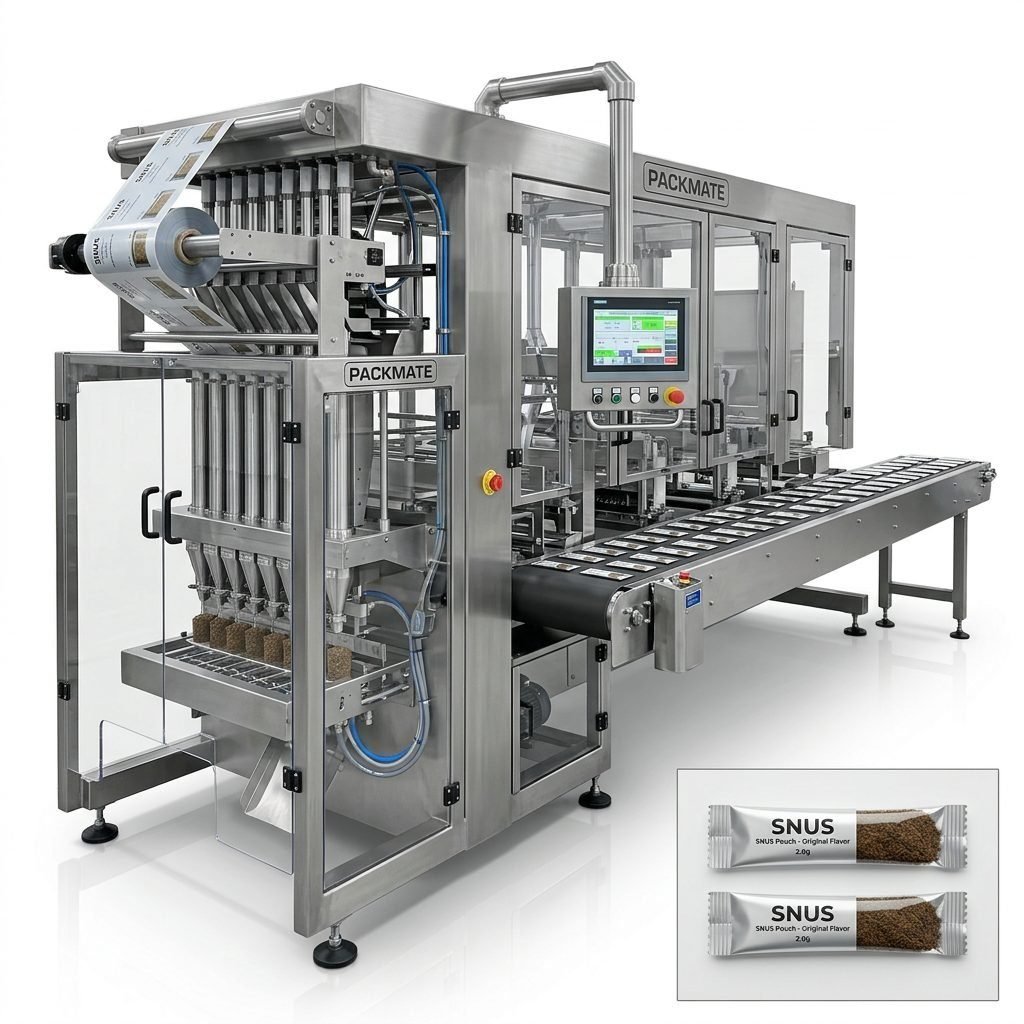
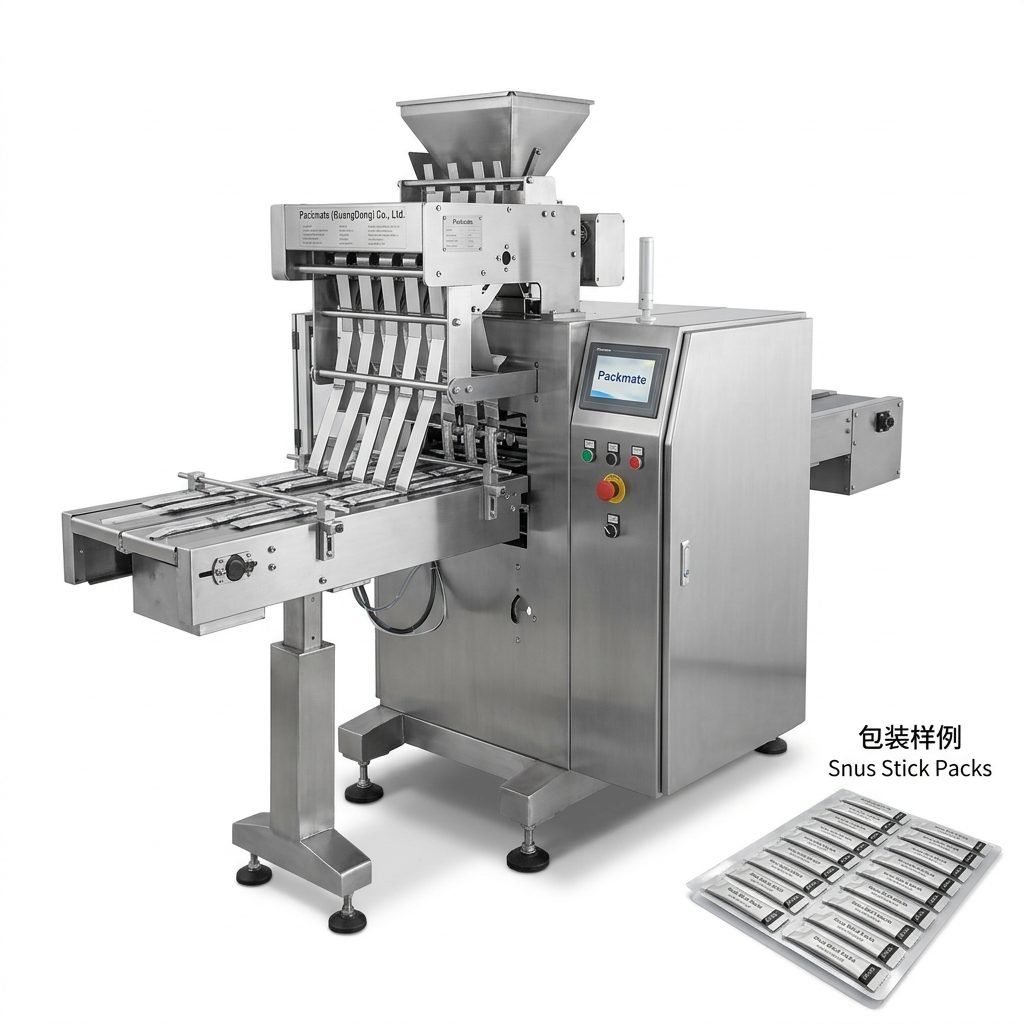
• Handle multiple pouch sizes and formats (stick, sachet, multi-lane pouches)
• Offer fast changeovers for small-batch production common among artisanal and niche brands
• Support printed or pre-formed film rolls to meet branding and regulatory labeling needs
⚖️ Regulatory & Compliance Considerations
Regulations around nicotine products vary across Europe and within the Balkans. While Serbia is not an EU member, businesses exporting to EU markets must comply with EU labeling, packaging waste, and product safety standards. Always verify:
• Machine hygiene and cleanability standards (materials, crevice-free design)
• CE and ISO certifications for equipment — these streamline customs clearance and reassure EU buyers
• Availability of documentation and test reports for regulatory audits
🛠 Key Technical Criteria to Evaluate
When assessing snus packaging machinery, technical performance is the foundation. Pay attention to the following attributes and request concrete data sheets and performance records:
✅ Output capacity & scalability: Evaluate hourly pouch outputs at different formats and lanes. Suppliers with multi-lane systems are ideal if you plan to scale production quickly.
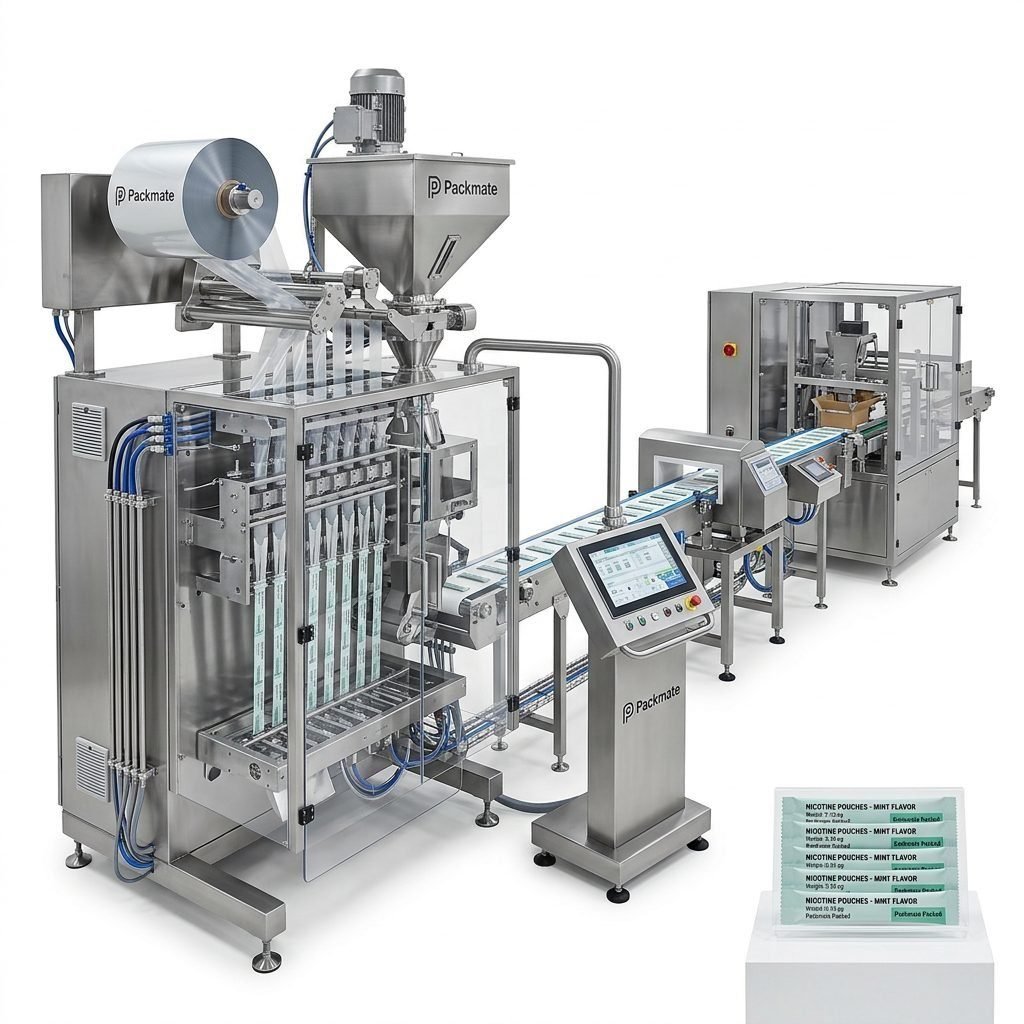
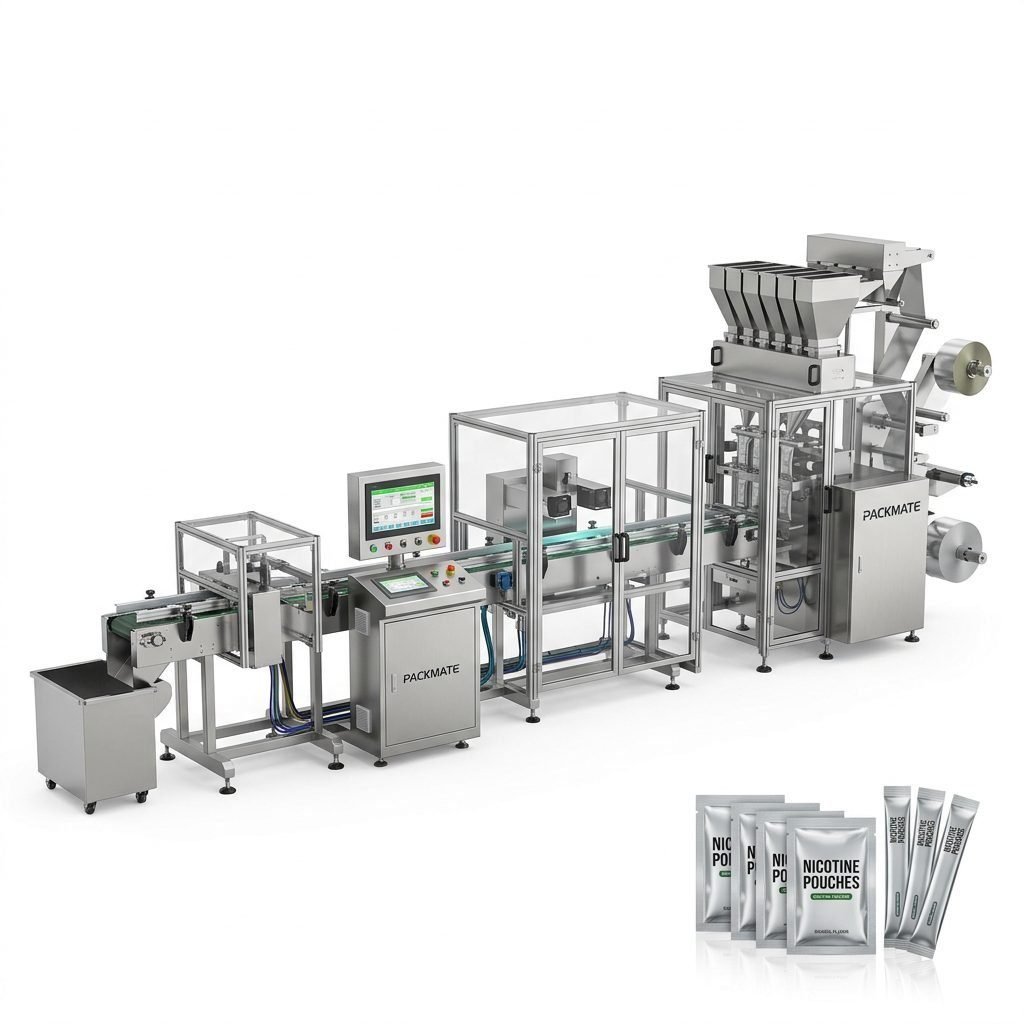
✅ Format flexibility: Machines that switch between stick packs, sachets, and nicotine pouches with minimal downtime reduce tooling costs and increase agility.
✅ Material compatibility: Confirm the machine supports common film laminates, barrier films, and biodegradable options if you seek eco-certifications.
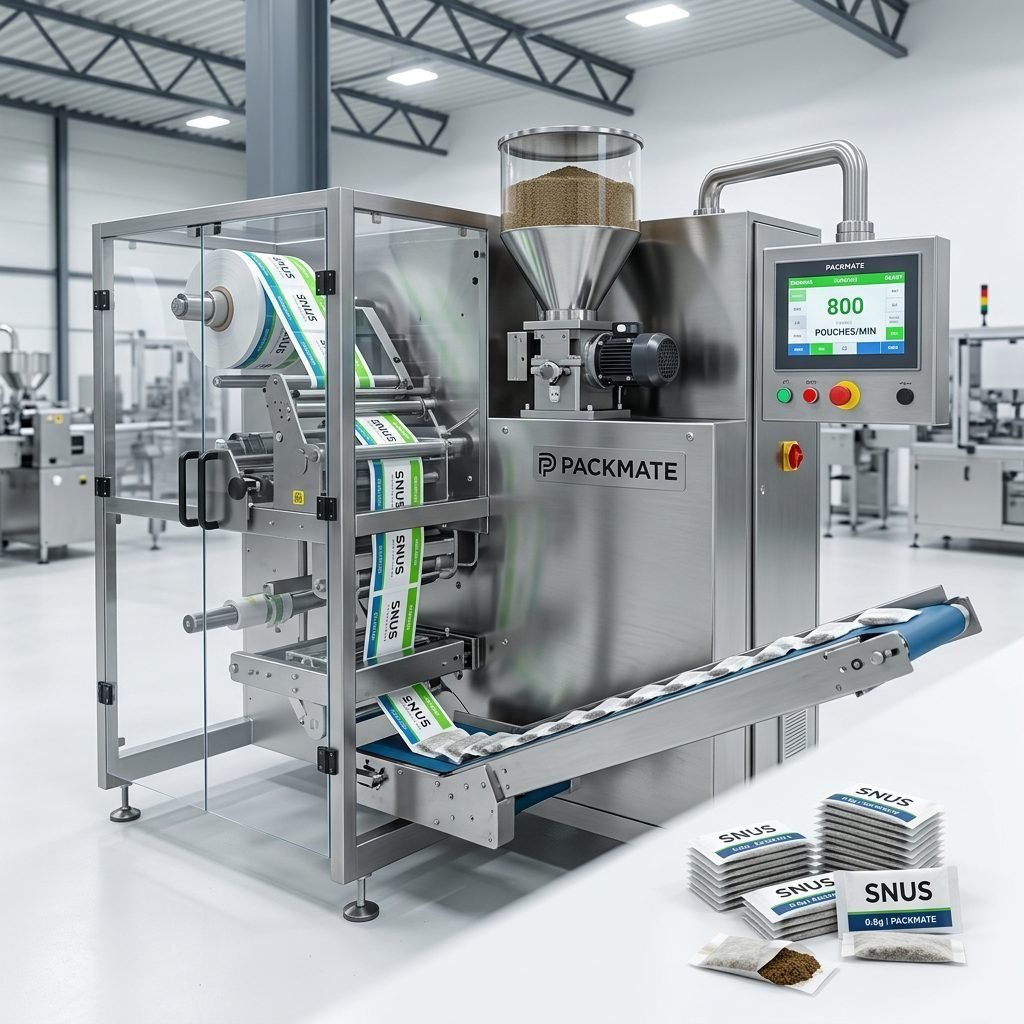
✅ Accuracy & filling technology: Consistent dosing for small-dose nicotine pouches is critical. Look for advanced weighing or volumetric dosing systems and involved quality control sensors.
✅ Durability & spare parts: Ask for MTBF (mean time between failures) data and spares lead time. Reliable suppliers stock critical parts and provide clear spare-part catalogs.
For more information on specific machine types and configurations, review the supplier’s product pages such as Snus & Nicotine Packaging Machines and Sachet & Stick Pack Machines.
🏭 Factory Verification & Supplier Strength
A visit or a thorough virtual audit of the supplier’s manufacturing facility provides strong evidence of capability. Key items to verify include machining centers, assembly lines, test benches, and quality control procedures. Leading suppliers will happily demonstrate real production runs and provide references.
🔧 What to confirm during a factory visit: CNC capacity and maintenance logs, final assembly processes, testing rigs, spare parts inventory, and staff training programs.
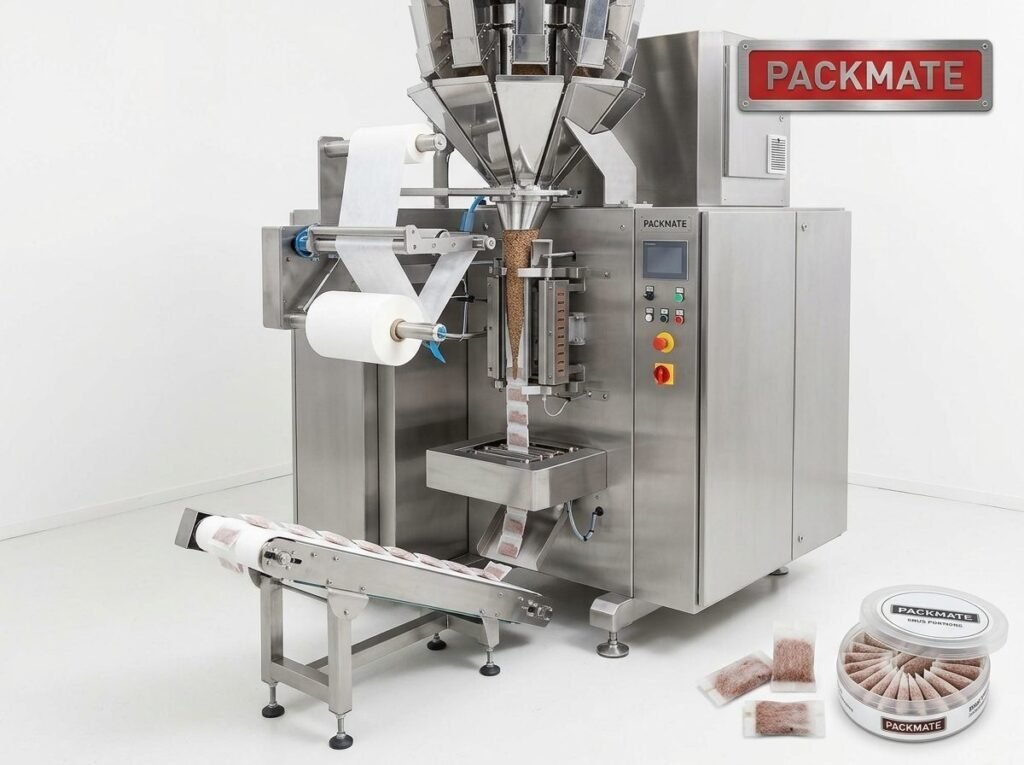
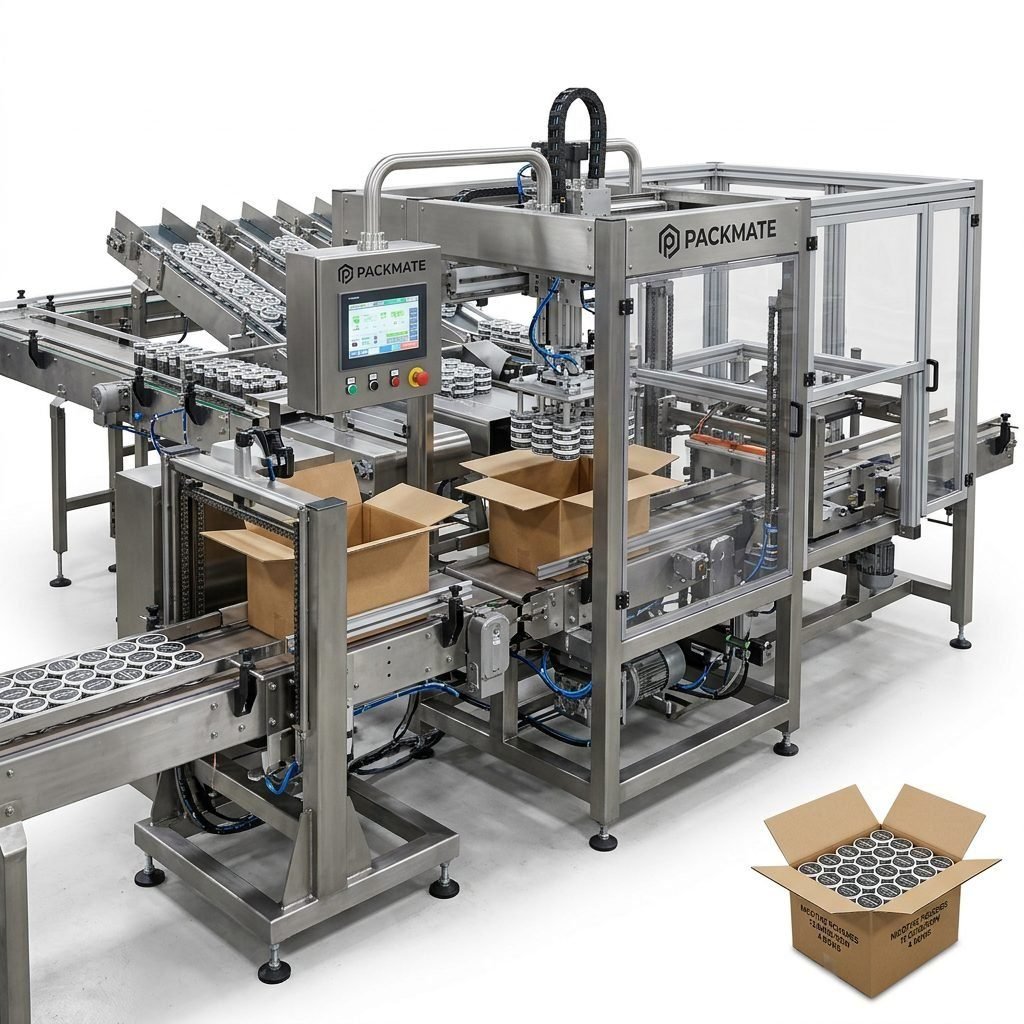
As an example of a robust supplier profile, Packmate Snus Machine brings 30+ years of experience, a 20,000㎡ factory, advanced CNC & assembly systems, and over 50 machine models. If you want more corporate information or to review past projects, see About Packmate and their Case studies.
🔧 Installation, Training & After-Sales Support
Strong after-sales service is particularly important for international buyers in Serbia where local technical teams may need support. Evaluate the supplier’s service model:
• On-site commissioning and operator training (language options for manuals and on-site trainers)
• Remote diagnostics and software support for rapid troubleshooting
• Spare parts delivery times to Serbia and EU hubs, and recommended spare kits
• Maintenance contracts and optional upgrades for automation and vision inspection
Use the supplier’s service page to clarify SLAs and warranty terms; see Service and Contact Us for direct inquiries.
💰 Commercial & Financial Considerations
Price is more than the machine’s sticker value. Total Cost of Ownership (TCO) includes installation, tooling, spare parts, consumables, energy use, operator training, and downtime risk. Important areas to negotiate:
📌 Payment & warranty: Seek clear warranty terms, payment milestones tied to acceptance testing, and penalties for missed delivery timelines.
📌 Shipping & import: Confirm Incoterms, customs clearance experience in Serbia, and projected lead times. Some suppliers offer EU-warehouse options to reduce delivery time.
Consider requesting a sample acceptance run or pilot order to validate performance before full payment. Many reputable suppliers, including those with global turnkey solutions, accommodate pilot runs to reduce buyer risk.
✔️ Decision Checklist — A Practical Buying Tool
🔎 Technical fit: Can the machine handle your formats, speeds, and materials?
🔎 Quality evidence: Request references, site photos, and production videos.
🔎 Compliance: CE/ISO documents and test certificates.
🔎 Support: Spare parts lead times, training availability in Serbian/English, and remote diagnostics.
🔎 Commercials: Total cost, payment terms, and warranty clauses.
🇷🇸 Implementation Tips for Serbia
Adapting installation and operations to local conditions reduces delays and increases uptime. Useful Serbia-specific tips:
• Power & electrical specs: Serbia typically uses 230V/50Hz; confirm the machine’s electrical requirements and any need for transformer work.
• Language & documentation: Request user manuals and training materials in English and, if needed, Serbian. Local technicians will appreciate translated troubleshooting guides.
• Environmental factors: Ensure humidity control in filling areas (oral nicotine pouches are sensitive to moisture). Consider dehumidifiers or climate-controlled rooms during production.
• Local procurement: Work with suppliers who can advise on compatible film suppliers and auxiliary equipment available in Europe to reduce shipping time.
Common Mistakes to Avoid
⚠️ Overlooking spare parts planning, ignoring changeover time during rate calculations, and failing to validate dosing accuracy before large runs are frequent errors. Also avoid committing to a supplier without visiting their production line or watching a full acceptance test.
How to Work with International Suppliers Like Packmate
If you are considering an experienced global supplier, focus on communication bandwidth and clarity of deliverables. An established manufacturer that offers turnkey solutions can reduce integration challenges and speed time to market. Suppliers that present:
🔎 documented installation plans, verified references, and continued R&D on snus packaging (multi-lane lines, precise dosing) are preferable. For product information and line options, review pages such as Bag & Pouch Packaging Machines and Weighing & Packaging Systems.
Conclusion
Choosing the best snus packaging machinery supplier in Serbia requires a balance of technical fit, regulatory preparedness, on-the-ground service, and financial clarity. Prioritize suppliers who provide transparent performance data, strong after-sales support, and a history of delivering turnkey solutions. A methodical audit, a test run, and clear commercial terms reduce risk and help you scale confidently in the Serbian and regional markets.
Frequently Asked Questions
Q1: How important is CE certification for importing snus packaging machines into Serbia and the EU?
A1: CE certification is important when exporting to EU markets and provides confidence for customs and buyers. For Serbia, CE demonstrates adherence to international safety standards and simplifies cross-border trade into the EU.
Q2: What machine format is best for small Serbian brands starting with limited SKUs?
A2: A flexible multi-format machine that supports quick changeovers between stick packs, sachets, and small pouches is ideal for small brands. This reduces upfront tooling costs and allows testing market preferences.
Q3: How do I ensure spare parts and service availability in Serbia?
A3: Negotiate spare parts kits, local stocking options, defined lead times, and remote diagnostic support into your contract. Suppliers with EU-partner warehouses or local agents improve responsiveness.
Q4: Can suppliers provide pilot production runs before final purchase?
A4: Many reputable suppliers offer pilot runs or sample demonstrations. Request an acceptance test on your chosen format and materials to validate dosing, seal integrity, and aesthetics.
Q5: Where can I find reliable suppliers and product information?
A5: Start with supplier product pages and case studies to compare machine capabilities and references. For detailed enquiries, use the supplier’s contact or service pages to request quotes and schedule evaluations.