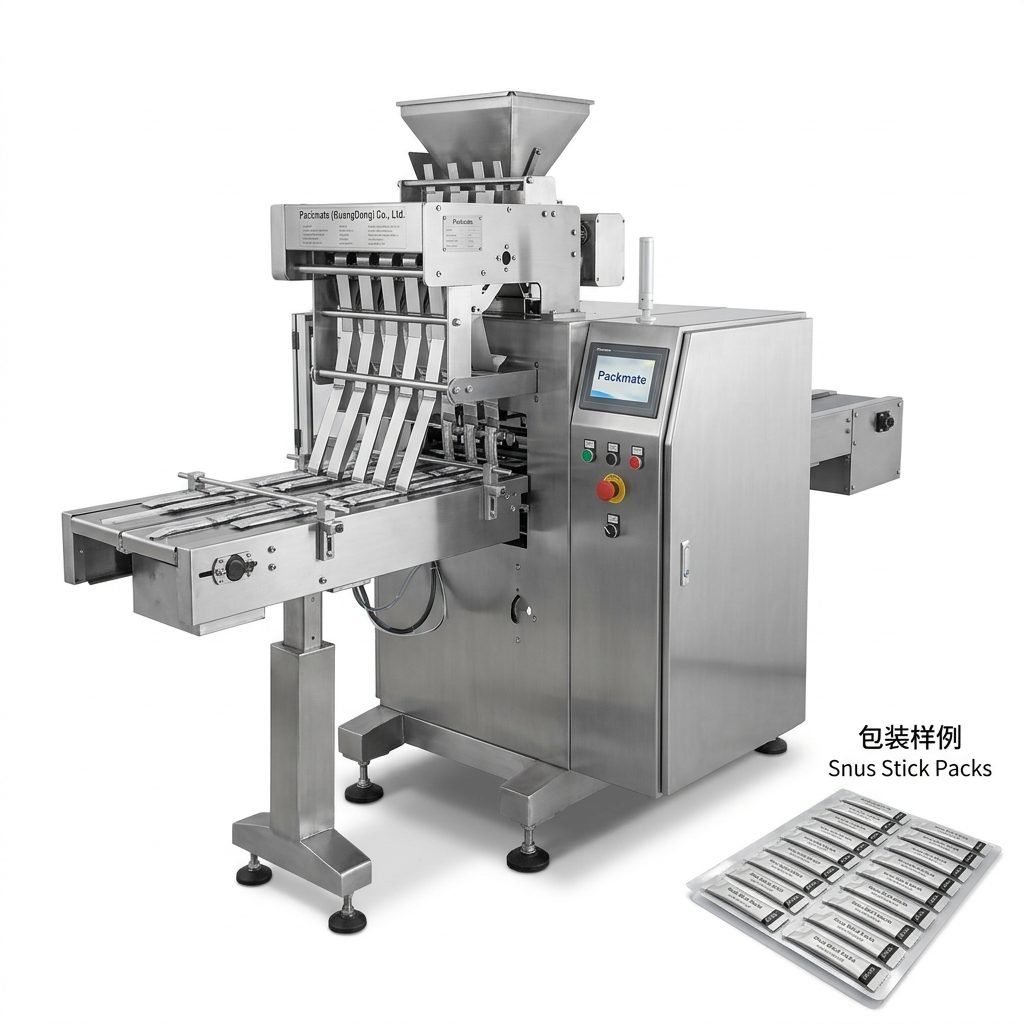
Choosing the right nicotine packaging machine manufacturer for an Indonesian production line is more than a procurement decision — it’s a strategic partnership that affects product quality, regulatory compliance, and long-term competitiveness. This guide walks you through practical, business-focused steps to evaluate manufacturers, technical specifications that matter for snus and nicotine pouch lines, and how local Indonesian considerations — from labeling in Bahasa Indonesia to distribution patterns and trade documentation — should shape your selection process.
Understand Your Production Profile and Market Needs
Before you look at suppliers, define the production profile: daily output targets, pouch format (single stick, sachet, multi-lane pouches), dosing accuracy, product type (powder, granule, paste or moisture-controlled nicotine pouches), and packaging materials (foil, laminated film, foil with tear notch). In Indonesia, local market preferences and distribution channels (modern trade, traditional kiosks, online marketplaces) can influence pack size and presentation. Consider whether you need flexible machines capable of switching between formats for promotional SKUs and seasonal demand.
Local considerations to include
– Labeling and language: ensure the machine supports printing or label applicators that can handle Bahasa Indonesia text and required regulatory icons.
– Compliance: be prepared to request documentation for customs clearance, CE/ISO certificates, and manufacturing test reports.
– Distribution scale: if you supply across Indonesian islands, aim for robust packaging to survive long logistics chains and humid climates.
Key Technical Criteria When Evaluating Manufacturers
Evaluate proposals with an engineer’s eye as well as a buyer’s perspective. Focus on throughput (pouches/minute), dosing accuracy (target ± tolerance), changeover times, and compatibility with automated upstream/downstream equipment. For nicotine pouch lines, precision filling and gentle handling are critical to maintain product integrity and consistent dosing.
📌 Top technical checkpoints:
- Machine accuracy & repeatability — evidence from factory tests and FATS reports.
- Modular design & multi-lane options for scalable throughput.
- Materials in contact with product — food-grade stainless steel (316L/304) and easy-to-clean design.
- PLC & HMI compatibility — support for remote diagnostics and multilingual interfaces.
- Spare parts availability and recommended spares list to minimize downtime.
Assess Manufacturing Strength and Quality Assurance
A manufacturer’s facility, machining capability, and quality systems determine machine reliability. Look for companies with advanced CNC machining centers, rigorous assembly lines, and documented testing protocols. Long-term suppliers often demonstrate these strengths through factory tours, video walkthroughs, and performance certificates.
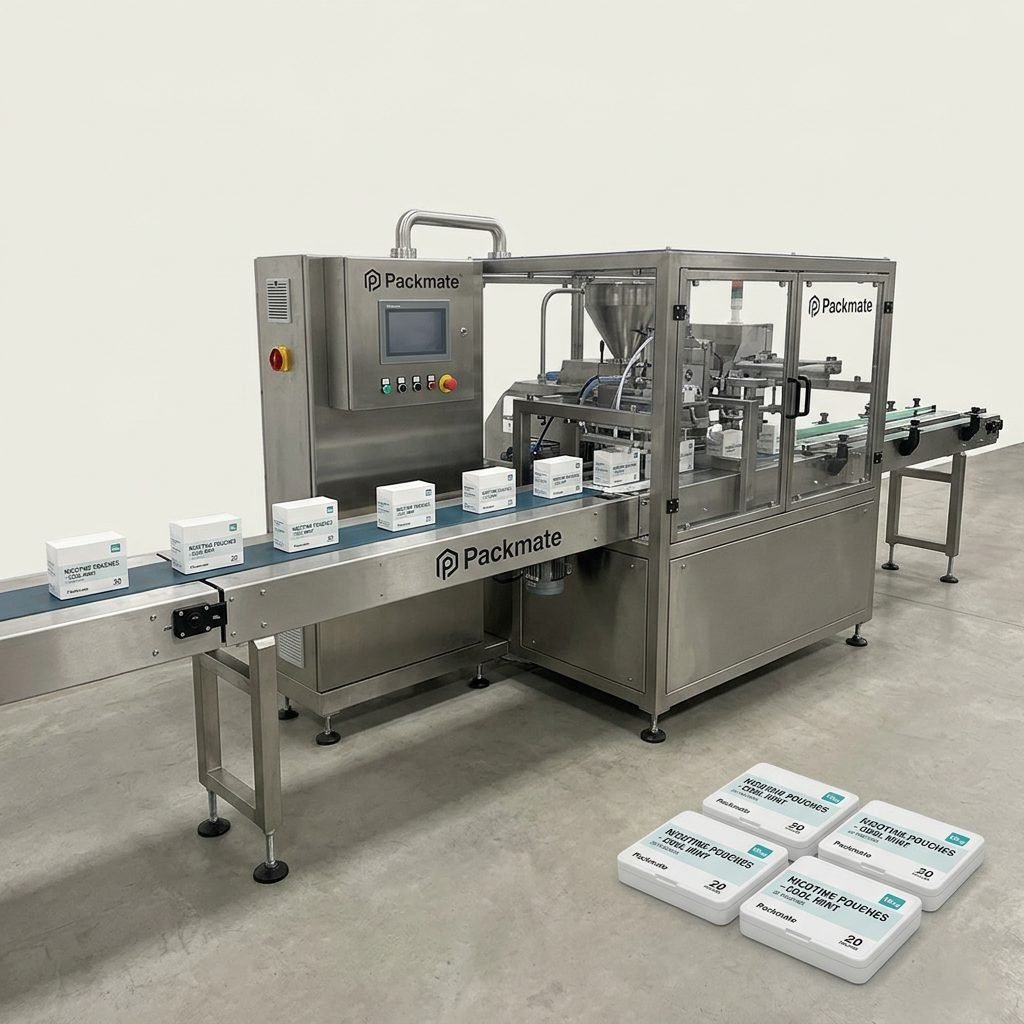
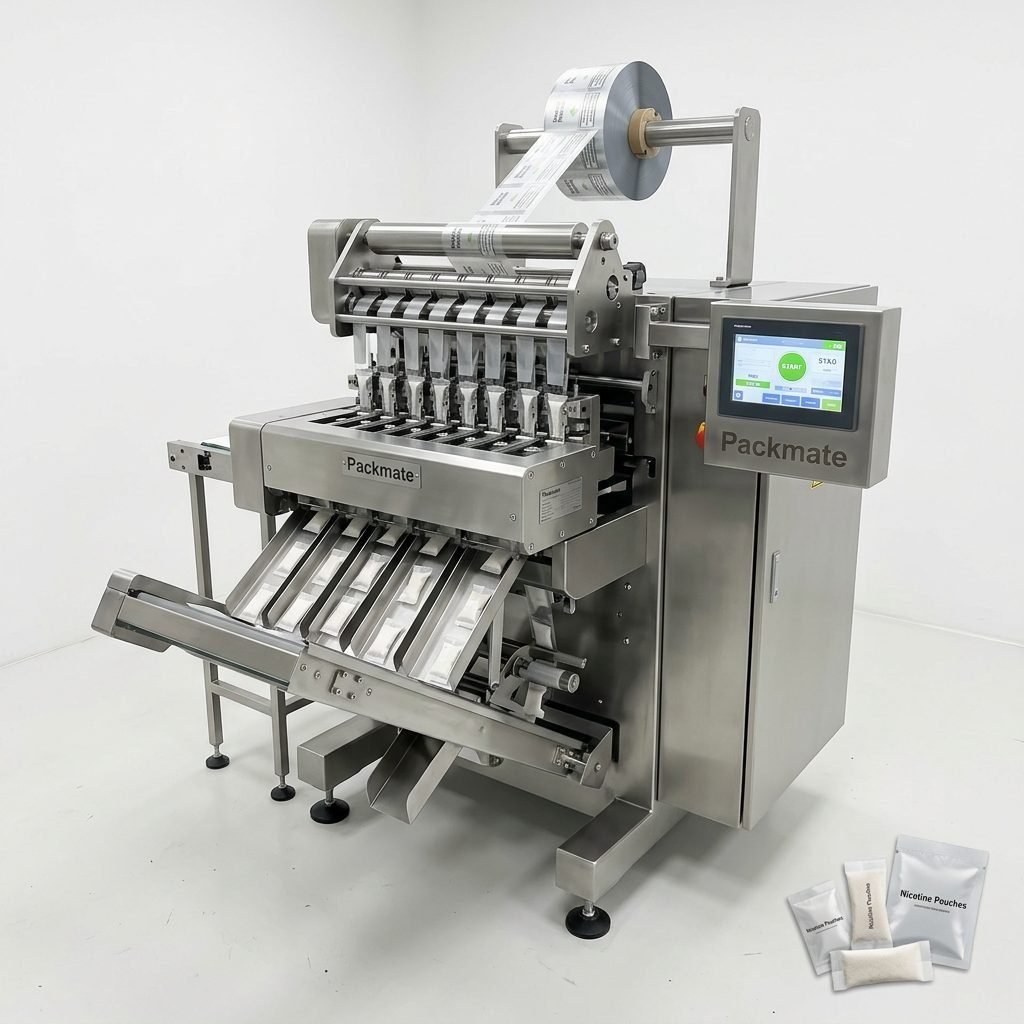
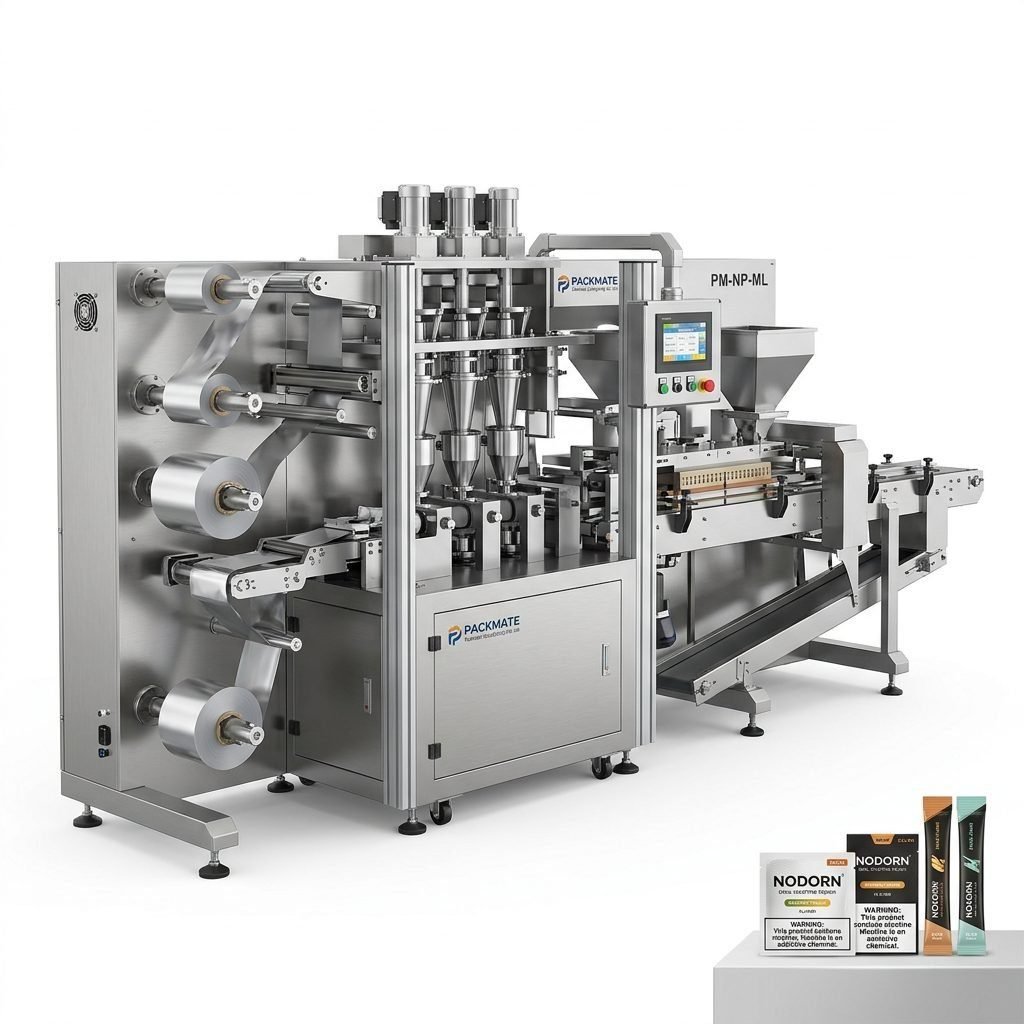
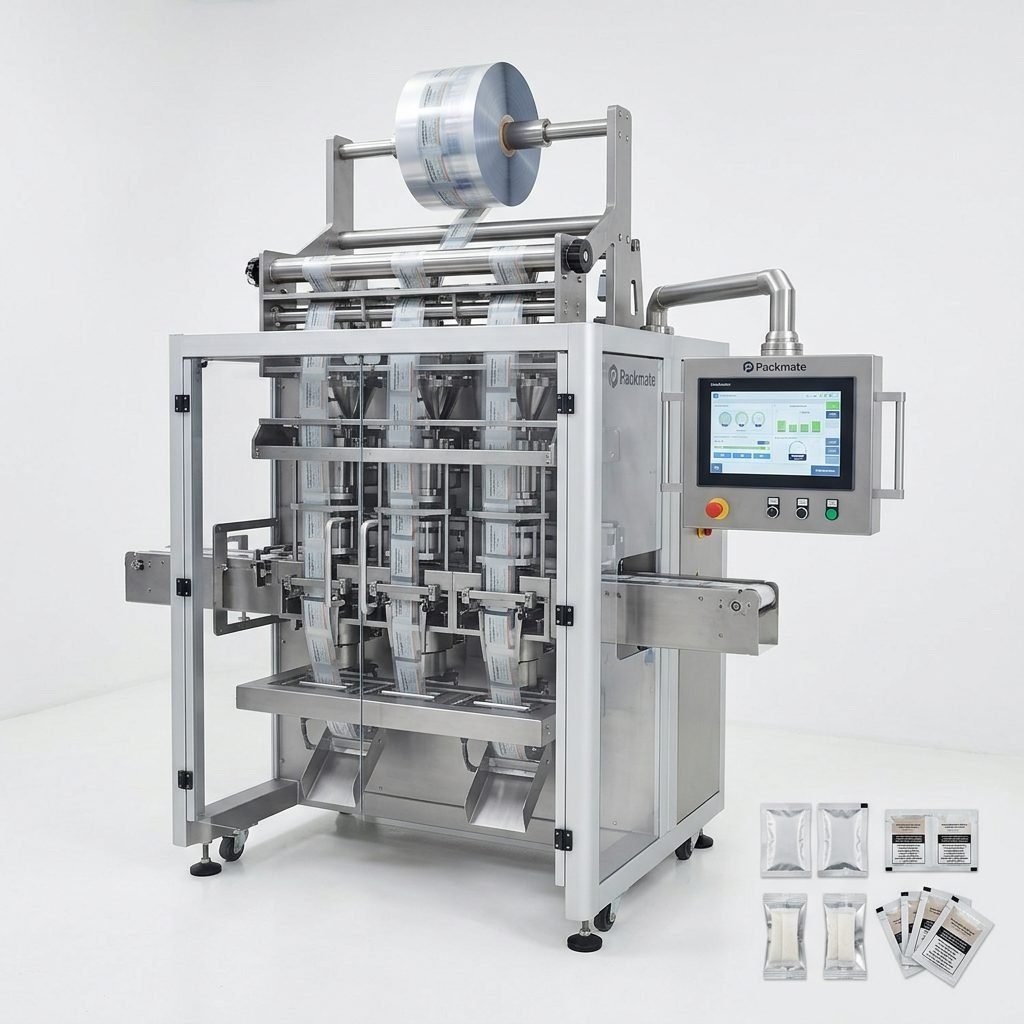
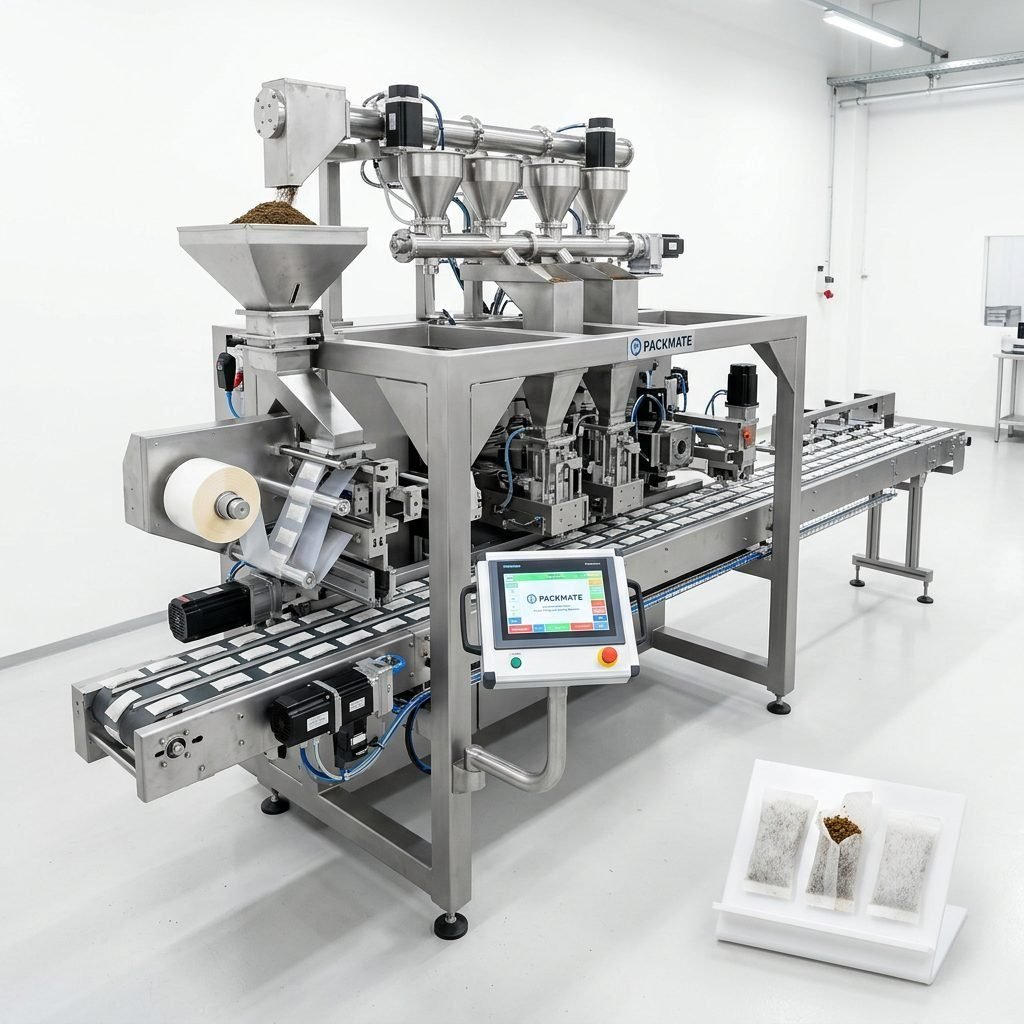
Packmate’s profile illustrates the attributes to seek: multi-decade engineering experience, a 20,000㎡ facility, and CE/ISO compliance — all markers that reduce risk and support scalable, repeatable production. For product references and machine families, check their product range like Snus & Nicotine Packaging Machines and related systems.
Factory audit checklist
When possible, perform an on-site audit or ask for a live demonstration. Verify:
- CNC and fabrication capabilities — do they make critical parts in-house?
- Assembly and test area — look for endurance testing and documented acceptance tests.
- Spare parts storeroom — lead times for wear parts and consumables.
- Quality management systems — ISO records, inspection reports, and traceability.
Service, Training and After-sales Support
After-sales service is a decisive factor, especially for operators in Indonesia where remote islands and regional logistics can delay support. Clarify warranty terms, spare parts shipment times, remote troubleshooting capabilities, and on-site service packages. Manufacturers who provide commissioning, operator training, and preventive maintenance schedules deliver faster uptime.
⚙️ Service items to confirm:
- Local or regional service partners and technician training.
- Availability of remote support via VPN, documented in contract.
- Spare parts lead times and optional local stocking plans.
- Operator and maintenance training scope included in the offer.
For formal service information and support packages, review the manufacturer’s Service pages and contact channels such as Contact Us to understand local support arrangements.
Total Cost of Ownership (TCO) — Beyond the Purchase Price
Calculate TCO including consumables, spare parts, energy consumption, downtime risk, and upgrade paths. High initial price can be offset by lower downtime, less scrap, and faster changeovers. Ask suppliers for operational metrics from installed lines and case studies showing real-world uptime and yield.
Cost factors to model
– Consumables: sealing jaws, cutting blades, and dosing components.
– Energy and utilities: motors, vacuum systems, and heating elements.
– Labor: number and skill level of operators required.
– Downtime cost: revenue lost per hour multiplied by expected annual downtime.
– Upgradeability: ease and cost of adding lanes or automation later.
Regulatory, Labeling and Cultural Considerations in Indonesia
Indonesia has specific labeling, taxation, and import rules that affect nicotine-containing products and their packaging. While nicotine pouches and snus are regulated differently across jurisdictions, your machinery partner should help provide documentation for customs, CE/ISO certification, and machine operation manuals that can be translated into Bahasa Indonesia if needed.
Respect local consumer sensibilities: product presentation and pack messaging in Indonesia may need to adapt to cultural norms and public health regulations during observances like Ramadan when consumption patterns shift. Work with packaging designers and legal counsel to ensure compliance with national advertising and health warning requirements.
Evaluating Technical Proposals and Trials
A comprehensive technical proposal should include performance guarantees, FAT (Factory Acceptance Test) protocols, detailed machine drawings, electrical schematics, and a recommended spare parts list. If possible, arrange for sample runs or a pilot line trial. This verifies dosing accuracy, sealing integrity, film compatibility, and pack aesthetics under real production settings.
📈 What to demand in the proposal
- Guaranteed production rate and test data from similar installations.
- Detailed spare parts catalogue with part numbers and prices.
- Acceptance criteria for FAT and SAT (Site Acceptance Test).
- Clear warranty terms, exclusions, and service response SLAs.
Pilot Runs, References and Exhibition Demos
Ask for references and case studies from similar projects in Southeast Asia or comparable markets. Attend trade shows and watch live demonstrations — manufacturers often showcase multi-lane snus packaging solutions and full production lines. Packmate frequently participates in global exhibitions, and their exhibition history can be found on their Our Exhibition page.
Final Selection Steps and Contract Essentials
When narrowing to finalists, perform a comparative matrix of: performance, service, TCO, factory audit findings, and reference feedback. Negotiate payment terms that align with milestones (design approval, FAT, shipment, SAT). Secure detailed acceptance tests and include penalties or remediation steps if performance guarantees are not met.
Contract checklist
– Scope of supply and excluded items.
– Detailed delivery and installation timelines.
– Acceptance test criteria and approval process.
– Warranty period, spare parts supply, and training commitments.
– Intellectual property and software licensing terms.
Why a Specialist Nicotine Packaging Manufacturer Can Save You Time
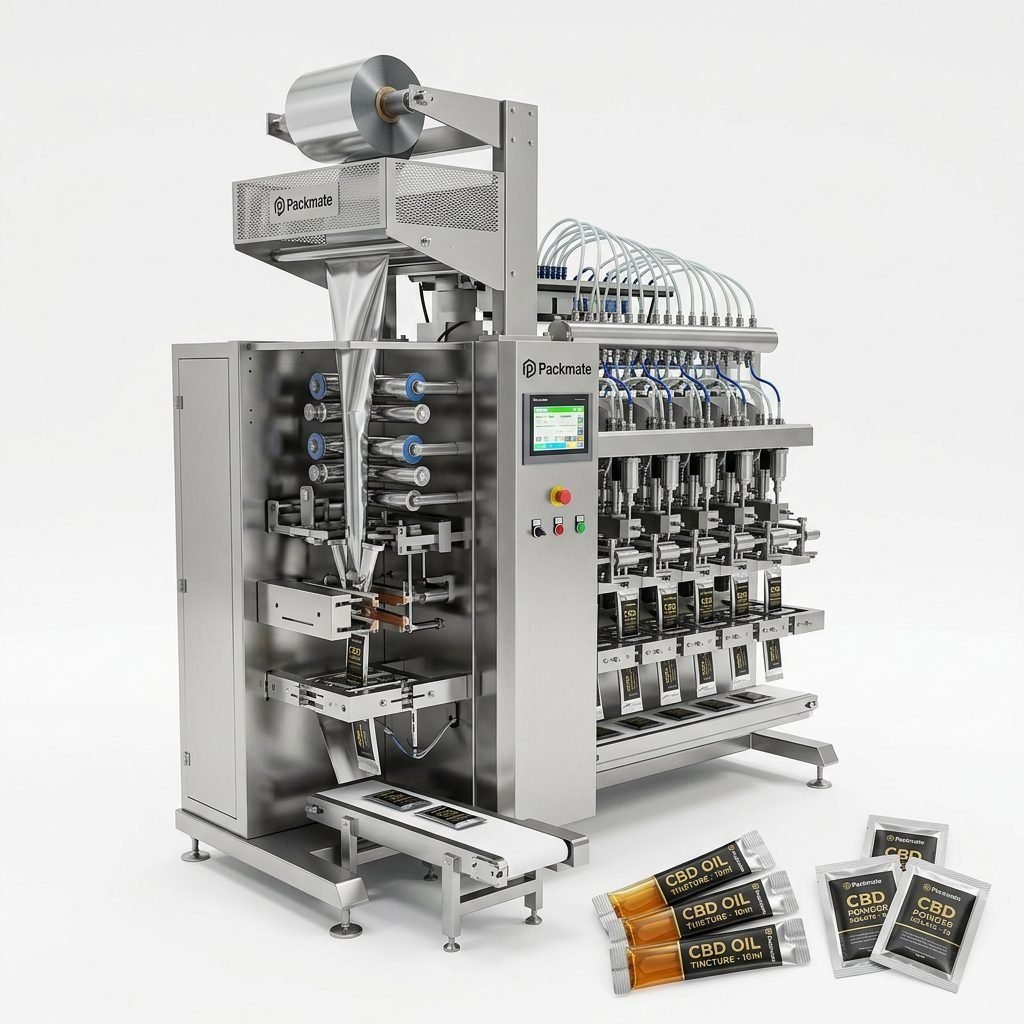
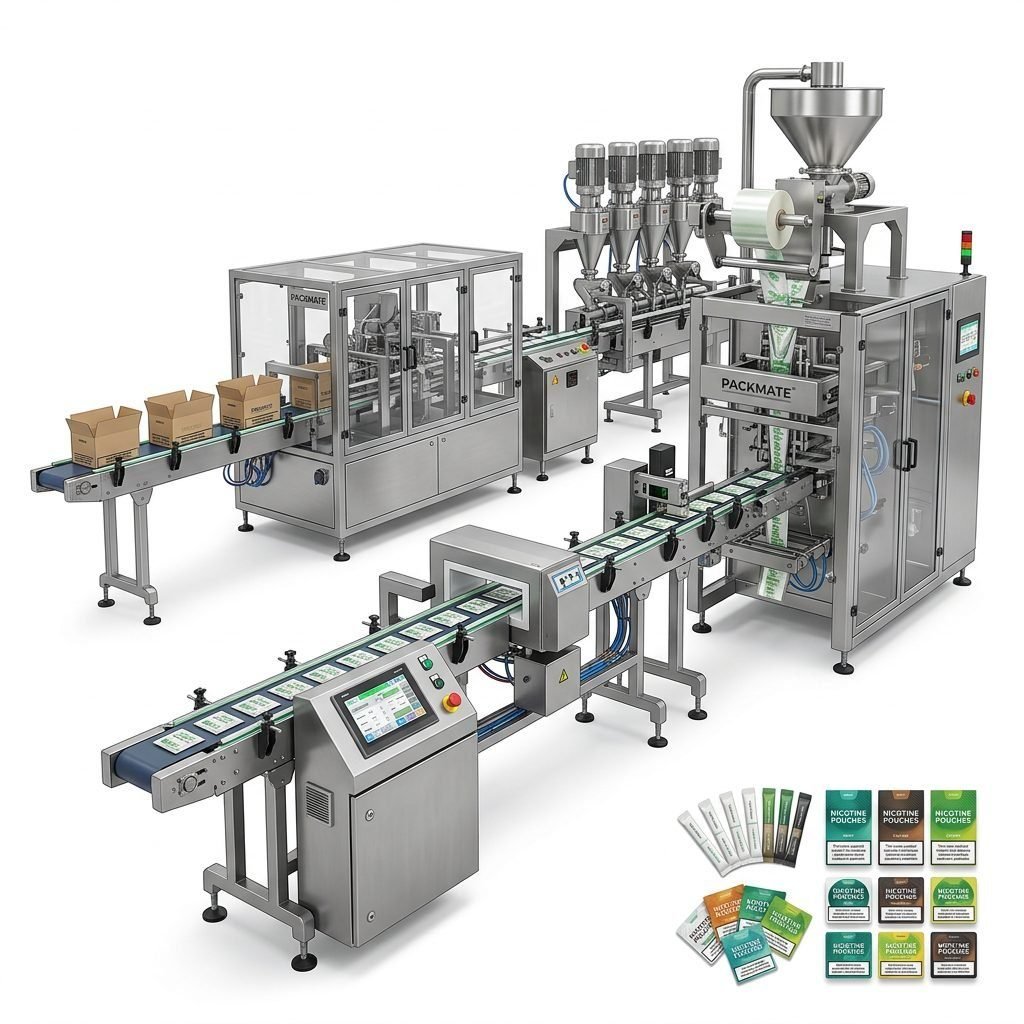
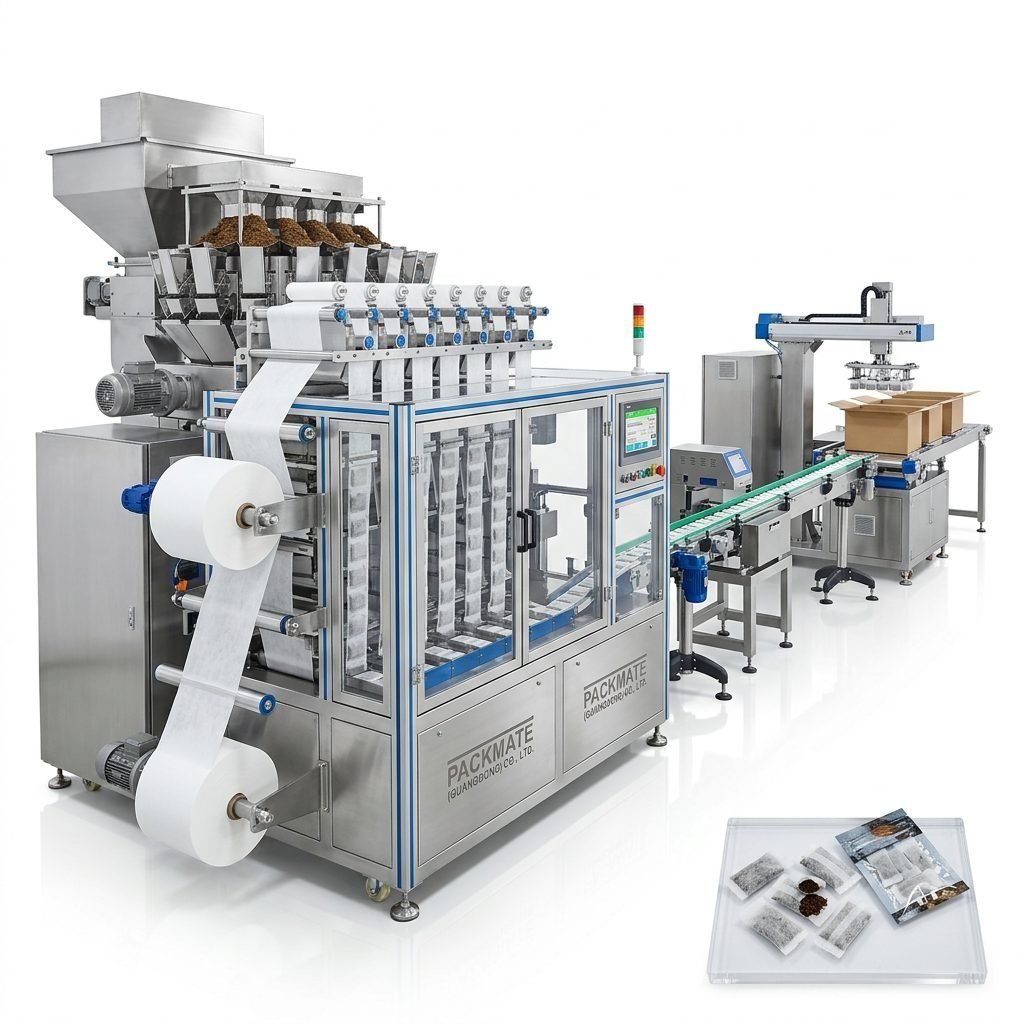
Specialist manufacturers with experience in snus and nicotine pouch lines bring domain knowledge about dosing, humidity control, and film adhesion that general packaging vendors may miss. They often provide turnkey solutions tying filling, weighing, and packaging machines together for consistent throughput. Explore product families like Sachet & Stick Pack Machines and Weighing & Packaging Systems when comparing complete solutions.
Example benefits from experienced suppliers
– Faster commissioning and more realistic acceptance criteria.
– Proven recipes for moisture-sensitive formulations.
– Pre-defined spare parts kits and preventive maintenance schedules.
– Better documentation for export/import and regulatory audits.
Next Steps: Shortlist and Engage
Create a short list of 2–4 suppliers based on the technical, commercial, and service filters above. Request detailed proposals, schedule FATs, and collect reference feedback. If you value local support, prioritize suppliers who already work with partners in Indonesia or can demonstrate rapid response capabilities.
For additional technical resources, product catalogs and manufacturing background, visit the manufacturer’s About Packmate and review certificates on their Certificate page. Case studies and project references can be found in the Case section.
Quick decision checklist (printable)
✔️ Must-have items:
- FAT video and signed performance certificate.
- Detailed spare parts list and pricing.
- Local service plan or rapid remote support.
- Clear warranty and SAT acceptance criteria.
Final thought
Choosing the best nicotine packaging machine manufacturer for your Indonesian operation is a combination of technical due diligence, local-market understanding, and clear commercial terms. Prioritize partners who demonstrate proven performance in snus and nicotine pouch lines, offer solid service coverage, and provide transparent documentation for regulatory needs.
FAQs:
Q1: How important is a factory acceptance test (FAT)?
A FAT is essential — it verifies machine performance, sealing quality, and dosing accuracy under controlled conditions before shipment. Ensure FAT criteria are in the contract and obtain signed test reports and video evidence.
Q2: What spares should I stock locally in Indonesia?
At minimum, stock sealing jaws, cutting blades, belts, bearings, and critical sensors. Ask the supplier for a recommended spares kit tailored to expected throughput and local lead times.
Q3: How can I ensure compliance with Indonesian labeling and import rules?
Work with local regulatory consultants and request machine documentation, material certificates, and testing reports from the manufacturer. Confirm translation support for manuals and labeling templates in Bahasa Indonesia.
Q4: Is it better to buy modular machines or a turnkey line?
Modularity gives flexibility for future upgrades, while turnkey solutions reduce integration risk and shorten time-to-production. Choose based on growth plans, budget, and internal integration capability.
Q5: Where can I see real installations and product demos?
Attend industry exhibitions and request case studies or on-site visits. Manufacturer exhibition pages and case sections often list past demos and installed references for validation.