In today’s competitive nicotine pouch and snus market, manufacturers need packaging lines that deliver consistent quality, high throughput, and easy integration with production ecosystems. The Smart Snus Production Line combines decades of packaging engineering with modern automation strategies to help brands scale production while maintaining rigorous quality standards.
Overview: What Makes a Smart Snus Production Line
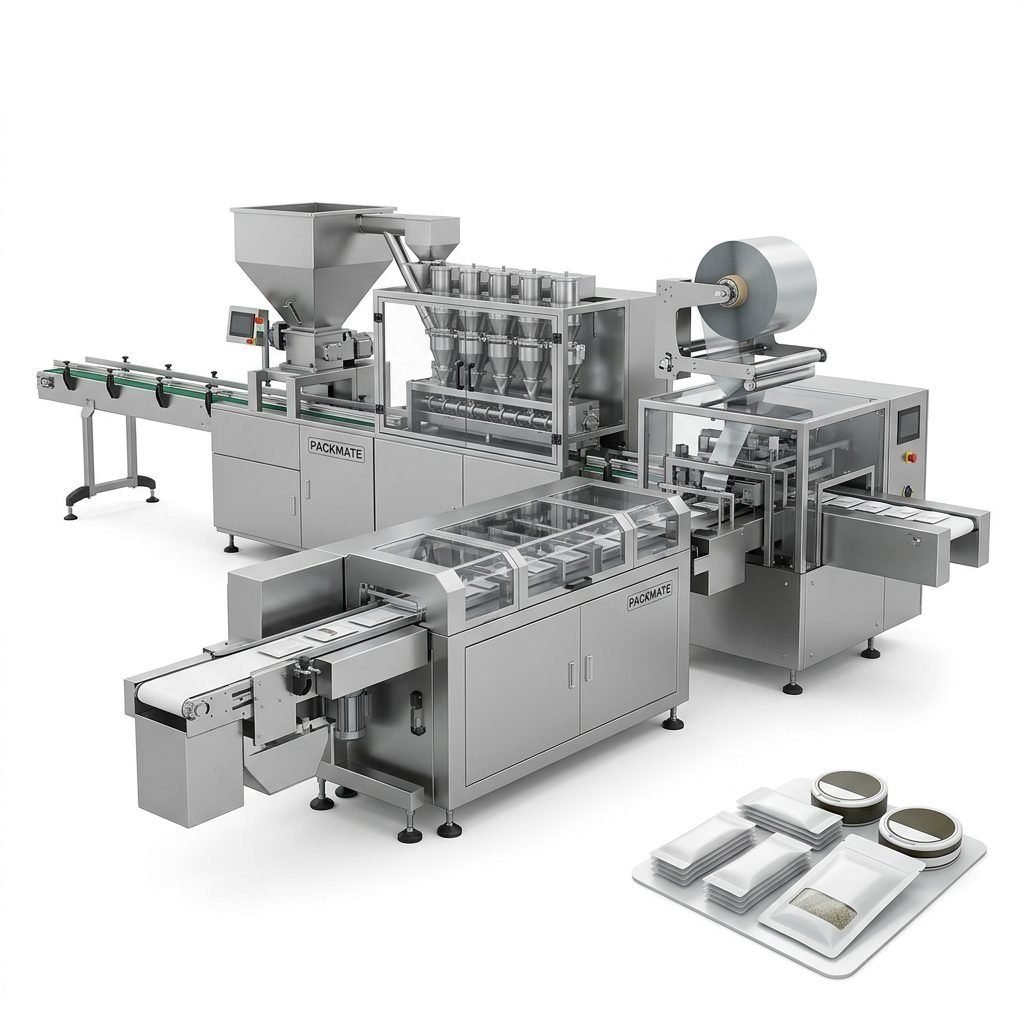
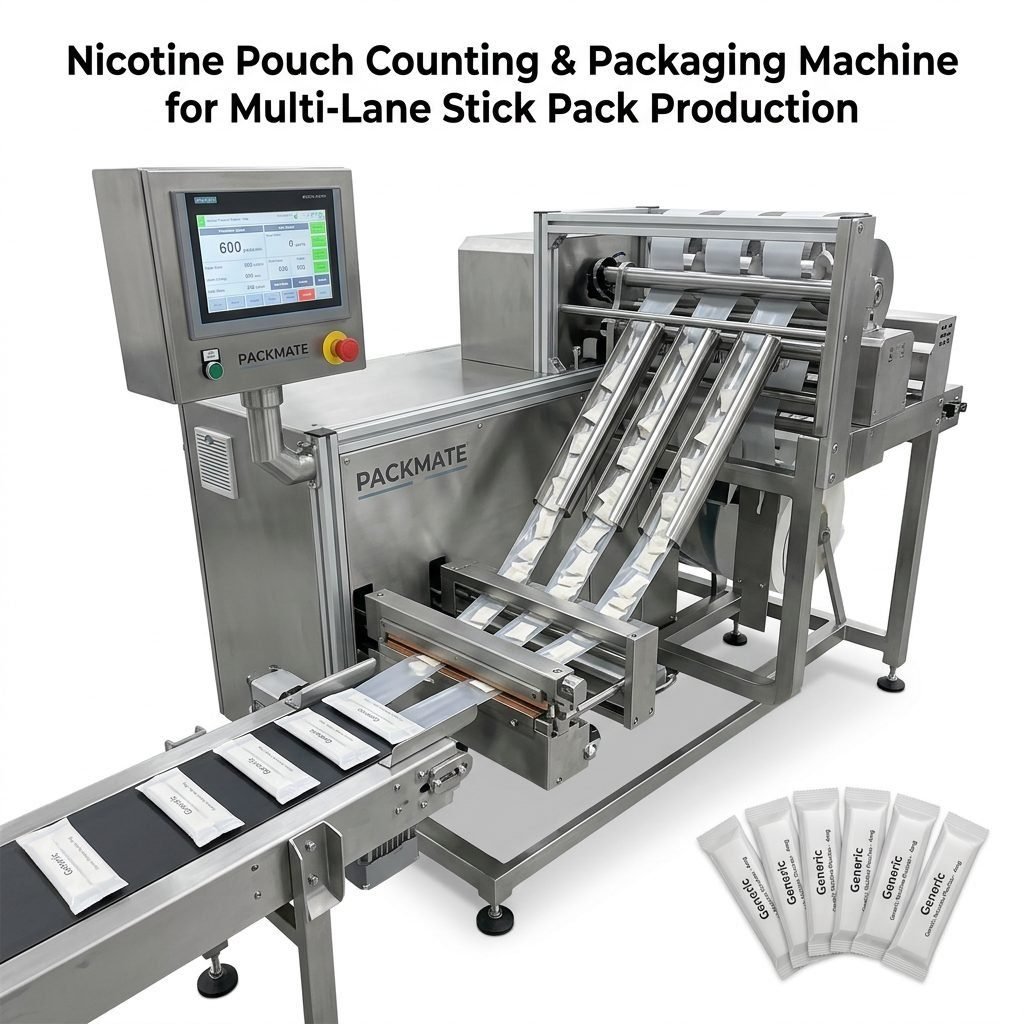
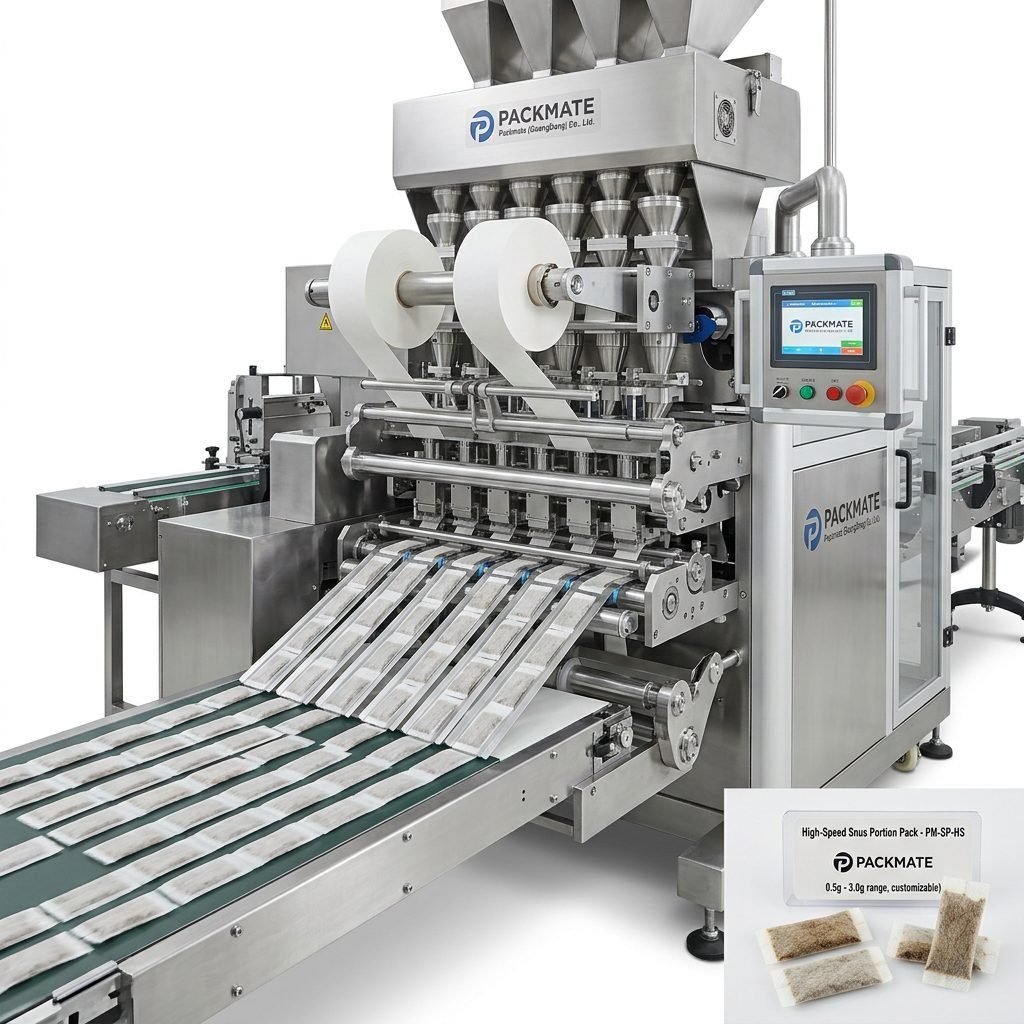
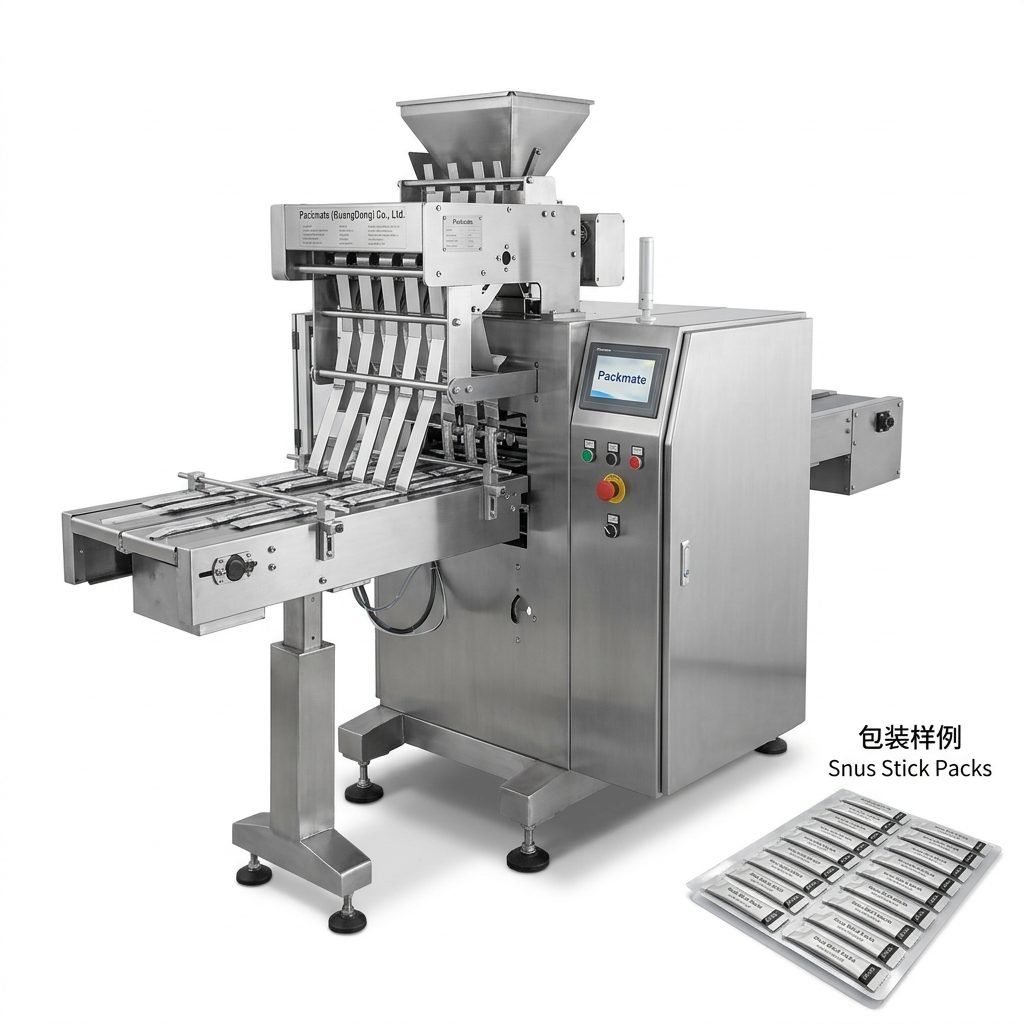
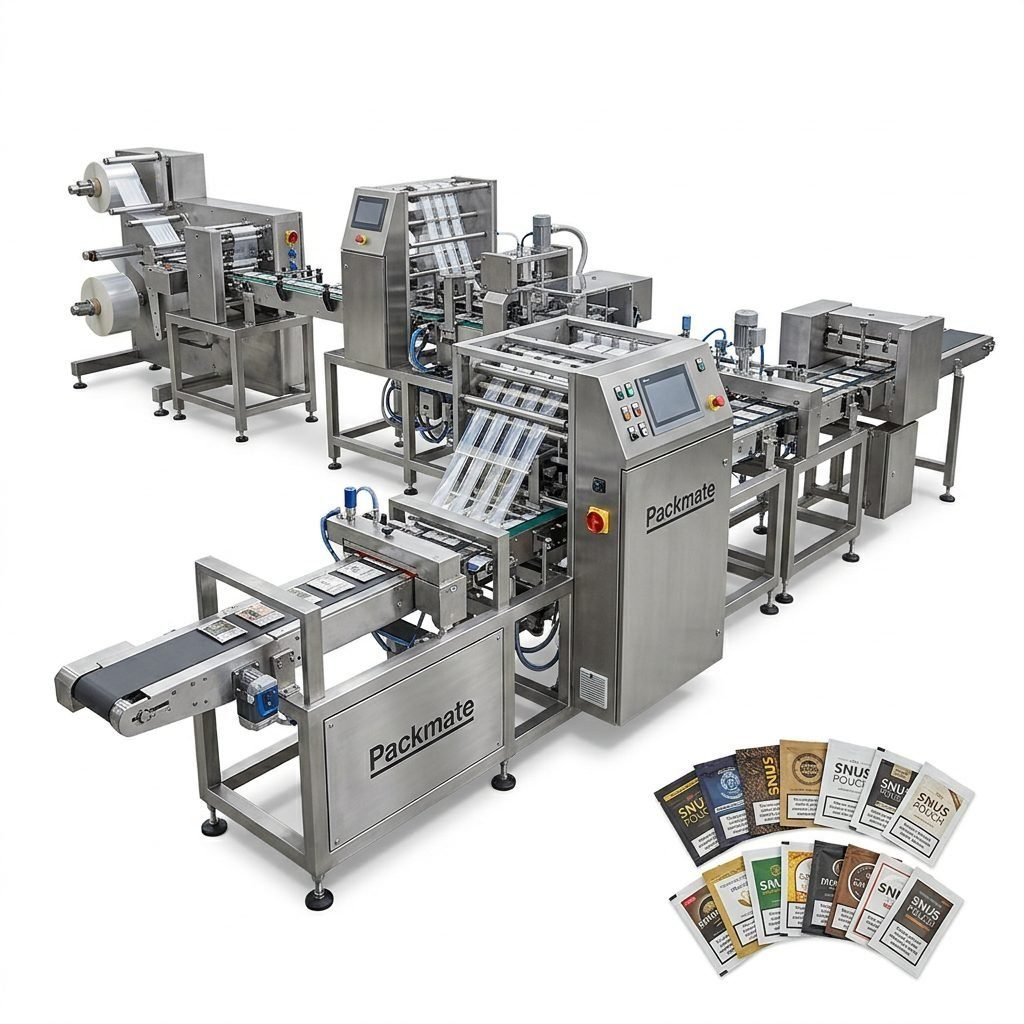
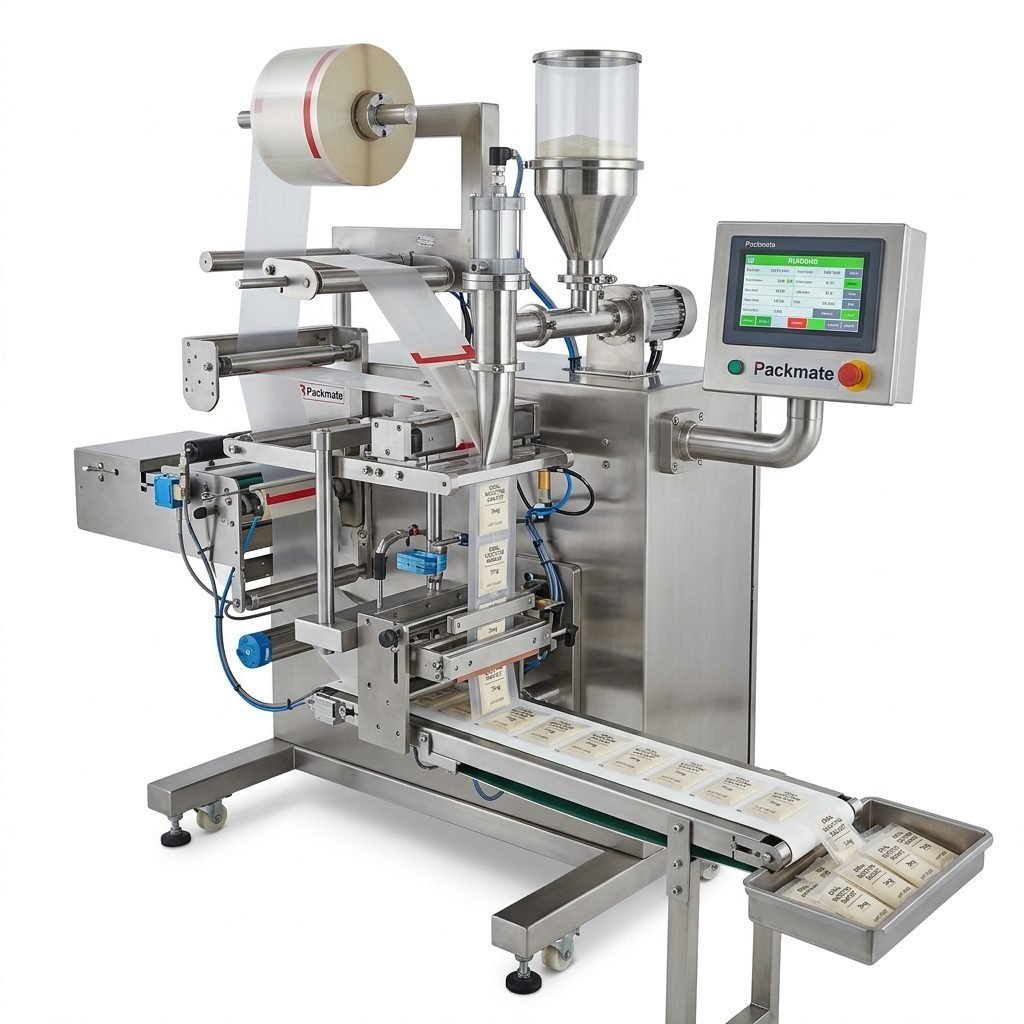
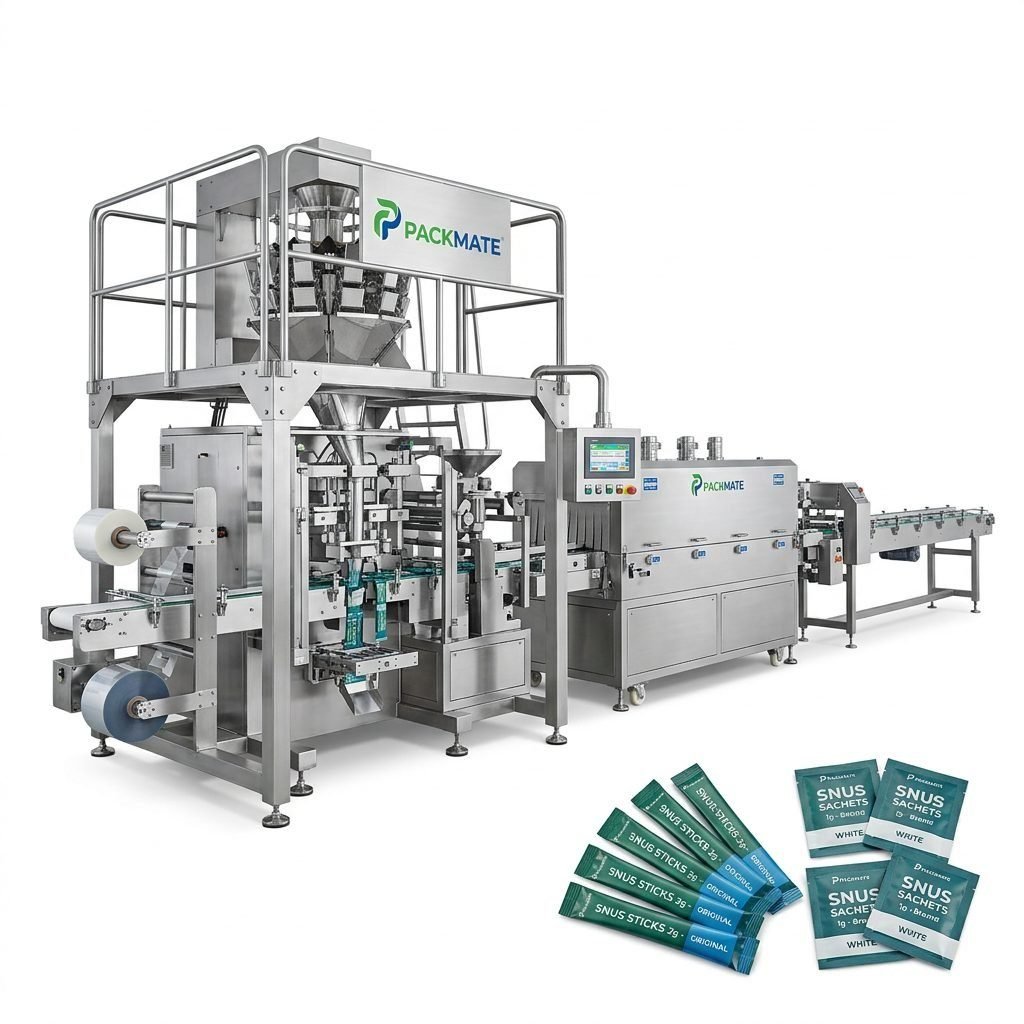
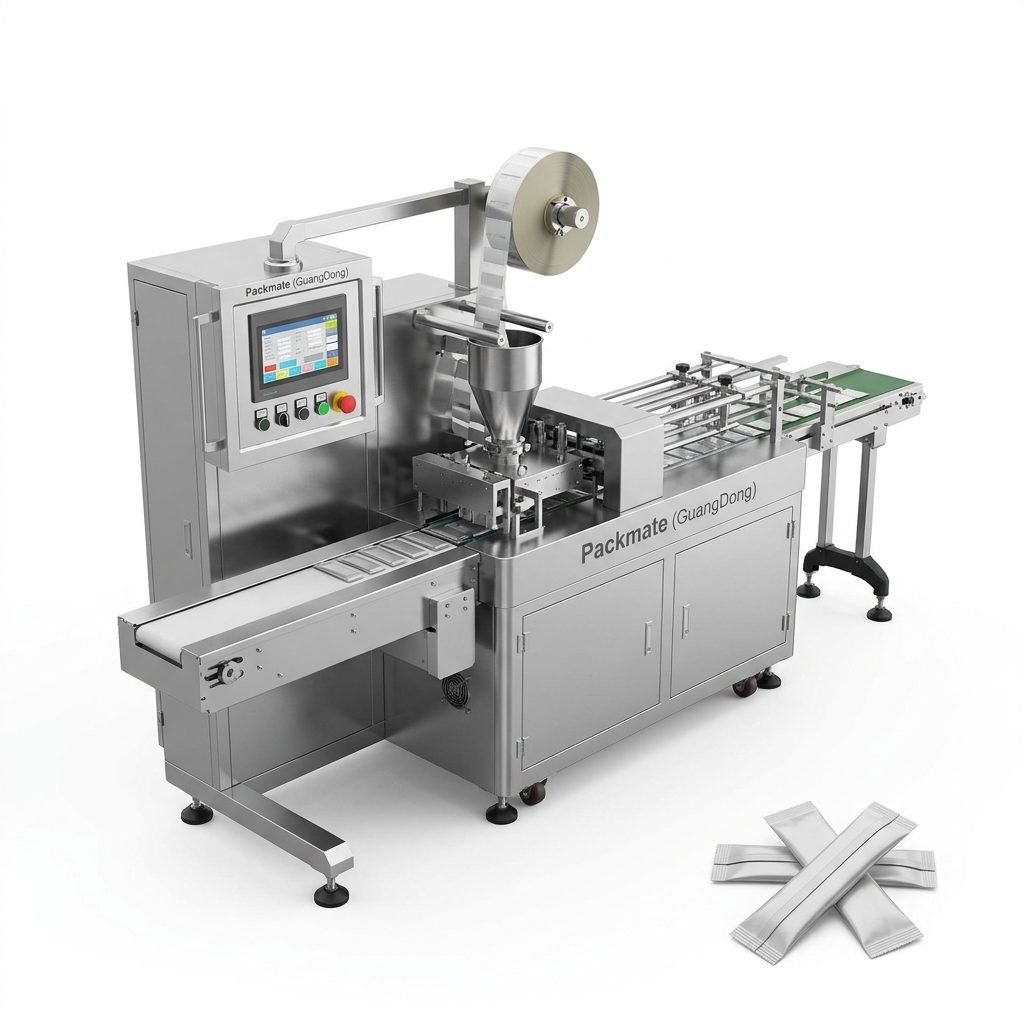
A Smart Snus Production Line is not just a single machine — it is an integrated assembly of precision filling, pouch-forming, dosing, sealing, and secondary processing equipment designed specifically for nicotine pouches and snus products. These lines are engineered to handle a variety of pouch formats (stick packs, sachets, multi-lane pouches) and material types (powder, granules, wet blends) while providing automated controls for consistent weight, seal integrity, and traceability.
Key Capabilities
✅ High-speed multi-lane filling and pouch forming for small-dose nicotine pouches.
🔧 Precise dosing systems with minimal product loss and adaptive calibration.
📈 Real-time quality monitoring and data logging for batch traceability.
♻️ Flexible changeover to support different pouch sizes and recipes with quick tooling swaps.
Core Components of the Line
The line typically includes: automated feeding conveyors, precision weighing or volumetric dosing units, multi-head or multi-lane form-fill-seal machines, pouch sealing and cutting stations, metal detection or X-ray inspection, and automated case packing. Each unit is designed for reliable continuous operation and rapid maintenance.
Why Automation Matters for Snus & Nicotine Pouch Production
Manual or semi-automated production can introduce variability and increase labor costs. A fully automated production line reduces human error, improves hygiene and consistent dosing, and enables higher output with predictable quality. For manufacturers targeting international markets, automation also simplifies compliance with safety and labeling regulations.
Efficiency & Yield Improvements
With optimized material handling and reduced downtime, a modern snus line can increase effective uptime by up to 30-50% compared to legacy equipment. Automated recipe management and in-line weighing cut product giveaway and ensure each pouch meets target weight tolerances.
Design Features That Improve Quality
Quality is driven by mechanical precision and smart controls. Key design features include servo-driven feed systems, high-precision dosing modules, temperature-stable sealing jaws, and integrated inspection systems. These elements work together to maintain pouch shape, seal integrity, and dosage accuracy across long runs.
Hygiene and Material Handling
Hygienic design principles — such as easy-to-clean surfaces, minimal crevices, and sanitary conveyors — reduce contamination risk and simplify cleaning validation. For wet blends or moisture-sensitive formulations, controlled environment enclosures and dehumidification options can be integrated to protect product quality.
Customization and Turnkey Solutions
Every brand has different product formats, throughput targets, and regulatory requirements. Turnkey suppliers provide end-to-end project delivery — from line design, installation, and commissioning to operator training and after-sales service. Customization can include multi-lane configurations, specialized dosing heads for micro-doses, and automated secondary packaging modules.
Example: A 6-lane snus pouch line combined with an inline checkweigher and end-of-line cartoning system can be delivered as a single packaged solution, reducing project management overhead and accelerating time-to-market.
Manufacturing Strength and Quality Assurance
Leading suppliers leverage decades of machining and assembly expertise to create robust equipment. Facilities equipped with advanced CNC machines and precision assembly lines ensure parts fit and tolerances meet demanding specifications. Structured quality testing procedures — including endurance testing and process validation — ensure consistent machine performance.
Certifications and Compliance
Compliance with international standards (CE, ISO) is essential for global exports. Certified equipment simplifies regulatory approvals and demonstrates a commitment to safety and reliability. For more details about certifications, see the supplier’s certificate resources.
For manufacturers interested in exploring validated systems, review the certificate documentation and product catalogs available through official channels.
Integration, Data, and Industry 4.0
Modern snus lines are integrated with control systems that collect production data for OEE (Overall Equipment Effectiveness) monitoring, batch traceability, and predictive maintenance. Cloud-enabled analytics can identify throughput bottlenecks and schedule preventive service to avoid unexpected downtime.
Tip: Implementing PLC/SCADA connectivity and standard data protocols (OPC UA, MQTT) enables remote monitoring and scalable rollouts across multiple facilities.
Service, Support and Global Reach
A production line is only as dependable as the support behind it. Trusted manufacturers provide commissioning, operator training, spare parts packages, and responsive technical service. Global presence and exhibition participation help customers see machines in operation and verify performance firsthand.
Visit the About page or Service center to learn about support plans and regional service networks.
Proven Case Studies
Real-world deployments demonstrate how multi-lane systems reduce footprint and increase output for small-dose nicotine pouch makers. Case studies highlight throughput gains, reduced giveaway, and simplified validation processes when turnkey solutions are applied.
Explore detailed case examples to understand how production lines are matched to product requirements and regulatory constraints.
Selecting the Right Line for Your Business
Choosing the correct configuration requires assessing current and projected demand, pouch formats, material characteristics, desired level of automation, and budget. Suppliers typically offer modular systems so you can start with a base configuration and expand lanes, inspection, or secondary packaging modules as volumes grow.
Checklist: Target throughput, pouch size range, allowable giveaway tolerance, cleaning and changeover time objectives, regulatory labeling needs, and spare parts strategy.
Return on Investment: Measuring Gains
ROI is realized through reduced labor costs, lower product giveaway, increased uptime, and higher throughput. Accurate cost models should include installation, training, spare parts inventory, and maintenance agreements to estimate payback periods accurately.
Example ROI Drivers
– Reduced manual handling and rework rates.
– Faster changeovers leading to better production flexibility.
– Improved yield from precise dosing and fewer defective pouches.
– Lower long-term maintenance costs from proven components.
How to Start: From Inquiry to Commissioning
Initiating a project begins with a technical discussion about product specs and capacity goals, followed by layout planning, quotation, and lead time confirmation. After contract finalization, engineering drawings, FAT (Factory Acceptance Testing), installation, and on-site commissioning complete the delivery process.
For product details and model options, review the Snus & Nicotine Packaging Machines and Bag & Pouch Packaging Machines product pages. To see successful deployments, check the Case studies section. When you’re ready to move forward, use the Contact Us page to request a consultation or a factory visit.
Useful Links
– Snus & Nicotine Packaging Machines
– Bag & Pouch Packaging Machines
– Case Studies
– Contact Us
Final Thoughts
A Smart Snus Production Line is an investment in product consistency, regulatory compliance, and scalable throughput. By partnering with an experienced manufacturer that offers full turnkey solutions and robust after-sales support, brands can mitigate risk and accelerate time-to-market while maintaining high quality standards.
Common Questions
Q1: What throughput can a multi-lane snus line achieve?
Typical throughput depends on lane count and pouch format. Multi-lane systems can multiply single-lane speeds; for example, a 6-lane configuration can approach six times the single-lane output, subject to dosing and upstream feeding capacities.
Q2: How long does installation and commissioning take?
Installation timelines vary by project scope. Standard small-to-medium lines can be installed and commissioned within a few weeks after site readiness, while larger turnkey installations may take several months including FAT and validation.
Q3: What after-sales support is available?
Quality suppliers offer commissioning, operator training, spare parts packages, remote troubleshooting, and scheduled maintenance plans. Confirm regional service availability and response SLAs before purchase.
Q4: Can lines handle different pouch sizes and recipes?
Yes. Most modern systems are modular with quick-change tooling and programmable recipes that adjust dosing, sealing, and cut lengths for different pouch types.
Q5: Where can I see machine specifications and models?
Detailed product pages and catalogs list available machine models and technical specifications. Use the product links or request a catalog to compare options and request a tailored quote.