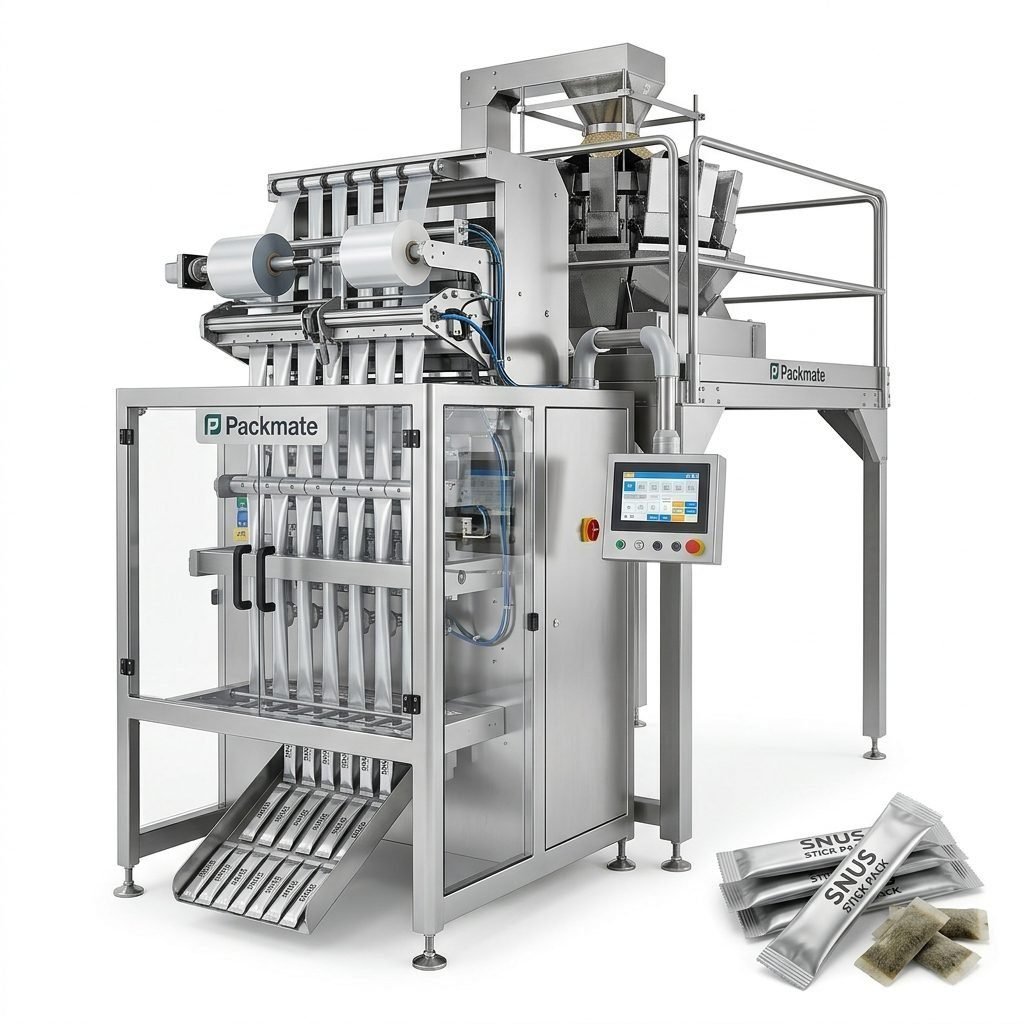
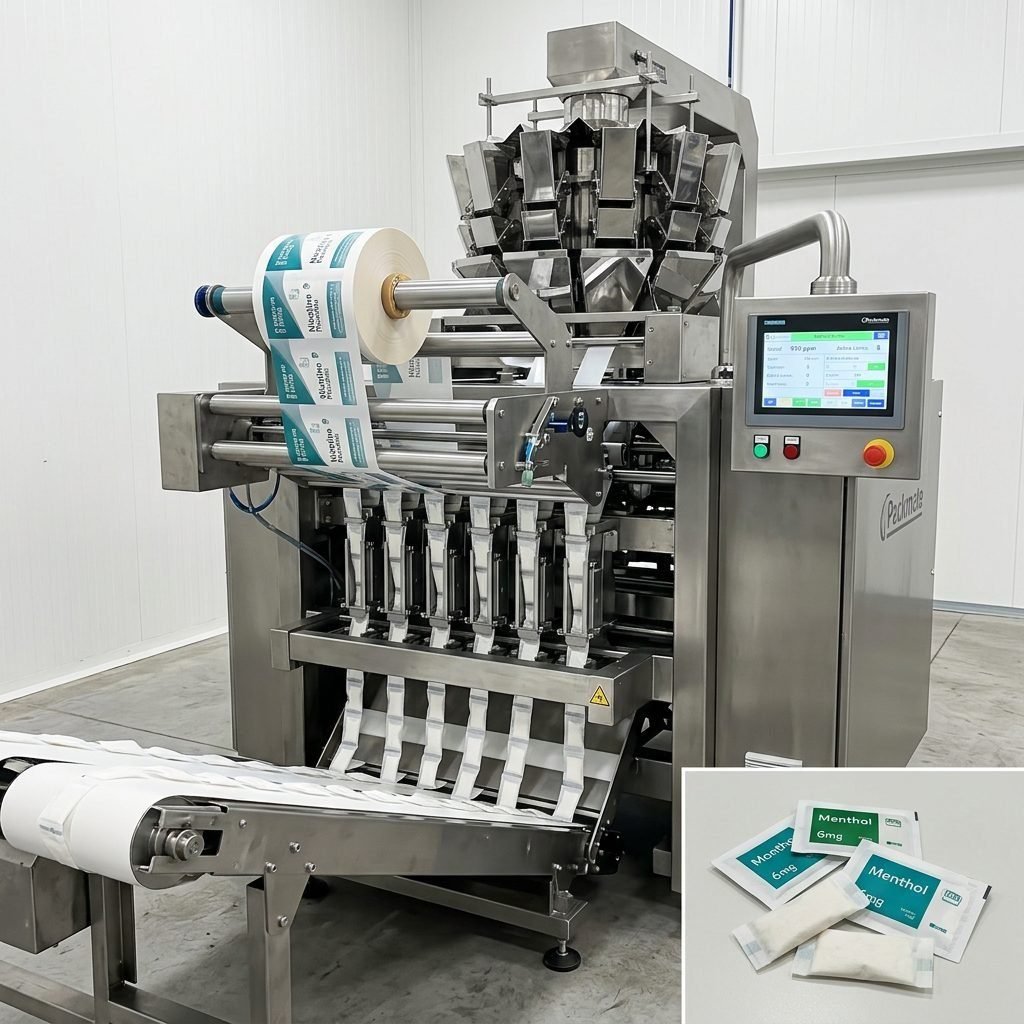
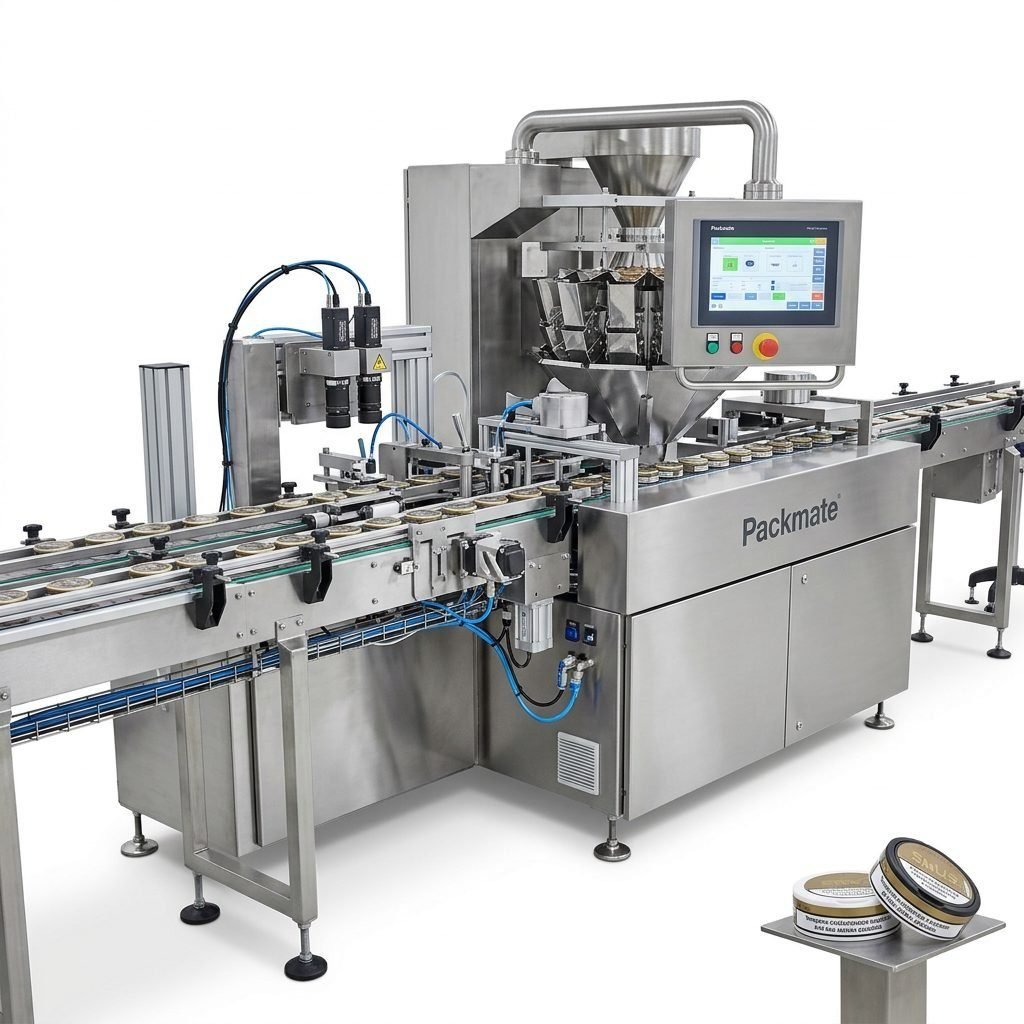
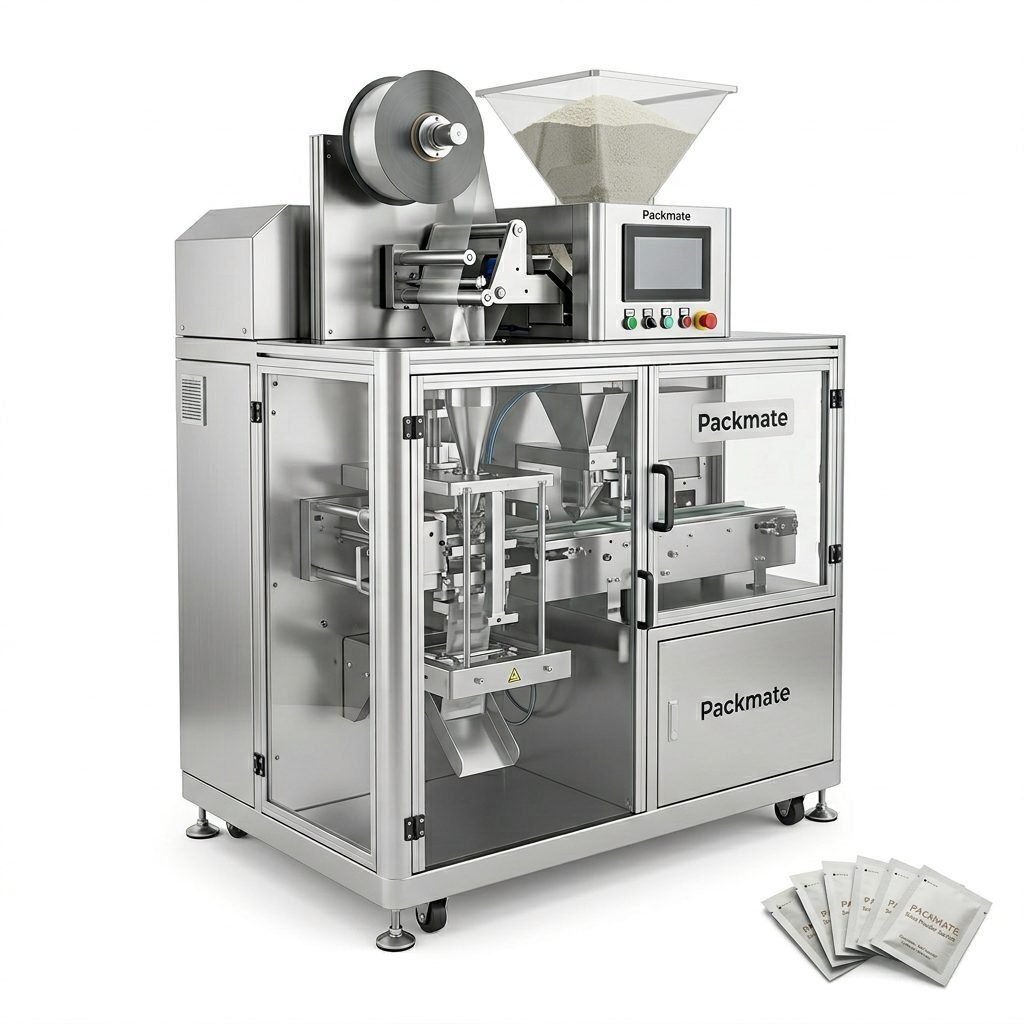
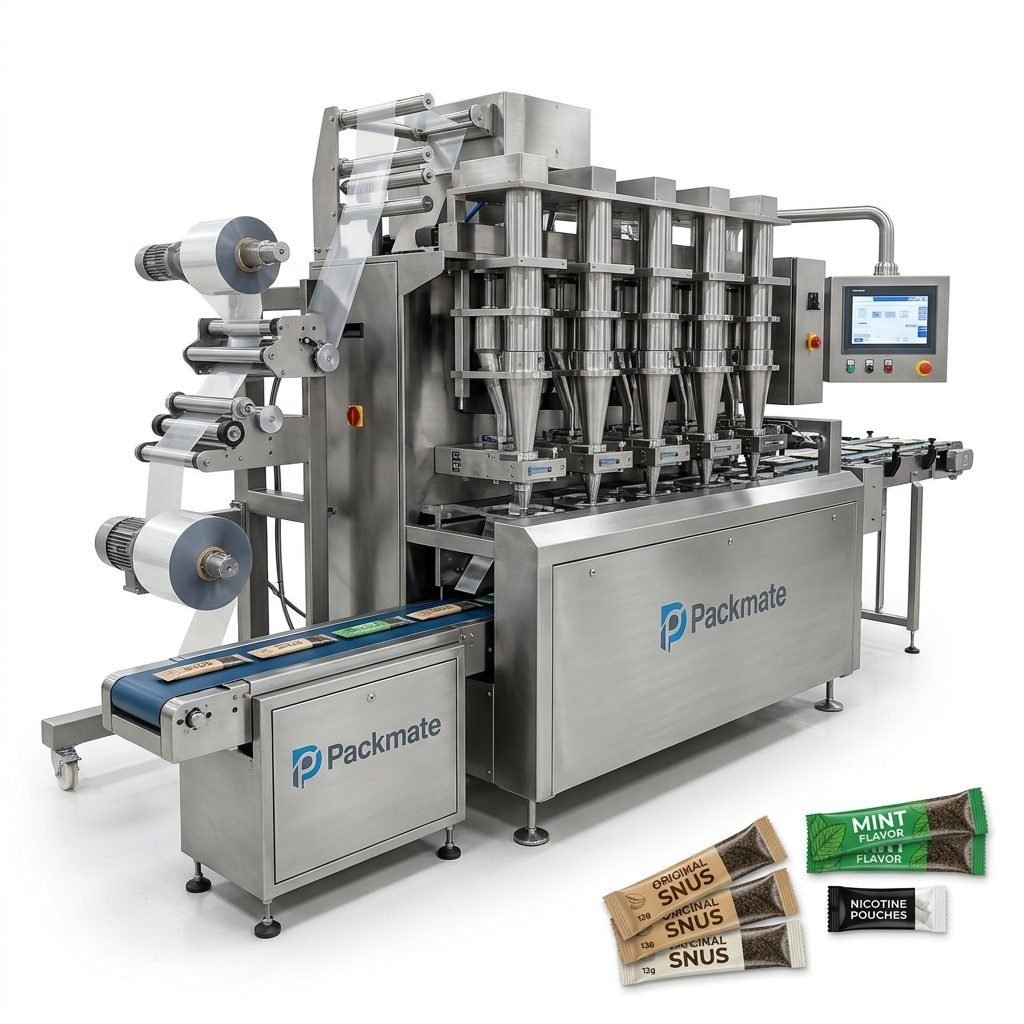
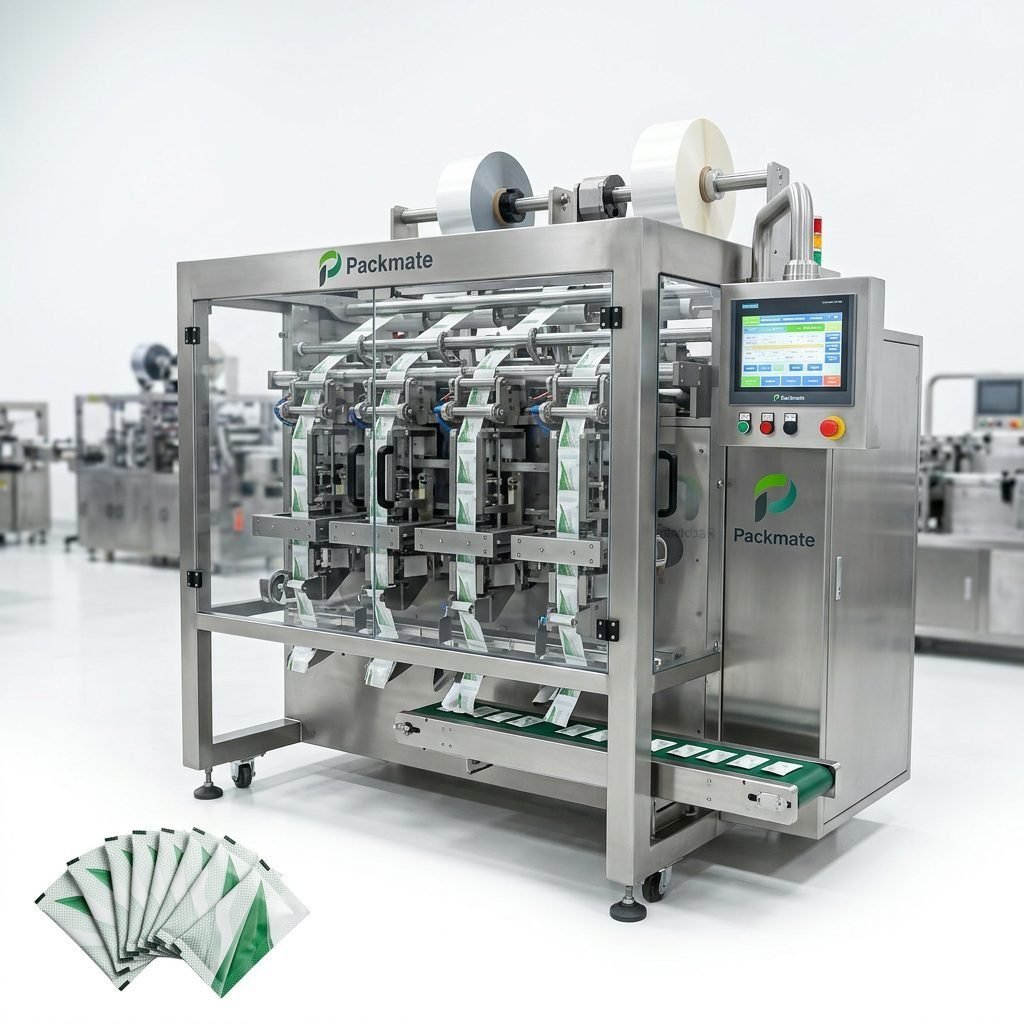
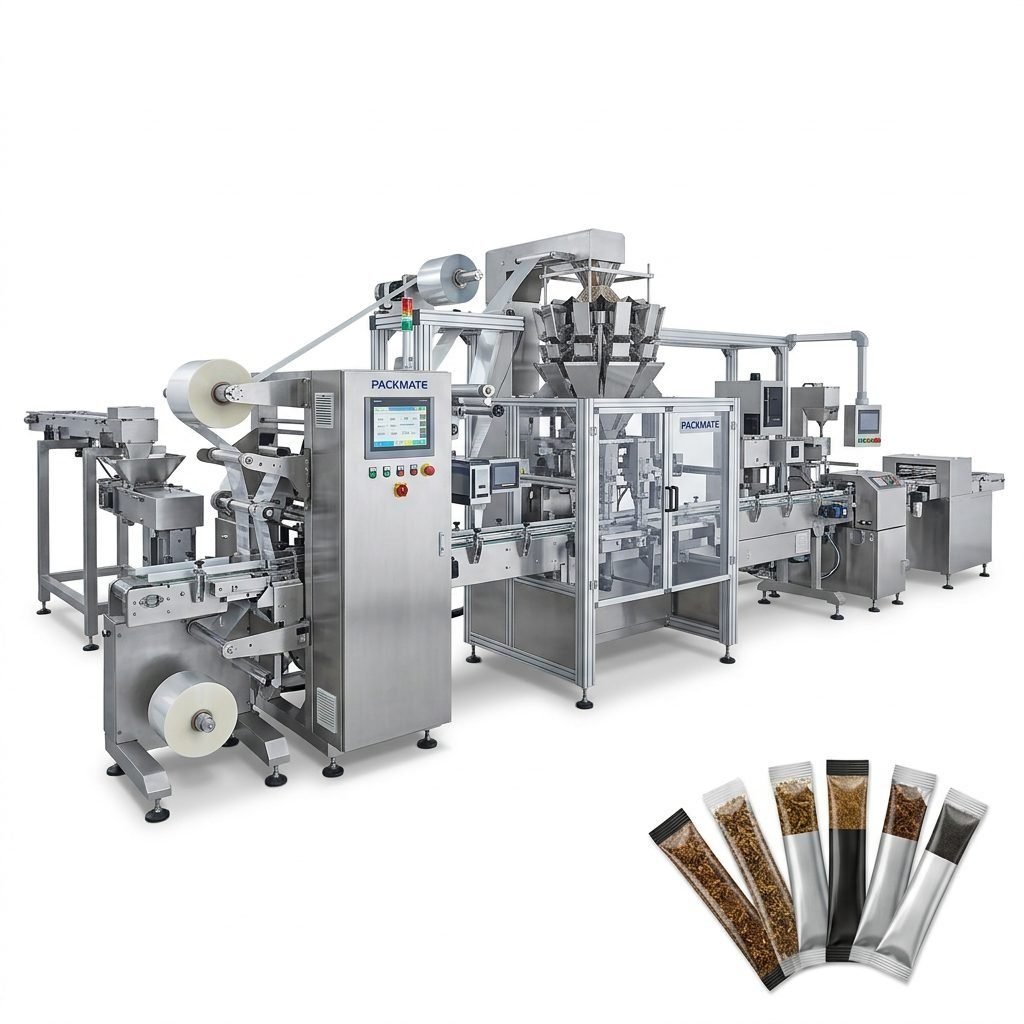
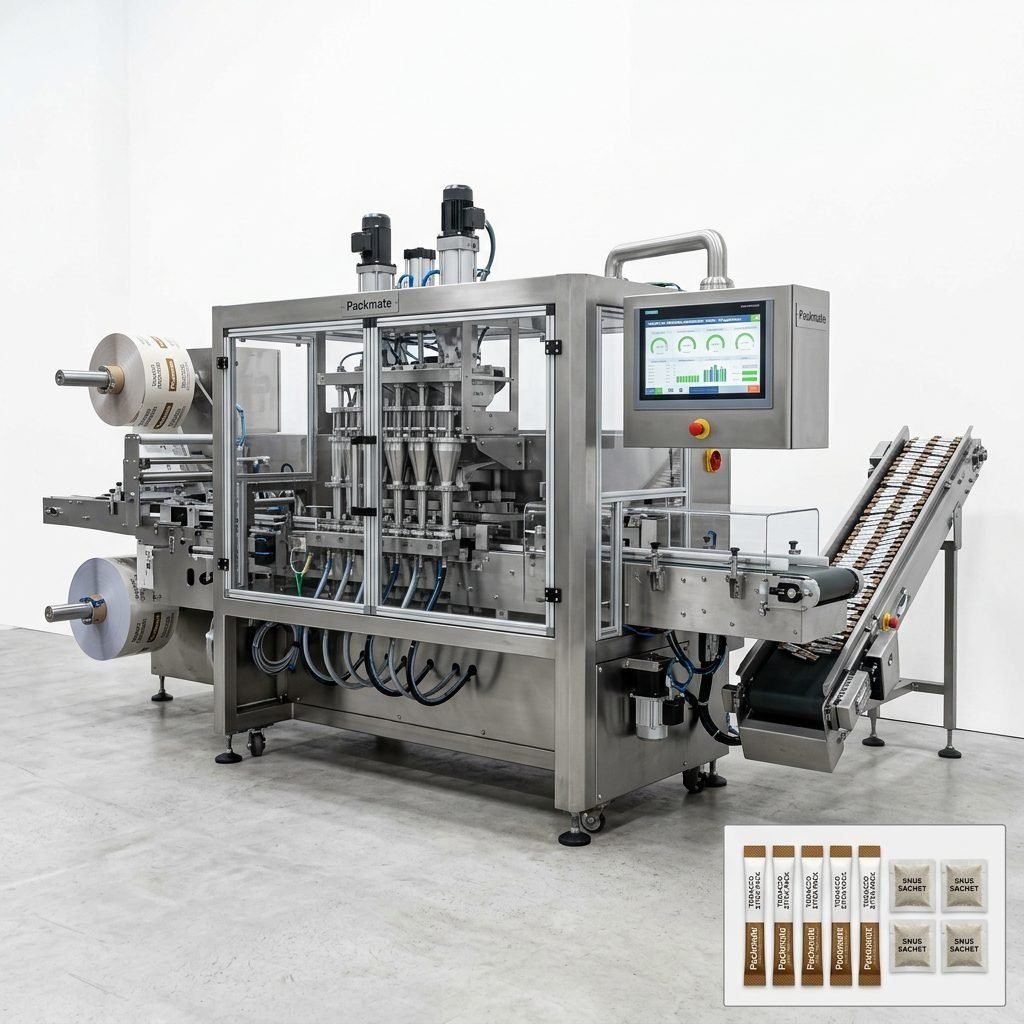
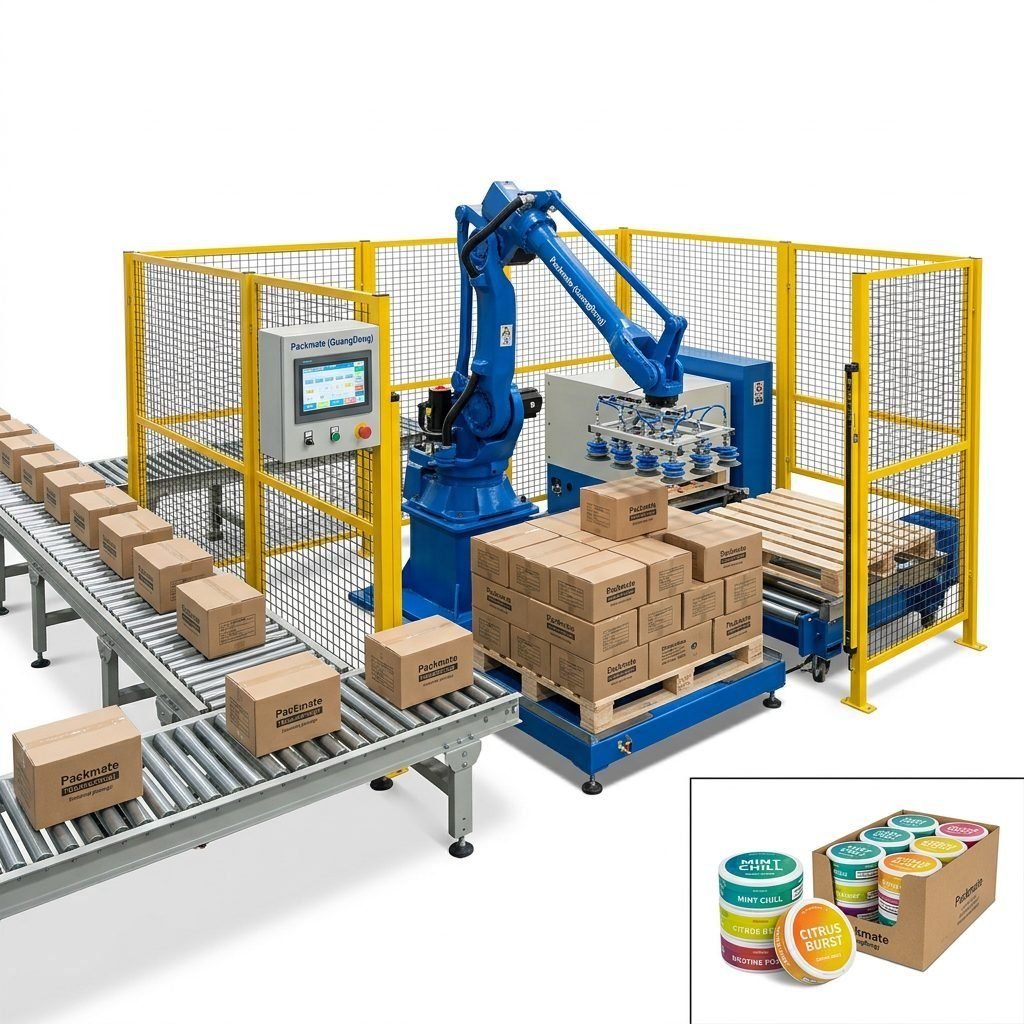
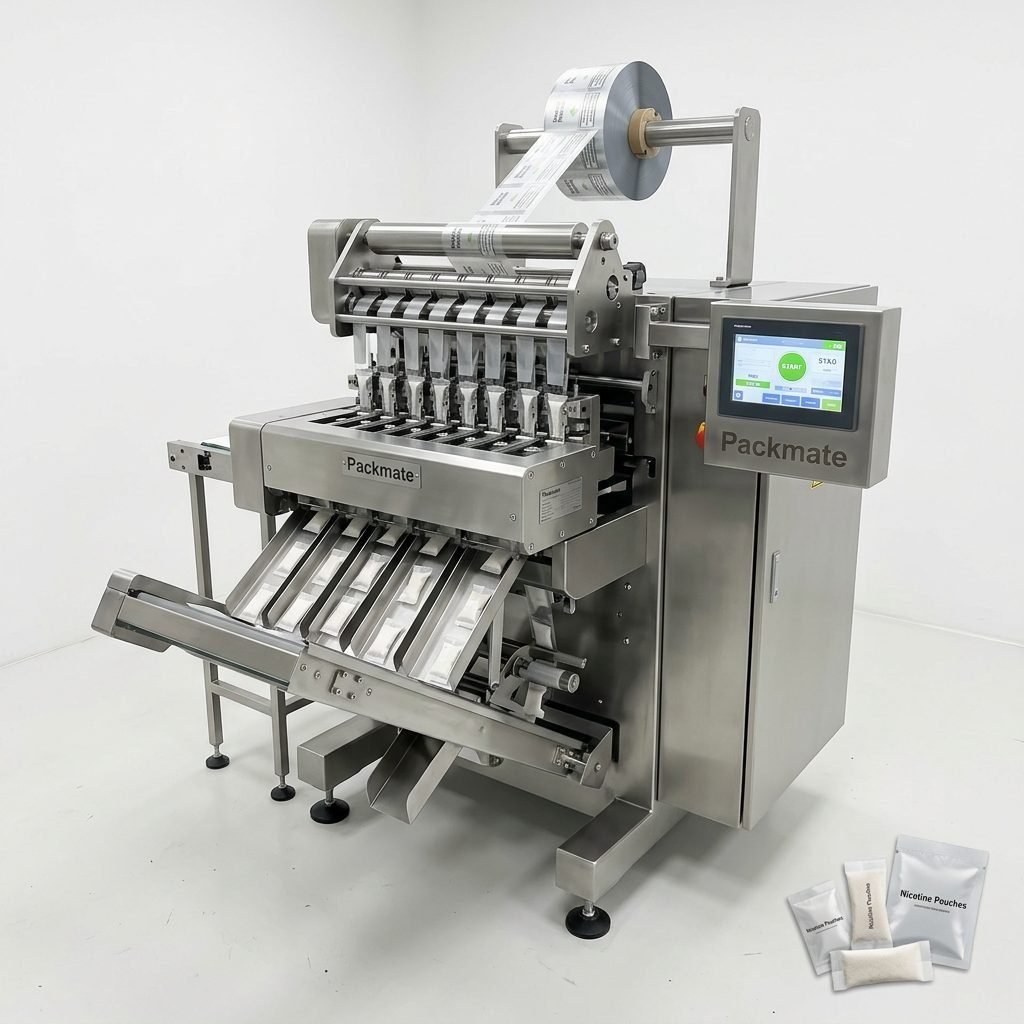
Designing, installing, and optimizing a nicotine pouch (snus) production line requires a combination of precise mechanical engineering, hygienic manufacturing practices, and flexible automation. This guide outlines a step-by-step approach for manufacturers, engineers, and production managers who need to create high-performance, compliant pouch packaging lines that handle small-dose pouches reliably and at scale.
Overview: What a Modern Nicotine Pouch Line Delivers
A professional nicotine pouch production line integrates feeding, filling, sealing, pouch forming, multi-lane synchronization, and downstream counting and packing equipment. A well-designed line reduces product waste, improves uptime, and supports rapid changeovers for multiple pouch sizes and formats. When planning a line, prioritize reliability, hygiene, and modularity so you can expand or reconfigure as market needs evolve.
Key Benefits to Target
⚙️ Flexibility: Configure lanes and dosing modules for different batch sizes and pouch grammages.
📈 Throughput: Optimize cycle time and multi-lane synchronisation for target pieces per minute while maintaining product integrity.
🔧 Maintainability: Design for fast access, tool-less changeovers, and easy sanitation.
Step 1 — Line Design & Layout
Start with a production plan that maps raw material intake to final secondary packaging. Key inputs include expected daily output, pouch format variety, product properties (powder, granule, moisture), and cleanability requirements. Choose a modular layout: upstream dosing/weighing, middle pouch forming/filling/sealing, and downstream counting/cartoning. Modular design shortens installation time and makes future upgrades straightforward.
Floor Space & Workflow
Allocate space for material handling, operator access, and maintenance pathways. Keep wet/dusty processes separated and plan for negative pressure/extraction where dust is generated. Ensure the layout supports a linear flow to avoid cross-contamination and to simplify utility routing (power, compressed air, vacuum).
Step 2 — Selecting Core Equipment
Choose machines that match your product characteristics and production goals. Typical core equipment includes: dosing and weighing systems for small-dose accuracy, multi-lane snus packers, stick/sachet machines (when applicable), sealing systems, and final inspection/weight-check systems. For complete solutions, review product categories such as Snus & Nicotine Packaging Machines and Filling & Packaging Lines.
Dosing & Weighing Accuracy
For nicotine pouches, small-dose accuracy is critical. Choose multi-head weighers or precision auger/volumetric feeders with active feedback control. Integrate in-line checkweighers to reject out-of-tolerance pouches automatically and minimize recall risk.
Step 3 — Automation & Control Strategy
Modern lines use PLCs and human-machine interfaces (HMIs) to manage synchronization across lanes, recipe management, and traceability. Plan for Industry 4.0 features: remote diagnostics, logging of critical parameters, and recipe versioning for regulatory compliance. Design the control architecture for quick diagnostics — clear alarm messages and step-by-step repair instructions reduce downtime.
📌 Tip: Standardize I/O, network protocols, and spare parts across machines to simplify integration and spare-part inventory.
Integrating Auxiliary Systems
Auxiliary systems like conveyors, metal detectors, nitrogen flushing, and secondary case packers are essential. Select equipment that supports your target throughput and hygiene class. Explore compatible options in Auxiliary Packaging Equipment to build a cohesive line.
Step 4 — Installation & Commissioning Best Practices
Installation starts with a factory acceptance test (FAT) before shipment. During on-site installation, verify utilities (voltage, air quality, vacuum, PLC network), physical fastening, and grounding. Commissioning should proceed in stages: mechanical check, electrical and control verification, dry runs, product trials, and finally performance qualification (PQ).
Mechanical & Electrical Checks
Confirm frame leveling, correct belt tension, and lubrication points. Verify motor directions, encoder signals, and emergency stops. Label all piping and cables for future maintenance. Document the final settings from commissioning for quick recovery after major maintenance.
Step 5 — Quality Control & Compliance
Design the line to support traceability: lot codes, batch IDs, and timestamps must be readable and exportable. Use in-line inspection systems (vision, weight, metal detection) and establish acceptance criteria. Follow applicable standards and certifications; many manufacturers choose CE and ISO-aligned equipment to meet global market expectations.
Important: Implement a documented calibration and validation schedule for dosing systems and checkweighers to ensure consistent nicotine dose control.
Step 6 — Optimization Strategies for Throughput & Yield
Once the line is stable, target bottlenecks with data-driven improvements. Monitor cycle times per station, reject rates, and changeover duration. Typical optimization tactics include upgrading feed systems, adding buffer conveyors, and refining recipe parameters for tension and sealing. Implement predictive maintenance by logging vibration and motor current to catch wear early.
Changeover & OEE Improvements
Reduce changeover time by using quick-release tooling and pre-set recipes in the HMI. Train operators on standardized SMED procedures and track OEE (Overall Equipment Effectiveness) weekly. Small reductions in changeover deliver outsized productivity gains in multi-product facilities.
Step 7 — Maintenance, Spare Parts & Training
A comprehensive maintenance plan includes preventive schedules, critical spare parts list, and training programs. Keep critical spares such as PLC modules, bearings, belts, and sealing dies on hand. Consider service contracts for rapid on-site support and remote troubleshooting to minimize downtime.
Packmate Snus Machine’s factory organization, advanced CNC centers, and global service can be referenced for turnkey options and post-sale support via their About Packmate page or the Service portal.
Validation, Documentation & Regulatory Readiness
Prepare validation documents: IQ/OQ/PQ protocols, maintenance logs, and operator training records. Document all control parameters and changes. Retain batch records and inspection reports for regulatory audits and customer quality inquiries. Ensure labeling and ingredient listings comply with target-market regulations.
Troubleshooting Common Production Issues
🔎 Issue: Frequent weight variation on pouches.
Response: Check feeder consistency, hopper agitation, and environmental conditions (humidity affects powder flow). Recalibrate weighing heads and validate feed rate stability.
⚠️ Issue: Seal failures or leaks.
Response: Inspect sealing dies for contamination or wear, confirm temperature uniformity, and verify film tension. Replace worn dies and profile sealing temperatures per material.
Upgrades & Future-Proofing
To future-proof your investment, select equipment with modular I/O and support for additional lanes, higher-speed drives, and advanced HMI capabilities. Plan spare footprint and utility capacity for future machines. Regularly review production data to identify where incremental upgrades yield disproportionate benefits—often in feeding and rejection handling.
Where to Source Equipment & Expertise
Work with experienced manufacturers that offer complete production lines or integrated modules to minimize compatibility issues. For example, specialized suppliers provide dedicated snus and nicotine pouch packers, weighing systems, and auxiliary equipment which can be matched to your site requirements. See product categories such as Bag & Pouch Packaging Machines and Weighing & Packaging Systems for reference.
Final Checklist Before Production Ramp-Up
✓ Mechanical alignment and leveling completed.
✓ Control recipes created and backed up.
✓ Quality checks, calibration, and PQ passed.
✓ Operator training and spare parts ready.
Conclusion
A competitive nicotine pouch production line is built on careful design, reliable equipment selection, structured commissioning, and continuous optimization. Prioritize dosing accuracy, hygienic design, and easy maintenance to achieve consistent product quality and high uptime. Working with an experienced packaging solutions provider can accelerate time to production and reduce integration risks.
Common Questions
Q1: How do I choose the right dosing system for small-dose pouches? A1: Evaluate product characteristics (powder flowability, particle size) and target tolerance. Multi-head weighers or precision auger feeders with closed-loop control are commonly used.
Q2: What is the typical commissioning timeline for a turnkey line? A2: For a fully-integrated line, plan 4–8 weeks for on-site commissioning following FAT—this varies with custom requirements and site readiness.
Q3: How can I reduce reject rates on seal defects? A3: Maintain sealing dies, ensure consistent film tension, verify temperature profiles, and implement in-line vision checks to catch trends early.
Q4: What aftermarket support should I secure? A4: Secure a spare parts kit for critical components, remote diagnostics access, and an operator training program; consider a service agreement for predictable response times.
Q5: Where can I find examples of installed lines and case studies? A5: Review supplier case pages and exhibition materials to see real-world examples and ask for reference lines during supplier selection.