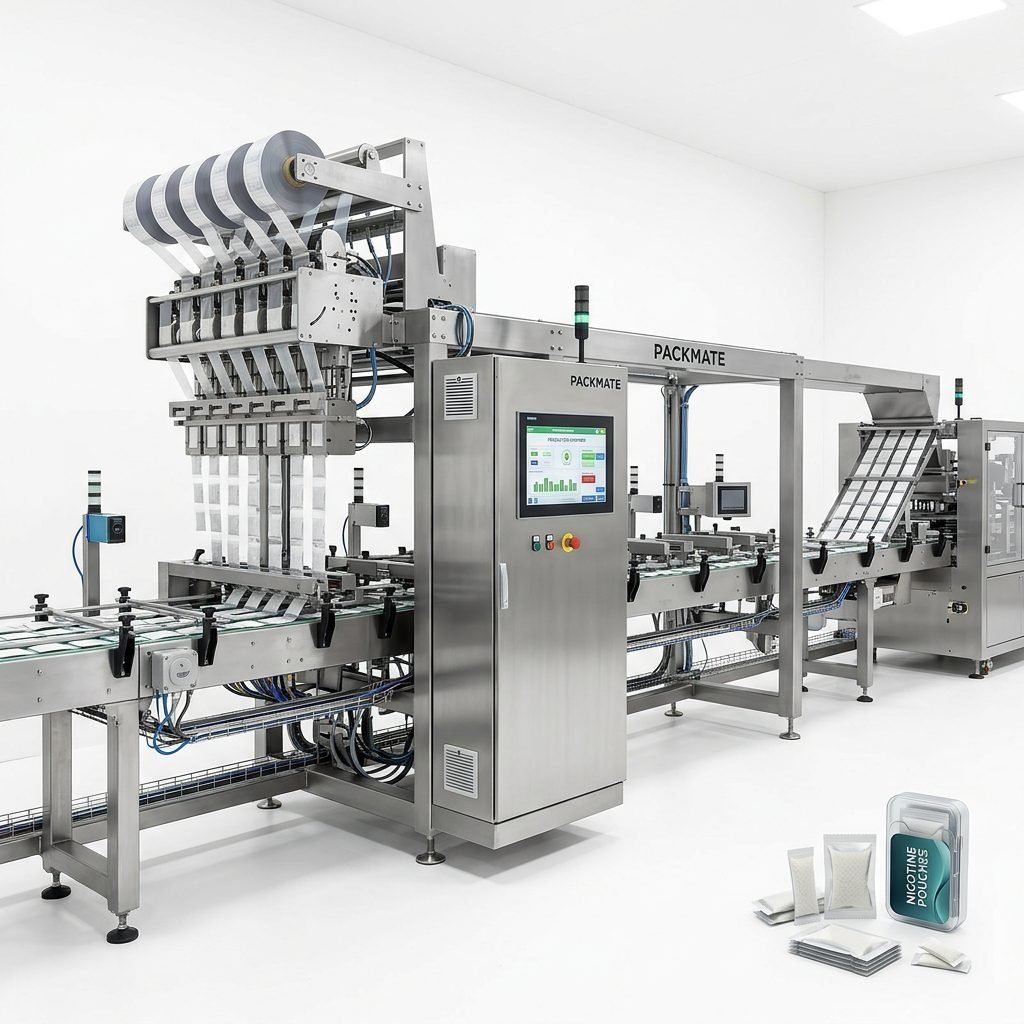
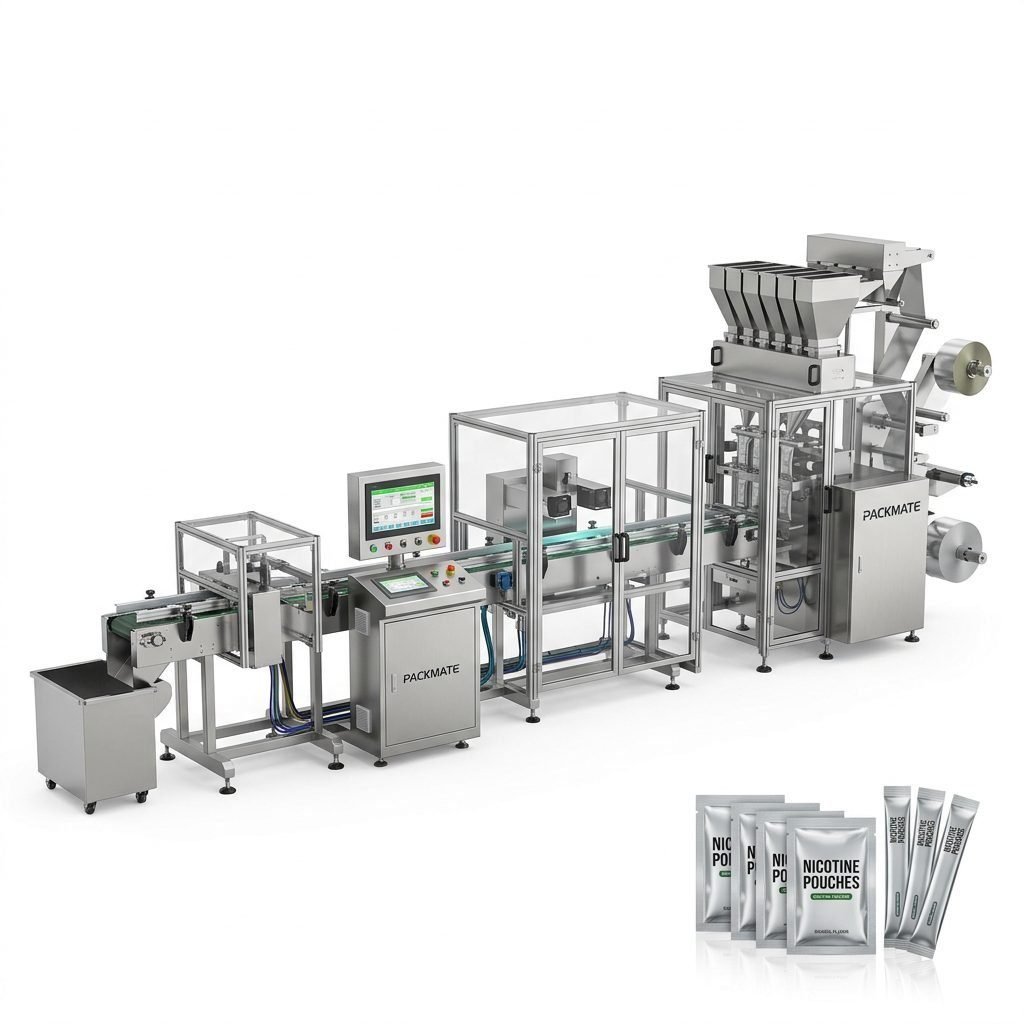
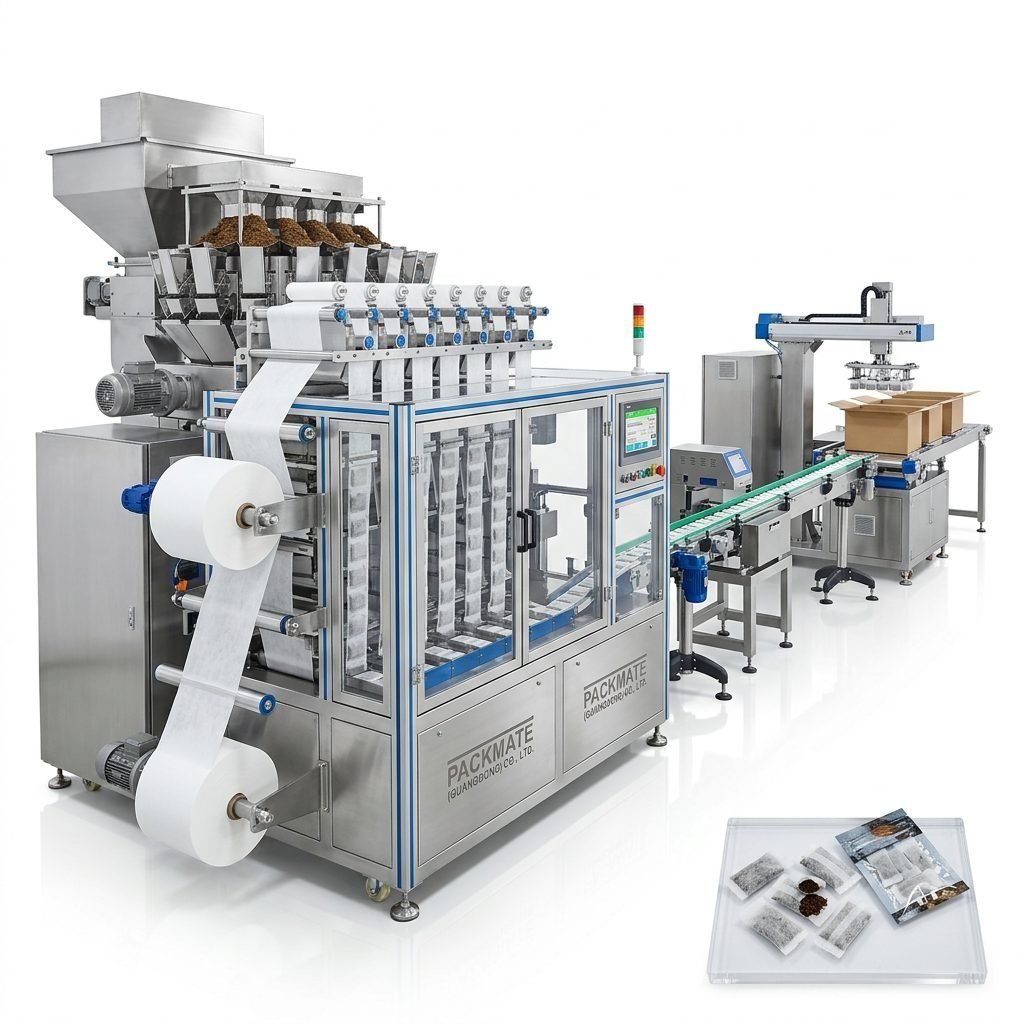
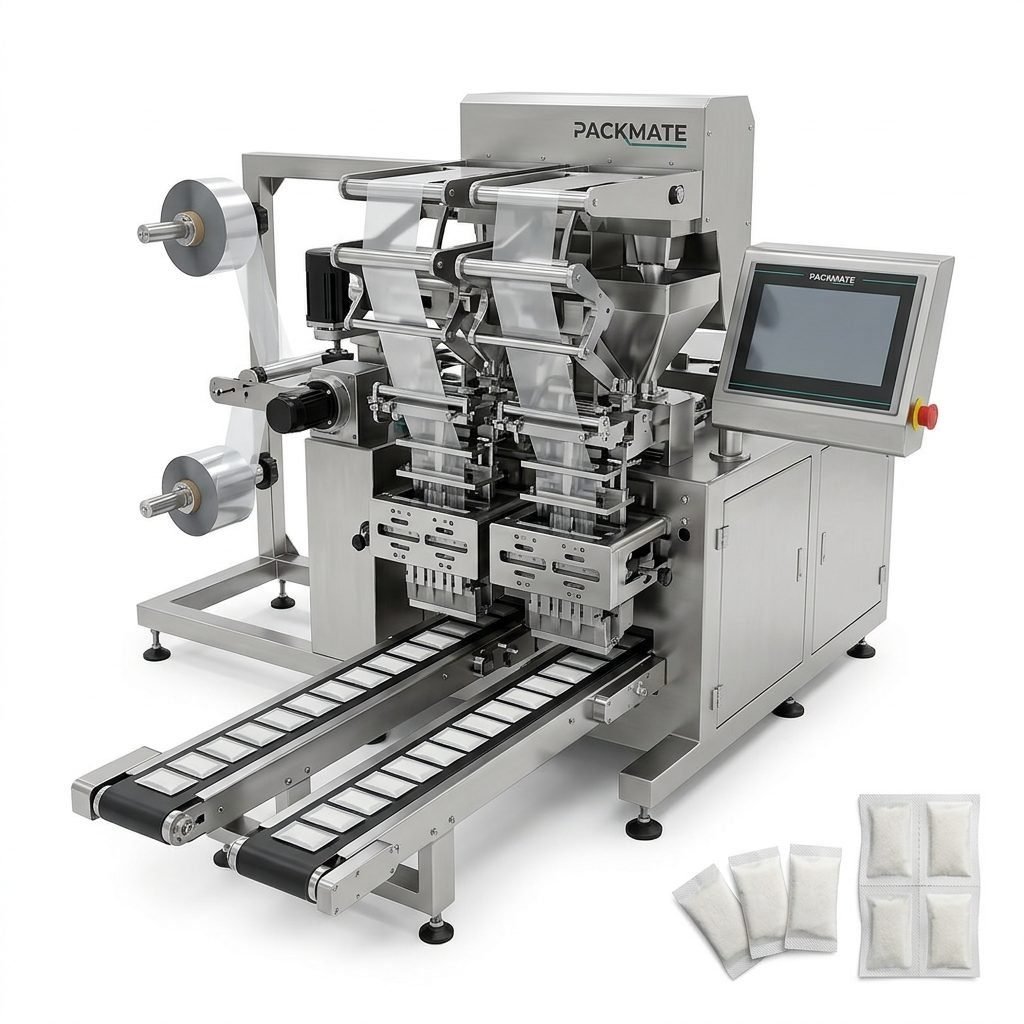
Choosing the right snus production equipment manufacturer is one of the most important decisions for any company planning to scale nicotine pouch or snus production. This guide breaks down the practical factors—from technical capabilities and production capacity to certifications, after-sales support, and real-world case studies—so you can compare vendors confidently and select a partner who will deliver reliable, compliant, and cost-effective solutions for your business.
Why Manufacturer Selection Matters ⚙️
A packaging machine supplier is more than a vendor: they are your long-term partner. The right manufacturer ensures machines run stably, meets regulatory requirements, and integrates smoothly into your production line. Key outcomes of a strong partnership include higher uptime, predictable maintenance costs, and faster time-to-market for new SKUs.
Core capabilities to evaluate
🔍 Production accuracy — Look for tight dosing and pouch weight control, especially for micro-dose nicotine pouches where tolerance is small.
⚙️ Machine versatility — Ability to run stick packs, sachets, multi-lane systems and different pouch sizes without major retrofit reduces long-term capital expenditure.
📈 Scalability — Check for modular designs and multi-lane options that let you grow capacity without replacing the core equipment.
Factory & Manufacturing Strength
Evaluate a manufacturer’s physical footprint, tooling, and quality systems. A proven factory will typically have advanced CNC machining, precision assembly lines, and dedicated testing areas that support robust QA processes. For example, a 20,000㎡ facility with multiple CNC centers and a full assembly workflow indicates strong in-house capability to control quality and delivery.
What to inspect during a factory visit
- Presence of CNC and precision tooling areas — shows capacity for high-tolerance parts.
- Finished machine testing bays — witness machines running at speed with QA logs.
- Spare parts inventory and logistics — critical for fast repairs and spare supply.
- Assembly quality controls, welding and surface finish processes.
Certifications, Compliance & Safety
Certifications such as CE and ISO indicate conformity to international safety and quality standards. Confirm that the supplier can support documentation required for your target markets and that the electrical and control systems meet local regulations. Certification also simplifies customs clearance and reduces the risk of non-compliance during audits.
📜 Key ask: Request copies of CE and ISO certificates, plus electrical schematics and material compliance statements for food-contact parts.
Machine Types & Technical Specifications
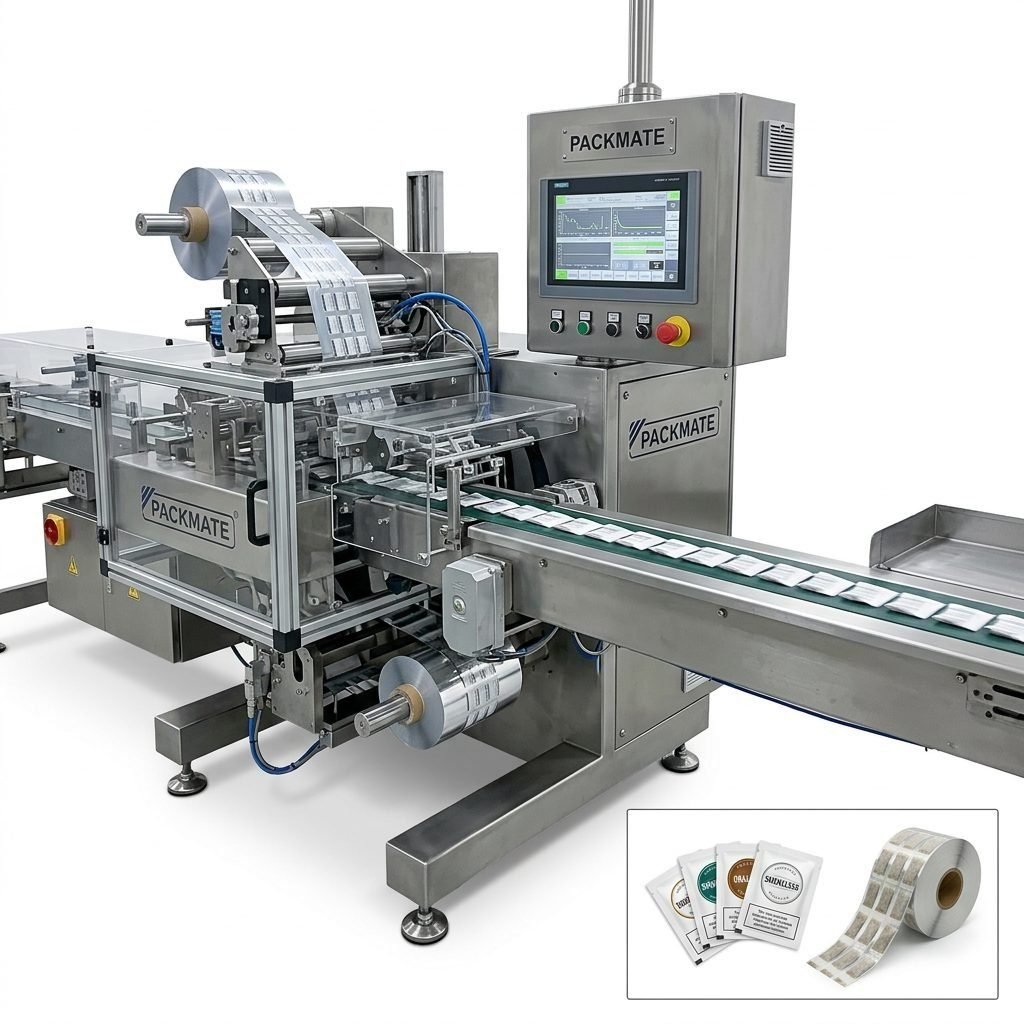
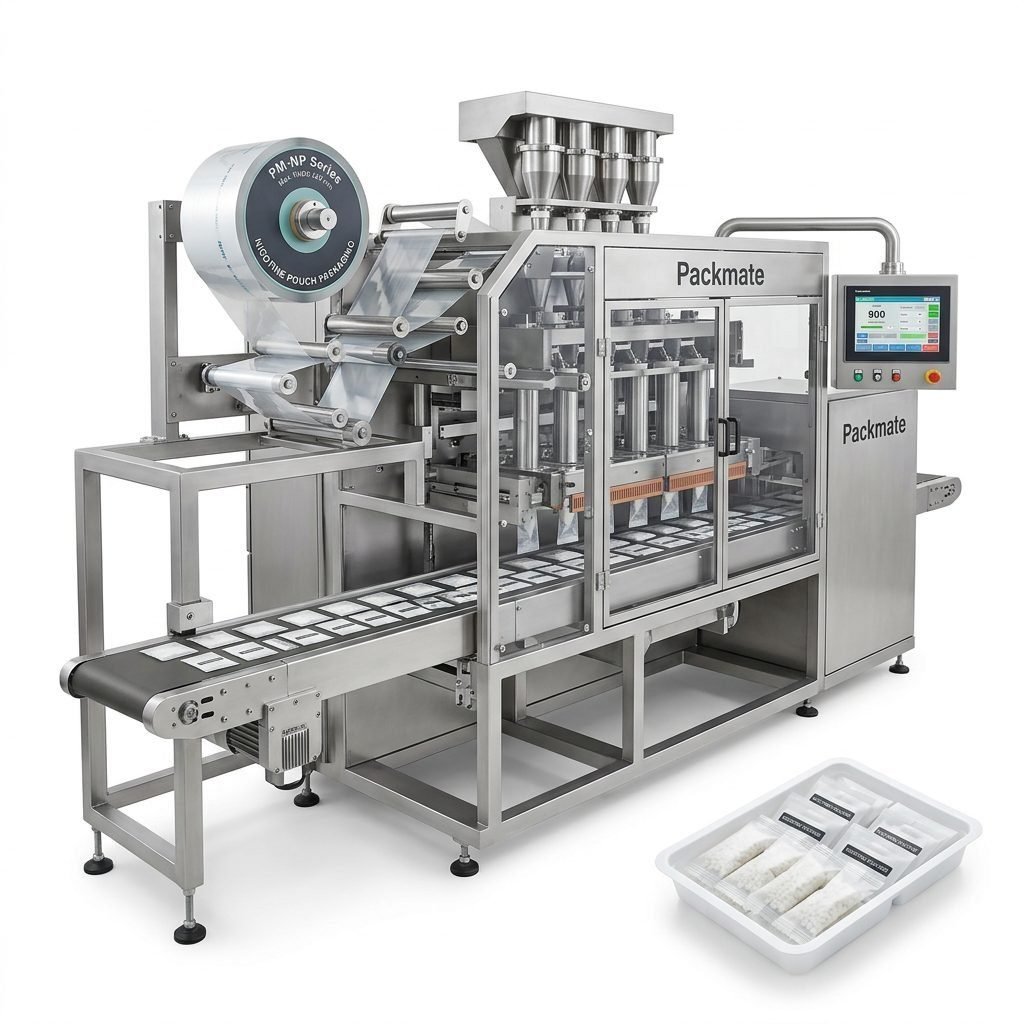
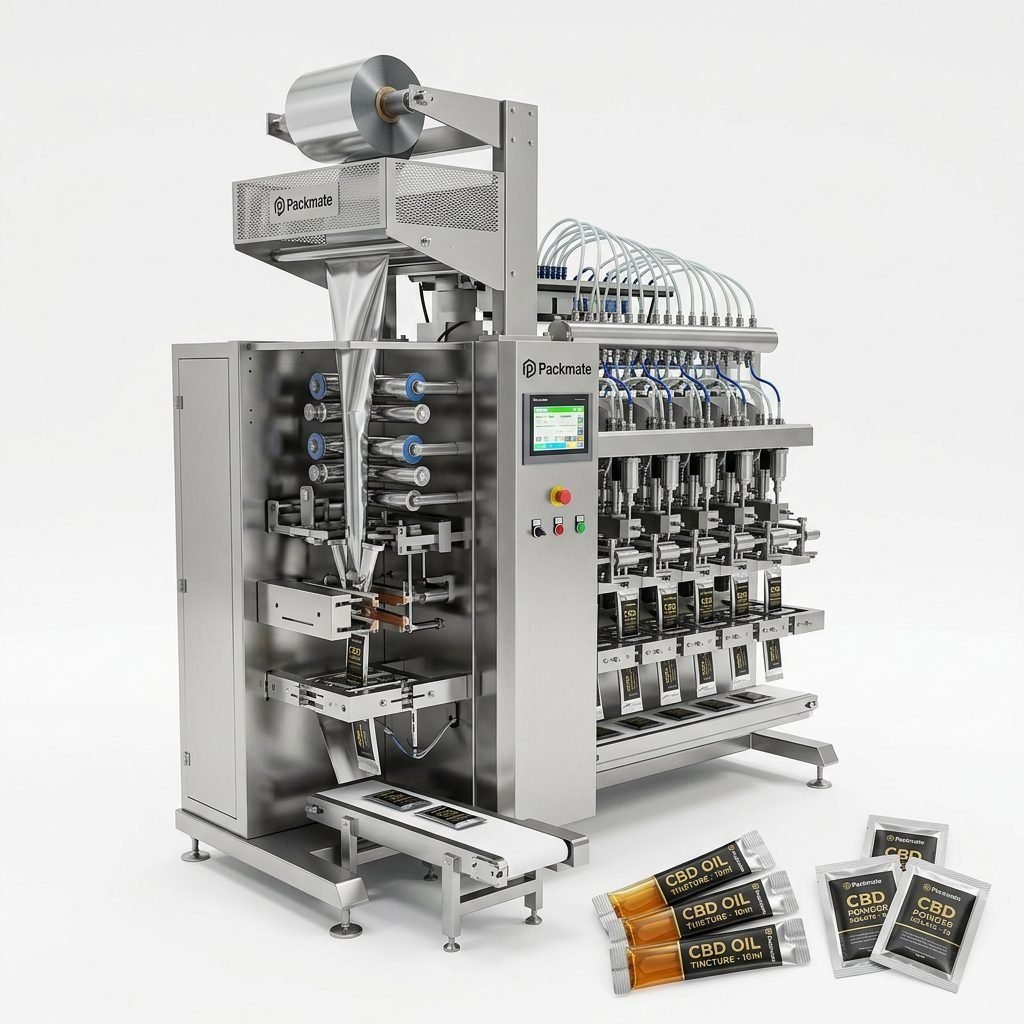
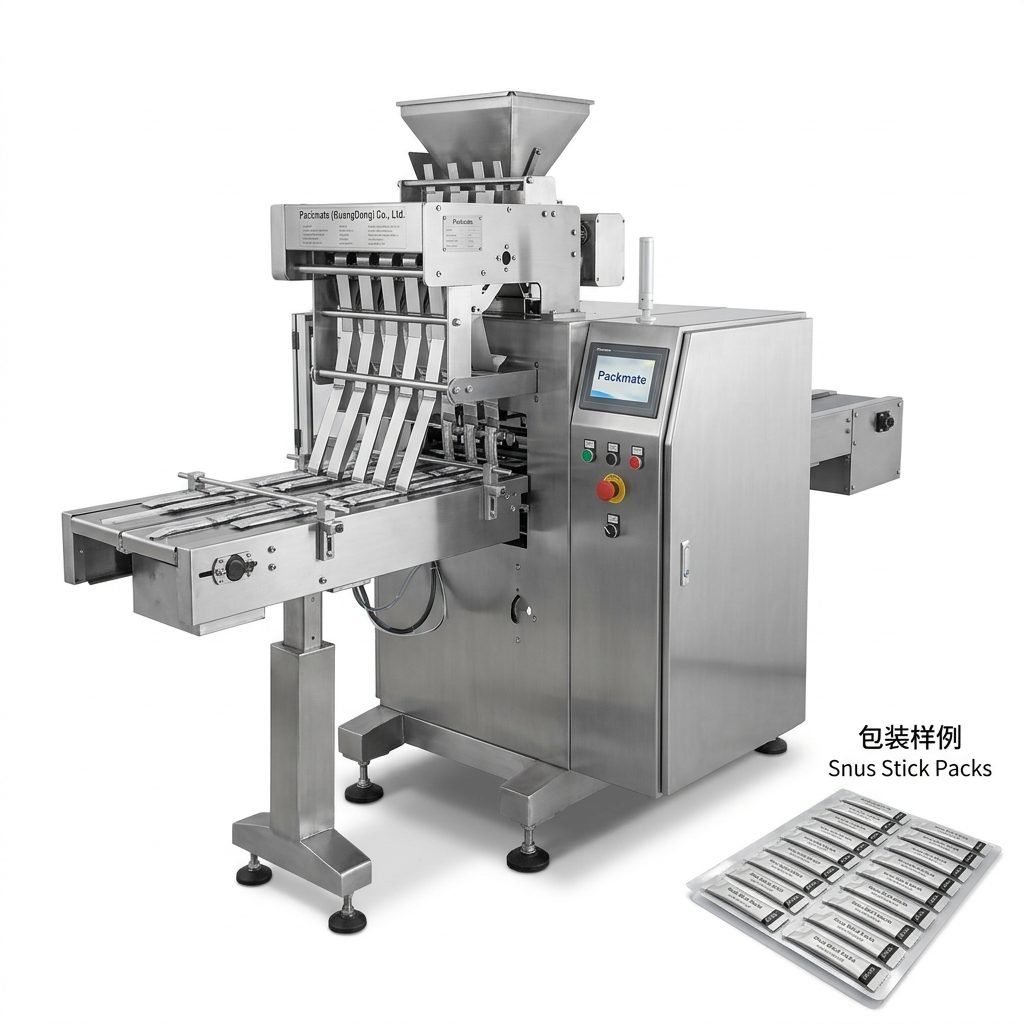
Your product format defines equipment selection. Typical snus and nicotine pouch production lines include single- and multi-lane stick pack machines, sachet machines, pouch form-fill-seal systems, and upstream weighing/filling modules.
Common configurations
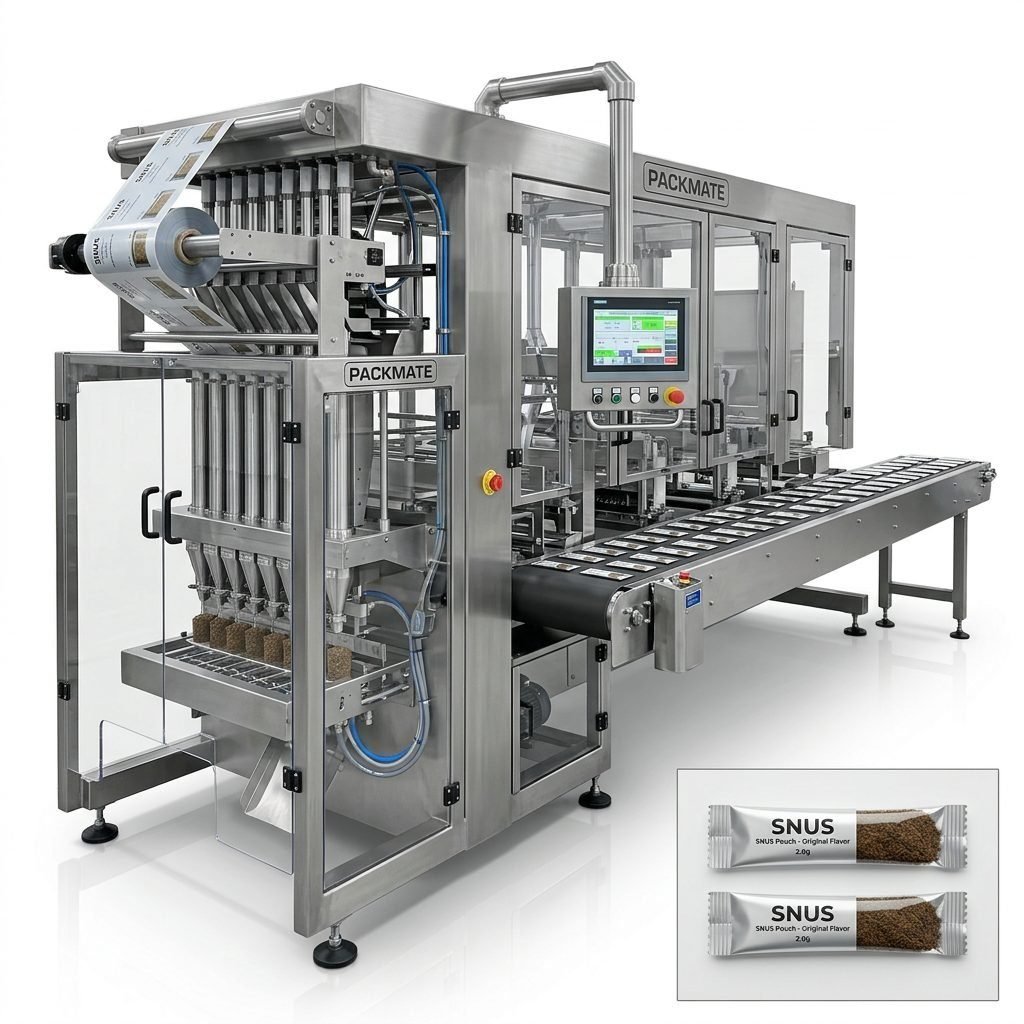
- Multi-lane snus pouch lines — for high throughput of small-dose pouches.
- Stick pack and sachet machines — ideal for single-dose packaging formats.
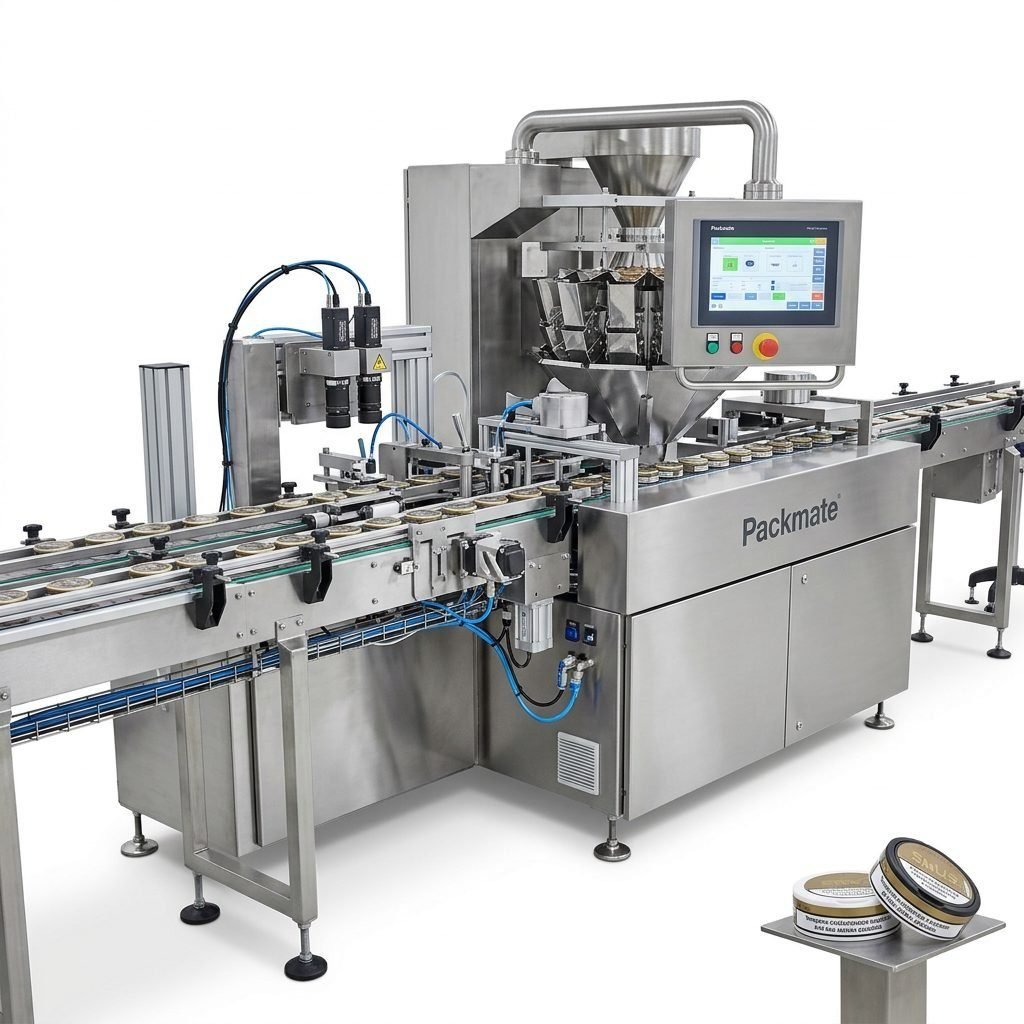
- Integrated weighing & feeding systems — essential for powders and tobacco blends.
- Complete filling & packaging lines — turnkey approach including conveyors, checkweighers, and secondary packaging.
For detailed machine categories and specifications, consult product catalogs like Snus & Nicotine Packaging Machines and Sachet & Stick Pack Machines.
Customization & Turnkey Solutions
A strong supplier offers personalization of tooling, control recipes, and mechanical parts to meet your SKUs. Turnkey solutions that integrate weighing, dosing, forming, and secondary packaging reduce vendor coordination and speed up project completion.
📦 Integration advantage: Choosing a single vendor for filling & packaging lines simplifies commissioning and technical support. See examples under Filling & Packaging Lines.
Quality Control & Testing Procedures
Robust QC is non-negotiable. Request demonstrations of in-line testing (e.g., weight checks, seal integrity, vision inspection), and review the supplier’s acceptance criteria and test reports. Ensure the factory runs endurance tests that simulate continuous production to validate mean time between failures (MTBF).
Ask for these documents
- Factory acceptance test (FAT) report and video.
- Standard operating procedures and maintenance manuals.
- Spare parts list with lead times.
After-Sales Service & Spare Parts
Downtime strikes when you least expect it—evaluate the supplier’s spare parts policy, on-site service capability, remote diagnostics, and availability of engineers. A reputable manufacturer will offer training, documentation, and planned maintenance schedules to maximize uptime.
✅ Critical KPI: Average spare parts delivery time and local stock availability — shorter lead times reduce production risk.
Total Cost of Ownership (TCO)
Purchase price is only the start. Evaluate energy consumption, changeover time, spare parts consumption, and required staffing. Reliable equipment with slightly higher upfront cost may yield lower TCO through reduced downtime and energy efficiency.
TCO checklist
- Energy usage per hour at nominal speed.
- Mean time to changeover between SKUs.
- Planned maintenance intervals and estimated parts cost/year.
References, Case Studies & Exhibitions
Ask for customer references and case studies in similar product categories. Attendance at international exhibitions and live demos indicates transparency and mature product lines. You can also view real-world cases and exhibition details from the manufacturer’s resources such as Case and Our Exhibition.
Practical Factory Visit & Evaluation Checklist 📋
📌 Before the visit: Request FAT videos and machine spec sheets. Prepare specific test scenarios (product, fill weight, desired speed).
📌 During the visit: Observe machines under continuous run, inspect spare parts area, and meet engineering/support teams.
📌 After the visit: Compare notes on lead times, warranty terms, and customization capabilities.
How to Compare Final Offers
When you receive proposals, compare scope, delivery time, installation & commissioning terms, warranty coverage, and spare parts packages. Ask for a clear statement of what is included in the price (training, FAT, shipping, electrical cabinets, PLC programming).
Negotiation tips
- Request performance guarantees linked to acceptance tests.
- Negotiate spare parts kits included with the first shipment.
- Agree on remote support response times and escalation paths.
Why Packmate Snus Machine Is Often Chosen
Manufacturers with long-standing engineering experience, diverse machine models, and strong turnkey capabilities simplify supplier selection. For example, Packmate’s 30+ years of experience, a 20,000㎡ factory, and 50+ machine models illustrate the depth of engineering and manufacturing competence that many global customers find compelling. Learn more About Packmate.
Final Selection Roadmap
Use this step-by-step approach to finalize your supplier:
- Define product specs and target throughput.
- Request machine data sheets and FAT videos from shortlisted vendors.
- Visit factories to verify capabilities and QC procedures.
- Compare total cost of ownership including spare parts and service.
- Negotiate warranty, training, and acceptance terms before signing.
Useful Resources & Next Steps
If you are ready to review machine categories and request quotations, explore product pages such as Bag & Pouch Packaging Machines and Weighing & Packaging Systems, or contact the manufacturer directly via Contact Us.
Closing thoughts
Making an informed choice requires balancing technical capability, compliance, service, and total cost. Prioritize vendors who demonstrate transparency, consistent quality assurance, and strong on-site support. With careful evaluation you will secure an equipment partner that supports growth and product consistency.
Common Questions (FAQs)
Q1: How long does it take to deliver and commission a snus packaging line?
A: Typical lead times depend on customization and capacity; conservatively plan 12–26 weeks from order to factory acceptance for a fully customized turnkey line. Off-the-shelf models are faster.
Q2: What documentation should be provided with the machine?
A: Request FAT reports, electrical and pneumatic schematics, PLC program backups, operation & maintenance manuals, spare parts lists, and CE/ISO certificates relevant to your market.
Q3: How do manufacturers support remote troubleshooting?
A: Many vendors offer remote diagnostics via secure VPN, video support, and guided instructions. Confirm response SLAs and escalation procedures before purchase.
Q4: Can I upgrade a machine later to increase lanes or speed?
A: Modular machines and multi-lane designs typically allow upgrades. Discuss upgrade paths and associated costs during contract negotiation.
Q5: What is the typical warranty and spare parts policy?
A: Warranties commonly cover 12 months for mechanical and electrical components, with optional extended plans. Ensure an initial spare parts kit and clear lead times are included in the offer.