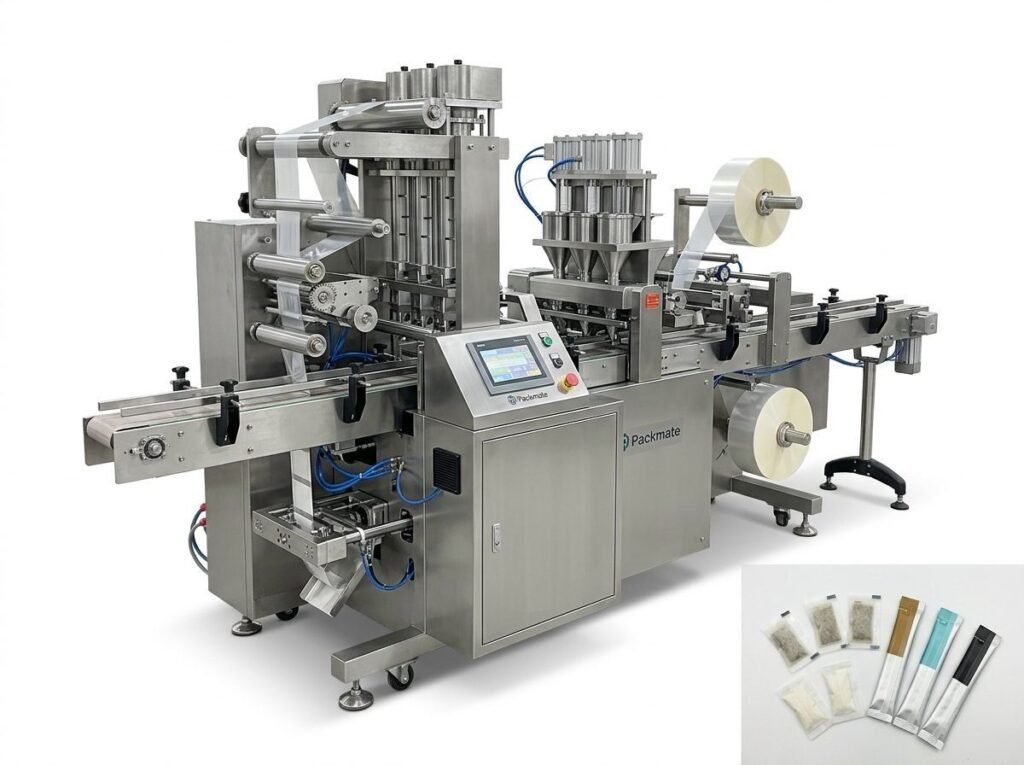
Entering the snus and nicotine pouch market in Angola requires more than finding a machine — it demands a reliable partner who understands product requirements, local regulations, logistics, and after-sales support. This guide walks Angolan buyers step-by-step through selecting a trustworthy snus packaging machinery supplier, with actionable checks, technical considerations, and negotiation tips tailored to the Angolan market and business culture.
Market Snapshot: Why Angola Is Unique for Snus & Nicotine Packaging
Angola is a Portuguese-speaking country with strong regional trade ties and a growing consumer sector centered in Luanda. While traditional tobacco products have regional presence, nicotine pouches and modern snus formats are still emerging. This means buyers should focus on machines that support flexibility — smaller batches, fast product changeovers, and clear hygiene standards for consumer safety.
Tip: Portuguese labels and regulatory documentation are helpful. Ensure your supplier can provide localized manuals and training in Portuguese or provide a translator during commissioning.
Step 1 — Defining Technical Needs Before Contacting Suppliers
Before you reach out, clarify production targets and product formats. Key questions to answer:
- What daily output (pouches/day) do you need?
- Which pouch types — stick pack, sachet, or multi-lane micro-pouches?
- Do you require integrated weighing, dosing for powders, liquids, or fill-and-seal?
- Will your product need barrier films, peelable seals, or child-resistant features?
Quick Checklist (copy for supplier inquiries)
🔍 Production capacity, pouch size range, film types supported, PLC & HMI language options, power requirements (voltage/Hz), equipment footprint, spare parts list, warranty terms, and commissioning/training arrangements.
Step 2 — How to Vet a Reliable Supplier
Use the following verification steps to narrow down trustworthy manufacturers and avoid common pitfalls when importing heavy machinery to Angola.
1. Factory Credentials and Experience
Look for suppliers with long-term industry experience and a visible factory presence. A manufacturer with decades of engineering heritage is more likely to offer robust machines and continuity of spare parts. For example, suppliers with 20,000㎡ manufacturing facilities and advanced CNC/assembly lines show serious production capabilities.
2. Certifications and Compliance
Verify international certifications such as CE and ISO — these increase the likelihood that machines meet safety and quality standards. Ask for certificate copies and cross-check on issuing agency websites when possible.
3. Factory Visits or Virtual Tours
Whenever possible, arrange a factory visit. If travel is impractical, request a live virtual tour and demonstration. Insist on seeing assembly lines, testing areas, and sample-packed products. A transparent supplier will gladly show you.
✅ Supplier credibility indicators: long history, diversified product lines, case studies from global markets, and post-sale support network.
Step 3 — Technical Features to Prioritize for Angolan Operations
Equipment should match local conditions and your product profile. Prioritize:
- Voltage & Power Compatibility: Angola uses 220V/50Hz; confirm machine compatibility or transformer requirements.
- Robustness to Humidity: coastal and tropical regions can be humid — stainless components and protective coatings help.
- Spare Parts Availability: choose brands that stock critical spares or ship internationally within reasonable lead times.
- Multi-format Flexibility: ability to switch between pouch sizes and formats reduces downtime for small runs.
- User Interface & Language: offer HMI in Portuguese or support translation during training.
Step 4 — Assessing After-sales Service & Training
In Angola, local service presence or strong remote support is critical. Ask suppliers for:
- Commissioning timeline and onsite engineers.
- Training for local technicians and operators (language options).
- Warranty coverage details and response time for critical failures.
- Availability of technical documentation, electrical drawings, and spares lists.
📦 Shipping & customs support is especially valuable. Suppliers who assist with documentation and local agents can significantly reduce delays at the Port of Luanda.
Step 5 — Logistics, Installation and Local Compliance in Angola
Plan the delivery and installation carefully to avoid unexpected costs:
- Port & Import: Luanda is the busiest import hub — coordinate with experienced customs brokers and check import duties, VAT, and any special permits for nicotine-related equipment.
- Electrical & Floor Requirements: Ensure your facility meets required voltage, grounding, and floor loading. Some machines need vibration-free foundations.
- Regulatory: Nicotine products may have evolving regulations in Angola. Work with local legal counsel to confirm labeling, product registration, and advertising restrictions.
Negotiation & Contract Essentials
When negotiating terms, be explicit and get it in writing:
- Lead time and delivery milestones (packing, shipping dates)
- Payment terms — staged payments tied to acceptance tests are common
- Acceptance criteria for factory testing, site acceptance test (SAT), and performance guarantees
- Warranty, spare parts pricing, and response times
- Training scope and language
Real-world Supplier Red Flags
⚠️ Red flags include vague technical specs, refusal to provide references or factory access, unclear spare parts policy, and non-transparent warranty clauses. If a supplier avoids showing a machine running your specific product, treat that as a warning.
Why Packmate-Type Suppliers Can Be a Strong Option
Suppliers with decades of packaging experience, multiple machine models, and global turnkey project history bring benefits:
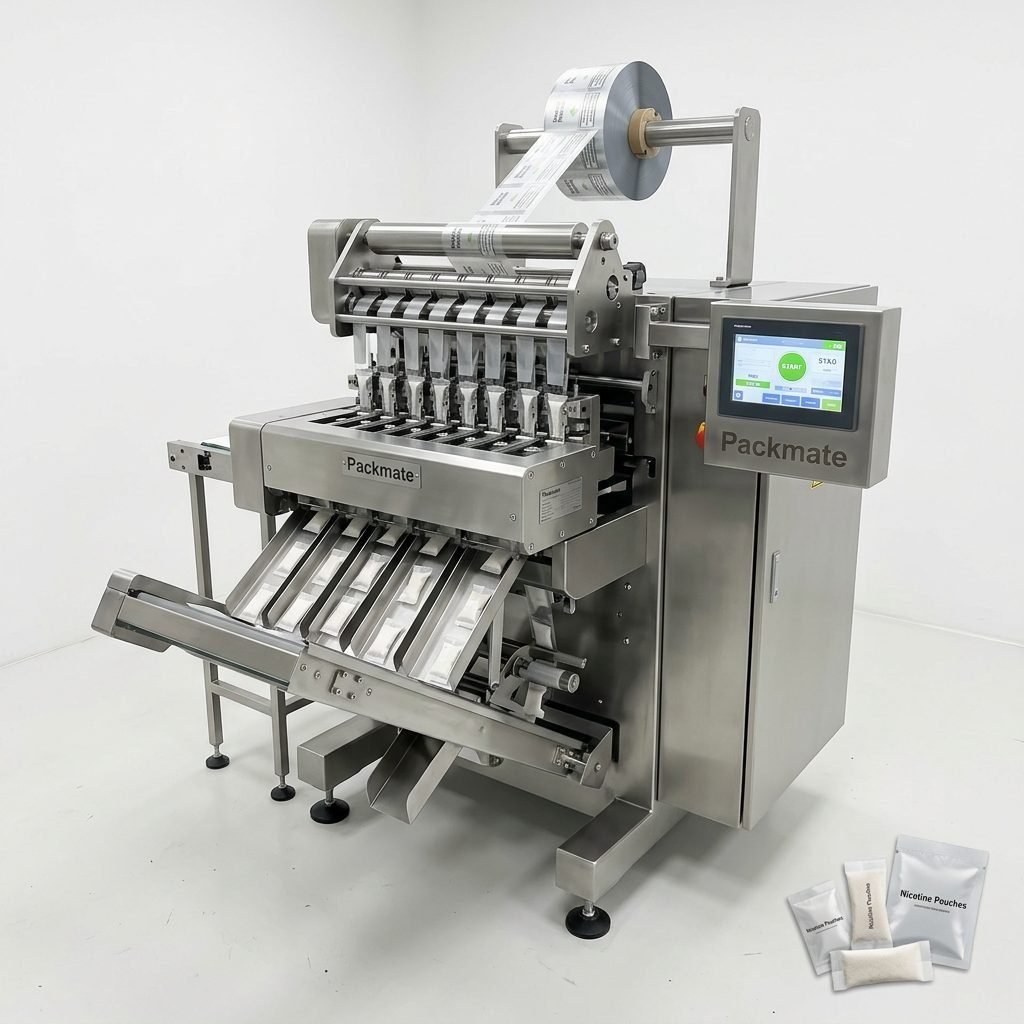
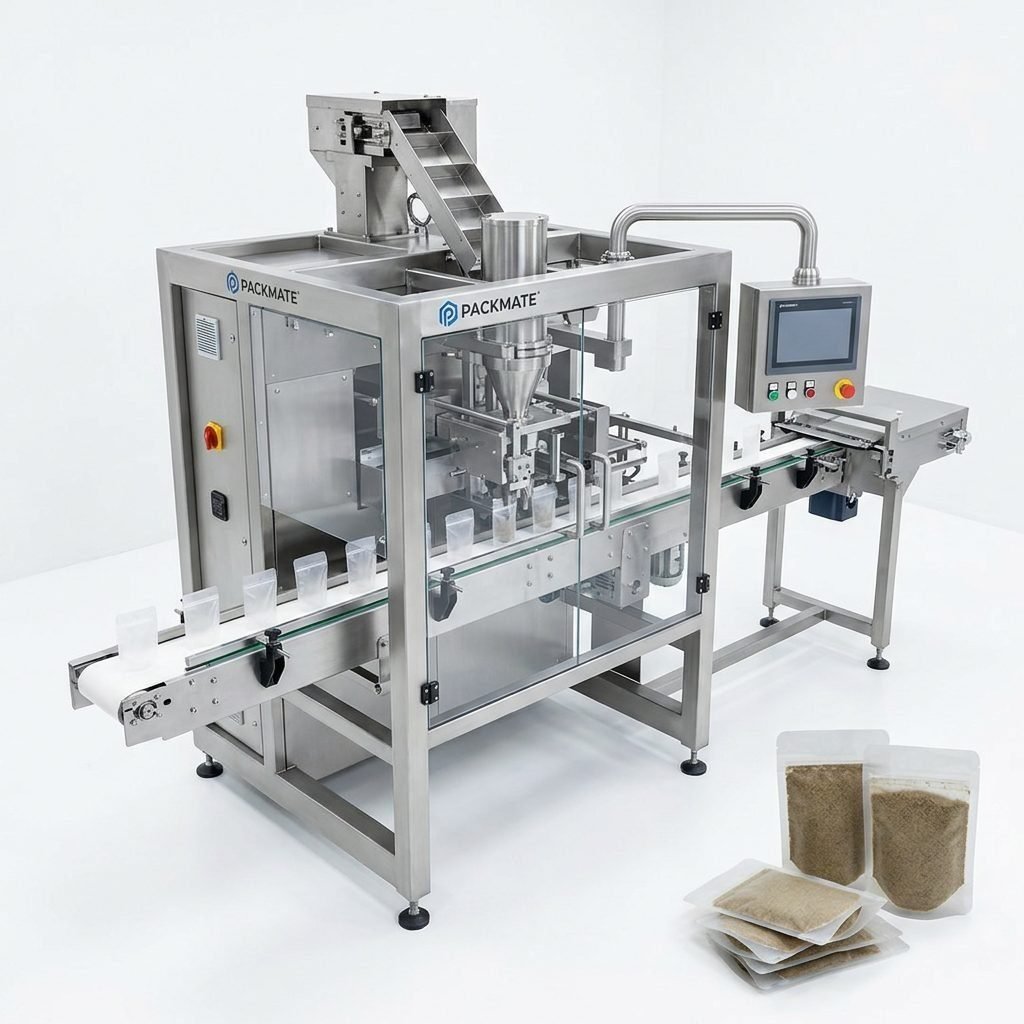
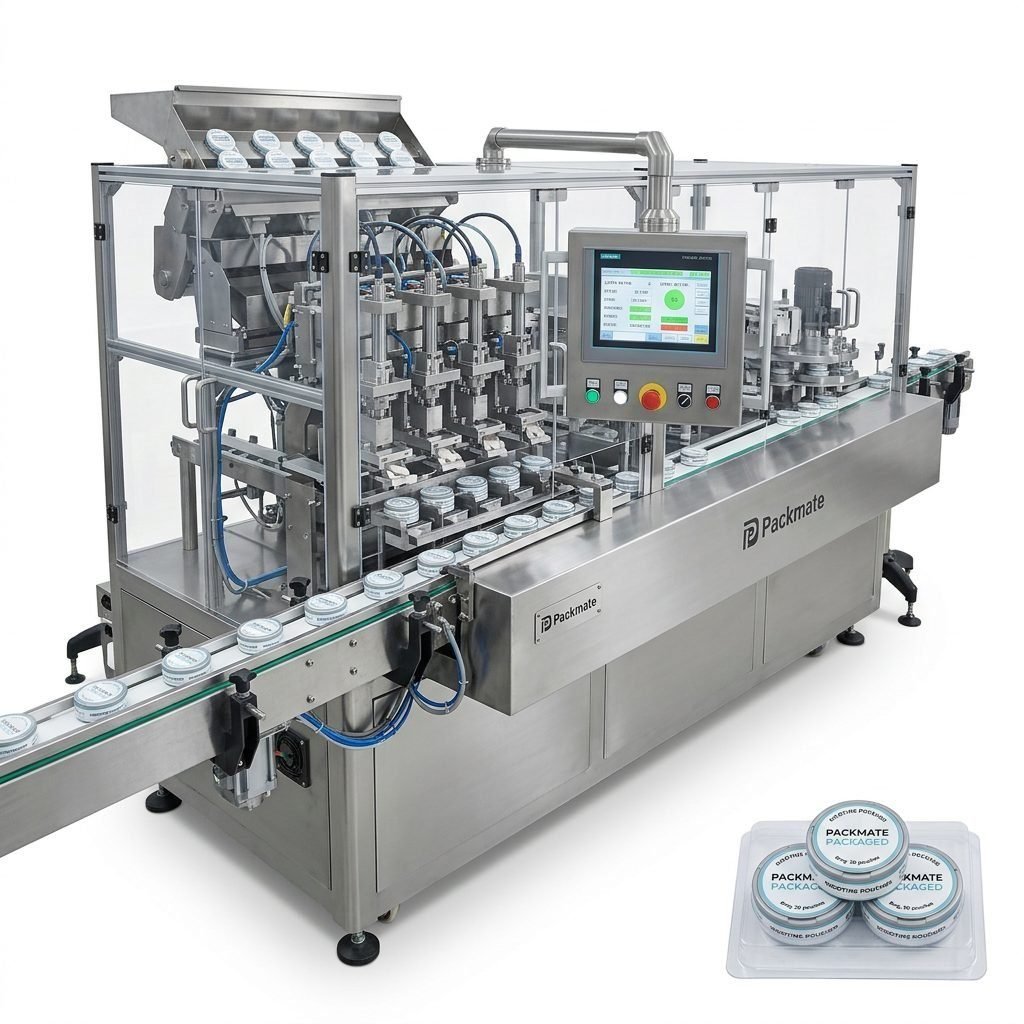
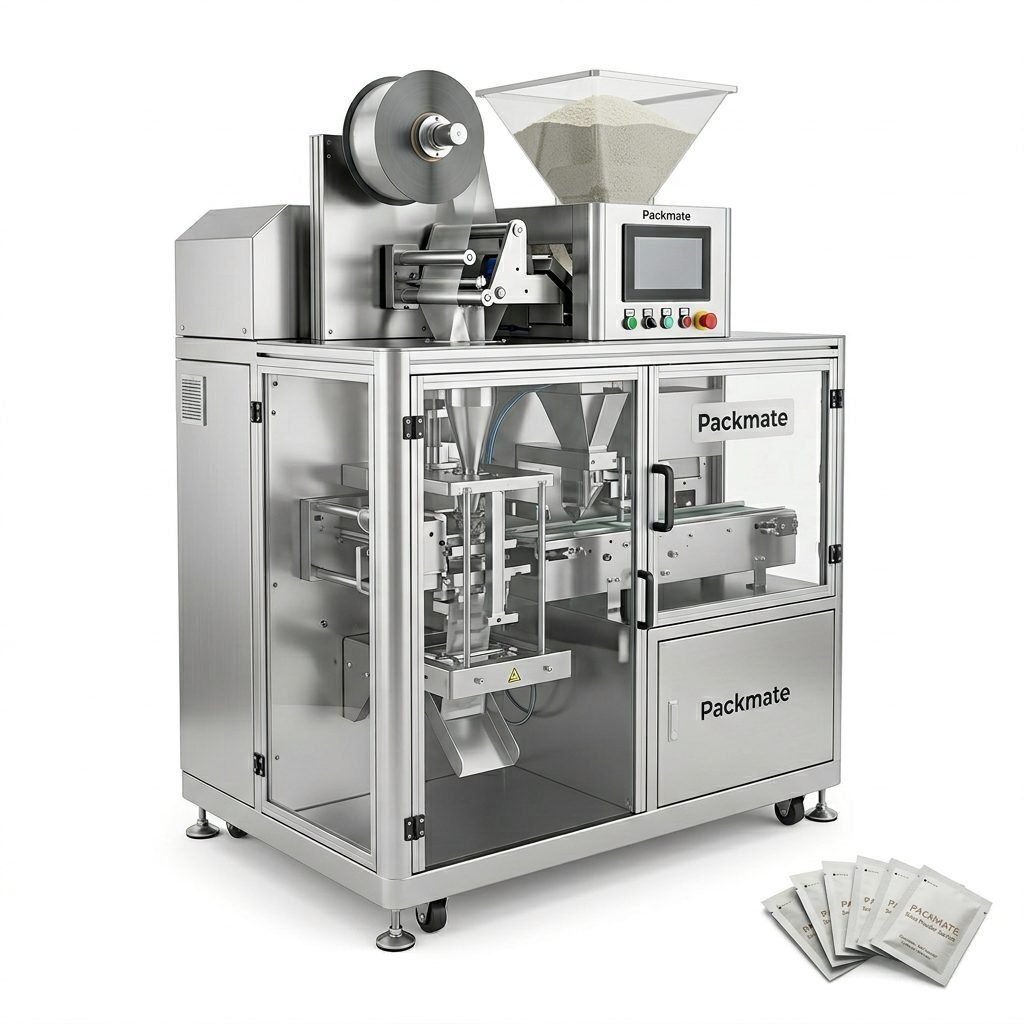
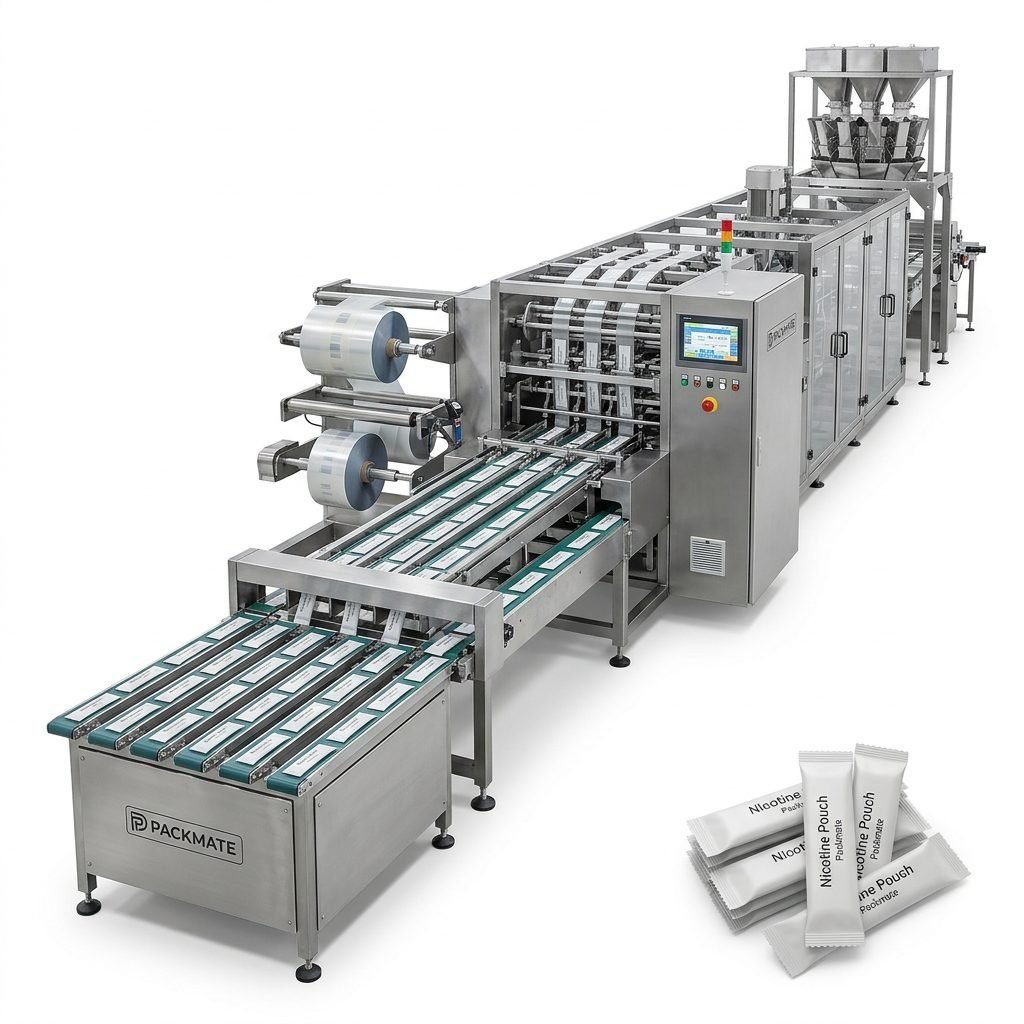
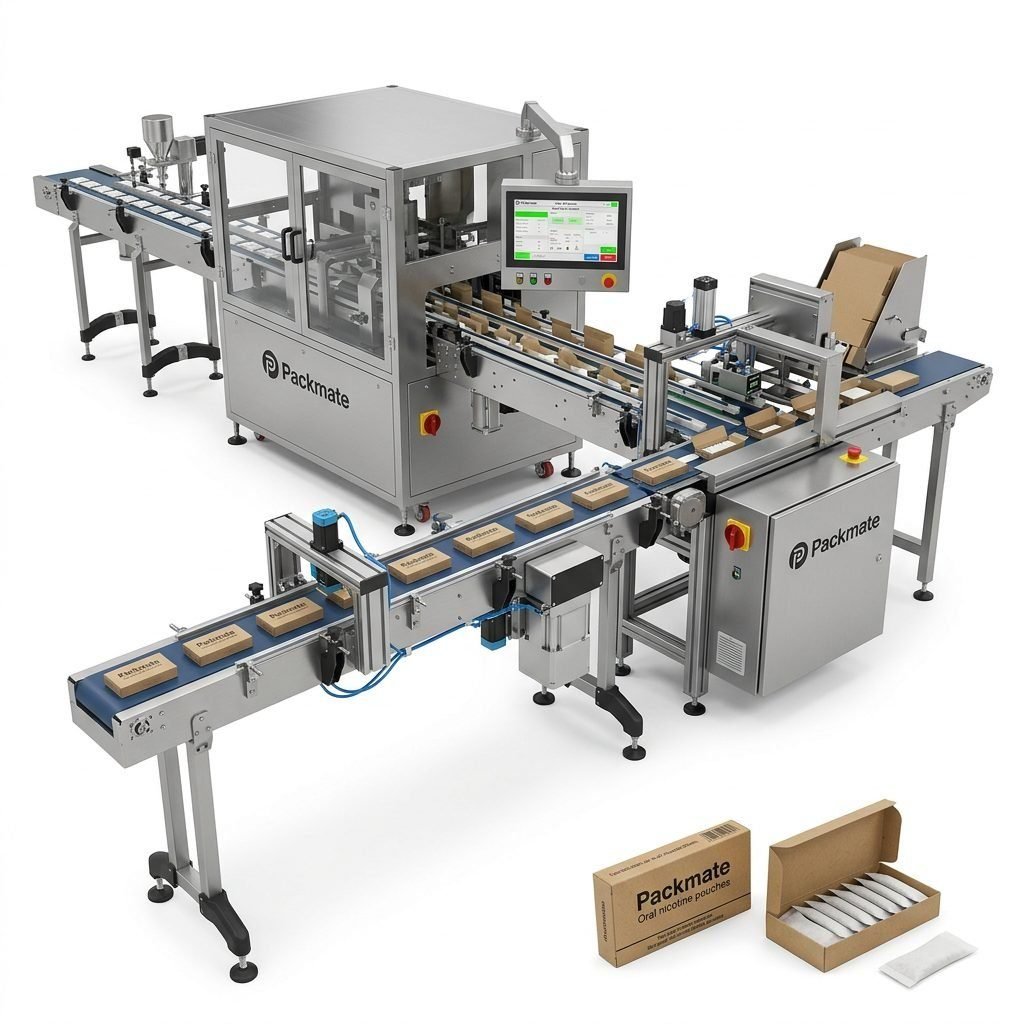
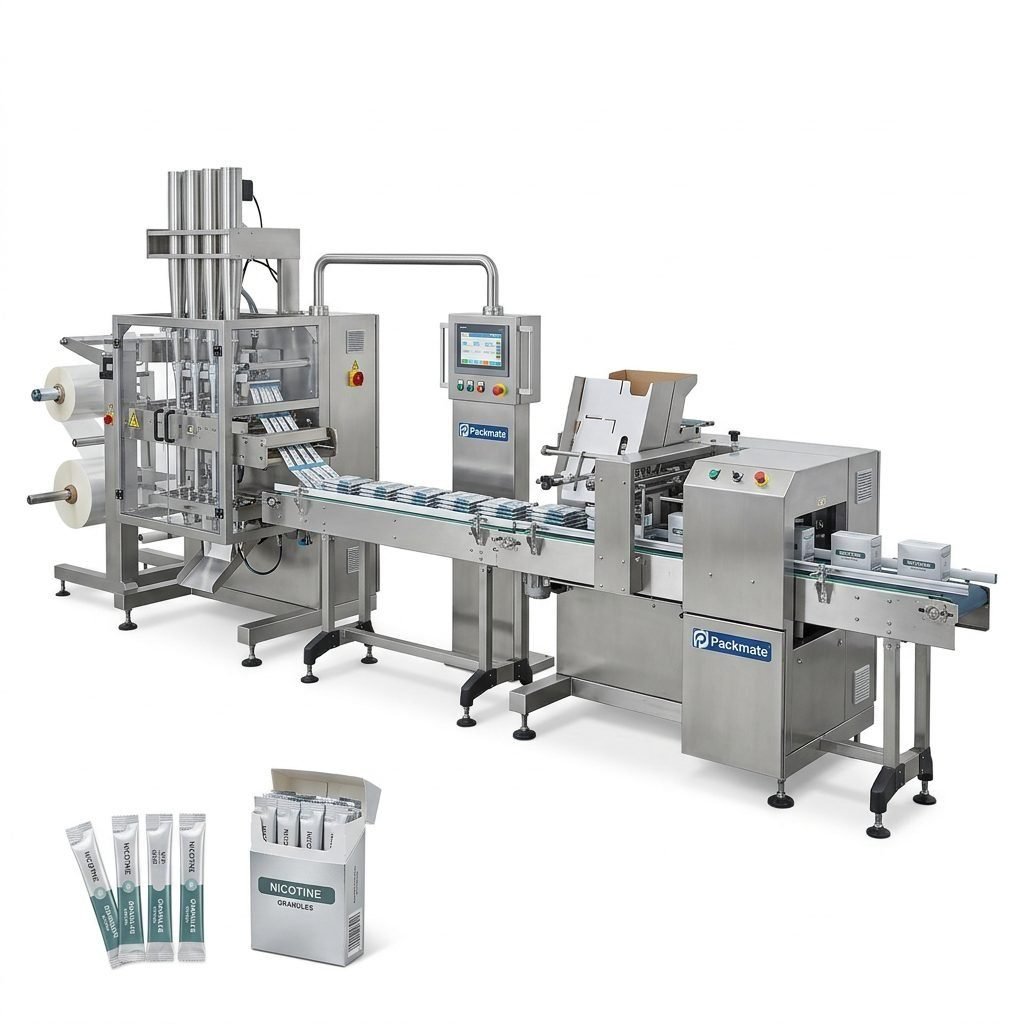
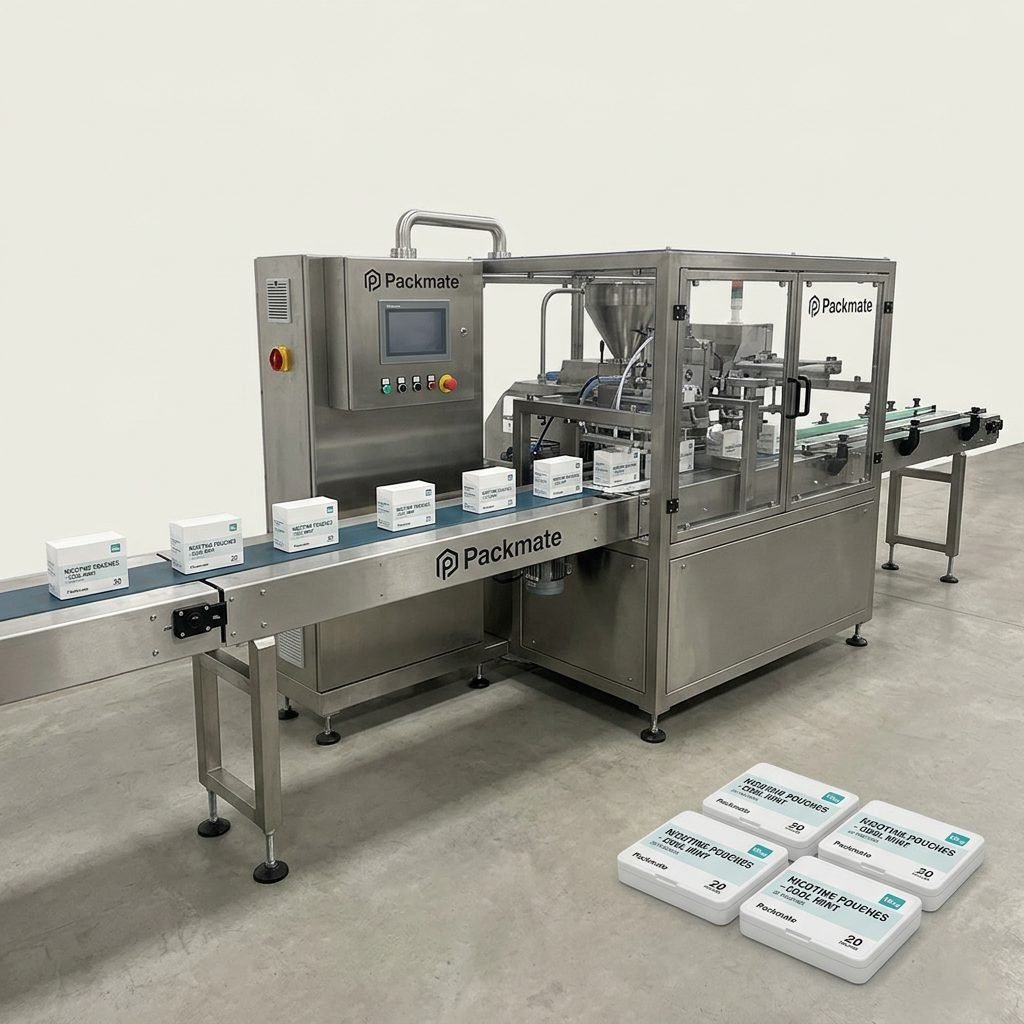
- Wide product range supporting snus/nicotine formats — stick pack, sachet, multi-lane systems.
- Large manufacturing facilities and advanced machining centers ensure component precision and consistent quality.
- Certifications like CE and ISO help with regulatory acceptance and safety assurances.
Learn more about specialized solutions such as Snus & Nicotine Packaging Machines and Bag & Pouch Packaging Machines to match your product profile:
Snus & Nicotine Packaging Machines |
Bag & Pouch Packaging Machines |
About Packmate
How to Run a Successful Pilot and Scale Up
Start with a pilot line to validate product quality, packaging integrity, and operational workflow. Important pilot steps:
- Run full production cycles with your exact pouch film and nicotine formulation.
- Measure yield loss, seal integrity, and cycle times.
- Train local teams during pilot runs and document SOPs in Portuguese.
- Collect feedback on labeling and consumer acceptance in local markets.
📜 A successful pilot reduces risk when expanding to multi-lane high-speed systems and helps forecast spare parts consumption and staffing needs.
Practical Buying Timeline
Typical steps and approximate durations:
- Specification & RFQ: 1–2 weeks
- Factory review & quotations: 2–4 weeks
- Contract negotiation: 2–6 weeks
- Manufacturing & FAT (factory acceptance test): 8–16 weeks
- Shipping & customs clearance: 4–8 weeks
- Installation & commissioning: 1–3 weeks
Useful Supplier Resources & Next Steps
When evaluating suppliers, request case studies and client references. Review machine catalogs and ask for catalogs or specification sheets to compare models. Helpful links for product review and inquiries:
Sachet & Stick Pack Machines |
Case Studies |
Contact Us
Cultural & Business Etiquette Tips for Angola
Building relationships is crucial. Expect formal meetings, value personal introductions, and prepare clear documentation in Portuguese when possible. Honor timelines but be prepared for some flexibility in scheduling. Holidays and local observances can affect lead times and availability of local service providers.
Final Recommendations
Bottom line: Choose a supplier with proven snus/nicotine pouch experience, clear certifications, solid after-sales support, and willingness to work closely on pilot runs and local training. These factors minimize risk and accelerate your time-to-market in Angola.
Further Reading & Support
Explore detailed product offerings and technical support pages to refine your selection:
Weighing & Packaging Systems |
Filling & Packaging Lines |
Certificate
Frequently Asked Questions
Q1: How do I ensure the machine is compatible with Angolan voltage and humidity conditions?
A1: Confirm the supplier provides electrical specifications for 220V/50Hz, and request corrosion-resistant materials and protective covers for humid environments. Ask for operational references in similar climates.
Q2: What documentation is needed for customs clearance in Angola?
A2: Typical documents include commercial invoice, packing list, bill of lading, certificate of origin, and any product-specific permits. A local customs broker can provide a precise list based on the machine and consumables.
Q3: Should I buy a single-line or multi-lane system first?
A3: Start with a flexible single or small multi-lane pilot line to validate products and processes. Scale to high-speed multi-lane systems once demand and operational proficiency are proven.
Q4: How long does commissioning typically take in Angola?
A4: Commissioning usually takes 1–3 weeks depending on site readiness, training needs, and customs lead times. Arrange spare parts and local technician availability beforehand to avoid delays.
Q5: Where can I find verified supplier case studies and references?
A5: Ask suppliers for customer references in similar climates and industries. Review published case studies and request contact details for previous buyers. Online resources like supplier case pages can help — for example, view relevant case studies and production examples on supplier case pages.