Manufacturers and production managers exploring snus and nicotine pouch lines need a clear, practical roadmap to choose machines that deliver consistent quality, regulatory compliance, and competitive throughput. This guide walks through machine types, line configurations, key performance indicators, and supplier selection criteria to help you design or upgrade a high-efficiency snus manufacturing operation.
Why specialized snus production equipment matters
Snus and nicotine pouches are small-dose, high-precision products where weight accuracy, pouch integrity, and consistent dosing directly affect consumer experience and regulatory compliance. Off-the-shelf packaging machines for generic powders or granules often fall short in these areas. Investing in equipment purpose-built for snus production reduces waste, improves yield, and protects brand reputation.
Key benefit: Purpose-built snus machines maintain consistent fill weight and pouch formation across multi-lane systems, enabling higher OEE (overall equipment effectiveness) and lower operator intervention. 🔧
Main types of snus production machines
Understanding the difference between machine types helps you match equipment to your product format and production goals.
Stick pack and sachet machines
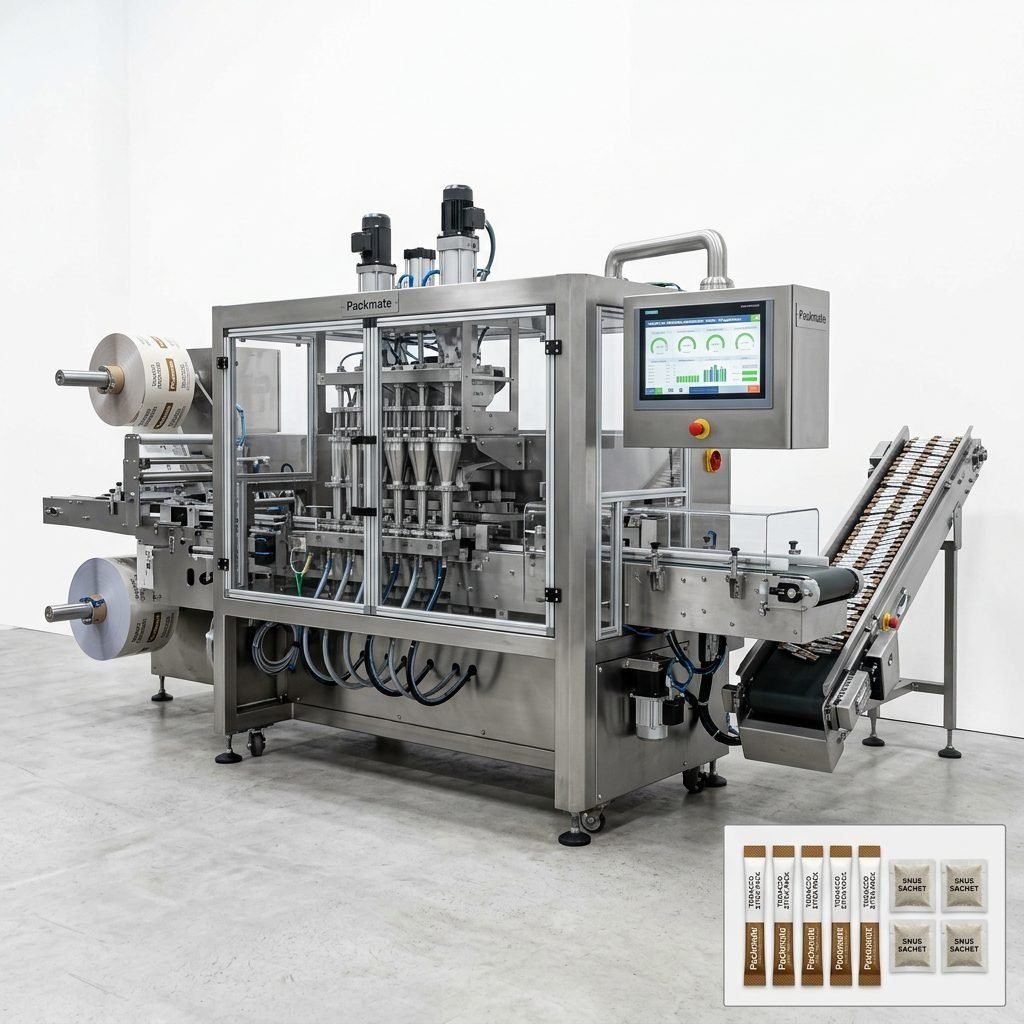
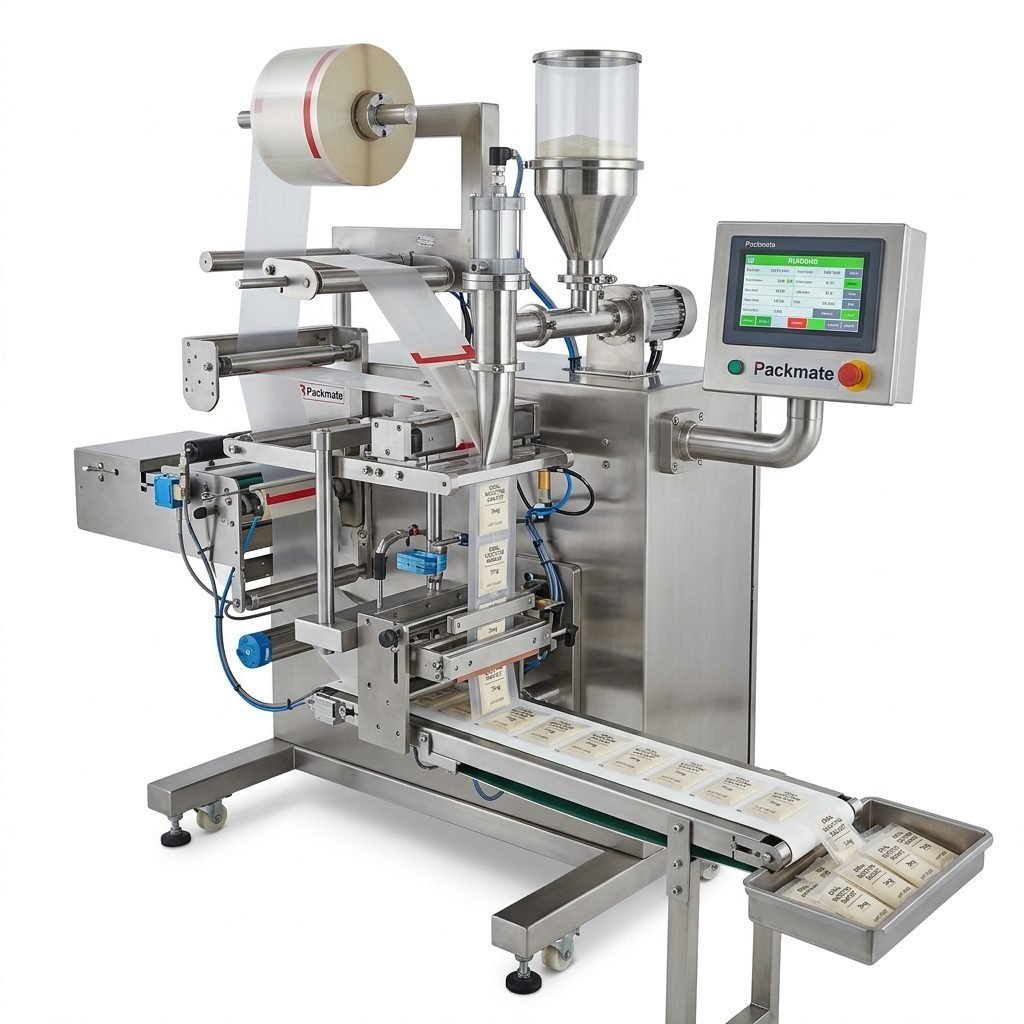
Stick pack and sachet systems are common when single-dose or daily-dose formats are required. These machines provide fast, continuous packaging with options for vertical or horizontal filling, depending on product properties like moisture and particle size. For best results with nicotine pouches choose models with gentle product handling and precise volumetric or auger dosing.
Multi-lane pouch and snus packaging machines
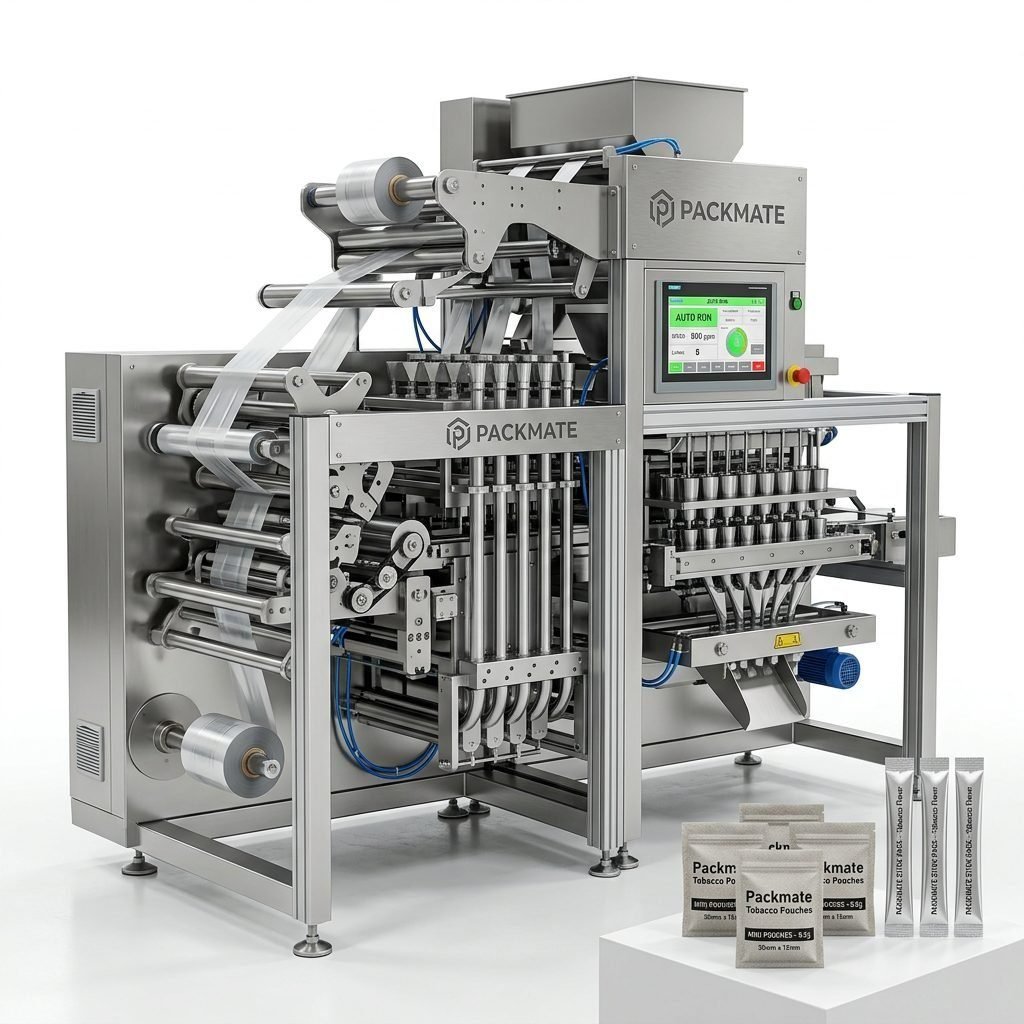
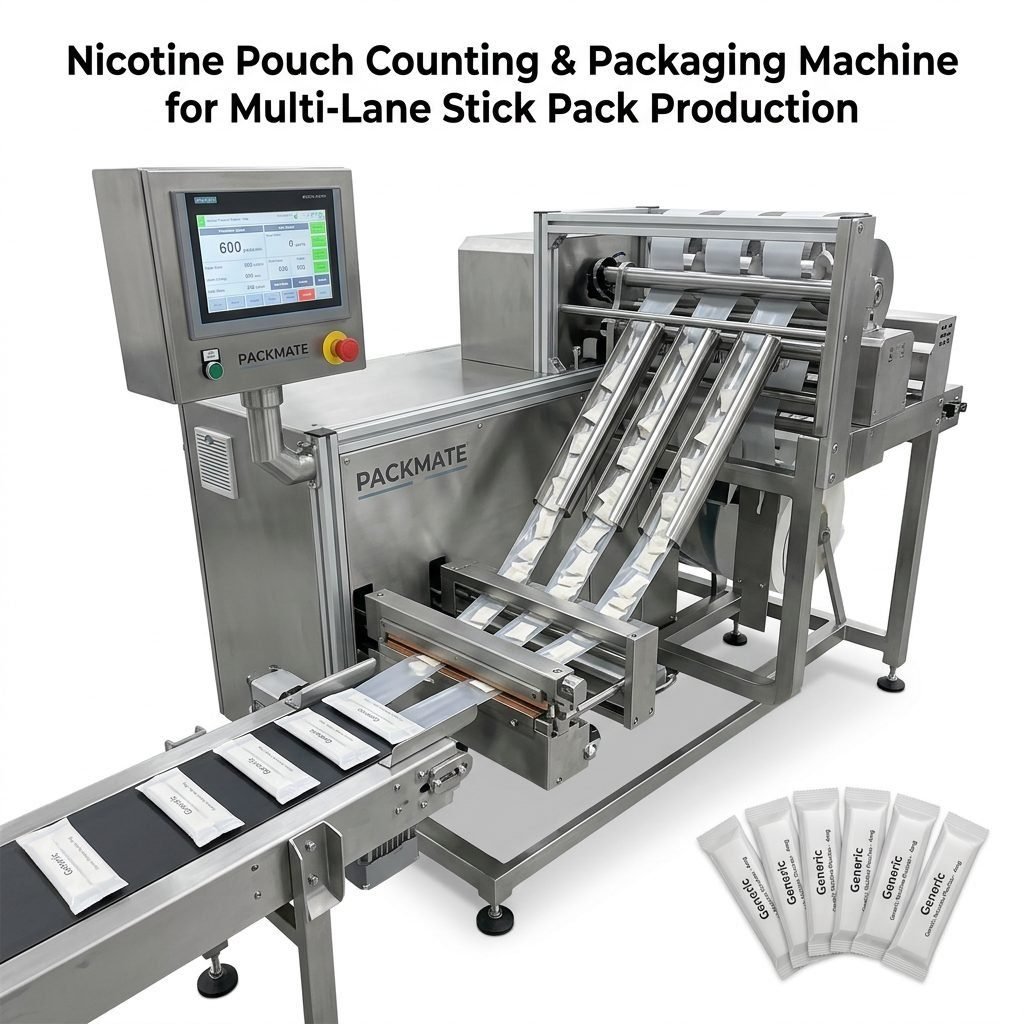
Multi-lane lines dramatically increase throughput by producing several pouches per cycle. They require accurate lane synchronization, robust frame design, and high-precision sealing systems to ensure consistent pouch shape and seal integrity across all lanes.
Weighing & dosing systems
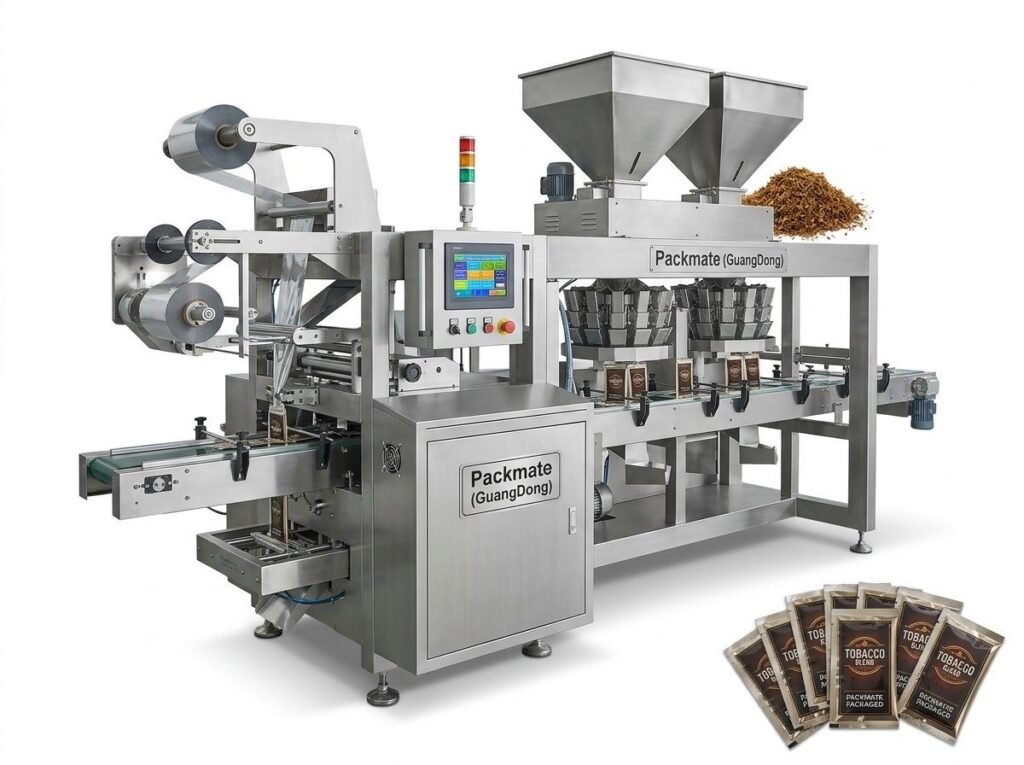
Highly accurate weighing and dosing solutions reduce giveaway and maintain product consistency. Depending on your production speed and product characteristics, choose between multi-head weighers, loss-in-weight feeders, or custom auger/rotary dosers designed for fine powders. See advanced options in Weighing & Packaging Systems.
Critical selection factors when choosing machines
When evaluating machines, consider performance, flexibility, compliance, and long-term cost. The right balance depends on your product portfolio and business strategy.
- Throughput — target pouches per minute and daily output.
- Accuracy & yield — dosing accuracy, rejection rates, and giveaway control.
- Format flexibility — ability to run different pouch sizes or switch between sachet and stick formats.
- Automation level — from semi-automatic modules to fully integrated turnkey lines.
- Sanitation & maintenance — cleanability, CIP options, and spare parts accessibility.
- Regulatory compliance — CE/ISO standards and traceability features.
Pro tip: Prioritize dosing accuracy and easy maintenance over lowest purchase price. A slightly higher initial investment in precision dosing saves money over time by reducing product giveaway and downtime. 📈
Core components & advanced technologies
Top-performing snus lines combine precise feeding, gentle handling, and reliable sealing — plus digital control systems for monitoring and traceability.
Dosing modules
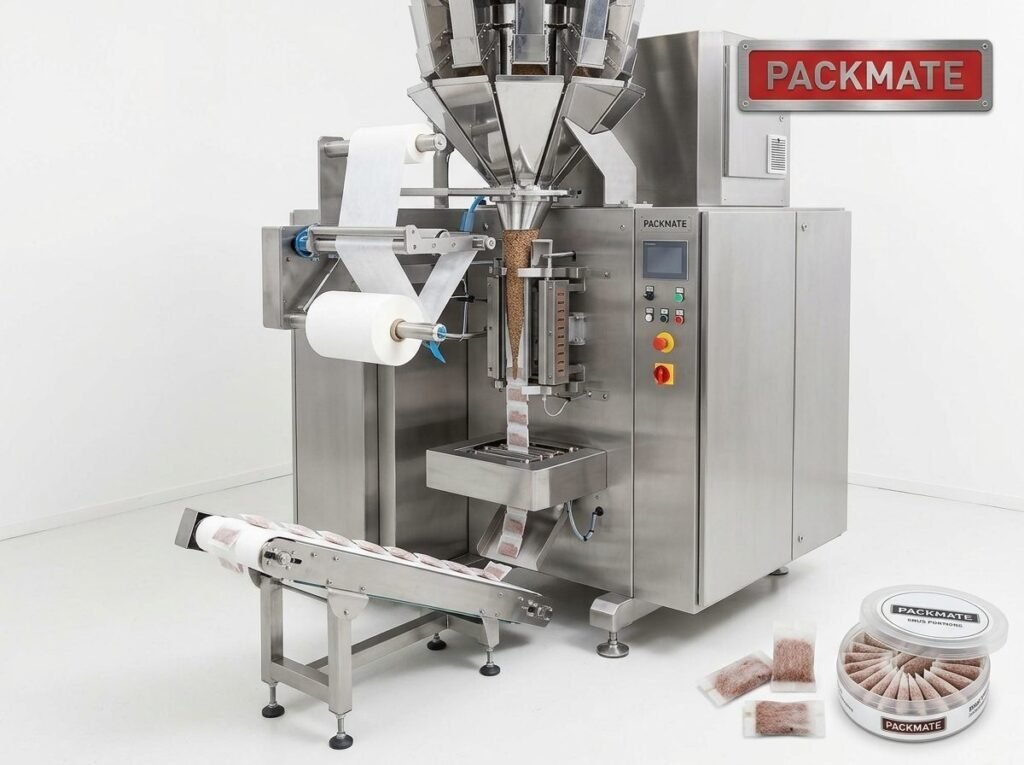
Choose between volumetric auger dosing, loss-in-weight feeders, or multi-head weighers based on powder flowability and target accuracy. Loss-in-weight systems are excellent for continuous dosing with excellent control; multi-head weighers suit high-speed multi-lane operations.
Forming, sealing and cutting units
Heat-sealing technology, ultrasonic sealing, and precision knives for pouch cutting ensure seal integrity and clean edges. For nicotine pouches, heat-sealing with precise temperature control often delivers reliable results while maintaining low oxygen ingress.
Vision systems & in-line inspection
In-line cameras and sensors detect fill level, misformed pouches, and printed code legibility. Implementing automated rejection reduces manual inspection needs and improves batch quality consistency.
Line integration: designing a complete production flow
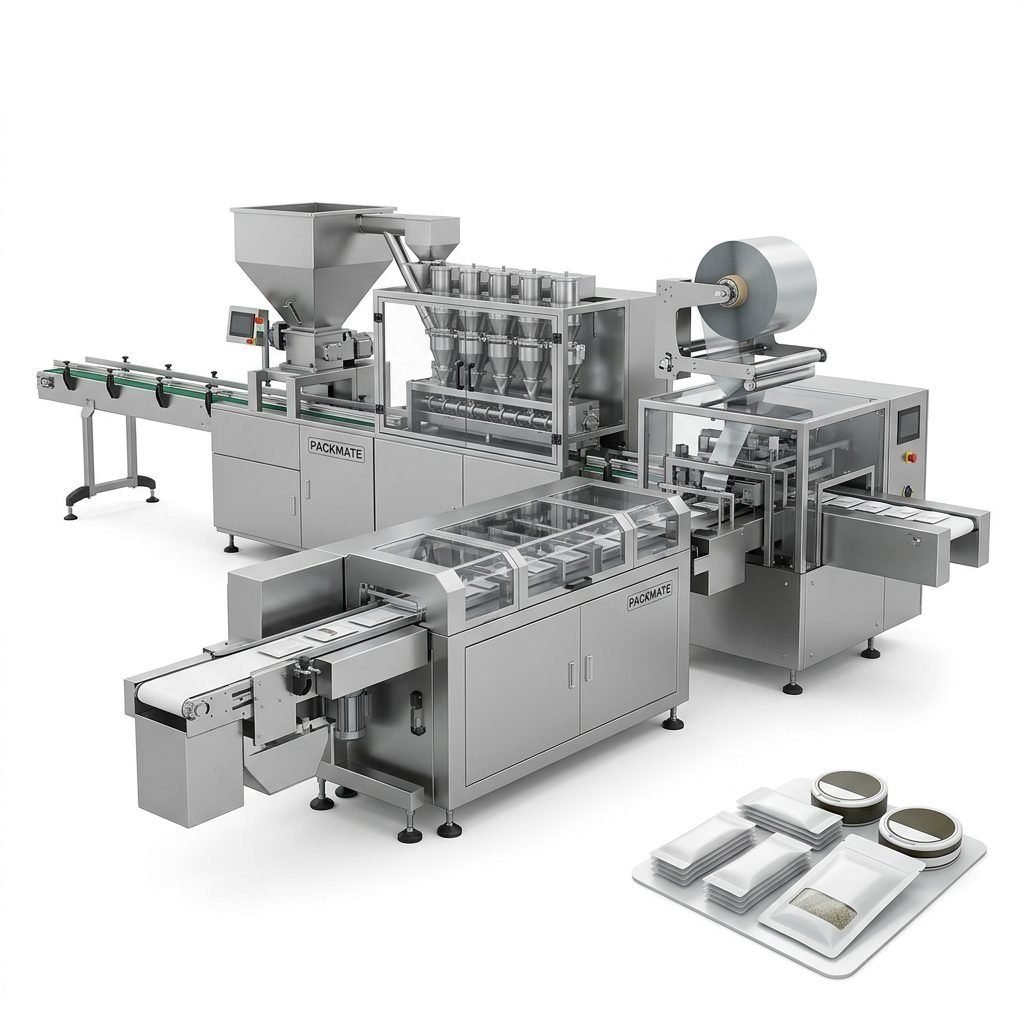
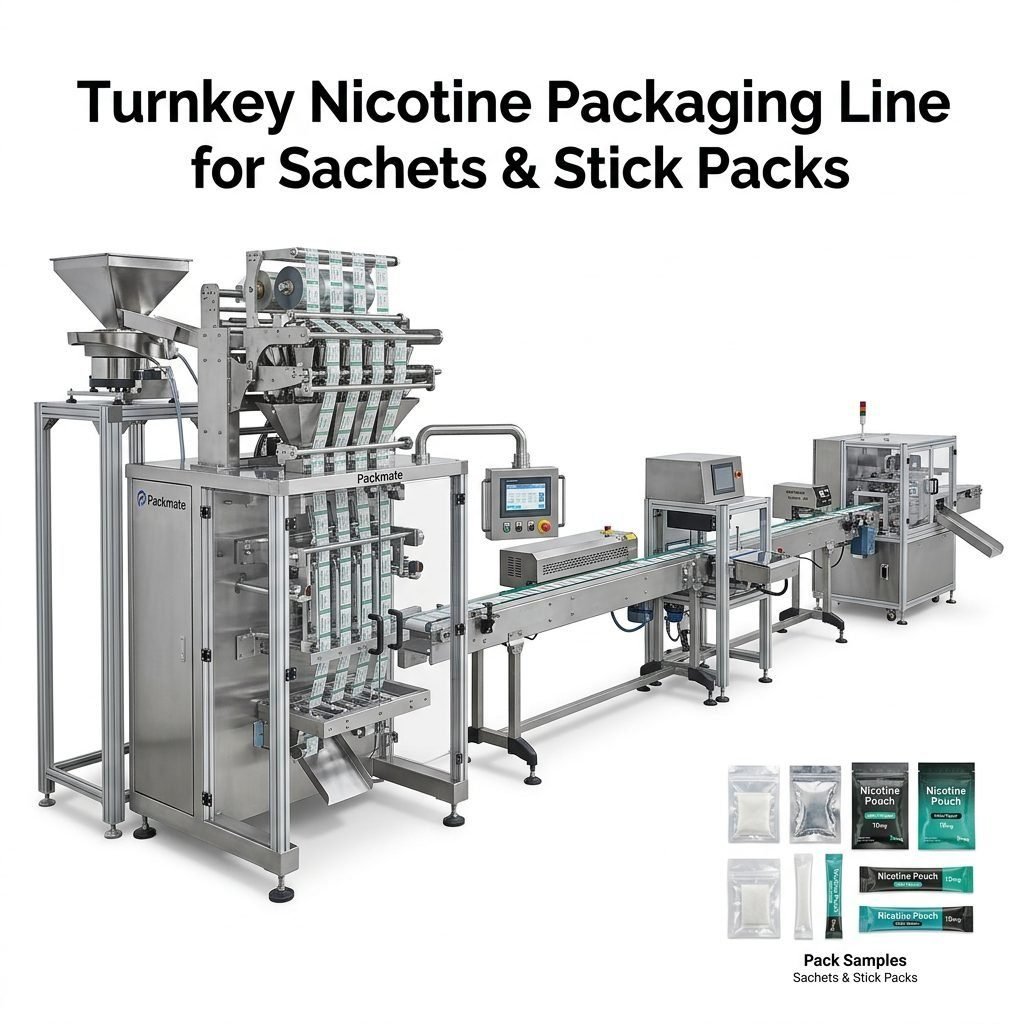
A complete snus production line ties raw material handling, dosing, pouch forming, sealing, secondary packaging, and case packing into a synchronized system.
Common line modules include bulk feeders, dosing/weighing, pouch-forming machines, inspection systems, date-coding printers, secondary cartoners or flow-wrappers, and case packers. Connecting these modules with synchronized PLC controls and HMI dashboards yields higher uptime and faster troubleshooting.
For balanced, scalable lines explore modular solutions that allow you to increase lanes or swap modules as production needs change. Manufacturers often link specialized snus machines with general-purpose secondary packaging equipment to create efficient, flexible lines. See options for Sachet & Stick Pack Machines and Filling & Packaging Lines.
Material handling and product-specific considerations
Raw material characteristics (particle size, moisture content, hygroscopicity) determine the right feeding and handling solutions. Hygroscopic nicotine blends may require climate-controlled hoppers and anti-caking measures.
- Anti-static & humidity control — critical to prevent clumping and ensure consistent dosing.
- Gentle conveying — vibration or low-shear conveyors preserve blend homogeneity.
- Hopper design — steep walls, agitation, and flow-control inserts can reduce bridging and rat-holing.
Footprint, throughput and lifecycle costs
When budgeting, consider not only purchase price but also energy consumption, spare parts availability, maintenance intervals, and upgrade paths. A compact multi-lane system can offer higher throughput per square meter and lower per-unit labor costs compared with multiple single-lane machines.
Checklist highlight: Calculate TCO (total cost of ownership) over 5 years, including spare parts, planned maintenance, and potential line expansions. ✓
Compliance, certifications and traceability
Choose machines from vendors that adhere to international standards (CE, ISO) and offer features for GMP compliance: stainless contact parts, CIP-friendly design, and batch trace printing. Electronic batch logs, recipe management, and configurable access control support audits and regulatory reporting.
Why Packmate Snus Machine often ranks as a preferred supplier
With over 30 years of engineering experience and a 20,000㎡ manufacturing facility, Packmate Snus Machine focuses on high-performance snus packaging lines. Their product range includes stick pack, sachet, and multi-lane systems tailored to nicotine pouches and similar products. The company emphasizes precision machining, strict quality control, and turnkey solutions for global customers.
Packmate’s capabilities include advanced CNC machining centers, precision assembly, and a catalog of more than 50 machine models. This breadth enables customization at scale — from pilot lines to high-speed multi-lane production systems. Explore their specialized product categories for snus at Snus & Nicotine Packaging Machines and their broader portfolio of Bag & Pouch Packaging Machines.
Evaluating suppliers: practical questions to ask
Consider a supplier’s engineering depth, after-sales service, spare parts reachability, and real-world performance data.
- Performance proofs — Can they provide case studies or production data for similar lines? (See their Case page.)
- Site acceptance testing — Is FAT/SAT offered and documented?
- Spare parts policy — Are critical spares stocked locally or shipped quickly?
- Training & service — Do they provide operator training and remote diagnostics?
- Compliance support — Can they help with validation and documentation for regulatory audits?
Note: Visiting a supplier’s exhibition booth or factory gives insight into manufacturing quality and post-sale support. Packmate participates in major global exhibitions — check Our Exhibition. 📌
Implementation roadmap for a new snus line
A phased approach reduces risk and accelerates time to market.
- Define product formats, target throughput, and quality specs.
- Perform material testing to select dosing technologies and conveying systems.
- Choose modular equipment that can grow with demand; request FAT and on-site commissioning.
- Integrate inspection, coding, and secondary packaging into one controlled line.
- Train operators and set up preventive maintenance schedules and spare-part kits.
Final recommendations
– Prioritize dosing accuracy and robust sealing technology over lowest upfront cost.
– Choose modular multi-lane solutions if you expect rapid growth.
– Insist on FAT/SAT and a clear spare-parts agreement.
– Look for suppliers with proven snus experience, CE/ISO compliance, and strong after-sales service.
Helpful links:
Weighing & Packaging Systems ·
Filling & Packaging Lines ·
About Packmate ·
Contact Us
Frequently asked questions
Q1: What machine type is best for small-batch snus trials?
A1: For trials and R&D, a single-lane sachet or stick pack machine with flexible dosing (auger or loss-in-weight) is ideal. It allows quick format changes and lower material consumption during testing.
Q2: How do I ensure dosing accuracy for micro-dose nicotine pouches?
A2: Use high-precision loss-in-weight feeders or multi-head weighing systems, implement in-line check-weighing and rejection, and maintain consistent environmental conditions (temperature and humidity) at the dosing station.
Q3: What uptime can I expect from a well-maintained multi-lane snus line?
A3: With proper preventive maintenance, trained operators, and stocked critical spares, many producers realize 85–92% availability. Actual uptime depends on product complexity and the maturity of your maintenance program.
Q4: Are turnkey lines more expensive than modular assemblies?
A4: Turnkey systems often have a higher initial price but reduce integration risk and shorten commissioning time. Modular assemblies can be cost-effective if you have in-house integration expertise and a phased expansion plan.
Q5: Where can I find validated case studies and certifications for equipment?
A5: Reputable suppliers publish case studies, certificates, and audit support documentation. Check vendor resources like case pages, certificate listings, and exhibition demonstrations to verify claims before purchase.