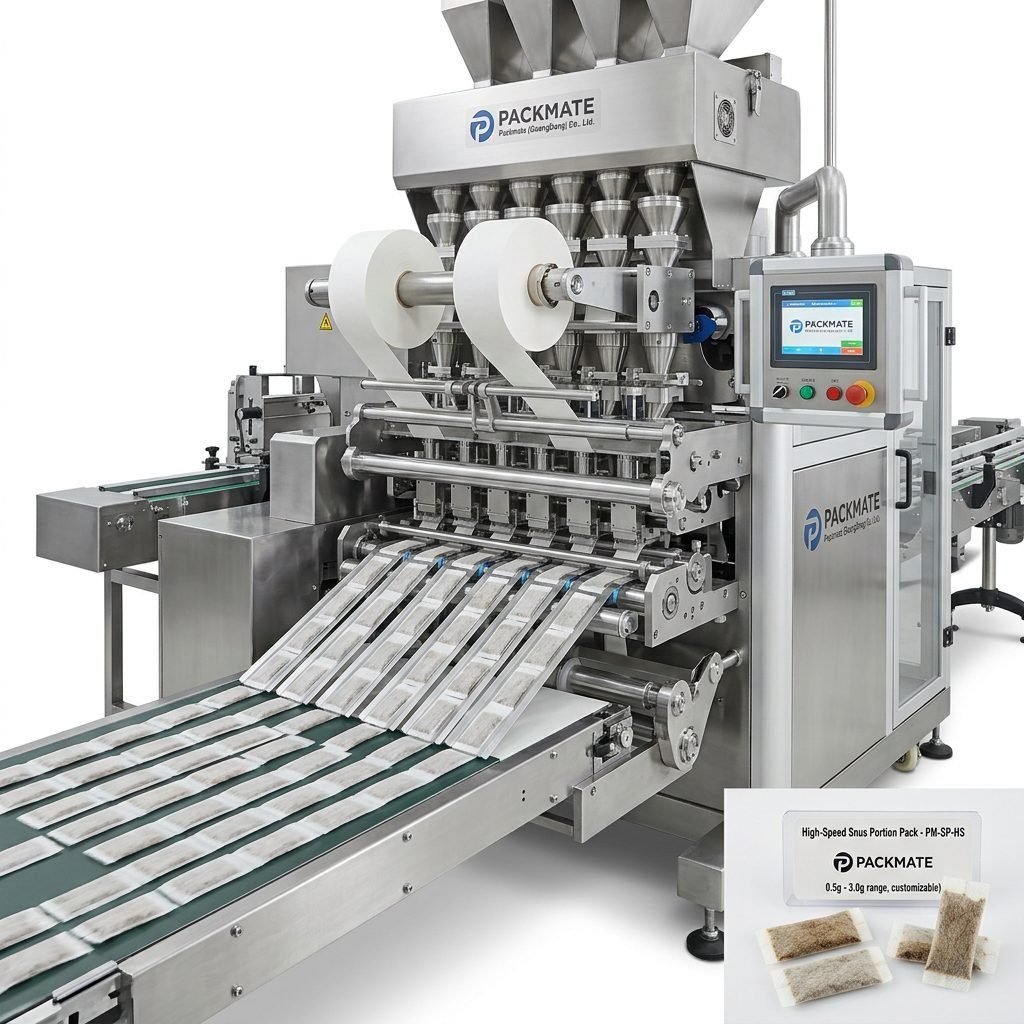
Finding a reliable snus packaging machinery supplier in Poland requires a practical mix of technical knowledge, market awareness, and a clear procurement process. Whether you are launching a nicotine pouch brand, expanding production capacity, or upgrading to multi-lane lines, this guide walks you through every step — from supplier qualification and machine selection to customs, installation, and long-term support considerations specifically tuned to the Polish and broader EU environment.
Understanding the Polish Market and Local Preferences
Poland is a fast-growing market for smokeless tobacco alternatives and nicotine pouches, with strong demand from urban millennials and working adults who favor discreet consumption formats. When sourcing equipment in or for Poland, remember local priorities: reliable after-sales service, machines that conform to EU CE/ISO standards, and packaging solutions that support Polish-language labeling and retail preferences (e.g., compact stick packs, resealable pouches).
Why local compatibility matters
Choosing equipment that fits local packaging sizes, labeling rules, and logistic flows reduces downtime and ensures faster time-to-market. Polish customers often prioritize suppliers who can provide documentation in English or Polish, quick spare parts delivery across the EU, and technicians who understand EU electrical and safety norms.
Step 1 — Define Your Production Requirements Clearly
Start with a detailed brief that includes target capacity (pouches per minute), pouch types (snus sachets, stick packs, multi-lane small-dose bags), product characteristics (powder, granule, moisture level), and desired automation level (manual feed vs. fully automated line). This will filter out suppliers who cannot meet throughput, reliability, or format needs.
Quick checklist (copy and use when contacting vendors)
✅ Required throughput (pouches/min): ________
✅ Pouch formats: stick / sachet / multi-lane
✅ Product type: powder / granule / paste
✅ Automation & integration needs: PLC / weighing / cartoning
Step 2 — Evaluate Supplier Capabilities
Not all packaging machine builders are created equal. Focus on suppliers with proven snus or nicotine pouch experience, modern manufacturing facilities, and documented global installations. Important indicators include factory size, number of machine models, R&D pedigree, and references from customers in Europe.
Key capability indicators
- Years of specialization in snus/nicotine packaging (preferably >10 years).
- Factory area and CNC/assembly facilities — shows production capacity and quality control.
- Range of machine models: single-lane & multi-lane, stick and sachet options.
- Turnkey line experience including weighing, filling, and cartoning.
- Certifications like CE and ISO for EU acceptance.
Pro tip: ask to see case studies and machine videos with similar products. Suppliers who invite you to scheduled demonstrations or trade show showcases are typically confident about performance. Learn more about supplier showcases on the exhibition page.
Step 3 — Inspect Technical Specifications and Quality
Technical robustness determines long-term ROI. Evaluate servo systems, PLC brands, frame materials, tolerance accuracy, and maintenance-friendly design. Check the machine’s changeover time between formats, spare parts list, and mean time between failures (MTBF) figures if available.
Look for documented quality tests and factory acceptance test (FAT) protocols. Reliable vendors will provide FAT videos, test reports, and if necessary, on-site acceptance at your facility (SAT).
Technical items to request
- Electrical diagrams and PLC/HMI brands
- Detailed machine layout and footprint
- Material contact surfaces and cleaning procedures
- OEE and expected uptime metrics
- Spare parts lead times and recommended stocking list
Step 4 — Compliance, Certifications and EU Import Considerations
For Poland and the EU, CE marking is critical. Request copies of CE and ISO certificates and ask for customs documentation to ensure smooth import clearance. Also verify electrical compatibility (380V/50Hz industrial standards in Poland) and machine manuals in English or Polish.
A trusted supplier will assist with export documentation, provide packing lists, and suggest cost-effective shipping options. If you need turnkey installation, align timelines to include customs clearance and on-site preparations.
Step 5 — After-Sales Service, Training and Spare Parts
After-sales capability is often the deciding factor. Confirm warranty terms, response time for technical support, and whether the vendor offers local or EU-based service partners. Training should include operator instruction, preventive maintenance, and troubleshooting.
⚠️ Important: spare parts availability is vital for Polish operators who want minimal downtime. Request guaranteed shipment times for critical parts and a list of consumables with part numbers.
Step 6 — Visit Factory or Attend Demos
If possible, visit the supplier’s factory or attend a live demonstration. Factory visits reveal production standards, assembly quality, machining capabilities, and workforce skill level. If travel is limited, ask for live-streamed demonstrations and FAT video recordings showing your product being packed.
Common Machine Types for Snus & Nicotine Pouches
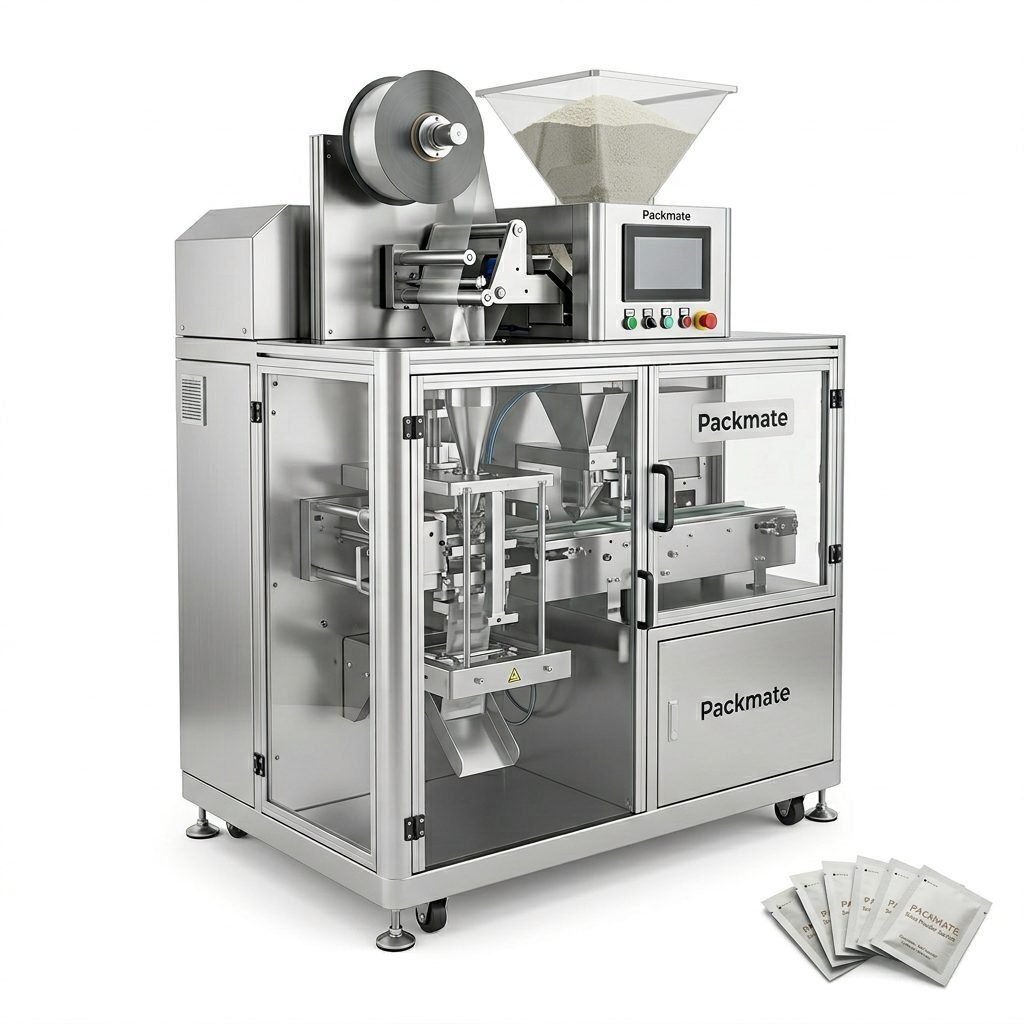
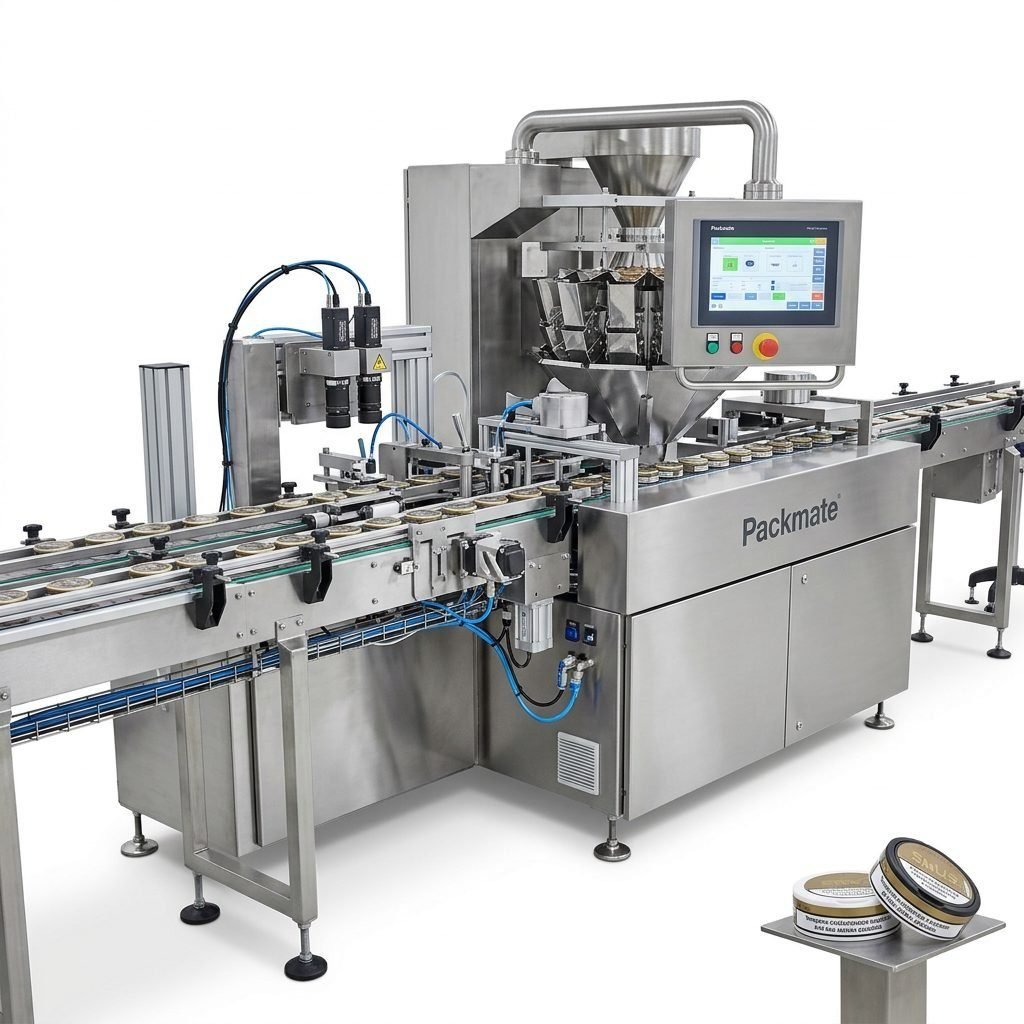
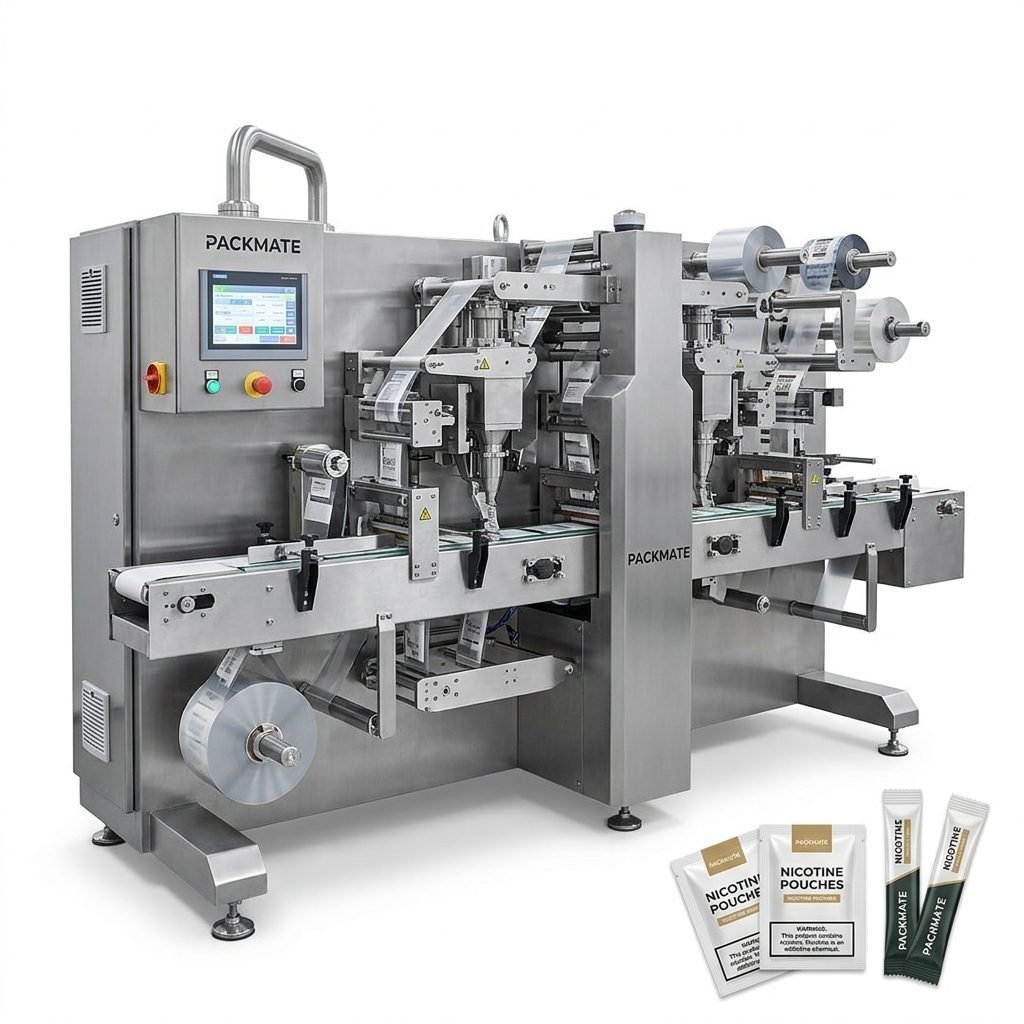
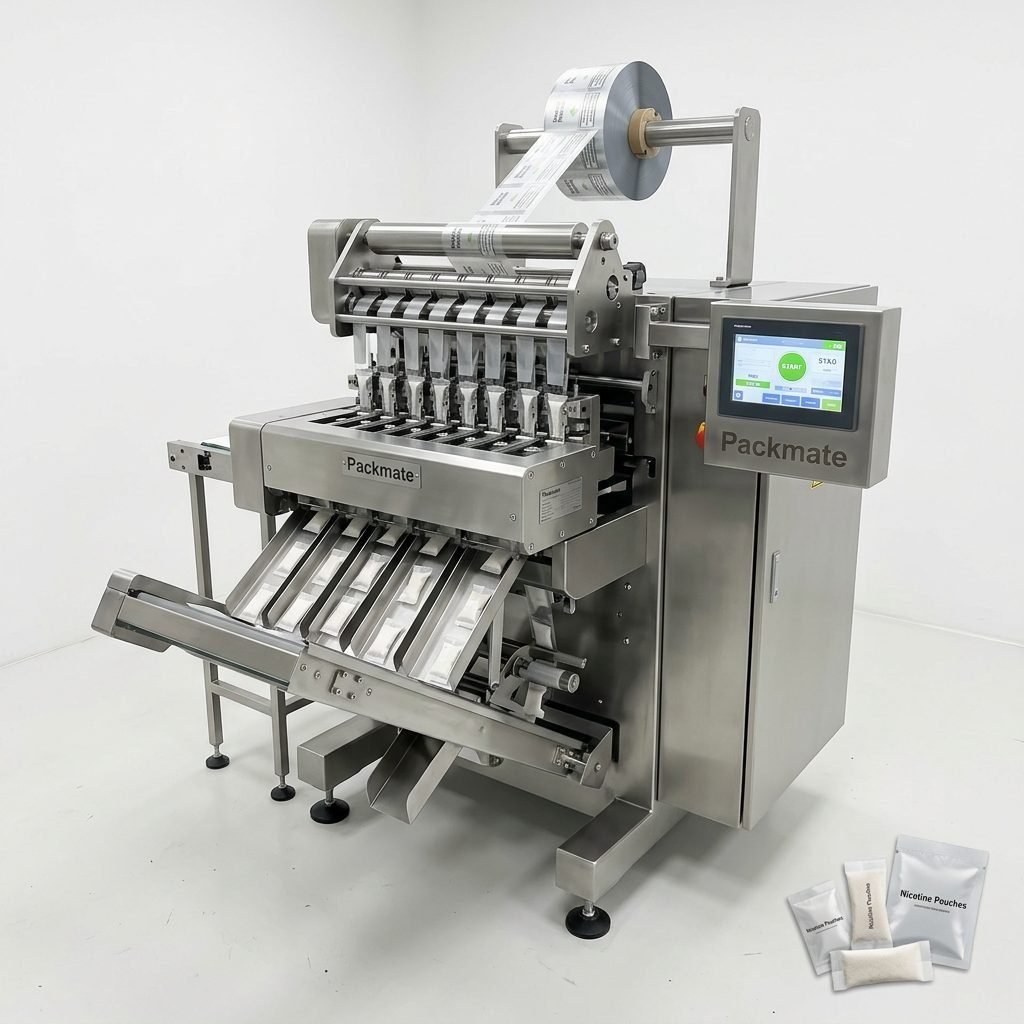
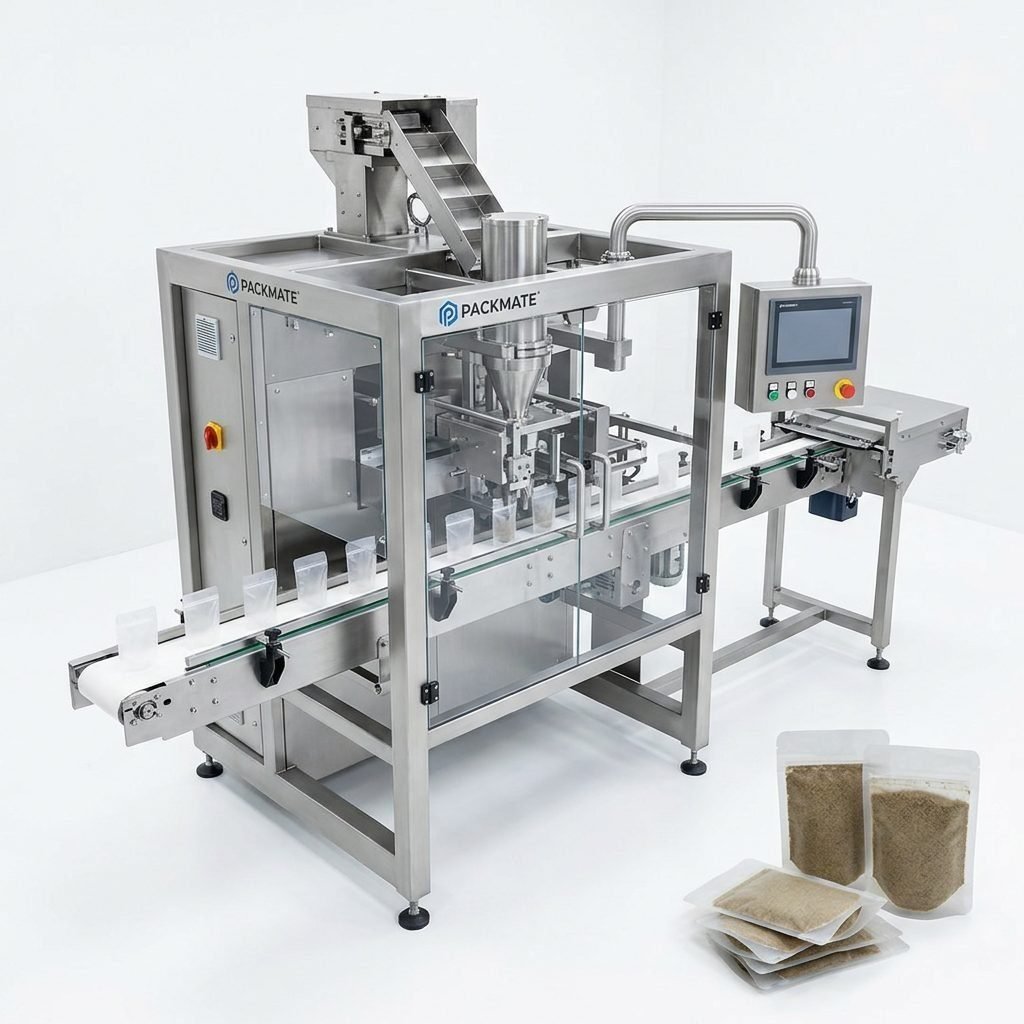
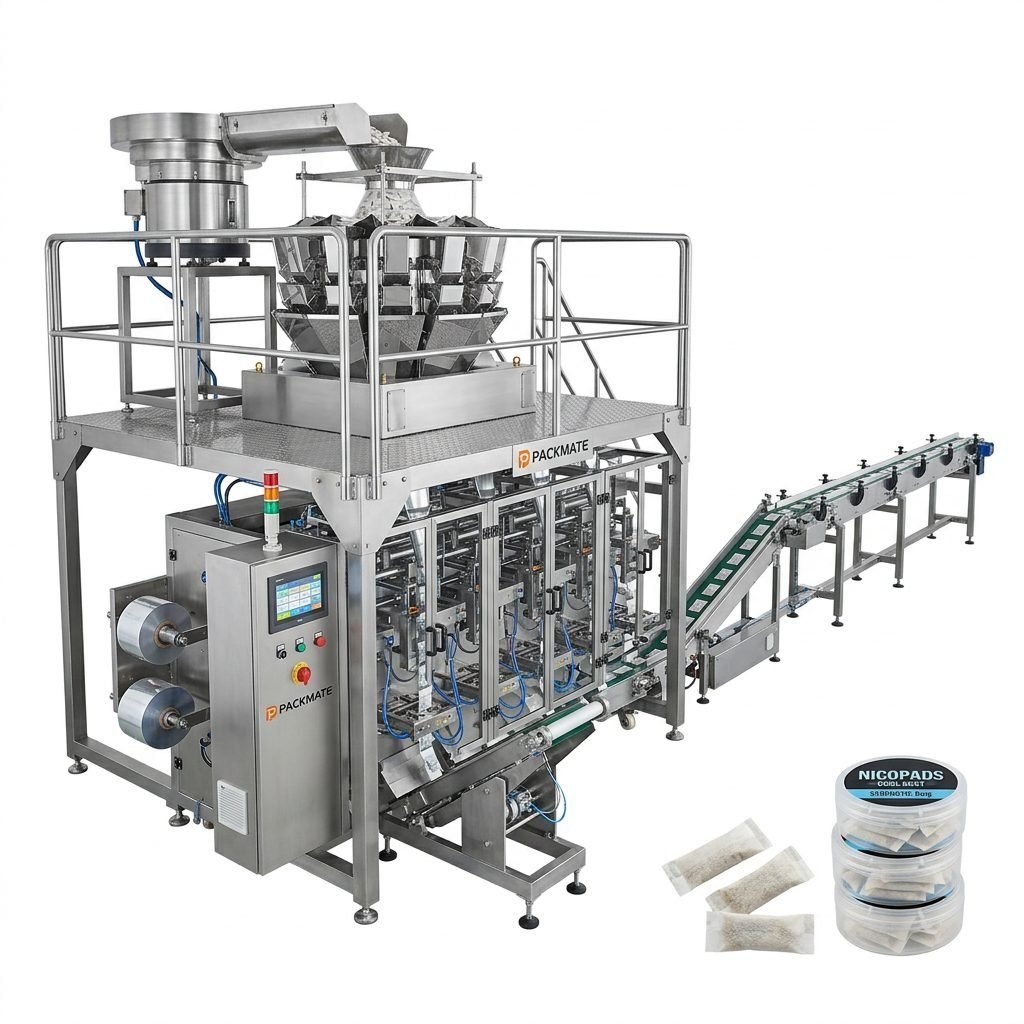
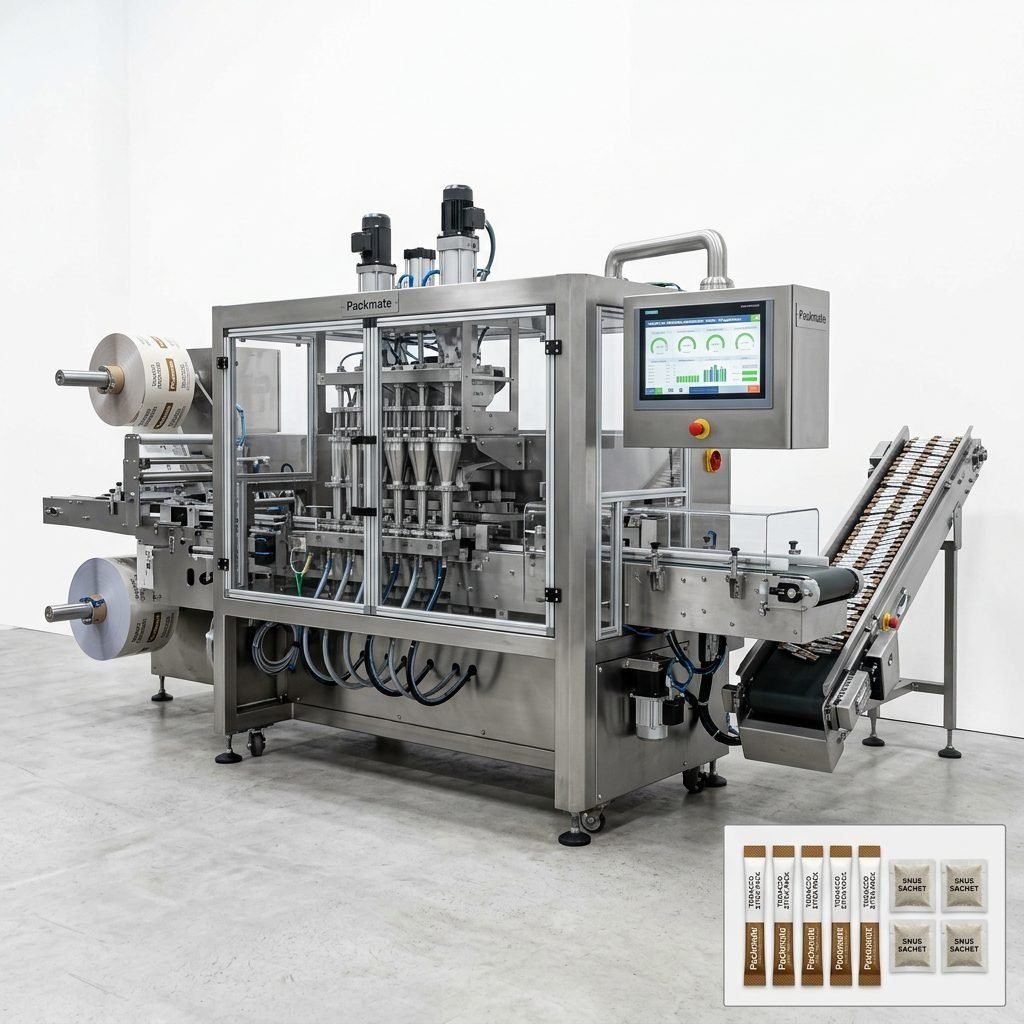
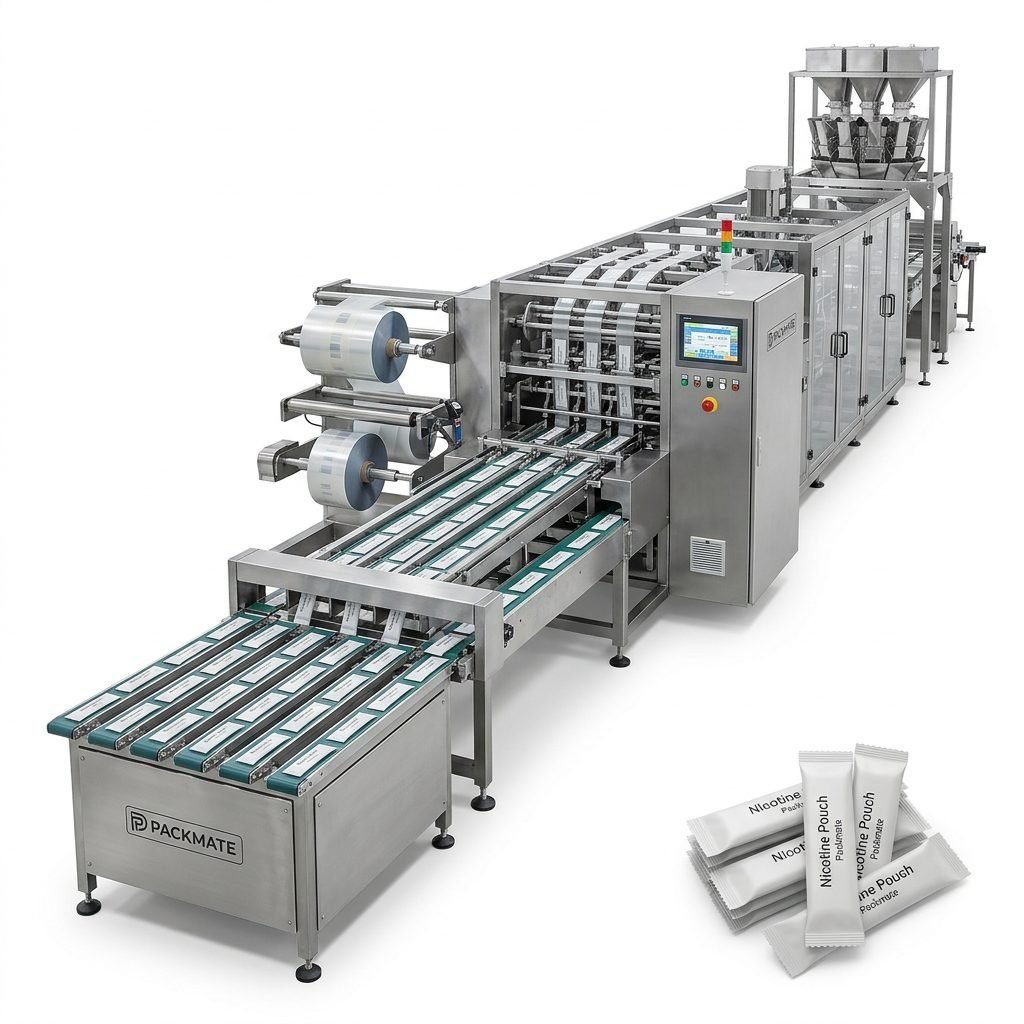
Typical machinery includes stick pack machines, sachet makers, multi-lane small-dose pouch systems, and weighing & filling modules. Depending on your packaging format, you may need upstream hoppers, dosing augers, vibratory feeders, or integrated cartoning systems.
For a consolidated overview of product lines and technical specs, review the supplier’s product pages like Snus & Nicotine Packaging Machines and the Weighing & Packaging Systems.
Turnkey vs. Modular Approaches
Decide whether you need a full turnkey line that integrates filling, pouch forming, sealing, and secondary packing, or a modular approach that allows phased investments. Turnkey solutions reduce integration headaches; modular buys can spread capital expenses but require system integration expertise.
Cost Factors and Negotiation Tips
Price is influenced by machine complexity, automation level, brand of components, customization, and warranty terms. When negotiating, clarify the total cost of ownership: spare parts, training, field service, and potential upgrades.
Ask for a clear payment schedule tied to milestones (design approval, FAT, shipment, installation acceptance) and try to secure a portion of warranty support in the contract to ensure timely support after installation.
Legal Contracts and Procurement Best Practices
Use formal purchase agreements covering delivery terms (Incoterms), acceptance tests, warranty length, service response times, and intellectual property for custom tooling. For Poland and the EU, include clauses about compliance with CE directives and machinery safety requirements.
✅ Recommended clause: vendor must provide an FAT report and video demonstrating packaging of your actual product formula before shipment. This mitigates risk and ensures the delivered machine meets agreed specs.
Installation, Commissioning and Operator Training
Plan for on-site commissioning time, mechanical and electrical adjustments, and full operator training. Skilled vendor technicians should handle the first production runs and tune parameters for consistent pouch weight and sealing quality. Confirm language capabilities of trainers or request translated manuals.
Maintenance and Long-Term Support
Implement preventive maintenance schedules and keep a minimal spare parts inventory for wear components. A service contract with defined KPIs for response time can preserve uptime. Clarify remote diagnostic capabilities — some suppliers offer secure remote access for faster troubleshooting.
Why Choose Experienced Manufacturers Like Packmate
Experienced builders bring accumulated knowledge in multi-lane precision, reliable servo control, and full packaging line delivery. For reference, manufacturers with decades of engineering experience, a large factory footprint, and documented global cases are more likely to meet complex EU requirements. You can read more about a long-standing supplier on the About Packmate page and explore real-world installations on the Case page.
Fast access: for pricing or technical questions, most vendors provide direct contact channels — check the Contact Us page to request quotations, FAT scheduling, or on-site visits.
Final Selection and Onboarding Checklist
Before final purchase, ensure you have:
- Signed purchase order with delivery and acceptance milestones.
- FAT report and agreed acceptance criteria.
- Shipping and customs documentation specified for Poland (Incoterms clear).
- Training schedule and service contract timelines.
- Parts list with lead times and local stock recommendations.
Conclusion
A methodical approach — assessing technical capability, certifications, local compatibility, and after-sales support — dramatically reduces risk when buying snus packaging machinery for Poland. Prioritize suppliers with proven snus/nicotine pouch experience, transparent FAT procedures, and reliable spare parts logistics within the EU. With the right partner, you’ll achieve consistent production quality, regulatory compliance, and fast market entry.
Frequently Asked Questions
Q1: What certifications should a snus packaging machine have for EU/Poland?
A1: Ensure CE marking, relevant ISO certificates, and electrical safety standards compatible with EU norms. Ask for certificates and test reports.
Q2: How long does installation and commissioning usually take?
A2: Typical commissioning ranges from 3-10 working days depending on line complexity, integration needs, and operator training. Turnkey lines can take longer due to secondary packing integration.
Q3: Can suppliers provide FAT with our own product?
A3: Reputable suppliers will run FAT using your product or a close simulated product to validate performance prior to shipment.
Q4: What spare parts should I stock locally in Poland?
A4: Stock wear items like belts, cutters, seals, servo fuses, sensors, and critical fast-moving parts. Request a vendor-provided recommended spares list.
Q5: How do I get more information or request a quote?
A5: Contact the supplier through their official channels and request detailed proposals, FAT schedules, and technical datasheets. For direct supplier info and product catalogs, visit the manufacturer’s product pages such as Sachet & Stick Pack Machines or the Catalog.