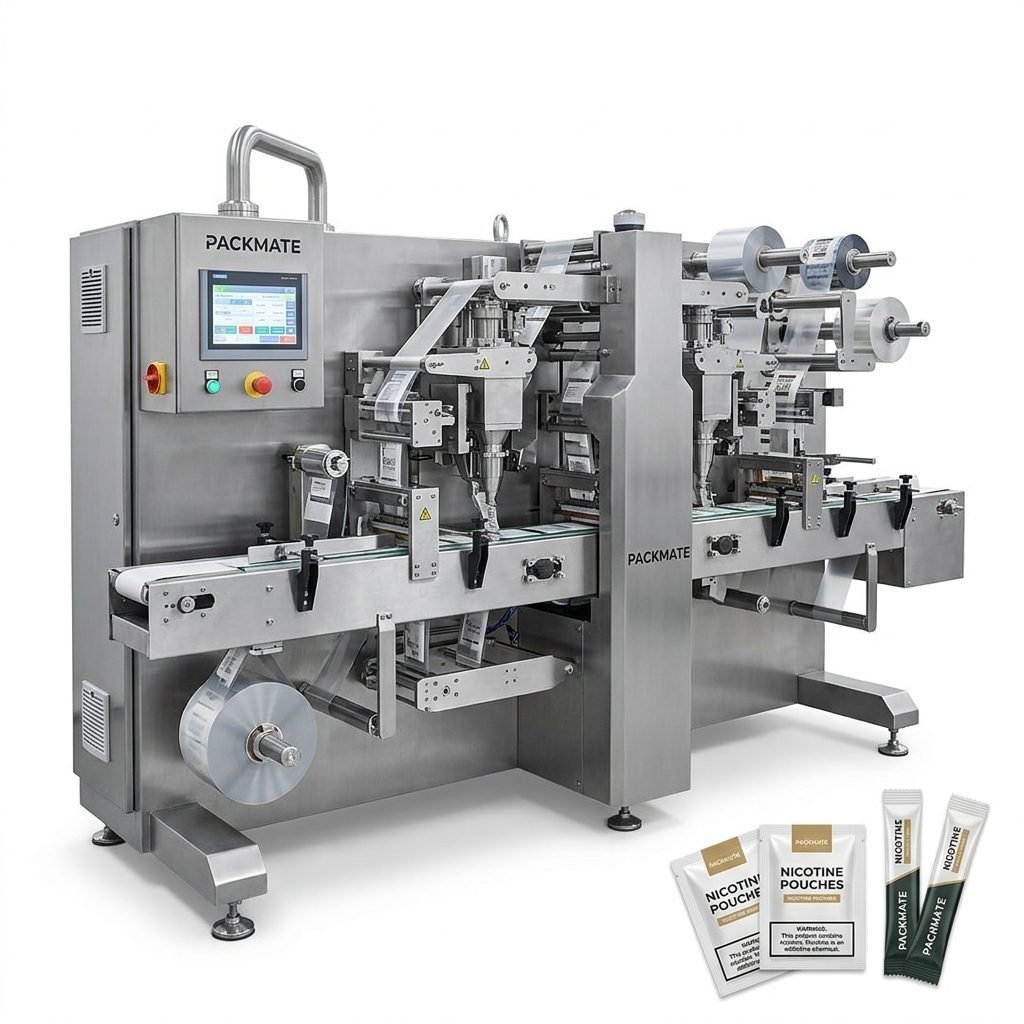
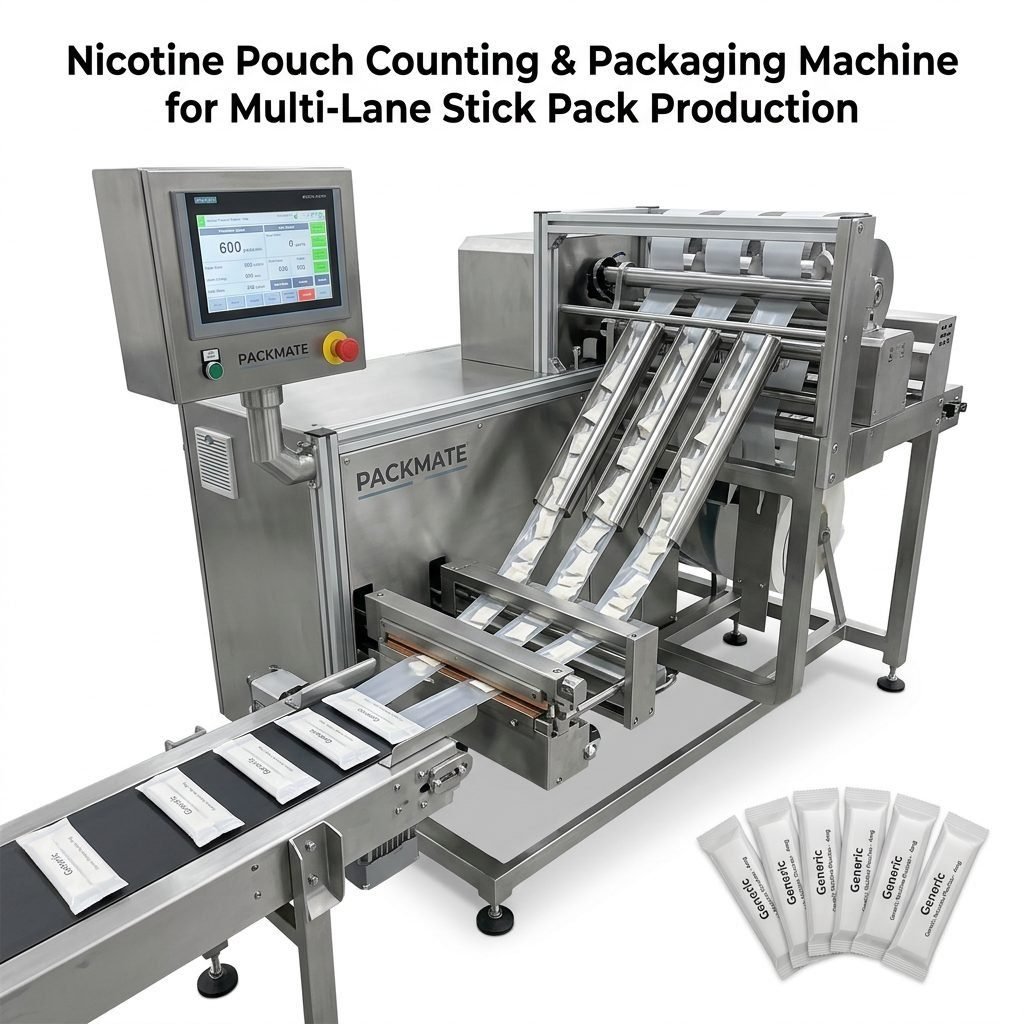
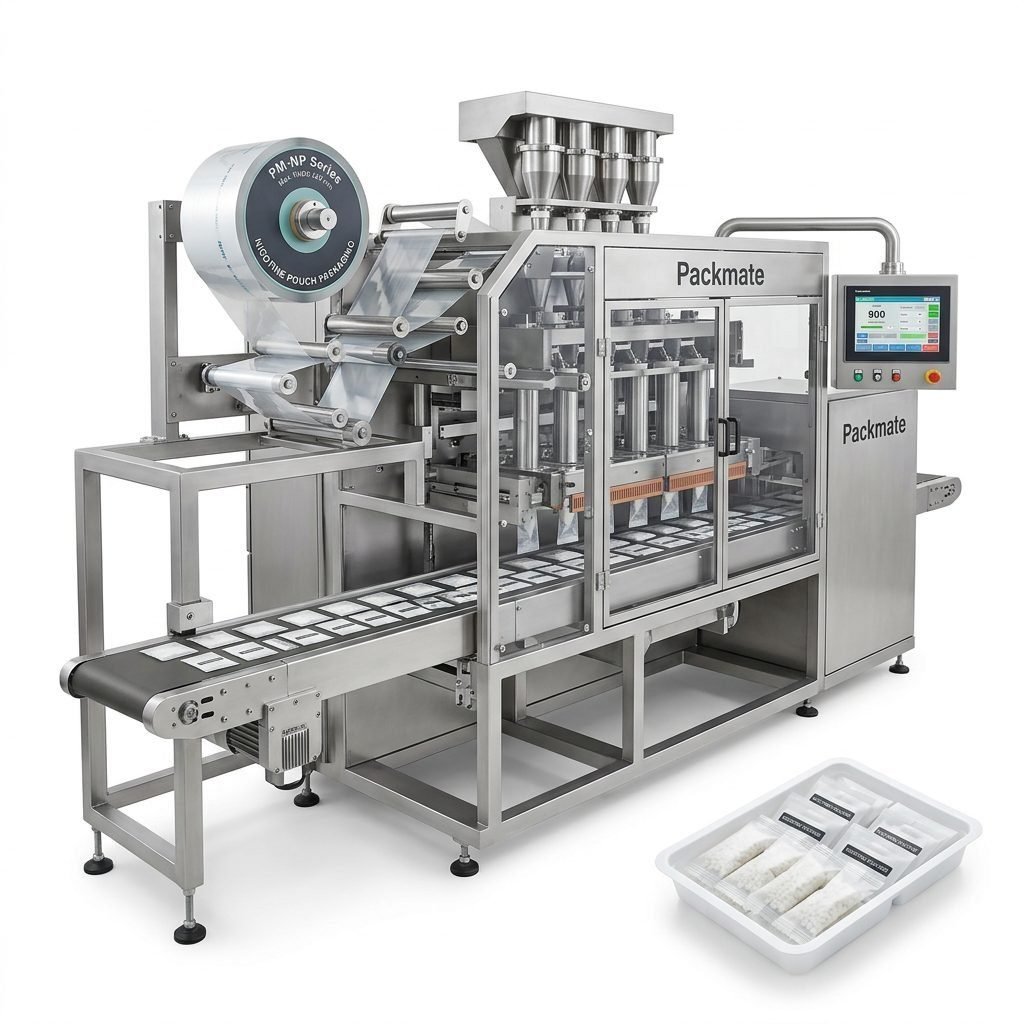
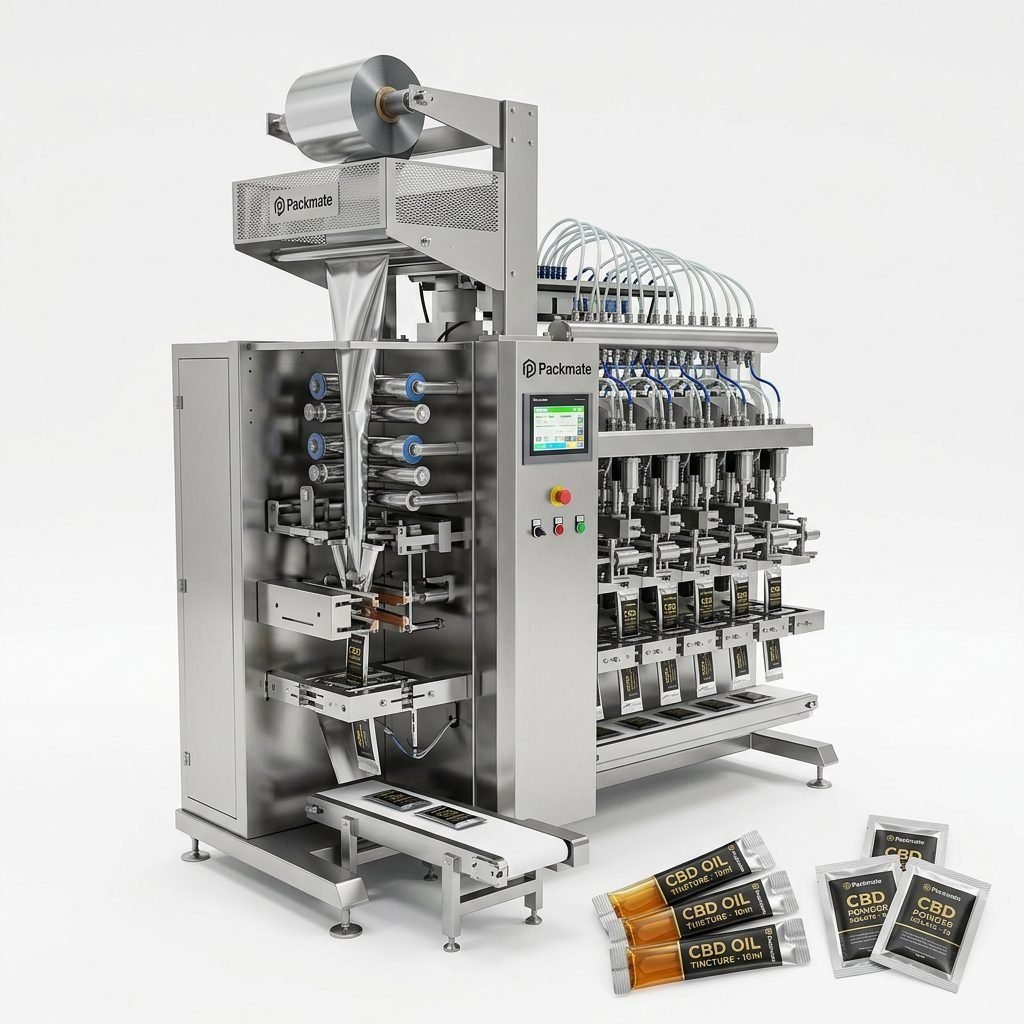
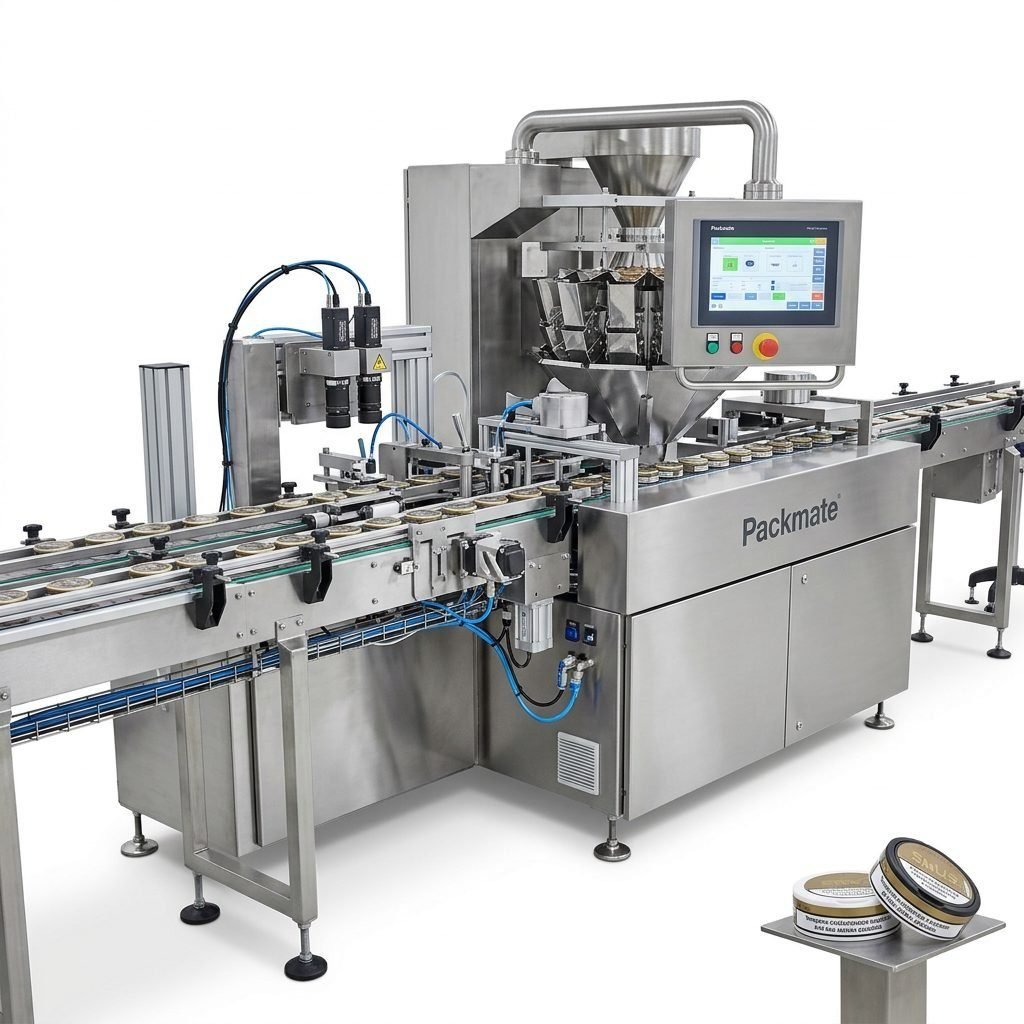
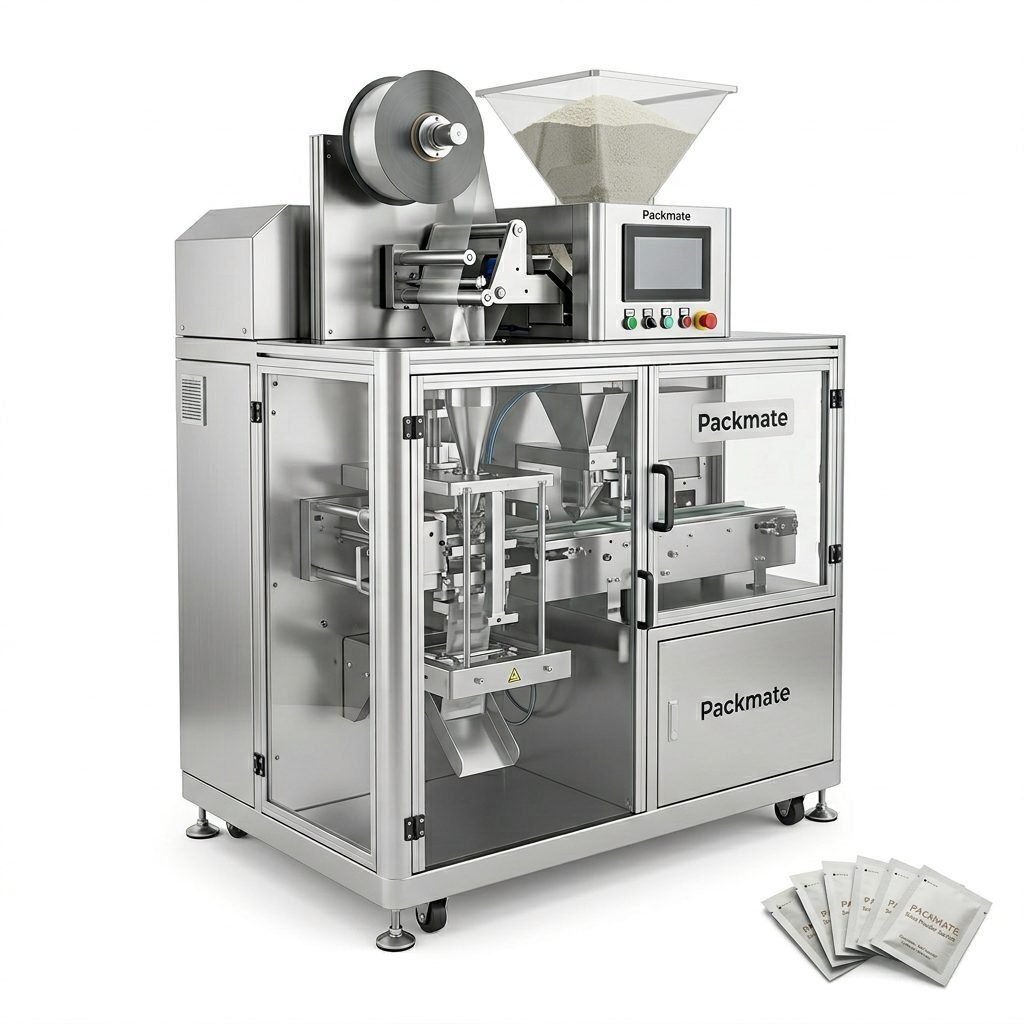
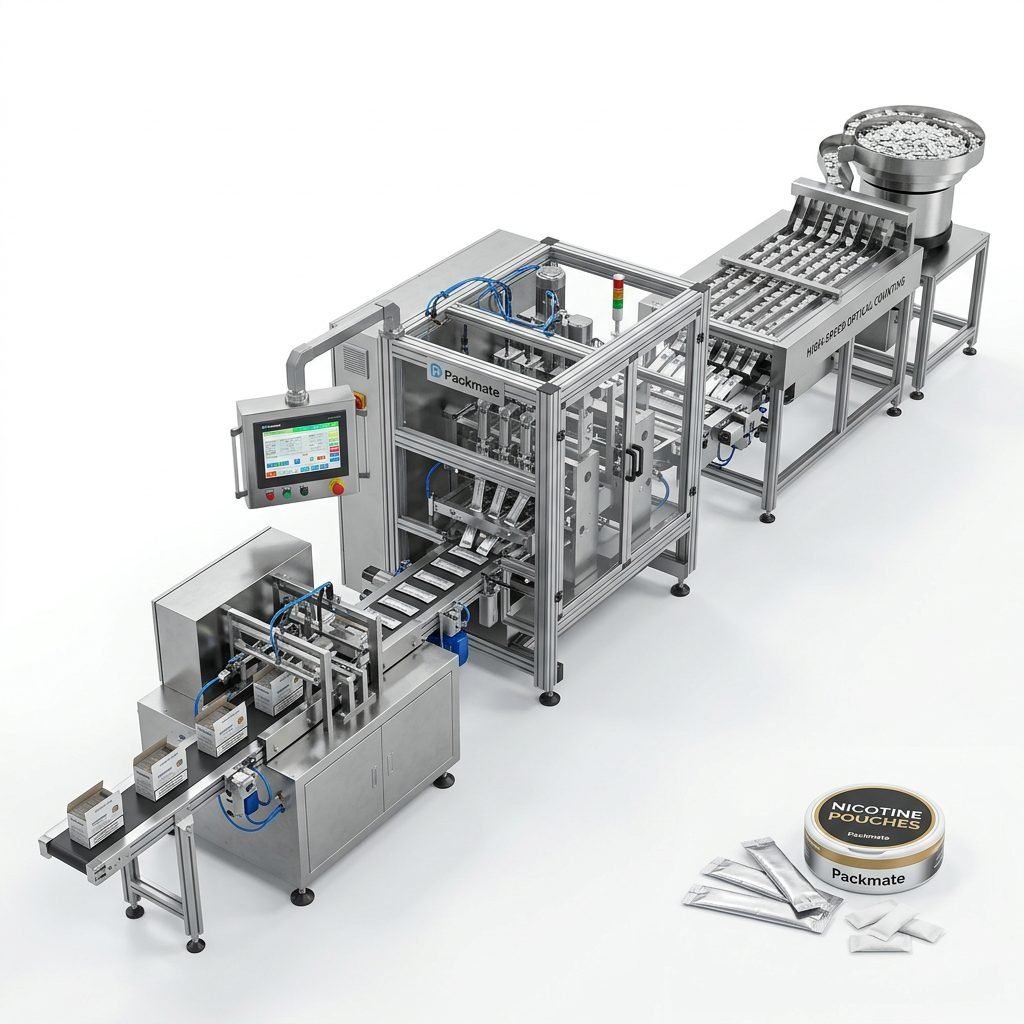
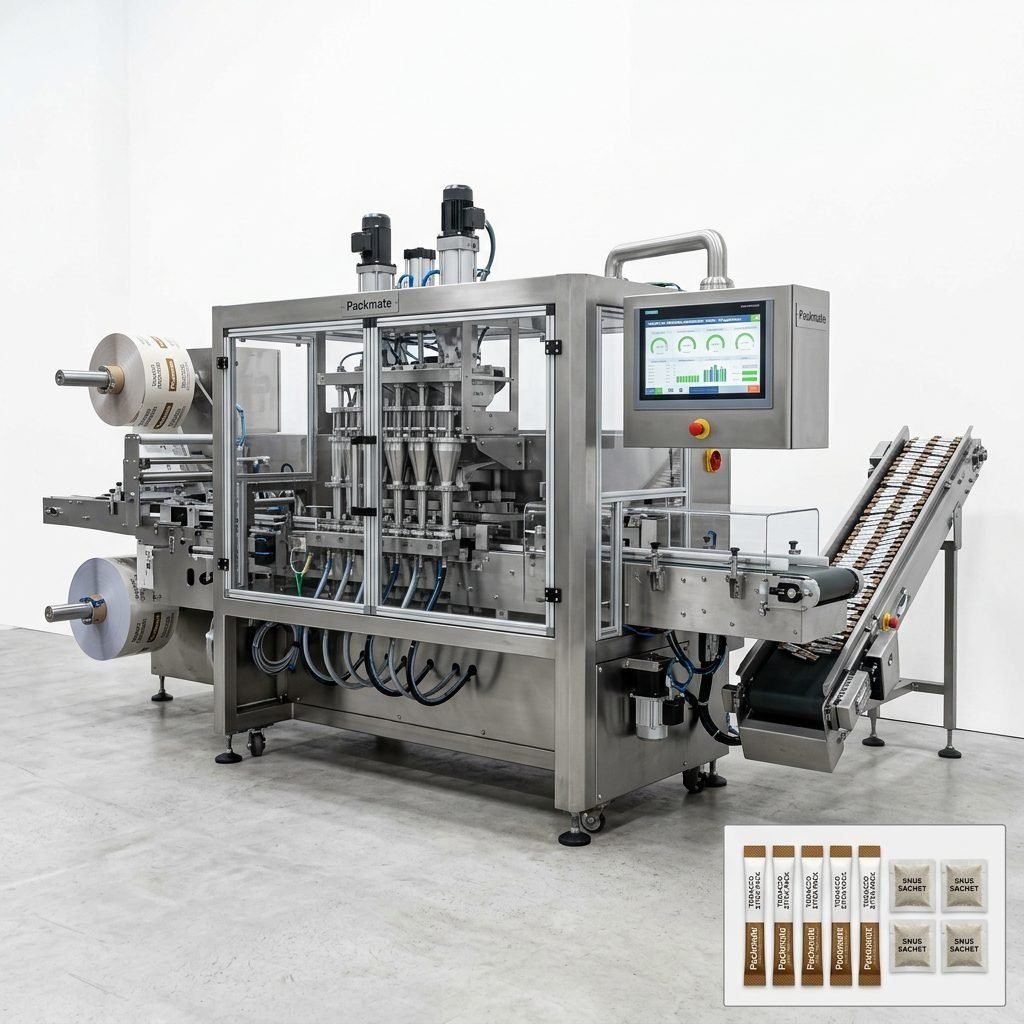
In Burundi, buying a snus or nicotine pouch packaging machine is more than a technical purchase — it is a strategic decision that touches on local customs, import routes, regulatory sensitivities, and long-term production goals. This practical buyer’s guide walks Burundi-based entrepreneurs, importers, and factory planners through every essential step to find a reliable supplier, evaluate machines, and secure a strong after-sales relationship. Use the checklist and links embedded below to speed up vendor comparison and reduce costly mistakes.
Understand the Burundi Market and Local Habits
Burundi is a largely agrarian country where small businesses and informal trade play a big role. When introducing snus or nicotine pouches to a local or regional market, buyers should be sensitive to local consumption patterns and cultural attitudes toward tobacco and nicotine products. Many Burundians prefer simple, low-cost packaging for small purchase sizes. Therefore, selecting machinery that can produce small sachets, stick packs, or multi-lane pouches efficiently is often more important than acquiring a high-speed, high-capacity line meant for large-scale export markets.
Key local considerations
• ⚠️ Packaging size and price point matter more than flashy design in many rural and urban retail environments.
• 📦 Ensure your packaging respects local languages — labeling in Kirundi and French is commonly expected.
• 🔍 Health and product claims should follow Burundi and regional East African Community (EAC) rules to avoid clearance delays.
Tip: If you plan to sell across neighboring countries (Rwanda, DRC, Tanzania), design packaging and documentation for multiple regulatory environments from the start.
Define Your Production Goals and Technical Requirements
Before contacting suppliers, prepare a clear technical brief: expected daily output, number of product SKUs, pouch types (sachet, stick pack, multi-lane pouch), required automation level, and acceptable footprint for your facility. For Burundi buyers seeking flexibility, multi-lane systems or machines that can switch quickly between sachet and stick pack formats are often ideal.
Essential specs to list
• ✅ Target units per minute / shift output.
• ✅ Filling accuracy tolerances for powders or granules.
• ✅ Machine compatibility with local power supply and available utilities.
• ✅ Spare parts lead time expectations and critical wear-part lists.
Choose Suppliers with Proven Industrial Experience
A reliable supplier should offer a track record of similar installations, robust manufacturing capability, and internationally recognized certifications. For example, companies that provide CE and ISO-compliant equipment and that have a visible factory footprint with CNC machining and precision assembly lines tend to deliver higher reliability and easier maintenance.
Consider checking specialized product pages like Snus & Nicotine Packaging Machines and related lines (stick packs, sachets) to compare models and performance curves. If you need broader production solutions, inspect offerings such as Filling & Packaging Lines or Weighing & Packaging Systems.
Factory Visits, Virtual Audits and Evidence of Capacity
Visiting a manufacturer is the most direct way to verify claims, but when travel is constrained, request a live video audit. Confirm the supplier has:
• 🏭 On-site CNC and precision assembly lines.
• 📑 Documentation showing a consistent quality control process (incoming inspection, assembly checks, final testing).
• 📷 Recent factory photos and machine test runs; ask for a demo video of the exact model you will buy.
Checklist: factory area, model variety, examples of installed lines, customer references, CE/ISO certificates.
Evaluate After-Sales Support and Spare Parts Logistics
After-sales support determines uptime for your production. Ask suppliers about:
• 🛠️ Spare-part availability and guaranteed lead times.
• 🔧 Remote diagnostics and training for local technicians.
• 📞 Dedicated service contacts and response SLAs.
• 📝 Local representation or partners in East Africa who can assist with installation, calibration, and warranty service.
Suppliers with a clear service structure and a documented spare parts policy reduce the risk of extended downtime. Visit the supplier’s service page or contact their team to evaluate responsiveness: Service.
Warranty and training
Insist on written warranty terms that specify coverage for electronics, PLCs, and mechanical wear. Ask for comprehensive operator and maintenance training at installation and additional training materials (video, manuals in French if needed).
Logistics, Import Compliance and Local Taxes
Burundi is landlocked. Typical ports of entry are Dar es Salaam (Tanzania) or Mombasa (Kenya), followed by overland trucking. Plan for these realities:
• 🚚 Choose suppliers experienced with cross-border shipping to East Africa.
• 📦 Confirm packing that protects machines during long transits and cross-border handling.
• 💰 Factor in import duties, customs inspection time, and any local certification or testing required by Burundi authorities.
Important: ask your supplier for FOB and CIF quotes to compare total landed cost. Confirm whether installation and commissioning are included in the price.
Payment Terms, Financing and Risk Management
Typical payment structures include deposits (30–50%), balance on shipment or after successful factory acceptance test (FAT). For buyers in Burundi:
• 💳 Negotiate staged payments tied to milestones (design approval, FAT, shipment, commissioning).
• 🔒 Use an LC (letter of credit) or trade finance service if possible to secure funds and reduce supplier risk.
• 📝 Ensure warranty activation conditions are clear (installation by supplier or authorized partner).
Compare Technical Proposals and Total Cost of Ownership
When comparing quotes, look beyond the purchase price. Total cost of ownership includes spare parts, energy consumption, training, and downtime risk. Ask suppliers for:
• 📊 Energy consumption and typical maintenance intervals.
• 🧩 Long-term spare-part lists and estimated annual parts cost.
• 🕒 Realistic throughput figures under local product formulations and packing materials.
Request a Factory Acceptance Test (FAT)
A FAT validates the machine with your actual product at the supplier’s factory. If you cannot attend in person, request a live-streamed FAT and a recorded video. A meaningful FAT should show continuous running for several hours with your material and packaging film.
Supplier Reputation and Proven Installations
Ask for installation references, ideally in Africa or similar markets. Review case studies and exhibition presence to gauge global engagement. Reputable suppliers publish installation cases and exhibition participation; review their case list or meet them at trade shows where possible. For reference material and customer cases, check Case and Our Exhibition.
Practical Step-by-Step Sourcing Checklist for Burundi Buyers
1. Prepare a technical brief and target production volume.
2. Shortlist suppliers with industry experience and certifications.
3. Request datasheets, photos, and demo videos for the exact model.
4. Schedule factory visits or virtual audits; verify manufacturing capability.
5. Obtain detailed spare-parts lists and service commitments.
6. Compare total landed cost (FOB/CIF) including taxes and inland transport.
7. Agree on FAT procedures, installation, and training terms.
8. Sign a purchase contract with clear milestones and warranty terms.
Buyer Reminder: keep communication records, technical clarifications, and agreed modifications in writing to avoid ambiguity during FAT or after delivery.
Why Choose a Full Turnkey Supplier?
A turnkey supplier can handle everything from packaging machine supply to line integration, weighing and feeding systems, and control systems. If you need an integrated solution with weighing and packaging, review solutions such as Weighing & Packaging Systems and related equipment. Turnkey partners reduce integration risk and shorten commissioning time.
When turnkey is ideal
• When you require a single point of responsibility for production line performance.
• When your team has limited experience integrating multi-vendor equipment.
• If you prefer a supplier who can provide OEE optimization and continuous process improvements.
Contact and Documentation: What to Keep on File
Keep these documents easily accessible after purchase:
• 📄 Signed contract and technical annexes.
• 📷 FAT videos and run logs.
• 🧾 Spare parts list with item codes.
• 📚 Manuals, wiring diagrams, and PLC backups.
• 📞 Service contacts and escalation matrix.
How Packmate-like Manufacturers Help International Customers
Experienced manufacturers with global reach combine decades of engineering experience, a wide production park, and targeted support for the snus/nicotine industry. They typically offer:
• 🔧 Customizable multi-lane lines for small-dose pouches and stick packs.
• 🧪 Pre-sales engineering to match your product and film material.
• 🌍 Support for export documentation and participation at global exhibitions (trial runs and live demos).
Learn about company background and manufacturing strength via their about page: About Packmate.
Final Practical Advice for Burundi Buyers
• Start with a conservative machine speed and scale up as demand stabilizes.
• Prioritize machines that are easy to maintain and have common, globally available spare parts.
• Build relationships with logistics partners familiar with East African customs to avoid surprises.
• Consider community perception and label responsibly — good packaging and clear information reduce regulatory and retail friction.
Quick Link: For quick contact or a specific inquiry about models and turnkey solutions, you can use Contact Us.
Summary Checklist
• Define production volume and pouch formats.
• Shortlist suppliers with machine models that match your brief.
• Verify factory capability and certifications.
• Negotiate transparent payment, FAT and warranty terms.
• Plan logistics and local compliance for Burundi import.
Common Questions (FAQs)
Q1: How do I verify a supplier’s manufacturing capability if I cannot travel?
A1: Request a live factory tour via video, detailed machine test videos, and recent FAT records. Ask for customer references and examine certificate scans. A responsive supplier will provide real-time demonstrations and clear documentation.
Q2: What are the typical import challenges for machines shipped to Burundi?
A2: Main challenges include selecting the correct port (Dar es Salaam or Mombasa), arranging reliable overland transport, ensuring proper packing for long transit, and preparing paperwork for customs clearance. Factor in potential inspection delays and local duty/tax rates.
Q3: Should I buy the highest-speed machine available?
A3: Not necessarily. For Burundi markets, flexibility and low operating complexity often beat maximum speed. Choose a machine with proven reliability, ease of maintenance, and scalability.
Q4: How important is local language documentation and training?
A4: Very important. Manuals and training in French — and simplified operational guides in Kirundi when possible — speed up staff onboarding and reduce errors.
Q5: What should I expect from a trustworthy supplier after the sale?
A5: Expect timely spare parts delivery, remote diagnostics, clear warranty support, and training at commissioning. Suppliers who participate in exhibitions and publish case studies often maintain better long-term service relationships. See their FAQs or service pages for specifics: FAQs and Service.