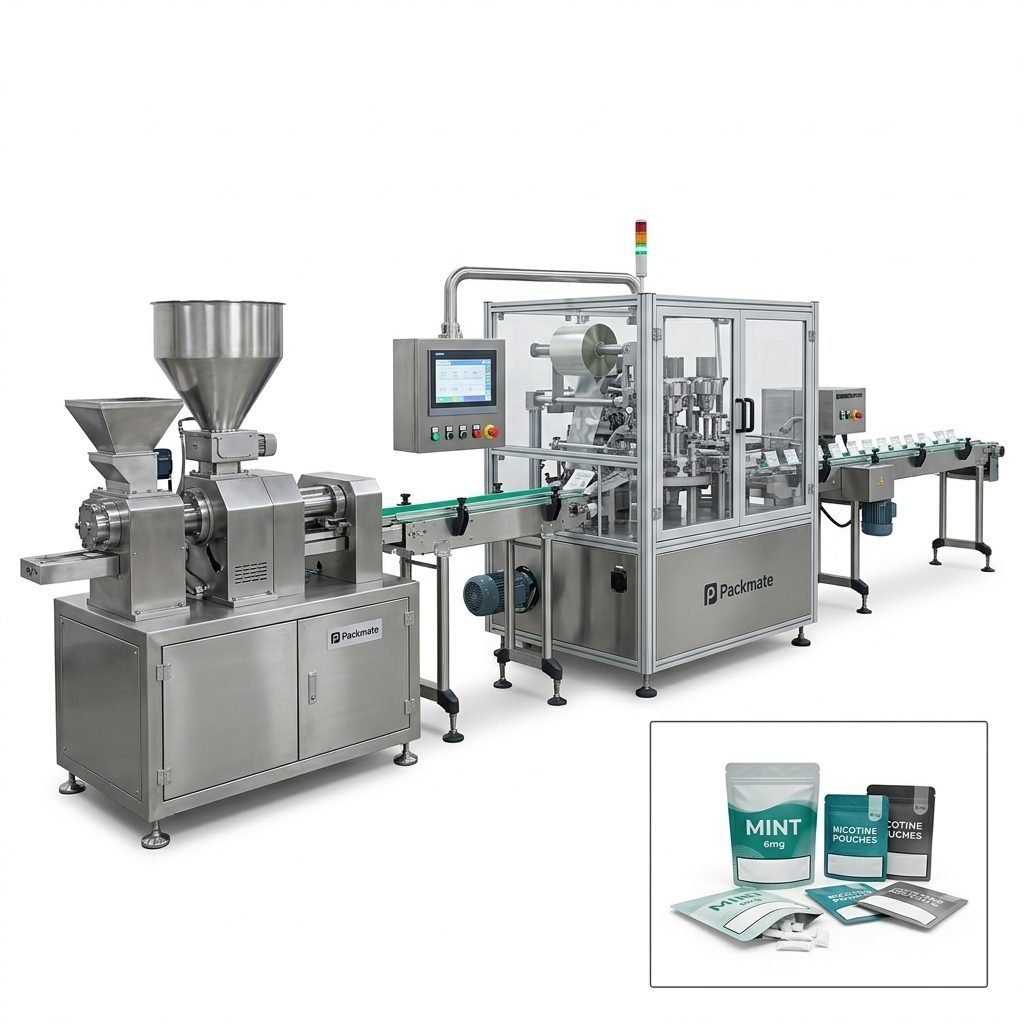
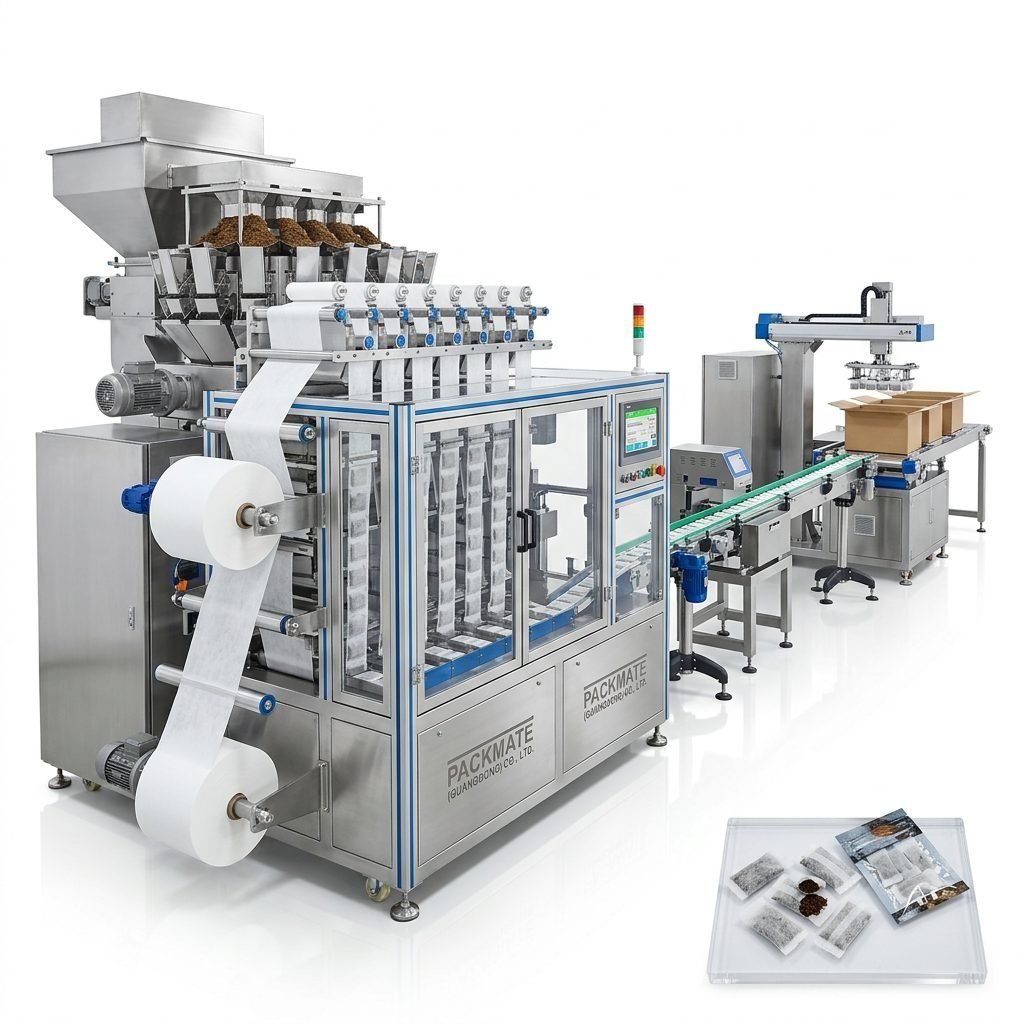
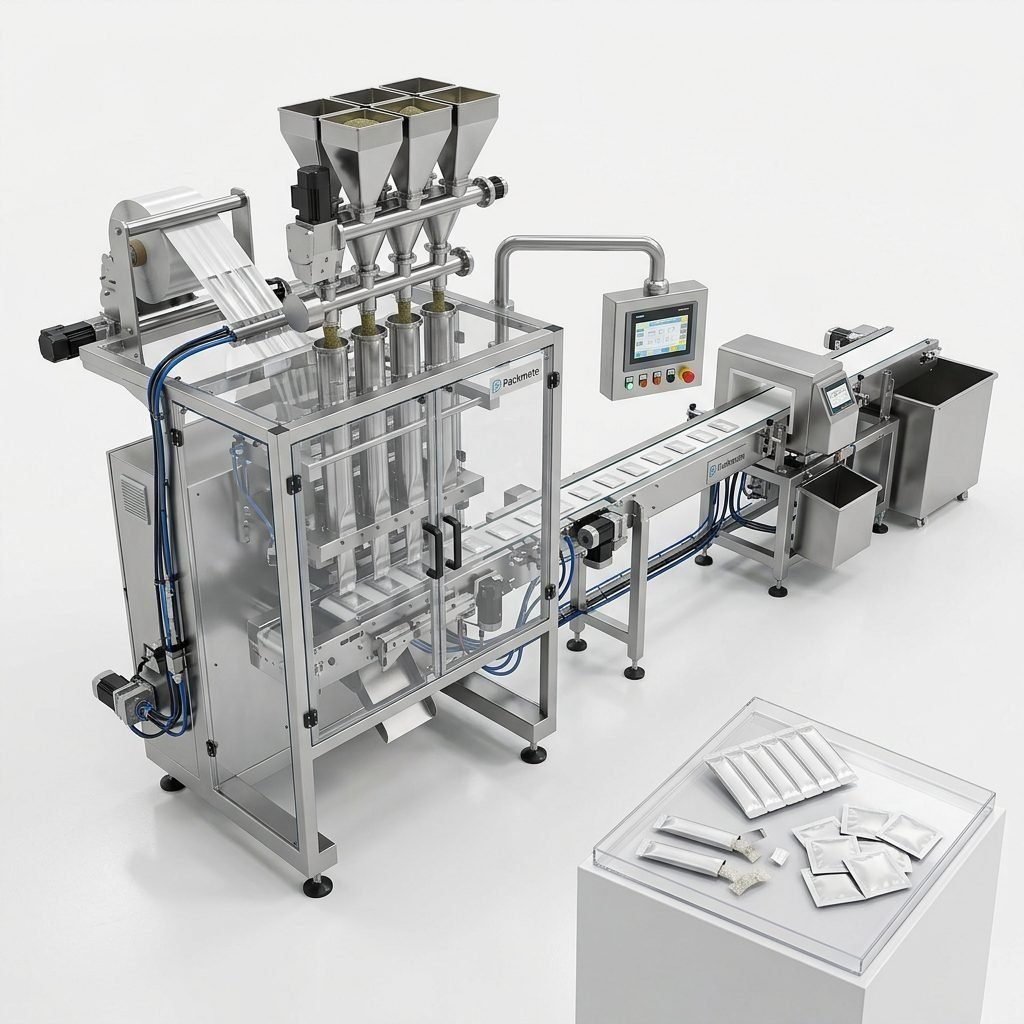
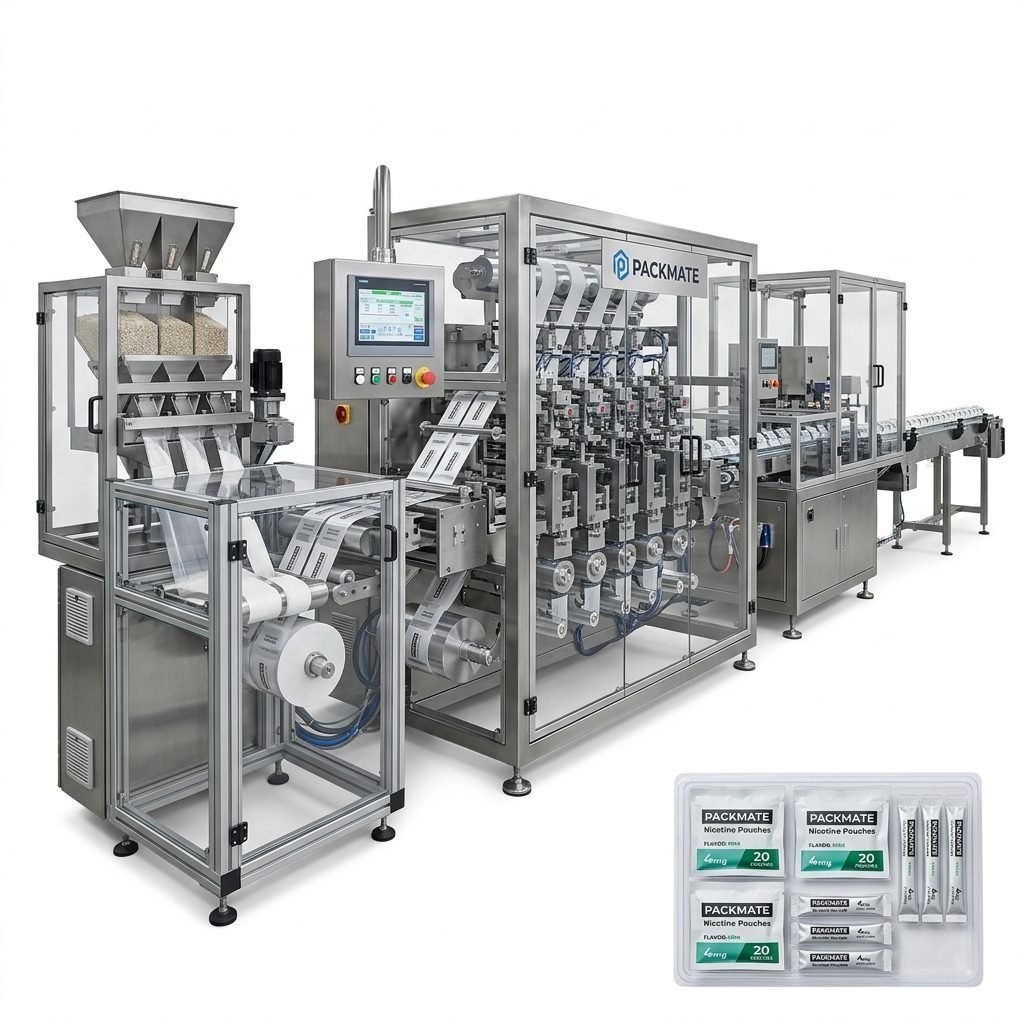
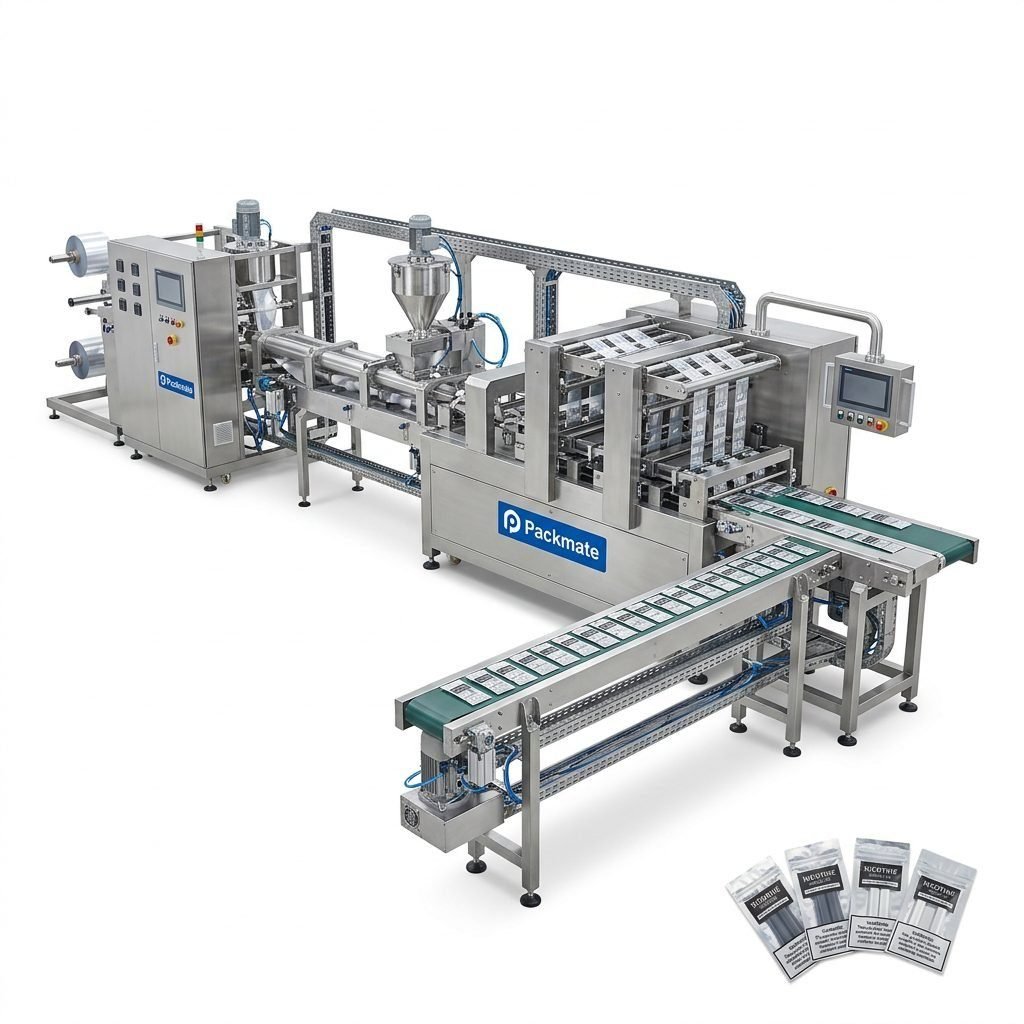
Choosing the right nicotine packaging machinery manufacturer for the South African market is a strategic decision that affects product quality, regulatory compliance, production cost and time-to-market. This guide walks South African manufacturers, importers and production managers through the practical steps, technical checks and commercial evaluations needed to pick a partner who delivers reliable snus and nicotine pouch packaging solutions.
Understand Your Production Requirements
The first step is to be crystal clear about your production goals. Ask yourself: what is your target output (pouches per minute), the pouch formats you need (single-lane, multi-lane, stick pack, sachet), and the materials you plan to use (foil, paper, laminated films)? Make a written list of required features such as nitrogen flushing, multi-lane synchronization, dosing accuracy and CIP compatibility. This becomes your benchmark when comparing vendors.
Key production specs to define
• Desired throughput per shift and per day
• Number of lanes and pouch sizes you will run
• Product types (powder, granule, liquid or pouch) and tolerance for dust or moisture
• Required automation level and integration with upstream and downstream equipment
Prioritize Experience and Industry Expertise
Choose a manufacturer with proven experience in snus and nicotine pouch equipment. Experience translates into refined mechanical designs, fewer breakdowns and better support for regulatory challenges. Look for companies that have dedicated snus packaging lines rather than general-purpose pouch machines.
Tip: A supplier that lists specific snus or nicotine pouch models and offers multi-lane systems demonstrates focused expertise. Check product pages such as
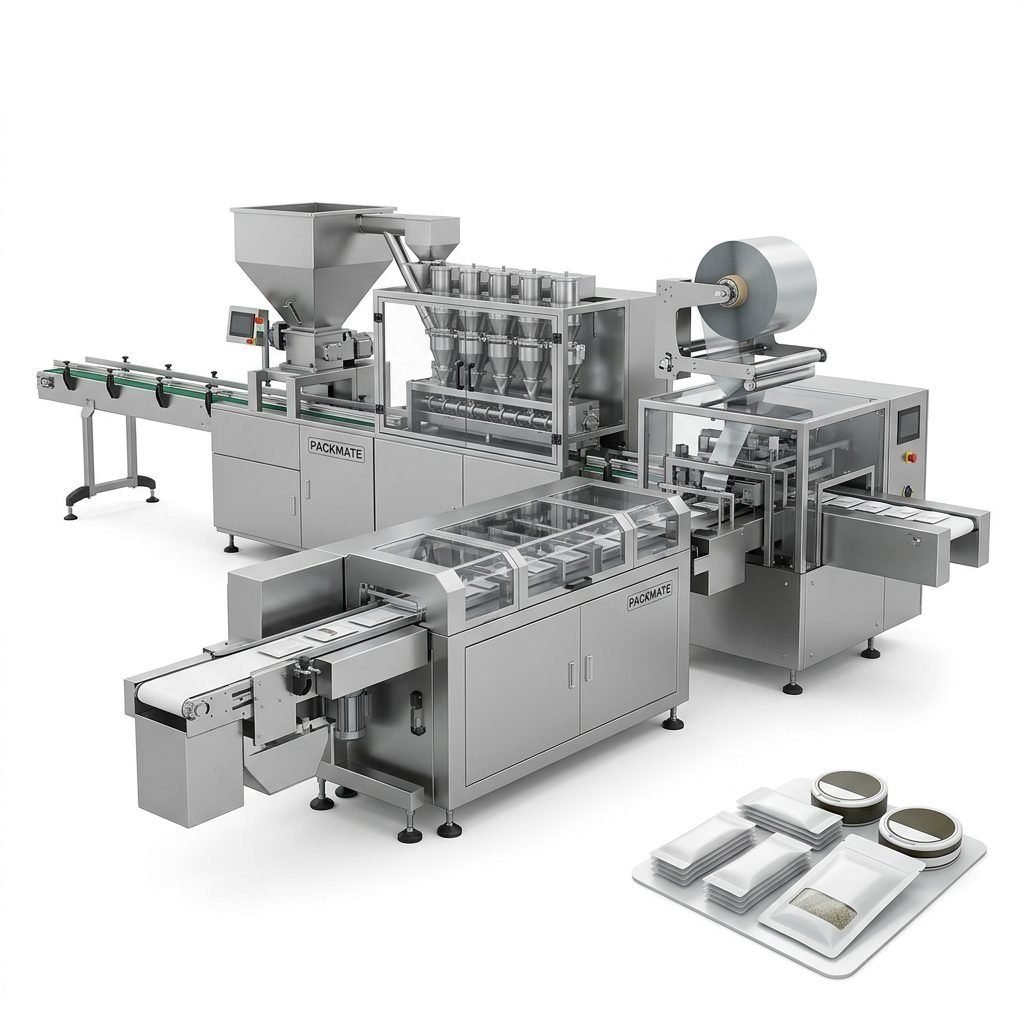
Snus & Nicotine Packaging Machines
for technical references and machine options.
Verify Manufacturing Strength and Capacity
Manufacturing capacity determines lead times, customization ability and quality control. Prioritize manufacturers with large, modern facilities, CNC machining centers and precision assembly lines. A factory with documented quality systems and a substantial footprint will usually deliver more consistent machines.
For example, an established manufacturer with a 20,000㎡ facility, multiple machine models and advanced assembly systems signals the ability to produce tailored turnkey lines.
Certifications and quality systems
Ensure the supplier has internationally-recognized certifications such as CE and ISO. Certifications show the manufacturer follows proven quality and safety protocols — a major factor when importing into South Africa or supplying regulated markets.
Check Technical Capabilities and Customization
Nicotine pouch production requires precise dosing, stable film handling and delicate sealing control. Evaluate whether the supplier can:
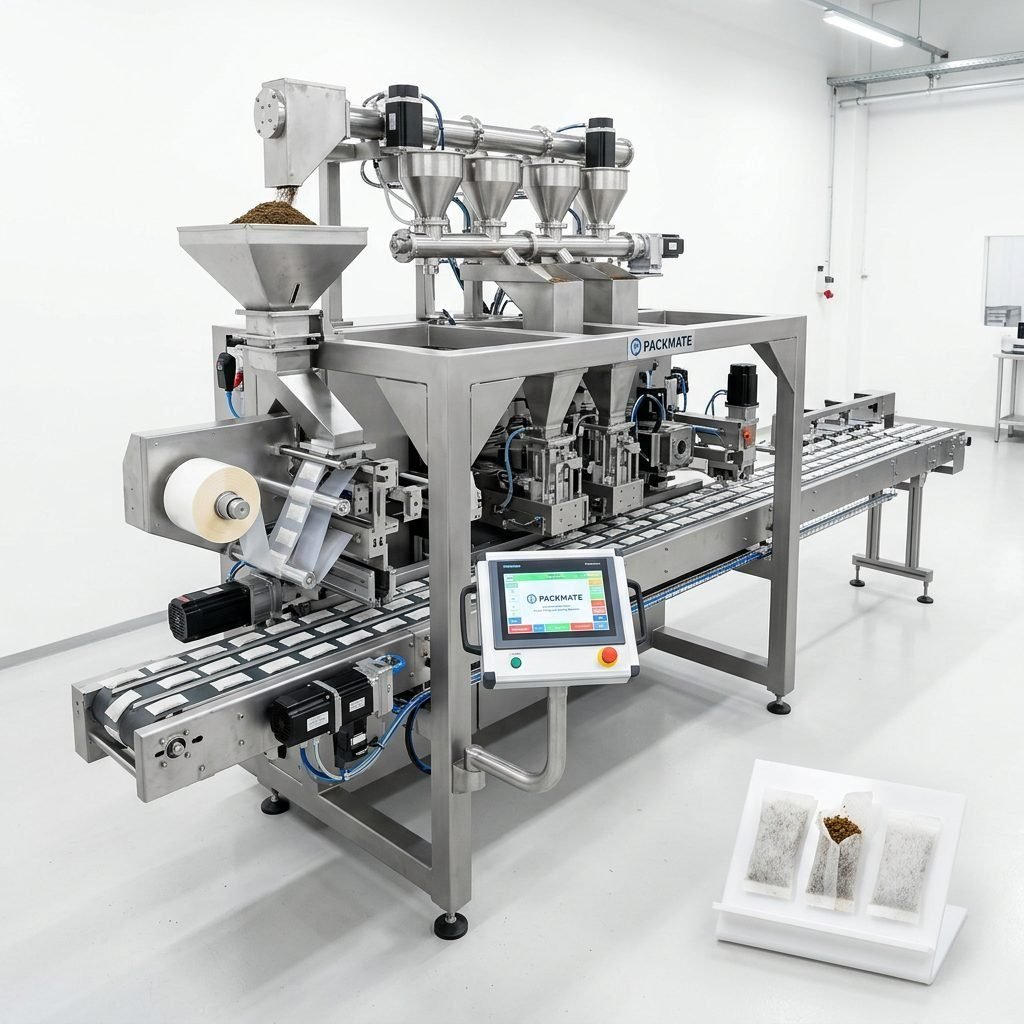
• Offer multi-lane synchronization to increase throughput without compromising seal integrity
• Provide accurate weighing and dosing systems for small-dose pouches
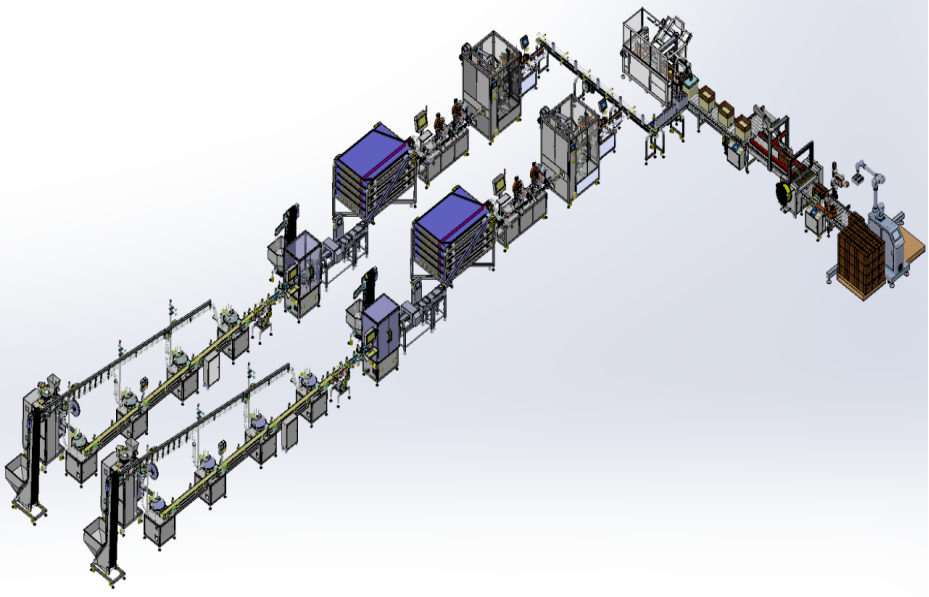
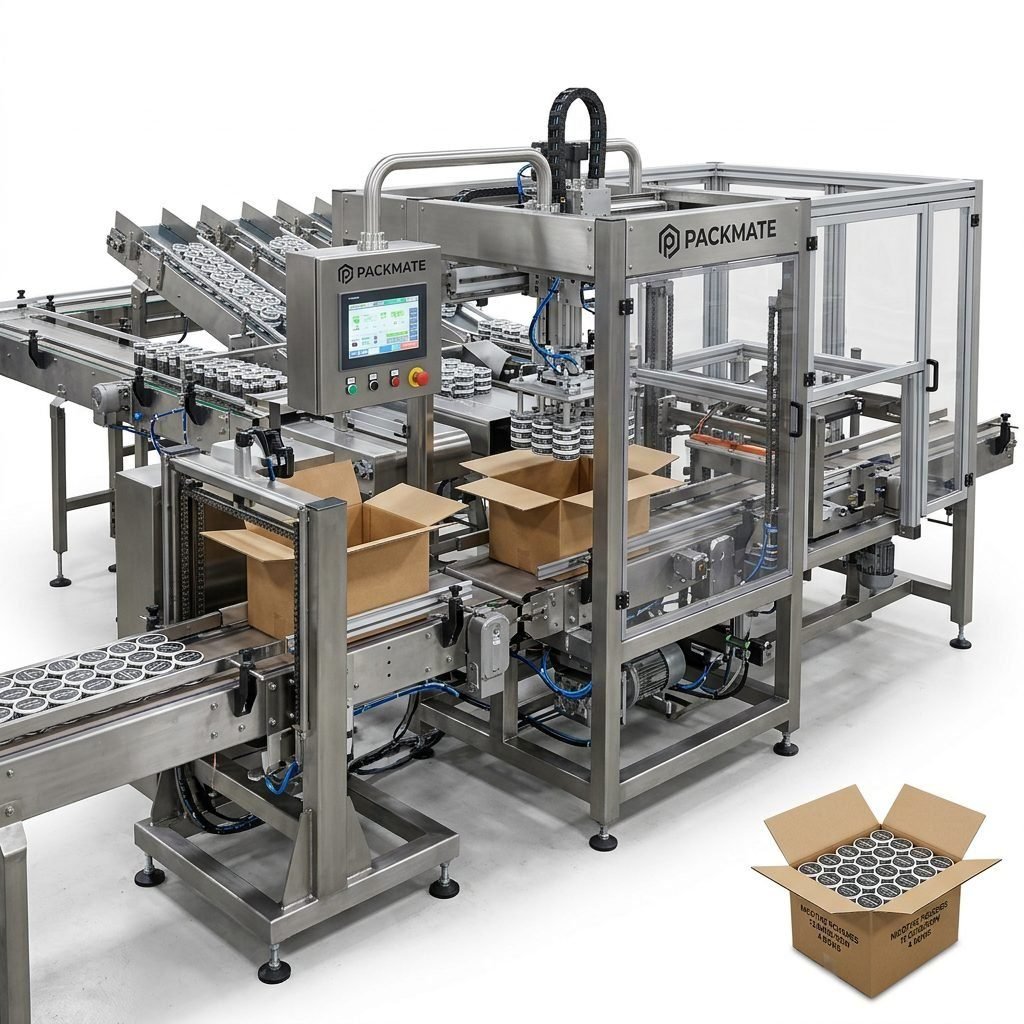
• Integrate upstream fillers, pouch formers and downstream checkweighers and packaging conveyors
Important: Machines tailored to low-dose nicotine pouches usually require specialized multi-lane designs and high-precision weighing systems — look into suppliers that offer full lines such as
Filling & Packaging Lines
and
Weighing & Packaging Systems.
Evaluate After-Sales Service and Spare Parts Availability
After-sales support is where long-term value is realized. Confirm the manufacturer provides:
• Local or regional technical support (or fast remote troubleshooting)
• Spare parts kits and clear parts catalogues
• Training for operators and maintenance staff
• Fast response agreements and warranty terms
A supplier that offers comprehensive service packages including installation and commissioning will significantly reduce ramp-up time and production risk.
Inspect References, Case Studies and Live Demonstrations
Request case studies and references from manufacturers who have supplied similar lines. Reliable vendors will share customer stories, video demos and factory acceptance test (FAT) reports. When possible, visit a live demonstration or a client site to assess machine performance under real conditions.
Explore the supplier’s project examples via their case page to verify performance across markets:
Case.
Questions to ask during reference checks
• How consistent is the machine’s throughput over a continuous run?
• What is the mean time between failures (MTBF) and typical downtime causes?
• How effective was the supplier’s commissioning and training process?
Assess Total Cost of Ownership (TCO), Not Just Price
The cheapest initial offer can become the most expensive over time. Calculate TCO by including:
• Installation and commissioning fees
• Spare parts and consumables costs
• Training and documentation expenses
• Expected energy usage and maintenance man-hours
• Downtime risk and potential production loss
Remember: A robustly engineered multi-lane machine might cost more upfront but can dramatically lower unit cost at high volumes.
Regulatory Compliance and Safety
Nicotine products face strict regulations and labeling requirements. Confirm that the machine and the manufacturer can support compliance with local South African rules and international export regulations. Safety features, guards and fail-safes should be standard; CE marking and ISO compliance add credibility to safety claims.
Logistics, Lead Times and Import Considerations
Consider freight costs, customs clearance and local representation. Ask the manufacturer about export packing standards, crate protection for sea freight and preferred shipping routes. If the supplier has experience shipping to Africa, they often anticipate common customs questions and documentation needs, reducing delays.
Local stock and spare parts
Determine if the supplier maintains regional spare parts inventory or partners with local agents. Fast access to critical spares minimizes production stoppage.
Evaluate Warranty, Training and Documentation
A clear warranty, operator manuals, electrical and pneumatic schematics, and on-site training are essential. Confirm the scope of warranty (components covered, labor terms) and availability of extended support plans.
Practical Supplier Evaluation Checklist
Use a checklist during supplier evaluation: production specs match, credentials & certifications verified, references & case studies checked, FAT and SAT processes defined, spare parts policy clear, training and documentation available, total cost and payment terms acceptable.
Consider asking for a formal FAT (Factory Acceptance Test) and detailed commissioning plan before shipment. A proper FAT ensures the machine meets agreed performance metrics in the factory before it leaves.
Local Partners vs Direct Manufacturer Supply
If a supplier lacks a local presence in South Africa, evaluate whether they have reliable agents or partners for installation and support. Direct supply from the manufacturer may be cheaper but could increase lead time for spare parts and service calls.
Pro tip: A manufacturer that offers both product breadth (for example Bag & Pouch Packaging Machines and Sachet & Stick Pack Machines) and localised support often provides the best long-term partnership.
How Packmate-Like Suppliers Add Value
Manufacturers with decades of experience, extensive machine models and turnkey solutions typically bring advantages: mature designs, integrated solutions, and a strong spare parts supply chain. Evaluate brands that highlight multi-lane systems and automated production lines tailored for nicotine pouches.
If you want to learn more about a supplier’s background, visit their about page and credentials to confirm manufacturing history and exhibitions presence:
About Packmate
and
Our Exhibition.
Decision Roadmap — Step-by-Step
1. Finalize production specifications and regulatory obligations.
2. Shortlist manufacturers by experience, capacity and certifications.
3. Request detailed proposals and compare TCO, not only purchase price.
4. Arrange FAT or live demo and check references.
5. Confirm warranty, spare parts plan and training program.
6. Finalize delivery, installation and commissioning timeline.
Negotiation tips
Negotiate on bundled services — spare parts, training, extended warranty and a clear SLA for response times. Ask for a phased payment structure tied to FAT, shipment and successful factory acceptance.
Final Considerations for South African Buyers
South African companies should also factor in currency volatility, import duties and local certification requirements. Work with suppliers who understand African logistics and can support customs documentation and local testing where required.
Actionable step: Before final purchase, request a detailed spare parts list and lead times so you can budget for a local or regional spare parts stock to avoid long downtime.
Conclusion and Next Steps
Selecting the best nicotine packaging machinery manufacturer requires a balanced assessment of technical capability, manufacturing strength, after-sales support and total cost of ownership. Use the checklist and questions outlined above, validate references and insist on FAT and thorough documentation. When in doubt, choose a partner who demonstrates experience with snus and nicotine pouch solutions, proven multi-lane systems, and reliable global service.
Frequently Asked Questions
Q1: What certifications should I expect from a nicotine packaging machinery manufacturer?
Look for CE and ISO certifications as a baseline. Also request documentation of electrical, mechanical and safety testing, and evidence of compliance with export regulations for tobacco-related equipment.
Q2: How important is a factory acceptance test (FAT)?
FAT is critical — it verifies machine performance under controlled conditions before shipment. A robust FAT reduces surprises on-site and ensures contractual performance metrics are met.
Q3: Should we choose a local agent or buy directly from the manufacturer?
Direct purchase can lower price but may increase support lead times. A reputable local agent or distributor can provide faster spare parts, on-site service and help with customs and installation.
Q4: What is the typical lead time for multi-lane nicotine pouch lines?
Lead times vary by manufacturer and customization level. Standard lead times can range from several weeks to a few months. Confirm exact timelines including FAT, export packing and shipping.
Q5: Where can I find reliable product and service information?
Manufacturer websites with dedicated product pages and service information are helpful starting points. For more details on machine categories and support, review relevant pages like
Snus & Nicotine Packaging Machines,
Auxiliary Packaging Equipment,
and the company Contact Us page for direct enquiries.