Choosing the right nicotine packaging machine in Equatorial Guinea requires a balance of regulatory awareness, technical specification matching, and reliable supplier partnership. This guide walks you through the essential steps, from understanding product formats and production targets to verifying supplier credentials and after-sales service. Whether you are expanding a small production line or building a turnkey facility, this article helps you make an informed purchasing decision.
Understand the Local Market and Regulatory Environment
Before selecting equipment, conduct a clear assessment of local regulations, import duties, and any health-related packaging rules specific to Equatorial Guinea. Nicotine products typically face strict labeling, child-resistant packaging, and advertising limitations. Ensuring compliance at purchase saves cost and time later.
Ask your supplier about machine features that support compliance: programmable label printing, batch coding, tamper-evident seals, and options for child-resistant closures. Confirm whether the equipment can integrate with existing serialization or traceability systems if required.
Key regulatory checklist
🔎 Labeling & Warnings — Ensure text, language, and health warnings meet national requirements.
🧾 Batch & Lot Traceability — Check machine capabilities for imprinting production data.
⚠️ Child-Resistant Packaging — Required in many jurisdictions for nicotine products.
Match Machine Type to Your Product Format
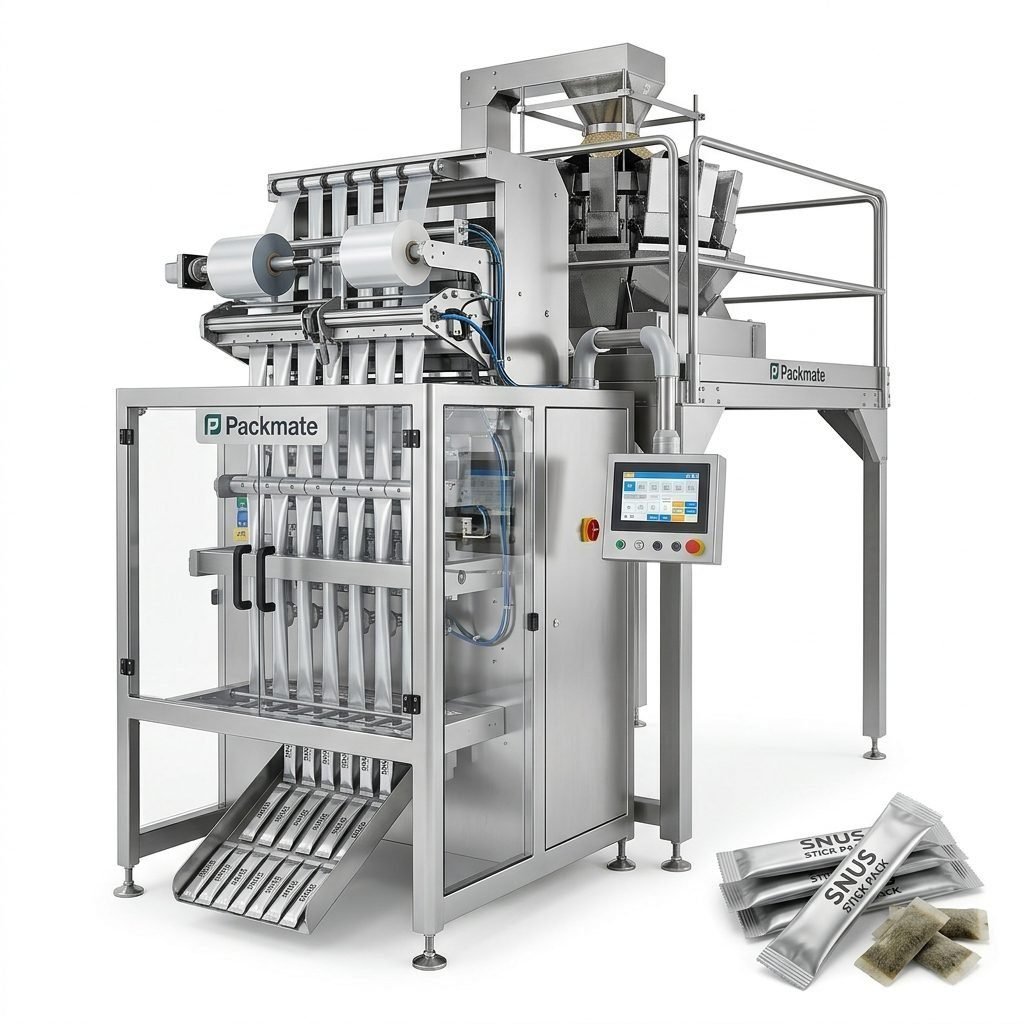
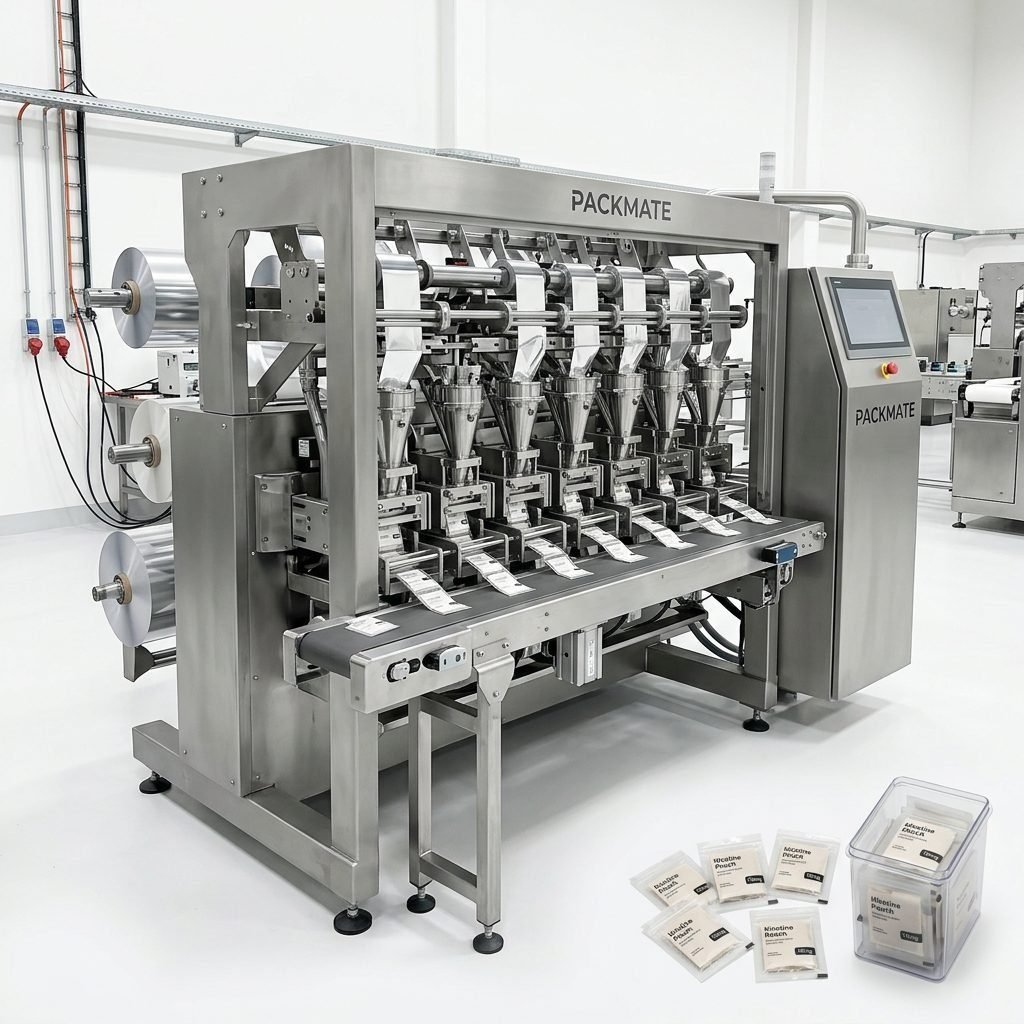
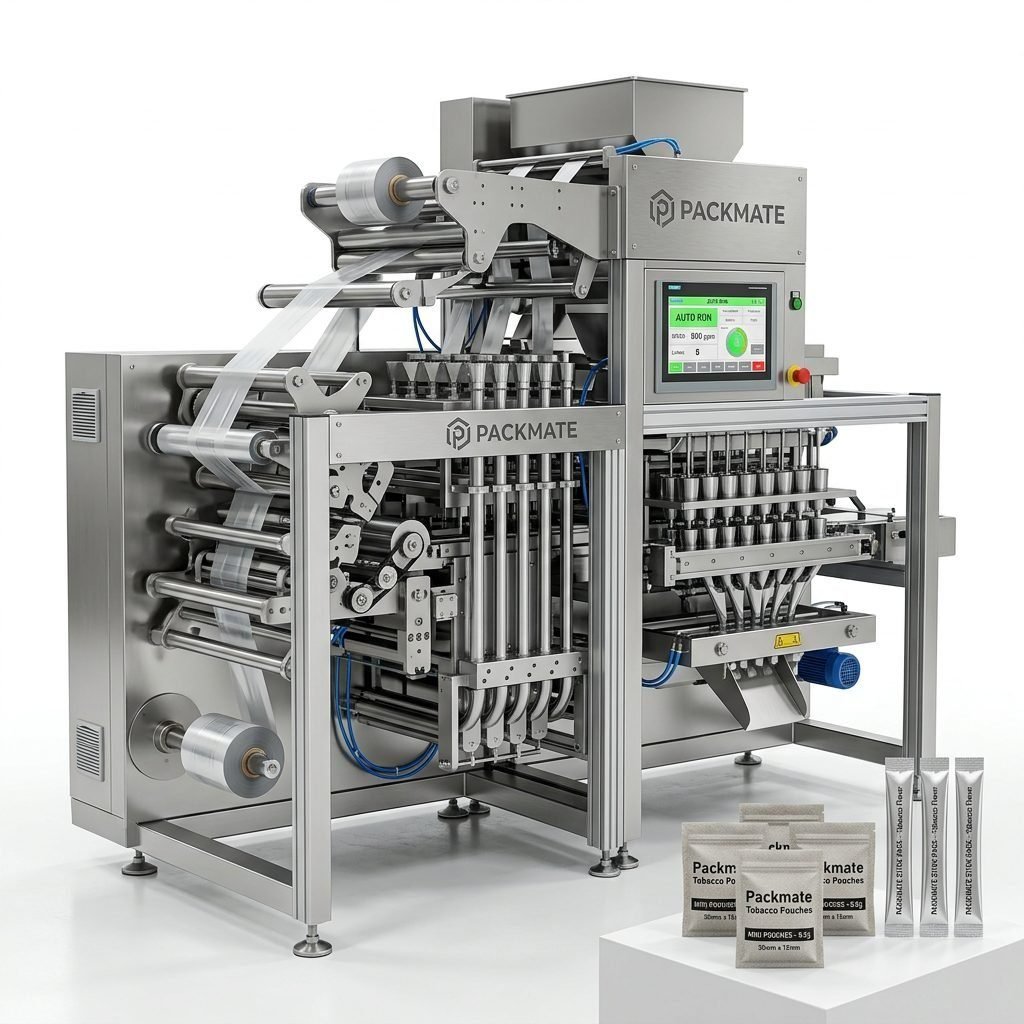
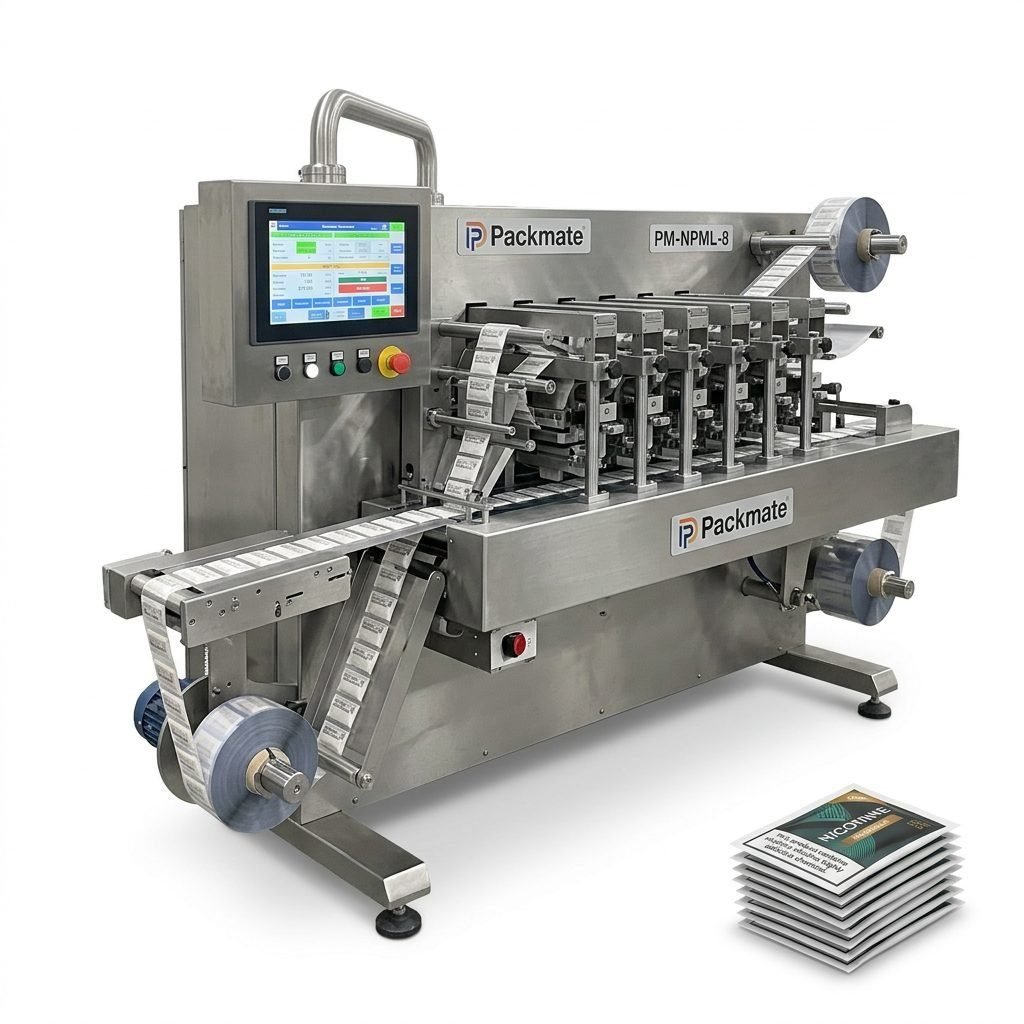
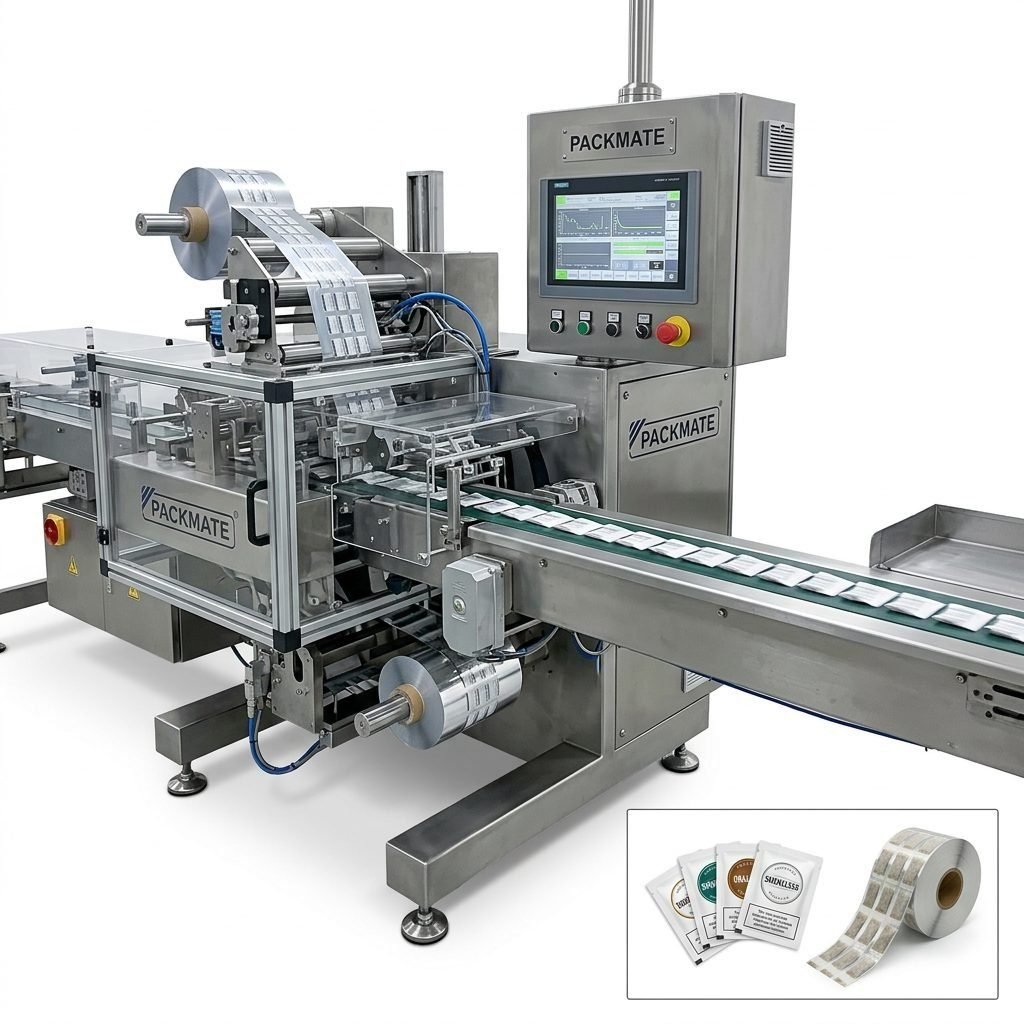
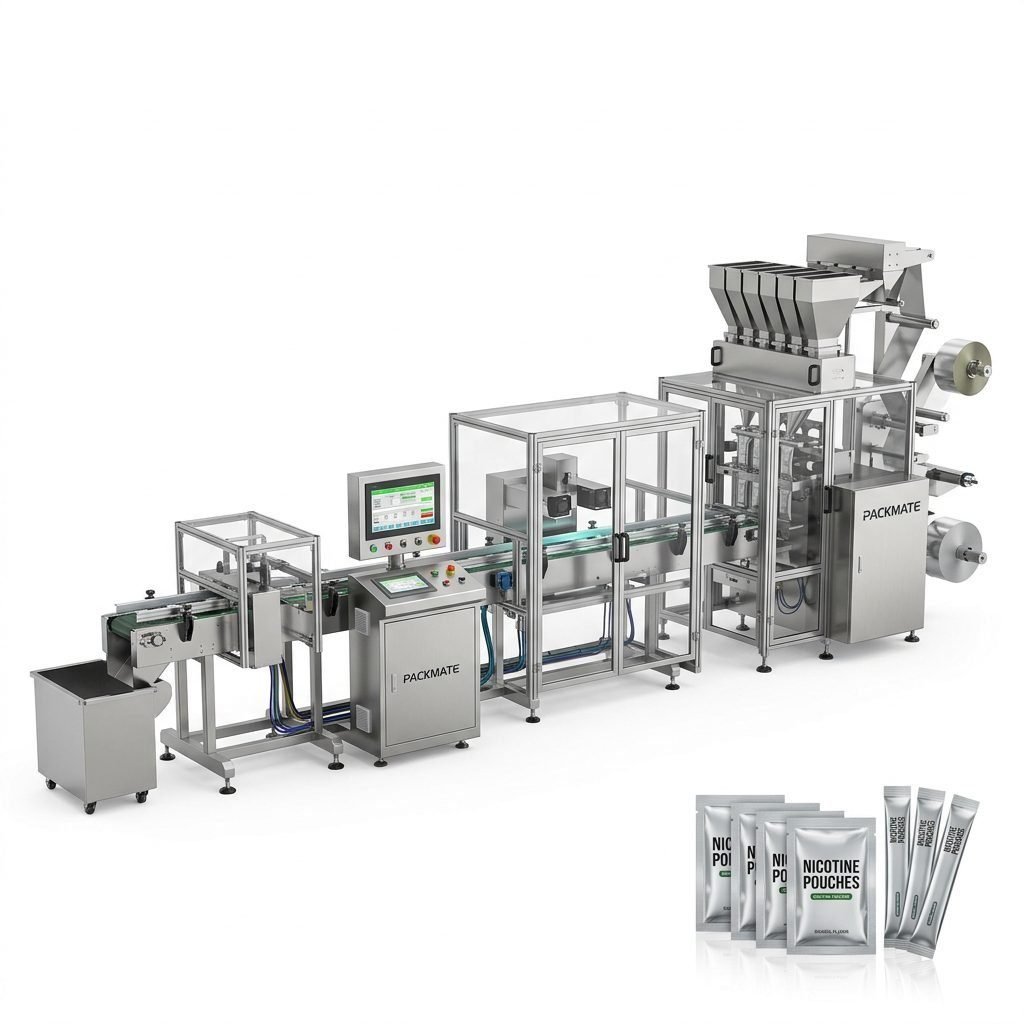
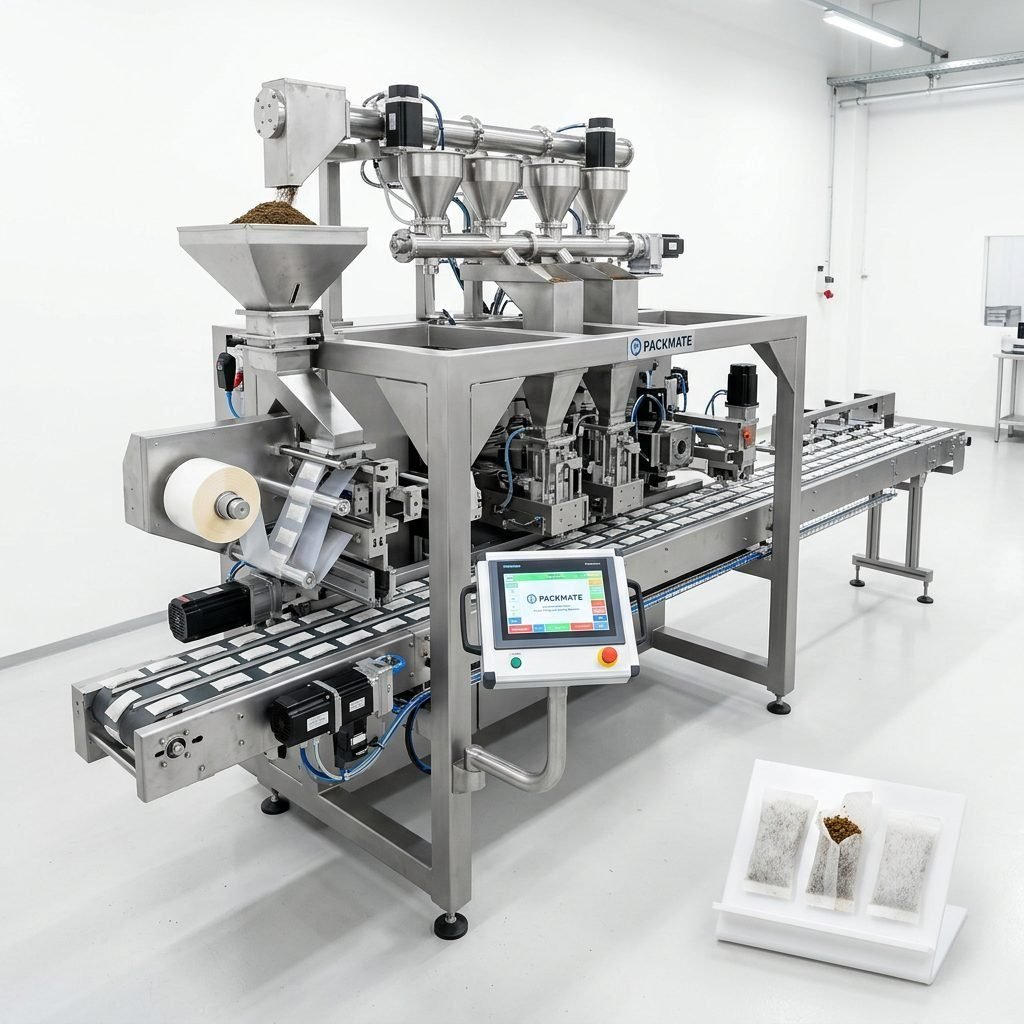
Nicotine pouches and snus can be packaged using several formats. Selecting the correct machine type is critical for production efficiency and product quality.
Common packaging systems
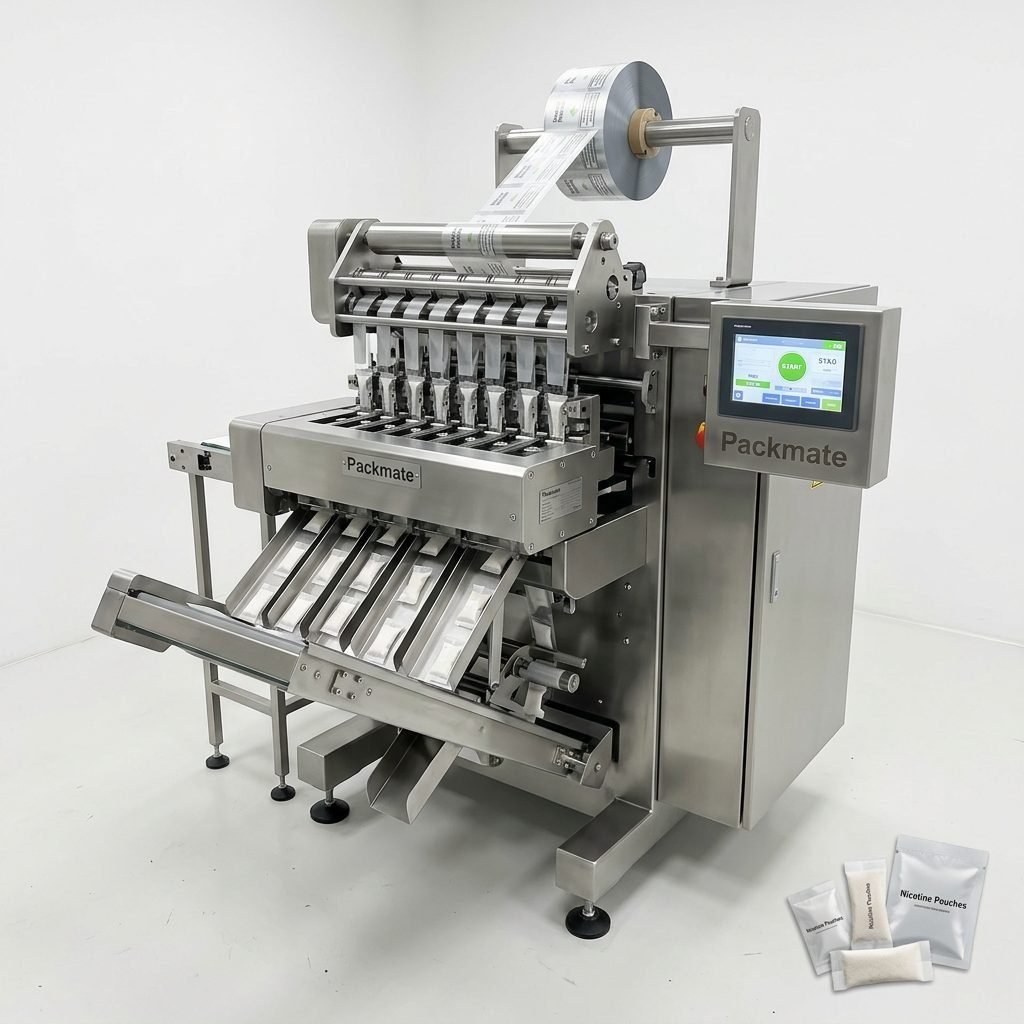
📦 Pouch & Sachet Machines — Ideal for single-dose nicotine pouches and snus sachets; good for flexible materials and custom shapes. See Sachet & Stick Pack Machines for versatile options: https://www.snusmachinery.com/products/sachet-stick-pack-machines/
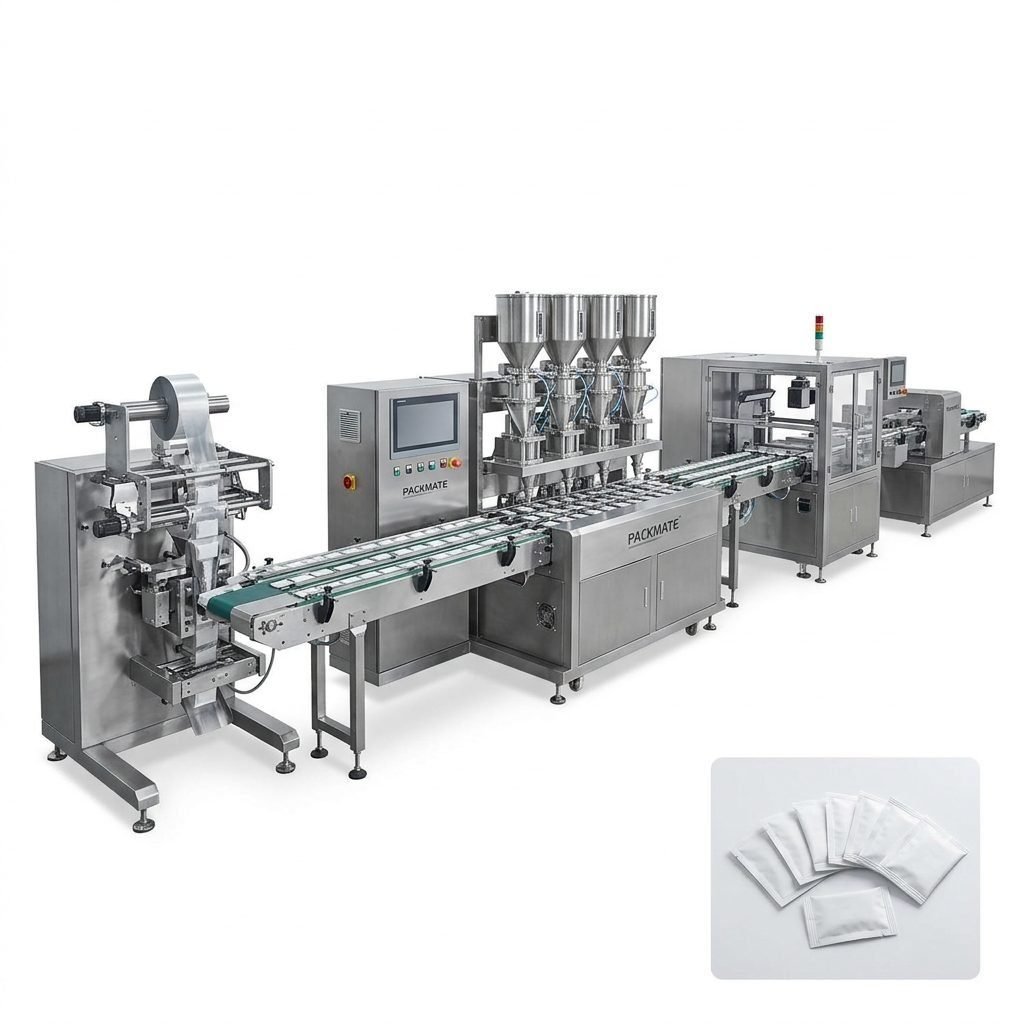
🧷 Multi-lane Snus Packing Lines — High-output solutions for small-dose pouch production; useful if scaling up.
🧰 Stick Pack & Flow-Wrap — For long, narrow stick-format nicotine portions or sachets with single-seal forms.
Calculate Required Capacity and Line Speed
Define your target output (pouches per minute, shifts per day, expected downtime) and then choose equipment with a rated speed that allows for realistic performance after changeovers and maintenance. A machine with a higher rated capacity gives headroom as demand grows.
Consider line balancing: feeding systems, weighing, and secondary packaging must match the primary packing speed. For complete solutions, review Filling & Packaging Lines and Weighing & Packaging Systems: https://www.snusmachinery.com/products/filling-packaging-lines/ and https://www.snusmachinery.com/products/weighing-packaging-systems/
Capacity planning tips
– Account for cleanup, format changeover, and quality checks when estimating real-world output.
– Consider modular machines that allow staged upgrades (e.g., start with a single-lane machine and later add lanes).
Material Compatibility and Product Protection
Your machine must reliably handle the film or pouch material and protect nicotine’s shelf life. Ask about sealing methods, temperature control, and barrier film options. Machines that support MAP (modified atmosphere packaging) or nitrogen flushing can significantly extend product shelf life.
🔧 Seal Quality — Robust heat seal control and reproducible seal parameters.
🧪 Barrier Films — Support for multi-layer laminates or foil to guard against moisture and oxygen.
Automation, Controls and Integration
Modern packaging machines offer PLC controls, HMI touchscreens, recipe management, and Industry 4.0 data outputs. Prioritize systems that provide easy recipe storage for quick product changeovers and remote diagnostics to minimize downtime.
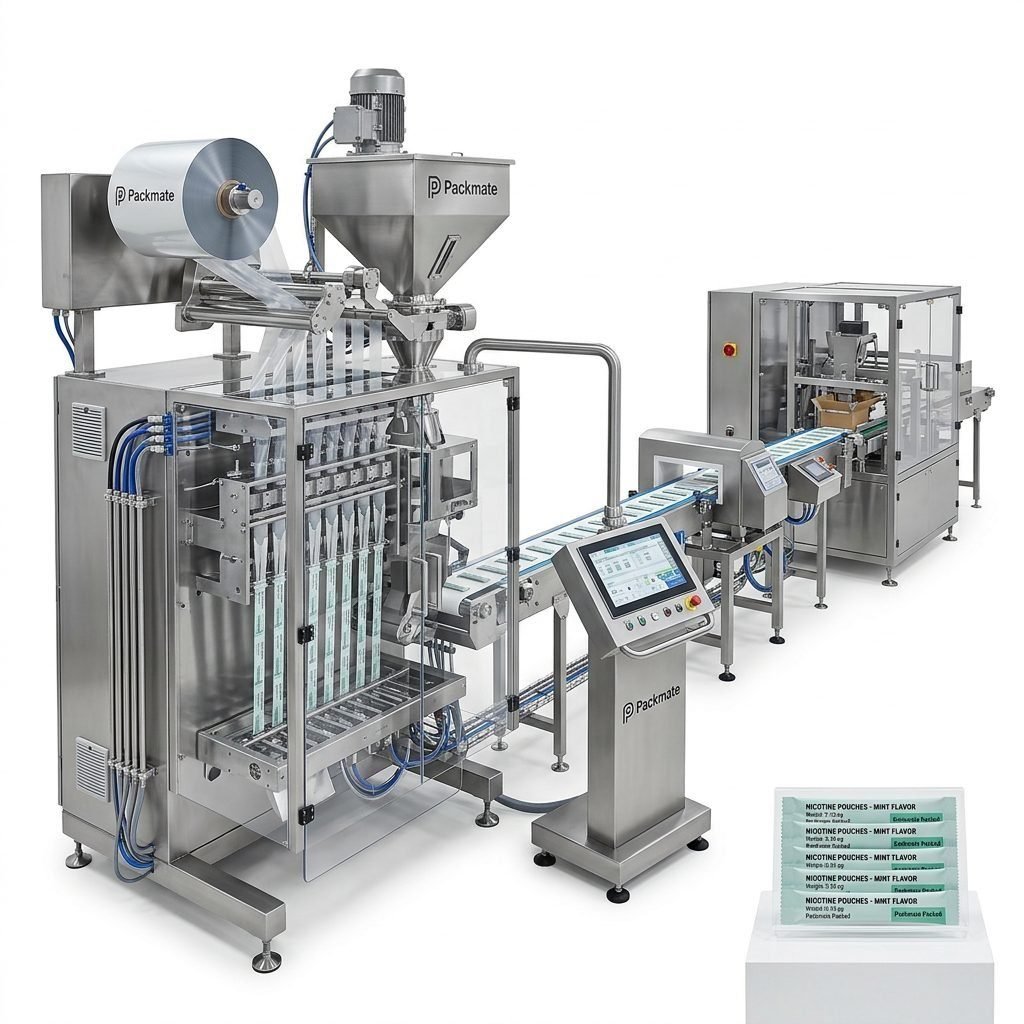
If you plan to incorporate upstream and downstream equipment (weighers, cartoners, case packers), ensure electrical and mechanical interfaces are standardized. Consider suppliers who deliver complete turnkey solutions — Packmate can provide multi-station lines that integrate feeding, filling, packing, and secondary packing stages. See Snus & Nicotine Packaging Machines for machine varieties: https://www.snusmachinery.com/products/snus-nicotine-packaging-machines/
Evaluate Supplier Credentials and After-Sales Support
A reputable supplier should have documented industry experience, transparent factory capabilities, and clear spare parts availability. Packmate (for example) highlights over 30 years of engineering experience, a 20,000㎡ factory, and CE/ISO compliance — all indicators of mature manufacturing capacity.
Key supplier checks:
✅ Factory Visits & References — Request references or factory tour (virtual if needed).
✅ Spare Parts & Local Stocks — Confirm lead times for critical components.
✅ Service Contracts — Ask about training, commissioning, and preventive maintenance plans.
Installation, Training and Commissioning
A well-defined installation and commissioning plan reduces integration risk. Ensure the supplier includes onsite or remote commissioning, operator training, and documentation for routine maintenance. Confirm the package includes spare parts for rapid startup and the option for extended warranties.
Total Cost of Ownership (TCO) vs. Purchase Price
Avoid selecting solely on initial cost. Consider energy consumption, consumables, spare parts costs, expected uptime, and ease of maintenance. A robust machine with higher uptime and lower scrap rates often yields a lower TCO than a cheaper unit with frequent stoppages.
TCO elements to include
– Energy use per shift
– Film/packaging material efficiency and waste
– Labor required for operation and changeovers
– Spare parts replacement intervals and cost
– Expected lifespan and resale value
Site Requirements and Factory Readiness
Prepare a site readiness checklist: electrical supply, compressed air, floor loading, drainage, and space for loading/unloading materials. Plan for ergonomics — operator access, material flow, and safety zones.
📐 Layout Planning — Draw the proposed layout and validate machine footprint and maintenance clearance.
⚡ Power & Utilities — Confirm voltage, phase, and air pressure requirements before shipment.
Warranty, Spare Parts and Long-Term Support
Make sure warranty terms are clear, including coverage on wear parts, electronics, and moving components. Verify how spare parts are shipped to Equatorial Guinea and typical lead times. Suppliers who offer training for in-country technicians reduce dependency on foreign engineers.
Real-World Validation: Ask for Case Studies and Demos
Request video demonstrations, customer case studies, and performance data for similar nicotine products. If possible, visit an installation or request live remote trials to observe packaging quality, speed, and changeover times. You can review Packmate’s project cases and exhibition presence for real-world validation: https://www.snusmachinery.com/case/ and https://www.snusmachinery.com/exhibition/
Questions to verify during demo
– Does the machine maintain consistent fill weight and seal integrity?
– How long do changeovers take between formats?
– Are recipes saved and reproducible?
– What typical downtime was recorded by existing clients?
Purchase & Shipping Considerations
Coordinate with freight forwarders experienced in heavy machinery to avoid delays at port and customs in Equatorial Guinea. Confirm packing for ocean freight, crating standards, and any export documentation required for machine certification.
If a turnkey solution is required, include installation, commissioning, operator training, and spare parts kit in the purchase order to prevent scope gaps.
📞 Contact & Next Steps — When you are ready to request quotes or technical specifications, contact the supplier directly, request an itemized quote, and clarify lead times and payment terms. For more information on the company and products, see About Packmate: https://www.snusmachinery.com/about-us/
Quick Buyer’s Checklist
✅ Define product formats and capacity needs
✅ Verify regulatory and labeling capabilities
✅ Match film/material compatibility and sealing options
✅ Confirm automation, controls and integration ability
✅ Check supplier credentials, factory capacity and references
✅ Ensure clear warranty, spare parts access and training plan
Relevant machine categories to explore
Explore specialized equipment categories such as Bag & Pouch Packaging Machines and Auxiliary Packaging Equipment for peripheral needs: https://www.snusmachinery.com/products/bag-pouch-packaging-machines/ and https://www.snusmachinery.com/products/auxiliary-packaging-equipment/
Final Thoughts
Selecting the right nicotine packaging machine for Equatorial Guinea is a strategic decision that impacts product safety, compliance, and profitability. Focus on compliance features, material compatibility, uptime, and a supplier who offers strong after-sales support and spare parts. Prioritize total cost of ownership and operational readiness to ensure a smooth ramp-up and reliable long-term performance.
Frequently Asked Questions (FAQs)
Q1: What documentation should I require from the supplier before purchase?
A1: Request CE/ISO certificates, machine technical specifications, wiring diagrams, a list of recommended spare parts, software/HMI manuals, and client references or case studies.
Q2: How to estimate the real-world output of a packaging line?
A2: Use the machine’s rated speed as a baseline, then factor in realistic downtime for changeovers, quality checks, maintenance and shift patterns. Ask the supplier for actual OEE (Overall Equipment Effectiveness) data from similar installations.
Q3: Are spare parts and technical service available for customers in Equatorial Guinea?
A3: Verify with the supplier about local stockists, service partners or how quickly parts can be shipped. Consider suppliers who provide training to local engineers and remote diagnostic support.
Q4: Can machines be customized for special pouch shapes or materials?
A4: Many manufacturers offer customization for tooling, sealing systems and feeding mechanisms to handle unique pouch designs. Discuss prototype trials and sample runs before final purchase.
Q5: What should be included in a commissioning package?
A5: Onsite setup, power and utility checks, validation runs, operator training, spare parts kit, and a written maintenance plan. Ensure acceptance criteria and performance guarantees are documented.