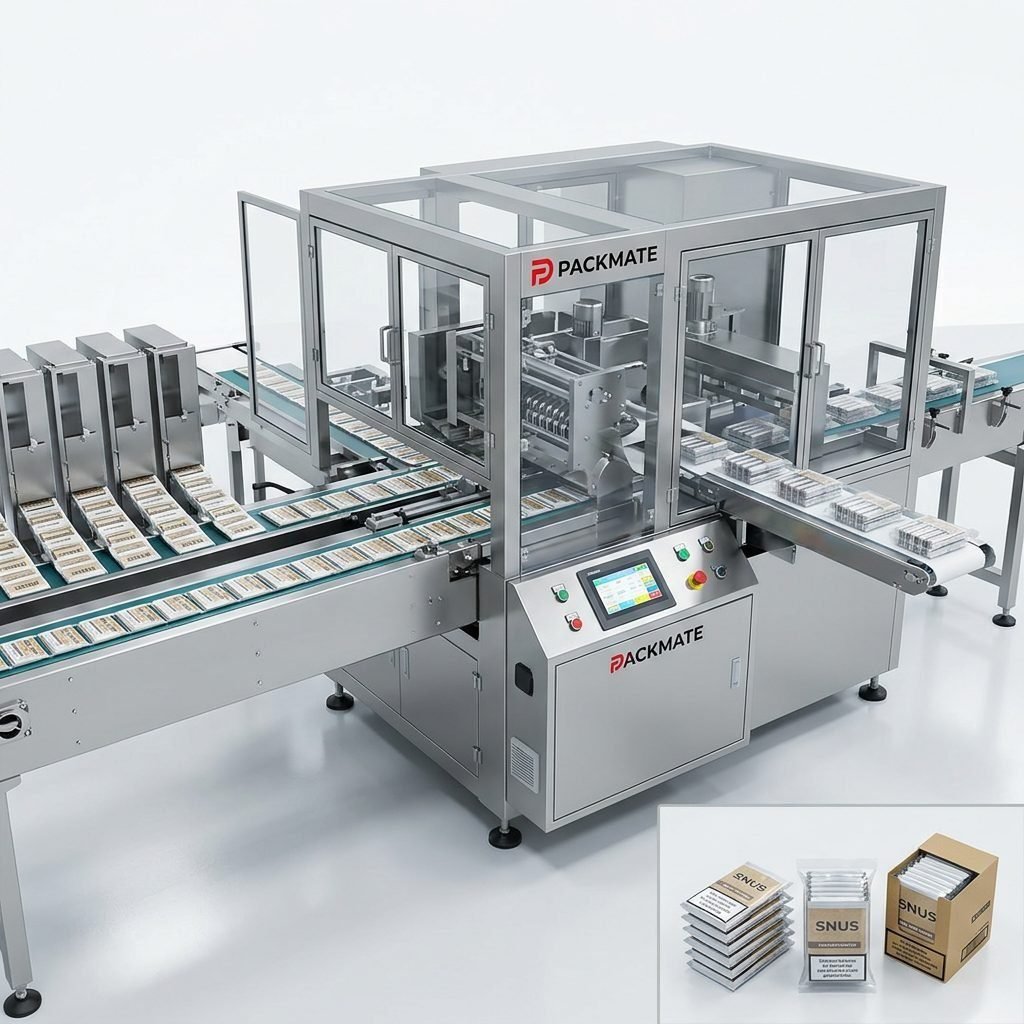
Entering the Bolivian market with snus or nicotine pouch products requires careful selection of a reliable packaging machine manufacturer. Choosing the right partner impacts production capacity, product consistency, compliance with local regulations, and the ability to scale. This guide walks you through practical, Bolivia-specific considerations and actionable steps to select the best snus packaging machine manufacturer for your business.
Understand Bolivia’s Market and Cultural Factors
Bolivia is a country of diverse climates and cultures. Urban centers like La Paz, Santa Cruz, and Cochabamba are commercial hubs with better logistics and technical support, while rural areas may have limited infrastructure. When planning production and working with a manufacturer, be mindful of:
Local preferences: Bolivian consumers tend to favor small-dose, single-serve formats that are convenient and discreet. Packaging formats like sachets and small pouches resonate in convenience store channels and kiosks.
Language and communication: Spanish is the primary language for business, and in many regions Quechua and Aymara are common—consider a manufacturer who can provide manuals and training in Spanish and/or on-site translators if needed.
Altitude and climate: Bolivia’s high-altitude cities (e.g., La Paz) and humid lowlands (e.g., Santa Cruz) can affect machine calibration, drying steps, and storage conditions for raw materials. A manufacturer with experience supplying diverse climates can help you adapt machine settings and material specs accordingly.
Key Technical Features to Prioritize
When evaluating snus packaging machines, focus on features that match your product type, production goals, and Bolivian market needs:
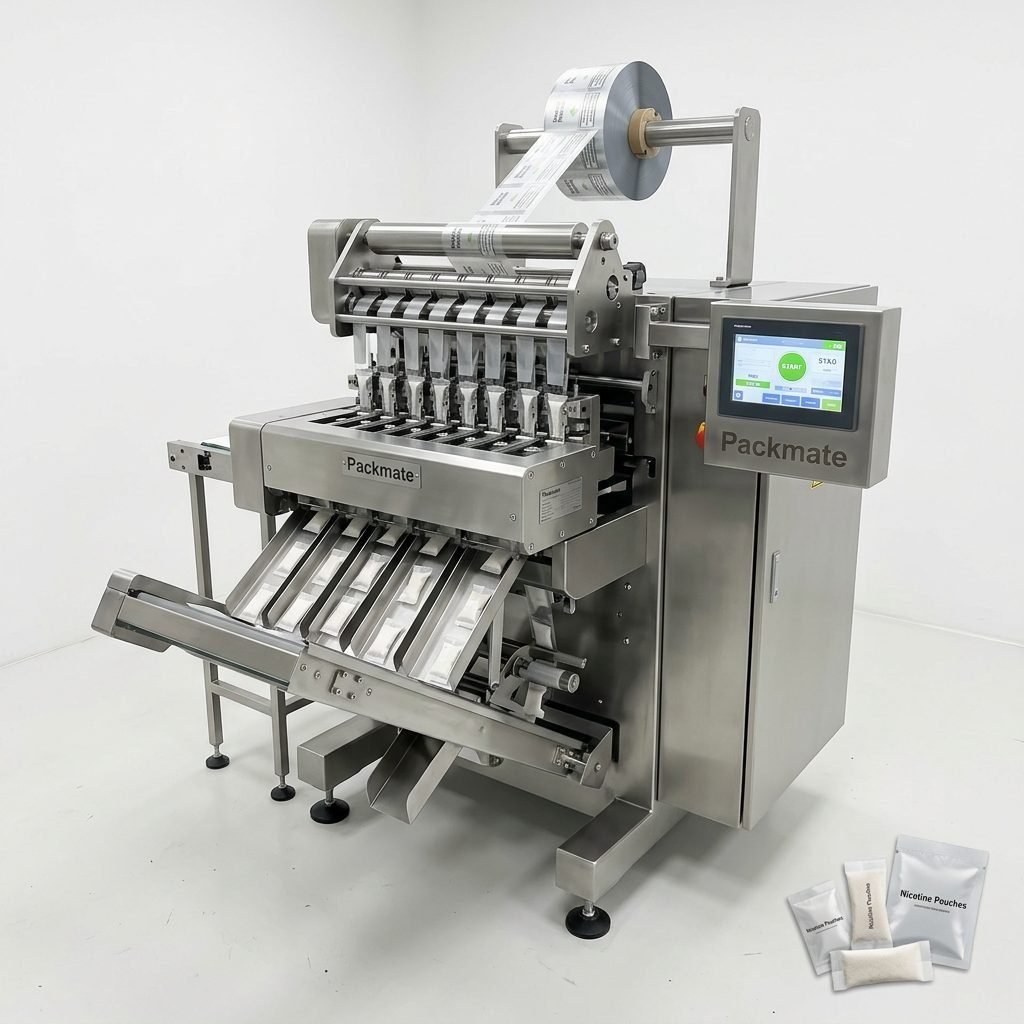
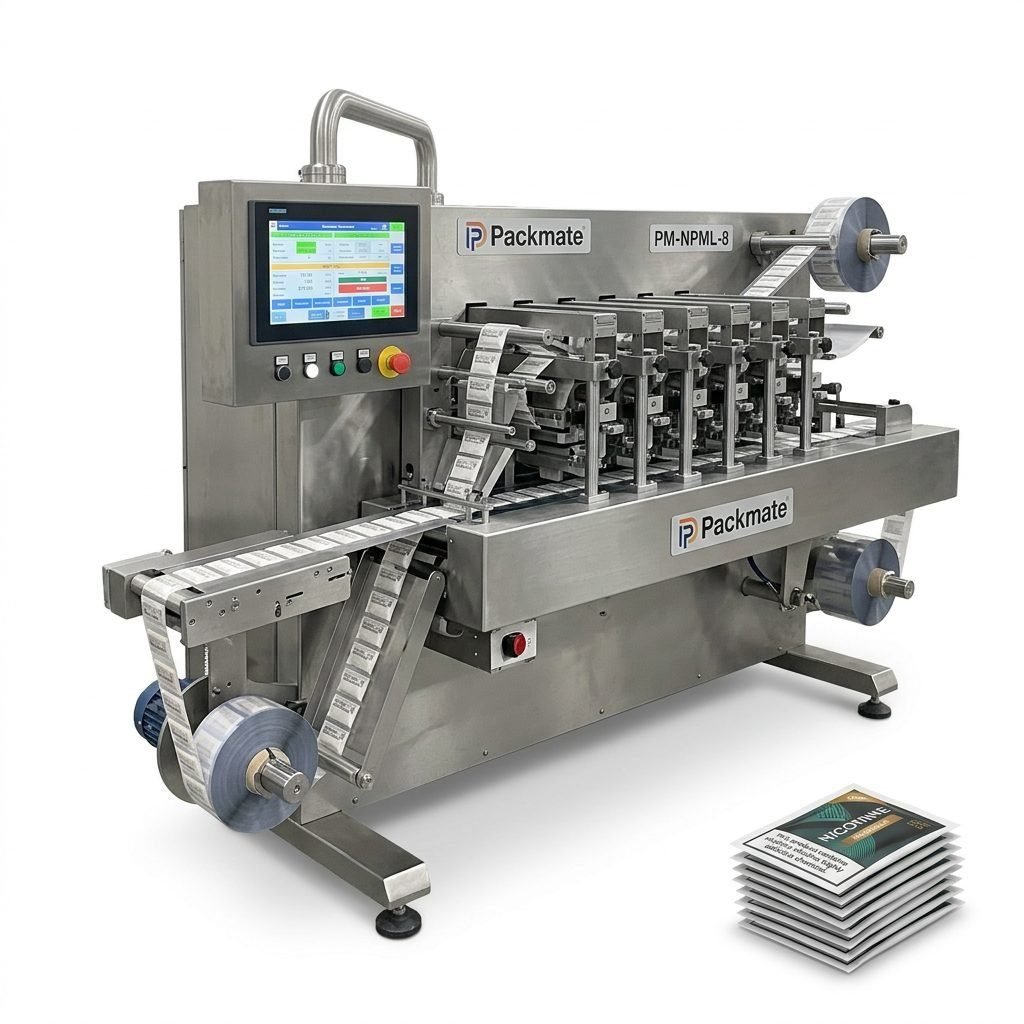
- Format flexibility: Ability to run nicotine pouches, snus, and small sachets across various sizes and materials.
- Multi-lane capability: Multi-lane systems dramatically increase throughput for small-dose pouches while maintaining accuracy.
- Precision dosing: High-accuracy weighing and filling systems reduce product giveaway and ensure compliance with labeling.
- Ease of changeover: Quick die or format change reduces downtime when switching SKUs—valuable for small-batch runs common in emerging markets.
- Robust sealing and barrier control: Good sealing ensures product shelf life in humid climates—critical for Bolivia’s lowland distribution.
📌 Tip: If your products will be distributed across Bolivia’s varied climates, insist on machines with configurable drying, sealing, and humidity compensation settings to protect product quality.
Manufacturer Credentials and Certifications
A reputable manufacturer should provide evidence of quality systems and international certifications. Look for:
- CE and ISO compliance: Demonstrates adherence to global safety and quality standards.
- Testing and QC reports: Factory test records, run-off samples, and inspection protocols are vital for predictable performance.
- Case studies and references: Real-world examples across regions similar to Bolivia—look for success stories and contactable references.
After-Sales Support: The Deciding Factor
In Bolivia, prompt technical support, training, and parts availability can make or break operations. Prioritize manufacturers who offer:
- Local or regional support partners: Partners or agents in South America shorten response times and simplify logistics.
- Comprehensive training: On-site operator and maintenance training in Spanish reduces downtime and dependency on foreign technicians.
- Spare parts rapid shipment: Ensure parts can be shipped quickly to La Paz or Santa Cruz—check lead times and stocking options.
- Remote diagnostics: Modern machines with PLCs and remote access allow faster troubleshooting from the manufacturer.
Evaluate Production Capacity vs. Scalability
Define your current output and expected growth for 1–3 years. Select a manufacturer that can:
- Deliver machines sized for your initial demand, with modular upgrades for future capacity.
- Provide multi-lane or parallel lines to scale without redesigning processes.
- Offer full turnkey lines when you plan to expand into large retail channels or export from Bolivian ports.
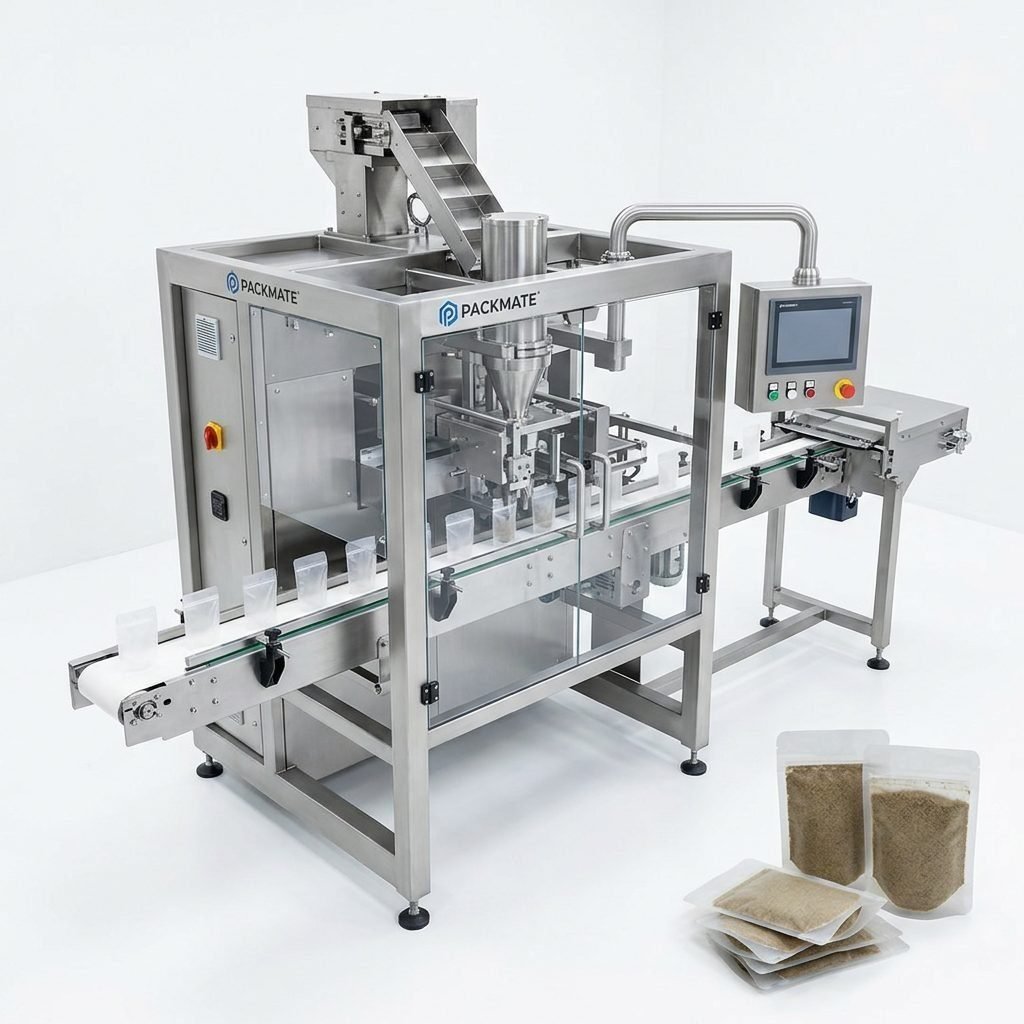
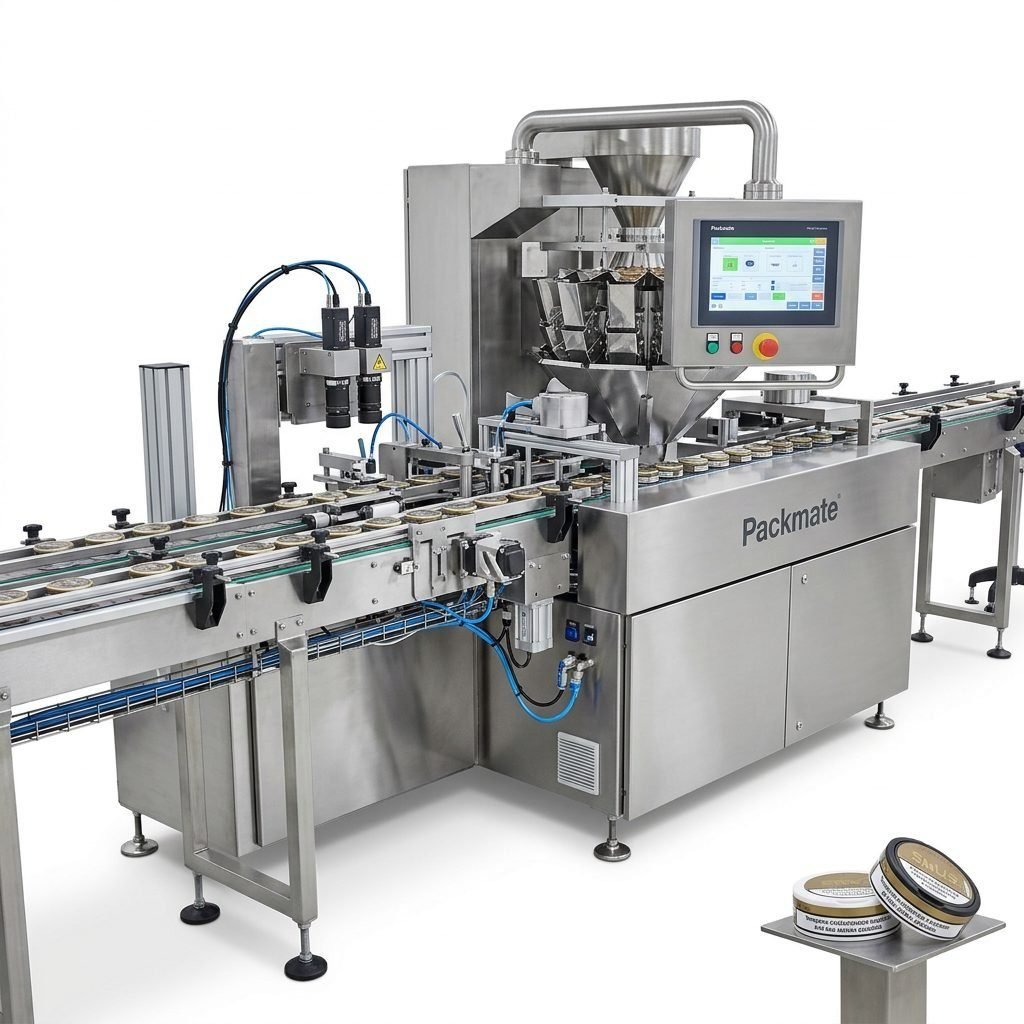
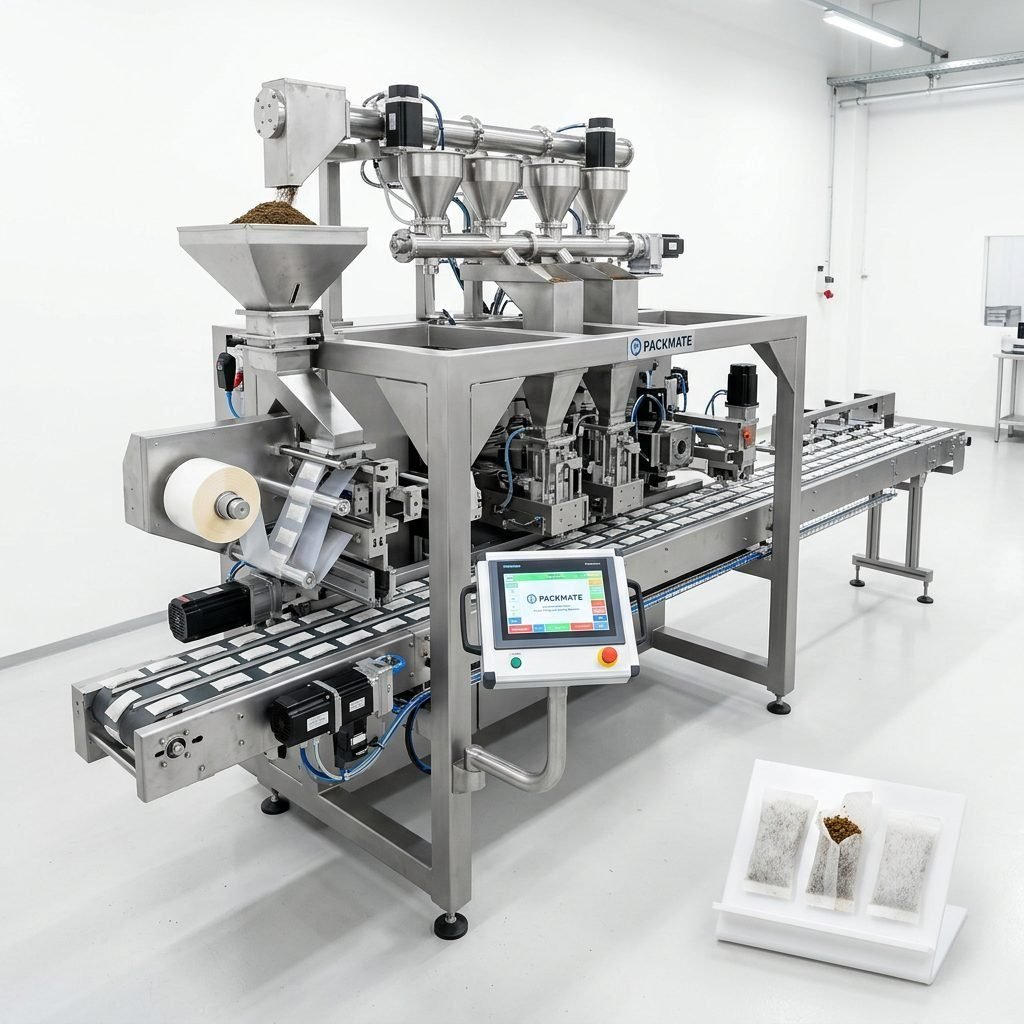
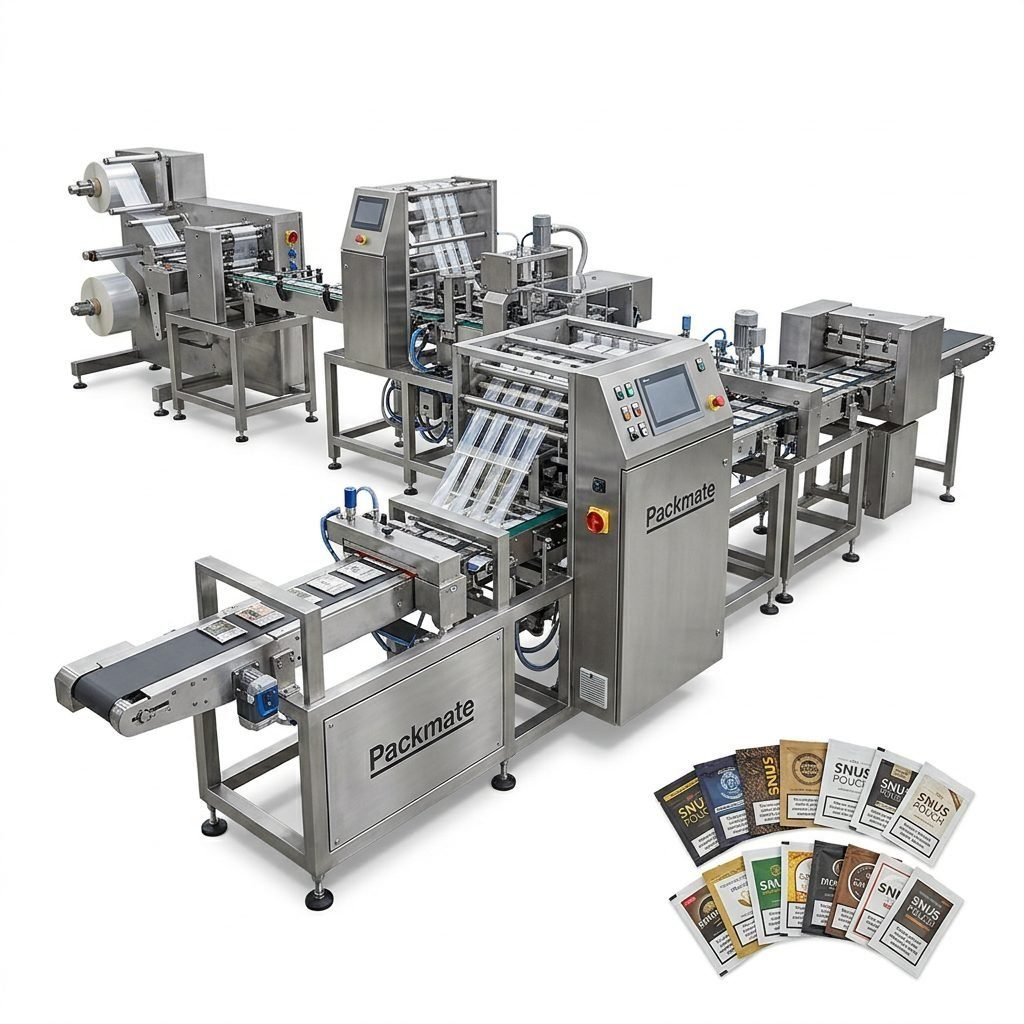
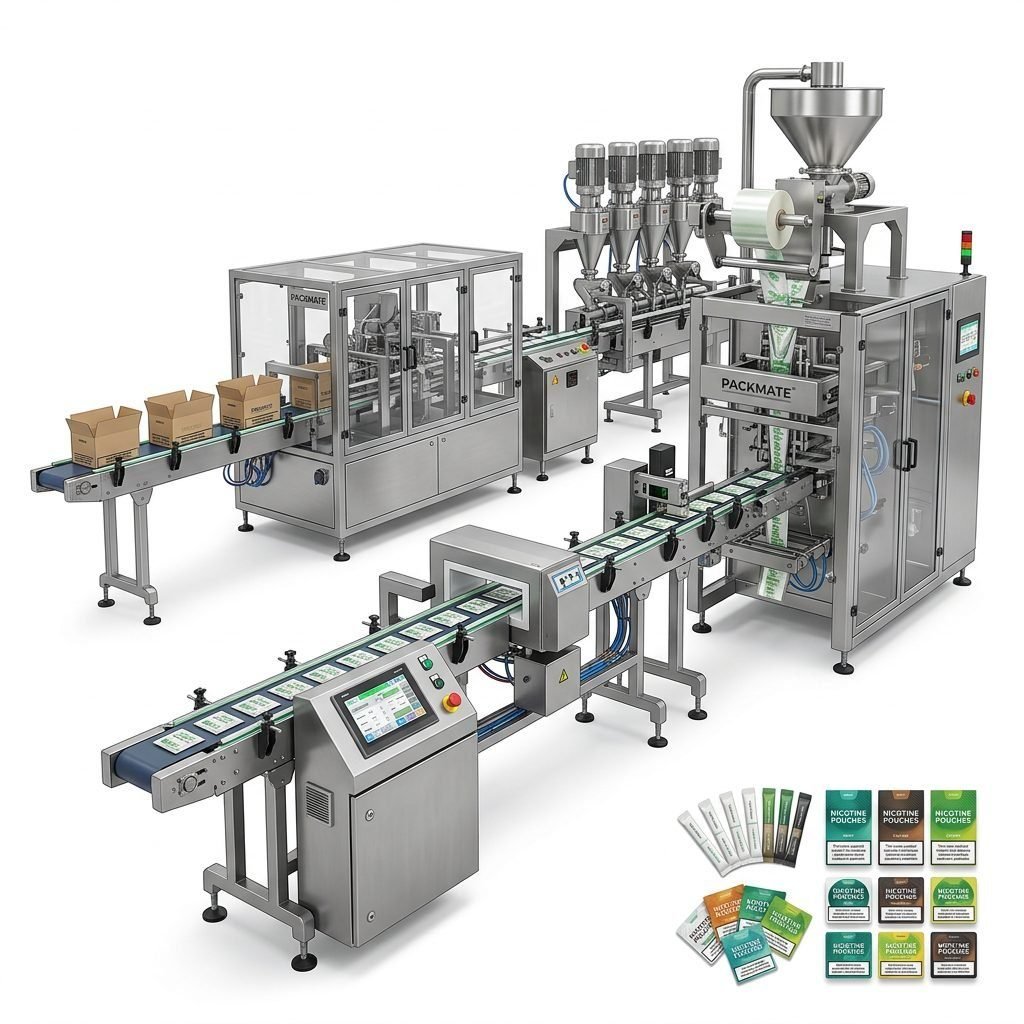
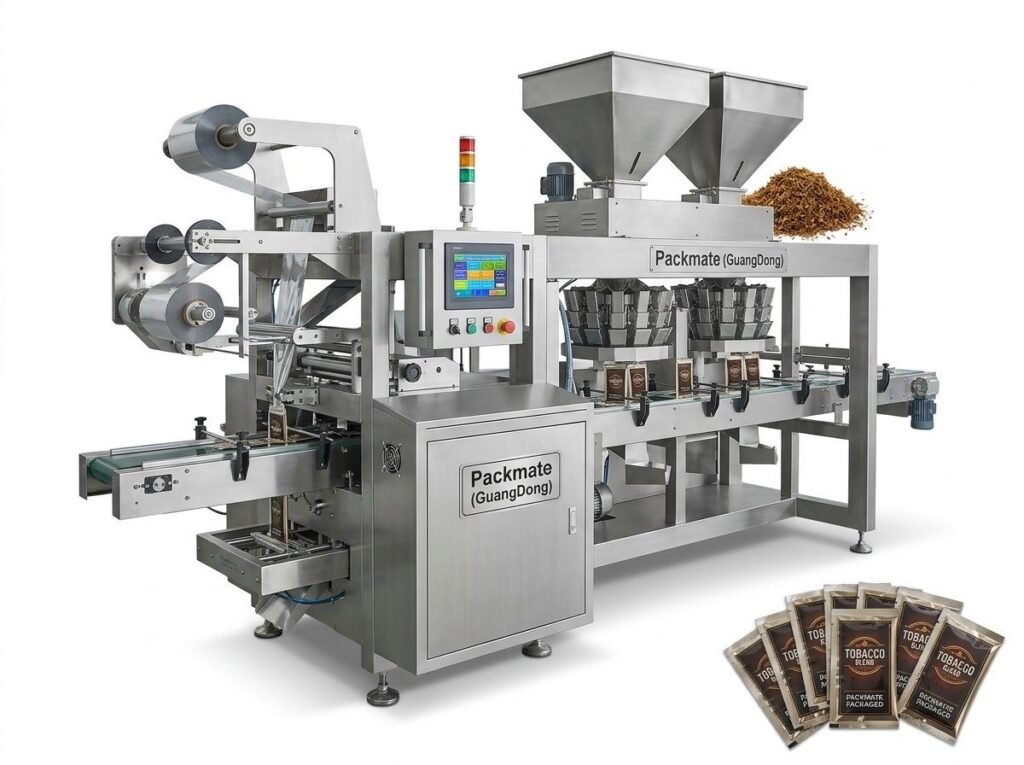
Manufacturers with comprehensive product ranges and turnkey expertise can often supply not just the packaging machine but also upstream filling, dosing, and downstream counting/boxing solutions. See examples of machine types here:
Snus & Nicotine Packaging Machines,
Sachet & Stick Pack Machines, and
Filling & Packaging Lines.
Check Factory Strength and Engineering Experience
A strong manufacturing footprint indicates reliability. Look for manufacturers who disclose:
- Facility size and equipment: Large factory area and advanced CNC/assembly centers reduce lead times and ensure precision.
- Years of R&D and product specialization: Experience in snus/nicotine pouch equipment shows the company understands dosing, sealing, and hygiene requirements.
- Product portfolio diversity: A wide model range (single-lane to multi-lane) means you can scale or change formats without switching suppliers.
For a manufacturer profile and factory overview, review their company information and exhibition history: About Packmate and Our Exhibition.
✔️ Proven track record: Choose a manufacturer that can share test runs, ISO/CE certificates, and case studies from similar international clients.
Cost, Lead Time, and Total Cost of Ownership
The purchase price is only one part of cost. Evaluate:
- Shipping and import duties: Bolivia’s import processes and port routing (Arica, Chile or ports in Brazil/Peru) can affect delivery timelines and costs.
- Installation and commissioning: Confirm if these services are included and if technicians will fly to Bolivia for setup.
- Training costs: On-site training in Spanish may carry additional fees but reduces long-term operational risk.
- Energy and maintenance: Consider machine power consumption, spare parts cost, and expected MTBF (mean time between failures).
Testing, Acceptance, and Warranties
Establish clear acceptance criteria and warranty terms before purchase:
- Factory acceptance testing (FAT) with your exact materials and pouch formats.
- Site acceptance testing (SAT) after installation in Bolivia to validate performance under local conditions.
- Warranty coverage, spare parts list, and response SLA for breakdowns—document these in the contract.
Ask the manufacturer for a documented service and warranty policy with commitments to parts availability and maximum response times.
Logistics, Installation, and Local Partnerships
Logistics in Bolivia can be challenging due to topography and border procedures. Plan:
- Transport from port to your plant: factor in road conditions and weight/height restrictions on Andean roads.
- Local customs clearance documentation: HS codes, certificates of origin, and commercial invoices should be ready to prevent delays.
- Partner with a local service provider: an authorized agent or local engineering firm can support installations, preventive maintenance, and spare parts stocking.
How to Run a Practical Supplier Evaluation
Follow a structured approach to compare manufacturers:
- List your core requirements: formats, capacity, number of shifts, and environmental constraints in Bolivia.
- Request proposals from 3–5 suppliers and include technical sheets, FAT videos, machine references, and pricing breakdowns.
- Ask for live demos or FAT videos using materials similar to your snus/nicotine pouch film and powder/leaf characteristics.
- Score each supplier on technology, support, commercial terms, and ability to meet Bolivian logistical needs.
- Visit a factory or meet machine owners in Latin America if possible—real-life references are invaluable.
⚠️ Warning: Avoid suppliers who cannot provide FAT evidence or refuse to share case studies—these are red flags for complex products like snus packaging lines.
Why Choose an Experienced Snus Machine Specialist
Manufacturers who specialize in snus and nicotine pouch equipment bring domain-specific knowledge about dosing small volumes, multi-lane synchronization, and hygienic design. Benefits include:
- Fewer trial-and-error cycles during commissioning.
- Better sealing solutions to maximize shelf life in humid markets.
- Access to tailored solutions like stick pack lines and sachet machines for diversification.
Review product lines and technical options from reputable suppliers to ensure their expertise aligns with your product strategy: Bag & Pouch Packaging Machines and Weighing & Packaging Systems.
Negotiating Contracts and Protecting Your Investment
When finalizing terms, ensure your contract includes:
- Clear acceptance testing criteria (FAT and SAT).
- Warranty specifics and spare parts commitments.
- Training scope (language, duration, and topics).
- Intellectual property and confidentiality for any custom tooling or recipes.
- Payment milestones tied to deliverables and successful commissioning.
Final Checklist Before You Buy
Use this compact checklist to validate your decision:
- Has the manufacturer demonstrated FAT runs with similar products?
- Are CE/ISO certificates and references available?
- Is there Spanish-language support and local service coverage?
- Can the machine be upgraded to multi-lane or increased speed?
- Are lead times, shipping, and installation clearly documented?
- Is spare parts availability and pricing transparent?
Getting Started with a Trusted Partner
For companies seeking both specialized snus machines and turnkey packaging lines, evaluate manufacturers who combine long engineering experience with robust manufacturing facilities. Check their case studies and contact details to arrange demonstrations: Case and Contact Us.
Conclusion
Selecting the best snus packaging machine manufacturer for Bolivia involves a mix of technical evaluation, practical logistics planning, and cultural understanding. Prioritize suppliers with demonstrable experience in snus and nicotine pouch technology, clear after-sales support in Spanish, and the ability to adapt equipment to Bolivia’s diverse climates and distribution channels. With the right partner, you can build a reliable, scalable packaging line that supports product quality and business growth across Bolivian markets.
Frequently Asked Questions
Q1: What are the typical lead times for snus packaging machines to Bolivia?
A: Lead times vary by model and customization, but a typical delivery timeframe can range from 8 to 16 weeks from order confirmation. Shipping and customs clearance to Bolivia add additional time—plan for extra buffer to account for documentation and inland transport.
Q2: Do I need special power or utilities for these machines in Bolivia?
A: Most industrial packaging machines require stable three-phase power and possibly compressed air. In high-altitude cities, ensure voltage stabilization and consult the manufacturer about motor derating. Consider backup power if supply is unreliable in your area.
Q3: How important is factory acceptance testing (FAT)?
A: FAT is critical. It verifies machine performance using your materials and targets before shipment. Insist on recorded FAT evidence and detailed test reports—this reduces the risk of surprises during on-site commissioning in Bolivia.
Q4: Can I get training and manuals in Spanish?
A: Reputable manufacturers provide Spanish-language documentation and on-site training. Confirm language support during negotiations and request trainer qualifications to ensure effective knowledge transfer to your Bolivian team.
Q5: Are multi-lane systems suitable for small Bolivian producers?
A: Yes. Multi-lane systems increase throughput while keeping footprint relatively compact. They are ideal for producers aiming to scale quickly or enter multiple retail channels. However, initial complexity and maintenance needs are higher—ensure adequate training and spare parts plans are in place.
For more detailed equipment specifications, spare parts, and service options, visit the manufacturer’s product pages and contact their team for tailored recommendations.