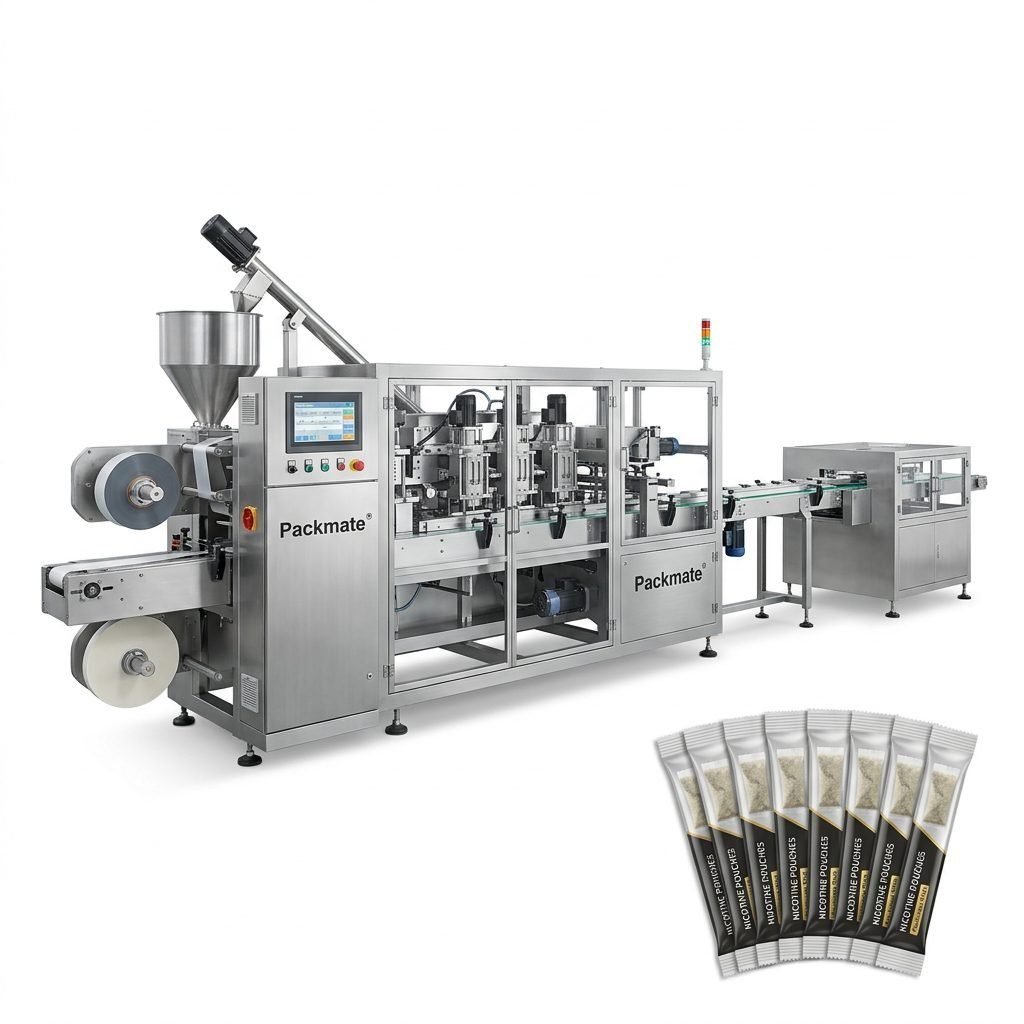
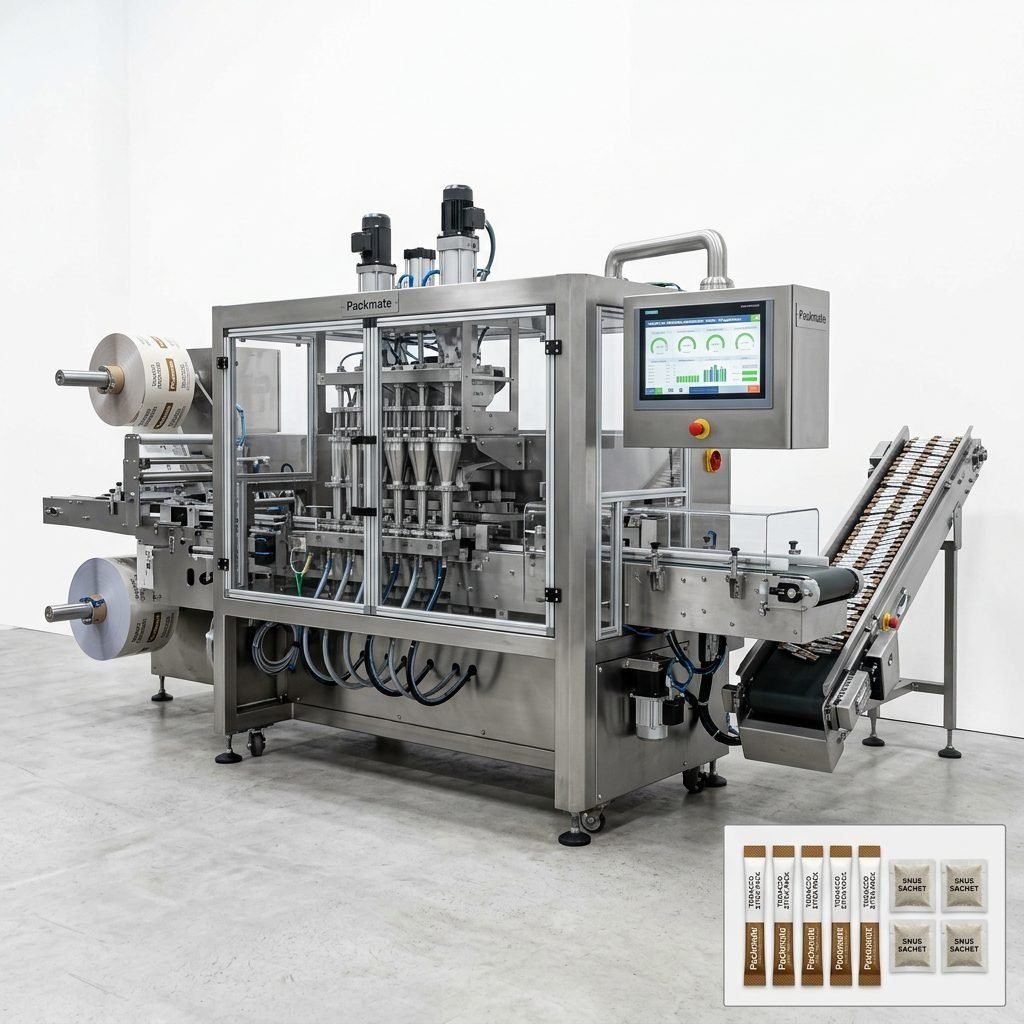
Finding a reliable snus packaging machinery supplier in the Middle East requires a mix of technical due diligence, cultural understanding, and practical logistics planning. This buyer’s guide walks you through the evaluation process, shows what questions to ask, and highlights regional considerations so you can source stable, compliant, and high-return packaging equipment for nicotine pouches, snus, and related products.
Why supplier reliability matters in the Middle East
The Middle East market is diverse: the Gulf Cooperation Council (GCC), Levant, and North Africa each have distinct regulatory frameworks, trade practices, and consumer behaviors. A reliable supplier helps you navigate:
🔍 Regulatory compliance — import rules, nicotine/tobacco restrictions, and labeling requirements vary across countries. A trustworthy vendor will advise on certifications and paperwork.
📦 Supply chain resilience — long lead times, port schedules, and customs clearance in the region demand accurate ETAs and reliable logistics partners.
🛠️ After-sales service — proximity of spare parts, remote support options, and on-site training are vital for minimizing downtime in markets where technical teams may be limited.
Quick snapshot: What to expect from a top-tier snus machine supplier
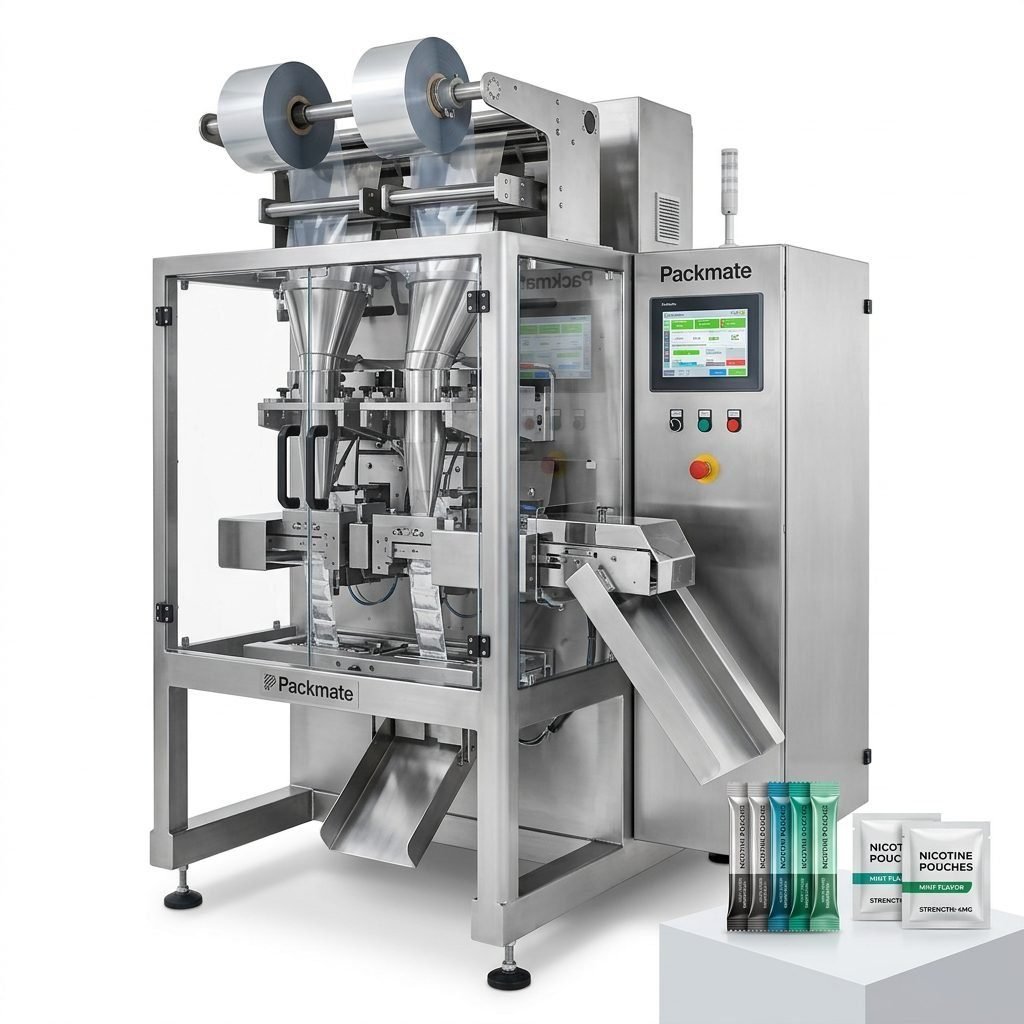
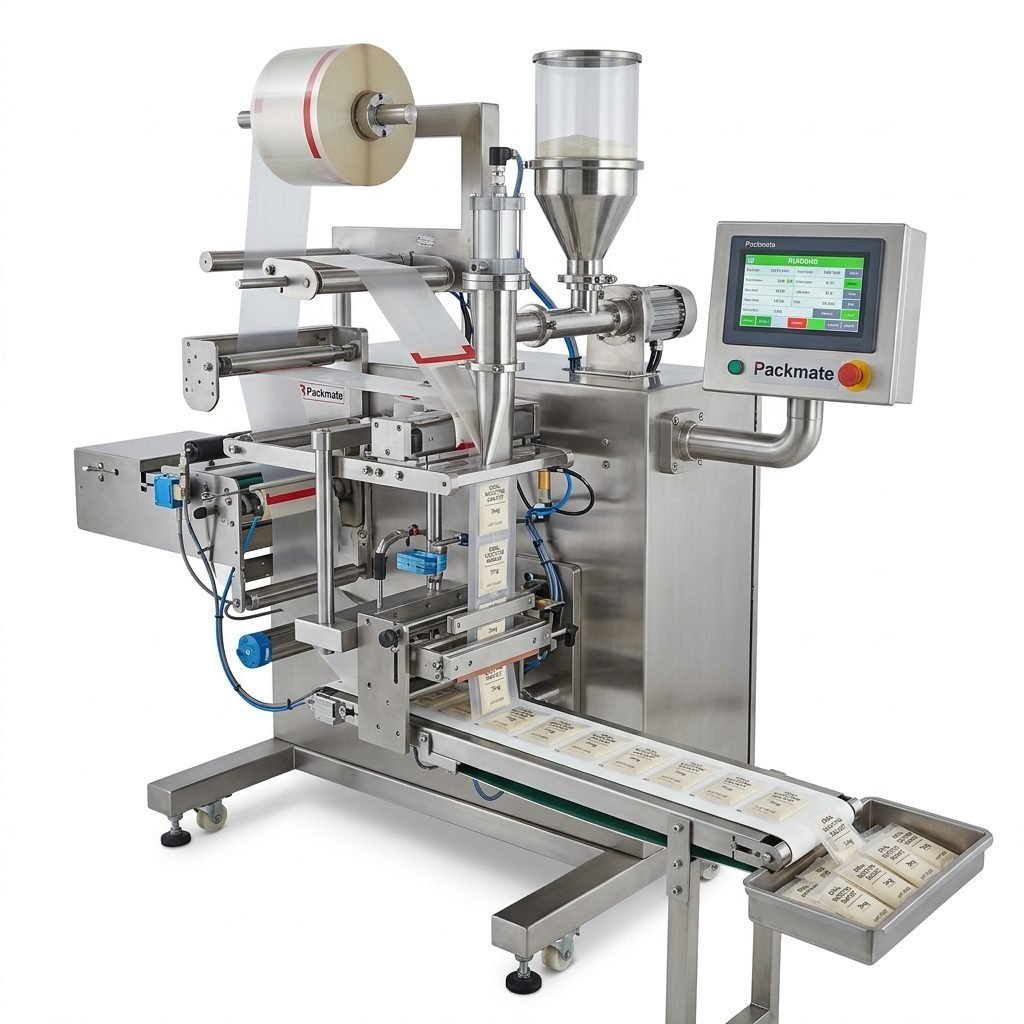
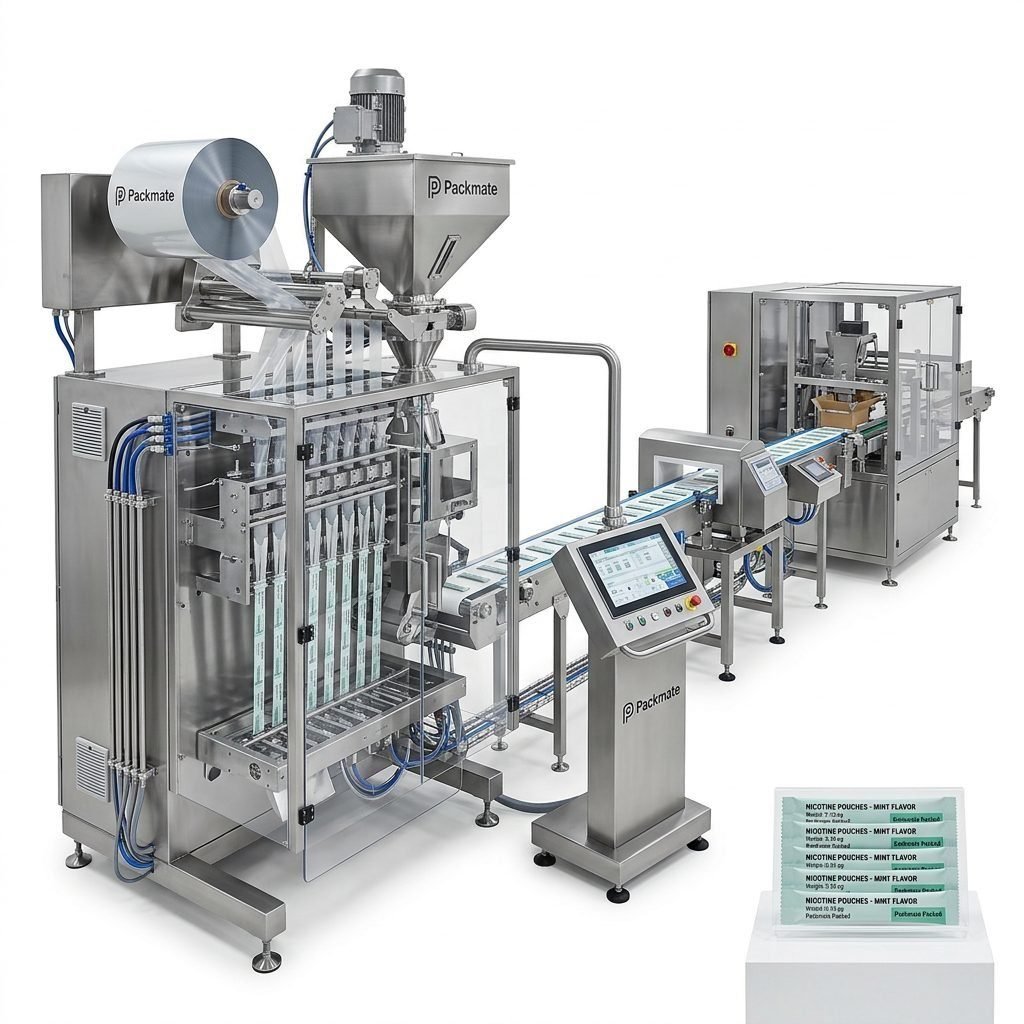
✅ Decades of engineering experience and a range of tested models (stick pack, sachet, multi-lane systems)
✅ Clear documentation: CE/ISO certificates, operation manuals, spare parts lists
✅ Demonstrated global installations and trade show presence for validation and product demos
Step-by-step supplier evaluation checklist
Use this checklist when contacting potential manufacturers and integrators. Each item helps you reduce risk and make a sound investment.
1. Company credentials and track record
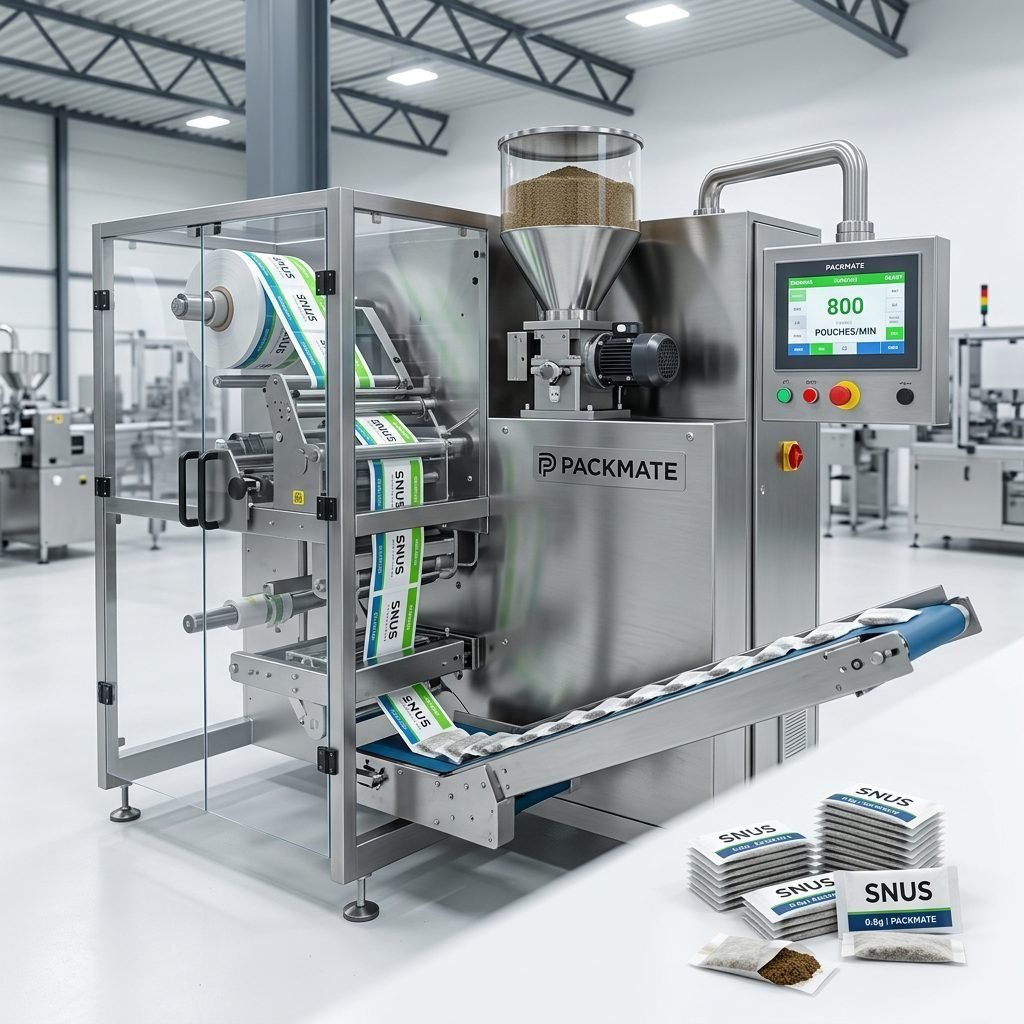
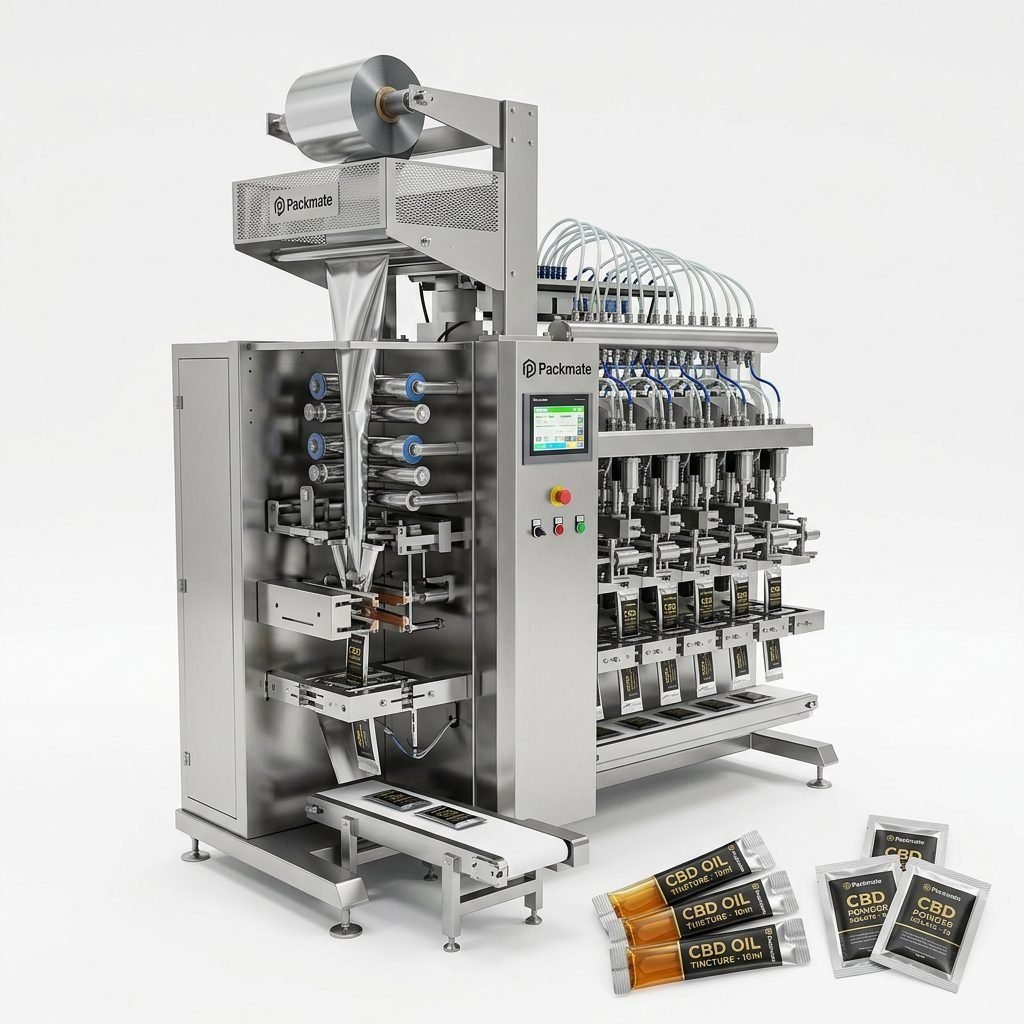
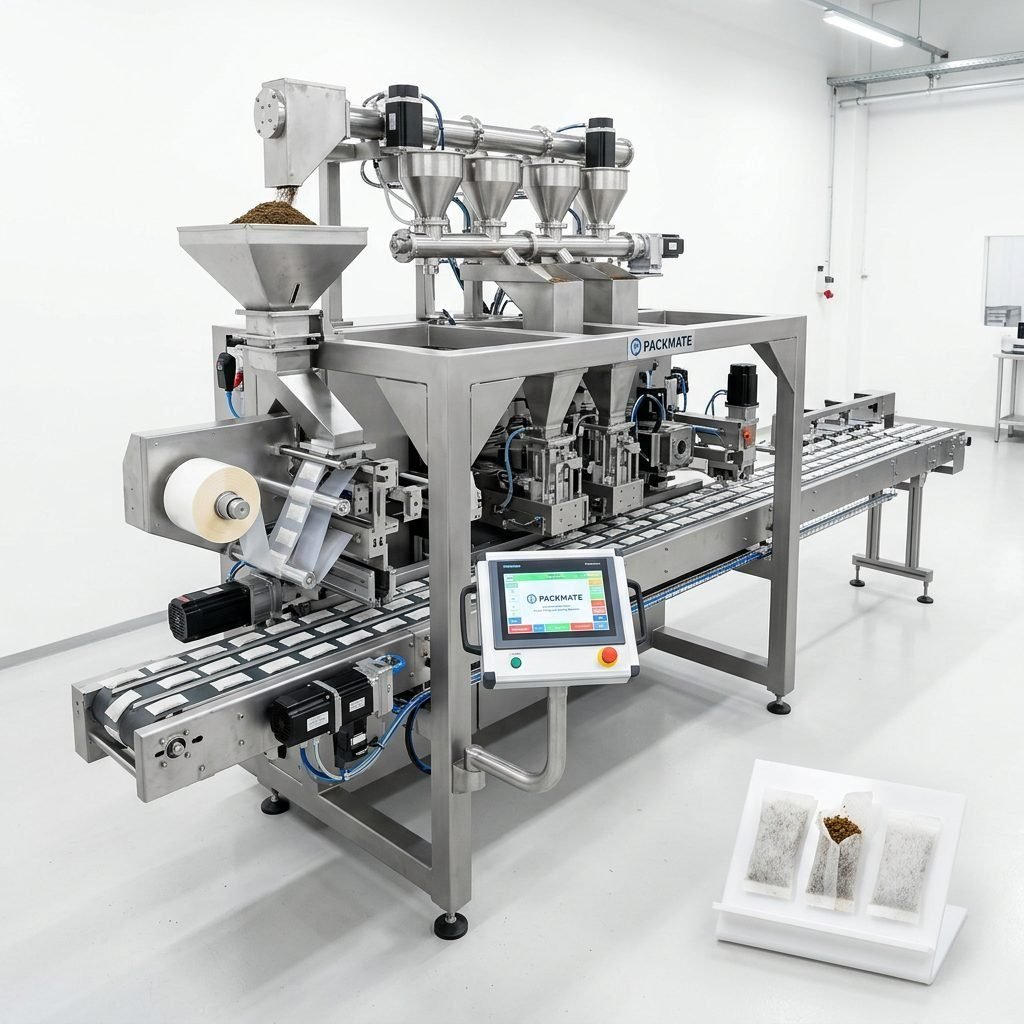
Ask for company history, factory size, and the number of installed units. Reliable suppliers often highlight facts such as “30+ years industry experience,” many machine models, a sizable factory area, and global turnkey projects. Check their About page and case studies to confirm geography and product fit; for example, you can review product ranges like Snus & Nicotine Packaging Machines and Sachet & Stick Pack Machines.
2. Factory capabilities and quality control
Confirm the supplier’s manufacturing footprint (CNC centers, assembly lines, testing labs). Verify they perform end-to-end QC and can provide certificates like CE/ISO. Ask for video walkthroughs or invite them to present at a local trade event. Suppliers with a 20,000㎡ facility and advanced machining systems are typically able to offer consistent quality.
3. Product range and technical fit
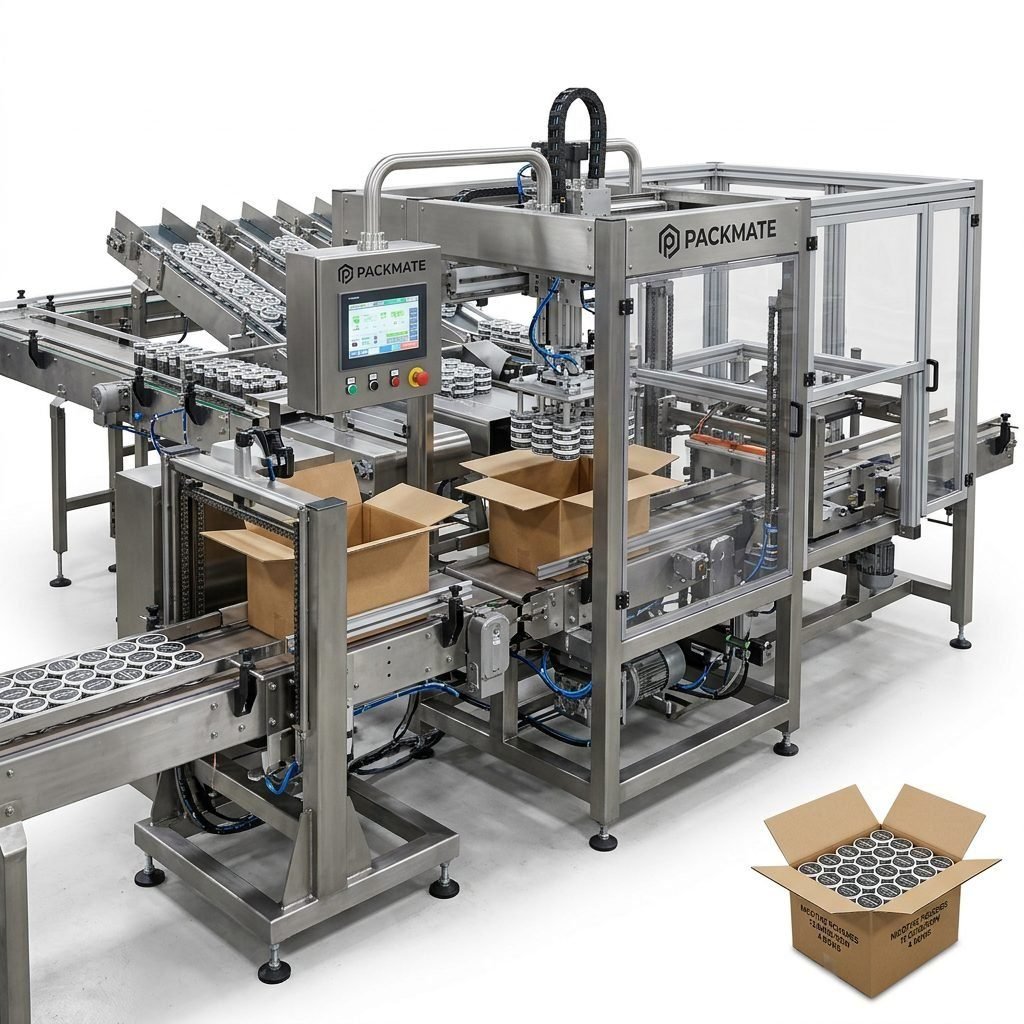
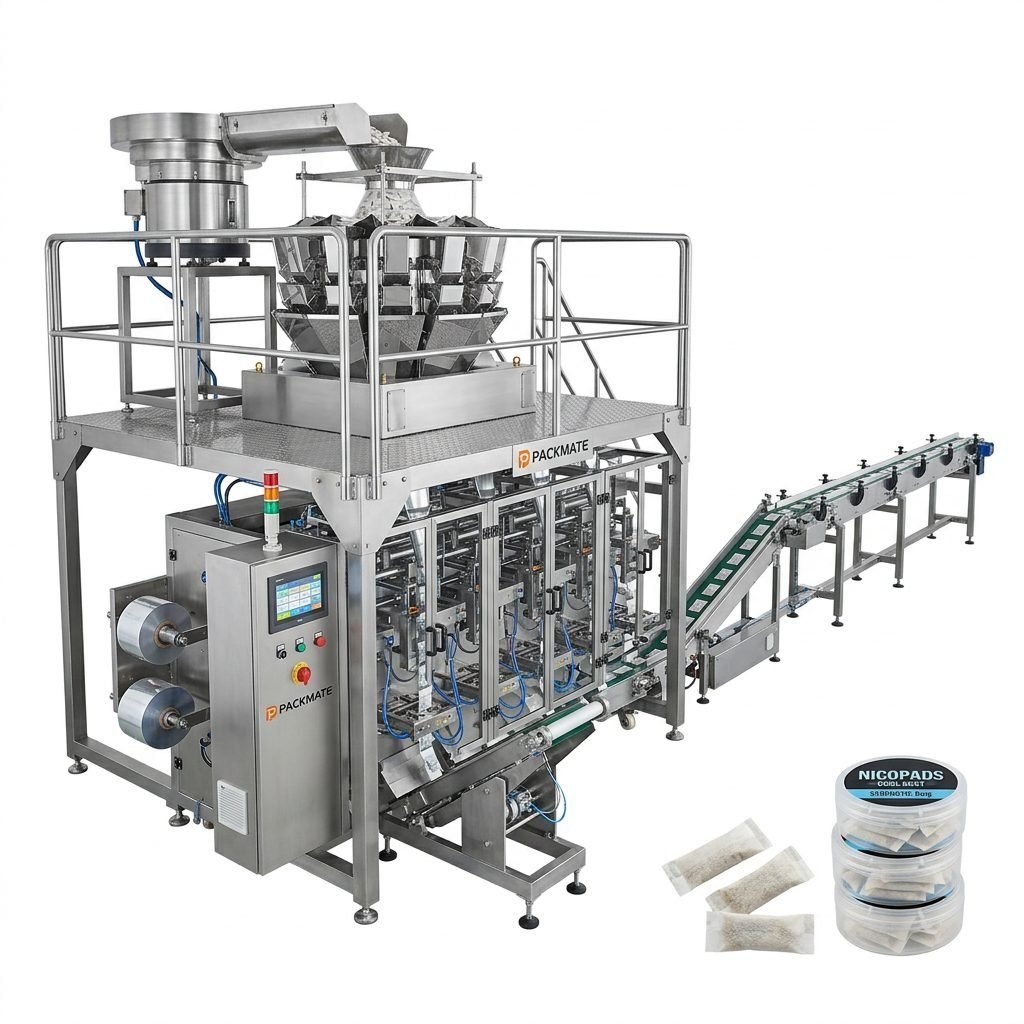
Match machine capabilities to your production targets: lanes, speed, pouch formats, dosing accuracy, and material compatibility (powder, granule, liquid). Check product pages such as Filling & Packaging Lines and Weighing & Packaging Systems to see standard configurations and auxiliary equipment.
4. Customization and turnkey capability
If you need multi-lane solutions, special dosing, or integration into an existing line, confirm the supplier’s customization scope. Turnkey providers will coordinate filling, packaging, conveyors, and control systems to deliver a ready-to-run production line.
5. Testing, samples, and FAT (Factory Acceptance Test)
A credible supplier will offer machine samples, production trials, and a formal FAT. Demand filmed trials with your exact formulation and packaging material. Reference customer cases or live demos at exhibitions — many manufacturers showcase at events; check their Our Exhibition page for recent appearances.
Practical questions to ask before you sign
📌 Can you provide a full list of installed references in the Middle East or similar markets?
📌 What are the lead time, payment terms, and warranty coverage?
📌 Do you offer on-site commissioning and operator training in our region?
📌 How quickly can spare parts be shipped, and is there a local agent or distributor?
Regional logistics, customs and regulatory tips
The Middle East is split between countries with heavy regulation and those with business-friendly import regimes. Consider:
⚠️ Country-by-country import rules: The GCC (Saudi Arabia, UAE, Qatar, Kuwait, Bahrain, Oman) has specific customs protocols and sometimes higher scrutiny for nicotine products. Non-GCC countries may have different duties and labelling requirements. Confirm with a local customs broker.
🧾 Documentation: Commercial invoice, packing list, certificate of origin, CE/ISO certificates, and machine manuals are commonly requested. Ensure your supplier provides complete documentation for clearance.
🚚 Freight & installation: For heavy packaging lines, discuss CIF vs EXW vs DDP terms. DDP reduces clearance risk but may cost more. For local installation, coordinate with an experienced integrator who understands site power, compressed air, and safety standards.
Cultural and business practice considerations in the Middle East
Building trust is crucial. In many Middle Eastern markets, long-term relationships, face-to-face meetings, and transparent communication lead to smoother negotiations and lasting partnerships.
🤝 Business relationships: Local partners appreciate reliable timelines and consistent follow-ups. Consider meetings during major trade shows or invite suppliers to nearby regional offices.
📅 Timing and scheduling: Respecting local holidays and prayer times can improve rapport. Allow time for approvals and internal reviews—decisions may be relationship-driven rather than only price-driven.
Evaluating technical performance and ROI
Analyze machine TCO (total cost of ownership), not just purchase price.
📈 Key metrics: throughput (pouches/min per lane), yield, downtime rate, changeover time, and parts replacement intervals. Ask suppliers for MTBF (mean time between failures) and MTTR (mean time to repair) data.
💡 Energy and utilities: Understand compressed air, power supply, and water requirements. High-efficiency machines reduce operating costs in regions with high energy prices.
After-sales support: training, spare parts, and service
After-sales support is often the deciding factor for long-term satisfaction. Prioritize suppliers who offer:
🔧 Quick spare parts availability — ideally local stock or expedited shipping options.
🎓 Operator training and manuals — multilingual manuals and training sessions tailored to your staff will reduce errors and improve uptime.
📞 Remote support capability — remote diagnostics, video troubleshooting, and PLC/HMI remote access shorten resolution time. Check whether the supplier has a specific service page for support; for example, visit their Service section.
Inspection, FAT and acceptance criteria
Define acceptance criteria early. A clear FAT reduces disputes at installation:
– Run the machine with your actual product and packaging materials.
– Validate speed, accuracy, seal quality, and reject rates.
– Confirm electrical and mechanical documentation, spare parts list, and maintenance schedule.
How to shortlist suppliers quickly
Follow a practical three-step shortlist approach:
1) Technical fit: does the machine meet lane, speed and dosing requirements?
2) Documentation & compliance: are certificates and FAT reports available?
3) Service footprint: is there reliable after-sales support and parts availability in your region?
Practical negotiation and contract tips
Protect your investment with clear contractual terms:
– Specify warranty period, spare parts lead times, and response times for technical support.
– Define acceptance tests and remedies for under-performance.
– Agree on training scope, language, and documentation delivery schedules.
Local partnerships and distributors
Working with a local agent or regional distributor eases customs, installation, and local language barriers. Verify distributor authorization with the manufacturer and review their local references. Check manufacturer case studies and references on pages such as Case to validate previous deployments.
Final practical checklist before placing an order
🔎 Confirm FAT and sample results with your product.
🔎 Ensure CE/ISO or other required certificates are available and authentic.
🔎 Agree on spare parts kit, tools, and initial consumables.
🔎 Lock-in lead times, payment terms, and after-sales KPIs in the contract.
Useful manufacturer resources
Reputable suppliers provide clear product catalogs, technical brochures, and support pages. Explore product families such as Bag & Pouch Packaging Machines, auxiliary equipment at Auxiliary Packaging Equipment, and consult their FAQs for practical operational answers.
Conclusion and next steps
Selecting the right snus packaging machinery supplier in the Middle East blends technical validation with regional know-how. Prioritize suppliers that demonstrate strong engineering experience, transparent testing, local market knowledge, and reliable after-sales service. Start by narrowing candidates through technical fit and FAT readiness, verify documentation, and finalize contracts with clear warranty and support clauses. Reach out to trusted manufacturers and request samples, factory tours (virtual or in-person), and reference checks to ensure a smooth commissioning and long-term partnership.
Frequently Asked Questions
Q: How do I check whether a snus machine supplier can meet Middle East regulations?
A: Request copies of CE/ISO certificates, ask for documentation used in previous shipments to the region, and consult a local customs broker to confirm specific import requirements for nicotine products.
Q: What is the typical lead time for customized multi-lane snus packaging lines?
A: Lead times vary by customization level, but expect several weeks to a few months. Confirm production schedules, component lead times, and FAT dates in your purchase agreement.
Q: Should I insist on an on-site FAT or is video demonstration enough?
A: Whenever possible, request a formal FAT with live runs using your product. If travel is not feasible, arrange a detailed filmed FAT with live streaming and documented acceptance criteria.
Q: How important is local spare parts stock?
A: Very important. Local or regional spare parts stock reduces downtime. Verify parts lead times and consider stocking critical consumables locally post-installation.
Q: Where can I find more information about a supplier’s company background and catalog?
A: Visit the manufacturer’s about and catalog pages for company background, certifications, and machine lists; for example review About Packmate and their Catalog.