Choosing the right snus packaging machinery in Cabo Verde requires a careful balance of technical performance, regulatory awareness, and an understanding of local market dynamics. Whether you’re a startup launching nicotine pouches in Praia or an established distributor serving tourists on Sal and Boa Vista, the right equipment can determine product quality, operational efficiency, and long-term growth. This guide walks you through practical steps, key considerations, and actionable tips to select the most suitable snus packaging solution for your business in Cabo Verde.
🔍 Understand the Cabo Verde Market and Local Preferences
Cabo Verde is a compact island nation with a diverse mix of local consumers and seasonal tourists. Portuguese is the official language, and trade links with Portugal and other European countries are strong. Local customs favor compact retail formats and portable goods due to tourism and island logistics. For snus and nicotine pouches, consider:
• Small-batch varieties and tourist-oriented single-use formats sell well during high season.
• Packaging that emphasizes portability, clear labeling in Portuguese, and attractive tourist-friendly designs often performs better.
• Distribution channels include duty-free shops, local kiosks, cafés, and bars—so flexible packaging sizes and shelf-ready formats are valuable.
⚖️ Regulatory & Cultural Considerations
Cabo Verde adheres to international import and safety norms and often aligns procedures with its European partners. When evaluating machinery, prioritize equipment that supports compliant labeling and batch traceability. Also, be sensitive to local cultural norms—clear labeling and discreet, well-designed packaging helps avoid negative perceptions and aligns with tourist expectations.
⚙️ Technical Criteria: What Your Machine Must Deliver
Selecting machinery is primarily about matching capabilities to product attributes. Here are the technical criteria to prioritize:
• Filling Accuracy & Yield: High precision is essential for nicotine pouches where dosing tolerance is tight.
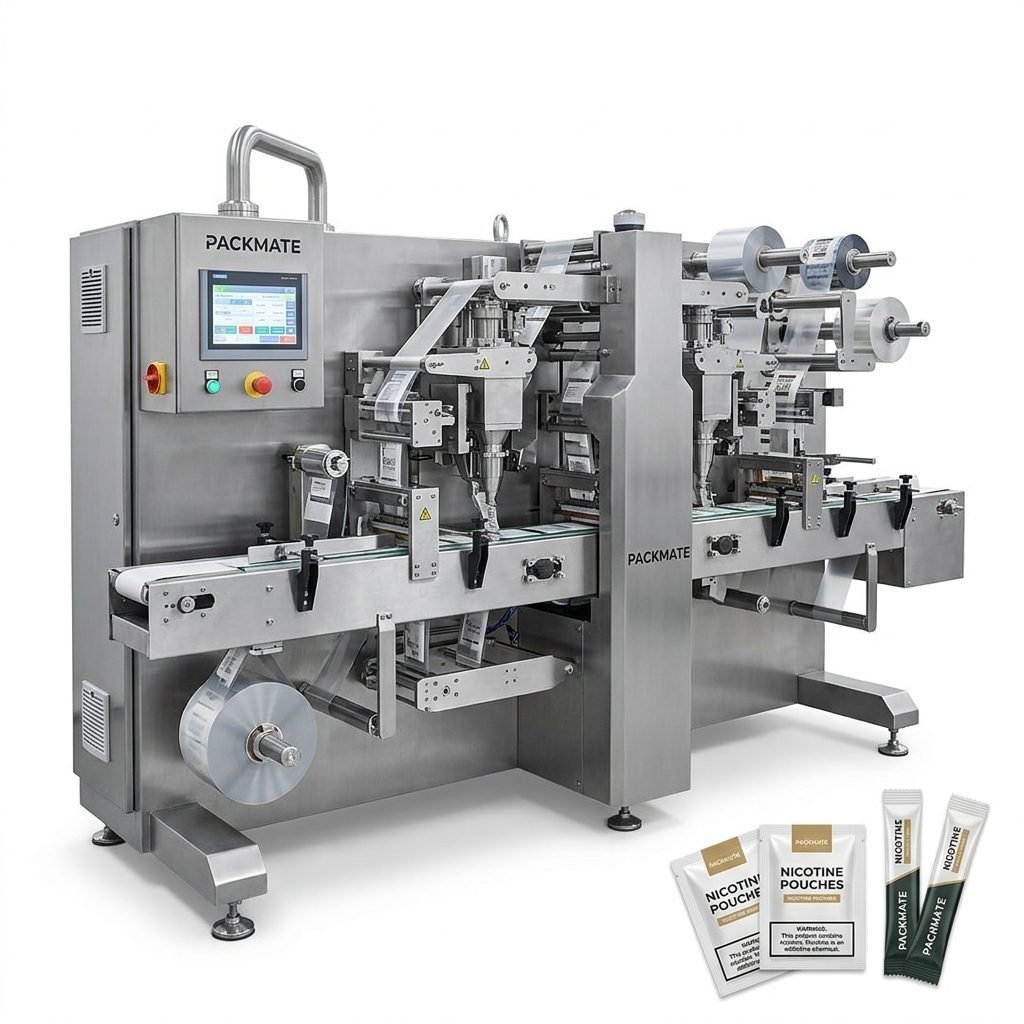
• Speed vs. Flexibility: If you plan multiple SKUs, choose multi-format machines that can handle sachets, stick packs, and small pouches without lengthy changeovers.
• Footprint & Energy Use: Island facilities often have limited floor space and power constraints—compact, energy-efficient systems reduce operating costs.
• Sanitation & Maintenance: Choose machines with easy-to-clean surfaces and modular parts to minimize downtime—especially important where technical service may take longer to schedule.
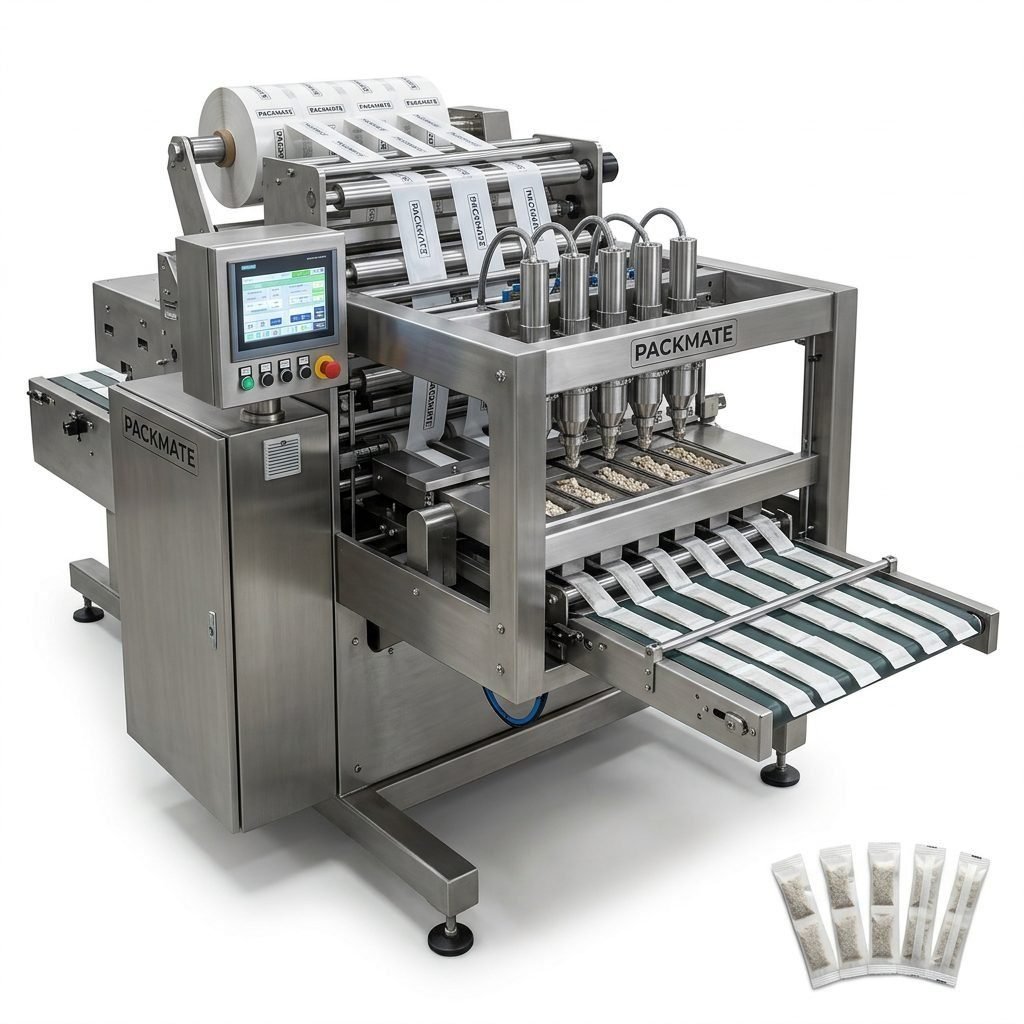
📌 Tip: For Cabo Verde operations, a compact multi-lane snus machine that supports quick lane adjustments can combine high output with space efficiency—ideal if you serve both local shops and seasonal tourist demand.
📦 Packaging Formats & Consumer Appeal
The right format influences shelf impact and logistics. Consider offering:
• Single-dose sachets or stick packs for tourist-friendly sampling.
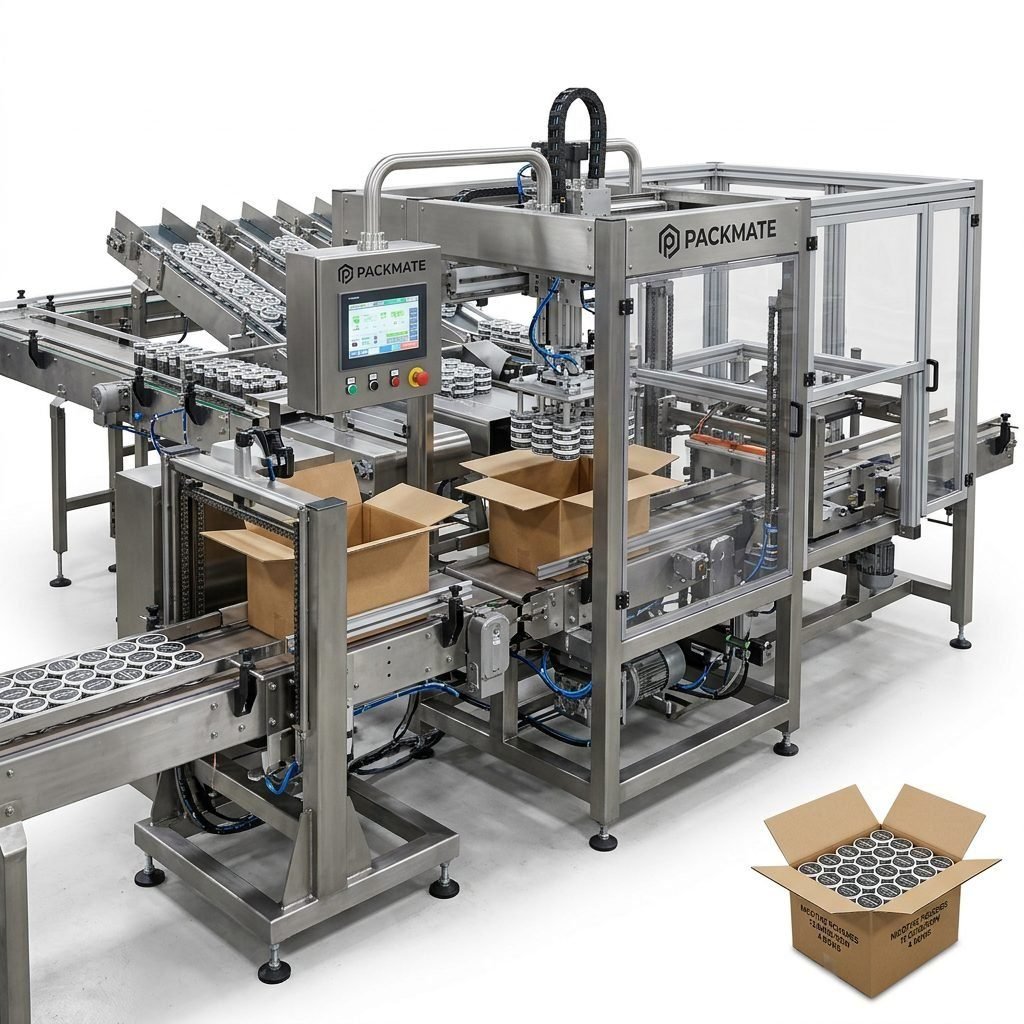
• Small tins or compact pouches in Portuguese-labeled designs for local retail continuity.
• Multipacks for duty-free or resort gift items that reflect Cape Verdean motifs and durable travel packaging.
🔧 Choosing Between Machine Types
Manufacturers offer several snus packaging lines. Your choice depends on batch size, product type, and growth plans:
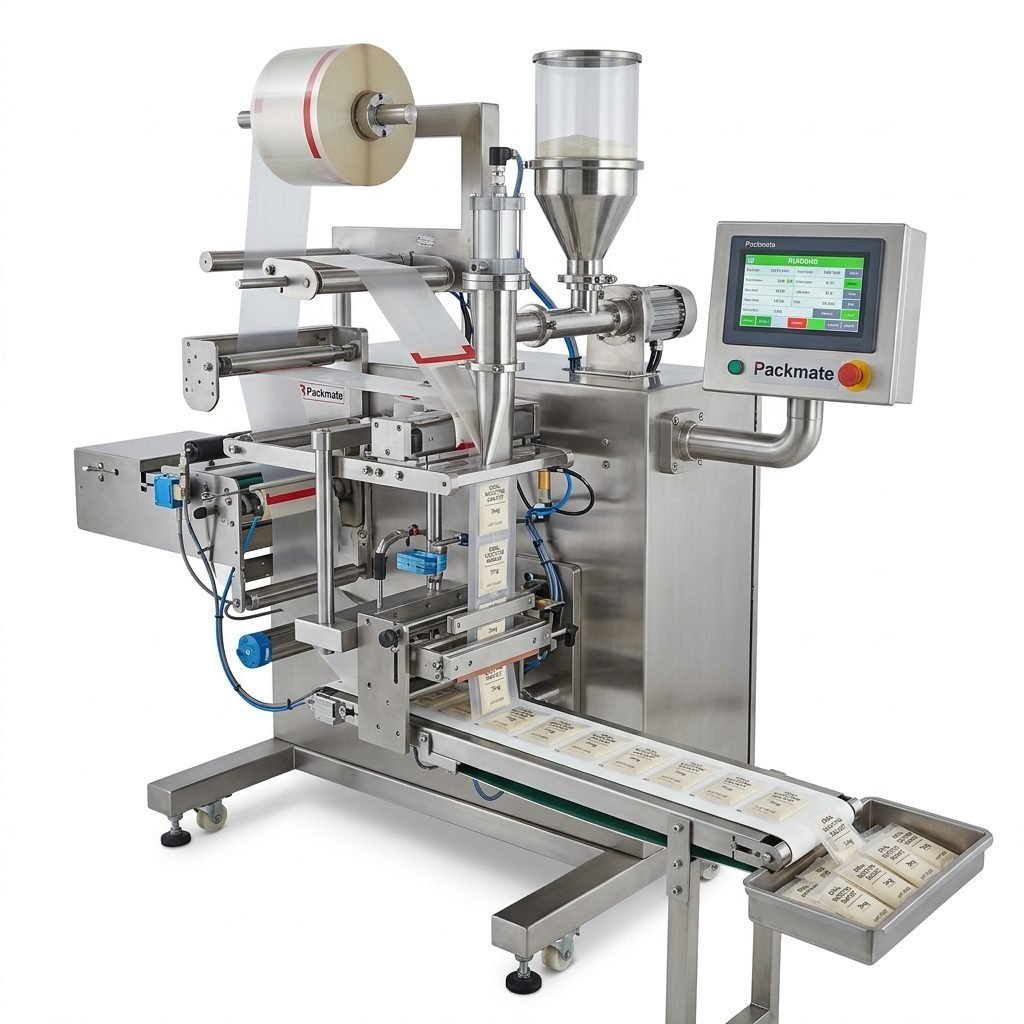
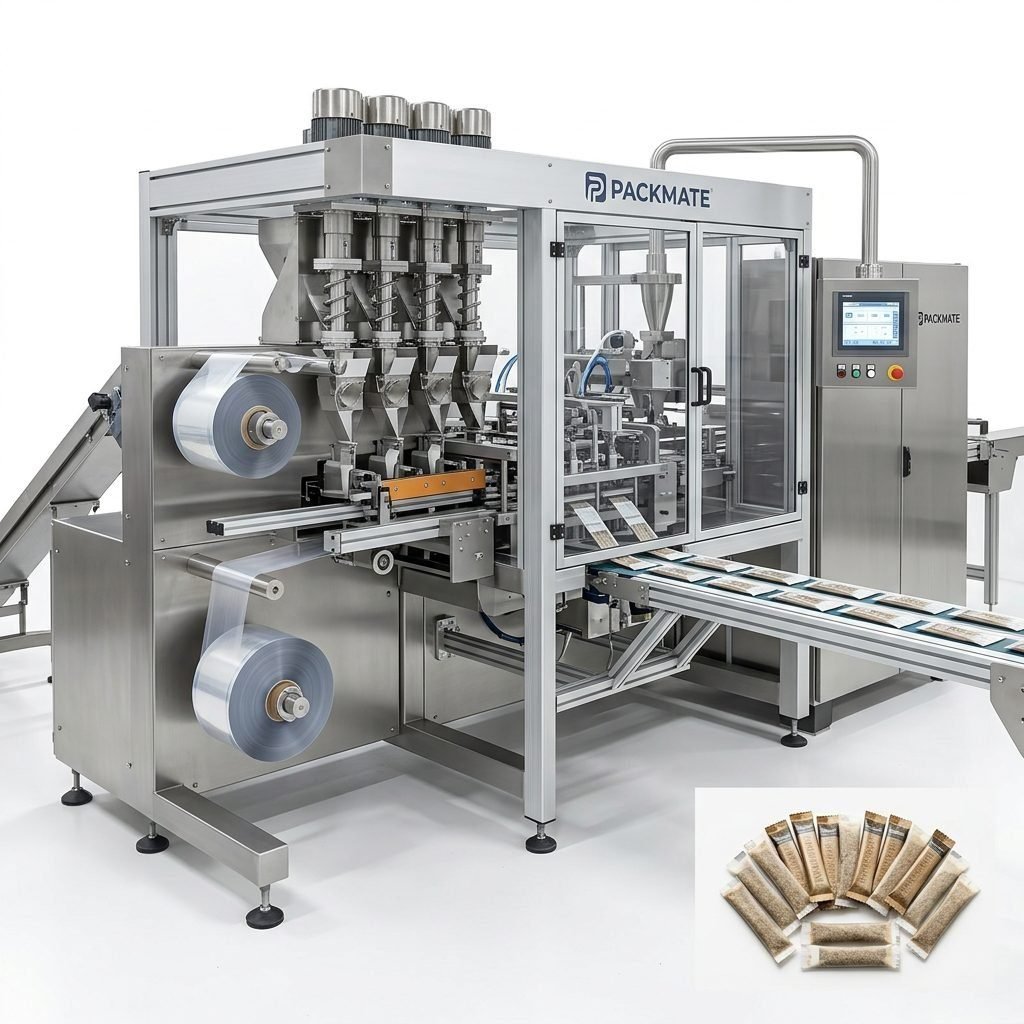
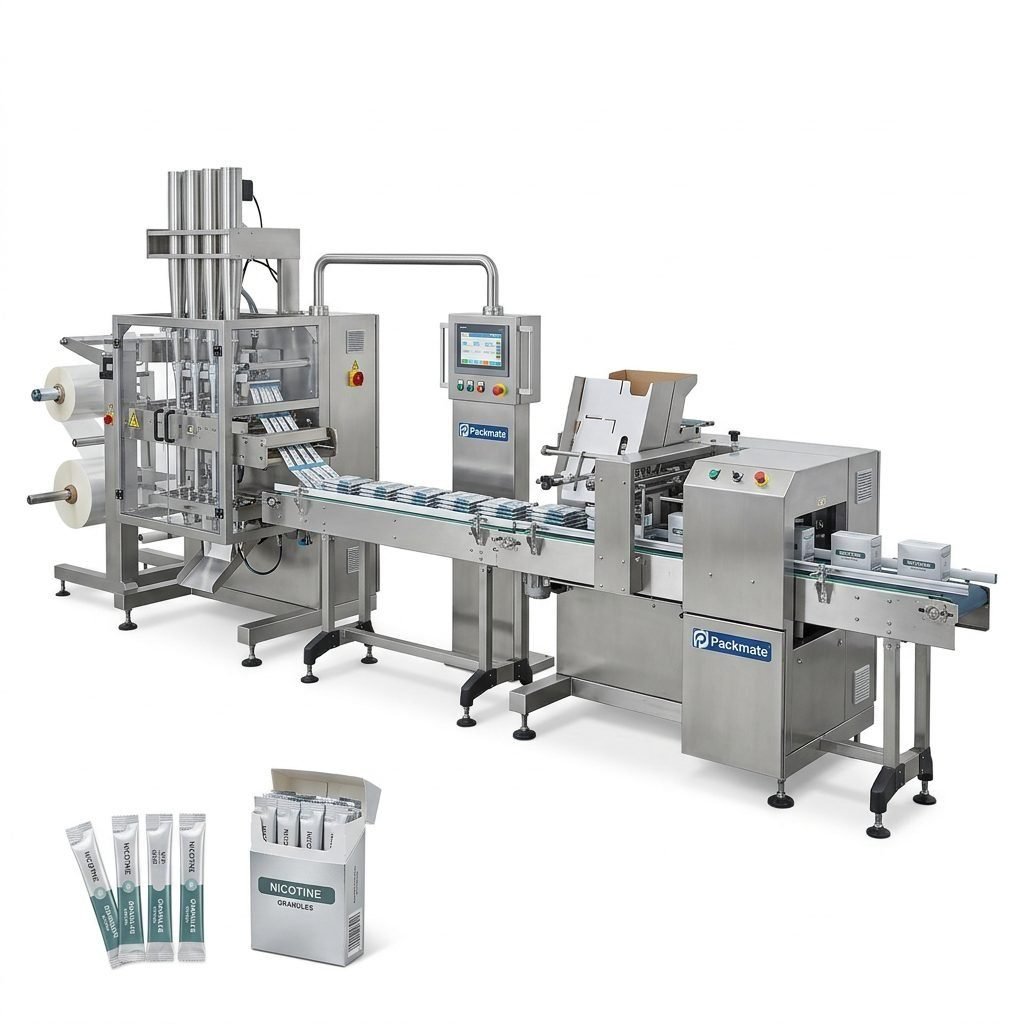
• Stick Pack Machines: Great for long, narrow samples and single-dose convenience. Fast and efficient for tourist markets.
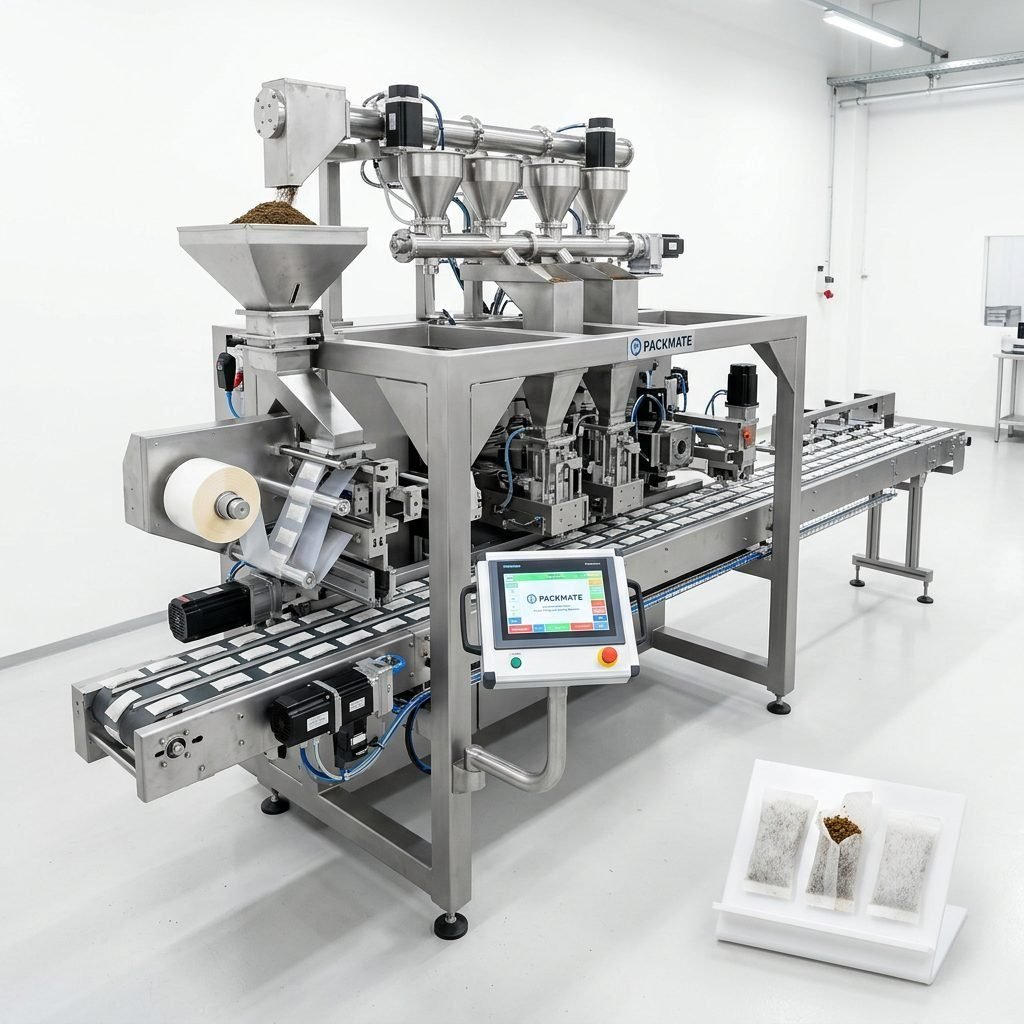
• Sachet & Pouch Machines: Offer versatile pouch sizes and are suitable for both retail and travel-friendly offerings. Ideal for varied SKUs.
• Multi-lane Systems: Best for scaling to moderate or high volume without expanding floor space—consider if you foresee growth or exports to neighbouring West African markets.
For technical specifications and examples of each type, explore product portfolios like Snus & Nicotine Packaging Machines and Sachet & Stick Pack Machines.
💡 Operational Considerations for Island Logistics
Cabo Verde’s geography presents unique logistical challenges. When selecting machinery, consider:
• Shipping & Import: Machines should be robust enough to survive sea freight. Choose manufacturers who can provide secure packing and clear import documentation.
• Spare Parts Availability: Minimize downtime by selecting brands that offer fast global spare parts shipping or local stocking options.
• Remote Support & Training: Suppliers with strong remote support (video guidance, multilingual manuals) help bridge service gaps across islands.
✅ Practical: Ask a prospective supplier for a “packing plan” that calculates crate size, estimated shipping cost, and recommended spare part kits for island deployment.
🔁 Flexibility & Future-Proofing
Markets evolve—so should your equipment. Prioritize modular machines that support:
• Quick changeovers between flavors and pouch sizes.
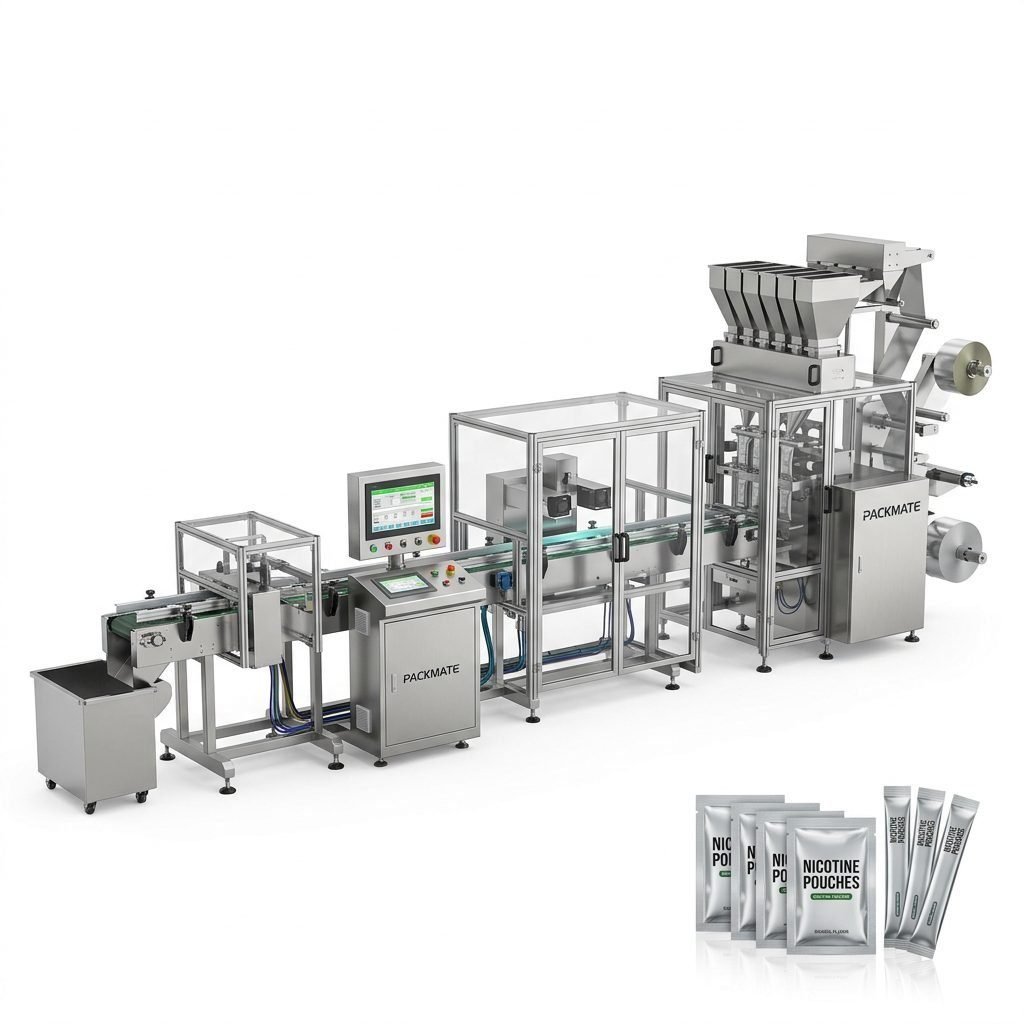
• Easy integration of auxiliary equipment such as weighing systems, carton erectors, or labeling units.
• Firmware updates and scalable control systems for automation upgrades.
You can review complementary solutions like Weighing & Packaging Systems and Auxiliary Packaging Equipment to plan a complete line that adapts as your business grows.
📊 Cost Assessment: More Than Just Purchase Price
Evaluate total cost of ownership (TCO), not only the initial capital outlay. TCO includes maintenance, energy consumption, spare parts, operator training, and expected lifespan. For island operations, freight and customs fees also become part of TCO.
📌 Budgeting Tip: Secure a service and spare-parts agreement from your supplier. This reduces unexpected downtime costs and is often worth the upfront investment.
🧩 Supplier Selection: What to Ask Prospective Vendors
When comparing suppliers, request clear information on:
• Performance data (cycle rates, accuracy figures) validated by references.
• Installation, training, and commissioning support for remote locations.
• Certification and compliance documents (CE, ISO) for export and regulatory acceptance.
• Case studies from similar island or export-focused customers—reviewing real-world examples helps set expectations; see supplier case pages such as Case.
📞 After-Sales & Local Partnership
A reliable after-sales arrangement is crucial. Look for:
• Fast response times and remote diagnostic capabilities.
• Training for local technicians in Portuguese (or translated manuals) to reduce language friction.
• A clear warranty and options for extended service plans. For company background and services, learn more at About Packmate and Service.
🧾 Logistics, Installation & Commissioning
Coordinate shipment timing with tourism cycles and local import calendars. When the equipment arrives, effective commissioning ensures you achieve expected performance quickly:
• Pre-shipment tests and video demonstrations accelerate installation.
• Local electrical and space preparation minimizes downtime on arrival.
• Remote support during first production runs bridges the gap until in-person technicians are available.
📦 Shipping Note: Work with your supplier to obtain a full set of packing lists and customs-ready documentation—this reduces clearance delays in Cabo Verde ports.
🌍 Export & Growth: Thinking Beyond Cabo Verde
If you plan to export from Cabo Verde to West Africa or Europe, choose machinery that meets broader international standards and supports multi-language labeling workflows. Scalable multi-lane systems can let you expand capacity without relocating.
📑 Final Checklist Before You Buy
• Confirm production capacity targets and the machine’s verified cycle rate.
• Verify dosing accuracy and product compatibility (powder, fiber, moisture).
• Ensure spare parts, manuals (Portuguese-friendly), and remote support are available.
• Assess TCO including freight, customs, and island-specific logistics.
• Request references from similar markets and review supplier case studies.
📨 Next Steps & Where to Find Support
Reach out to experienced suppliers who specialize in snus and nicotine pouch equipment. A reliable partner will guide you from machine selection to installation and provide after-sales training. For more information on product ranges, you can check Bag & Pouch Packaging Machines or contact the supplier via their Contact Us page to request a tailored quote.
❓ Frequently Asked Questions (FAQ)
Q1: How do I choose between a single-lane and multi-lane snus packaging machine?
A1: Single-lane machines are cost-effective for low-volume, specialized SKUs. Multi-lane systems offer higher throughput in the same footprint—ideal if you expect to scale production or service export customers from Cabo Verde.
Q2: What support should I expect after purchase?
A2: Expect installation, commissioning, operator training, spare parts guidance, and remote diagnostics. Verify language support (Portuguese) and response times for technical inquiries.
Q3: Are there specific packing formats that work best in tourist-heavy islands?
A3: Yes—single-dose sachets, stick packs, and compact travel pouches are favored by tourists. Durable, attractive designs that withstand travel and showcase local aesthetics also increase sales.
Q4: How important is CE/ISO certification for machines shipped to Cabo Verde?
A4: Certifications like CE and ISO demonstrate international standards compliance and simplify import and export procedures. They are strongly recommended for commercial operations and export plans.
Q5: Where can I see real examples of packaging lines?
A5: Review supplier case studies and product galleries on the company’s website (for example, visit Case and product pages) to evaluate real-world installations and customer feedback.