Choosing the right nicotine packaging machine supplier in Suriname is a strategic decision that affects production quality, regulatory compliance, and long-term costs. This guide walks buyers through the practical steps and considerations—tailored to Suriname’s market habits and import realities—so you can select a supplier who delivers reliability, service, and business value.
Understanding the Suriname Market and Local Considerations
Suriname is a small but diverse market where business relationships and clarity on regulations matter as much as price. Dutch is the official language, and business negotiations often rely on personal trust and direct communication. Many importers prefer suppliers who can provide straightforward documentation, timely shipping, and clear after-sales support. Because the domestic manufacturing base is limited, most packaging machinery is imported—making logistics, customs clearance, and local compliance essential parts of the buying decision.
Key local habits to keep in mind
📌 Relationship-driven deals: Surinamese buyers often value suppliers who invest in communication and follow-through. Suppliers who visit, demonstrate equipment remotely, or provide local agent support score higher trust.
📌 Documentation and compliance: Ensure all certificates, CE/ISO documentation, and compliance statements are provided in clear English or Dutch. Customs officers and local regulators will request accurate paperwork at import.
Why Choosing the Right Supplier Matters
The supplier you select determines more than price: it affects machine uptime, product consistency, regulatory compliance, and the ability to scale production. A trusted supplier reduces risk of delays and adds long-term value through training, spare parts availability, and upgrade paths.
Key Factors to Evaluate When Choosing a Nicotine Packaging Machine Supplier
1. Machine Type and Production Needs
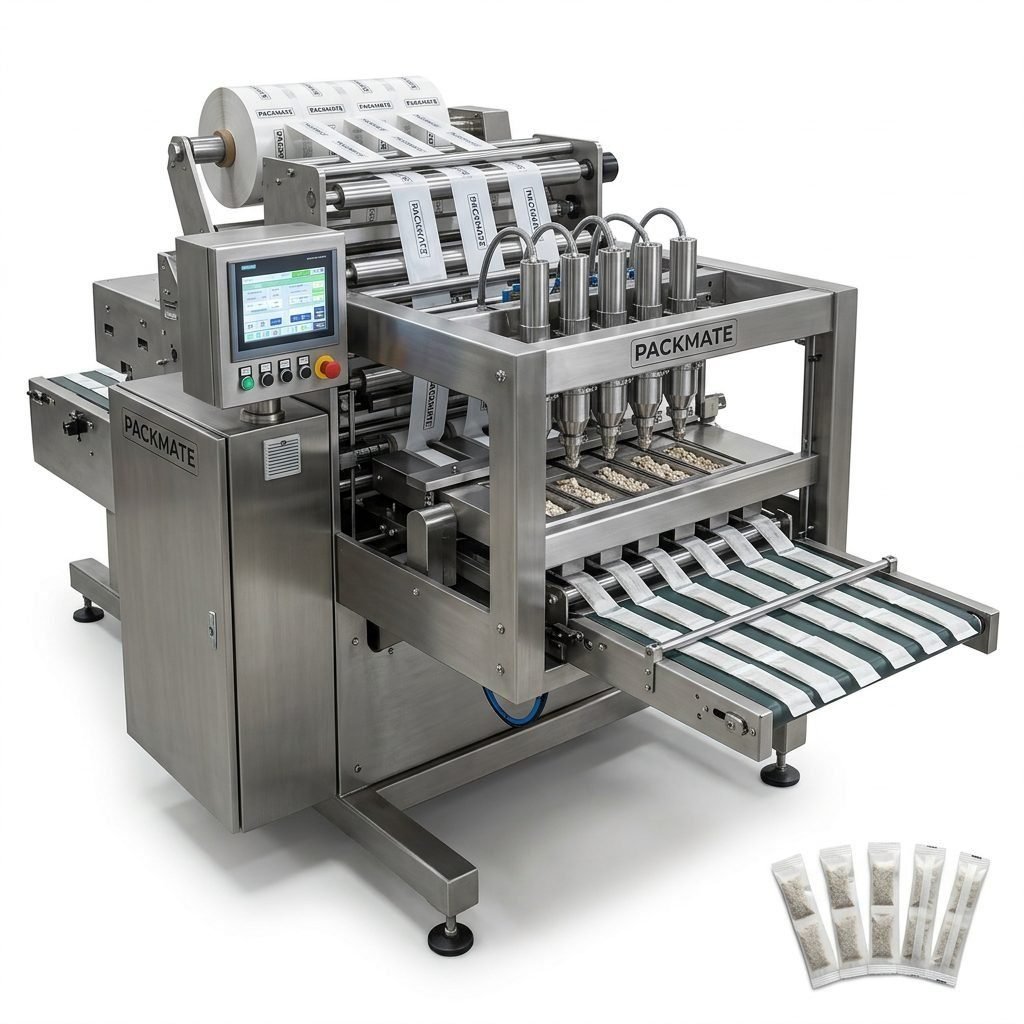
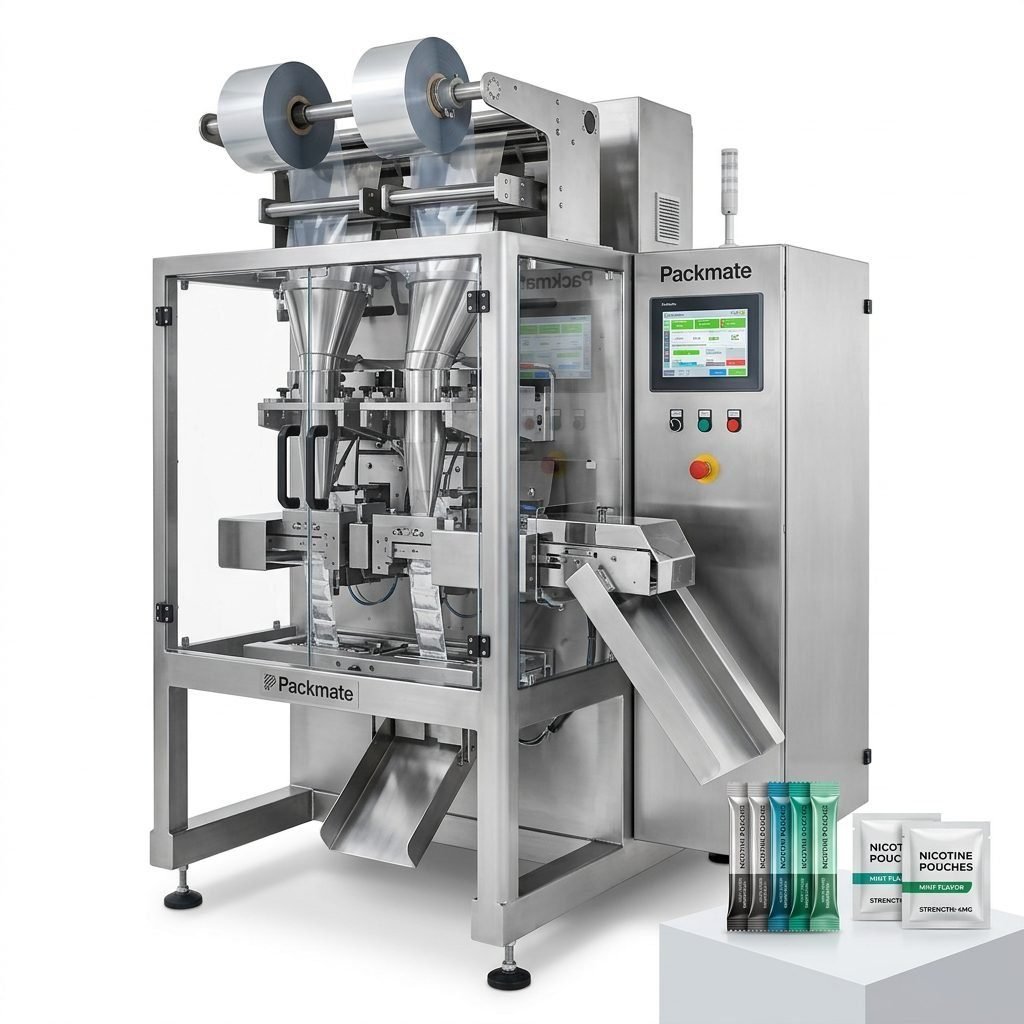
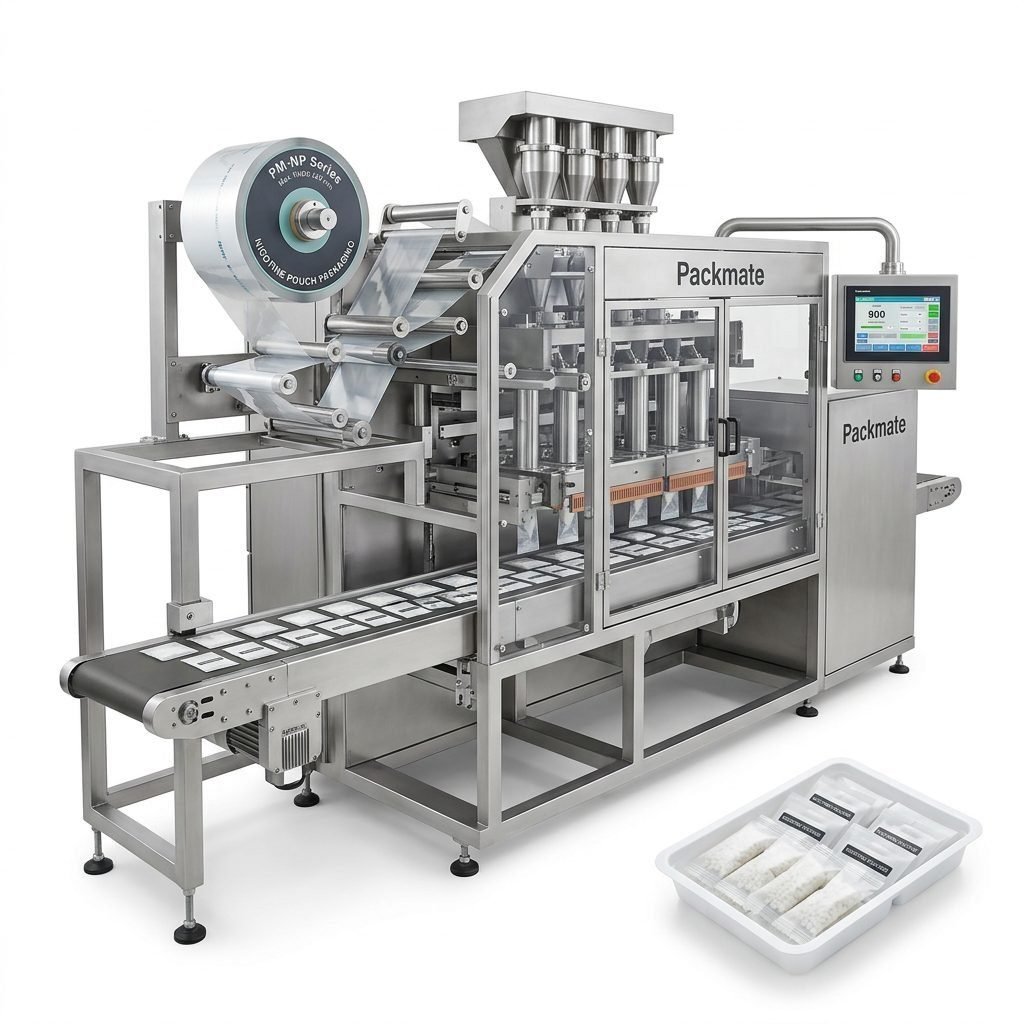
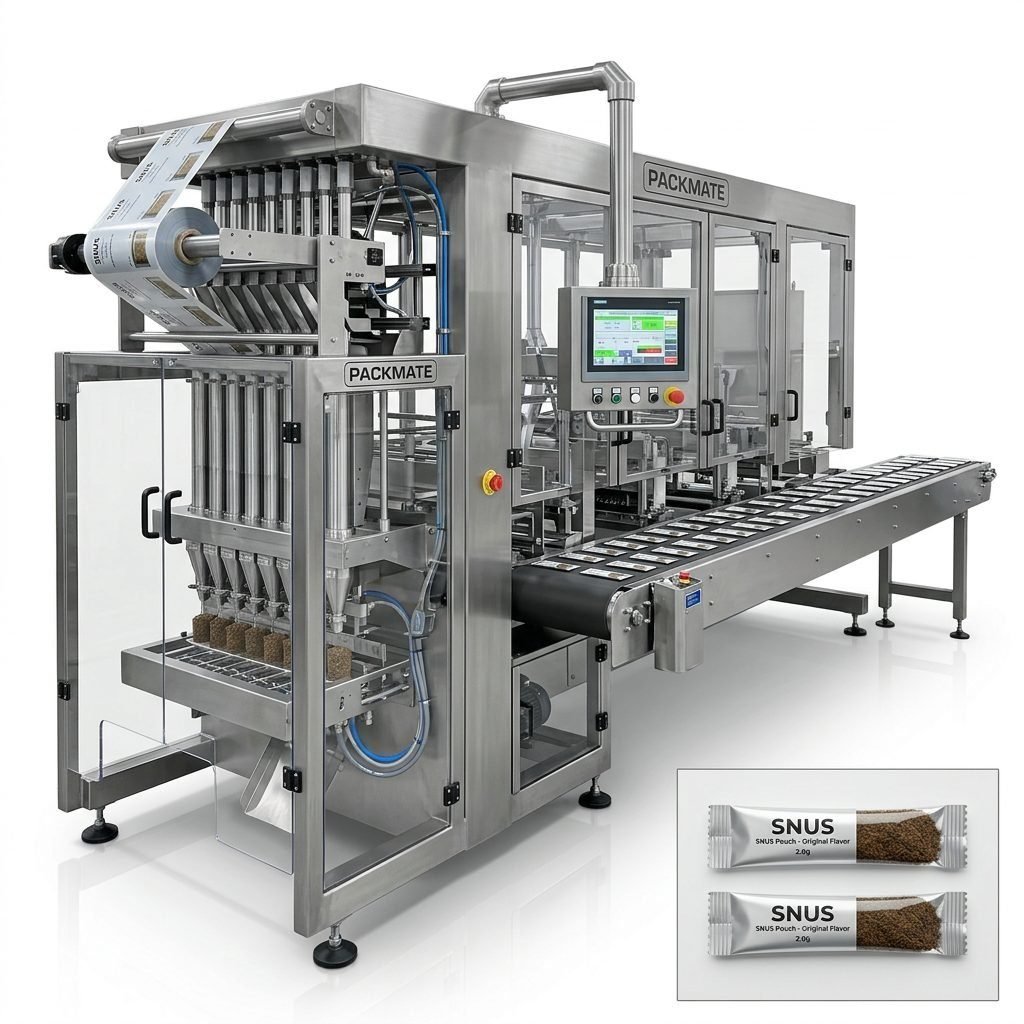
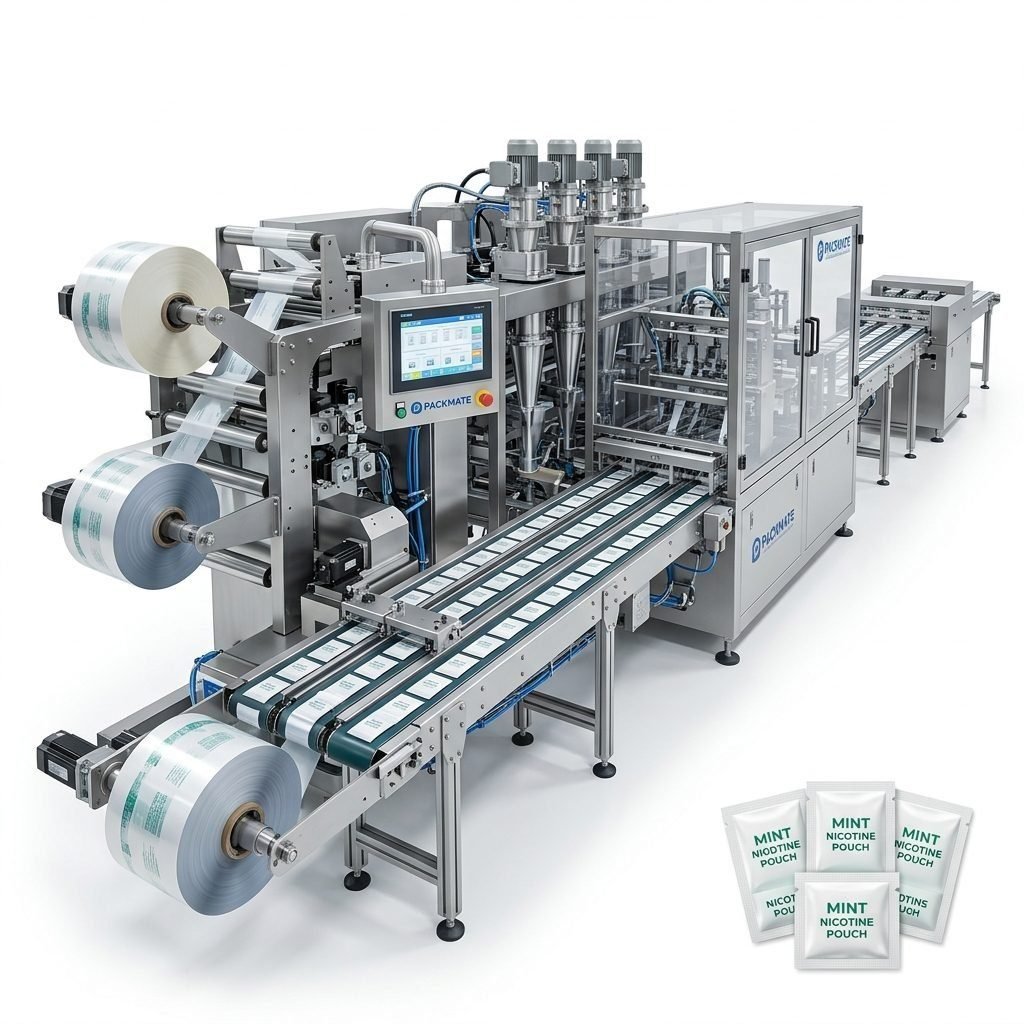
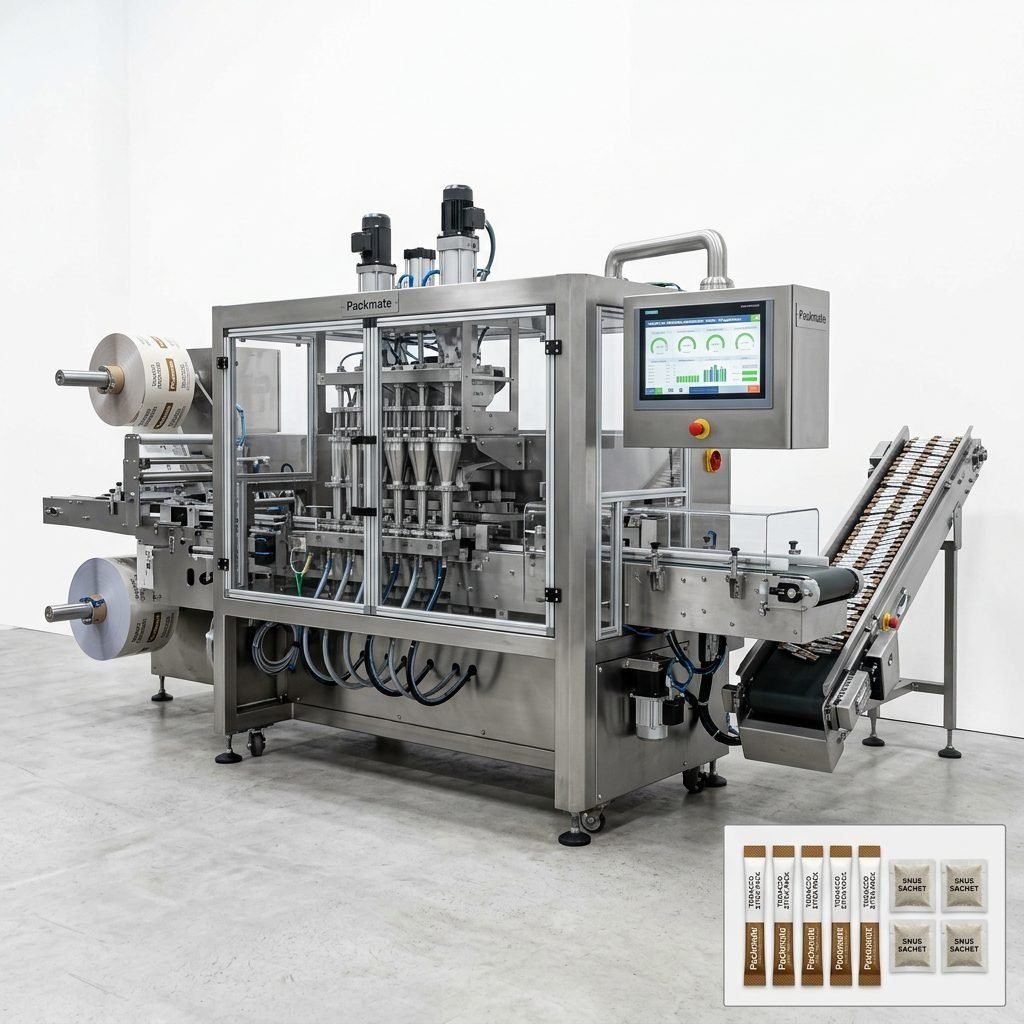
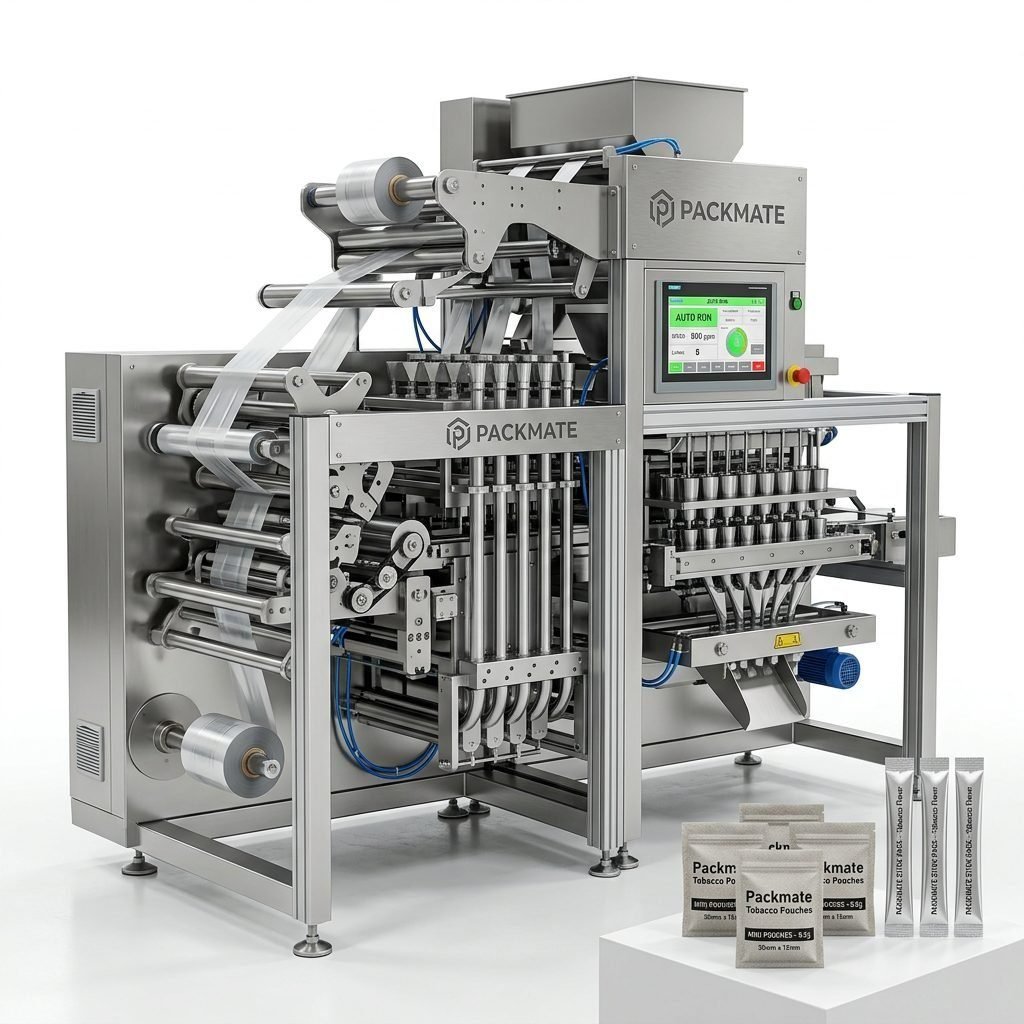
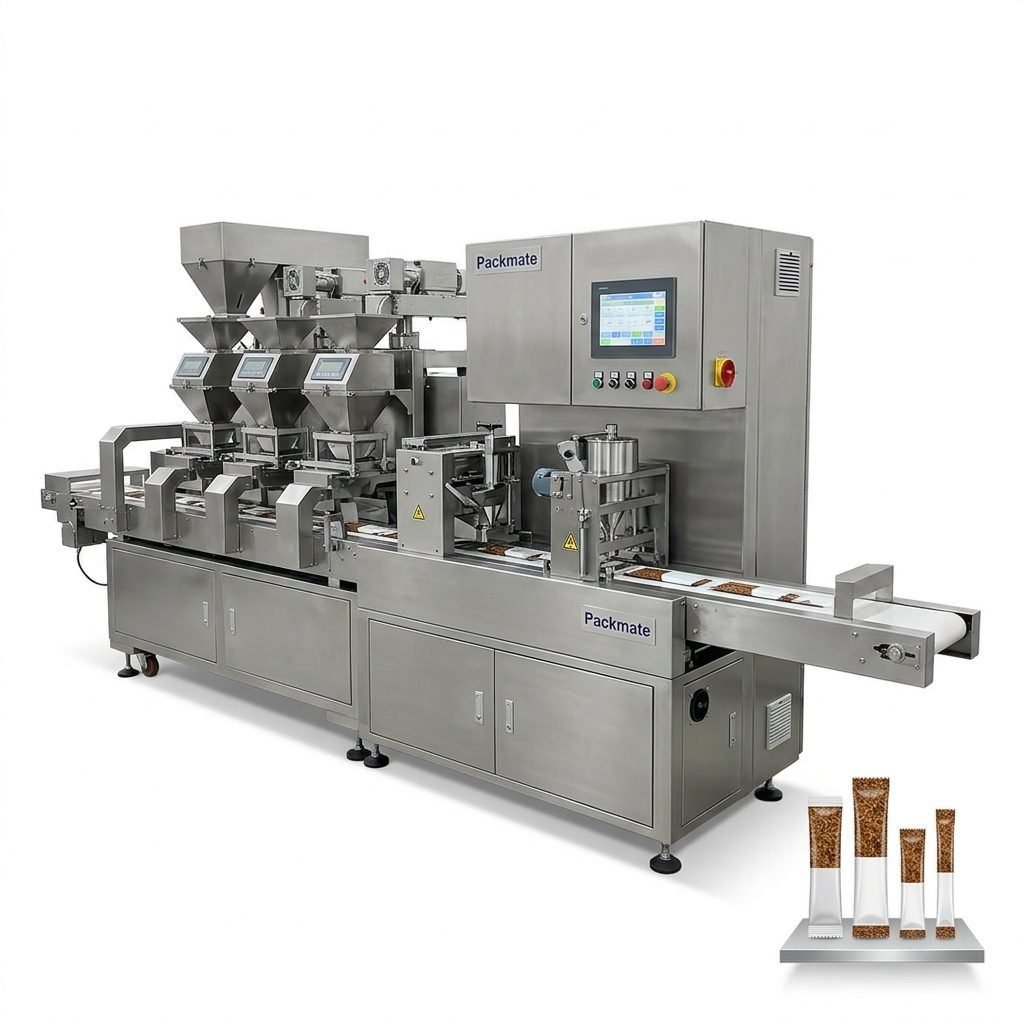
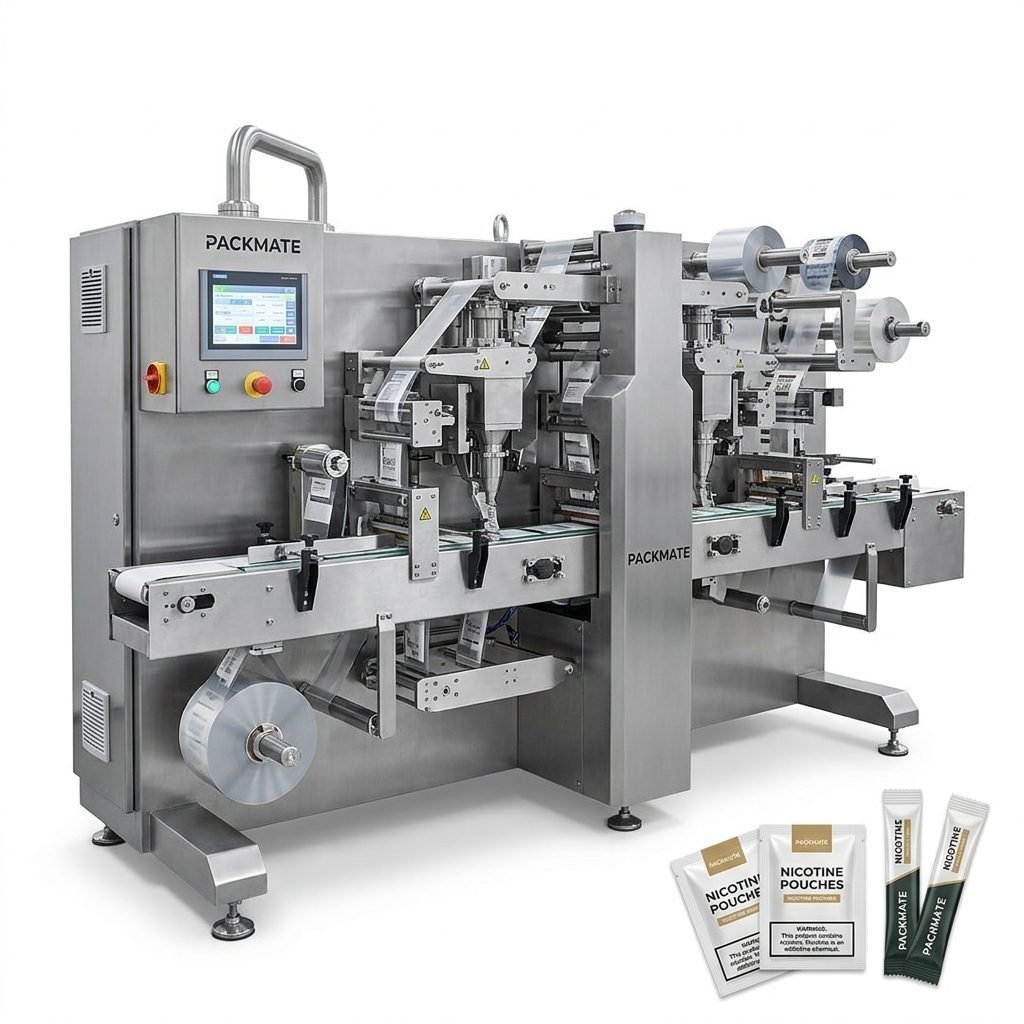
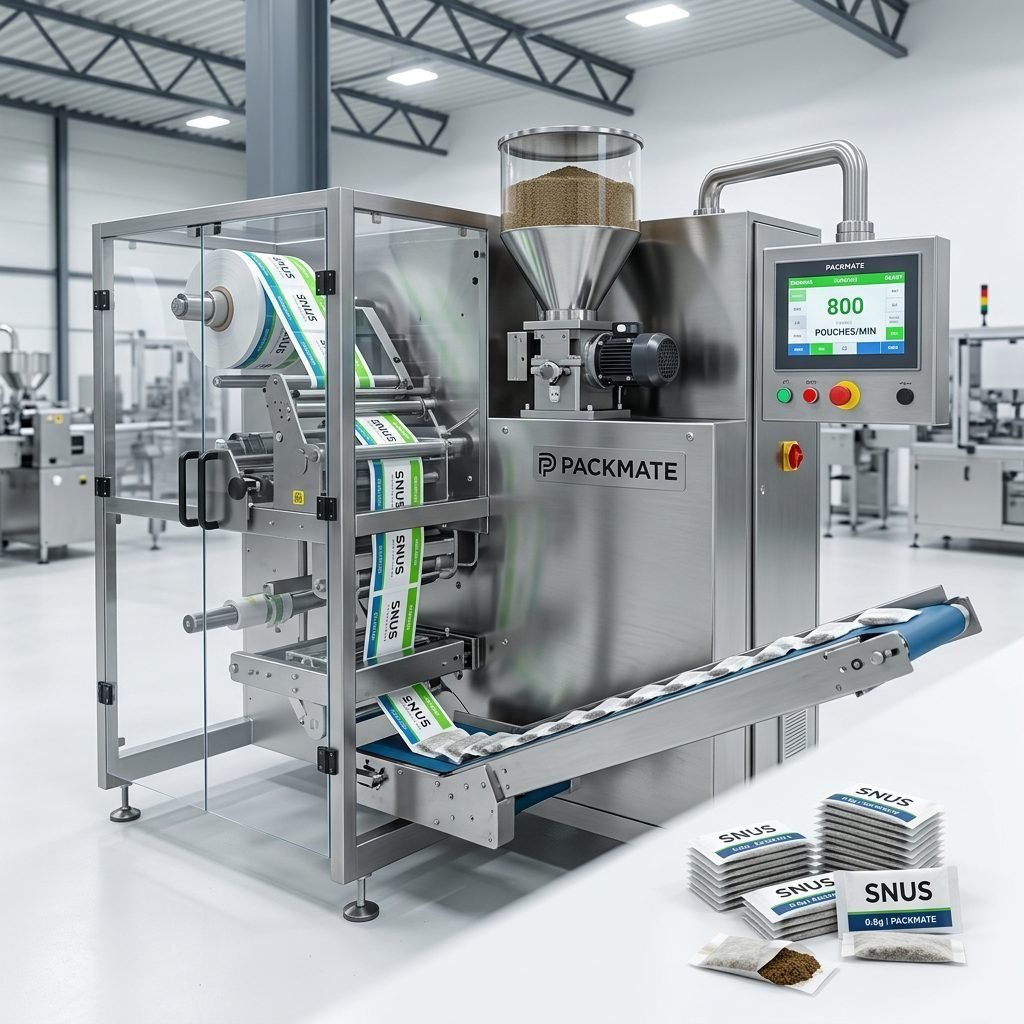
Decide the format you need—stick pack, sachet, multi-lane snus pouch systems, or more complex filling lines. Match machine capability to expected daily production, product format (powder, granule, liquid, pouch), and anticipated SKUs. Suppliers offering a broad product range—like Snus & Nicotine Packaging Machines—can provide options that scale with your business.
2. Technical Performance and Reliability
Inspect technical specs: cycle speed, accuracy, lane count, downtime rates, and material compatibility. Request performance data, OEE (Overall Equipment Effectiveness) estimates, and third-party test results. Proven multi-lane systems from experienced manufacturers reduce risk for high-volume nicotine pouch production.
✅ Tip: Ask for video demos of the exact model running similar products. Real-world demonstrations are more revealing than brochures.
3. Customization and Flexibility
Look for suppliers who offer customization—dosing ranges, pouch materials, printing options, and automation integration. If you plan to produce multiple SKUs or expand formulations, choose a system with modular upgrades. Suppliers with R&D and a broad catalogue—such as their bag & pouch lines—offer better long-term adaptability: Bag & Pouch Packaging Machines.
4. Certifications, Safety, and Compliance
Ensure machines come with international certifications (CE, ISO). For nicotine products, hygiene, cleanability, and traceability are essential. Ask about material contact surfaces, CIP (clean-in-place) options, and documentation that helps with Suriname import and local health regulations.
5. After-Sales Service, Spare Parts and Local Support
Service response time matters especially across borders. Confirm spare parts availability, warranty terms, and remote support capabilities (video troubleshooting, PLC/servo remote access). Suppliers with a global footprint or partners can reduce downtime. Consider a supplier that provides clear service pathways and training for local operators. See manufacturer profile information on competence and support: About Packmate.
6. Cost of Ownership vs Purchase Price
Evaluate total cost of ownership: energy consumption, spare parts cost, planned maintenance, and expected machine life. A lower purchase price may mean higher operational expenses or more downtime—so analyze service records and MTBF (mean time between failures).
7. Lead Time, Shipping and Import Logistics to Suriname
Confirm realistic lead times for manufacturing, testing, and shipping. Factor in port-to-door logistics in Suriname, customs clearance, and possible local taxes. Suppliers experienced in international deliveries can provide full documentation and facilitate smoother customs processing. Suppliers who supply turnkey lines often coordinate logistics to minimize delays—review their case histories: Case.
⚠️ Note: Customs in Suriname may require legalized documents. Plan extra time for notarization, translation, or embassy legalization if needed.
Evaluating Supplier Credibility and Technical Strength
Trustworthy suppliers demonstrate manufacturing capacity, quality systems, and real-world references. Look for:
• Factory size and equipment (CNC, precision assembly lines)
• Years of industry experience and product specialization (e.g., snus/nicotine pouch lines)
• Certifications such as CE/ISO and documented QA processes
Factory Visit or Virtual Tour
If feasible, conduct a factory visit or request a live virtual tour. Review assembly areas, testing rigs, and quality control records. A reputable manufacturer will welcome scrutiny and provide factory acceptance testing (FAT) reports.
Commercial Terms, Warranty and Payment
Negotiate clear payment terms (deposit, milestone payments), warranty length and coverage, and acceptance criteria. Ensure the contract covers spare parts lead times and training obligations. Confirm currency, incoterms (FOB, CIF, DDP), and who is responsible for import duties into Suriname.
Suggested negotiation checklist
📌 Warranty duration and exclusions (wear parts, consumables)
📌 Spare parts pricing and guaranteed availability for a specified period
📌 Training scope (operator and maintenance training) and language of instruction
Service & Maintenance: Minimize Downtime
Confirm whether the supplier offers remote diagnostics, spare parts kits, and optional service agreements. Suppliers who provide clear maintenance schedules and multilingual manuals help local teams ramp up faster. Many reputable providers also list services and catalogs online—review a supplier’s service offerings: Service.
Case Example: What a Strong Supplier Looks Like
A strong supplier typically showcases a 20,000㎡ facility, 30+ years of engineering experience, and a wide product portfolio, including snus machines, stick pack, sachet, and multi-lane systems. They provide FAT reports, CE/ISO certificates, global exhibition presence, and customer case studies that demonstrate consistent performance across regions. For reference, review industry case histories and exhibitions to confirm global footprint: Our Exhibition.
Practical Step-by-Step Buying Process
1) Define product specs and required output.
2) Shortlist suppliers with relevant product lines (snus machines, sachet/stick pack). Check product pages such as Sachet & Stick Pack Machines.
3) Request quotes, FAT plans, and spare parts agreements.
4) Validate references and request a virtual demo of the exact model.
5) Finalize contract with clear acceptance criteria, delivery schedule, and service commitments. Include contact details and post-installation support terms—use supplier contact resources like Contact Us.
📌 Quick checklist for Suriname buyers: Certifications included (CE/ISO), FAT available, spare parts lead times, local language manuals or training in Dutch/English, and clear import documentation.
Questions to Ask Every Supplier
– What is the expected daily throughput and how is it measured?
– Can you provide FAT records, OEE data, and customer references for similar installations?
– What are standard spare part kits and recommended maintenance intervals?
– What support is available for installation, training, and remote troubleshooting?
Final Selection Tips
– Prioritize suppliers who combine solid engineering history with strong after-sales structure. A manufacturer that demonstrates a 30+ year development timeline and a wide model range is less likely to leave buyers stranded.
– Balance price versus long-term reliability—unexpected downtime in small markets like Suriname can be costly.
– Choose partners who provide clear documentation and are willing to assist with import processes and local compliance questions.
Useful Resources and Next Steps
Explore product families for deeper technical comparison: Filling & Packaging Lines and Weighing & Packaging Systems. If you’d like supplier credentials, review certificates and mission statements at Certificate and Mission & Vision.
Conclusion
Selecting the best nicotine packaging machine supplier for Suriname involves a mix of technical validation, logistical planning, and relationship building. Prioritize suppliers who can demonstrate proven machines, clear certifications, reliable after-sales service, and the ability to support import and local compliance. The right partner will not only deliver equipment but will help you establish a smooth, scalable production line tailored to Suriname’s business environment.
Common Questions
Q1: What certifications should I request?
Request CE and ISO certificates and hygiene/food-contact material declarations. Check any country-specific import requirements with Suriname customs or local authorities.
Q2: How long does shipping and installation typically take?
Expect manufacturing lead times of several weeks to months depending on customization, plus ocean freight and customs clearance. Allow extra time for FAT, shipping, and local installation.
Q3: What after-sales services are most important?
Fast spare parts supply, remote troubleshooting, and operator training are critical. Verify service SLAs and availability for Suriname time zones.
Q4: Can suppliers help with import documentation?
Good suppliers provide full documentation (commercial invoice, packing list, certificate of origin, CE/ISO, FAT reports) and can advise on notarization or legalization if required.
Q5: Where can I see trusted product lines and cases?
Review dedicated product pages and case studies to confirm performance on similar nicotine pouch projects: Snus & Nicotine Packaging Machines and the Case section.