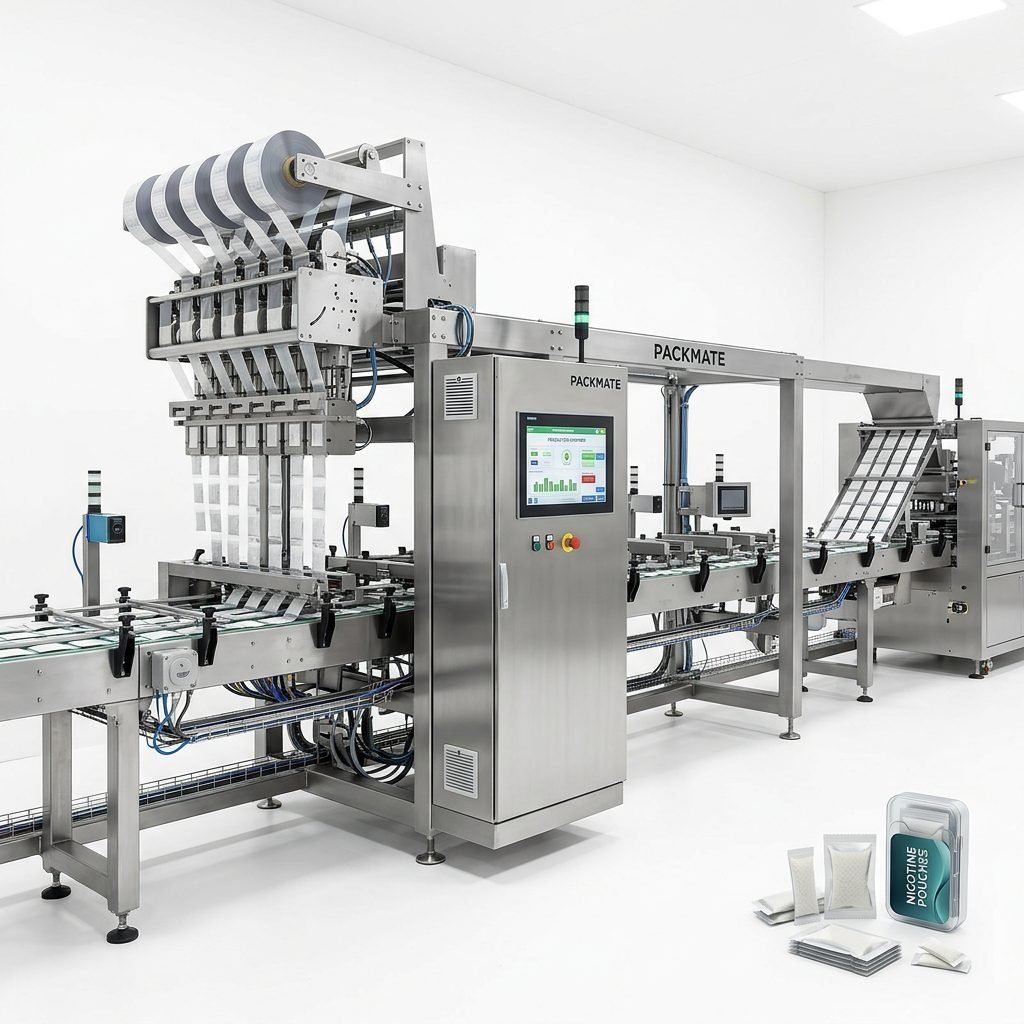
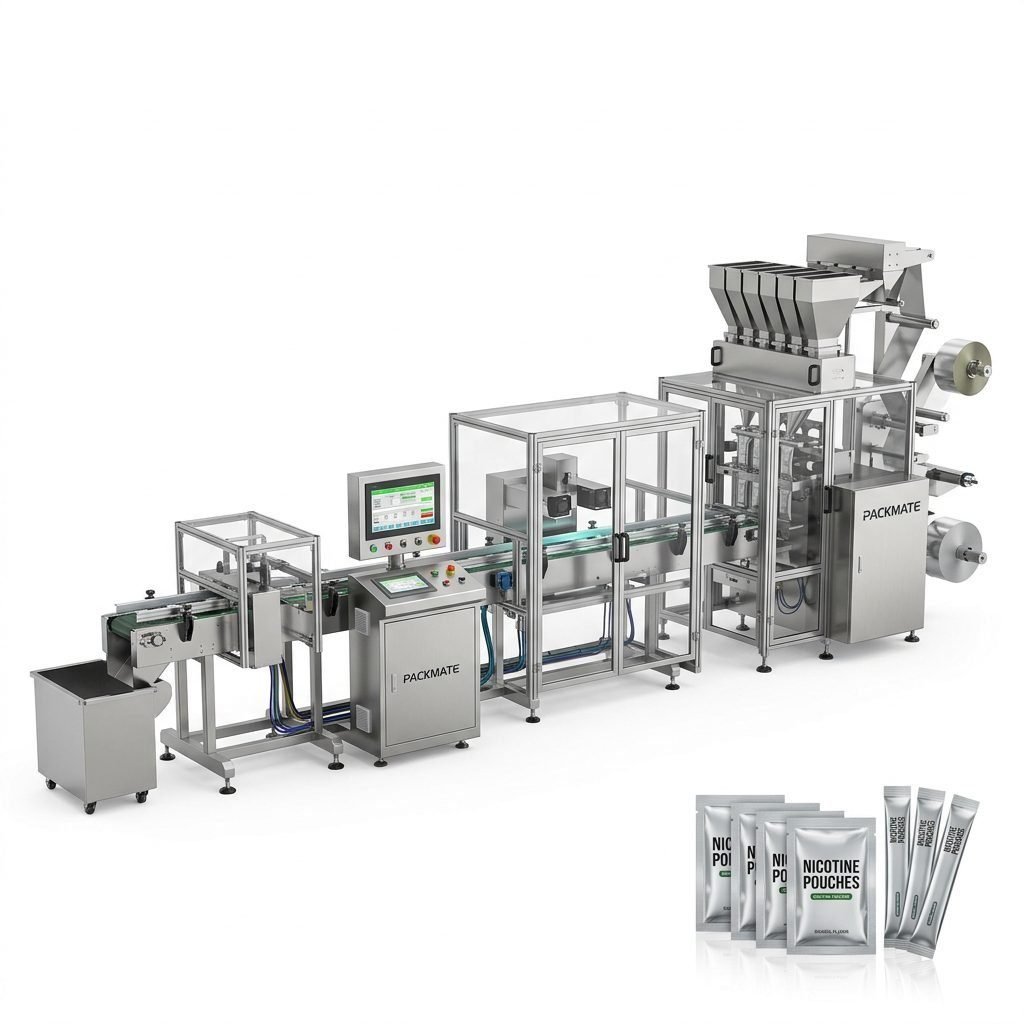
Choosing the right nicotine packaging machine manufacturer for a Romania-based operation is a critical decision that affects product quality, regulatory compliance, production efficiency, and long-term costs. This guide walks you through the practical, technical, and commercial factors to evaluate when selecting a supplier for snus and nicotine pouch packaging equipment. It includes checklists, testing tips, and real-world considerations drawn from global packaging best practices.
Understand Your Product and Volume Requirements
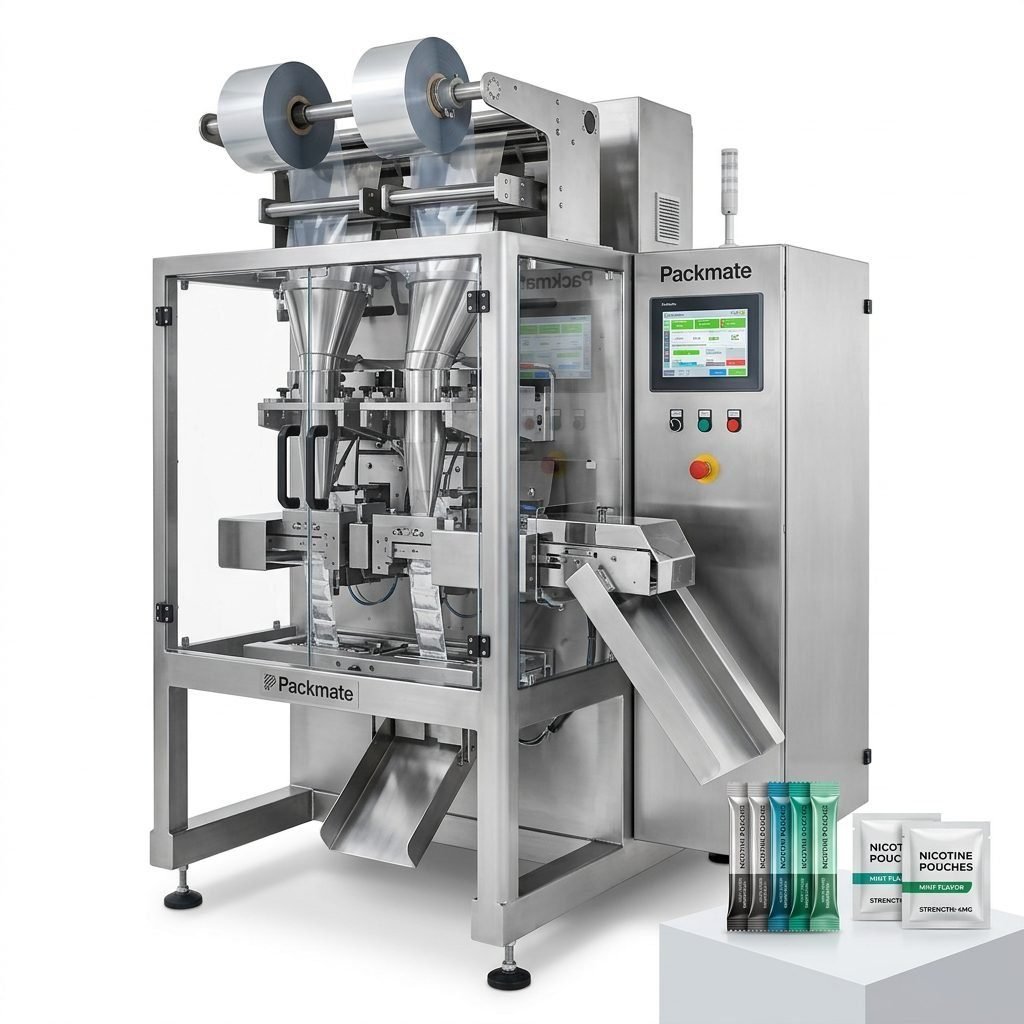
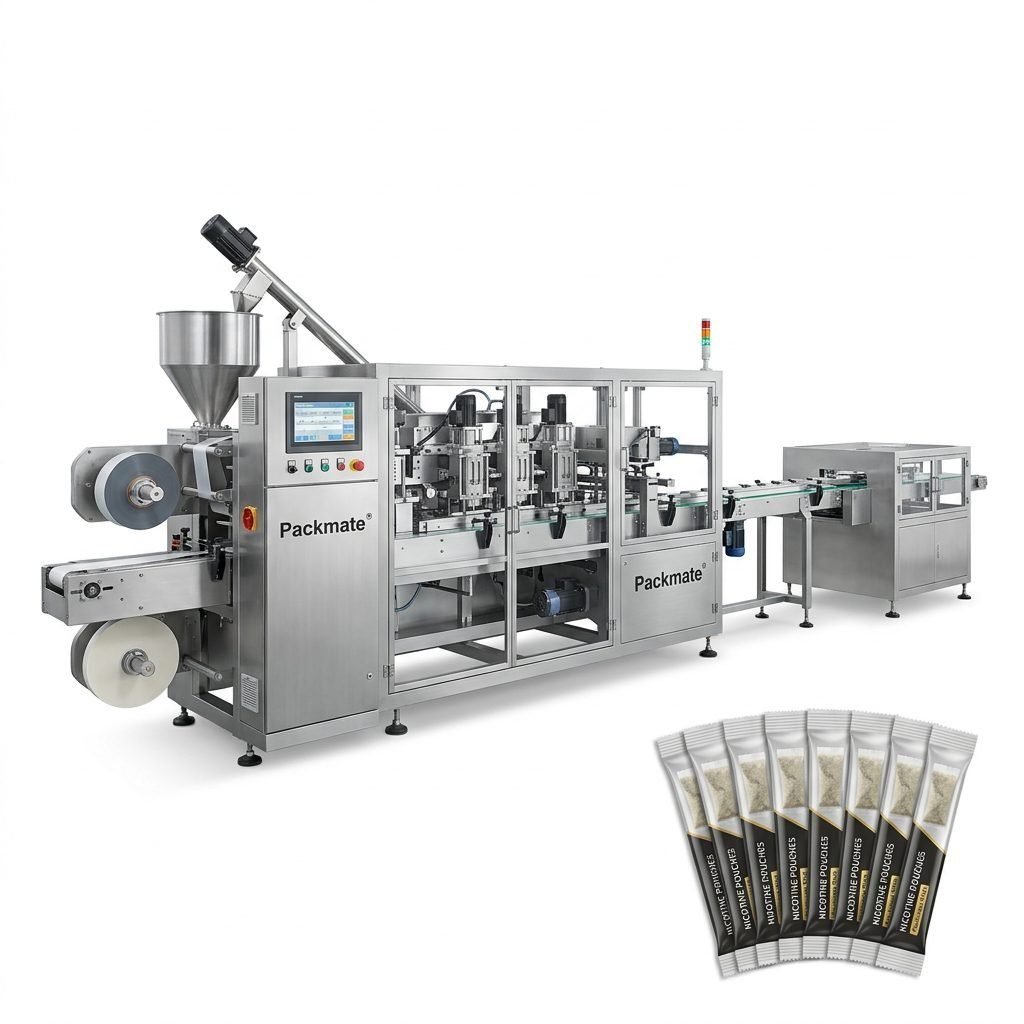
The first step is to clearly define what you need. Nicotine pouch products vary in size, moisture content, and dosing, and these attributes influence the choice of packaging format. Common formats include stick packs, sachets, and multi-lane pouches. Consider:
🔧 Product characteristics: powder vs. granule vs. wet pouch, required oxygen barrier, shelf-life targets, and portion uniformity requirements.
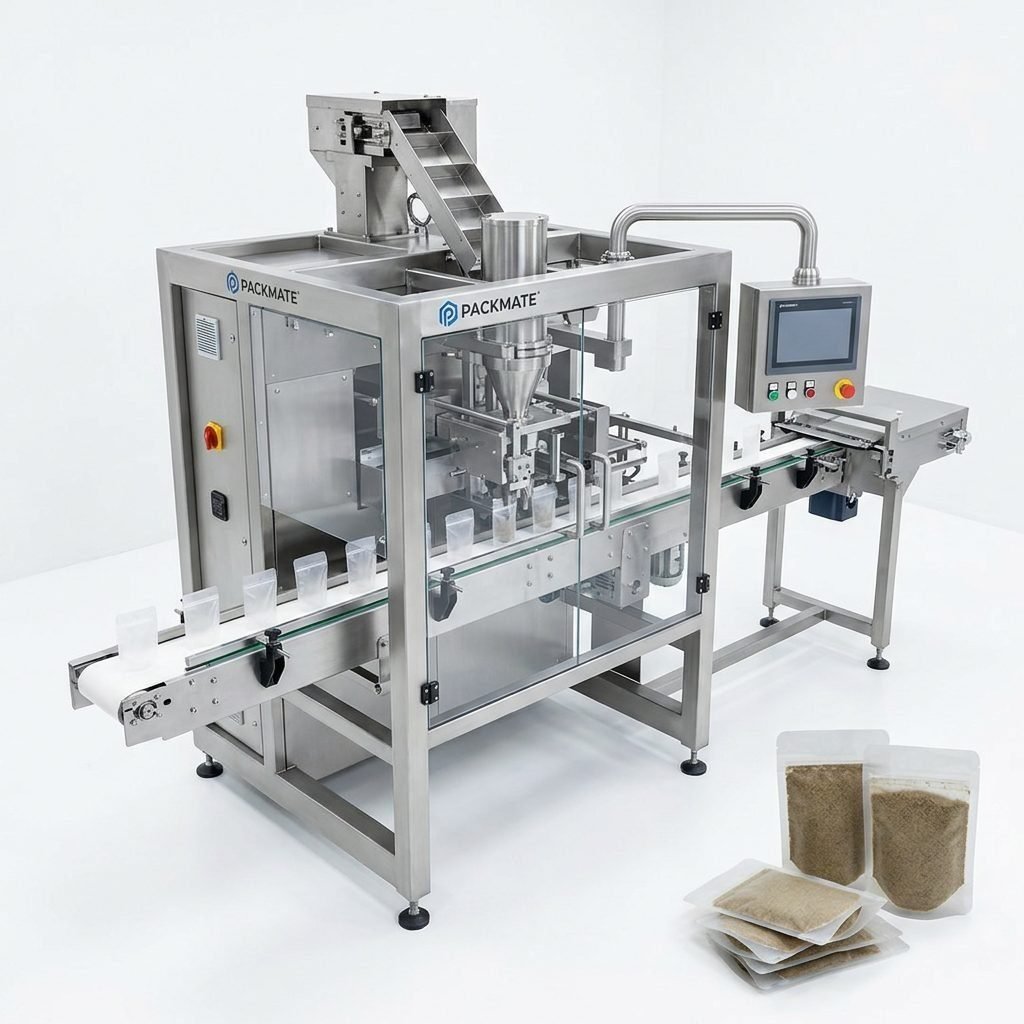
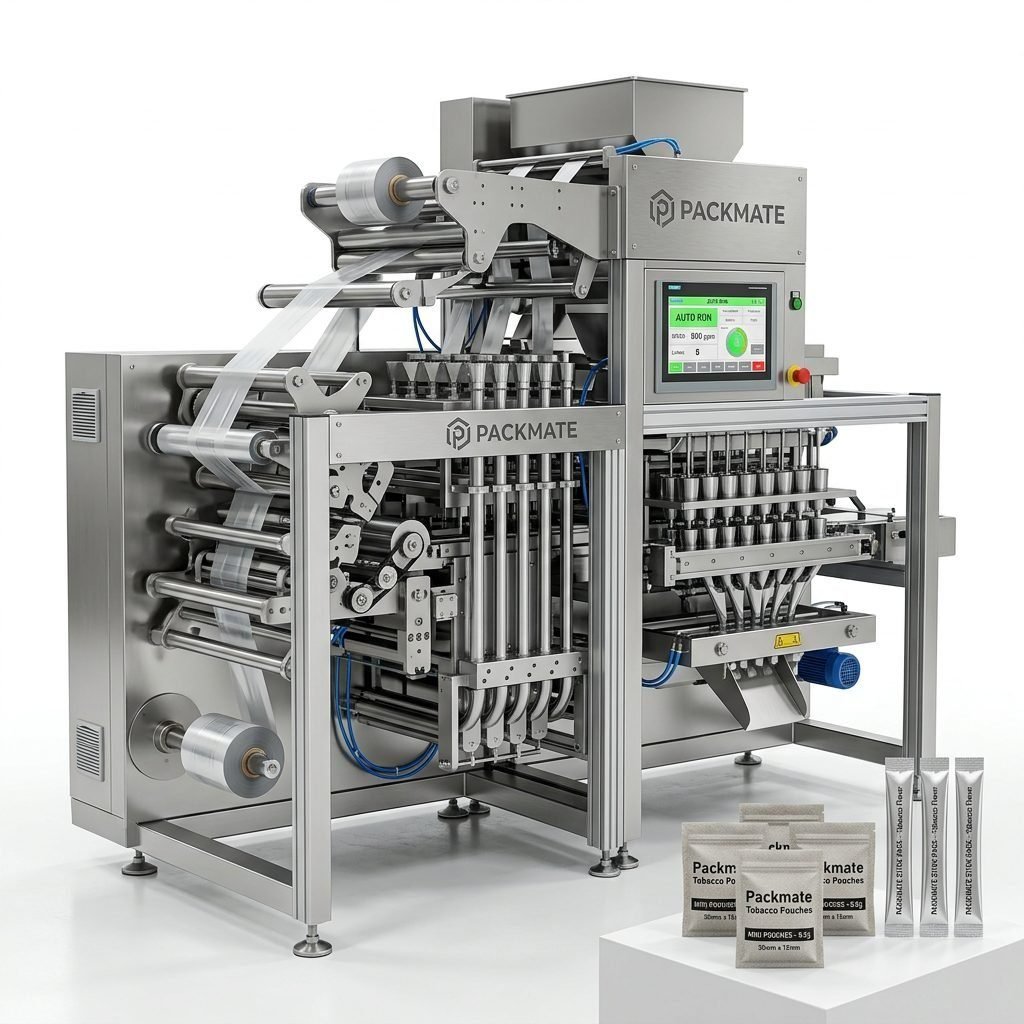
📦 Packaging format: single-lane stick packs for low volumes or multi-lane systems for high throughput and small-dose precision.
📈 Production targets: pieces per minute, shift patterns, and seasonal demand peaks that determine machine uptime and redundancy needs.
Technical Capabilities to Verify
Not all packaging machines are created equal. When assessing manufacturers, evaluate the following technical capabilities:
Key technical checks
⚙️ Sealing quality: Verify consistent hermetic seals to maintain freshness and regulatory compliance.
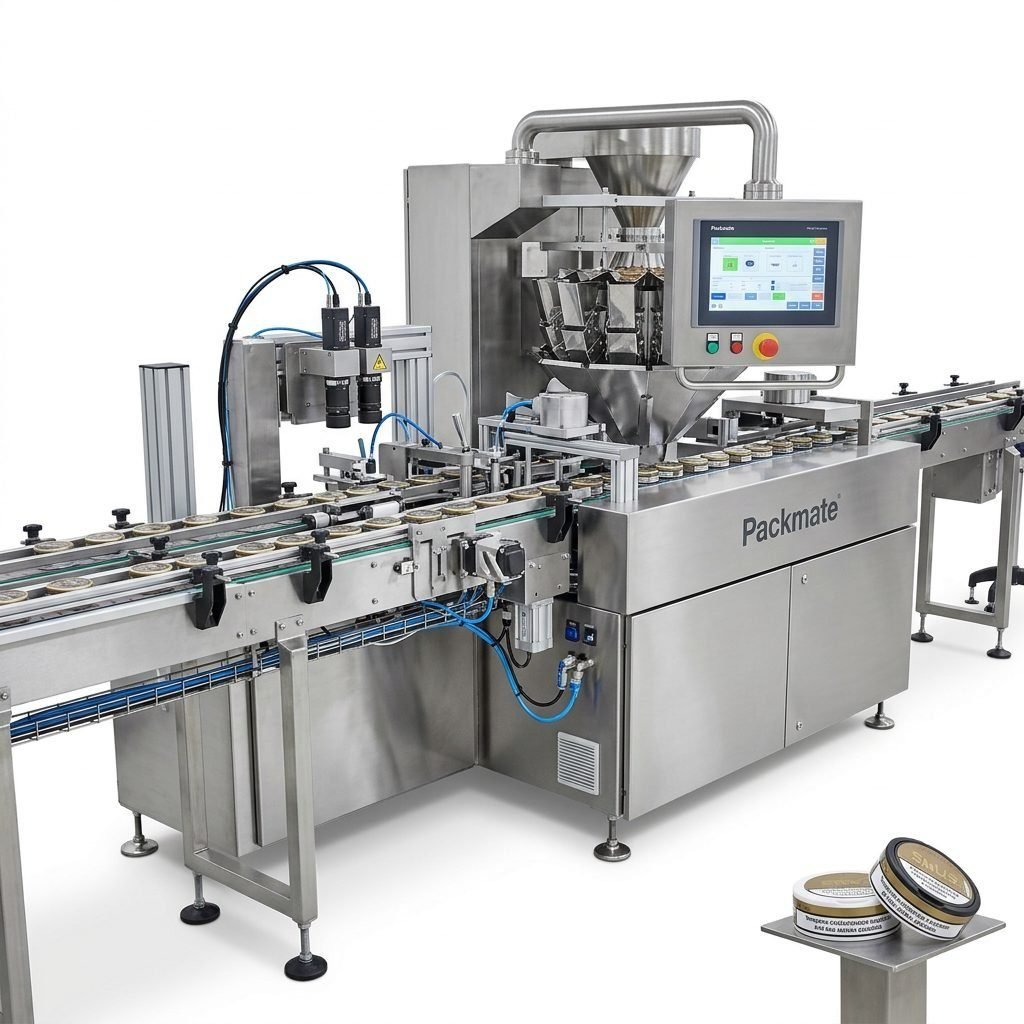
🔩 Filling precision: Check tolerance for dosing accuracy, especially for low-dose nicotine pouches.
🔄 Multi-lane synchronization: Ensure lane balancing and synchronized cut/seal actions for uniform output.
🧰 Spare parts & modularity: Look for modular design and availability of spare parts to reduce downtime.
Manufacturing Standards, Certifications, and Testing
Compliance with international standards is non-negotiable when packaging nicotine products. Confirm that the manufacturer provides documentation and testing data:
– CE certification and ISO compliance for machine safety and manufacturing quality.
– Validation reports and test runs demonstrating consistent performance with products similar to yours.
– Traceability systems for components, and documented quality control procedures in the factory.
Factory Strength and Production Capacity
Evaluate the manufacturer’s real production capability rather than marketing claims. Important indicators include factory area, machining capabilities, and assembly lines. For example, a supplier with advanced CNC machining centers and a 20,000㎡ facility typically indicates solid manufacturing depth. Consider these checks:
🏭 Factory footprint: Larger plants often mean better capacity for high-volume orders and customizations.
🛠️ In-house machining: CNC and precision tooling capabilities reduce dependency on third-party suppliers and improve lead times.
📦 Model range: A catalogue with 50+ machine models suggests a mature product line with options for scaling.
Service, Installation, and After-sales Support
After-sales service is critical in maintaining uptime for nicotine packaging lines. Ask the manufacturer about:
– Installation, commissioning, and operator training services at your Romania facility.
– Remote diagnostics, spare parts lead-times, and preventive maintenance programmes.
– Warranties and SLAs that define response times for critical failures.
Reputable suppliers often offer multi-language manuals and local partners for faster service. You can check a supplier’s service offerings and case examples to validate real-world support performance: Service.
Customization and Turnkey Solutions
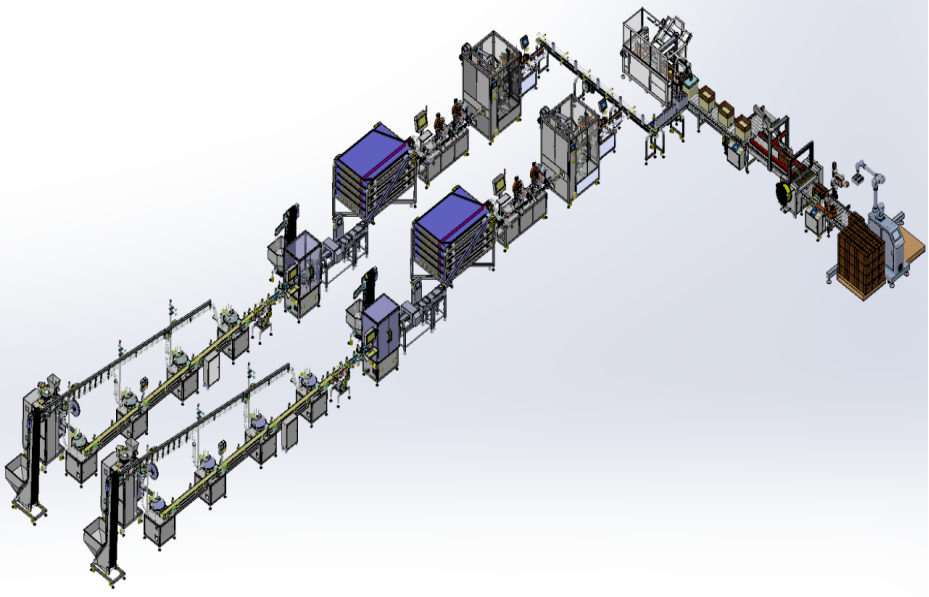
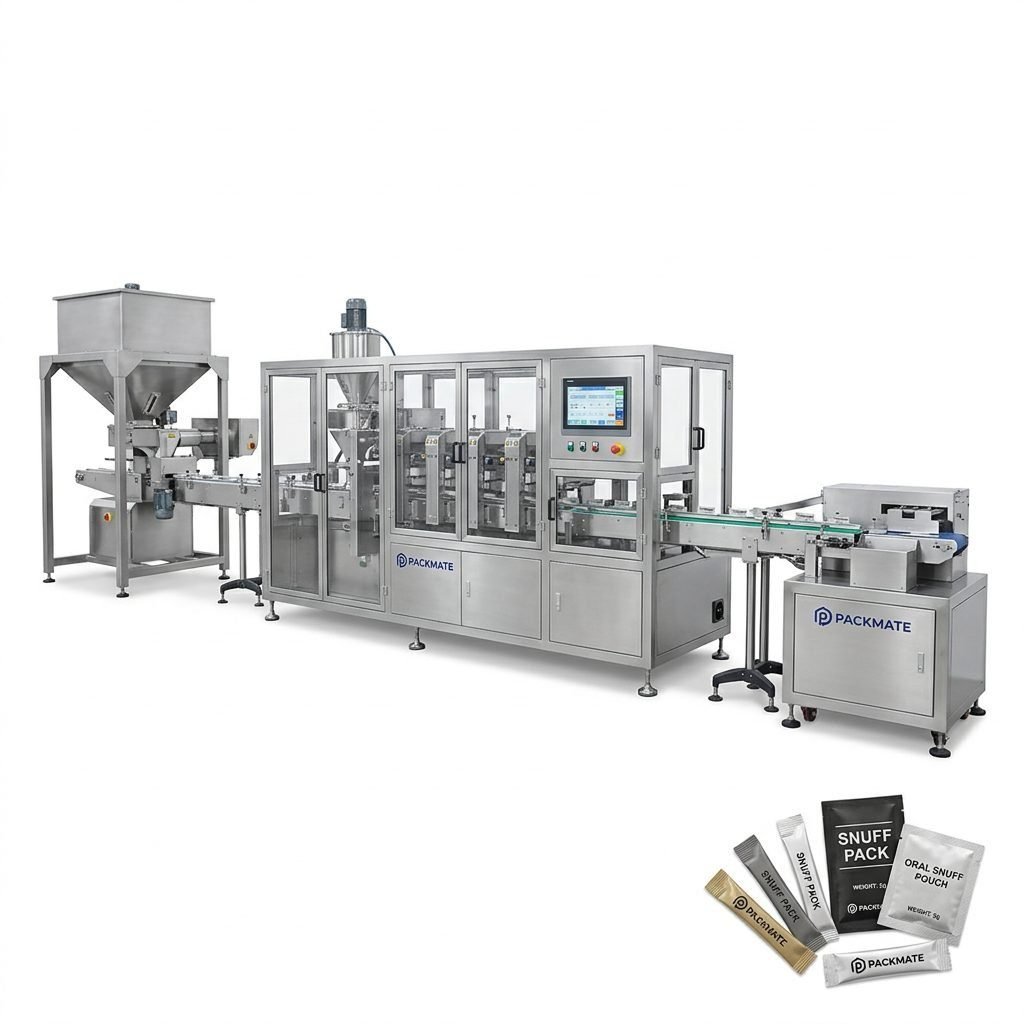
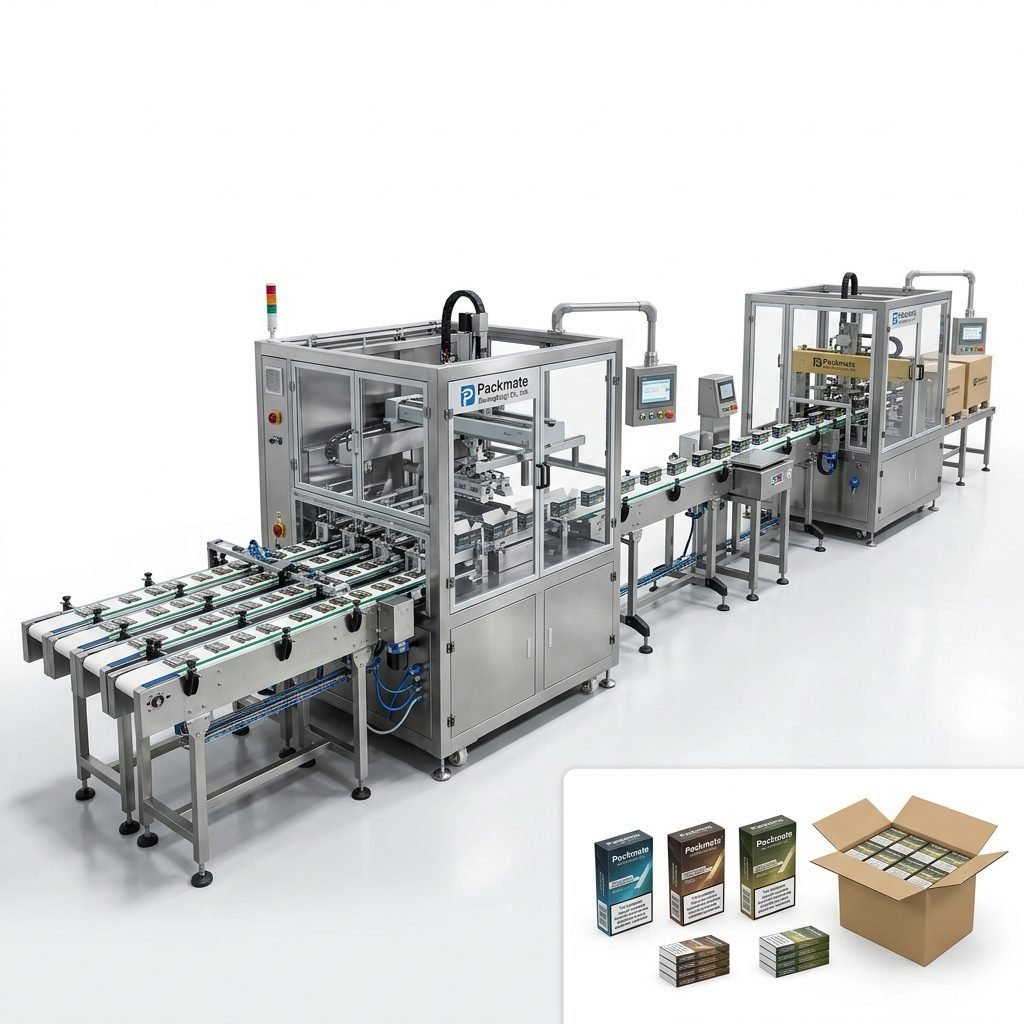
Many manufacturers provide standard machines as well as fully customised turnkey lines. If you need complete automation from weighing and filling to final packaging, look for a supplier that can integrate upstream and downstream equipment into a single production line. Check whether they offer:
– Integrated weighing & dosing modules, infeed conveyors, and end-of-line cartoning.
– Control systems that unify PLC/HMI platforms for simplified operation.
– On-site integration support and factory acceptance testing (FAT) before shipment.
See examples of integrated offerings to evaluate possibilities for a complete production line: Filling & Packaging Lines and Weighing & Packaging Systems.
Quality Control and Field Trials
Before committing to a purchase, insist on a demonstration using product samples. These are practical steps to validate claims:
🧪 Factory Acceptance Test (FAT): Witness the machine running your product at specified speeds and tolerances.
🔎 Sampling & lab tests: Confirm package integrity, weight accuracy, and shelf-life performance.
📋 Trial documentation: Get detailed FAT reports including cycle rates, rejection rates, and observed issues with corrective plans.
Commercial Terms and Total Cost of Ownership
Price is important, but the lowest upfront cost can become the most expensive choice over time. When comparing quotes, look beyond purchase price to total cost of ownership (TCO):
– Energy consumption and utility needs.
– Expected lifetime, maintenance intervals, and spare parts pricing.
– Downtime history and mean time between failures (MTBF) estimates.
– Financing options, training packages, and warranty terms.
Logistics, Lead Times, and Shipping to Romania
Packaging machines are heavy, complex equipment requiring careful transport and customs clearance. Consider:
– Manufacturer experience shipping to EU countries and handling import documentation.
– Availability of pre-shipment inspections and export packing that protects sensitive components.
– Options for local assembly or pre-commissioning at the manufacturer’s site to reduce on-site setup time.
If you need references or local logistics case histories, see the manufacturer’s global projects and case studies: Case.
Supplier Reputation and Long-term Partnership
A reliable partnership is as important as technical specs. Evaluate reputation by checking:
– Industry longevity and R&D history: companies with decades of experience often have more mature engineering practices. For instance, suppliers with 30+ years in the packaging industry typically bring proven solutions.
– International certifications, exhibition presence, and feedback from customers in Europe. See the manufacturer’s background for insight: About Packmate and exhibition participation: Our Exhibition.
Selecting the Right Machine Type
Match the machine type to your product and throughput needs. Common options are:
– Snus & nicotine packaging machines for portioned pouches and snus formats. Explore product pages to match models: Snus & Nicotine Packaging Machines.
– Sachet & stick pack machines for flexible single-portion packaging: Sachet & Stick Pack Machines.
– Bag & pouch packaging machines for secondary packaging or pouch-in-pouch solutions: Bag & Pouch Packaging Machines.
Practical Negotiation Tips
When you are ready to request quotations and negotiate:
- Provide detailed product specs and target output to get accurate quotes.
- Ask for breakdowns on machine price, spare parts kit, training, FAT, and shipping.
- Request references and, where possible, a visit to a running line producing a similar product.
- Clarify acceptance criteria and penalties for missed delivery or performance benchmarks.
Checklist: Final Selection Criteria
✅ Capability match: Machine meets product technical specs and throughput.
✅ Proven reliability: FAT results, reference sites, and maintenance data support claims.
✅ Service & parts: Fast access to spare parts and local or remote support options.
✅ Compliance: Certifications and documentation for EU regulatory needs.
✅ Commercial clarity: Transparent TCO and contractual protections.
Why Consider Established Global Suppliers?
Established global suppliers bring engineering heritage, a broad model range, and a mature aftermarket network. They can deliver multi-lane solutions and turnkey lines that reduce integration risk. If you want to explore a professional supplier with extensive snus machine experience, you can review product categories and certifications directly: Certificate.
Next Steps: From Inquiry to Production
A recommended roadmap to finalize your supplier:
1. Issue a Request for Information (RFI) with product details and desired outputs.
2. Shortlist 2–3 suppliers and request sample FAT runs.
3. Evaluate FAT outcomes and perform a site visit or video demonstration.
4. Negotiate contract terms, lead times, and installation schedules.
5. Plan for operator training, validation, and continuous improvement targets post-installation.
Contact & Further Resources
If you want to connect with a supplier to discuss specific nicotine pouch packaging solutions, request product catalogs, or arrange demonstrations, use the manufacturer’s contact page for direct inquiries: Contact Us. Browse product families to match machine types and model specifications: Auxiliary Packaging Equipment and Catalog.
Closing Summary
Selecting the best nicotine packaging machine manufacturer for your Romania facility requires a balanced assessment of technical fit, manufacturing strength, service infrastructure, and commercial transparency. Prioritize FAT verification, robust after-sales support, and clear total cost of ownership metrics. Partnering with an experienced supplier that provides proven multi-lane snus solutions and turnkey integration reduces risk and helps you scale reliably.
FAQs
Q1: How long does it typically take from order to installation for a snus packaging line in Romania?
A1: Lead times vary by complexity, but a typical timeline for a custom multi-lane line ranges from 12 to 24 weeks including FAT, shipping, and on-site commissioning.
Q2: Are spare parts and technical support available in Europe?
A2: Many established manufacturers maintain spare parts inventory and local partners in Europe, or provide rapid shipping options and remote support. Confirm specific parts lead-times during procurement.
Q3: What documentation should be provided to ensure EU regulatory compliance?
A3: Request CE declarations, detailed machine manuals, risk assessments, electrical schematics, and FAT reports demonstrating compliance with hygiene and safety standards.
Q4: Can suppliers integrate weighing and filling systems into a single turnkey line?
A4: Yes. Many suppliers offer integrated filling, weighing, and packaging lines; review product options under weighing & filling systems to confirm compatibility.
Q5: How can I validate a supplier’s claims about machine throughput and reliability?
A5: Insist on a Factory Acceptance Test (FAT) using your product samples, obtain reference site visits, and request documented MTBF and historical uptime metrics.