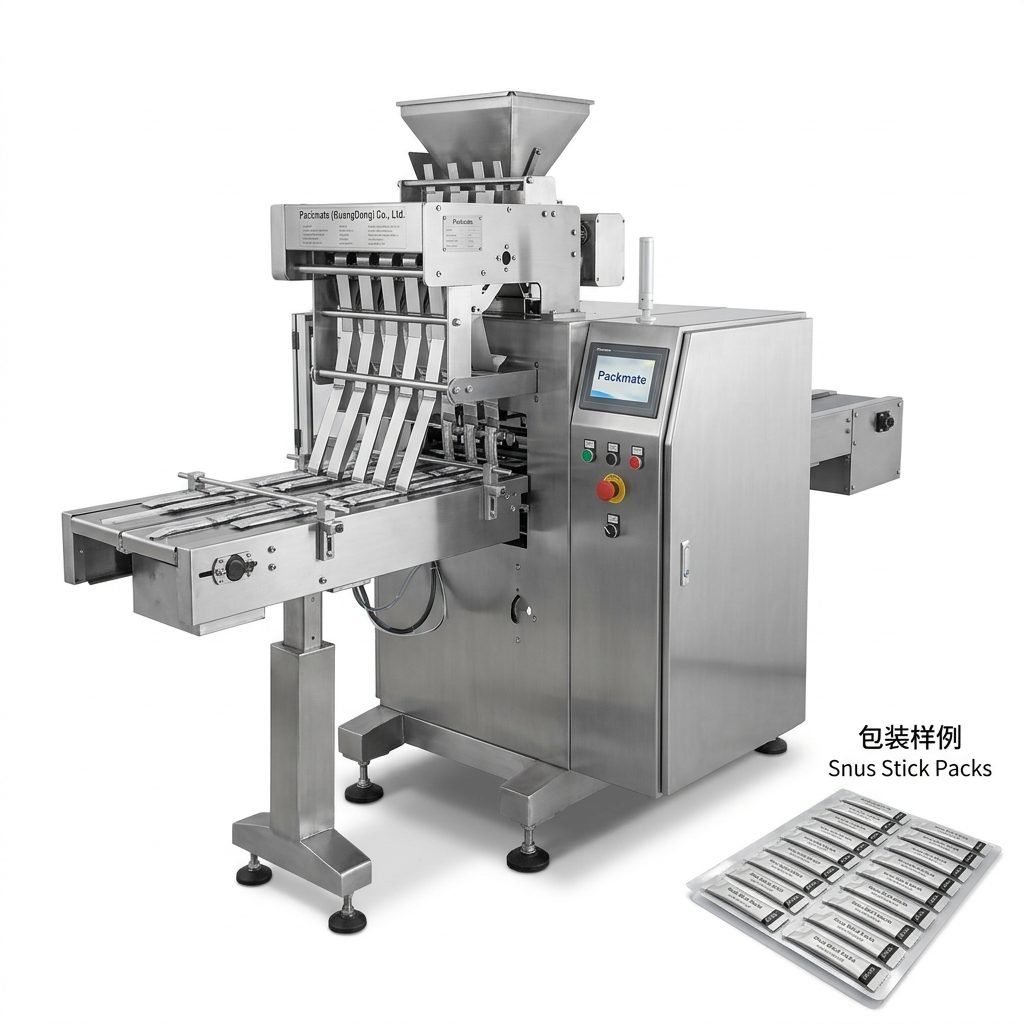
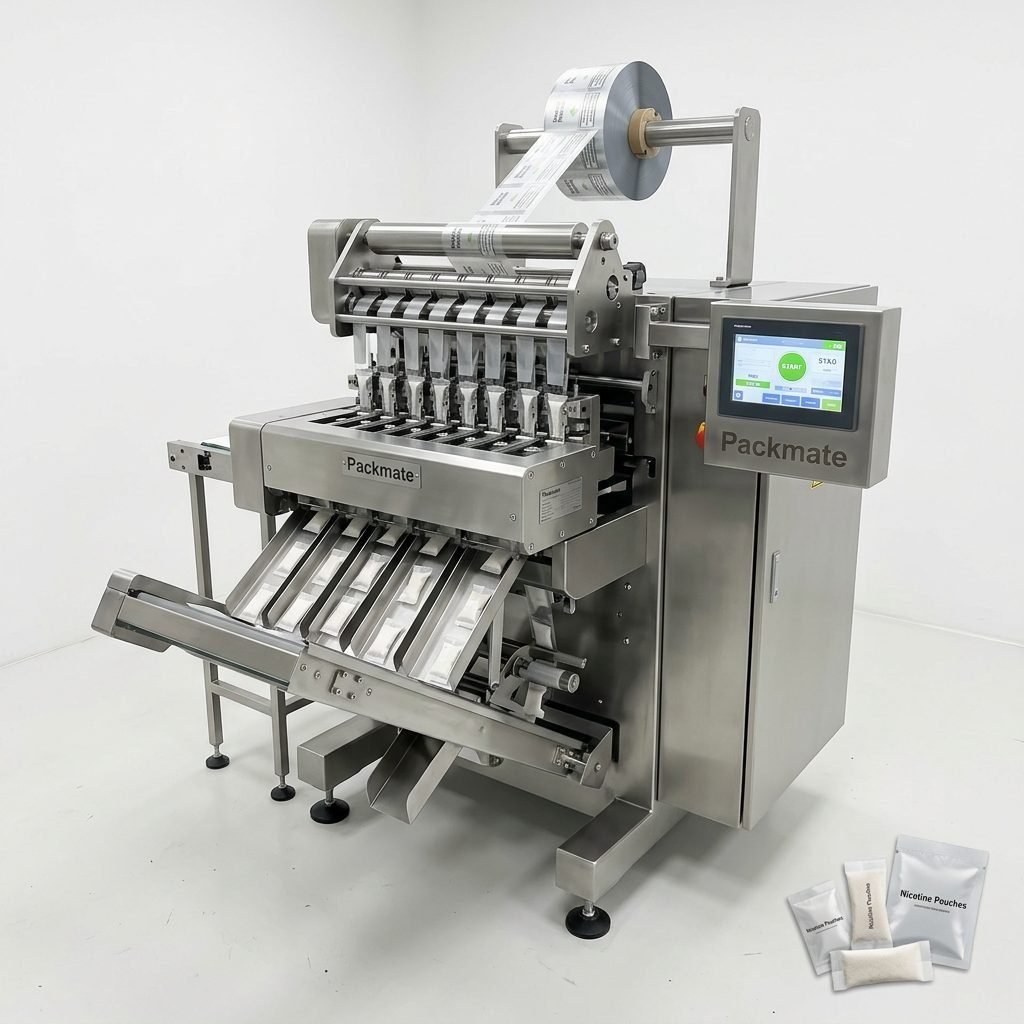
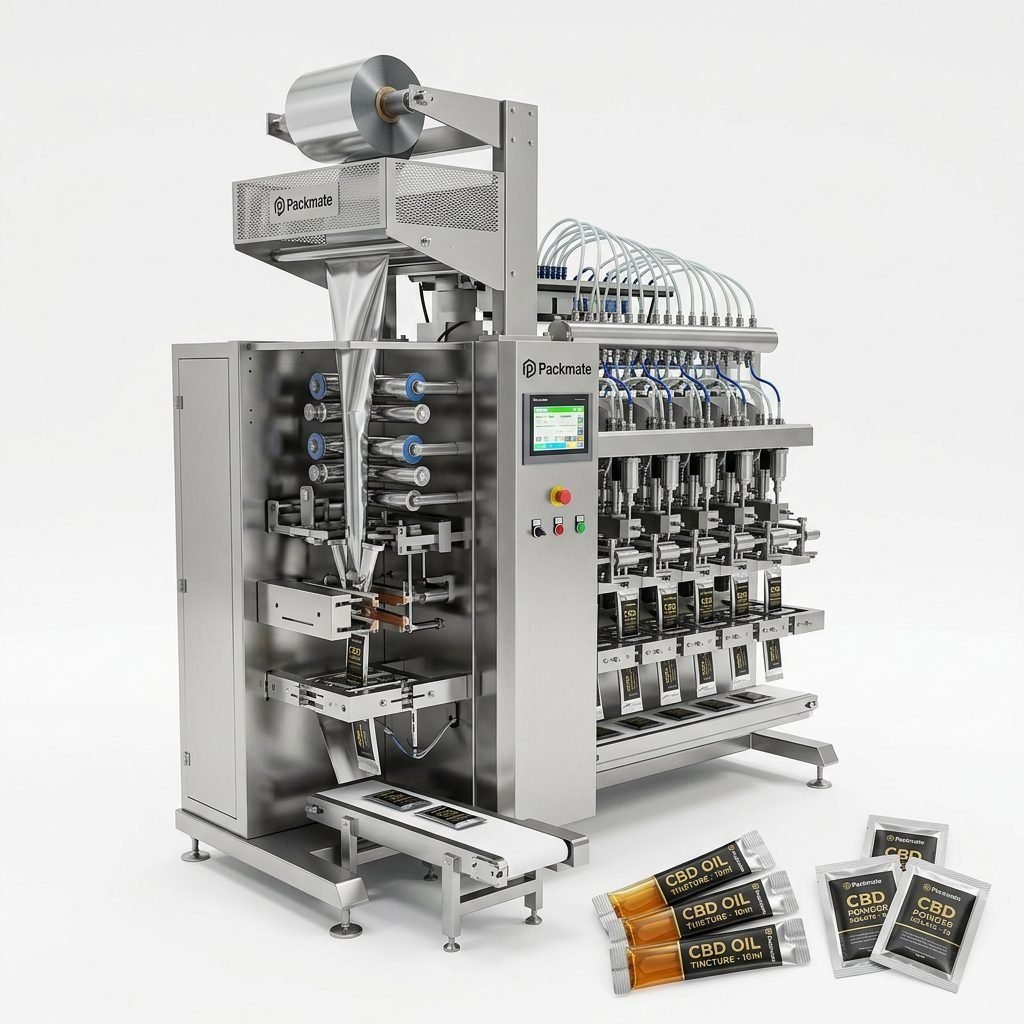
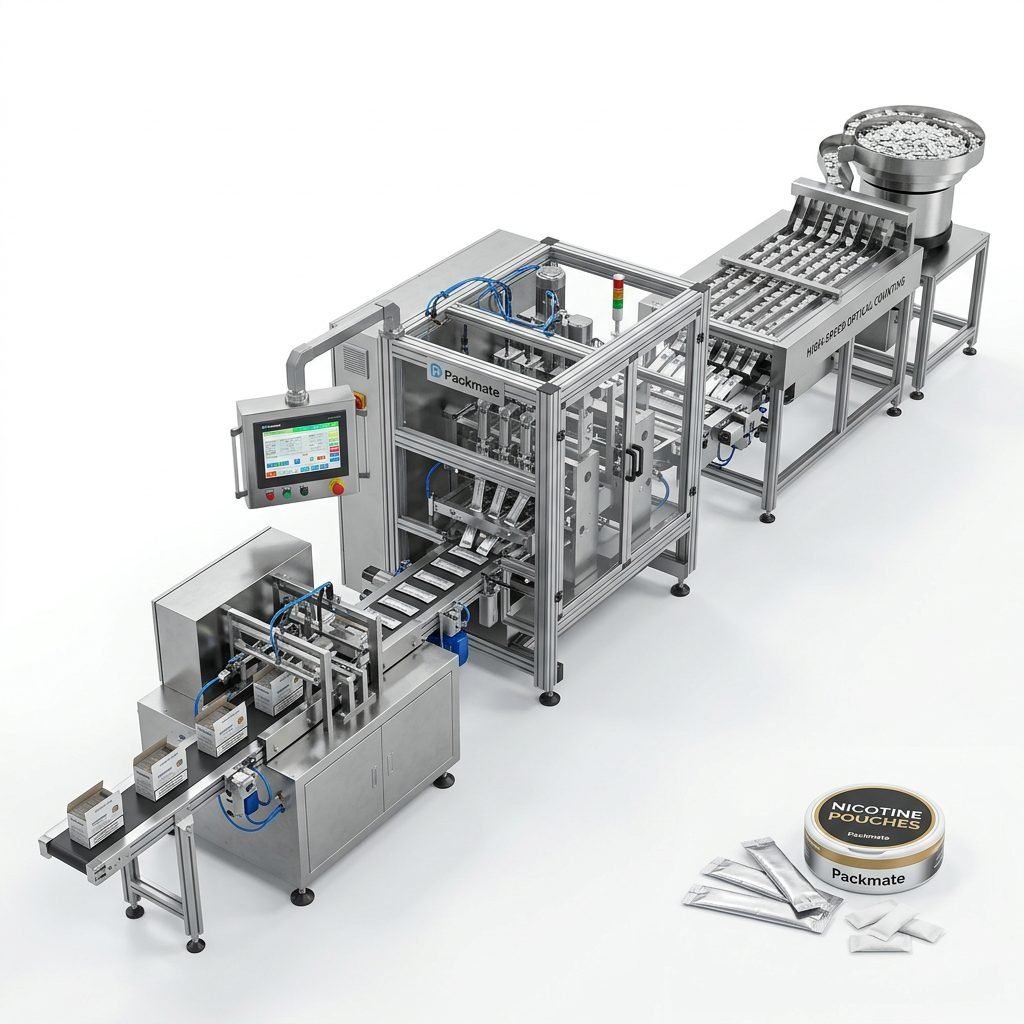
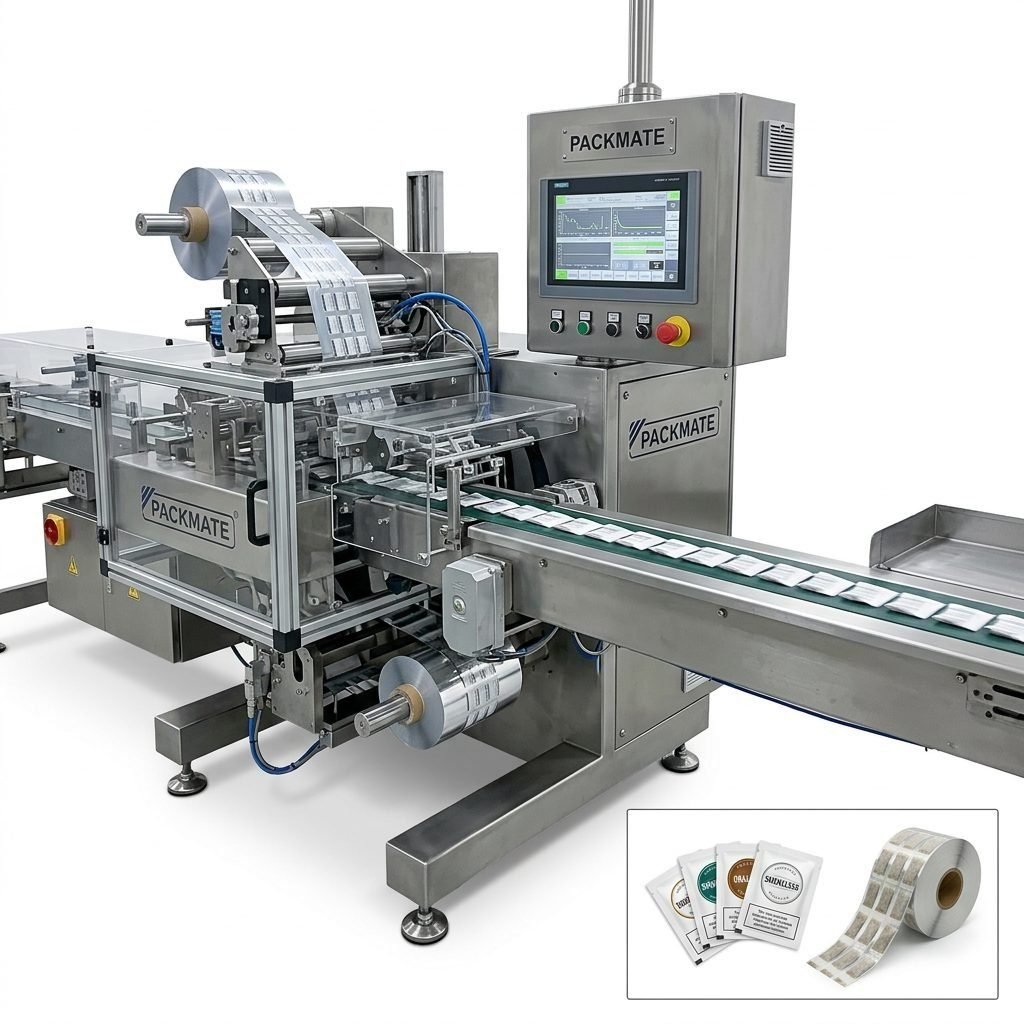
Entering the Hungarian market for snus or nicotine pouches requires careful supplier selection: you need a machine partner who understands production speed, multi-lane performance, EU compliance, and local distribution habits. This practical buyer’s guide walks you through every step of finding a reliable snus packaging machine supplier in Hungary — from initial research and on-site checks to negotiation, commissioning, and long-term service plans.
Why Hungary is a unique market for snus and nicotine pouches
Hungary sits in Central Europe with established logistics links across the EU and the Balkans. Local retail culture favors convenience stores, kiosks, and growing e-commerce channels. Buyers in Hungary tend to value:
- 🔶 Practical, compact production lines that can be integrated into small-to-medium factories.
- 🔶 Machines that comply with EU safety and CE standards and support traceability for regulatory reviews.
- 🔶 Reliable after-sales support and spare parts, because local technical teams may be smaller and require remote assistance.
Step 1 — Define your production goals and constraints
Before contacting suppliers, document your product specifications and business goals. Key questions to answer:
- 🔶 What pouch formats will you produce (stick, sachet, round snus cans, nicotine pouches)?
- 🔶 Expected daily/monthly output (units per minute, shifts per day)?
- 🔶 Required filling accuracy (mg tolerance for nicotine pouches) and weight ranges?
- 🔶 Need for multi-lane setups to increase throughput while saving floor space?
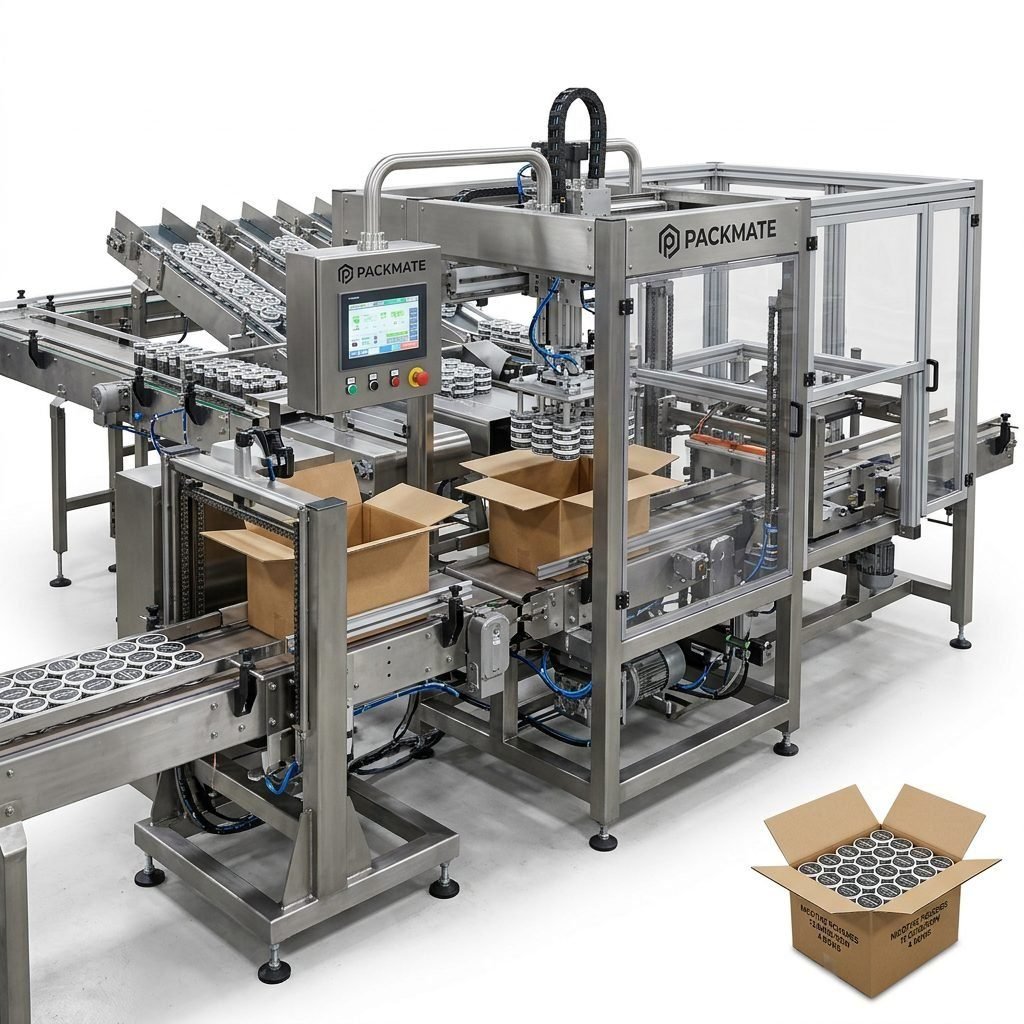
- 🔶 Integration must-haves: weight-checking, metal detection, cartoning, or full turnkey lines?
Step 2 — Where to look for reputable suppliers
Good suppliers appear in multiple places. For a Hungary-focused buyer, combine global and local sources:
- 🔶 Manufacturer websites and catalogs — review technical specs and downloadable catalogs. Example categories worth visiting: Snus & Nicotine Packaging Machines and Sachet & Stick Pack Machines.
- 🔶 Trade shows and exhibitions in Europe — Budapest logistics hubs and regional fairs often showcase packaging lines. See exhibition schedules like those listed at Our Exhibition.
- 🔶 Industry forums, LinkedIn groups, and customer references — seek companies with EU case studies.
- 🔶 Local agents or integrators in Hungary who can provide installation and local training.
Step 3 — Evaluate technical capability and product fit
Focus on machines that match your packaging format and production volume. Key technical aspects:
- 🔶 Mechanical stability and precision for dose repeatability — crucial for nicotine pouches.
- 🔶 Multi-lane options for small-dose pouches to achieve high throughput in limited space.
- 🔶 Modular design for future upgrades (e.g., adding checkweighers or automatic boxing).
- 🔶 Control systems: PLCs, touchscreen HMI, recipe memory, and remote diagnostics capability.
- 🔶 Compliance with CE and ISO standards — request certificates and test reports.
Step 4 — Supplier credibility checks
Validate claims with hard evidence:
- 🔶 Factory tours (virtual or in-person) — check CNC centers, assembly lines, and quality-test stations. Companies like Packmate outline their factory strength and certifications on pages like About Packmate.
- 🔶 Ask for CE, ISO certificates, and machine test certificates — verify via issued numbers when possible. Also check Certificate references.
- 🔶 Customer cases and testimonials — request contactable references or documented case studies: see examples under Case.
- 🔶 After-sales network — clarify lead times for spare parts delivery to Hungary and available technicians for onsite support.
Step 5 — Commercial terms, warranties, and payment
Negotiate clear terms that protect your investment:
- 🔶 Warranty period and scope — which components are covered (motors, PLCs, servo systems) and who pays shipping for replacement parts.
- 🔶 Payment milestones — typical structure: deposit, manufacturing milestone, pre-shipment acceptance, and balance on delivery.
- 🔶 Acceptance tests — define FAT (Factory Acceptance Test) and SAT (Site Acceptance Test) criteria, acceptance protocols, and penalty clauses for missed specifications.
- 🔶 Spare parts kits and recommended inventory levels for 6–12 months of production.
Step 6 — Logistics, installation, and commissioning in Hungary
Plan logistics early — machine dimensions, crate sizes, customs paperwork, and VAT procedures matter. Hungarian buyers often arrange delivery to Budapest or nearby industrial parks. Key steps:
- 🔶 Shipping: sea to a European port then road to Hungary often reduces cost; ask supplier for DAP or DDP quotes.
- 🔶 Customs and compliance documentation for EU arrival — CE and other certificates must travel with the machine.
- 🔶 Onsite installation: confirm whether supplier sends engineers for mechanical alignment and electrical hookup, or if local integrators will handle it.
- 🔶 Commissioning and training: request on-site operator training, maintenance manuals in English or Hungarian, and remote follow-up sessions.
Step 7 — After-sales service, spare parts and long-term support
After-sales support is the most important ongoing relationship. Good suppliers offer:
- 🔶 Fast spare parts dispatch to EU hubs and a spare-parts portal for easy ordering.
- 🔶 Remote diagnostics via secure VPN to minimize downtime.
- 🔶 Planned maintenance agreements and consumables supply programs.
- 🔶 Training refreshers and technical documentation access — some suppliers provide online courses or a local partner network.
Red flags to watch for
Be cautious if you see:
- ⚠️ Vague technical specs with no test videos or performance data.
- ⚠️ No CE/ISO evidence or refusal to provide contactable customer references in your target market.
- ⚠️ Excessive extra-cost surprises after initial quotation (hidden charges for documentation, FAT, or spare parts).
- ⚠️ Poor communication during pre-sales — responsiveness is a good predictor of after-sales behavior.
Practical procurement timeline
Typical timeline from initial contact to production-ready:
- Week 1–2: Requirements, initial supplier short-listing, and request for quotations (RFQ).
- Week 3–6: Technical clarifications, reference checks, and negotiation of commercial terms.
- Week 6–12: Contract signing and design finalization — supplier schedules production slot.
- Week 12–20+: Manufacturing, FAT, and shipment (lead times vary by model and season).
- Week 20–24+: Delivery to Hungary, SAT, commissioning, and training.
Why Packmate models are worth evaluating
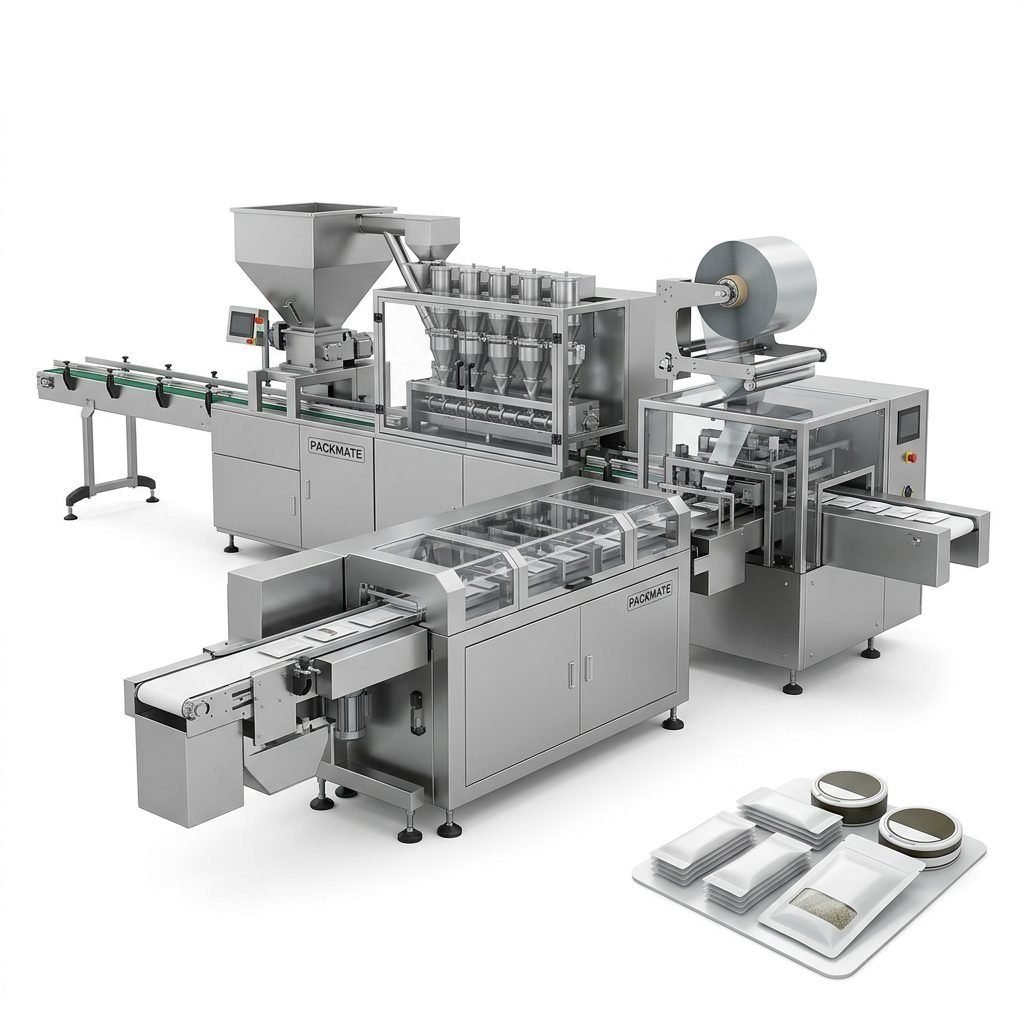
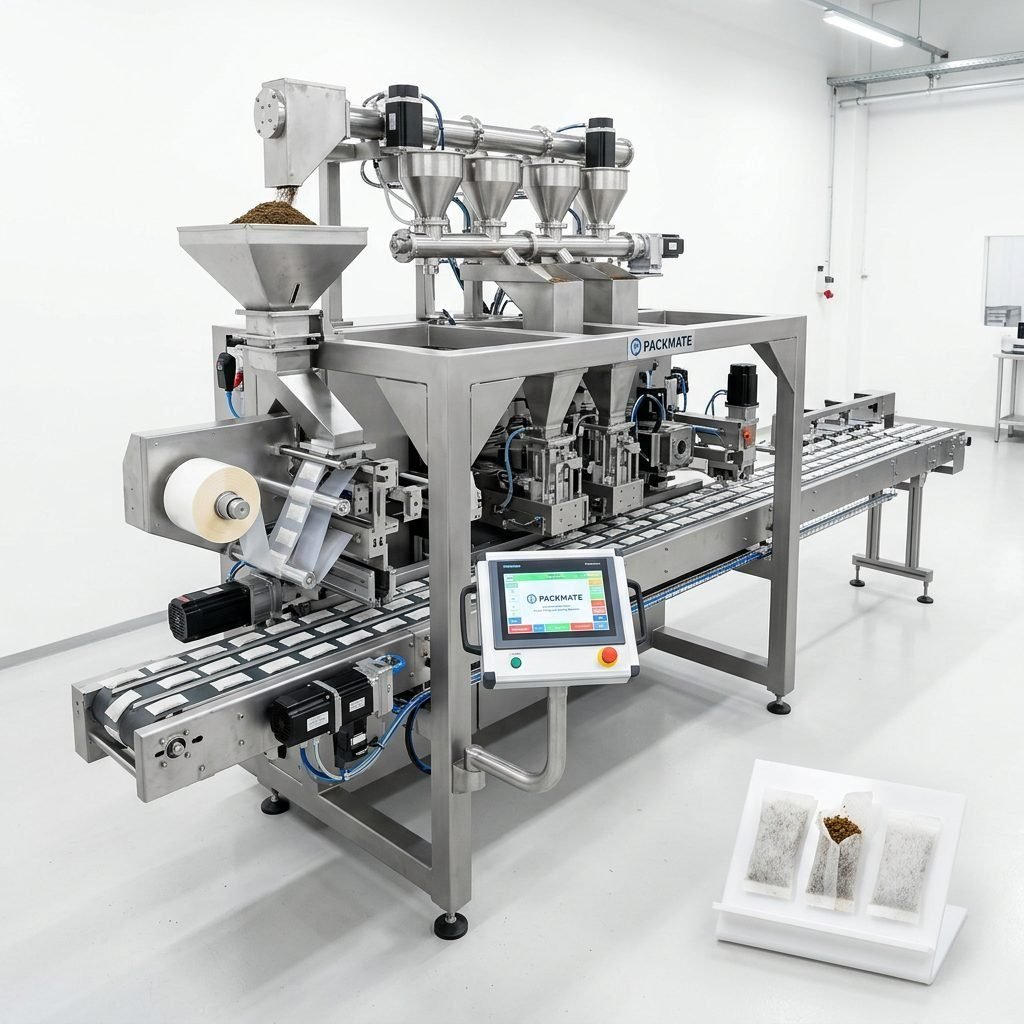
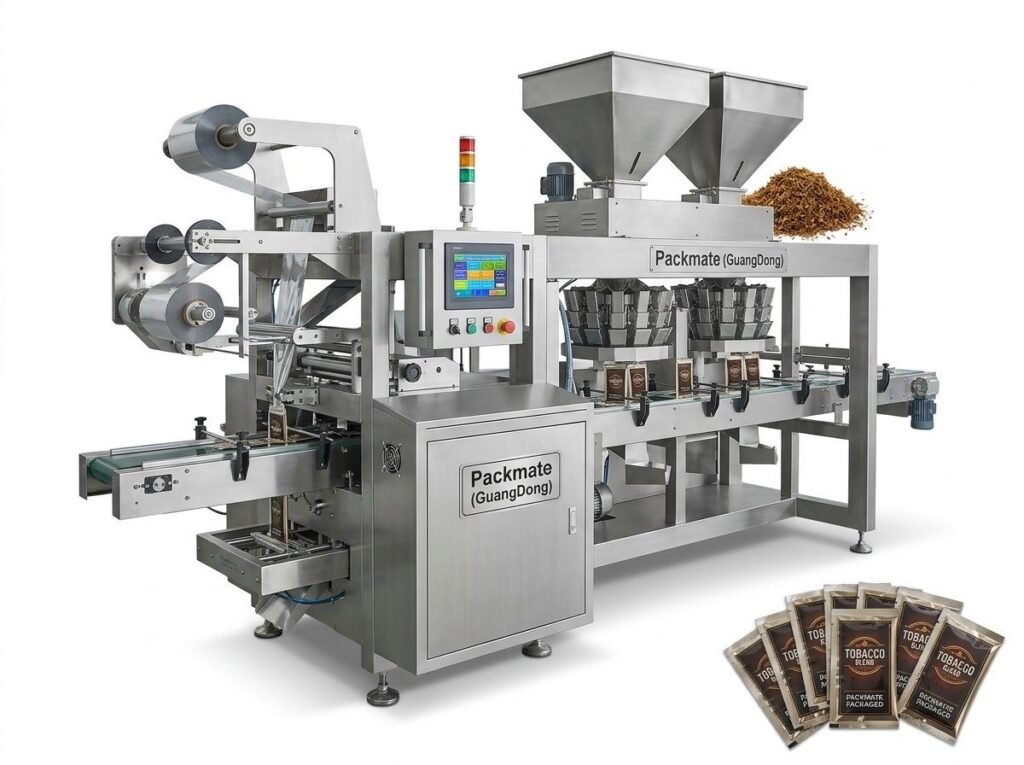
Packmate Snus Machine has deep experience in snus and nicotine pouch equipment. Highlights buyers often request include:
- 🔶 30+ years of engineering experience and a dedicated 20,000㎡ manufacturing facility with advanced CNC and assembly systems.
- 🔶 A broad product range: snus/nicotine pouch machines, stick pack and sachet lines, weighing and filling systems. Browse model options at Bag & Pouch Packaging Machines and Weighing & Packaging Systems.
- 🔶 CE and ISO compliance and a history of supplying turnkey solutions to European customers.
Final checks before signing
Ensure the contract covers intellectual property, machine customization ownership, spare part obligations, and escalation procedures for unresolved technical issues. Consider a small pilot run or trial production window as part of acceptance testing to validate real-world performance in Hungarian conditions.
Local cultural and operational considerations
Hungarian operations often prioritize lean staffing, so machines with intuitive HMIs and short training cycles are preferred. Documentation in English is usually fine, but providing Hungarian translations for safety and operation manuals can accelerate regulatory approvals and operator adoption.
Summary
Finding a reliable snus packaging machine supplier in Hungary comes down to thorough pre-screening, technical matching, verified compliance, and strong after-sales plans. Use reference checks, factory evidence, FAT/SAT protocols, and clear commercial terms to minimize risk. Prioritize suppliers who can demonstrate European experience, compliance, and quick spare-parts logistics.
Frequently Asked Questions (FAQs)
Q1: How can I be sure a supplier’s performance data is real?
Ask for FAT videos showing the actual product and speeds under load, request contactable customer references in Europe, and insist on live remote demonstrations. Include clear acceptance criteria in the purchase agreement.
Q2: What certifications should a machine have for EU/Hungary use?
CE marking and relevant ISO/QC certificates are baseline requirements. Also request documentation for electrical standards, EMC, and material-contact safety if applicable. Local legal counsel can advise on compliance for nicotine-related products.
Q3: How much spare parts inventory should I keep in Hungary?
Maintain a basic spare kit for critical components (motion parts, belts, sensors, PLC modules) covering at least 3–6 months of production. Suppliers often provide recommended lists based on expected wear cycles.
Q4: Is remote commissioning reliable for complex multi-lane lines?
Yes — if the supplier supports secure remote access, video assistance, and has clear SOPs. However, initial mechanical alignment and electrical hookup usually need either an on-site engineer or an experienced local integrator.
Q5: Where can I find more technical resources and support from Packmate?
Explore product pages and service contacts such as Auxiliary Packaging Equipment and FAQs for detailed support options.