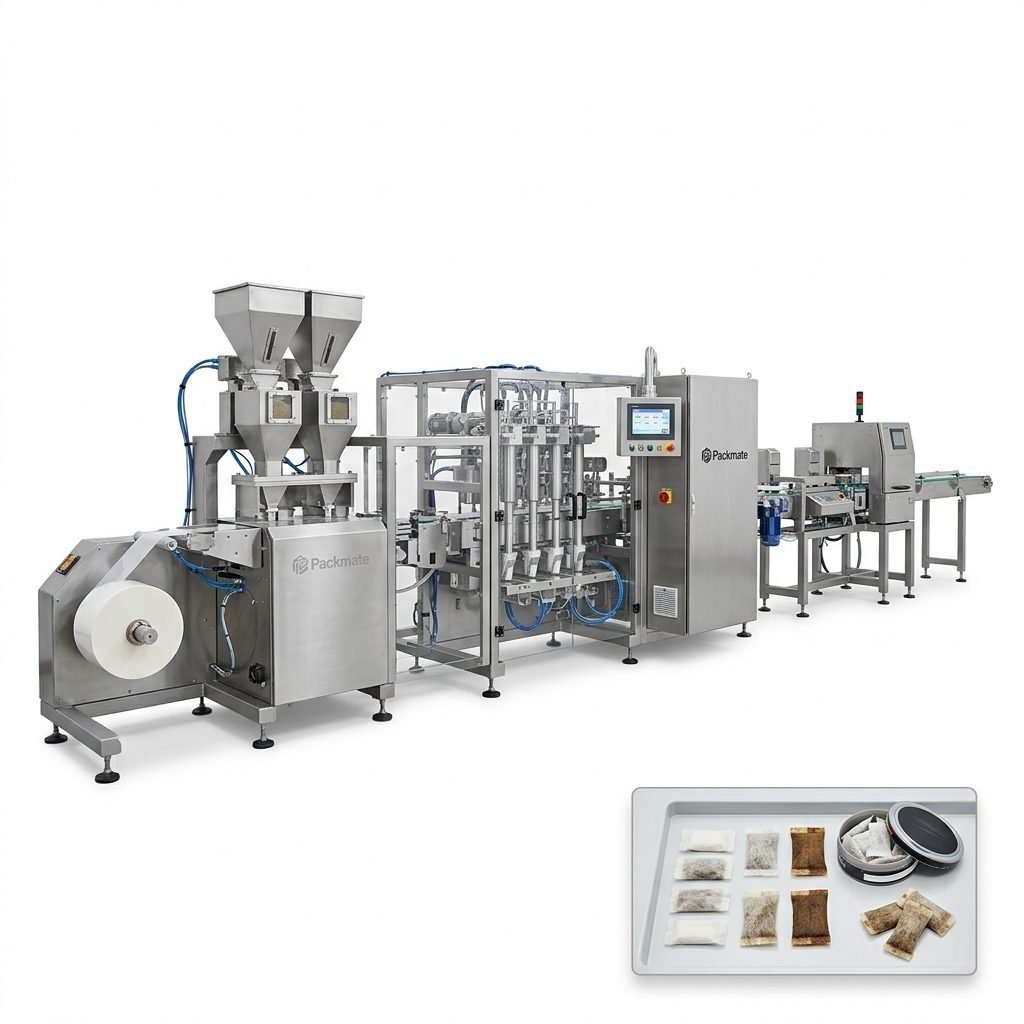
Entering Zimbabwe’s growing nicotine pouch and snus market means making smart equipment choices from the start. Choosing the right snus packaging machine supplier will affect product quality, regulatory compliance, production efficiency, and long-term profitability. This guide walks Zimbabwean entrepreneurs and packaging managers through the practical factors to evaluate, local customs and regulatory considerations to respect, and a clear checklist to help you select a supplier who can deliver reliable, compliant, and scalable snus packaging solutions.
Why the right supplier matters for Zimbabwe
Zimbabwe presents unique opportunities and constraints: smaller urban markets, informal distribution channels, and a growing interest among local consumers for discrete, well-packaged nicotine pouches. Choosing the correct packaging supplier means you get equipment that fits local production scale, is easy to maintain with available spare parts, and meets international safety and hygiene standards for export or local sale. A trusted supplier reduces downtime and helps you adapt designs to local preferences quickly.
Local customs and consumer habits in Zimbabwe
In Zimbabwe, small-format and discreet packaging often appeals to urban and commuter consumers. Products that emphasize convenience, secure resealable features, and clear labeling gain traction. Many customers value affordability, while others prioritize perceived premium quality — this dual market means flexibility in batch sizes and packaging formats is important. Suppliers who understand these subtleties can help you optimize package formats like single-dose sachets, stick packs, or multi-pouch boxes.
Key technical features to evaluate
When comparing snus packaging machines, focus on specifications that affect output quality and operating costs. Below are the technical priorities to review:
🔶 Filling accuracy and dose control: Tolerance levels directly affect product consistency and regulatory compliance. Look for high-precision weighing and dosing systems to avoid waste and compliance issues.
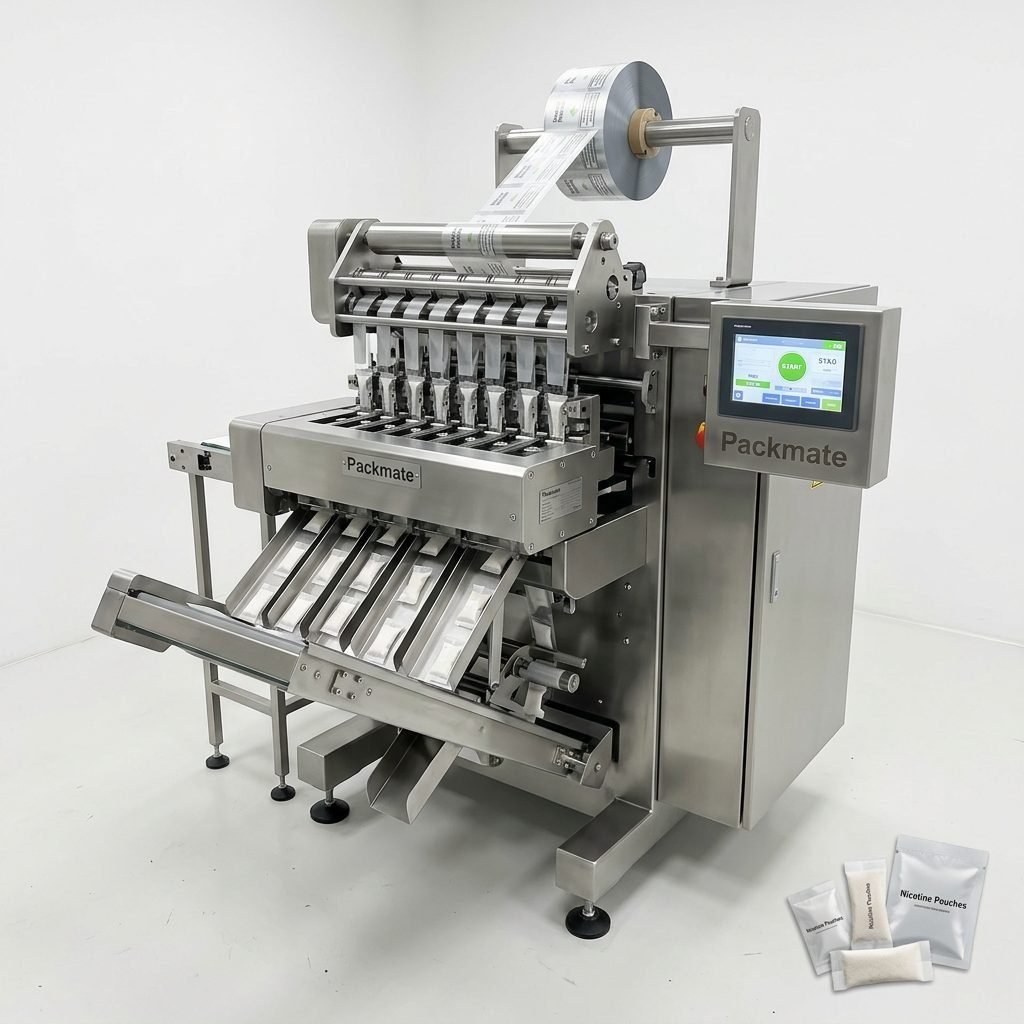
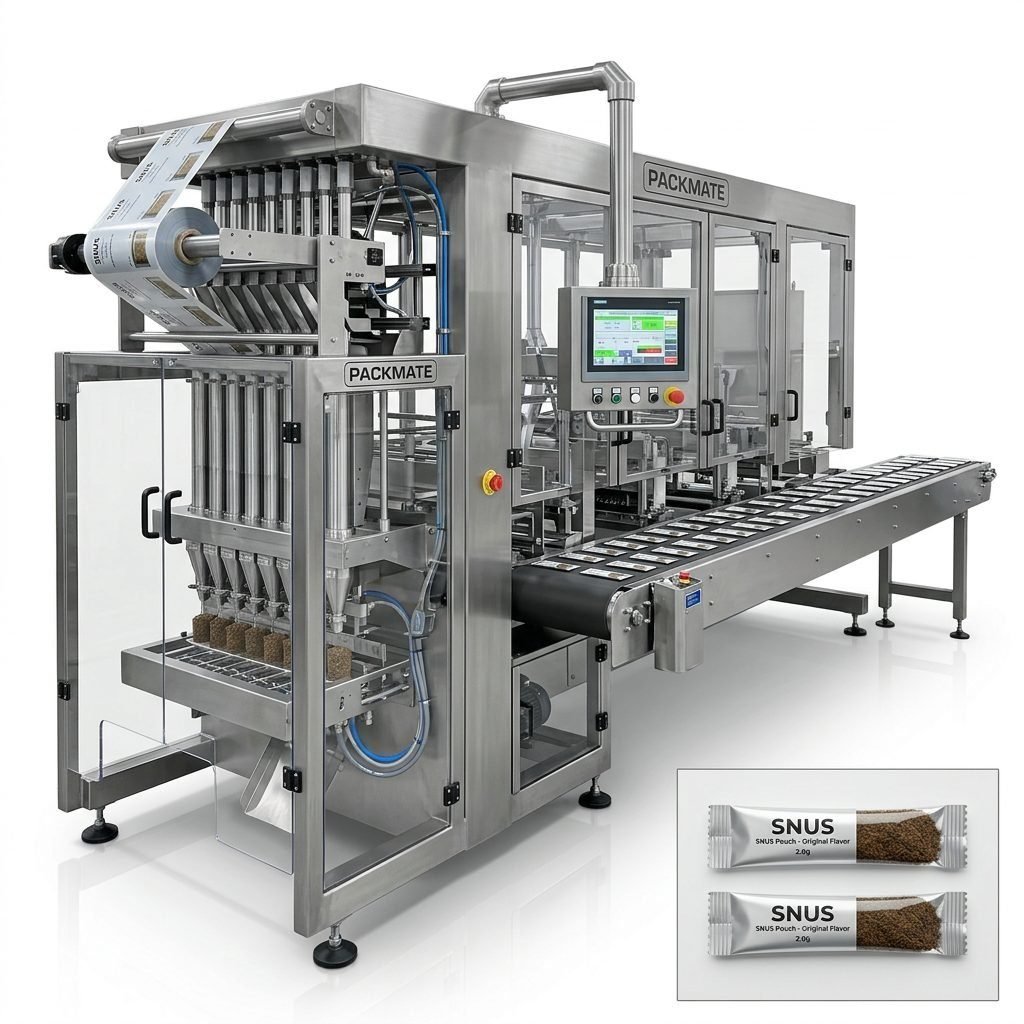
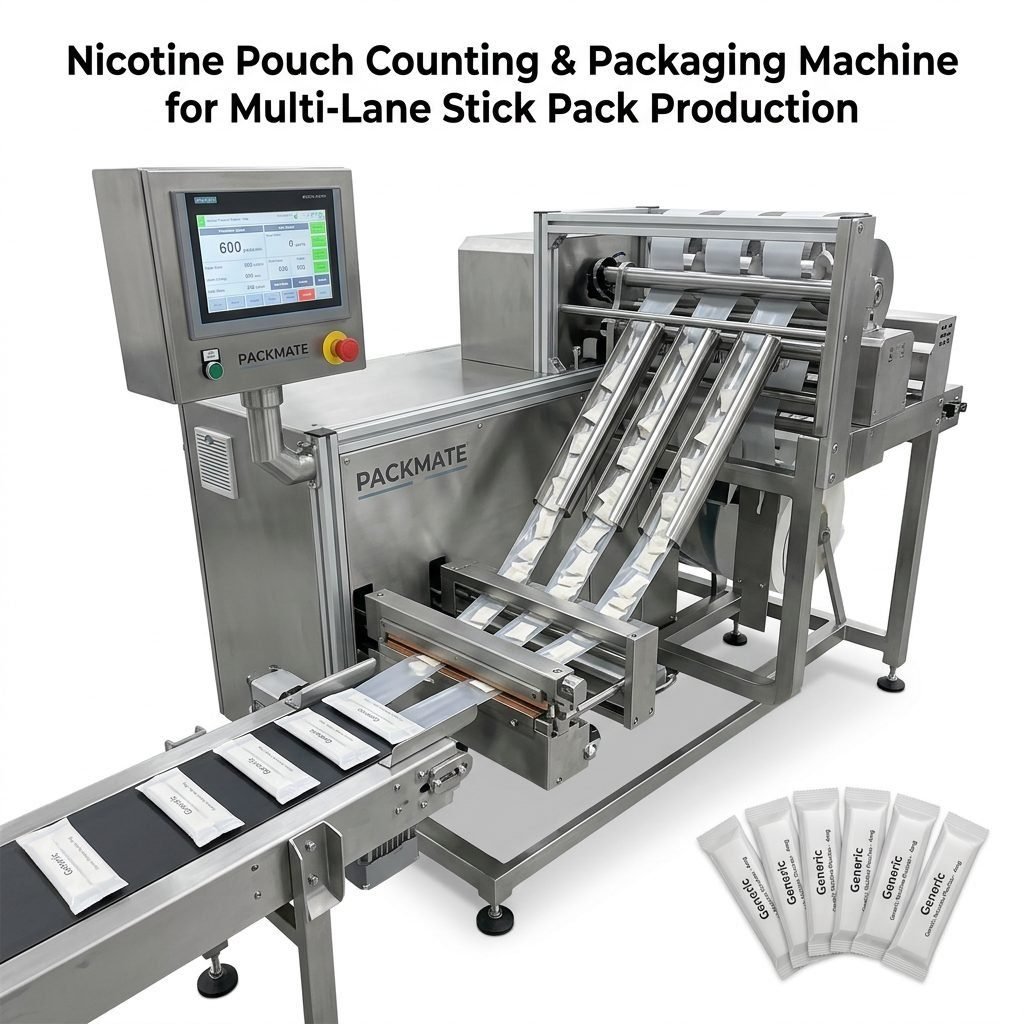
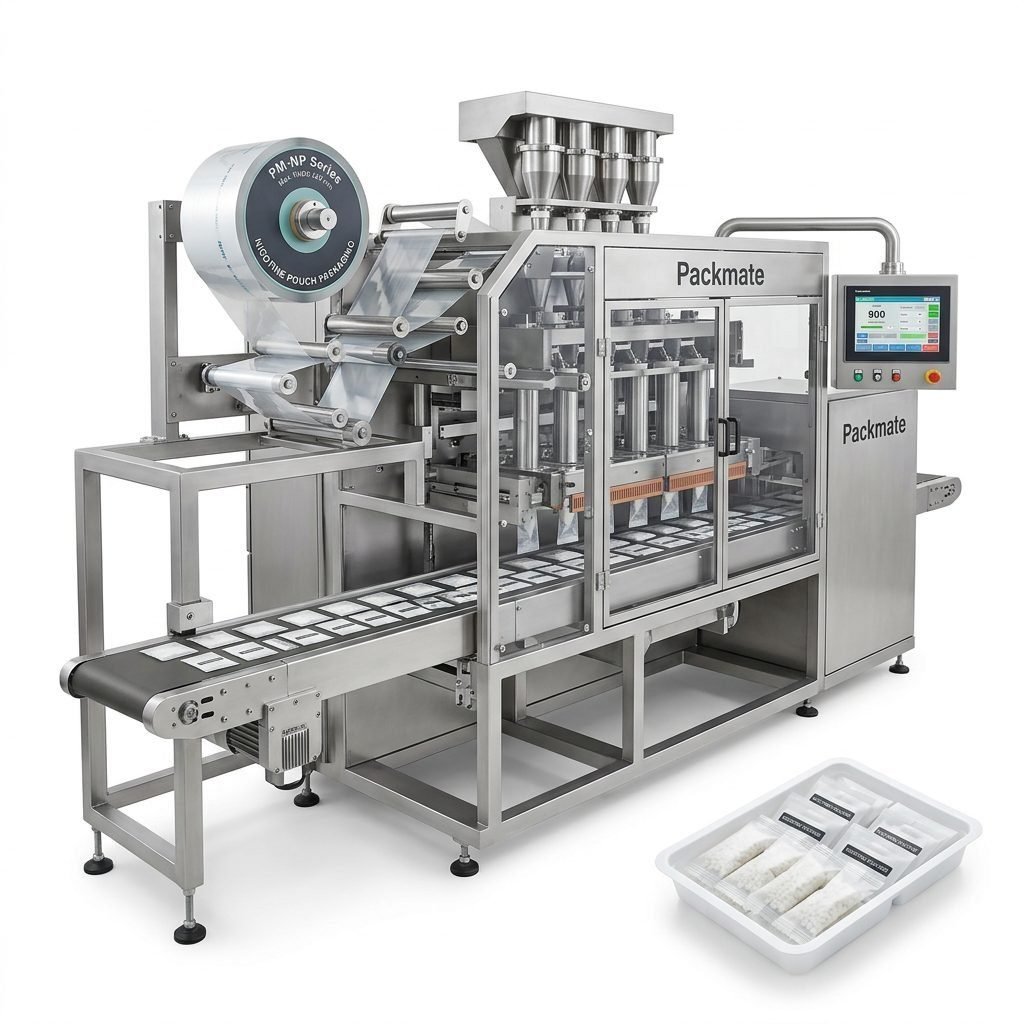
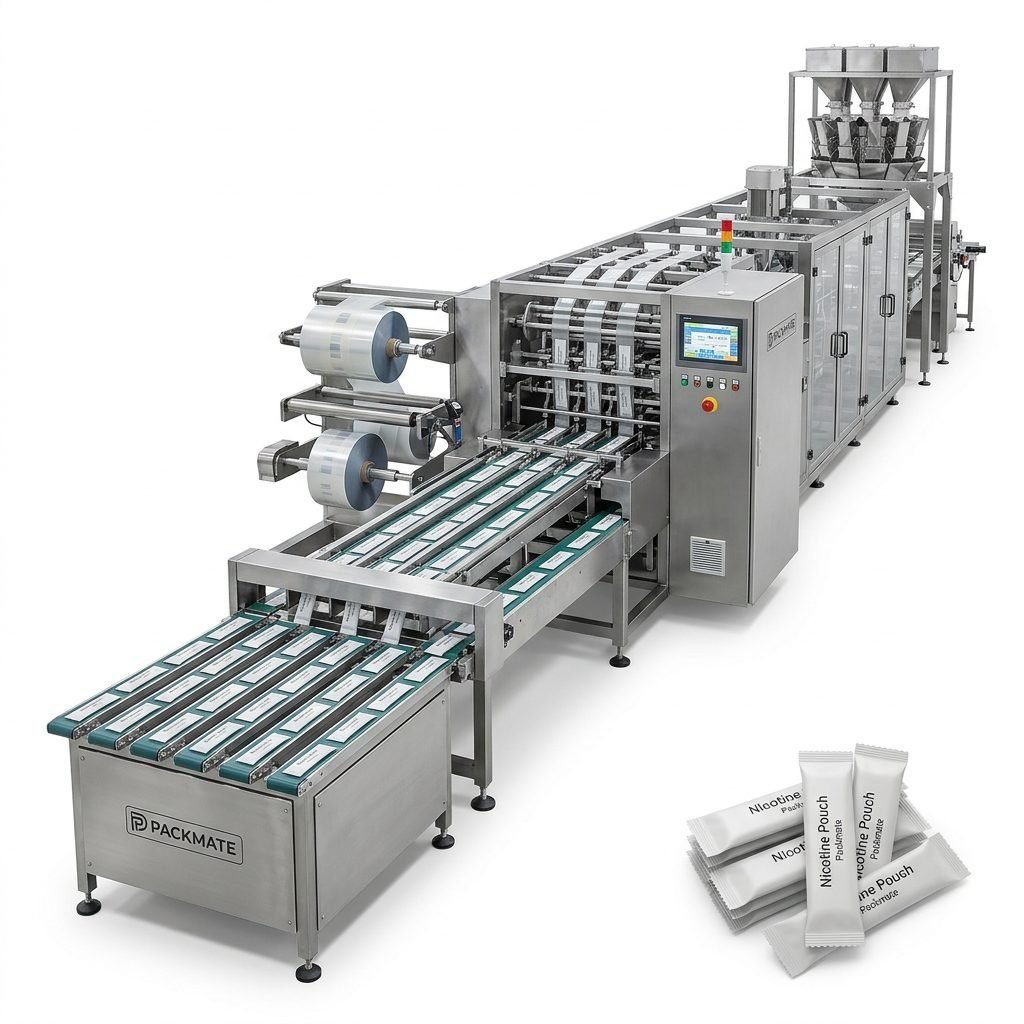
🔶 Multi-lane vs single-lane capability: Multi-lane machines boost throughput and reduce floor space cost per pouch. For Zimbabwean operations aiming to scale, multi-lane options are often the best investment.
🔶 Material compatibility: Ensure the machine is compatible with the pouches and film types you plan to use — laminated films, foil, or resealable materials must be supported.
🔶 Ease of changeover: Quick tool-free changeovers reduce downtime for SKU changes and packaging format tests, crucial for small-batch flexibility in Zimbabwe.
Quality, certifications and standards
Certifications like CE and ISO are indicators a supplier adheres to recognized safety and quality standards. For export ambitions beyond Zimbabwe, such certifications simplify customs clearance and buyer acceptance. Ask for documentation and recent test reports before purchase.
Production capacity, reliability, and TCO (Total Cost of Ownership)
Short-term purchase price is only part of the story. Evaluate long-term costs — spare parts, energy consumption, service contracts, and mean time between failures (MTBF). Reliable machines with robust CNC machined components reduce unplanned downtime and lower operating risk in regions where technical service may be slower to arrive.
✅ Operational tip: Prioritize suppliers with in-country or regional service partners, or those who provide fast shipping for critical spare parts. This reduces downtime and keeps lines running.
After-sales support, training and spare parts
For Zimbabwean buyers, after-sales support is a decisive factor. Training your operators, having ready access to spare parts, and remote diagnostics can keep your production stable. Ask potential suppliers about training programs, local technician certification, and average response times for parts shipments.
Regulatory compliance and labeling considerations in Zimbabwe
Zimbabwe has regulatory oversight for nicotine products. Your packaging must include appropriate health warnings, ingredient information, and manufacturing details in accordance with local law. Work with a supplier who understands packaging print and coding systems so labels remain compliant and traceable. If you plan to export, ensure the machine can handle multilingual printing and variable data coding.
Factory visits, references and sample runs
Visiting the manufacturer or attending a live demonstration gives you insight into build quality and engineering discipline. Request production samples made on the actual model you intend to buy. Ask for customer references in similar markets. Suppliers with documented global cases provide extra assurance — for example, you can review supplier case studies to verify performance and reliability.
🔗 Read real-world cases to understand how lines perform in different market conditions.
Customization and turnkey solutions
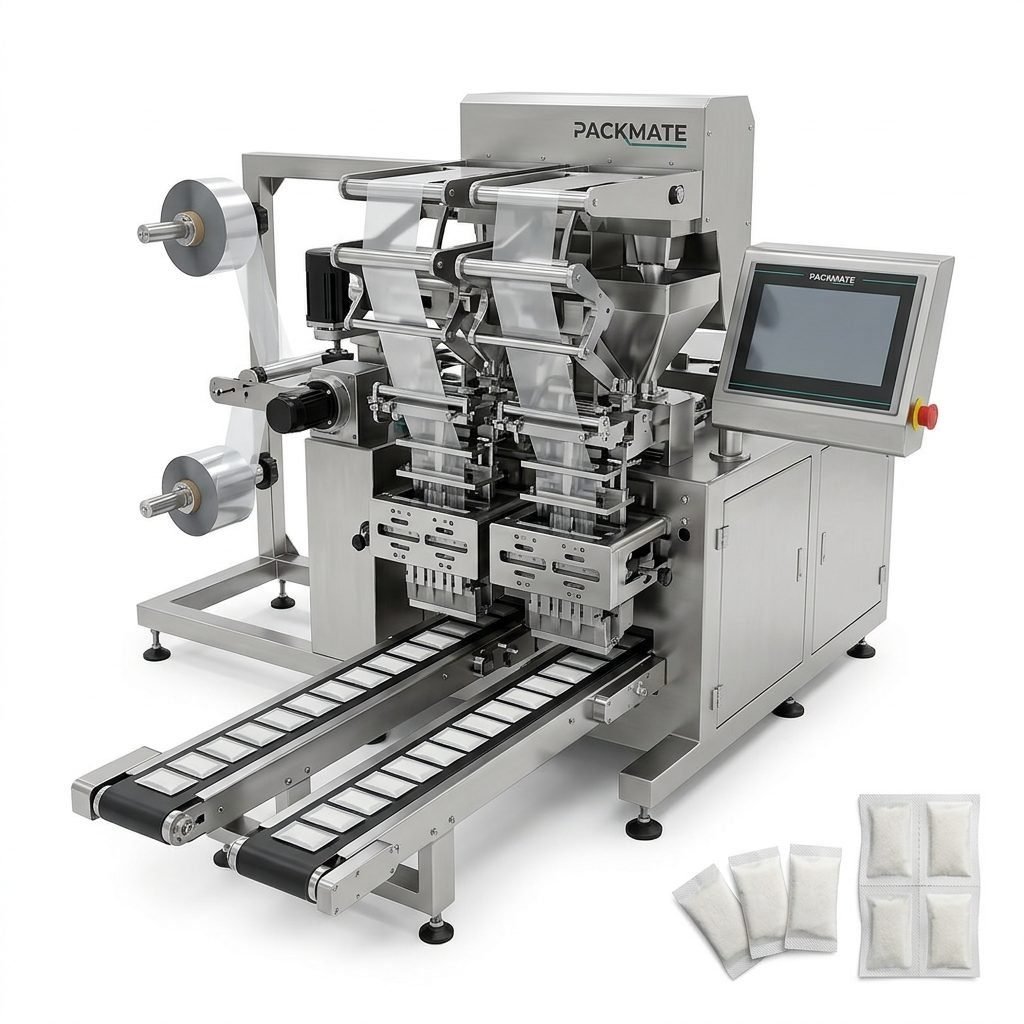
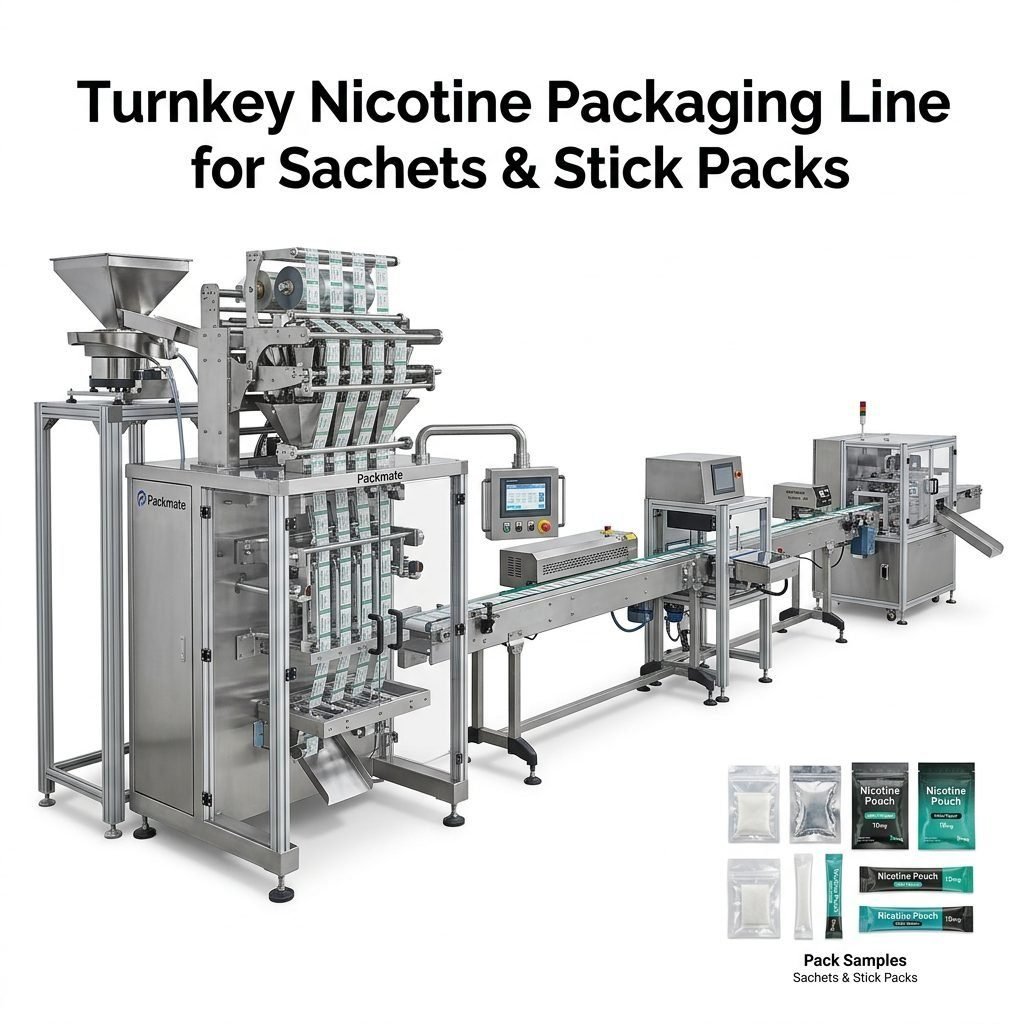
Zimbabwean manufacturers often need flexible solutions: custom pouch sizes, specific filling systems for different formulations, and integrated downstream options for boxing and secondary packaging. Suppliers that offer turnkey lines, including weighing, pouch forming, filling, sealing, and end-of-line packing, reduce integration risk and shorten the time to market.
🔗 Explore product categories like Snus & Nicotine Packaging Machines and Weighing & Packaging Systems to compare specifications and turnkey capabilities.
Logistics, installation and local setup in Zimbabwe
Plan for customs clearance, inland transport, and safe installation. Work with suppliers who provide installation technicians or detailed remote setup support. Ensure the contract covers machine calibration, operator training, and at least one commissioning visit. For Zimbabwe, where skilled technicians may be less available in remote zones, supplier-led commissioning is particularly valuable.
How Packmate Snus Machine aligns with Zimbabwean needs
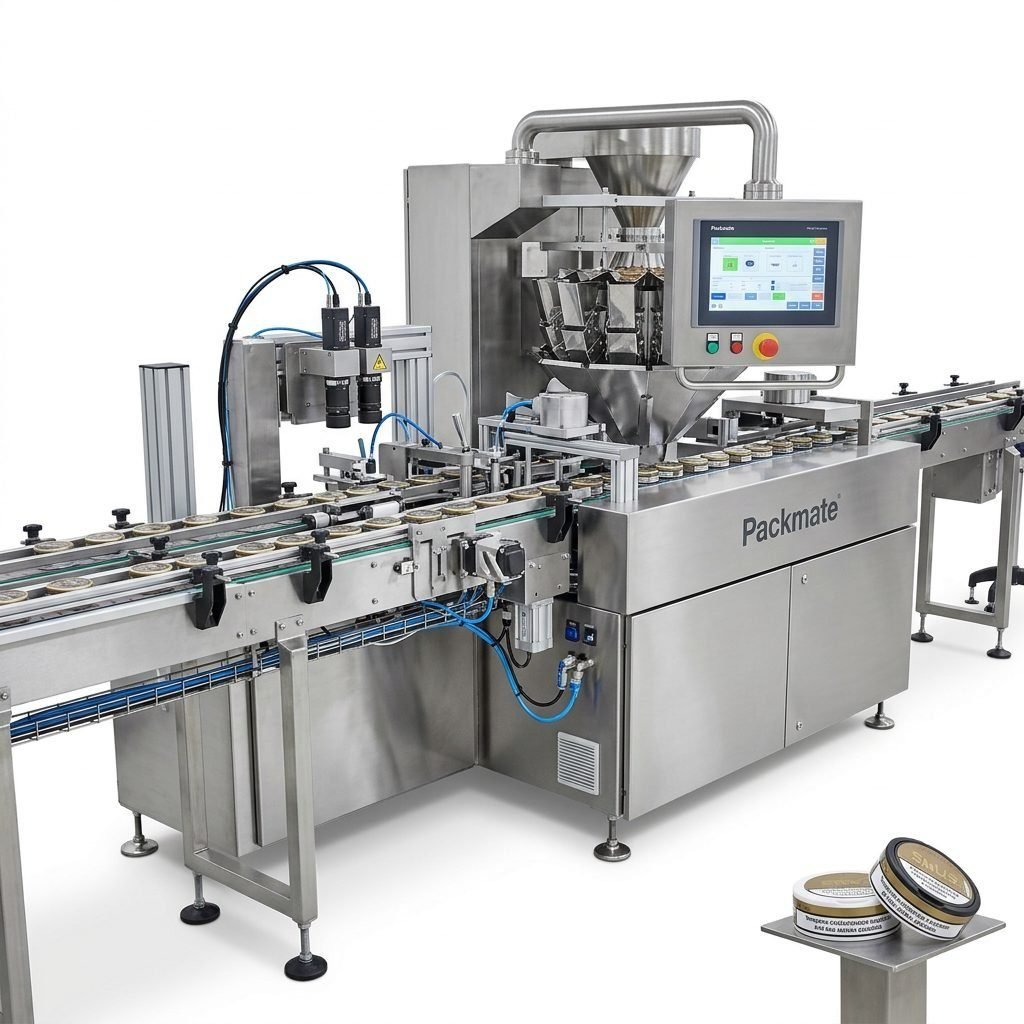
With over 30 years of engineering experience and a broad range of models, Packmate Snus Machine delivers high-performance multi-lane systems and turnkey packaging lines suited for nicotine pouches, snus, and small-dose products. Their facility supports advanced CNC machining and precision assembly, which improves machine longevity — a key advantage for operations in Zimbabwe where durable equipment reduces lifecycle costs.
🔗 Learn more About Packmate and their manufacturing capabilities, or contact the supplier directly for project inquiries.
🔶 Key advantage: Packmate offers CE and ISO-certified lines with multi-lane options and full turnkey integration — ideal if you plan to scale production in Zimbabwe or export to regional markets.
Decision checklist before you sign
🔎 Technical fit: Confirm dosing accuracy, lane count, film compatibility, and sealing quality.
🔎 Support & parts: Verify spare parts lead times, warranty terms, and availability of remote diagnostics.
🔎 Compliance: Ensure machine supports required labeling and coding systems for Zimbabwean regulation and any export markets.
🔎 References & demos: Request on-site demos or live line videos, and speak to customers in similar markets.
🔎 Total cost: Evaluate TCO including energy, maintenance, parts, and training.
Negotiation and contract tips
Build clear milestones into the contract: delivery dates, factory acceptance tests (FAT), installation and commissioning plans, operator training, and spare parts kits. Insist on performance guarantees for throughput and sealing quality. Clarify warranty coverage, and specify penalties or service level agreements for response times on critical faults.
Final steps before purchase
After narrowing down suppliers, conduct a final risk assessment that includes customs clearance pathways to Harare or Bulawayo, local power compatibility, and on-site safety procedures. Confirm that the supplier will assist with documentation needed for Zimbabwean import processes.
🔗 If you’d like to see product specifications or request a quote, visit the Sachet & Stick Pack Machines or Filling & Packaging Lines pages for more details.
Conclusion
Choosing the best snus packaging machine supplier for your Zimbabwe operation requires balancing technical fit, local support, regulatory compliance, and long-term cost. Prioritize suppliers with proven multi-lane experience, CE/ISO certifications, strong spare parts policies, and turnkey capabilities. A partner like Packmate Snus Machine — with decades of experience and customizable lines — can help you launch reliable production quickly while keeping long-term operational costs manageable.
Common questions
Q: How long does delivery and installation typically take for a snus packaging line to Zimbabwe?
A: Delivery depends on model and customization. Typical lead times range from 8 to 20 weeks for manufacturing and shipping, plus 1–3 weeks for customs and on-site commissioning depending on paperwork and logistics.
Q: Can suppliers provide training for local operators in Zimbabwe?
A: Yes. Reputable suppliers offer operator and maintenance training during commissioning, plus documentation and remote support. Confirm on-site training days in the contract.
Q: What certifications should I ask for when buying packaging equipment?
A: Request CE and ISO certificates, electrical safety reports, and material compatibility documentation. These make it easier to meet local and export regulations.
Q: Where can I see examples of lines in operation?
A: Ask suppliers for case studies and live demo videos. You can also review documented examples on the supplier’s case page: Supplier Cases.
Q: How do I contact the supplier for a quote or technical questions?
A: Use the supplier contact page to request a tailored quote and technical consultation: Contact Packmate.