Choosing the right snus packaging machine manufacturer for your business in Lithuania is a decision that affects production efficiency, regulatory compliance, product quality, and long-term total cost of ownership. This guide walks you through practical, industry-tested criteria to evaluate manufacturers and their machines, highlights specific technical and commercial considerations for the snus and nicotine pouch market, and shows how to balance performance, cost, and after-sales support when selecting a partner.
Understand the Snus Packaging Machine Landscape
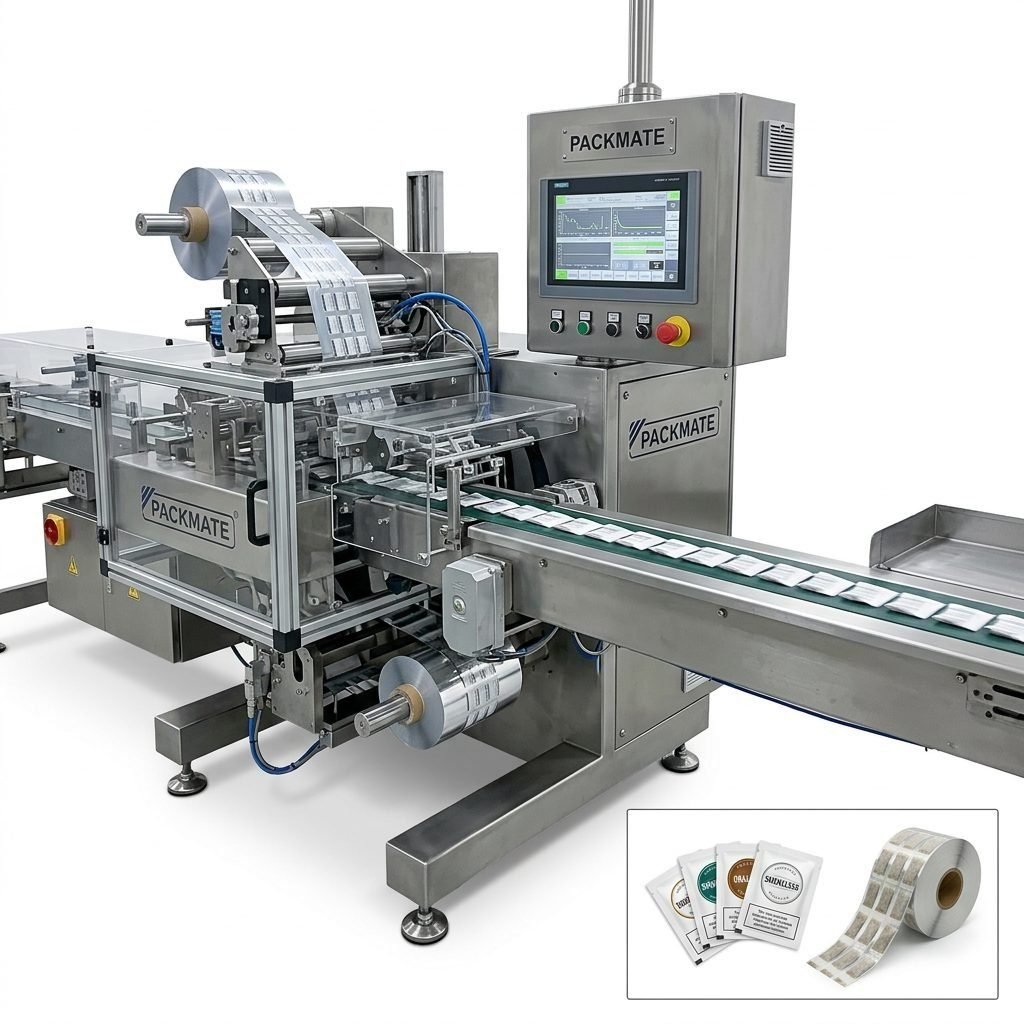
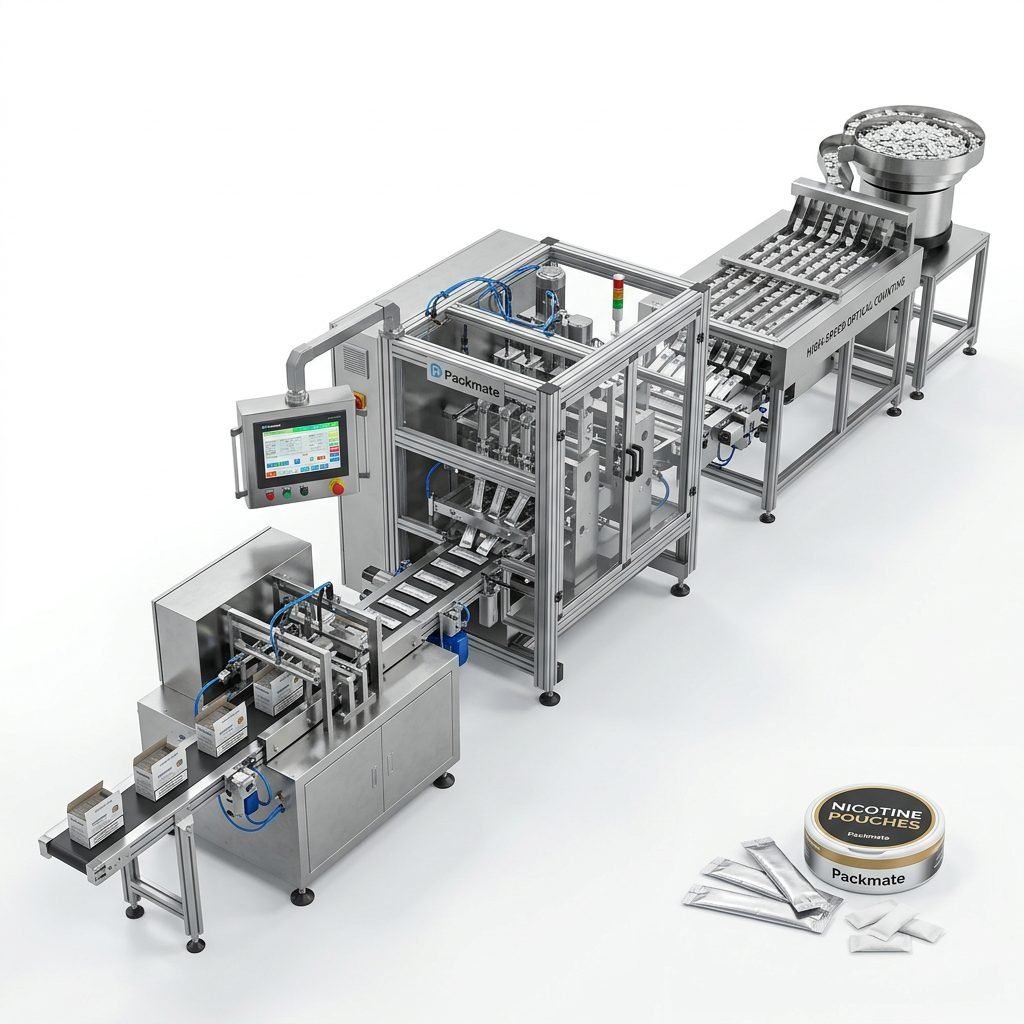
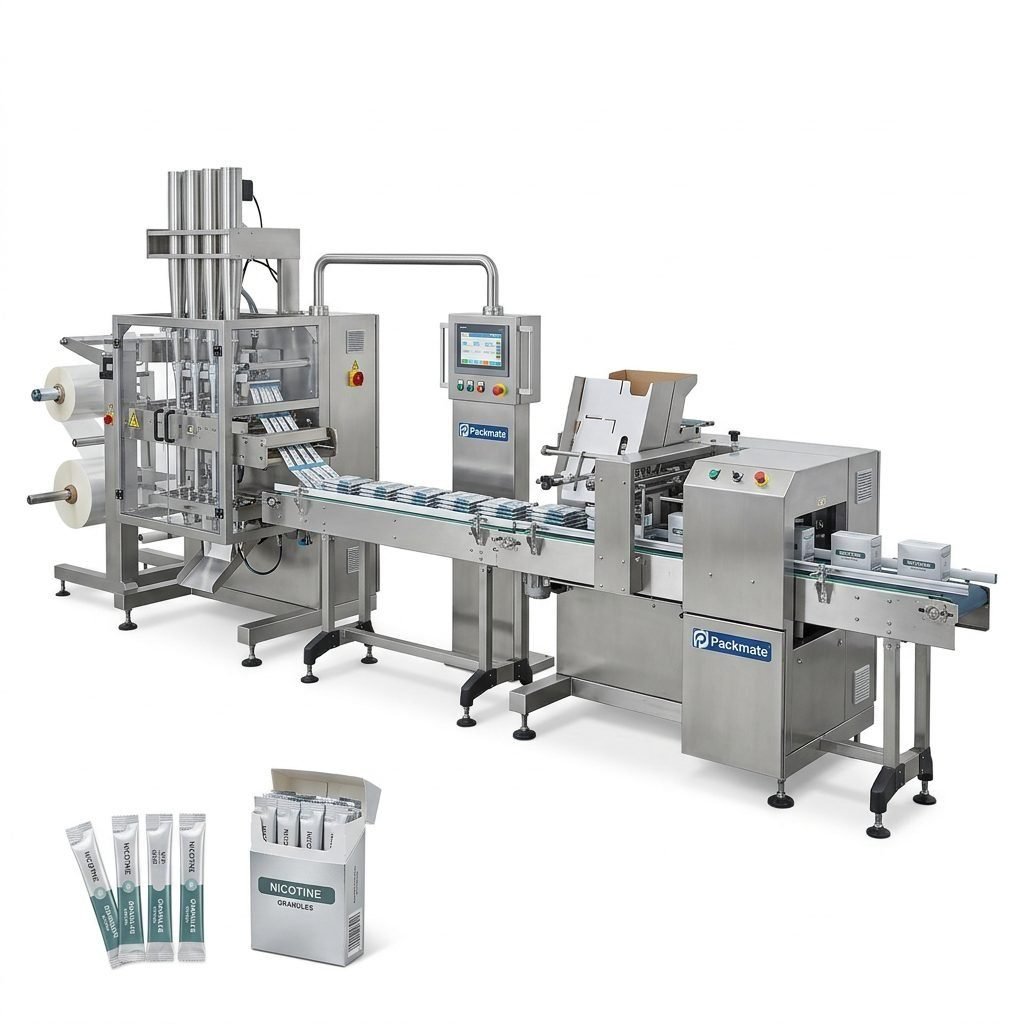
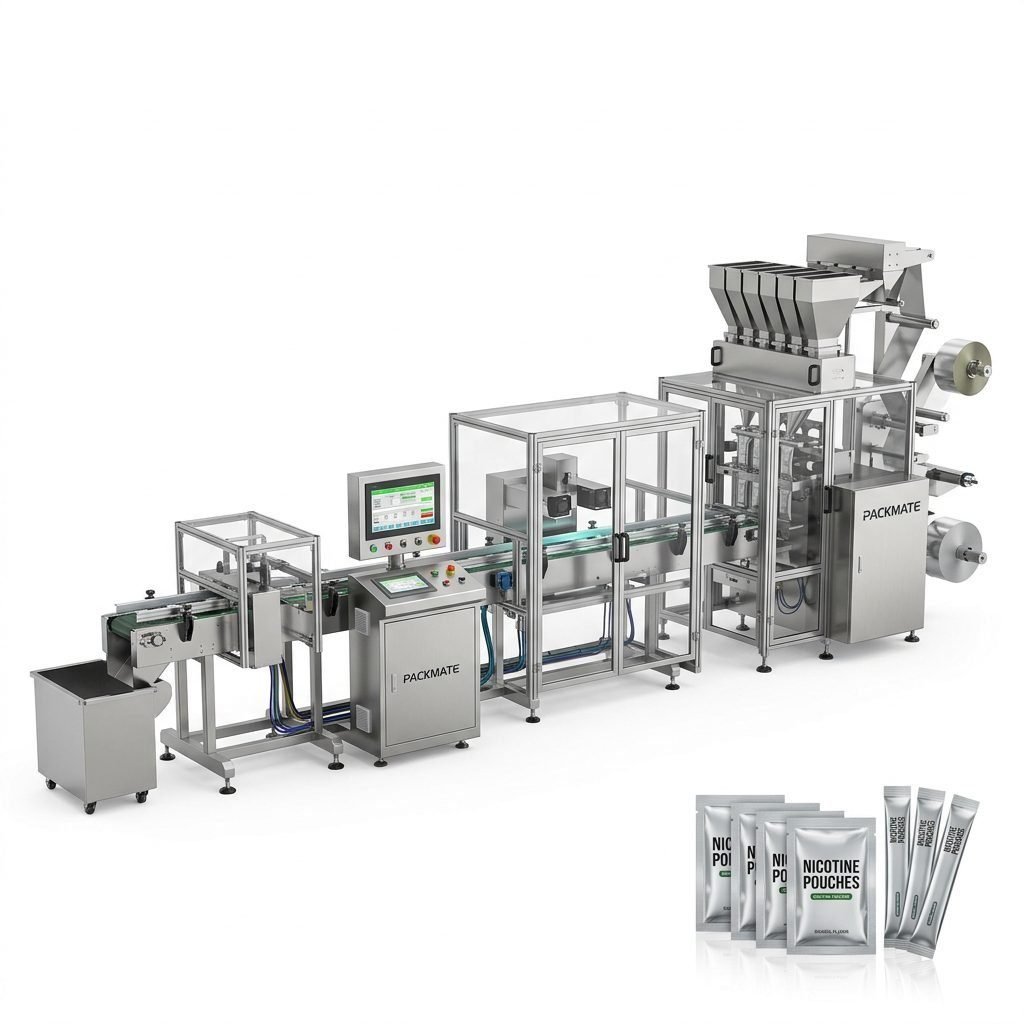
Snus and nicotine pouch packaging machines range from compact single-lane stick pack and sachet systems to high-throughput multi-lane automated lines. Machines vary by filling method (weighing, volumetric, auger), pouch forming technology, sealing technology, and integration with upstream and downstream equipment (e.g., dosing, metal detectors, checkweighers, cartoning). Knowing the types of machines available helps you match a manufacturer’s offerings to your product format, production targets, and regulatory needs.
Key machine families to compare
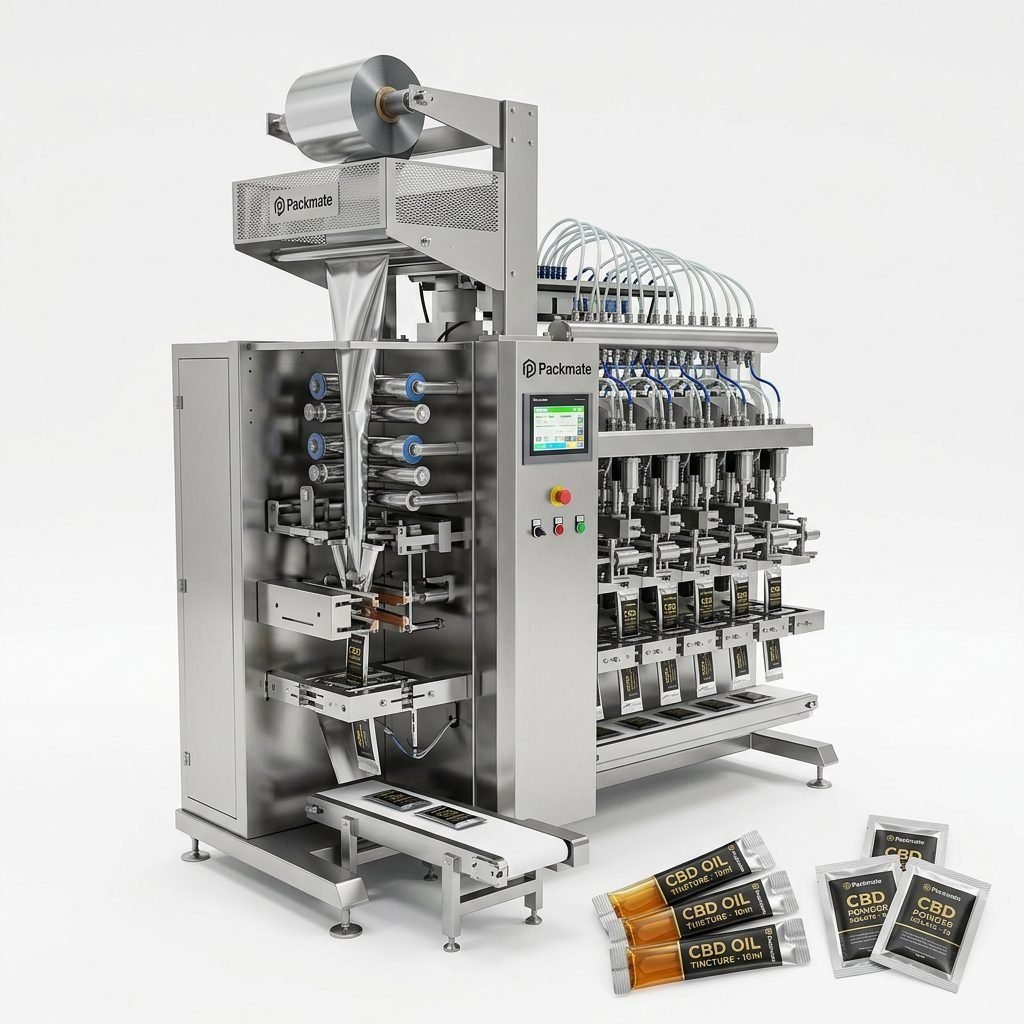
• Stick pack and sachet machines for small-dose nicotine pouches.
• Multi-lane systems for small-dosage high-speed pouch production.
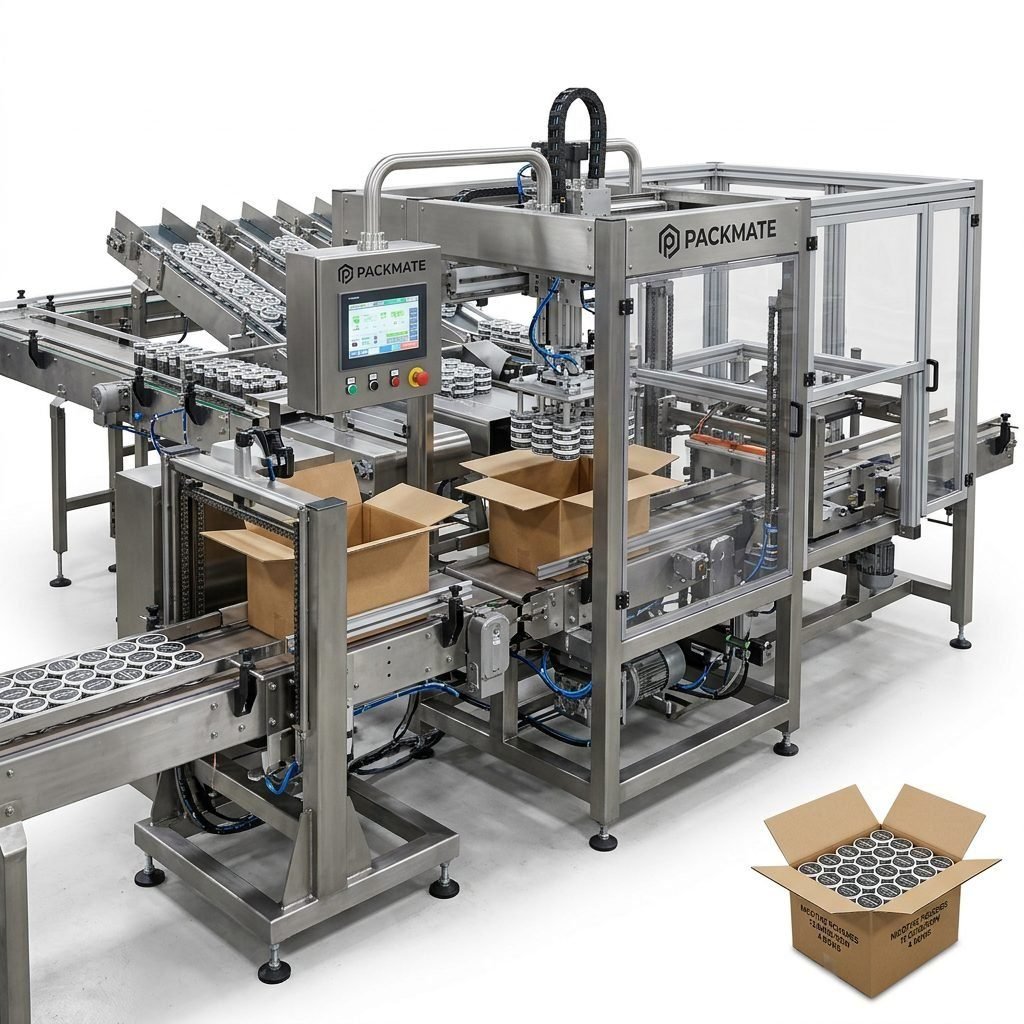
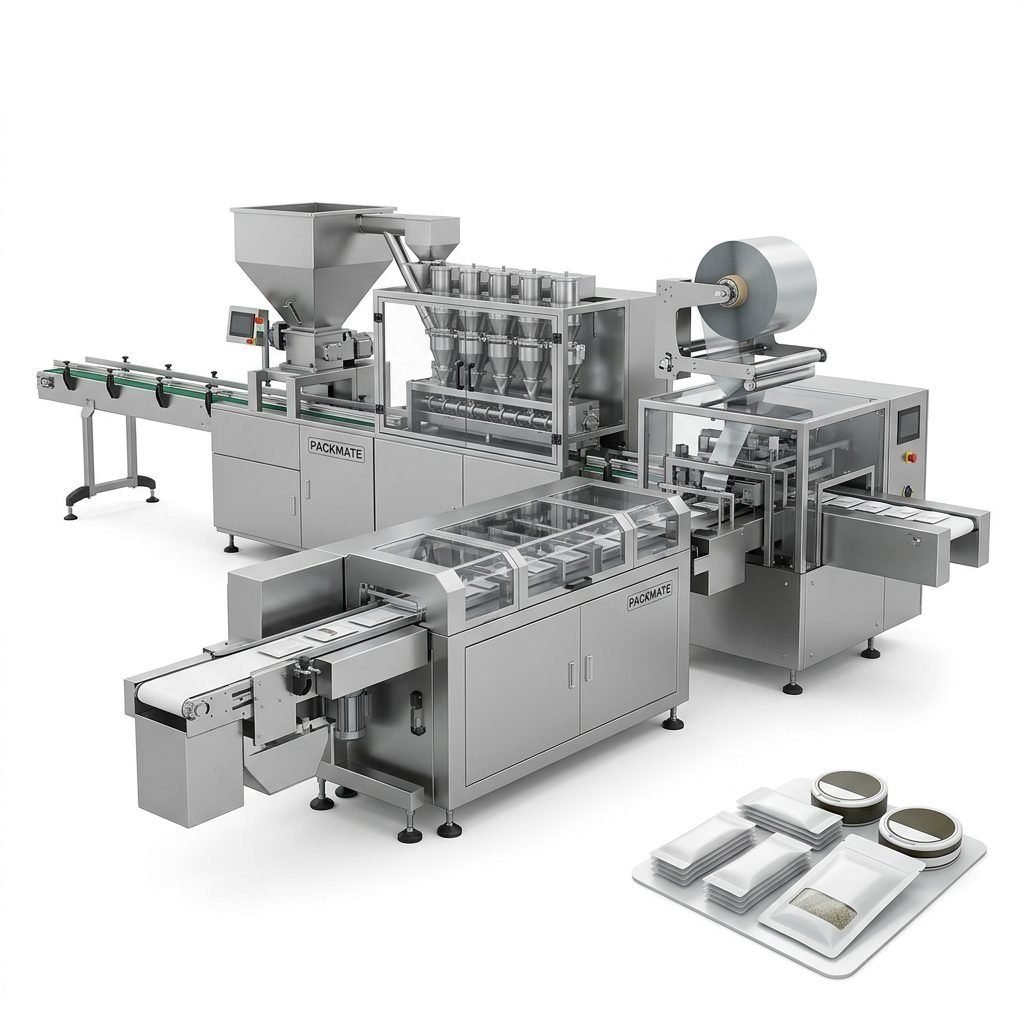
• Filling & packaging lines that integrate dosing systems and secondary packaging.
• Auxiliary equipment like conveyors, counting systems, and cartoners.
Tip: If you are producing nicotine pouches at scale, prioritize manufacturers with proven multi-lane experience — they deliver throughput without sacrificing dose consistency.
Evaluate Manufacturer Credentials and Experience
Experience and a strong engineering background are essential. Look for manufacturers with decades of machine development and a diverse product portfolio. A company with long-term expertise typically offers better engineering solutions, durability, and spare parts availability.
Packmate Snus Machine, for example, brings over 30 years of engineering experience and more than 50 machine models, covering stick packs, sachets, multi-lane systems, and integrated filling lines. Their 20,000㎡ factory and advanced CNC capabilities mean parts and assemblies are produced to tight tolerances — a critical factor for high-speed, small-dosage packaging.
What to request during evaluation
• Factory tour or virtual manufacturing video to inspect machining centers and assembly lines.
• A timeline of product development and major milestones.
• Customer references and case studies showing machines running similar products. (Ask for video demonstrations.)
• Proof of certifications (CE, ISO) and compliance with EU regulations for electrical and safety standards.
Technical Specifications That Matter
When comparing specific machines, focus on measurable technical parameters that affect yield, consistency, and production cost.
Critical technical factors
• Throughput (pouches/minute per lane and total lanes).
• Dosing accuracy (± tolerance per pouch).
• Changeover time and ease of format change.
• Material compatibility (films, laminates, biodegradable substrates).
• Sealing quality and leak rates for moist formulations.
• Automation level and industry 4.0 readiness (PLC, HMI, remote diagnostics).
Important: Verify dosing accuracy through documented test results. Small-pouch markets are unforgiving — inconsistent fills increase waste and regulatory risk.
Customization & Turnkey Solutions
Many businesses need more than a single machine; they require a turnkey production line that includes feeders, dosing systems, sealing, metal detection, checkweighers, and secondary packaging. A strong manufacturer will provide complete solutions and integrate all equipment to operate reliably together.
Check whether the manufacturer offers customization for specific product formats (e.g., unique pouch shapes, dissolvable films, or specialized printing), and whether they can tailor the software and control systems for your operational processes.
Integration checklist
• Single-source responsibility for the entire line to reduce integration risk.
• Compatibility with your plant utilities (voltage, compressed air specs).
• Turnkey contract terms including FAT (Factory Acceptance Test), SAT (Site Acceptance Test), and training.
• Scalability for future upgrades (adding lanes, faster dosing modules, track-and-trace).
After-Sales Support, Spare Parts & Maintenance
After-sales service is where the manufacturer relationship is truly tested. A machine is only as valuable as the support behind it when breakdowns occur or preventive maintenance is required.
Ask about guaranteed spare parts availability, lead times for critical components, remote diagnostic tools, on-site service response times in Europe (or Lithuania specifically), and the availability of local trained technicians. Consider service contracts and parts kits supplied with the machine.
Service highlight: Manufacturers that provide video-guided troubleshooting, spare-part kits, and remote PLC access can significantly reduce downtime and maintenance costs.
Regulatory Compliance and Certifications
For the European market, CE compliance and ISO certifications are baseline requirements. Additionally, if your product is subject to specific health or pharmaceutical standards, make sure the packaging equipment can be validated and documented according to your regulatory needs.
Request copies of certificates and ask how the manufacturer ensures machines meet local electrical and safety regulations. A transparent manufacturer will provide documentation such as CE declarations of conformity, ISO quality manuals, and wiring diagrams upon request.
Cost, ROI and Total Cost of Ownership
Purchase price is only part of the equation. Calculate total cost of ownership (TCO) including energy consumption, maintenance, spare parts, operator training, consumables, and expected uptime. Machines with a higher upfront cost but superior reliability and better energy efficiency often yield a faster payback.
Consider requesting a sample ROI model from the manufacturer showing payback periods under different utilization scenarios (e.g., single-shift vs. 24/7). This will help you compare machines on a business basis, not just equipment specs.
Logistics, Lead Time & Installation
Lead times can vary significantly. Confirm manufacturing lead time, shipping methods, installation timelines, and responsibilities for customs clearance and delivery to Lithuania. For complex lines, an experienced manufacturer will include FAT prior to shipment and a skilled installation team for commissioning.
Ensure the contract specifies acceptance criteria for SAT and outlines penalties or remedies if the line fails to meet guaranteed performance.
References, Case Studies & Exhibition Demos
A reputable manufacturer will provide case studies, reference contacts, and opportunities to see the machines in operation. Visiting an exhibition demo or customer site can reveal real-world performance, ease of use, and production stability.
You can review Packmate’s real-world examples and product pages to evaluate fit: Snus & Nicotine Packaging Machines, read about the company About Packmate, and explore real cases at Case studies.
Practical Checklist: 12 Questions to Ask Prospective Manufacturers
1. How many years have you been developing snus/nicotine packaging equipment?
2. Can you provide FAT videos or live machine demonstrations?
3. What are your typical throughput and dosing tolerances for my product?
4. What certifications do you hold (CE, ISO)?
5. Do you provide turnkey lines and integration with upstream/downstream equipment?
6. What is your spare-part lead time and warranty policy?
7. Can you support installation and training in Lithuania or provide remote support?
8. What consumables does the machine require and what are typical costs?
9. What are the machine’s energy and air consumption figures?
10. How long is the expected service life and what preventive maintenance is recommended?
11. Can you customize the machine for special pouch formats or materials?
12. Do you have local European partners or distributors for faster support?
Quick scoring method: Score each vendor 1–5 on Experience, Technical Fit, Service, TCO, and References. Sum the scores to narrow your shortlist.
Negotiating Contracts and Protecting Your Investment
Contracts should be clear about responsibilities, acceptance tests, spare parts supply, lead times, penalties for missed performance guarantees, and intellectual property rights for any custom designs. Make sure training, documentation, and software licenses are included.
Consider a staged payment plan tied to milestones: deposit, completion of FAT, shipment, and SAT acceptance. Hold back a final payment until the line meets agreed performance during SAT.
Why Local Presence or European Support Matters for Lithuania
Local or regional support reduces downtime caused by shipping spare parts and provides quicker service response. Confirm whether the manufacturer has European agents, local warehouses for parts, or trusted service partners who can respond quickly within Lithuania or neighboring countries.
If local presence is limited, negotiate reasonable spare-part packages and remote support protocols to ensure continuous operation while awaiting in-person service.
Final Selection & Next Steps
After evaluating technical fit, service, references, and commercial terms, proceed with a small pilot order or a FAT with your product to validate performance. Use the FAT to verify throughput, dosing accuracy, sealing, and reliability under real conditions. A successful FAT reduces risk and builds confidence before full deployment.
If you want to explore integrated systems and accessories, review additional product offerings such as weighing & packaging systems and auxiliary packaging equipment to complete your production line. See related product categories here: Weighing & Packaging Systems and Auxiliary Packaging Equipment.
Action plan: Shortlist 3 vendors, arrange FAT for two machines with your sample product, score results, and finalize contract with clear SAT acceptance criteria.
Where to find more information and support
Explore manufacturer catalogs, exhibition schedules, certifications, and FAQ pages for deeper insights. For instance, Packmate provides detailed product pages and service information that may help your decision-making: Catalog, Service, and Our Exhibition.
Summary
Selecting the right snus packaging machine manufacturer for Lithuania requires technical due diligence, strong service agreements, and a commercial approach focused on total cost of ownership and regulatory compliance. Prioritize vendors with proven multi-lane experience, solid factory capabilities, clear certification, and reliable after-sales support. Use FAT/SAT testing and reference checks to validate claims and protect your investment.
FAQs
Q1: How long does it typically take to deliver and install a snus packaging line in Lithuania?
A1: Typical lead times vary by complexity; standard machines can take 8–16 weeks for manufacturing plus shipping. Turnkey lines with customization often require 16–28 weeks. Always confirm lead times and FAT scheduling with the supplier.
Q2: What documentation should I request from a manufacturer before signing a contract?
A2: Request CE declarations, ISO certificates, machine specifications, FAT test plans, spare parts lists, wiring diagrams, and reference case contacts. Ensure the contract includes SAT acceptance criteria and warranty terms.
Q3: Can manufacturers support regulatory validation for nicotine pouch products sold in the EU?
A3: Many experienced manufacturers provide documentation and design features that simplify validation (e.g., hygienic design, cleanable surfaces, traceable parts). However, product regulatory validation usually requires cooperation between the manufacturer and your quality/regulatory team.
Q4: How important is it to visit the manufacturer’s factory or exhibition demos?
A4: Very important. Seeing machines in operation and meeting engineers builds confidence in performance claims. If travel is difficult, request comprehensive FAT videos, live demos, and customer references.
Q5: Where can I get more support and information about Packmate’s solutions?
A5: For more detailed product information and support, visit Packmate’s product pages and contact pages: Snus & Nicotine Packaging Machines and Contact Us.