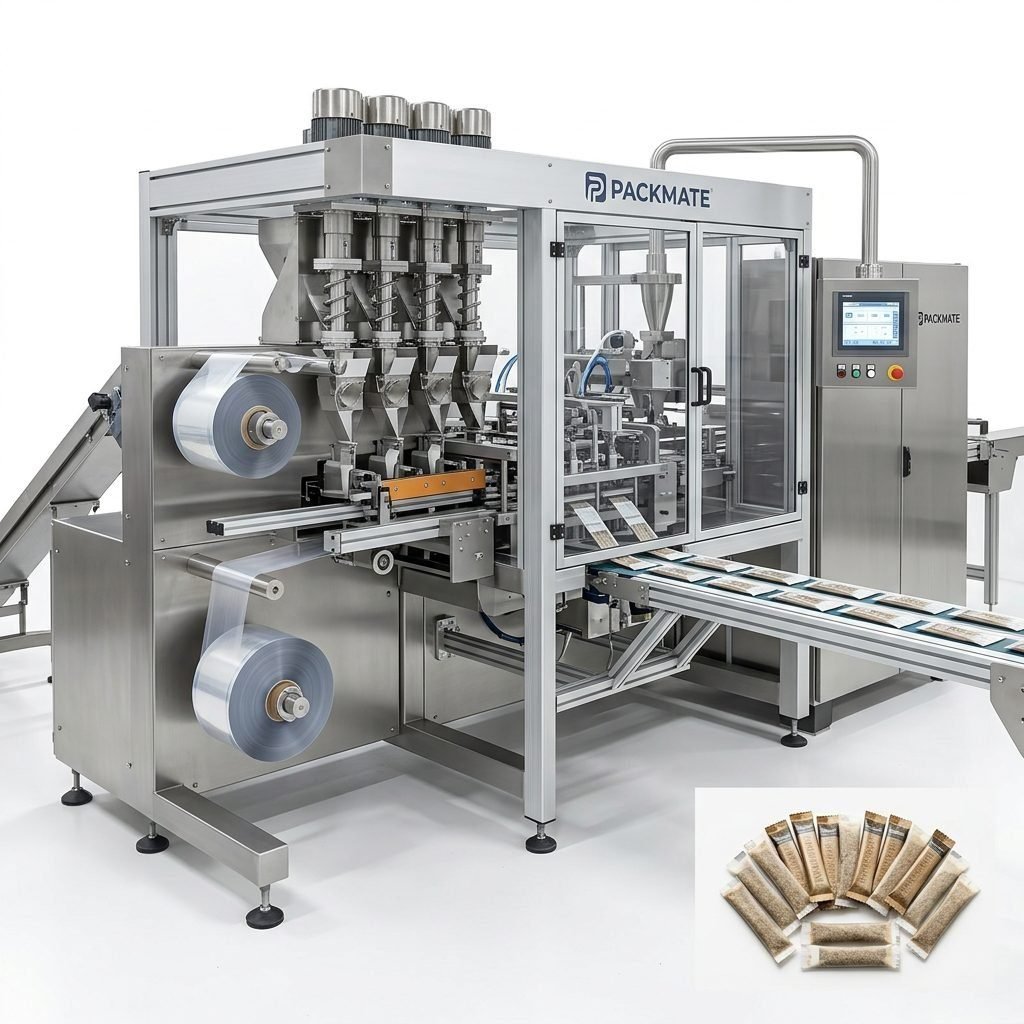
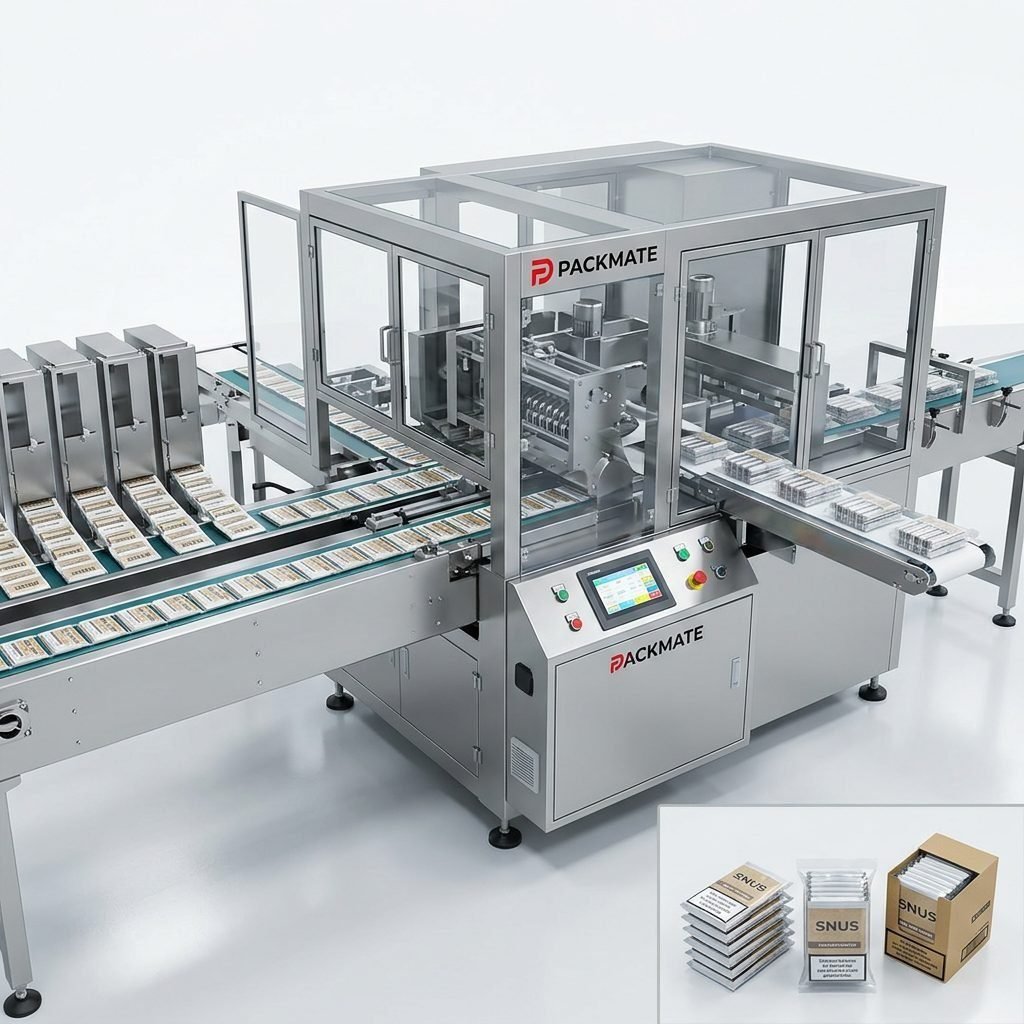
Entering the Uzbekistan market with snus or nicotine pouch production requires the right packaging equipment to ensure regulatory compliance, product quality, cost efficiency, and production stability. This guide walks you through the critical considerations when selecting a snus packaging machine in Uzbekistan, from machine types and production capacity to after-sales support and certification. Whether you are building a new line or upgrading an existing one, these practical tips will help you make an informed investment.
Understand the Types of Snus Packaging Machines
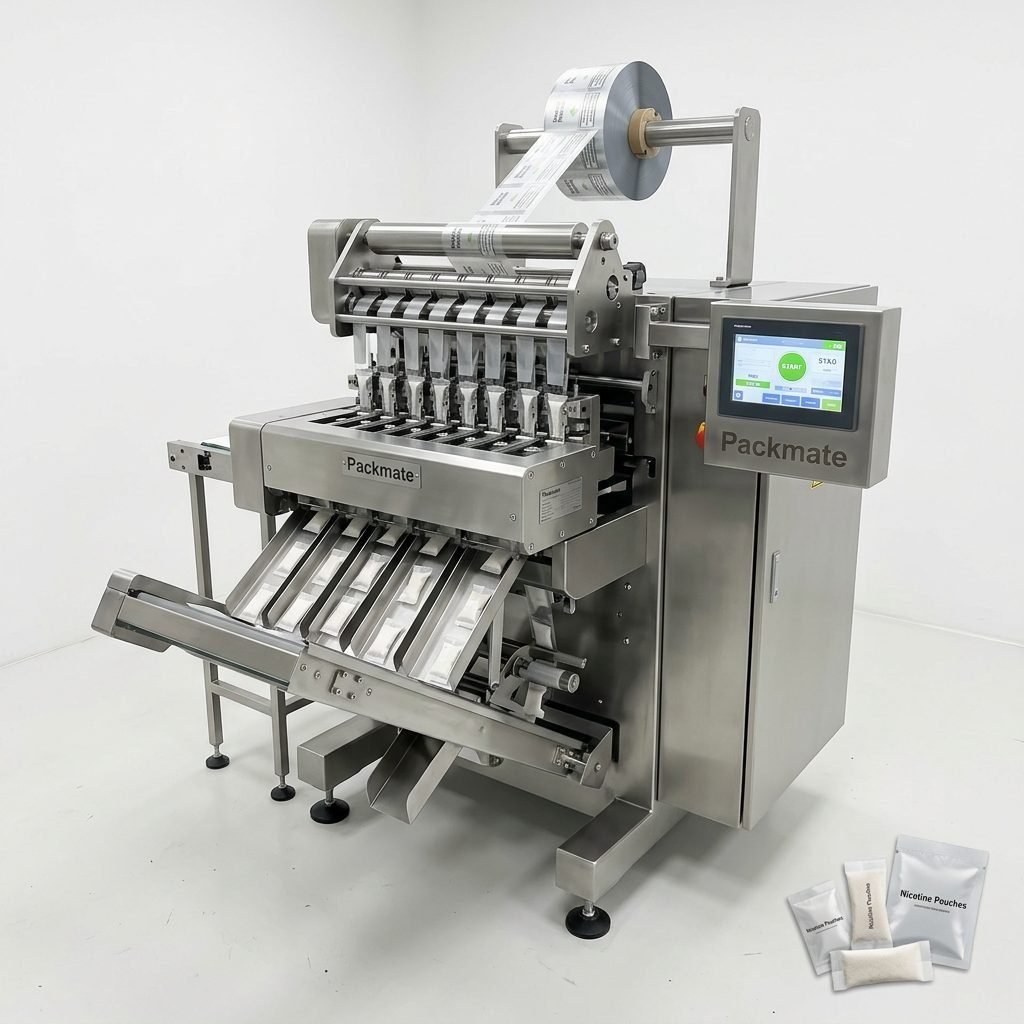
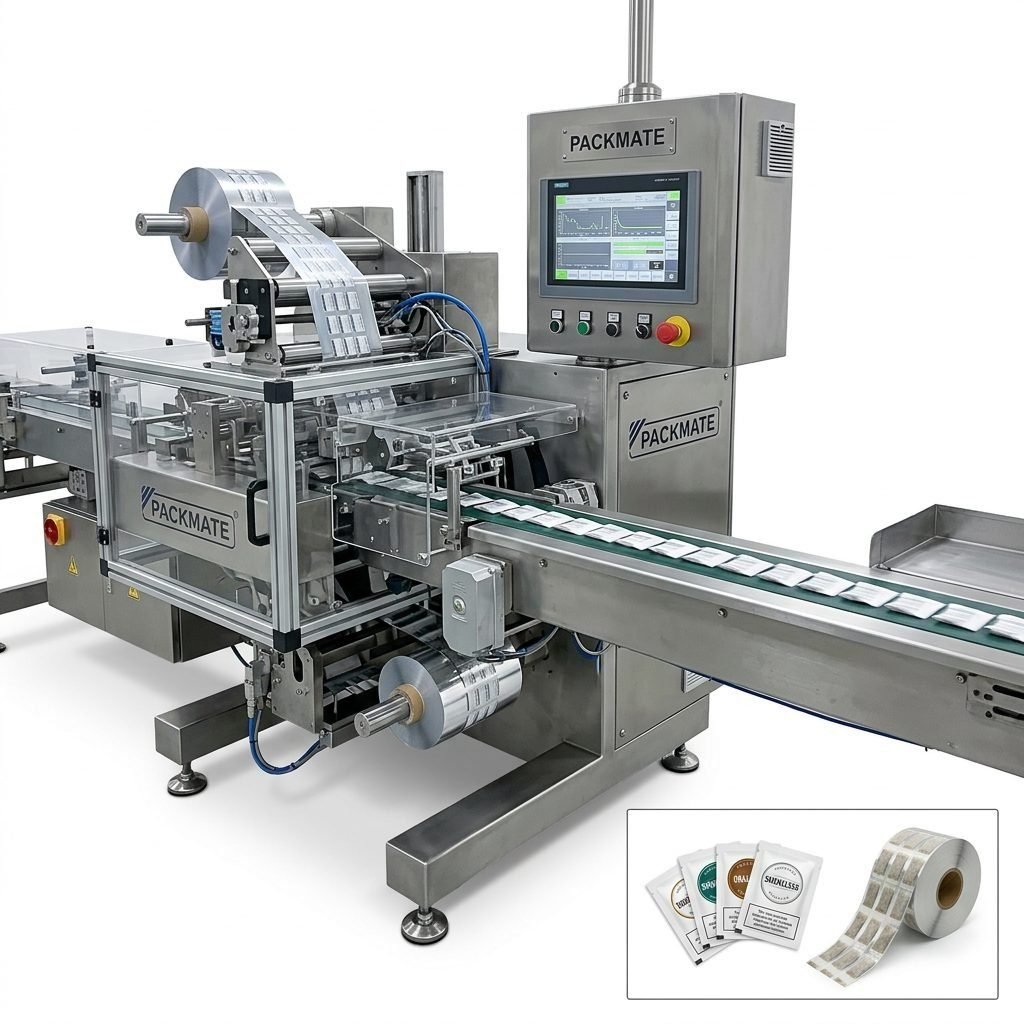
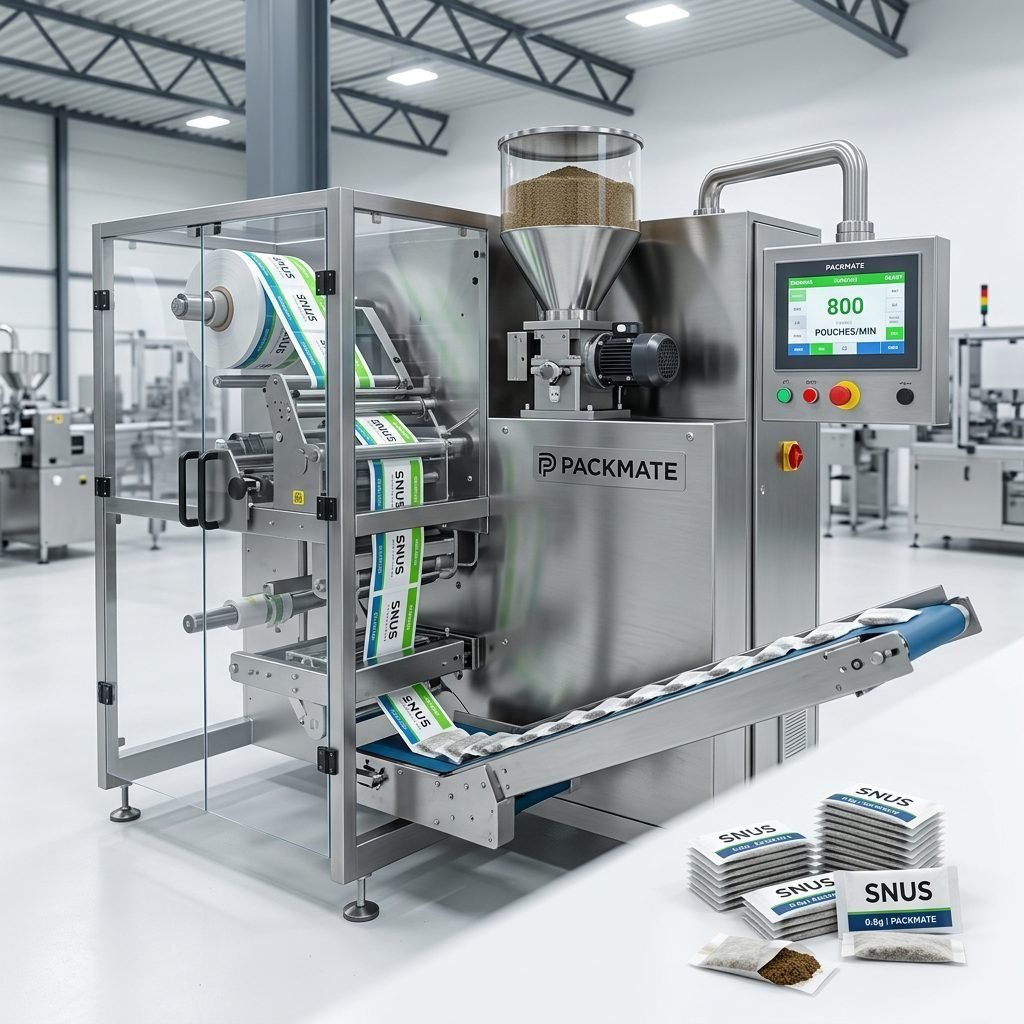
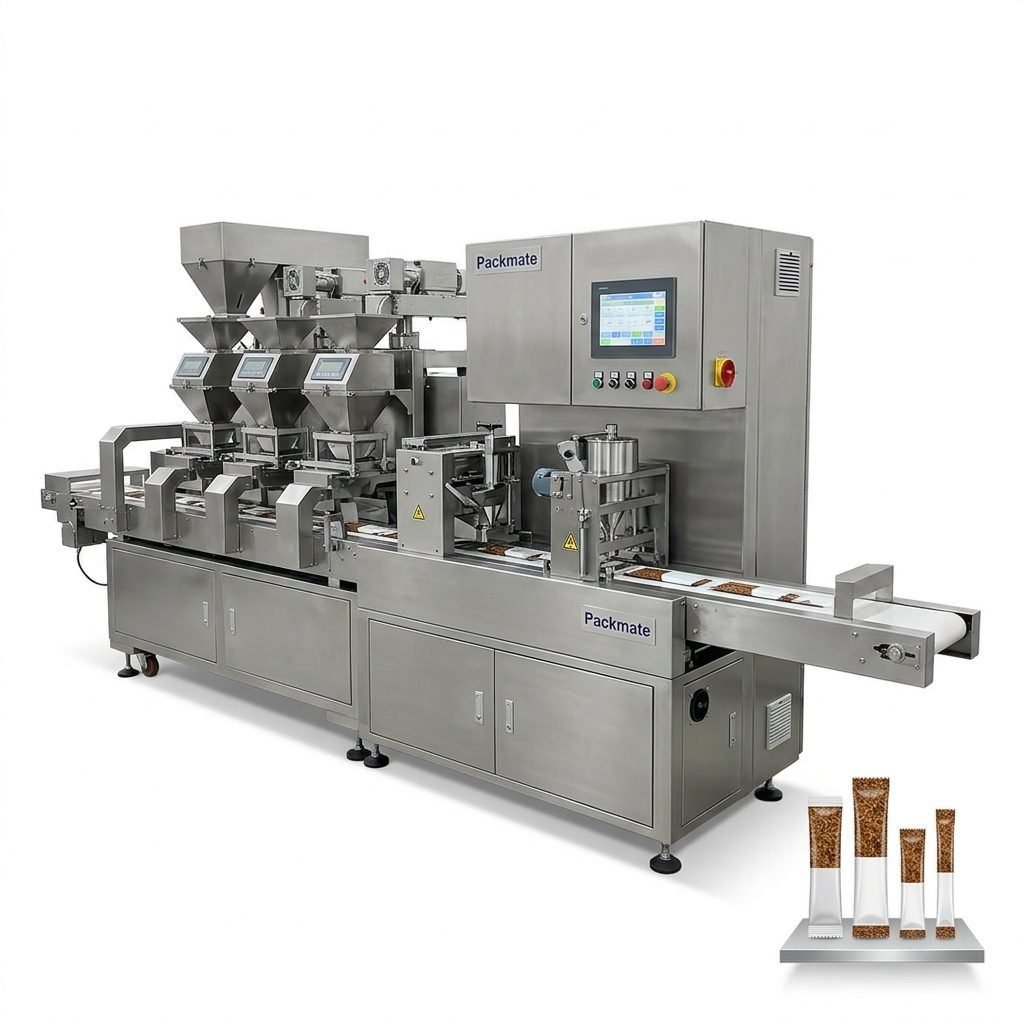
The first step is to identify the packaging format you need. Snus and nicotine pouches can be packaged in several ways, and each method affects machine choice, line speed, and packaging materials:
🔧 Stand-up pouches & bag systems: Good for retail-ready packaging and flexible formats.
📦 Stick-pack and sachet machines: Ideal for single-dose pouches and high-speed output.
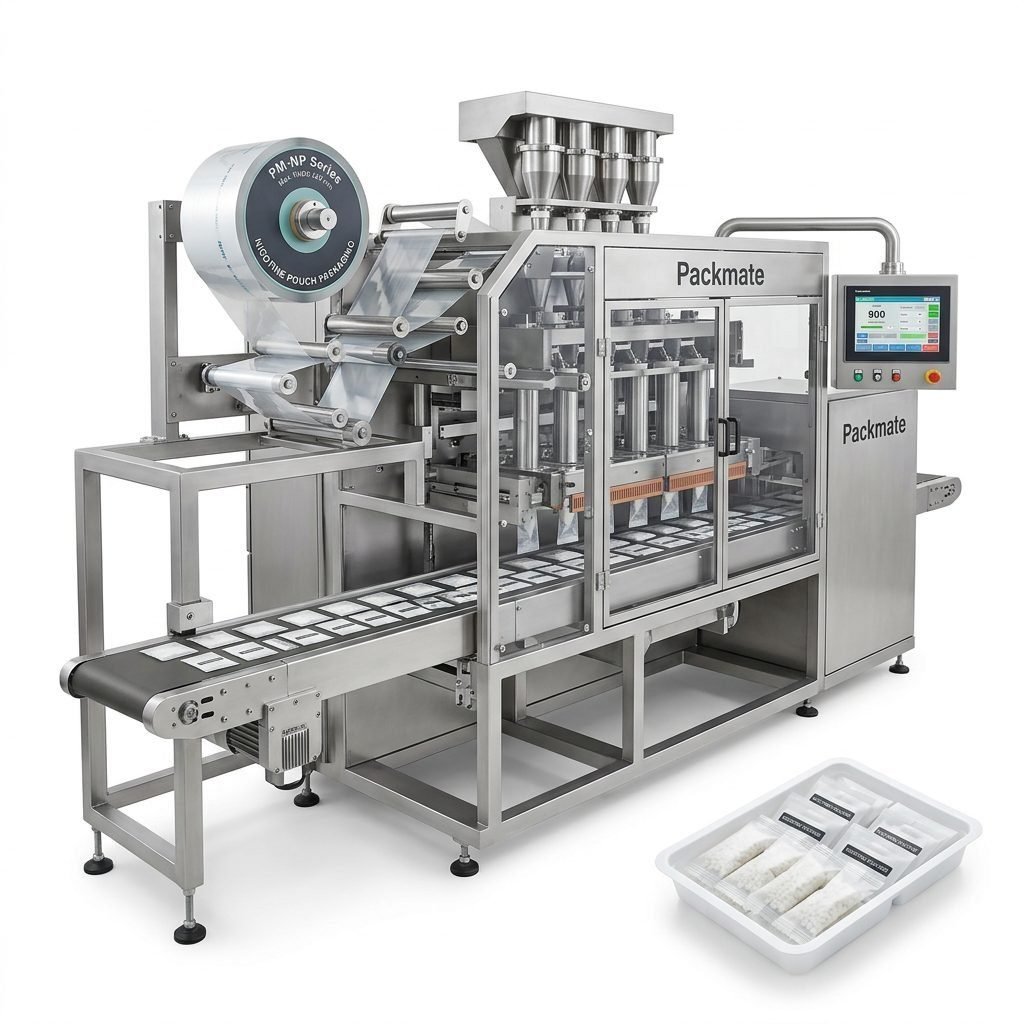
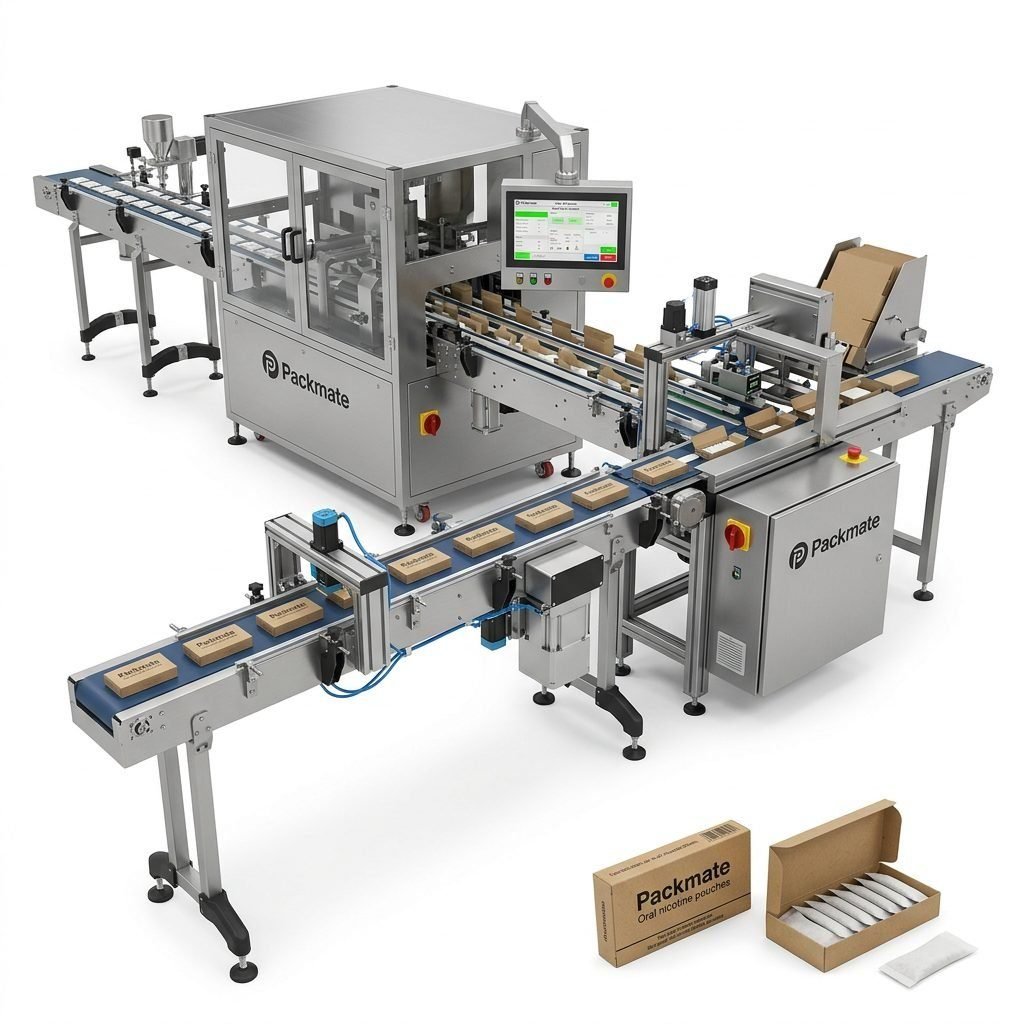
⚙️ Multi-lane pouch machines: Best for small-dose nicotine pouches with very high throughput.
Where to look for machine references
Explore proven product families to match your format choice: see the range of Snus & Nicotine Packaging Machines, Sachet & Stick Pack Machines, and Bag & Pouch Packaging Machines to compare capabilities and configurations.
Key Selection Criteria for Uzbekistan Operations
When comparing vendors and machine models, evaluate these core factors to ensure the machine fits your operational needs and the Uzbekistan market specifics.
1. Production Capacity and Scalability
Match the machine’s hourly output to your current and projected demand. Multi-lane machines can dramatically increase output without doubling floor space. If you expect growth, prioritize modular, scalable systems that allow adding lanes or a second production head later.
2. Material Compatibility and Packaging Options
Ensure the machine supports the films and materials you plan to use (aluminum laminated films, paper-laminates, heat-sealable foils). Consider barrier properties required for nicotine shelf-life and local climate conditions.
📌 Tip: Ask for test runs with your actual pouch blend and film to validate sealing quality and appearance before purchase.
3. Regulatory Compliance and Certifications
For Uzbekistan, confirm that your supplier can deliver machines compliant with international safety and quality standards (CE, ISO). Machines that meet recognized standards help with customs clearance and build confidence for export markets.
4. Automation, Controls and Ease of Use
Modern HMI, PLC control, and recipe storage reduce changeover time and operator errors. Evaluate whether the supplier offers multi-language support for controls and remote diagnostics — both are valuable in Uzbekistan’s diverse operational environments.
5. Maintenance, Spare Parts & Local Support
Reliable after-sales service is crucial. Confirm lead times for spare parts, availability of remote troubleshooting, and whether the manufacturer can provide onsite commissioning and training. Packmate, for example, emphasizes long-term technical support backed by manufacturing capacity.
Cost Considerations: Beyond the Purchase Price
Purchase price is only part of the total cost of ownership. Calculate operating costs, downtime risk, consumables, and energy usage to compare options fairly.
Operating Cost Factors
– Energy consumption and compressed air needs.
– Film or pouch material cost per pack.
– Typical changeover time and labor cost.
– Frequency and cost of spare parts.
💡 Cost-saving tip: Multi-lane machines may have higher initial cost but lower cost per unit at scale.
Floor Space, Layout and Integration
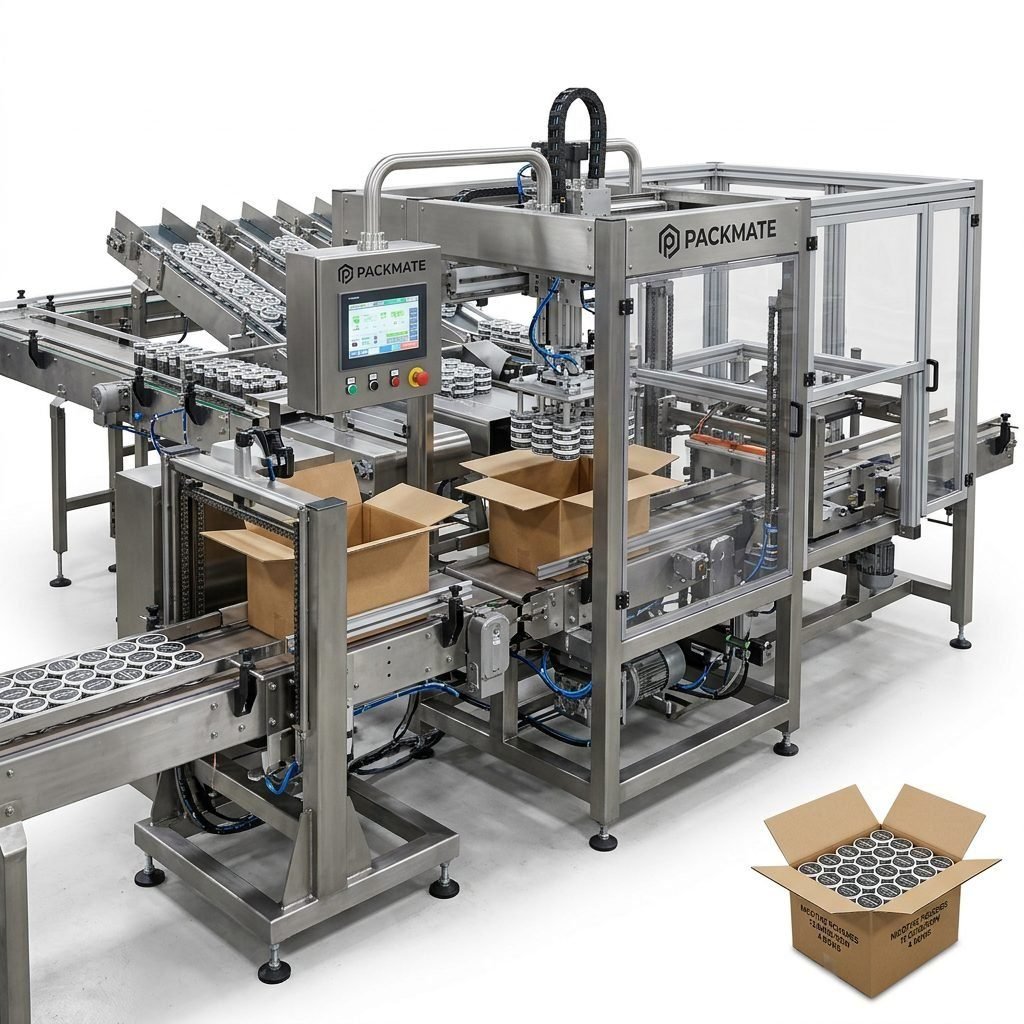
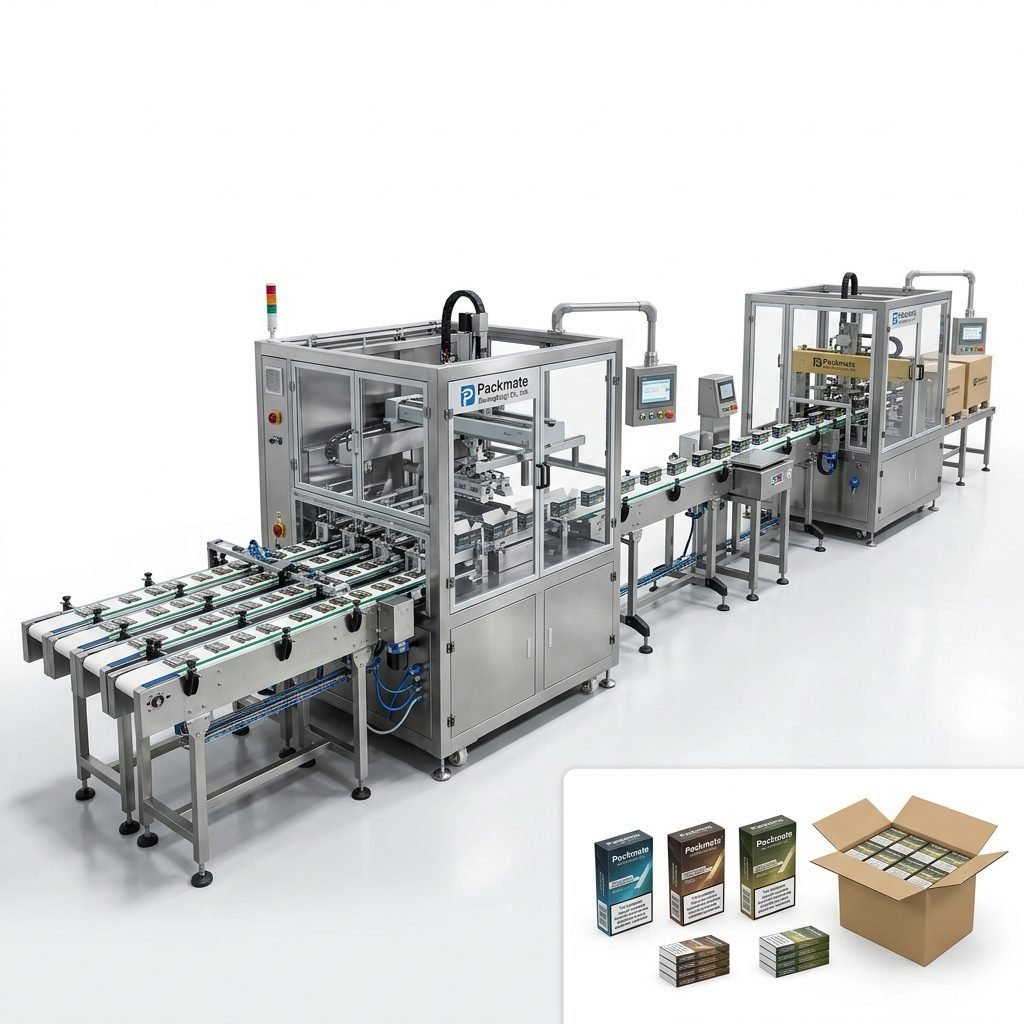
Consider the full production line: feeding systems, filling/weighing units, primary packaging machine, and downstream equipment (cartoners, case packers). Proper line balance reduces bottlenecks and improves uptime.
For compact production or limited factory space in Uzbekistan, look for machines with a small footprint or modular configurations that allow flexible arrangement.
Testing, Acceptance and Warranty
Require FAT (Factory Acceptance Test) and SAT (Site Acceptance Test) procedures. FAT helps you verify machine performance before shipping; SAT ensures the installed line meets specifications. Confirm warranty terms, response times, and inclusion of travel for onsite technicians.
What to request during FAT
– Production run showing target speeds with your actual materials.
– Demonstrated changeover between formats.
– Validation of sealing strength and pouch integrity.
Choosing a Supplier: What to Expect from a Reliable Manufacturer
A reputable supplier should provide more than a machine: engineering expertise, documentation, spare-part supply, and after-sales training. When evaluating suppliers consider these aspects:
✅ Track record and references: Ask for case studies or references in similar markets. See customer examples in the supplier’s Case page.
✅ Factory capabilities: Verify the manufacturing facility size, CNC and assembly capabilities, and quality control systems; a larger, modern factory often means better parts consistency.
✅ Certification and compliance: Confirm CE/ISO certifications if required. See supplier credentials on the Certificate page.
Customization and Turnkey Solutions
If your product or brand requires unique formats, labeling, or automation, look for suppliers who offer customized turnkey solutions: from weighing and filling units to complete packaging lines and end-of-line automation. Check the supplier’s Filling & Packaging Lines and Weighing & Packaging Systems for examples of integrated solutions.
Logistics, Delivery and Local Regulations in Uzbekistan
Prepare for customs clearance, import duties, and local regulatory requirements for nicotine products. Early engagement with your supplier to prepare documentation, customs paperwork, and machine packing details will reduce delays. Also confirm installation support and training availability within Uzbekistan or nearby regions.
Practical delivery tips
– Verify shipping dimensions and weight for transport planning.
– Confirm which spares are shipped with the line and which are recommended to stock locally.
– Ensure electrical and pneumatics specifications match your facility.
Why Packmate Snus Machine Is Worth Considering
With over 30 years of engineering experience and a 20,000㎡ production facility, Packmate offers a broad lineup of snus and nicotine packaging machines, including multi-lane systems and turnkey packaging solutions. Their product portfolio and global projects reflect a strong focus on snus production lines and after-sales support.
Learn more about the company and see their global presence on the About Packmate page and upcoming events on the Our Exhibition page.
📣 Pro tip: Request equipment demos and reference visits; seeing a machine run with a similar product is one of the best ways to confirm suitability.
Next Steps: How to Proceed with Your Purchase
1. Define your product specifications, target capacity, and preferred packaging style.
2. Shortlist machine models that match those specifications and request technical sheets.
3. Ask for a FAT with your product samples and request an itemized quotation including optional extras and training.
4. Confirm delivery timelines, installation plans, and warranty details.
5. Prepare onsite infrastructure and local regulatory documentation before shipment.
For detailed product comparisons, explore Packmate’s product categories like Auxiliary Packaging Equipment or request a catalog on the Catalog page.
Final Checklist Before You Buy
🔎 Machine performance validated by FAT
🧾 Clear warranty and spare-parts policy
🛠️ Local support plan and training schedule
📦 Documentation for customs and installation
If you are ready to discuss detailed specifications or request a quotation, contact the manufacturer directly through their Contact Us page for personalized assistance.
Choosing the right snus packaging machine for Uzbekistan involves technical evaluation, regulatory awareness, and reliable supplier support. By focusing on scalability, material compatibility, after-sales service, and proven supplier credentials, you can build a robust, efficient production line that meets both local and export market demands.
Frequently Asked Questions
Q1: What machine type is best for small-dose nicotine pouches?
A1: Multi-lane pouch machines are typically best for small-dose nicotine pouches because they offer very high throughput per footprint and consistent dosing.
Q2: How important are FAT and SAT tests?
A2: FAT and SAT are critical. FAT verifies machine performance before shipment; SAT confirms the line meets specifications after installation. Both reduce risk and unforeseen costs.
Q3: Do I need CE/ISO certification for machines in Uzbekistan?
A3: While local regulations vary, CE/ISO certifications are valuable for safety assurance, customs clearance, and export compliance. Ask suppliers to provide certification documentation.
Q4: How long does commissioning usually take for a snus packaging line?
A4: Commissioning time depends on line complexity but typically ranges from a few days for single machines to several weeks for full turnkey lines including training and validation.
Q5: Where can I view real customer cases or request references?
A5: Request supplier case studies or visit the manufacturer’s Case page to see global deployments and contact references.