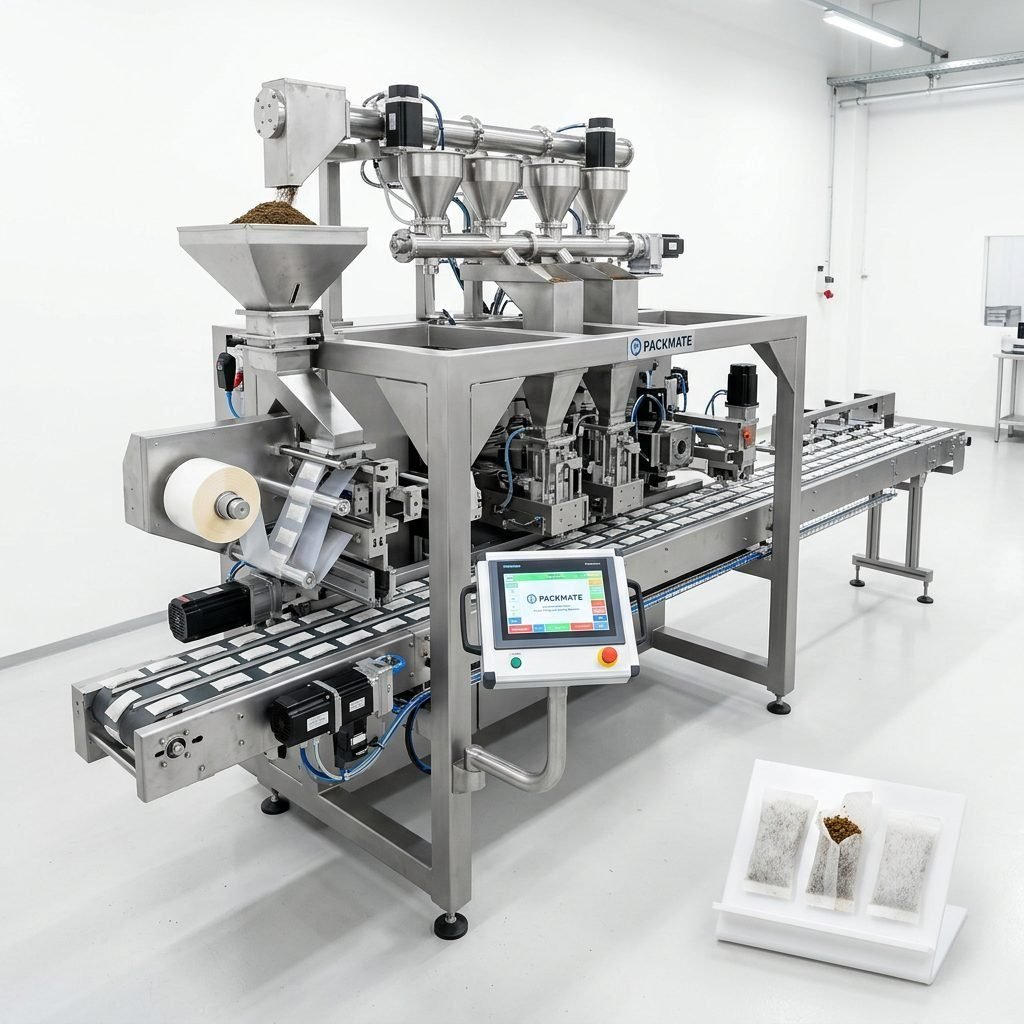
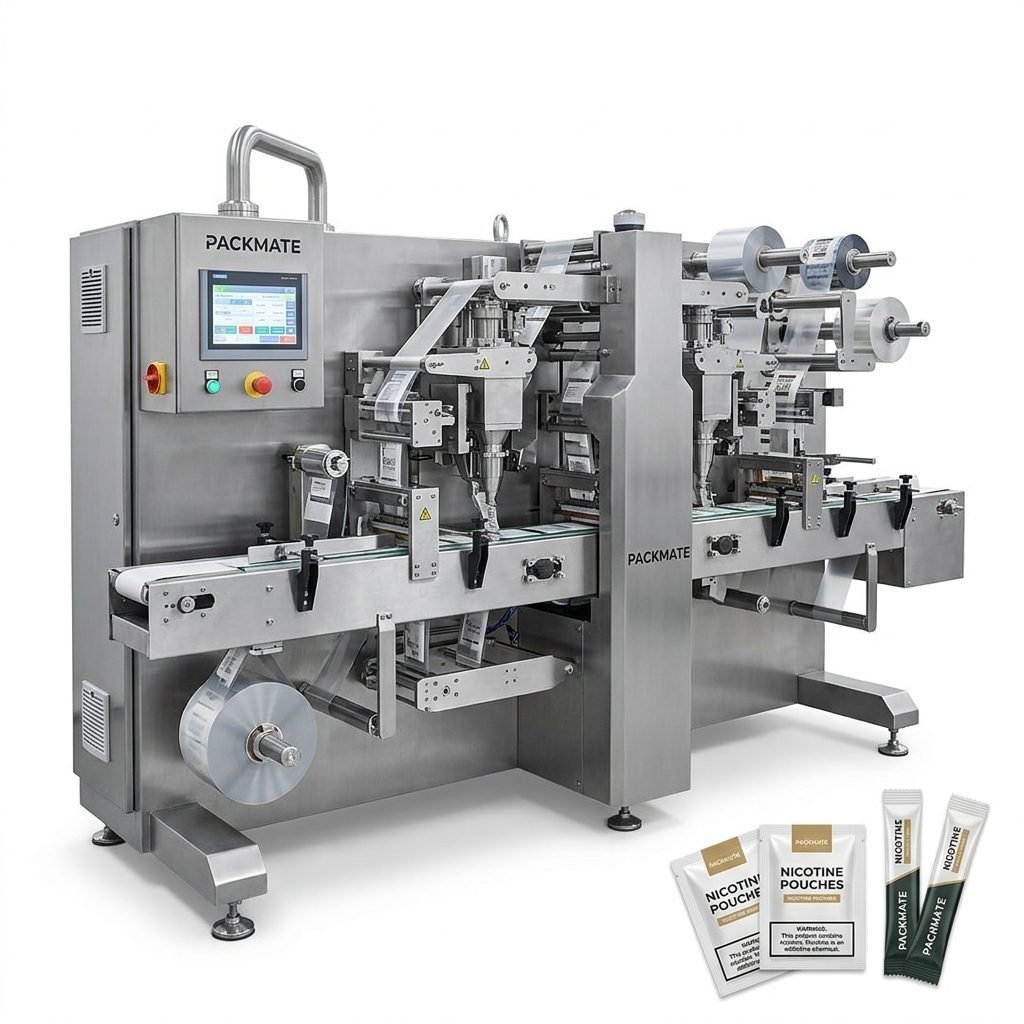
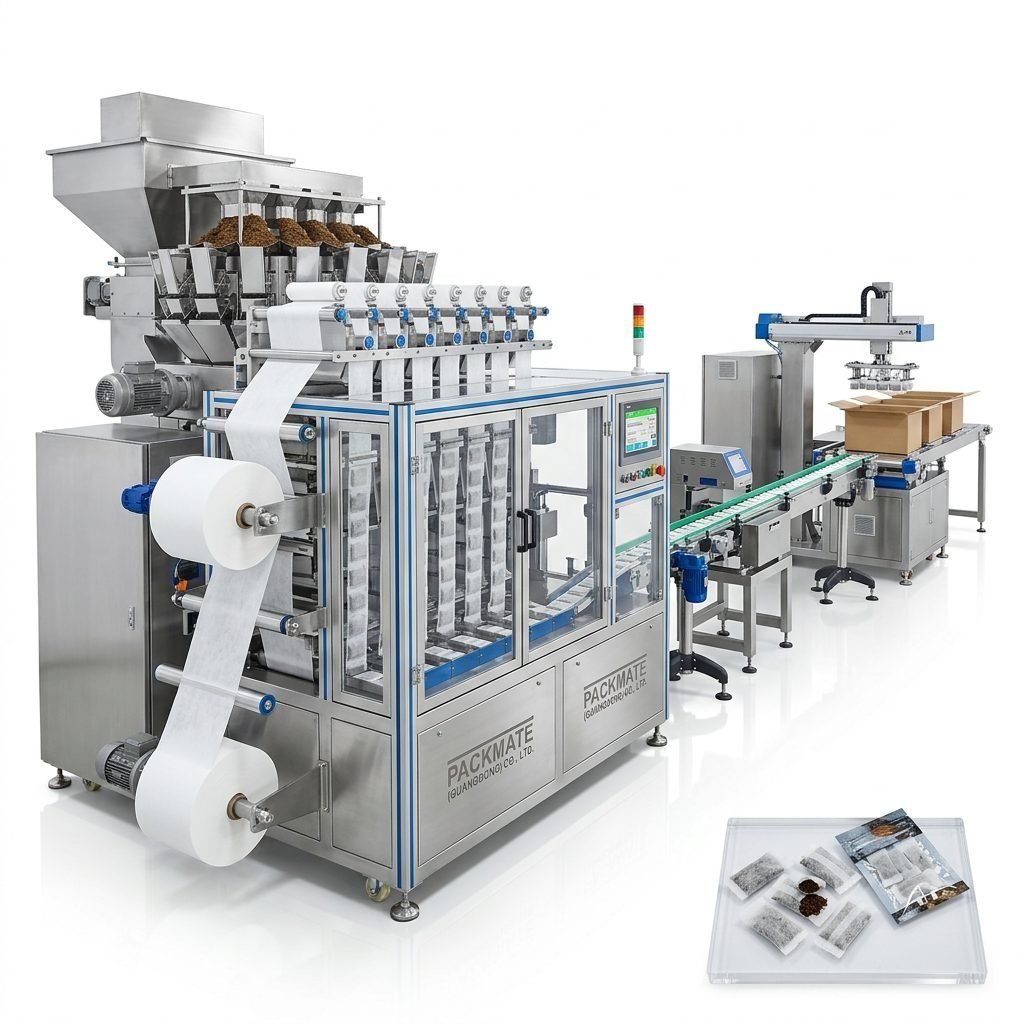
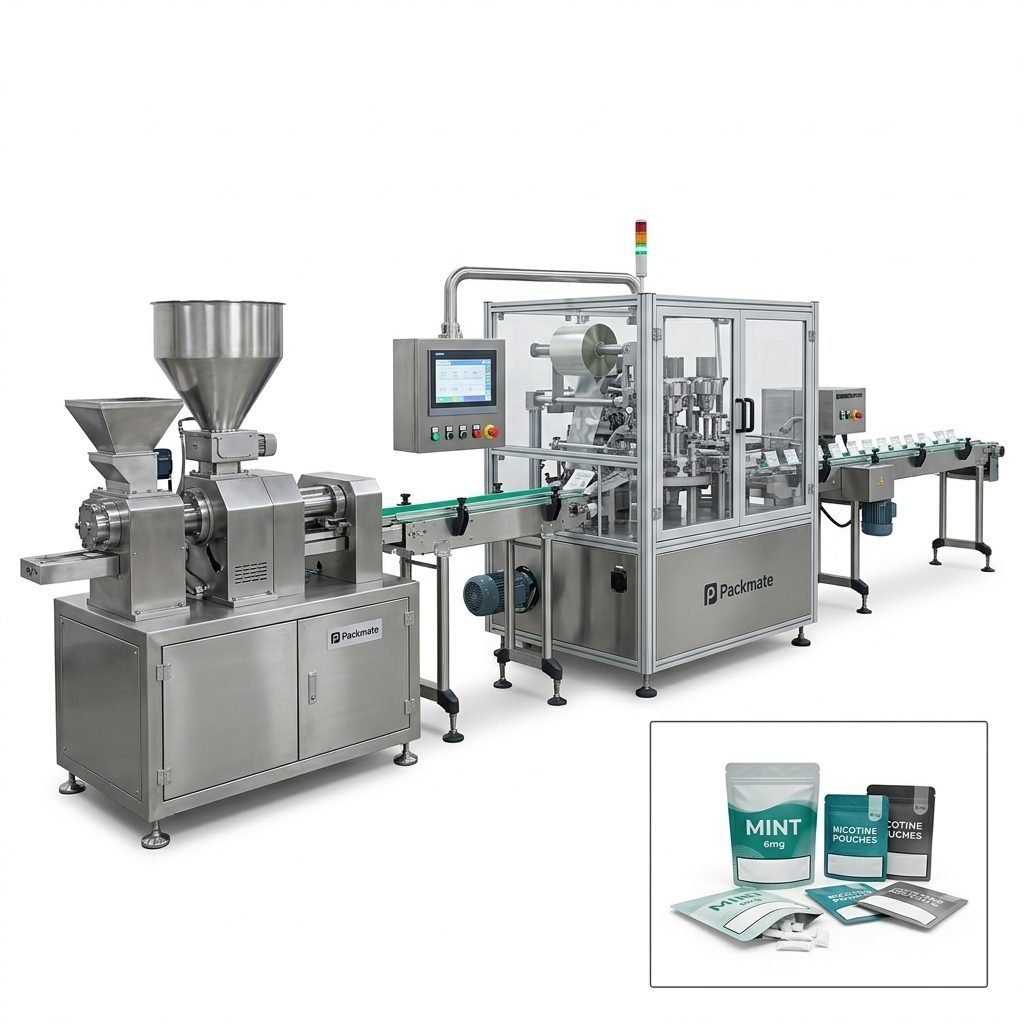
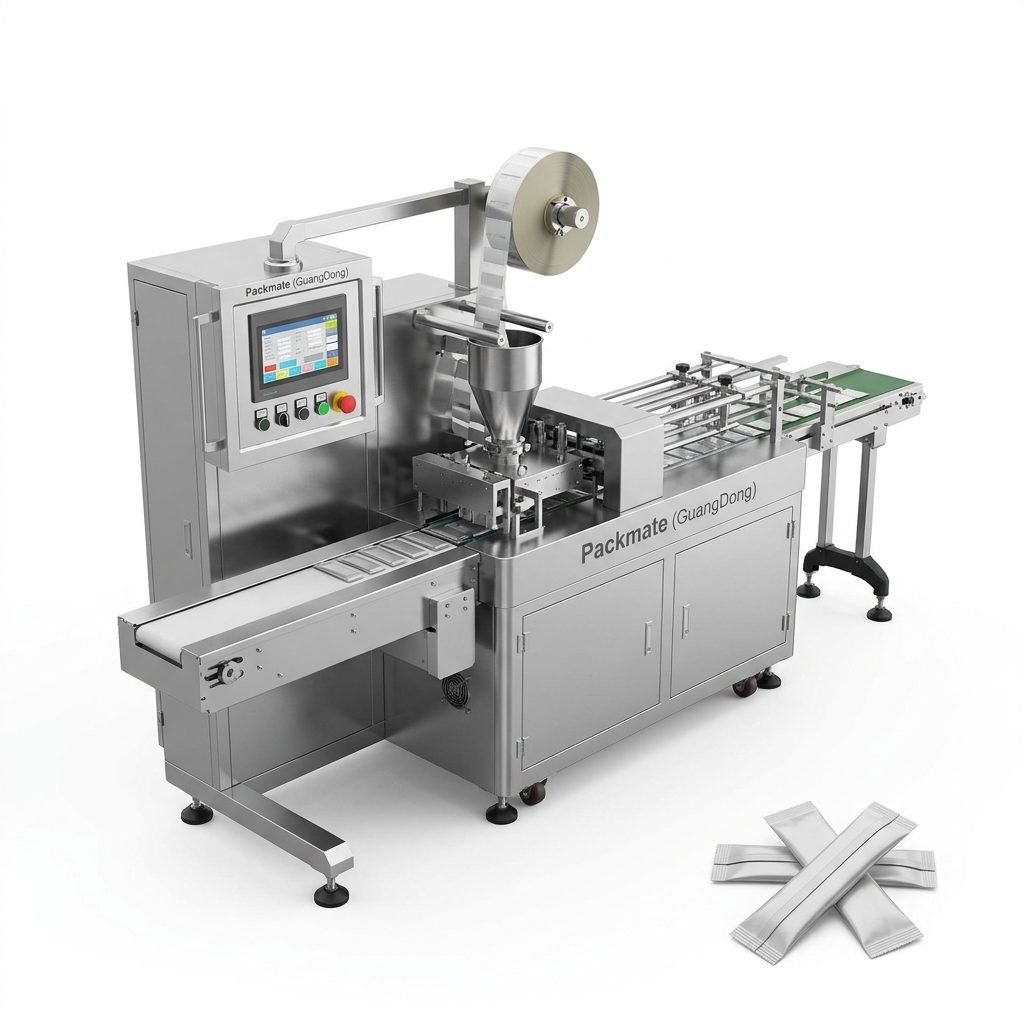
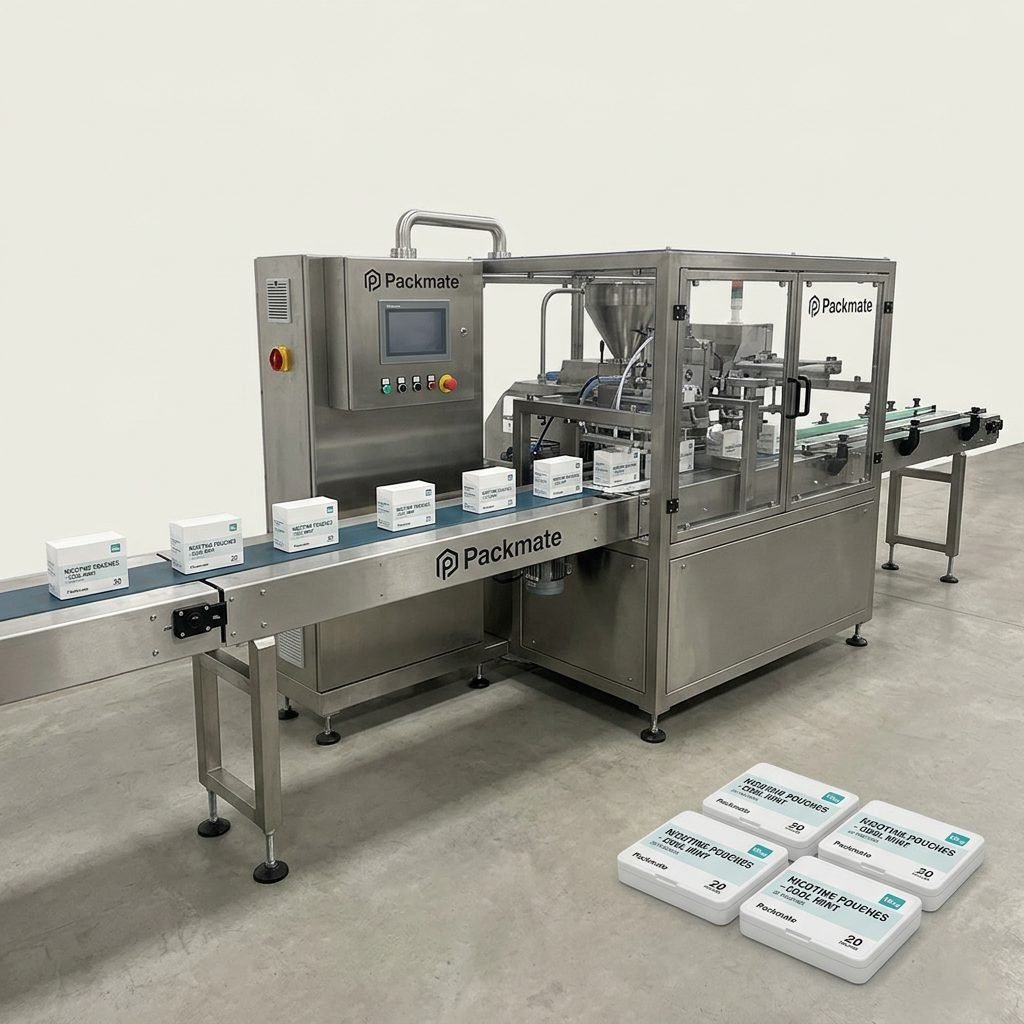
In Kosovo’s dynamic and growing market for tobacco alternatives, choosing the right snus packaging machine is a strategic decision that affects production efficiency, regulatory compliance, and product acceptance. This guide walks you through the technical, operational, and business considerations for selecting a snus or nicotine pouch packaging machine that will serve manufacturers in Kosovo — from startups to established producers — with reliable performance and a clear return on investment.
Understanding Kosovo’s Market & Cultural Context
Kosovo has a young population and evolving consumer habits. While traditional smoking remains common, discreet nicotine alternatives such as snus and nicotine pouches are gaining interest among consumers who value convenience and reduced social stigma. When evaluating equipment, consider local preferences: compact single-dose sachets and small multi-pouch multipacks often find faster acceptance in urban centers like Pristina. Also, verify any national regulations and tax treatments for nicotine products — compliance is as important as machine capability.
Why local after-sales and cultural fit matter
In Kosovo, proximity to service engineers, rapid spare-parts supply, and training in local languages can significantly reduce downtime. Choose suppliers that offer installation, operator training, and remote support tailored to local production schedules. If possible, partner with manufacturers who understand Balkan packaging trends and can help adapt artwork, pouch sizes, and multi-lane formats to local tastes.
Key Technical Criteria to Evaluate
Selecting a machine means balancing speed, accuracy, flexibility, and hygiene. The following technical points are essential when you inspect different machines or request proposals:
📌 Core Technical Checklist
• Filling accuracy (mg tolerance). For nicotine pouches, accurate powder dosing reduces waste and regulatory risk.
• Machine speed and lanes. Multi-lane systems increase throughput without expanding floor space.
• Compatible pouch types: portion sachets, stick packs, tea-like pouches, or custom shapes.
• Materials contact: use food-grade stainless steel and easy-to-clean surfaces for hygiene and quick changeovers.
• Control systems: servo-driven, PLC controls, and user-friendly HMI touchscreens for recipe management.
Machine Types and Their Best Uses
Understanding machine categories helps you match production goals to equipment costs:
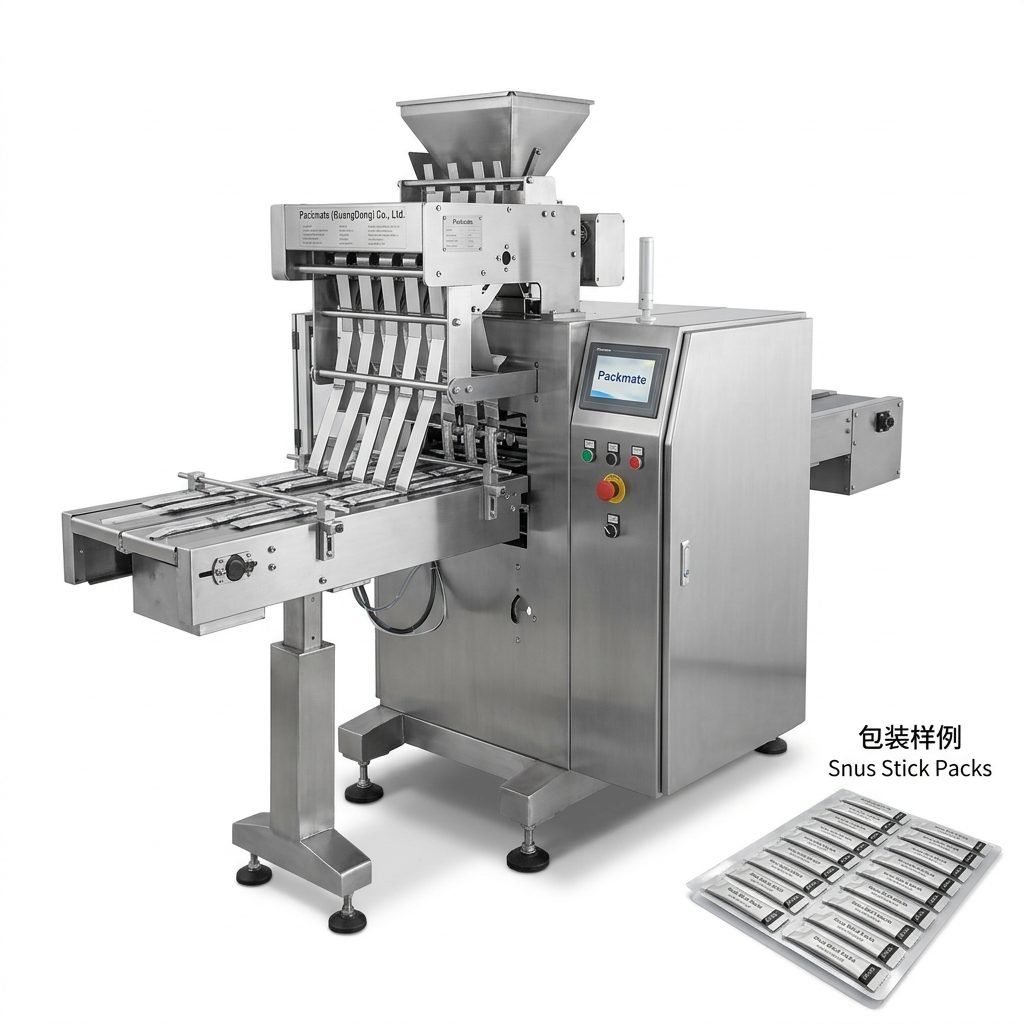
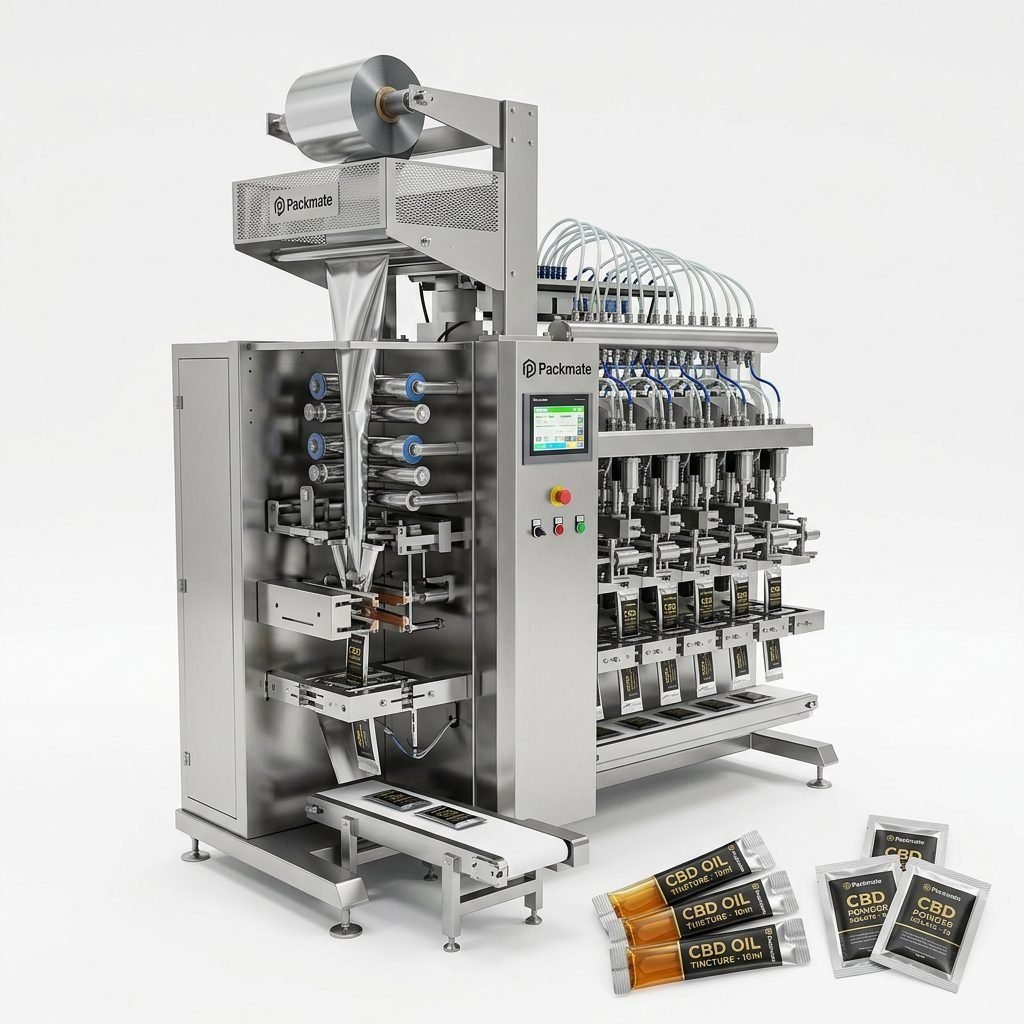
• Stick pack machines — ideal for individual slim pouches with consistent longitudinal seals; good for single-dose nicotine sachets and sampling packs.
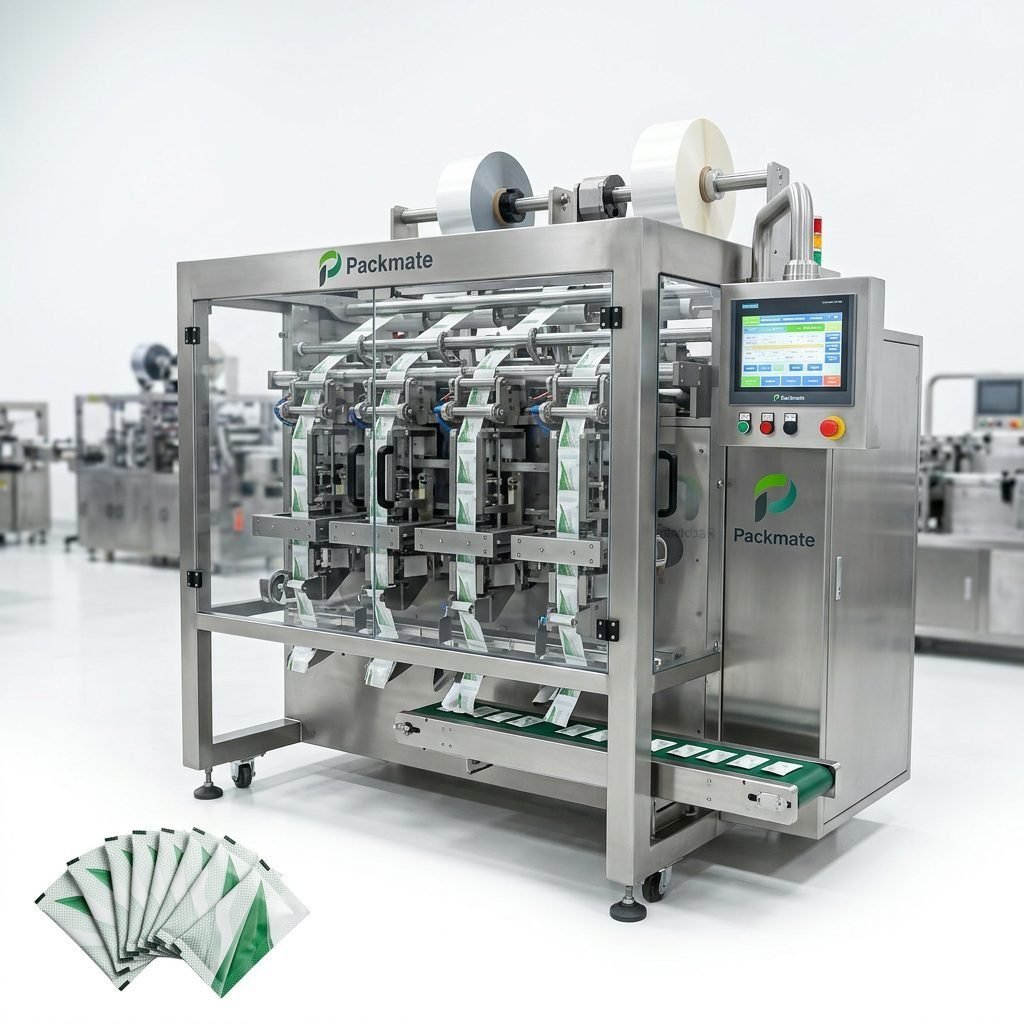
• Sachet packaging machines — versatile for square or pillow-type portions; offer fast changeovers for different sizes.
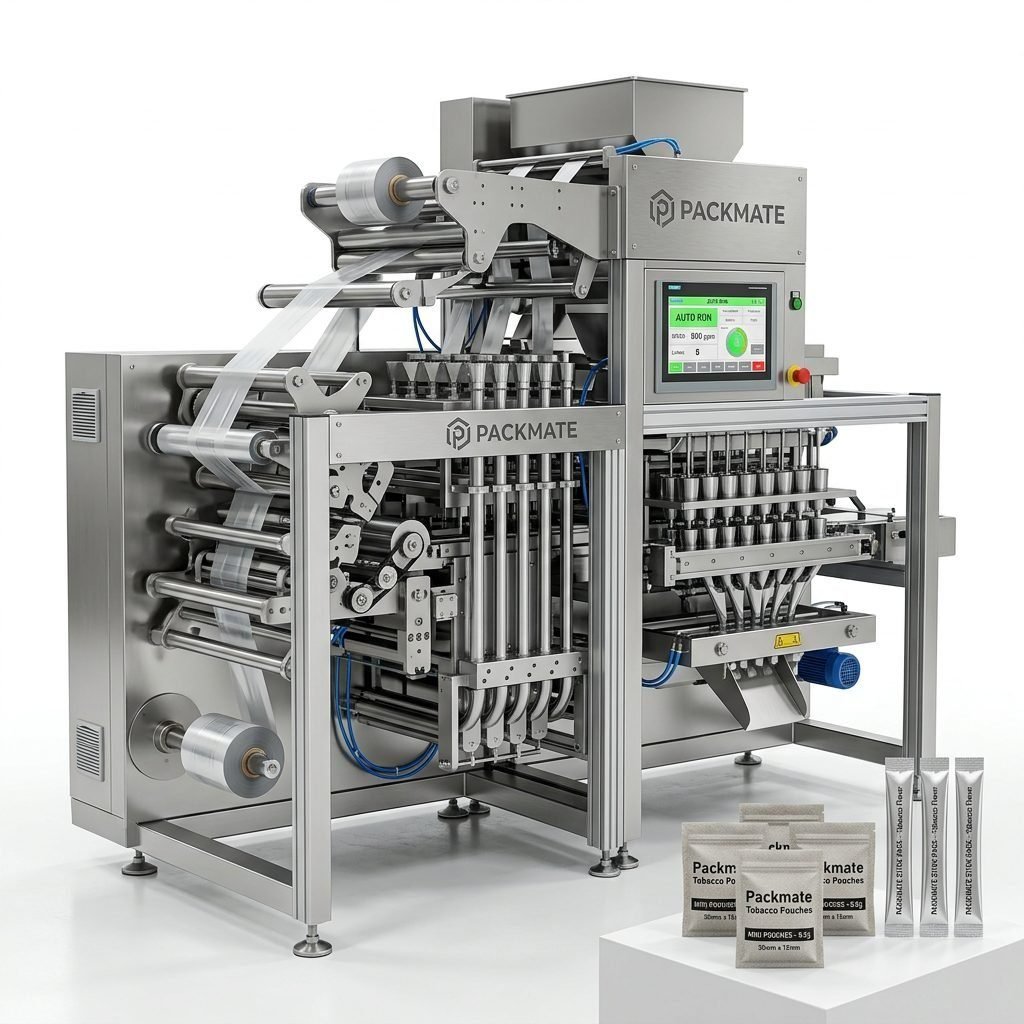
• Multi-lane pouch systems — maximize output for small-dose products; excellent for scaling production without a proportional footprint increase.
Operational & Quality Considerations
Operational resilience and quality control determine long-term profitability. When comparing vendors, probe deeper into these areas:
🔧 Operational & QC Priorities
• Cleaning and changeover time — hygiene-critical for nicotine products and key for flexible production runs.
• Inline weight checking and rejection systems to maintain regulatory compliance and product consistency.
• Spare parts availability and lead times — long procurement waits mean lost production.
• Predictive maintenance support and remote diagnostics to minimize on-site troubleshooting.
Hygiene, Materials & Regulatory Compliance
For nicotine pouches, choose equipment with sanitary design: smooth surfaces, rounded corners, and minimal crevices. Verify CE and ISO certifications to ensure machines meet international safety standards. Packmate Snus Machine, for example, provides CE/ISO-certified equipment and turnkey solutions tailored to snus manufacturing needs, which helps when exporting products or proving compliance to local inspectors.
Integration: Build a Turnkey Production Line
Packaging is only part of the production chain. For a fully optimized line consider integrating:
• Upstream dosing and blending units for powder consistency.
• Automated feeding and multi-head weighing systems for high-accuracy filling — see Weighing & Packaging Systems for options.
• Downstream boxing and cartoning for shelf-ready packs.
• Auxiliary equipment such as conveyors, labelers, and metal detectors to ensure product integrity.
Economic Evaluation: Cost vs. Return
A smart purchase balances initial capital, operating costs, and expected production volume. Use these steps:
✅ Financial Checklist
• Calculate cost per pouch (including labor, consumables, and maintenance).
• Estimate break-even based on expected throughput and market demand in Kosovo and neighboring markets.
• Factor in spare parts inventory and service contract costs.
• Consider modular machines that allow staged investments as demand grows.
Selecting a Reliable Supplier: What to Ask
Your supplier relationship is critical. Ask direct questions during vendor evaluation:
• Can you provide references or case studies from similar markets? (Look for proven installations across Europe and the Balkans.)
• What is your spare parts lead time to Kosovo and do you hold stock in Europe or nearby hubs?
• Do you offer installation, operator training, and commissioning as part of the package?
• Are there customization options for local pouch sizes and artwork?
Why Packmate Could Be a Fit for Kosovo Producers
Packmate Snus Machine has over 30 years of experience designing snus and nicotine pouch packaging machines, multi-lane systems, and complete automated production lines. Their factory-level capabilities, CE and ISO certifications, and global installations make them a candidate to consider when you need a trustworthy supplier with turnkey expertise. Explore their Snus & Nicotine Packaging Machines and Bag & Pouch Packaging Machines to see models that match small-dose production and multi-lane throughput needs.
Practical Steps for Kosovo Manufacturers
Follow a pragmatic approach to reduce risk and speed up production readiness:
1) Define product SKUs and initial target volumes for the first 6–12 months.
2) Pilot test with a supplier on a small production run to verify dosing, sealing, and shelf life.
3) Insist on operator training and a spare-parts package for the first year.
4) Consider a modular installation so you can upgrade lanes or integrate new filling systems as demand grows.
Local Partnerships and Export Potential
Kosovo manufacturers frequently target neighboring Balkan markets for growth. Selecting equipment with international certifications and export-friendly documentation simplifies cross-border sales. Look for partners who can provide export-ready documentation and support for exhibitions or product registration in nearby countries. You can learn more about Packmate’s global projects and exhibition presence via their Case studies and Our Exhibition pages.
Checklist: Final Decision Matrix
📋 Decision Matrix Highlights
• Production volume vs. machine lanes: choose multi-lane for scale, single lane for test markets.
• Service network and spare parts availability in Europe/Balkans.
• Hygienic design and easy sanitation for nicotine handling.
• Upgradability and modular integration with weighing and filling lines (see Filling & Packaging Lines).
How to Proceed: Requesting Quotes and Trials
When requesting quotes, provide clear specifications: pouch type, target speed (pouches/min), product weight range, material characteristics, and expected SKUs. Ask for video demonstrations, references, and an on-site or virtual factory acceptance test (FAT). A site visit is ideal, but remote FATs are increasingly common and effective.
For product lines and component options, review the supplier’s auxiliary equipment and catalog to match conveyors, check weighers, and cartoners. Useful references include Packmate’s product sections for Snus & Nicotine Packaging Machines, Bag & Pouch Packaging Machines, and Sachet & Stick Pack Machines.
Quick Resources & Next Steps
• Visit About Packmate to learn about their factory capabilities and certifications.
• Review real-world Case studies to see how multi-lane and turnkey lines perform in similar markets.
• Reach out via Contact Us to request specifications, pricing, or site visits.
Final Advice
Prioritize machines that combine hygiene, dosing accuracy, and a rapid support network. In Kosovo, where market tastes and regulation can evolve quickly, flexibility and local serviceability are as important as headline speed numbers. Investing in modular, certified equipment with strong supplier support will reduce risk and help your snus or nicotine pouch brand scale sustainably.
Frequently Asked Questions
Q1: What machine speed should I pick for a startup in Kosovo? — Aim for machines that can run reliably at lower speeds with accurate dosing; a multi-lane machine with scalable lanes often offers the best path to growth.
Q2: Are spare parts and service available locally? — Verify the vendor’s spare-parts stocking locations and expected lead times to Kosovo. Prefer suppliers with European distribution or quick courier options.
Q3: How important are certifications? — Very important. CE and ISO certifications help with safety, export, and regulatory approvals; always request documented proof.
Q4: Should I buy a turnkey line or assemble components? — If you need fast time-to-market and minimal integration risk, a turnkey line with installation and training is best. Modular approaches work if you have in-house integration expertise.
Q5: Where can I see examples of machines and past installations? — Check Case studies and product pages for Snus & Nicotine Packaging Machines, Sachet & Stick Pack Machines, and Filling & Packaging Lines to review layouts and performance examples.