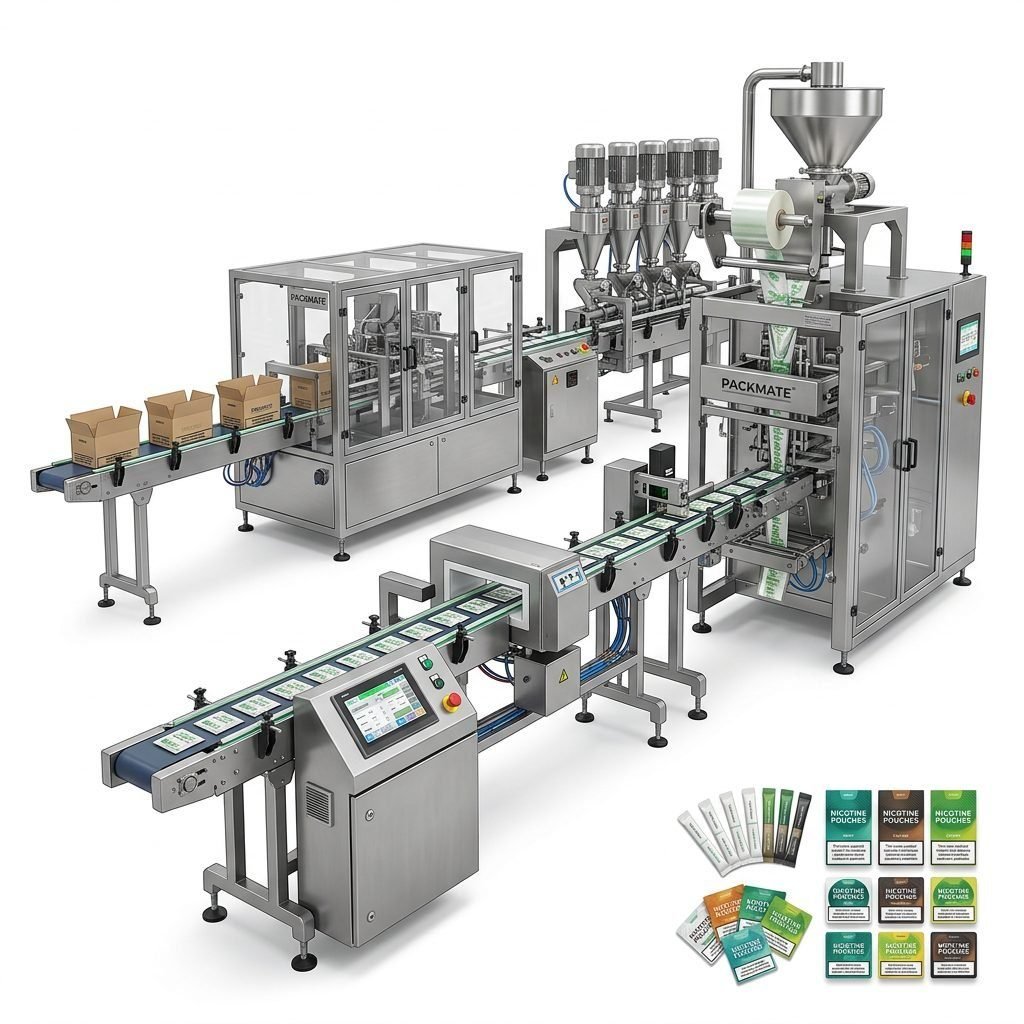
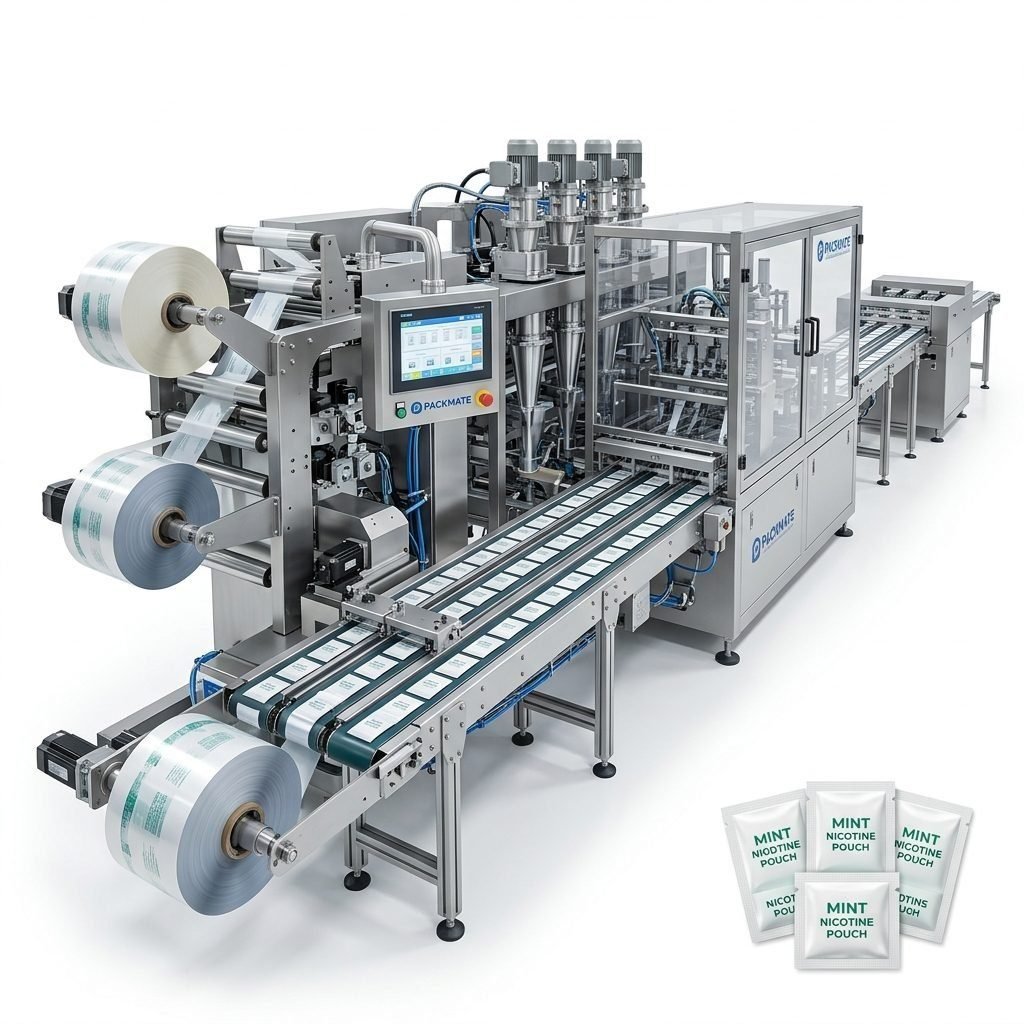
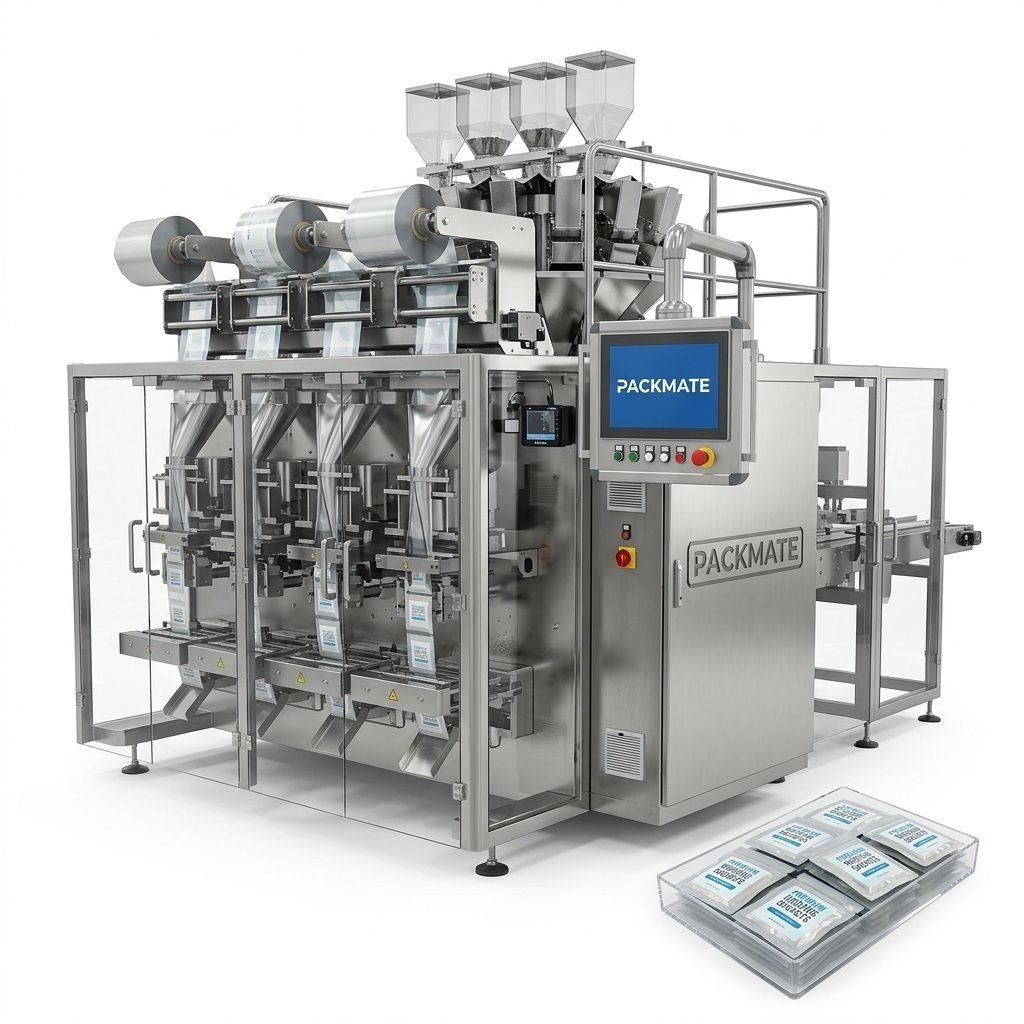
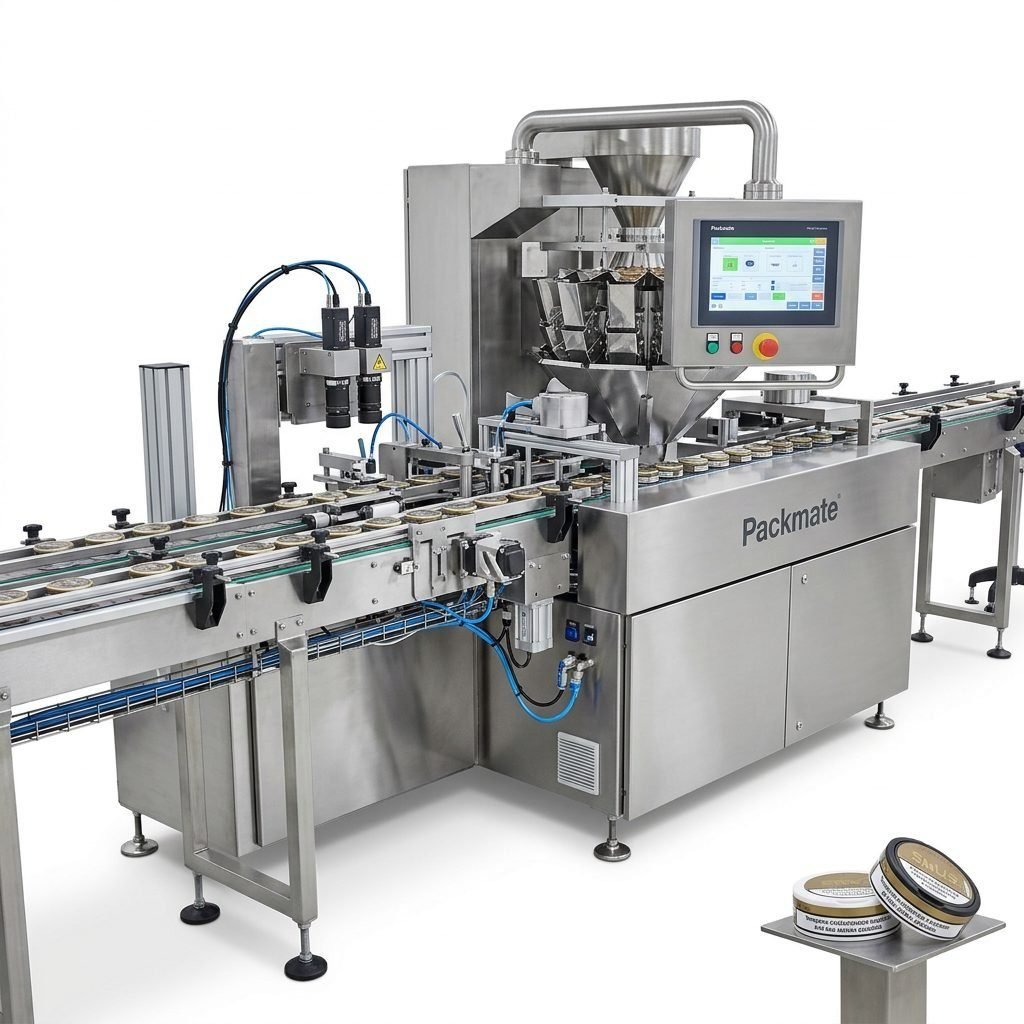
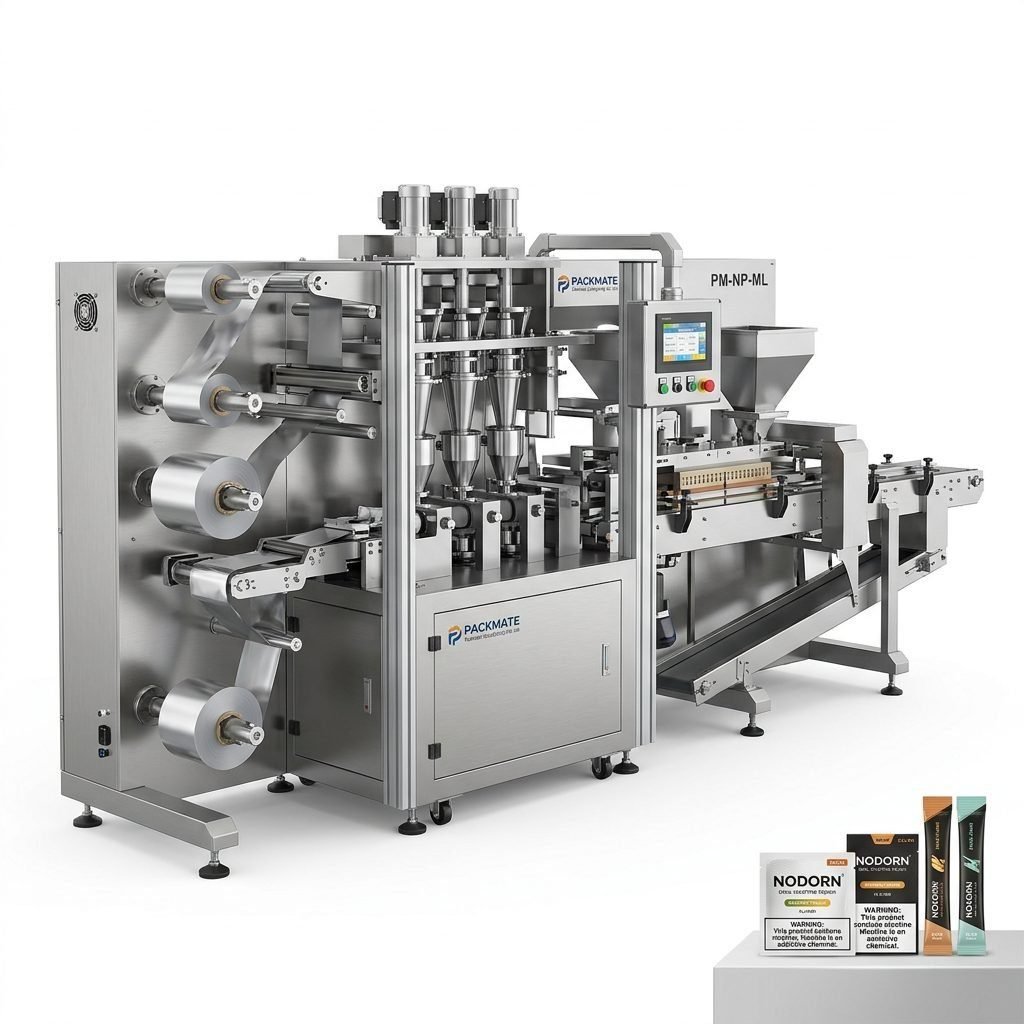
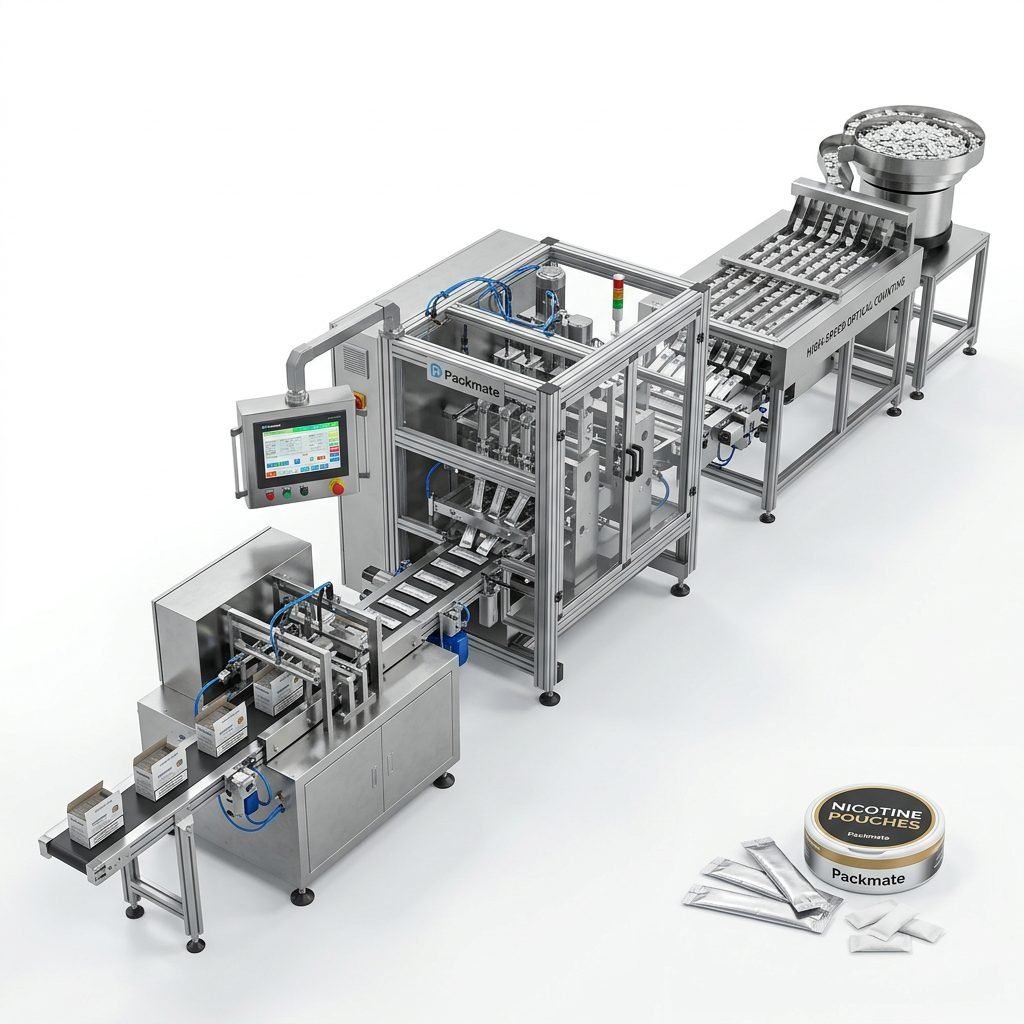
Choosing the right snus packaging machinery manufacturer is a critical decision for any company in Comoros looking to scale nicotine pouch production or introduce reliable, compliant packaging lines. The right partner will not only supply machines but will deliver consistent quality, regulatory compliance, installation support, and long-term service that protects your investment. This guide walks you through practical, business-focused criteria and actionable steps to choose the best snus packaging machinery manufacturer for your business.
Understand Your Production Needs First
Before you start comparing suppliers, define your core production requirements. Key variables include daily output targets, pouch formats (stick pack, sachet, multi-lane nicotine pouches), dosing accuracy, and whether you will need additional upstream or downstream equipment such as weighing systems or cartoning. If you require multi-lane or small-dose solutions, prioritize vendors with proven experience in complex, high-speed snus lines.
Quick checklist
✔️ Production capacity: target pouches/hour.
✔️ Formats: single-lane vs multi-lane, stick vs sachet.
✔️ Integration: compatibility with weighing or filling systems.
Evaluate Manufacturer Experience and Engineering Depth
Experience matters. A manufacturer with decades of engineering know-how understands the nuances of snus and nicotine pouch packaging—especially important for low-dose, small-format pouches. Look for companies with a documented history of continuous improvement and multi-lane system development. Manufacturers with a strong R&D culture and a range of models typically offer better reliability and upgrade paths.
What to ask about experience
Ask for case histories, model lists, and production references. Request details on similar projects and whether they provide turnkey solutions. If possible, tour the factory or request video demonstrations of the exact model you plan to buy.
Inspect Factory Strengths and Quality Control
Manufacturing capability is a direct indicator of product quality. Strong suppliers operate modern CNC machining centers, precision assembly lines, and rigorous QC processes. Ask about factory area, machine models produced, and whether they operate precision testing labs. Facilities with standardized assembly and testing reduce variability and improve machine reliability.
📦 Factory indicators: area size, CNC centers, assembly lines, and QC documentation.
Certifications and Regulatory Compliance
Packaging machines for snus and nicotine pouches must meet international safety and hygiene standards. Confirm the manufacturer’s equipment complies with certifications such as CE and ISO, and that they can provide documentation for export and local regulatory needs. Compliance reduces risk during customs clearance and simplifies product approvals in Comoros and export markets.
Assess Product Range and Customization Options
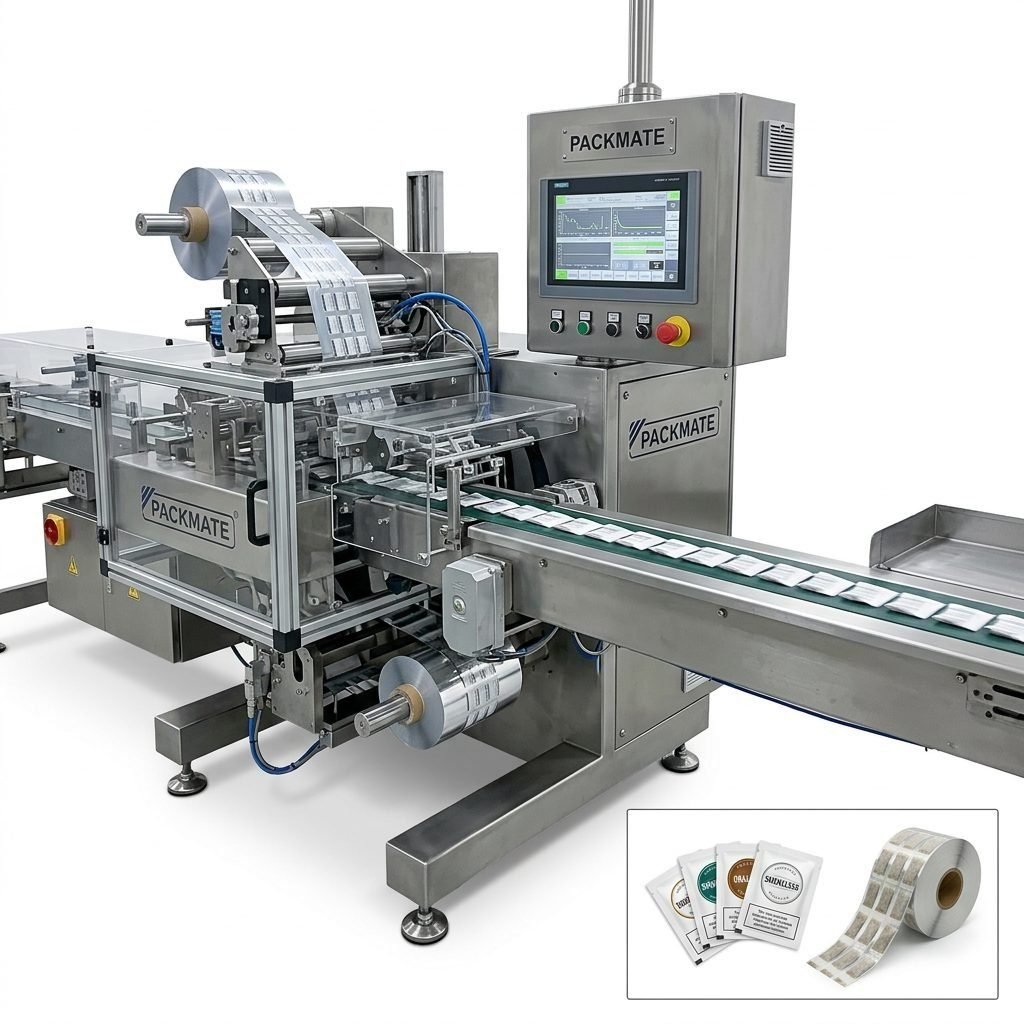
A versatile supplier offers more than one standard model. From single-lane stick pack machines to advanced multi-lane snus pouch lines, evaluate the breadth of models and the ease of customization. If you expect product variations, choose a manufacturer that provides modular designs and quick tool changeovers.
You can review machine categories and technical specifications to match your needs on the manufacturer’s product pages such as
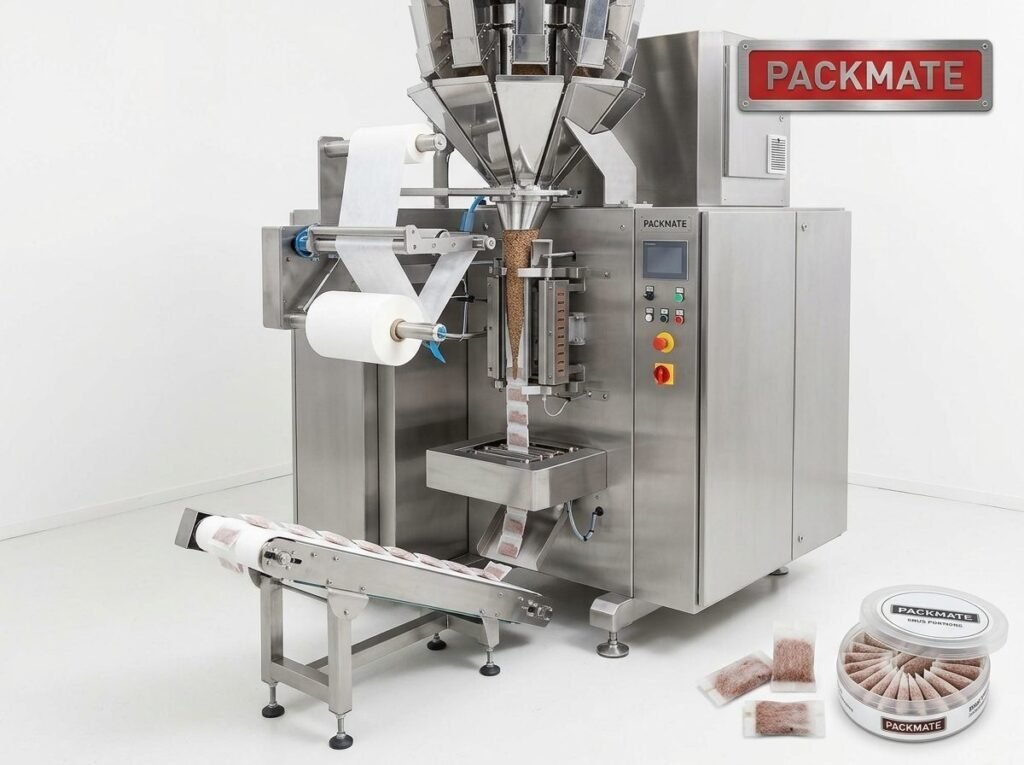
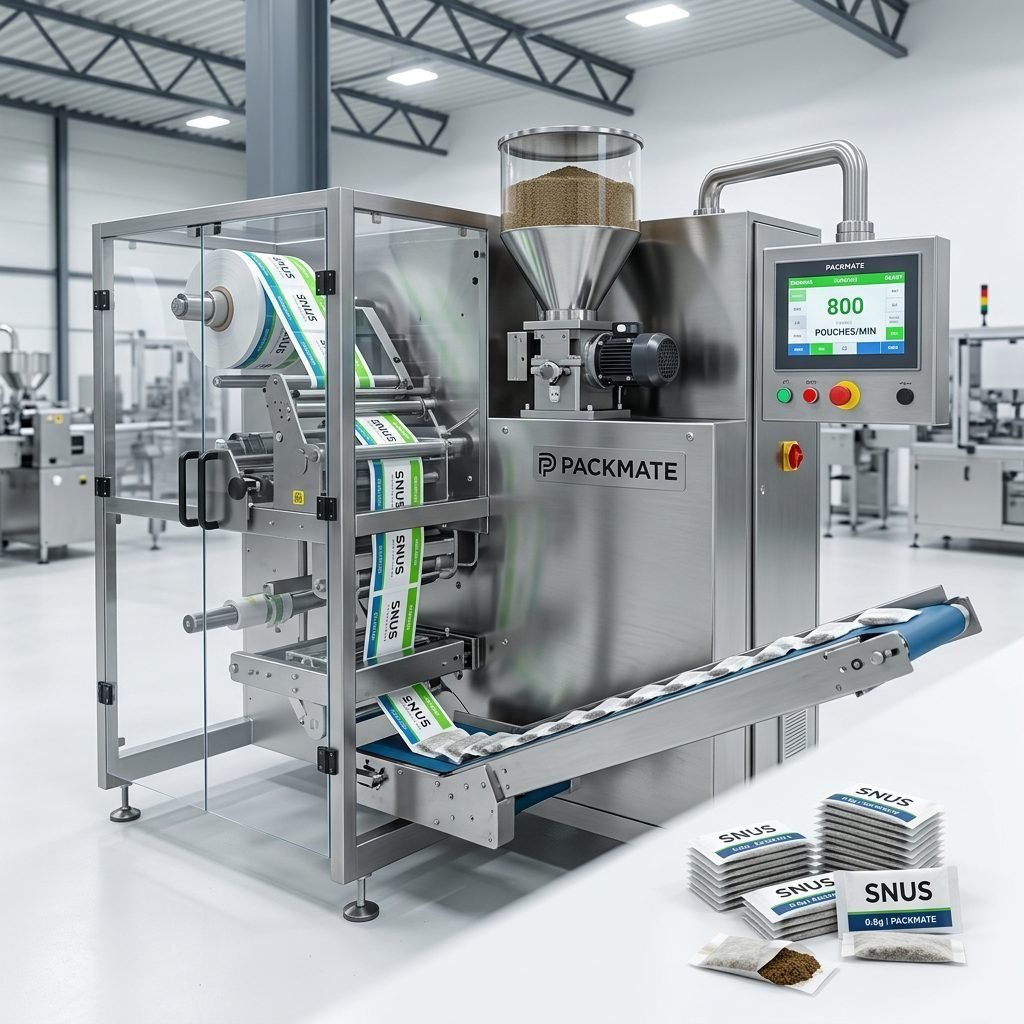
Snus & Nicotine Packaging Machines and
Sachet & Stick Pack Machines.
After-Sales Service, Spare Parts and Training
Machines require ongoing support. Verify the supplier’s after-sales network: availability of spare parts, average lead times for replacements, remote diagnostics capability, and on-site service options. Strong providers offer operator training, maintenance training, and documented maintenance schedules to maximize uptime.
🔧 Service indicators: local support plans, spare parts stock, remote assistance, and training programs.
Turnkey Solutions and System Integration
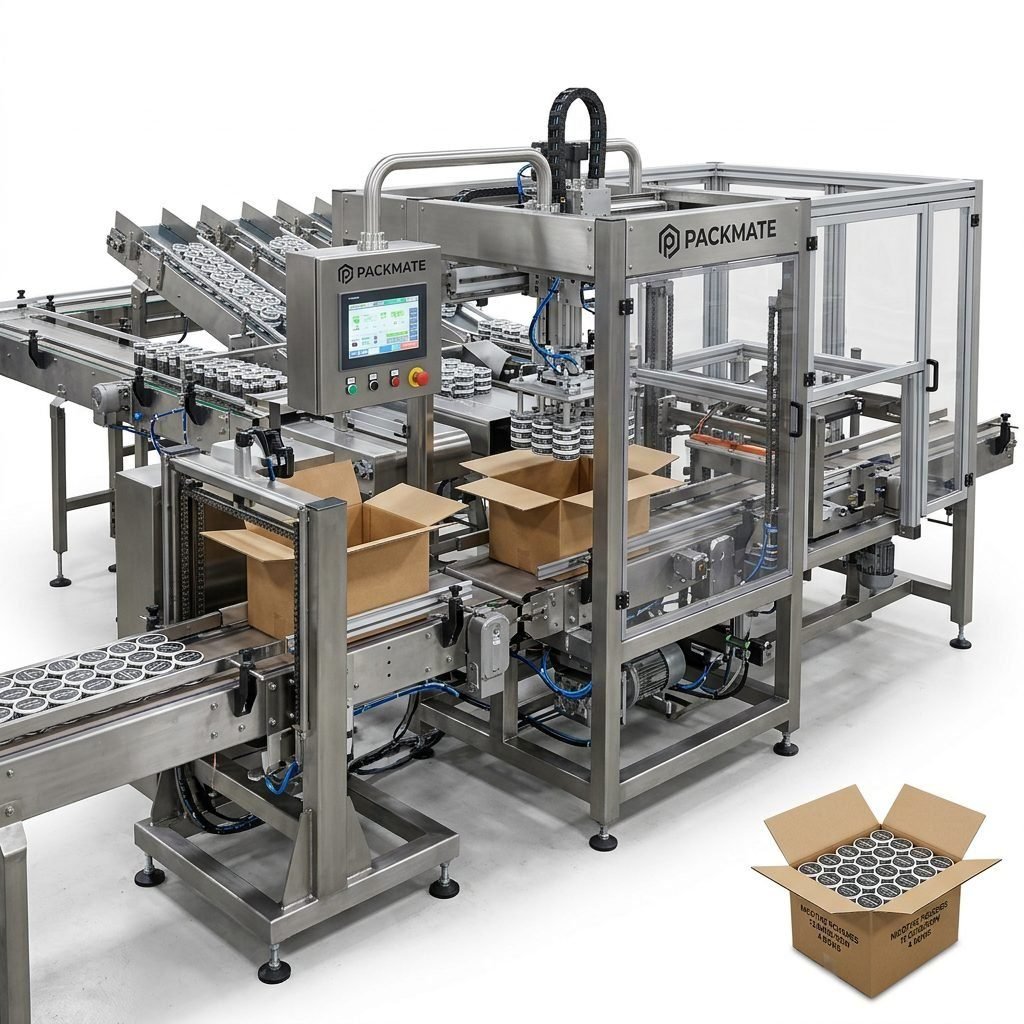
If you intend to deploy an entire production line, a turnkey supplier simplifies project management. Look for companies that integrate filling, weighing, sealing, and secondary packaging into a coordinated line. Confirm they provide layout engineering, electrical and pneumatic schematics, FAT (Factory Acceptance Test) reports, and commissioning at your site.
For integrated systems evaluate complementary product offerings like
Weighing & Packaging Systems and
Filling & Packaging Lines.
Quality vs. Price: Total Cost of Ownership
Price is important, but the lowest upfront cost may lead to higher lifetime expenses. Evaluate Total Cost of Ownership (TCO): energy consumption, spare parts pricing, downtime rates, and expected service intervals. A slightly higher initial investment in a robust machine often pays off through reduced maintenance, better yield, and longer life.
TCO checklist
Consider expected uptime, energy efficiency, mean time between failures (MTBF), and warranty terms. Ask the manufacturer to provide sample ROI calculations based on your production plan.
Technical Features to Prioritize
The following technical features directly impact performance and product quality:
- Precision dosing systems with high repeatability for nicotine pouch fill accuracy
- Servo-driven components for stable speed control and reduced mechanical wear
- Automatic web tracking and film registration for consistent sealing
- Sanitary design and easy-clean features to comply with hygiene requirements
- Modular design for future upgrades or format changes
⚙️ Tip: Request machine performance reports and sample pouch outputs for your target format to validate quality before purchase.
Factory Acceptance Tests and Sample Trials
Never skip FAT or sample trials. A reputable manufacturer will offer Factory Acceptance Tests with your product or material to demonstrate real-world performance. FAT should include speed runs, sealing integrity tests, weight verification, and continuous run data. Insist on documented results and video evidence if you cannot attend in person.
Shipping, Installation and Local Support in Comoros
Logistics to Comoros can involve special packaging, export documentation, and local clearance. Discuss the supplier’s experience exporting to island nations and whether they provide packing for sea freight. Understand installation timelines and whether technicians will travel for commissioning or if remote support is available. Local partnerships or authorized service agents can greatly reduce lead times for repairs.
Review References, Case Studies and Exhibition Presence
Check references and case studies to validate the manufacturer’s claims. Suppliers that exhibit at international trade shows demonstrate transparency and allow you to see live demonstrations. Explore real customer cases and technical documentation. You can learn more about a supplier’s global reach and track record on pages like
Case and
Our Exhibition.
🌍 Global footprint: Supplier references across regions show adaptability to different regulations and logistical challenges.
Warranty, Spare Parts and Long-Term Partnership
Confirm warranty terms, spare parts availability, and typical repair turnaround times. A long-term partnership means the manufacturer helps you grow—offering upgrades, new formats, and periodic machine refurbishing. Transparency about component sourcing and recommended inventory for critical spares is essential.
Negotiation and Final Checks
When negotiating, clarify payment terms, lead times, delivery conditions (FOB, CIF), and acceptance criteria. Ensure contractual clauses cover performance guarantees and penalties for missed delivery or underperformance. Confirm training, documentation language, and availability of manuals.
Decision matrix (simple)
Create a weighted scorecard that includes: machine performance, reliability, certifications, after-sales support, factory verification, price/TCO, and references. Score vendors objectively to make an informed choice.
Why Packmate Snus Machine Is a Consideration
Suppliers with strong engineering backgrounds and a long history in packaging machinery bring stability. For example, some manufacturers emphasize decades of continuous development, multiple machine models, and a comprehensive factory setup with CNC centers and precision assembly. When evaluating a partner, review their product catalogs, certifications, and turnkey capabilities. Learn more about the company and its mission on pages such as
About Packmate and check technical documents or catalogs on the
Catalog page.
📌 Final procurement tip: Combine technical visits, FAT, and sample runs before final payment to reduce risk.
Summary: A Practical Selection Roadmap
1) Define formats and capacity. 2) Shortlist manufacturers with proven snus/nicotine pouch experience. 3) Verify factory strength, certifications, and references. 4) Require FAT, sample runs, and documented performance. 5) Confirm after-sales network, spare parts supply, and warranty. 6) Calculate TCO and negotiate clear contract terms including delivery and acceptance criteria.
Next steps
Start by contacting selected manufacturers for technical proposals, ask for case studies and FAT schedules, and request a preliminary layout for your site. If you need additional information or would like to discuss an integrated line, reach out via the manufacturer’s contact channel such as
Contact Us.
Common Questions
Q1: How long does it take to install a full snus packaging line?
A1: Typical timelines vary by complexity—basic single-machine deliveries can be a few weeks, while turnkey multi-lane lines with FAT, shipping, installation, and commissioning often take 3–6 months from order confirmation.
Q2: What certifications are essential for snus packaging equipment?
A2: CE and ISO certifications are commonly required for safety and quality. Additional hygiene and electrical standards may be relevant depending on your market.
Q3: Can suppliers provide FAT if I cannot visit the factory in person?
A3: Yes. Reputable manufacturers provide detailed FAT reports and video demonstrations and may offer live remote sessions for real-time verification.
Q4: How do I ensure spare parts availability in Comoros?
A4: Negotiate spare parts packages in the purchase contract, identify critical components to stock locally, and confirm estimated lead times for replacements from the supplier.
Q5: What additional equipment should I consider for a turnkey snus production line?
A5: Depending on product type, include weighing and dosing systems, packaging conveyors, cartoning machines, vision inspection, and auxiliary equipment. Check options under
Auxiliary Packaging Equipment.