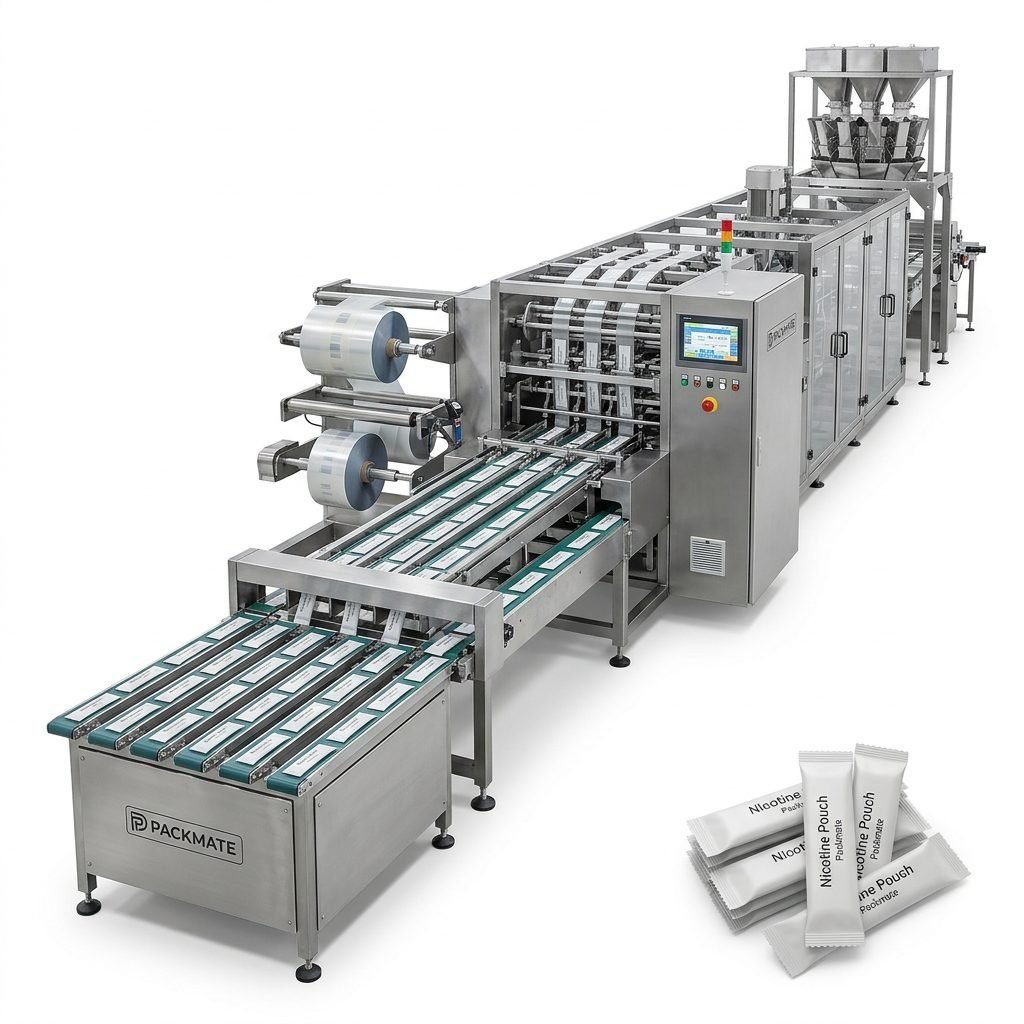
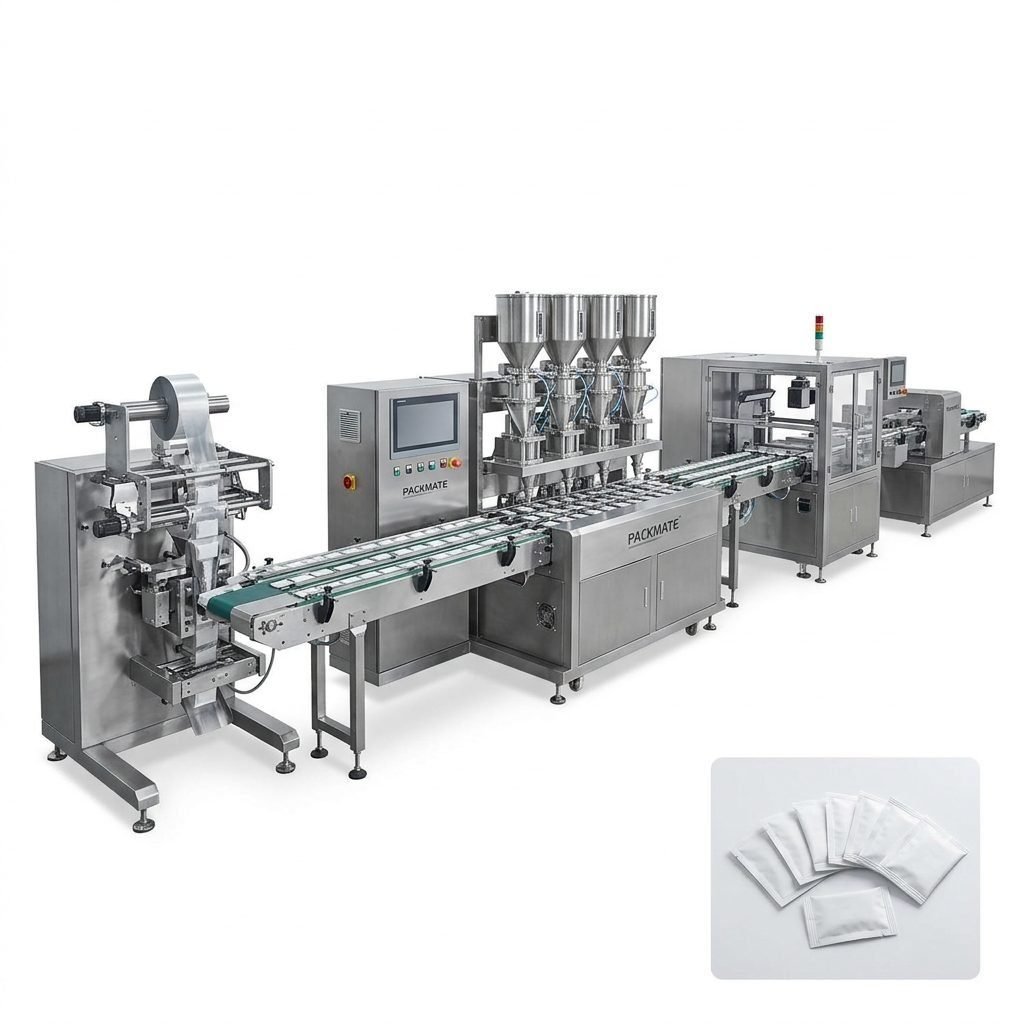
Finding a reliable snus packaging machine supplier in Bosnia and Herzegovina requires more than price comparison. You need a partner who understands nicotine pouch technology, European regulatory expectations, local market preferences, and after-sales service. This detailed buyer’s guide walks you through every step — from defining your production goals to negotiating contracts, arranging logistics through Bosnian customs, and ensuring smooth long-term operation of your packaging line.
Understand the Bosnia and Herzegovina Market and Local Habits
Bosnia and Herzegovina has a diverse population with different consumption habits across regions. While smoking traditional cigarettes remains common, oral nicotine products such as snus and nicotine pouches are an emerging niche. The market is mainly driven by younger urban consumers and cross-border trade between neighboring countries (Croatia, Serbia, Montenegro). When sourcing a supplier, factor in local packaging preferences — multilingual labeling (Bosnian/Croatian/Serbian), smaller trial packs for cautious consumers, and clear ingredient and warning labels to meet customer expectations.
Regional regulatory & cultural notes
Before procurement, check local and EU-influenced regulations. Bosnia and Herzegovina’s regulatory landscape may evolve, and customs clearance often requires precise documentation. Many buyers prefer suppliers whose machines are CE and ISO certified, which simplifies acceptance by local authorities and buyers across Europe.
🔎 Key reminder: Always verify local import rules and nicotine-specific labeling requirements before placing a large machine order. Suppliers that provide compliance support and documentation (CE, ISO, test reports) will save you time and risk.
Step 1 — Define Your Production Needs Clearly
Start with a detailed production brief. Include target daily output (pouches per minute or hour), pouch types (round, oval, pillow sachet, stick pack), pouch weight range, product fill type (powder, granule, paste, liquid), desired packaging materials (foil, paper laminate), and downstream requirements like cartoning, case packing, or shrink-wrapping. A clear brief allows suppliers to match the correct model type and avoid costly over-spec or underperforming equipment.
If you need inspiration, review specialized product lines like the Snus & Nicotine Packaging Machines and the Sachet & Stick Pack Machines to see common configurations and capacities.
Step 2 — Choose the Right Machine Type
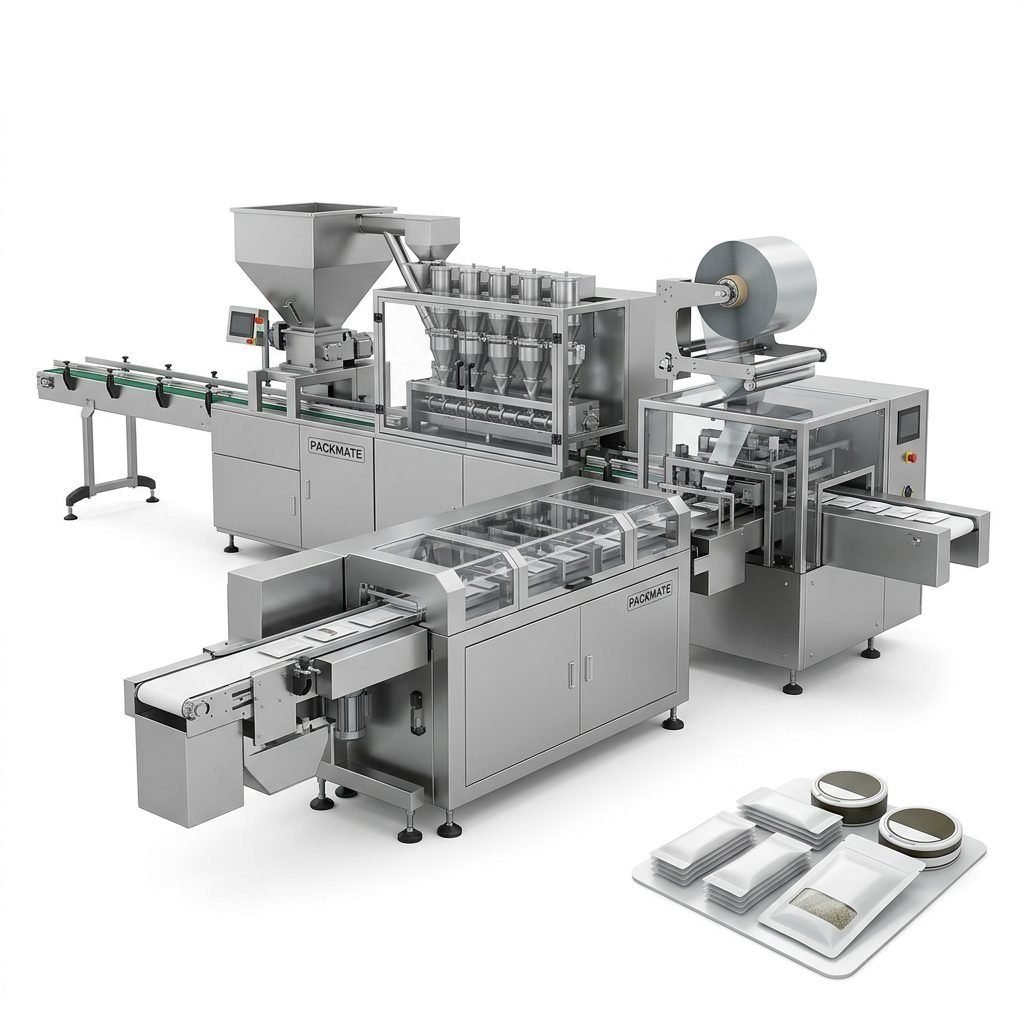
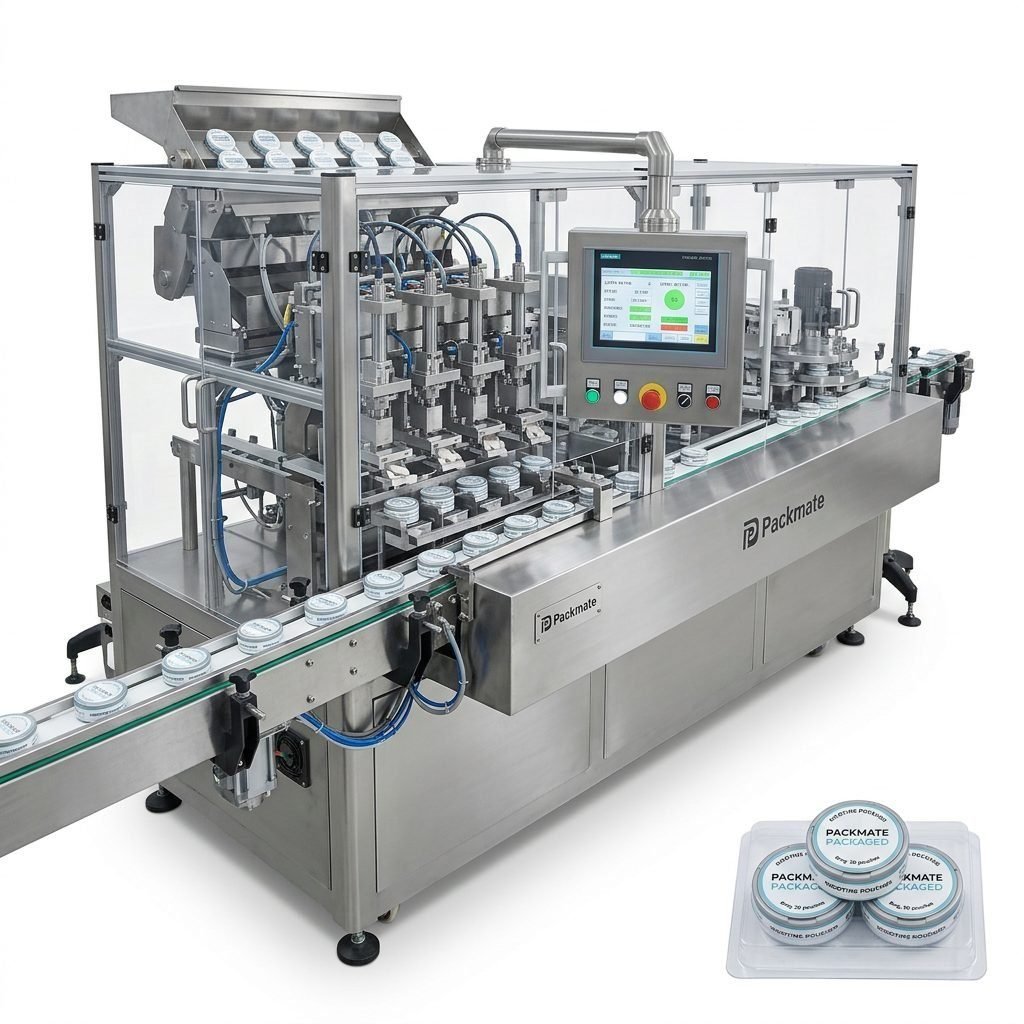
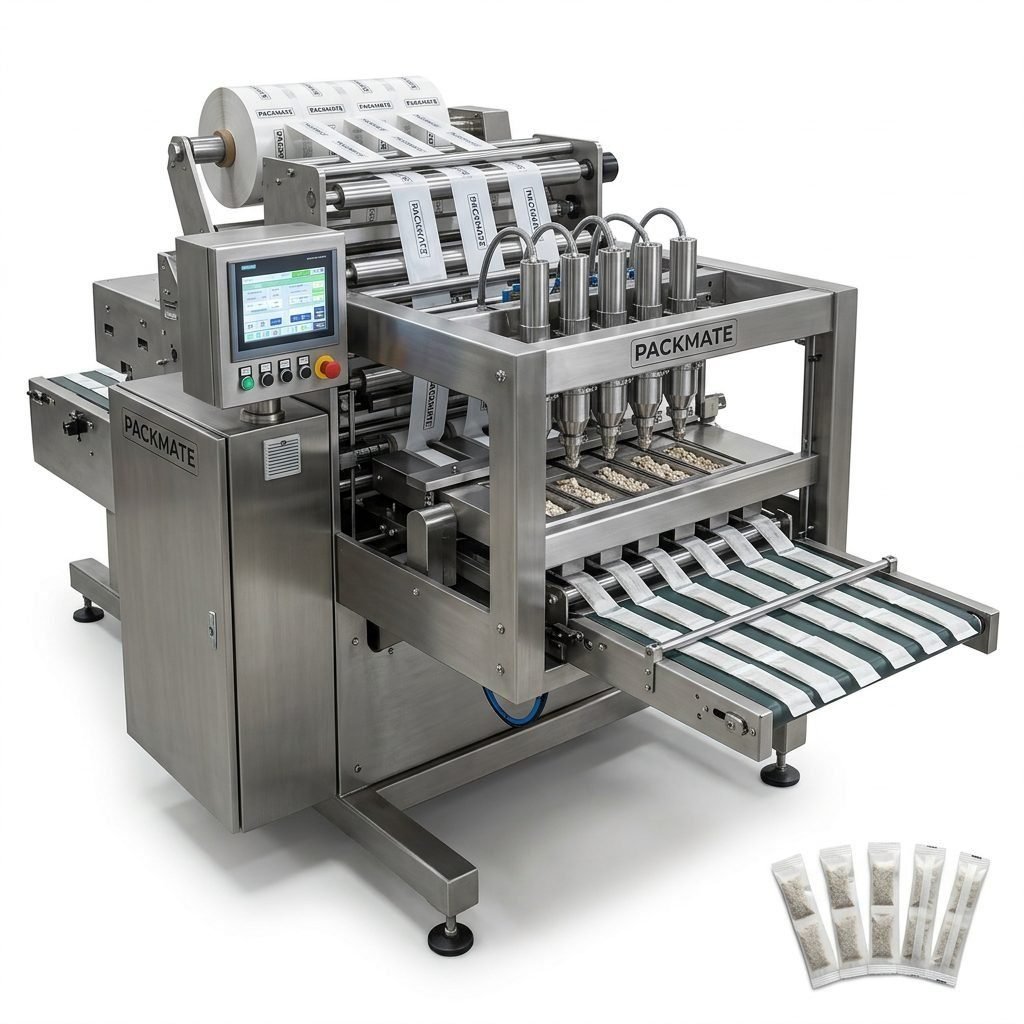
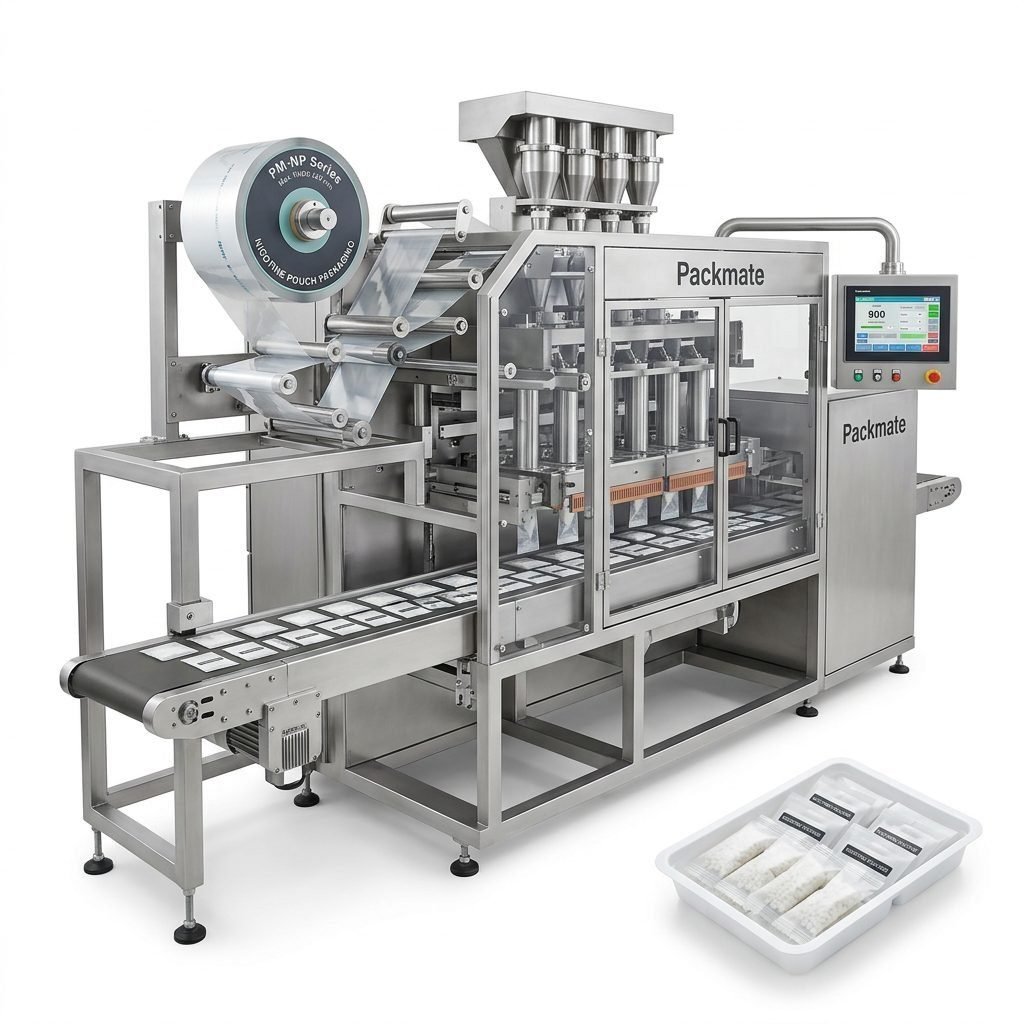
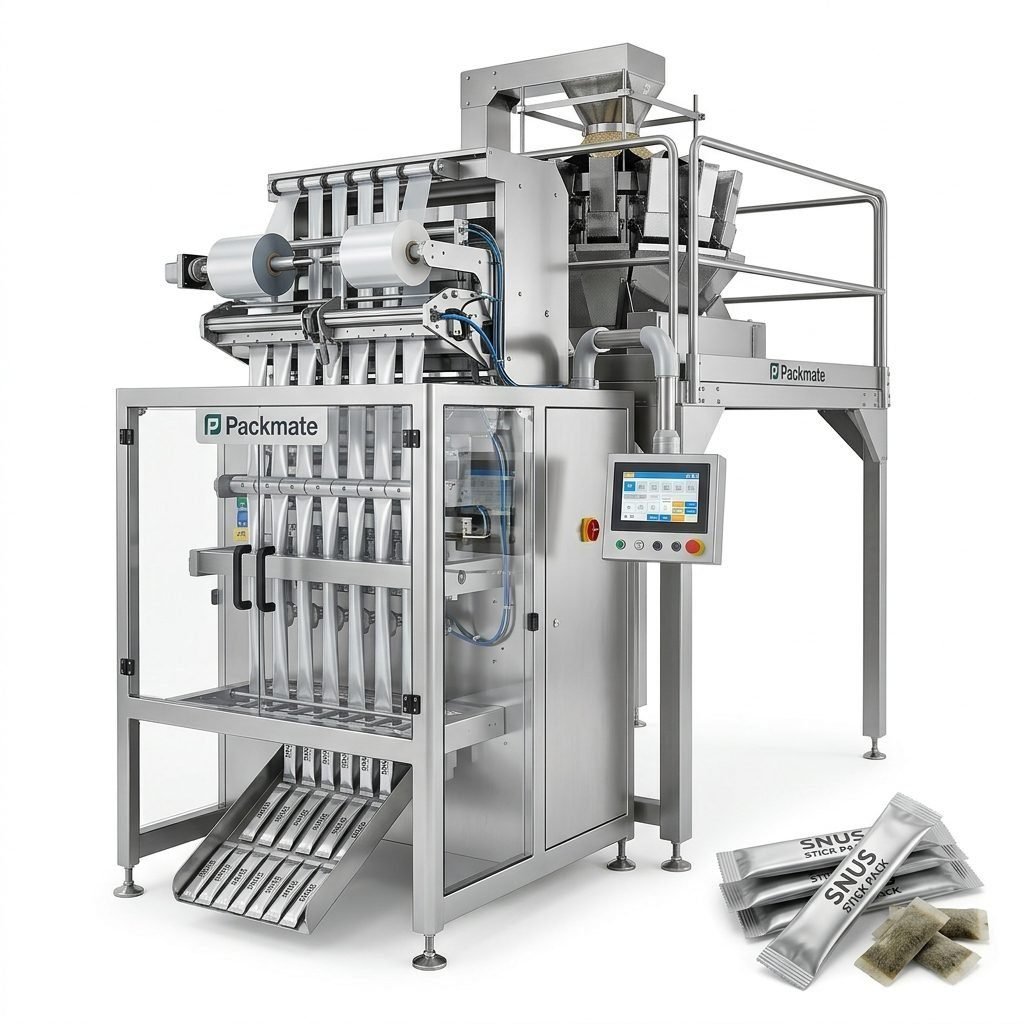
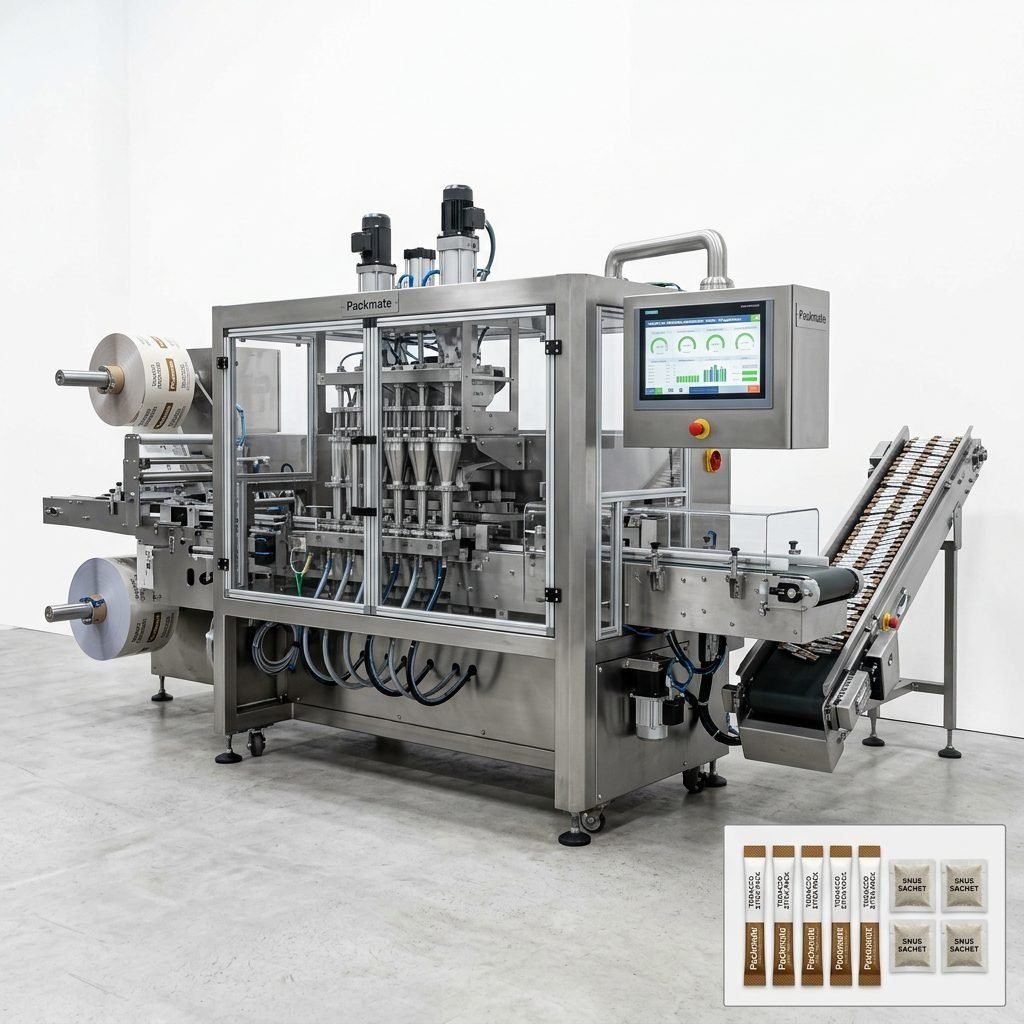
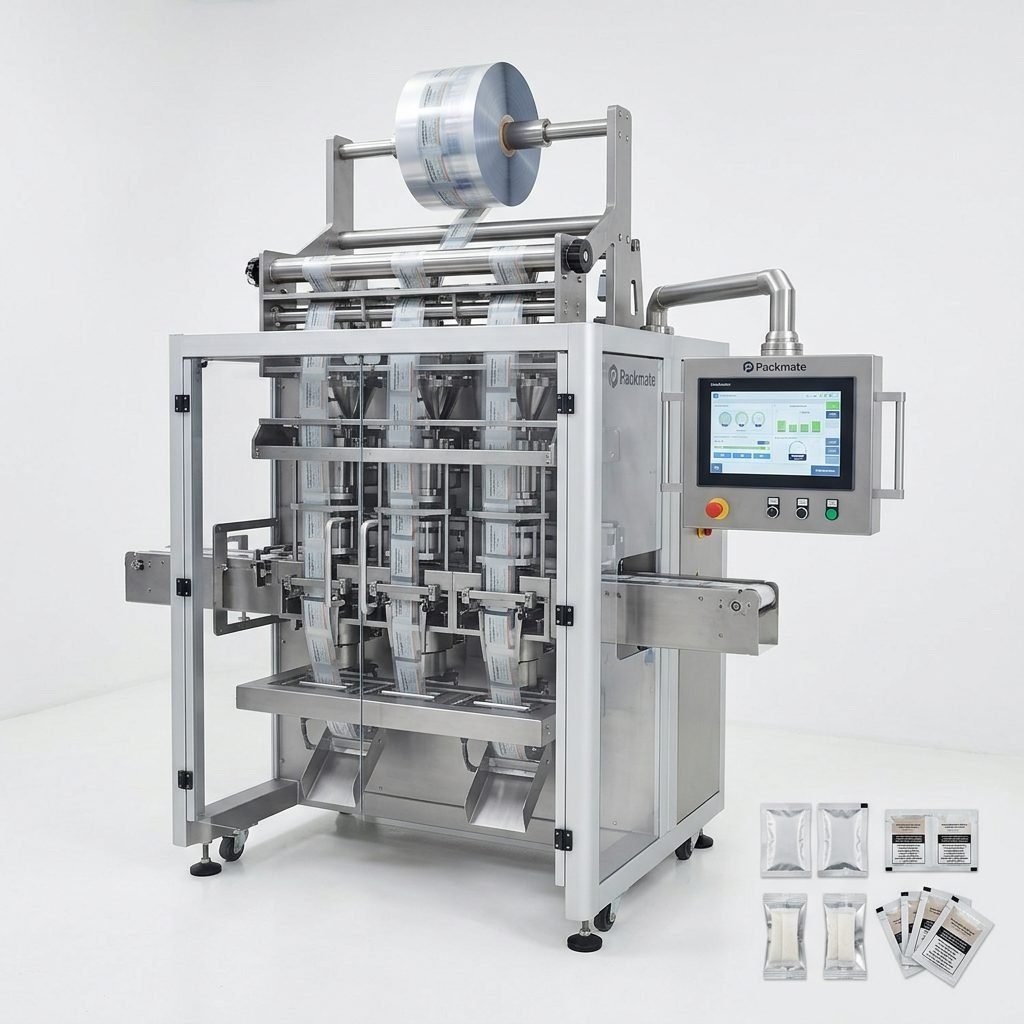
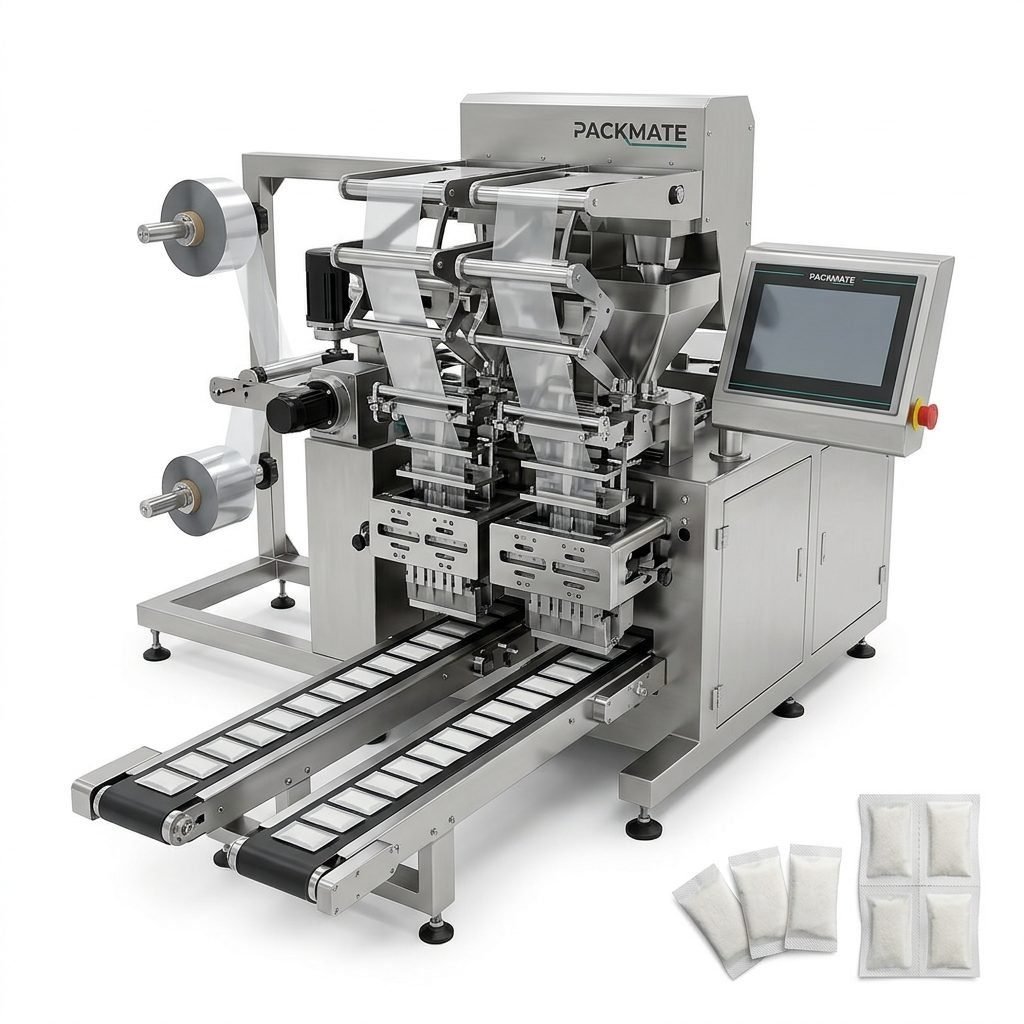
Typical snus/nicotine pouch manufacturing lines include: multi-lane stick pack machines for high throughput, sachet machines for single-dose pouches, and specialized multi-lane snus packaging systems for small-dose pouches. Consider these factors:
- Throughput requirements — high-speed multi-lane versus single-lane pilot lines.
- Product form — powders/granules need weighing systems; liquids require sanitary pumps and different sealing techniques.
- Packaging material compatibility — aluminum-based laminates versus paper-based eco-films.
Tip: Integrating weighing systems and automated feeding will improve uniformity and reduce waste — see examples in Weighing & Packaging Systems.
Step 3 — Vet Supplier Credentials and Factory Strength
Trustworthy suppliers present clear evidence of their production capabilities: factory floor area, CNC machining centers, test benches, and a comprehensive model list. For example, Packmate Snus Machine highlights a 20,000㎡ facility, 30+ years of experience, and 50+ machine models — indicators of scale and engineering depth. Ask for:
- Factory photos and video tours (real-time or recorded).
- References or case studies from European customers (preferably similar to your product).
- Certifications: CE, ISO, and relevant safety reports.
Factory visit checklist
When feasible, plan a factory visit or request a virtual walkthrough. Inspect assembly quality, machining tolerances, quality control stations, and test runs. Verify spares inventory, assembly turnaround times, and the manufacturer’s R&D capacity for future upgrades.
Step 4 — Technical Specifications and Customization
Confirm the machine’s technical specs: electrical requirements, air consumption, dimensions, cycle speed, and acceptable material thickness. If you require custom pouch shapes, dosage control, or labelling integration, request written confirmation and a timeline for software/hardware changes. Customization adds value but can extend lead times — clarify this up front.
Step 5 — Quality, Testing, and Trial Runs
Ask suppliers for factory acceptance testing (FAT) and sample production. FAT should demonstrate:
- Consistent pouch weight and seal integrity.
- Material handling without jamming or excessive dust generation.
- Downstream compatibility with cartoners and case packers.
A reputable supplier will provide trial samples and allow you to witness a full production cycle — an invaluable step for verifying performance before shipment.
Step 6 — After-sales Service, Spare Parts and Training
After-sales capability is critical in Bosnia and Herzegovina where on-site technical support may be limited. Ensure the supplier offers:
- Global technical support and remote troubleshooting (video call, PLC remote access).
- Spare parts kits shipped with the machine and local stocking options.
- On-site installation and operator training packages.
Service highlight: Packmate provides global turnkey solutions and long-term technical support — a key advantage for buyers who need reliable maintenance and spare parts supply.
Step 7 — Logistics, Customs and Local Delivery
Coordinate shipping terms (EXW, FOB, CIF) and ensure accurate HS codes for nicotine-related machinery. Bosnia and Herzegovina customs require clear documentation. Work with freight forwarders experienced in handling industrial machinery and hazardous or nicotine-related product equipment if needed. Ask the supplier for:
- Detailed packing lists and machine drawings for customs.
- Assistance with temporary import permits (for demonstration equipment).
- Insurance options for transit damage coverage.
Step 8 — Payment Terms and Negotiation
Typical commercial terms include deposits (e.g., 30% on order, balance before shipment) and letters of credit for high-value orders. Negotiate warranty length, acceptance criteria, and penalties for major delays. Ask for a clear project timeline with milestones: design approval, FAT date, shipment window, and installation date.
Step 9 — References, Cases, and Real-World Validation
Request case studies or examples from similar markets. A supplier that can reference European or regional projects demonstrates the ability to meet expectations. Look for documented cases such as long-term production lines or turnkey installations — review these to judge consistency and reliability. See real cases and exhibition presence for extra assurance: Case and Our Exhibition.
Practical Checklist Before Signing
Use this short checklist to confirm readiness:
- Written machine specifications and acceptance criteria.
- FAT and sample sign-off procedures.
- Detailed installation & commissioning plan with training.
- Warranty terms, spare parts list, and service SLA.
- Compliance and certification documentation for EU/Bosnian regulators.
Negotiating for local adaptation
Negotiate optional features that suit Bosnian preferences: multilingual HMI (Bosnian/Croatian/Serbian/English), compact footprints for smaller facilities, and adapted packaging dimensions for local retail displays. These adjustments improve time-to-market and retailer acceptance.
Why Choose an Experienced Manufacturer Like Packmate?
Choosing an experienced brand reduces risk. Packmate’s strengths include 30+ years of engineering experience, a 20,000㎡ manufacturing base, advanced CNC machining, and a catalogue covering snus/nicotine packaging, sachet & stick pack machines, and weighing systems. These capabilities translate into mature designs, reliable spare availability, and faster development cycles for custom features.
Explore more about the company and product ranges via the manufacturer pages: About Packmate, Filling & Packaging Lines, and Auxiliary Packaging Equipment.
Fast fact: Suppliers with global exhibition presence and documented international projects tend to handle cross-border logistics and regulatory complexities better — check the exhibition and certificate pages when vetting partners.
After Installation — Maximizing Uptime
To maintain consistent production, implement preventive maintenance schedules, train multiple operators, and keep a local stock of critical spares (sealing jaws, sensors, belts). Request detailed maintenance guides and PLC program backups from your supplier. Remote diagnostics capability can cut downtime dramatically in Bosnia and Herzegovina, where on-site OEM engineers may not always be immediately available.
Summary — A Strategic Procurement Approach
Buying a snus packaging machine for Bosnia and Herzegovina is both a technical and strategic decision. Define your product profile clearly, verify supplier capabilities and certifications, insist on FAT and sample runs, negotiate clear service and warranty terms, and prepare logistics for cross-border delivery. Prioritize suppliers with proven experience in nicotine pouch technology and strong after-sales support for peace of mind.
Useful links for next steps
Research relevant product lines and buyer resources before contacting suppliers: Snus & Nicotine Packaging Machines, Bag & Pouch Packaging Machines, and contact the supplier via Contact Us for tailored quotes and factory tour arrangements.
Frequently Asked Questions
Q1: Is snus/nicotine pouch manufacturing equipment legal to import into Bosnia and Herzegovina?
A1: Import legality depends on product classification and local regulations. The machine itself (as industrial equipment) is generally importable, but product-related controls (nicotine limits, health warnings, sales restrictions) may apply. Verify with local customs and health authorities and request the supplier’s compliance documentation.
Q2: How long does delivery and installation typically take?
A2: Typical lead times range from 8–20 weeks depending on customization and production backlog. Add 2–6 weeks for international shipping and customs clearance. Always confirm project milestones in your contract.
Q3: What warranty and spare parts support should I expect?
A3: Standard warranties vary (12–24 months). Ensure clarity around what is covered (mechanical, electrical, consumables) and the supplier’s spare parts availability. Prefer suppliers offering spare kits and remote support options.
Q4: Can machines be adapted for Bosnian language HMI and labeling?
A4: Yes — many suppliers offer multilingual HMI and labeling modules. Request this as part of the initial specification to avoid later software changes.
Q5: How do I validate supplier reliability remotely?
A5: Ask for factory video tours, FAT recordings, customer references in similar markets, and copies of certifications. Use a stepwise payment plan tied to milestones and an independent inspection before final payment.