Choosing the right snus packaging machinery for a production line in Bulgaria demands a practical understanding of product formats, production goals, regulatory requirements, and long-term support. This guide walks you through the critical technical, commercial, and operational considerations to help you select equipment that delivers consistent quality, high yield, and reliable uptime for nicotine pouches and snus-style products.
Understanding the Bulgarian Market and Production Needs
The Bulgarian market for nicotine pouches and snus is evolving, with manufacturers focusing on precise portioning, appealing pouch formats, and stringent safety standards. Before choosing machinery, define the intended product formats (stick, sachet, pouch, or multi-lane small-dose pouches), expected daily throughput, and packaging materials. These parameters determine the core machine architecture and peripheral equipment required.
Key production questions to answer up front
📌 Target output: How many pouches per minute or per hour do you need?
⚙️ Format flexibility: Do you need one format only or multiple formats with quick changeovers?
🧪 Filling types: Are you packing powder, granules, moisture-controlled blends, or liquids?
Answering these will guide whether you need a single-lane sachet machine, a multi-lane snus pouch line, or an integrated turnkey solution.
Core Machine Types and Their Best Uses
Different machine platforms serve different product forms. Familiarize yourself with the main options:
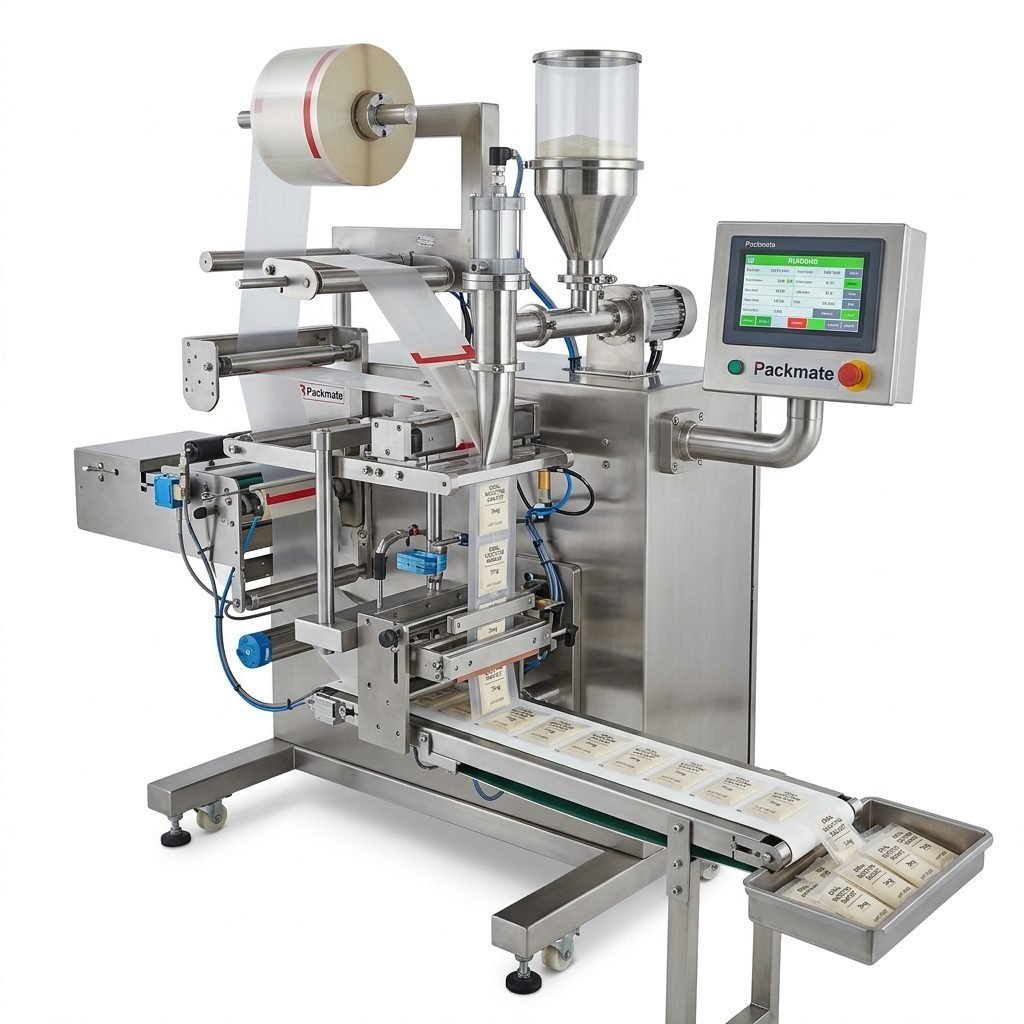
Sachet & Stick Pack Machines
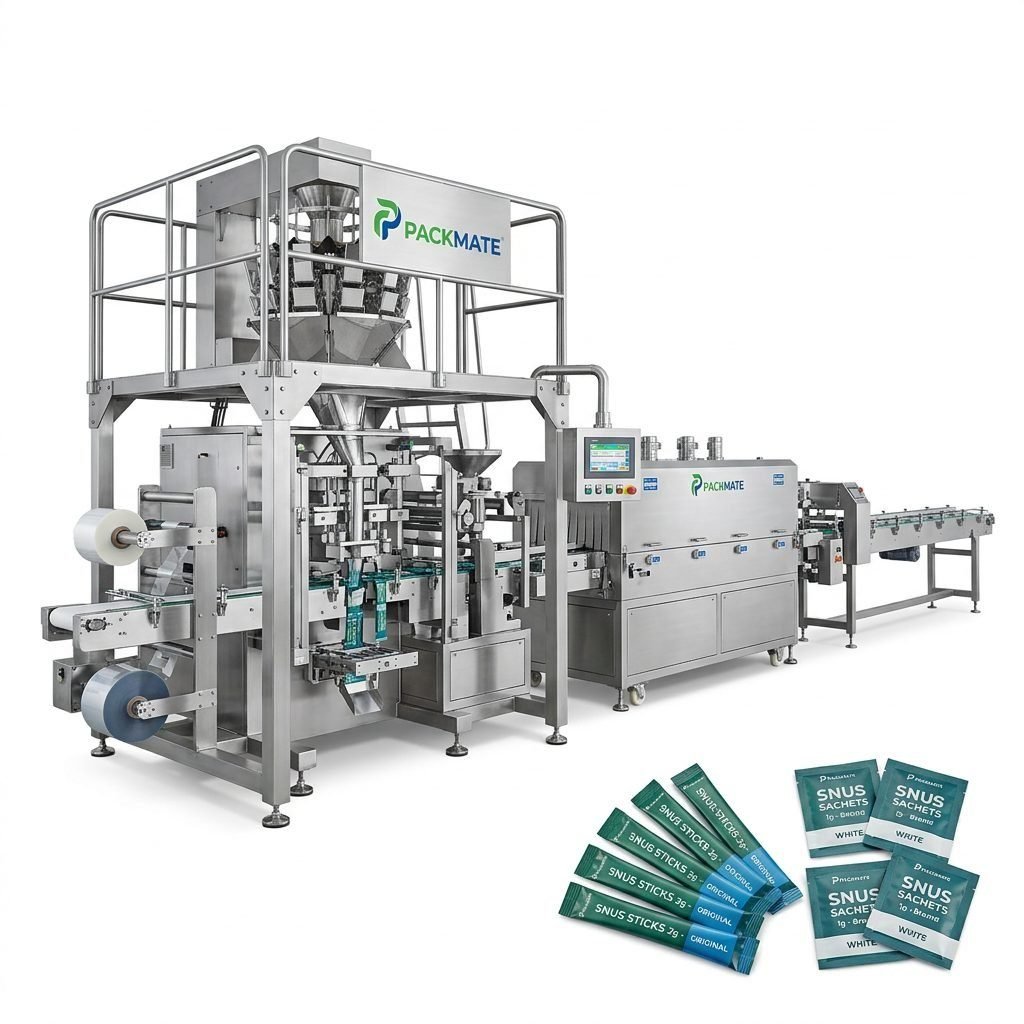
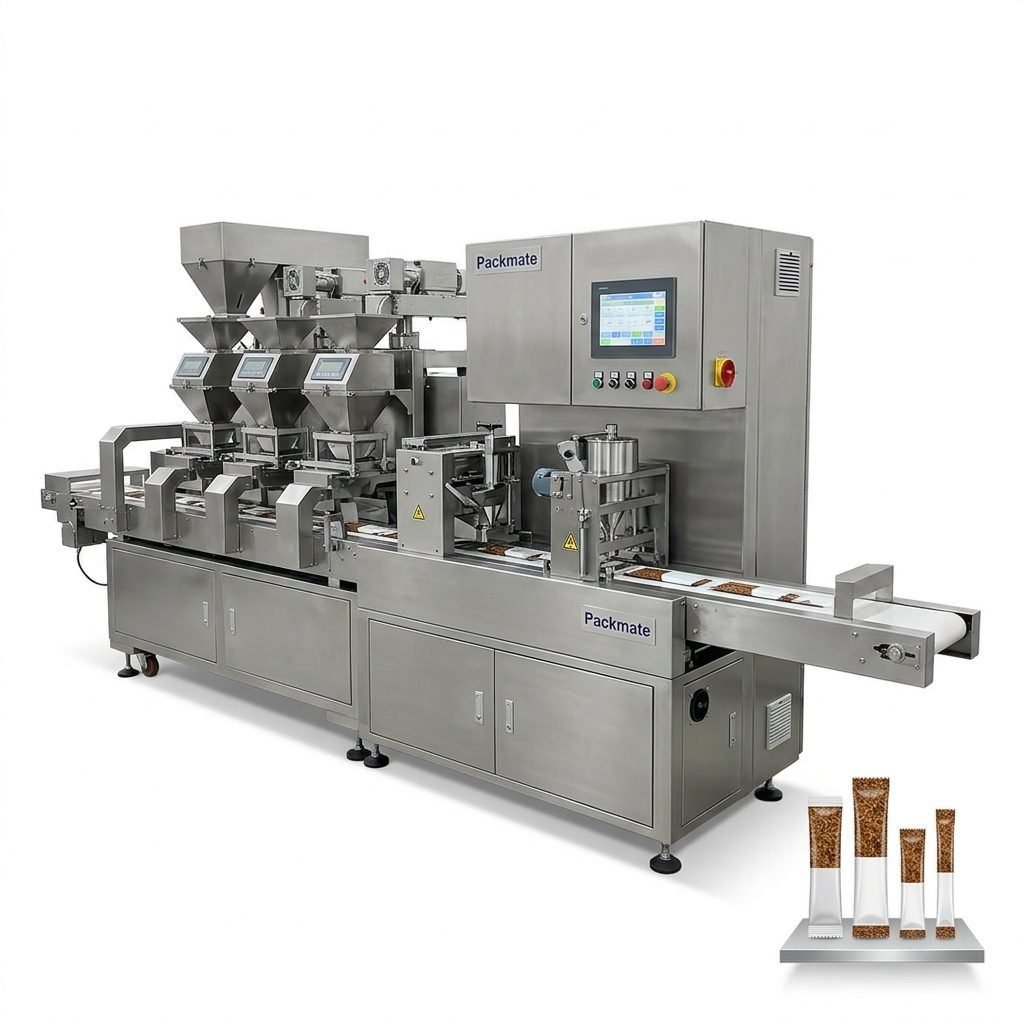
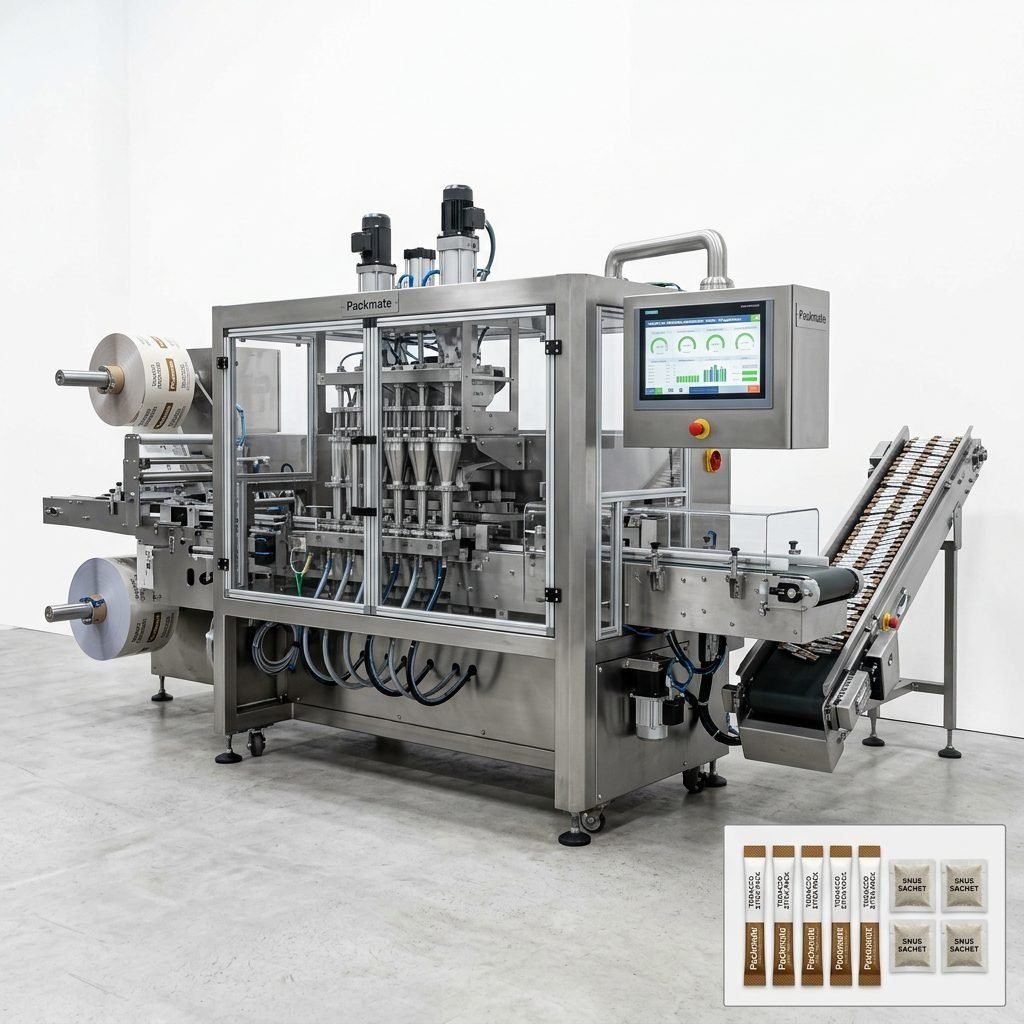
Sachet and stick pack machines are ideal for single-serve portions and are often used when products require easy consumer dosing. These machines are compact, cost-effective for medium speeds, and commonly used for flavored nicotine pouches packaged in stick or sachet formats. For more details, consider checking manufacturers that specialize in these systems like those listed under
Sachet & Stick Pack Machines.
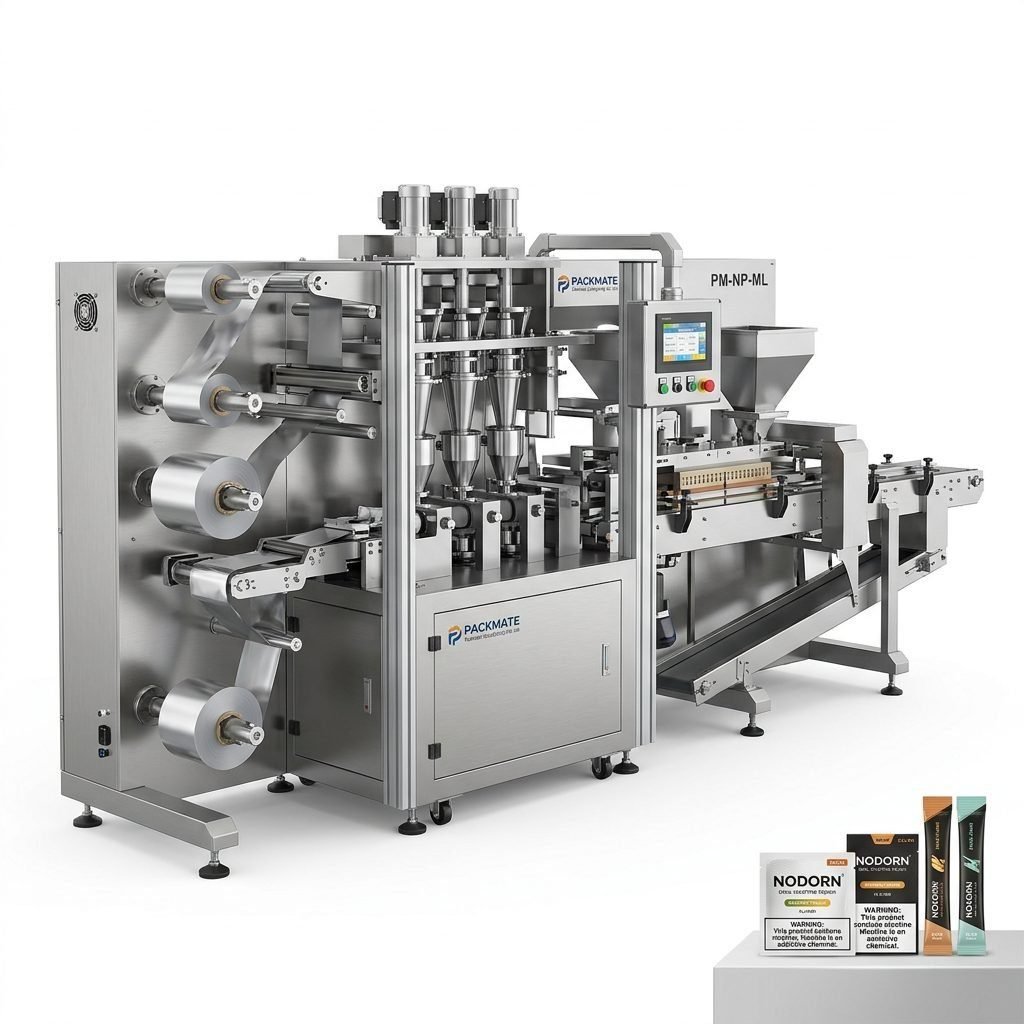
Multi-Lane Snus / Nicotine Pouch Machines
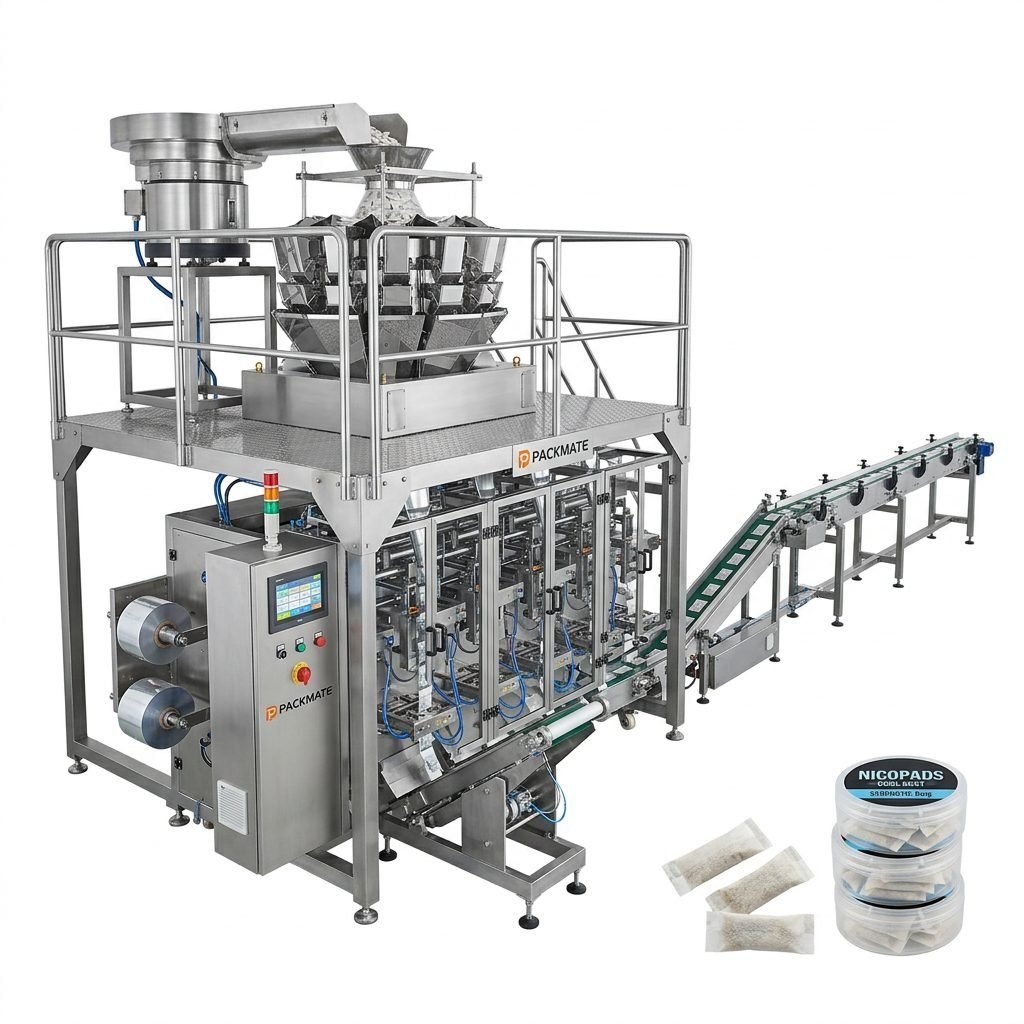
Multi-lane lines are engineered for high-volume small-dose pouches. They deliver high throughput by running multiple lanes in parallel, reducing per-unit cost and improving consistency for small-dose tobacco-free nicotine pouches or snus. If your production plan targets growth, multi-lane systems offer scalability and efficient floor-space utilization. Explore options at
Snus & Nicotine Packaging Machines.
Bag & Pouch Packaging Machines
For larger-format retail pouches or resealable bags that contain multiple servings, bag and pouch machines provide robust sealing, zipper insertion, and printed film handling. They are essential when your product transitions from single-use to multi-unit retail packs. See product lines at
Bag & Pouch Packaging Machines.
Technical Features That Matter Most
When evaluating machine specifications, some technical elements are non-negotiable for reliable snus packaging:
- High-precision dosing systems for consistent nicotine pouch weights and tight tolerance control.
- Servo-driven transmission for accurate film handling, cutting, and sealing.
- Advanced PLC controls with touchscreen HMI for recipe management and quick format changeovers.
- Integrated check-weighers and reject systems to ensure product compliance and minimize waste.
- Material compatibility for moisture-sensitive formulations, including controlled environment or nitrogen flushing if required.
🔧 Tip: Prioritize servo motion and modular automation. Machines with modular design allow future upgrades (additional lanes, new dosing heads, or in-line checkers) with minimal downtime.
Material Handling and Dosing Considerations
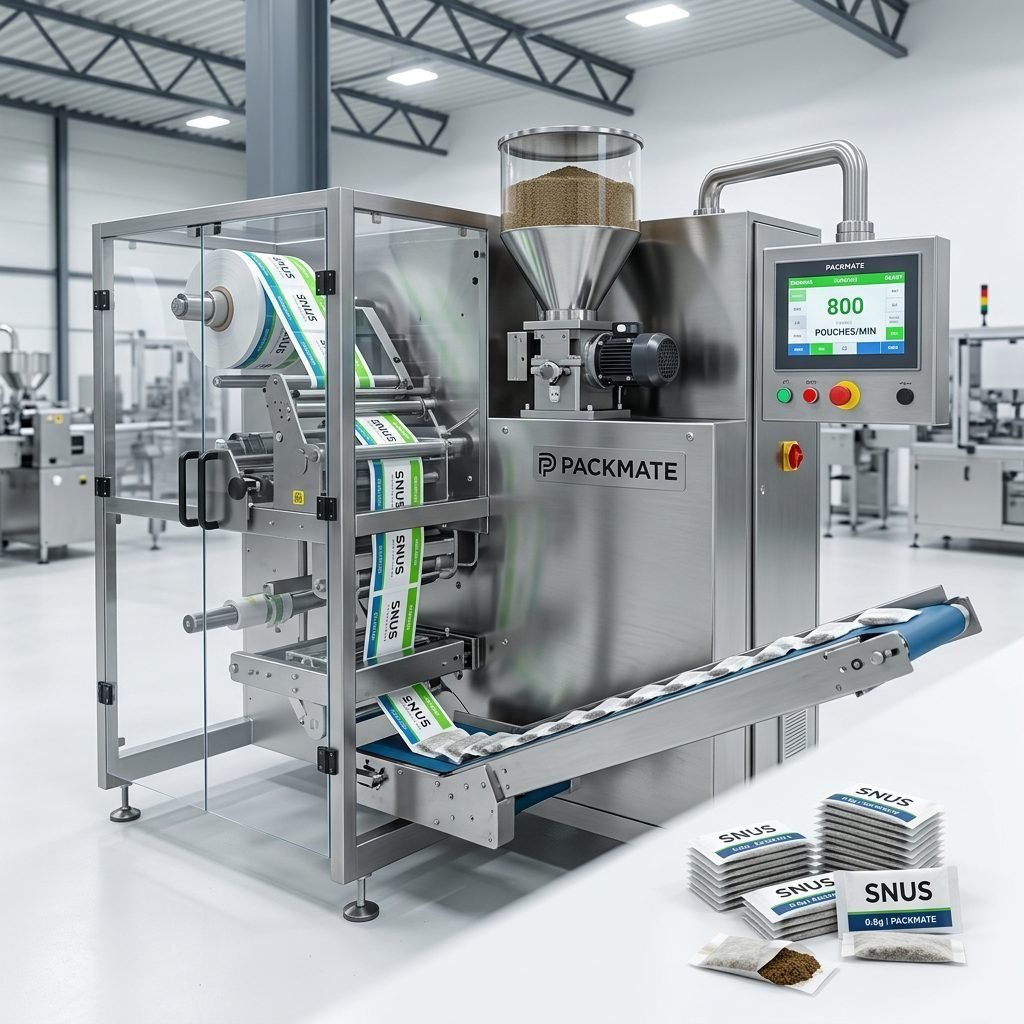
The physical characteristics of snus and nicotine blends (particle size, moisture level, compressibility) determine the dosing mechanism. Auger fillers are common for powders and fine granules; piston or volumetric systems suit moist blends. Consider anti-bridging systems, vibratory feed hoppers, and active agitation to prevent inconsistencies.
Sealing, Packaging Film, and Aesthetics
Package aesthetics affect consumer perception. Ensure the machine supports the film width, printing registration, and sealing profiles you require. Verify heating elements are adjustable for various substrates (laminates, foils) and that sealing jaws deliver uniform pressure and temperature control.
Regulatory Compliance and Certifications
Choose machinery from manufacturers that provide CE and ISO-compliant equipment. Compliance means safer operation, easier market acceptance across European channels, and adherence to electrical and machine safety directives. Suppliers with documented testing and traceable certificates simplify audits and regulatory submissions.
Evaluating Supplier Capability and Factory Strength
Beyond machine specs, assess the manufacturer’s production capacity, engineering experience, and after-sales support. Important indicators include:
- Years of experience in snus/nicotine packaging and the number of installed lines worldwide.
- Factory scale, machining capabilities, and quality control systems that ensure repeatable manufacturing tolerances.
- Service network in Europe or reliable remote support if local presence is limited.
- Availability of spare parts and consumables with clear lead times.
For example, some suppliers emphasize 30+ years of engineering experience, large manufacturing facilities, and a broad range of machine models — all useful indicators when selecting a long-term partner. You can learn more about a manufacturer’s background and capabilities at their About page:
About Packmate.
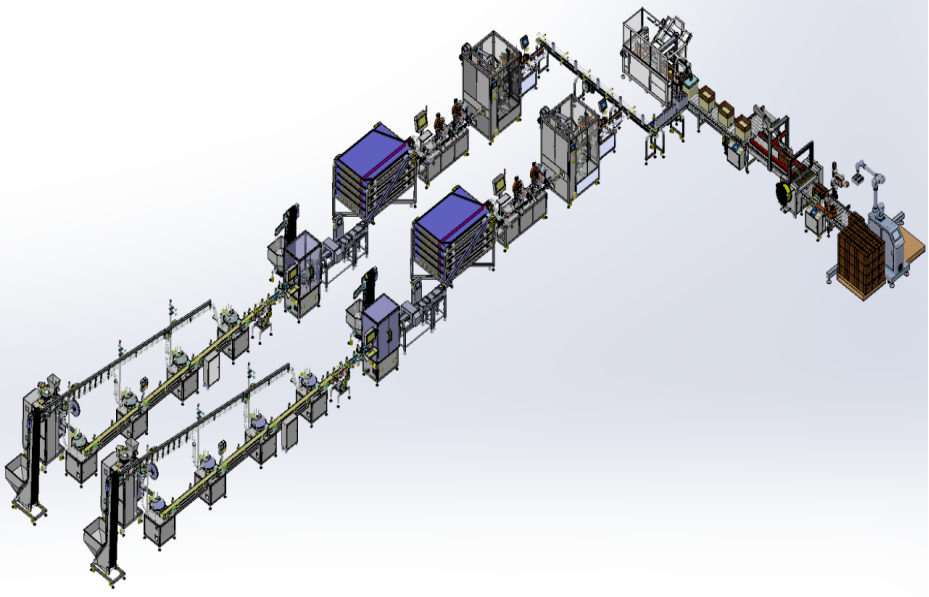
Integration with Auxiliary Equipment and Turnkey Solutions
Packaging lines rarely operate as isolated machines. Consider the full line integration needs:
- Pre-handling: hoppers, dosing conveyors, mixers for consistent feed.
- In-line weighing & verification: dynamic check-weighers and reject systems.
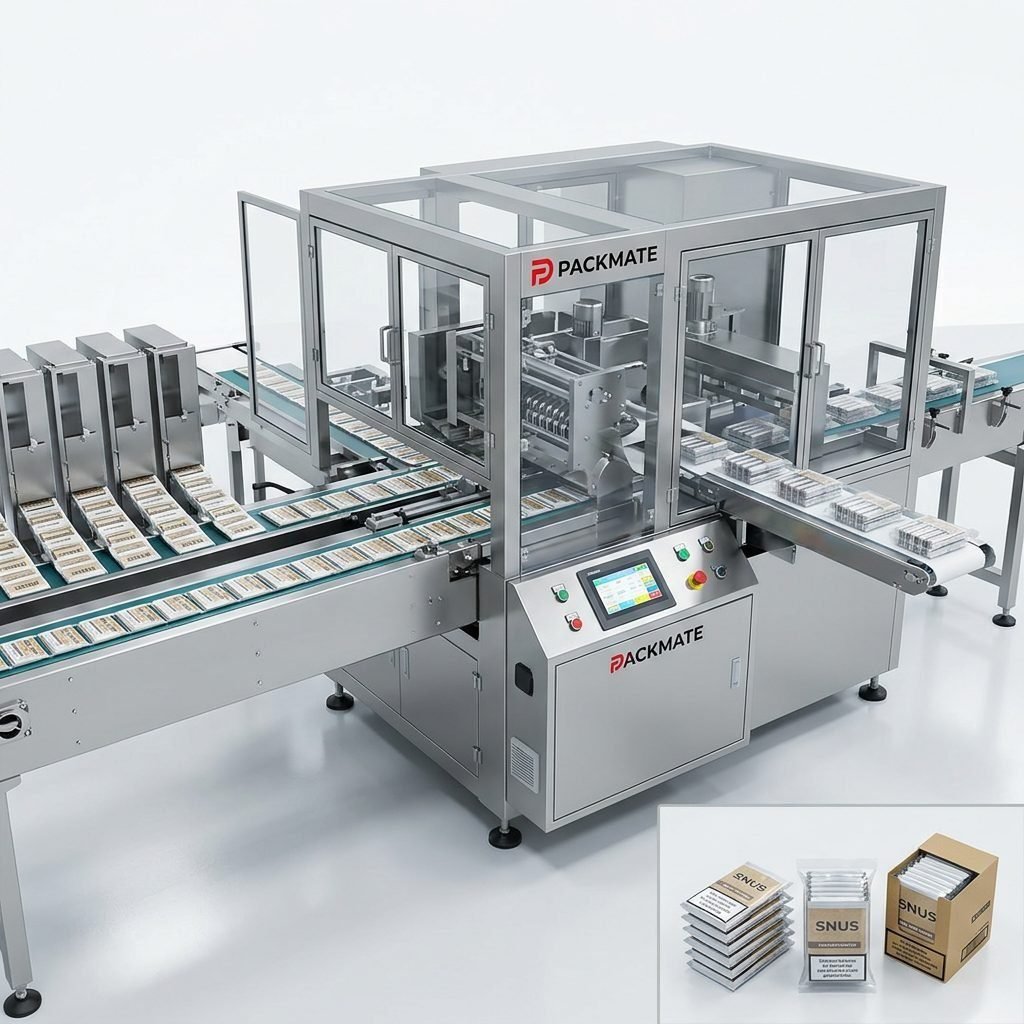
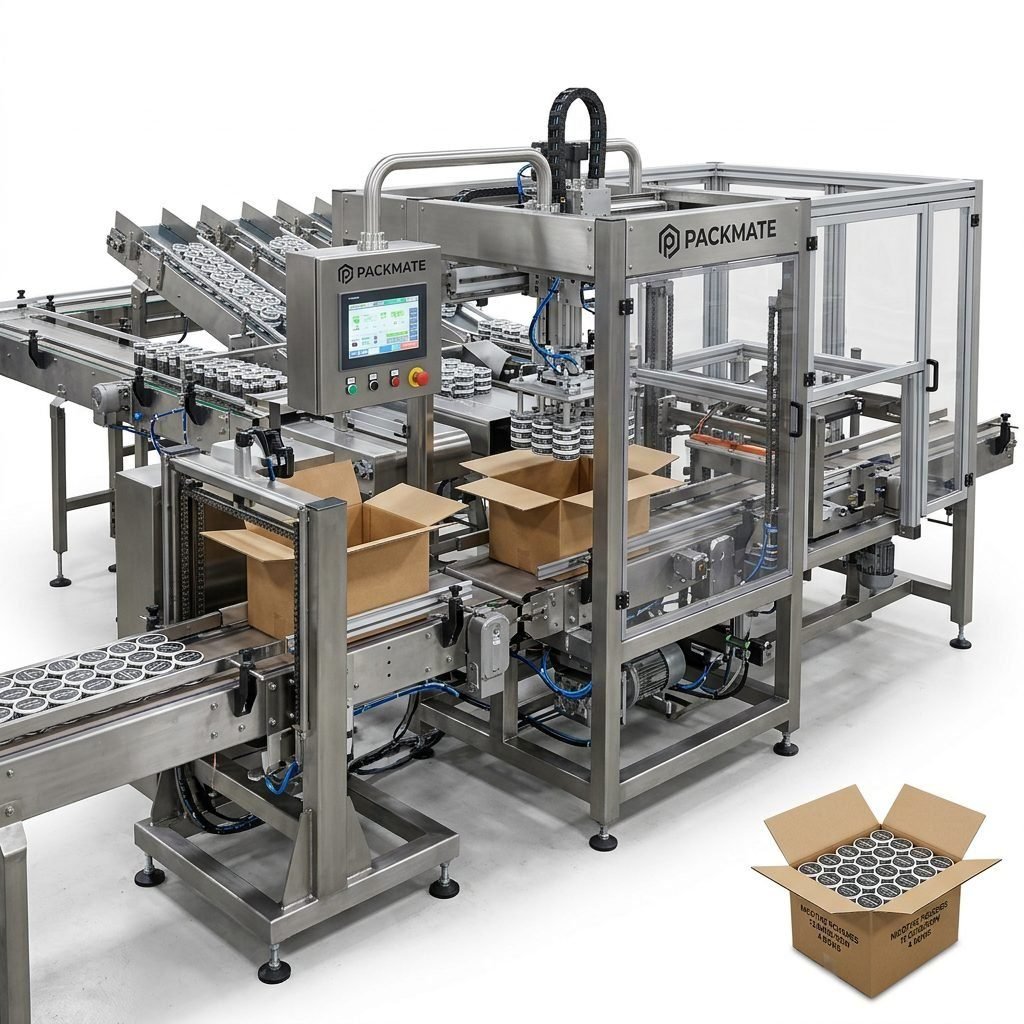
- Case packing, palletizing and labelling systems for finished goods handling.
- Utilities: compressed air, power distribution, and potentially a humidity-controlled enclosure for sensitive blends.
Manufacturers offering complete Filling & Packaging Lines or modular auxiliary equipment (see Auxiliary Packaging Equipment) can simplify project management and reduce integration risks.
Installation, Commissioning and Site Preparation
Site readiness impacts commissioning time and overall project cost. Prepare for:
- Floor load capacity and level, clearances for maintenance access.
- Electrical supply specifications, grounding, and cable routing.
- Compressed air quality and flow, especially for pneumatic actuators and vacuum systems.
- Drainage and local exhaust if the process generates dust or fines.
📦 Installation checklist: Provide detailed drawings, power points, and utility maps to the supplier before delivery to avoid onsite delays and extra costs.
Cost Analysis and Return on Investment
Upfront machine price is only part of the total cost of ownership (TCO). Factor in:
- Energy consumption and compressed air usage.
- Spare parts and expected wear items (sealing jaws, belts, dosing components).
- Maintenance labor and scheduled downtime for preventive service.
- Waste rate and yield — better precision reduces product loss and returns faster ROI.
Request case studies or references showing payback periods for similar production volumes. A supplier with documented European references or exhibition presence adds credibility — see their Our Exhibition and Case pages for real-world examples.
After-Sales Service, Spare Parts and Training
Reliable after-sales support is vital. Verify:
- Warranty terms and on-site support options within Bulgaria or neighboring countries.
- Availability of local technicians or remote diagnostic tools for fast troubleshooting.
- Training programs for operators and maintenance teams to maximize uptime.
- Spare parts kits and recommended inventory listings to avoid long lead times.
Making the Final Selection: A Practical Checklist
✔️ Production capacity matches targets
✔️ Format flexibility and changeover time acceptable
✔️ Precise dosing and sealing for product integrity
✔️ CE/ISO certification and documented compliance
✔️ Proven references, demonstrable ROI, and strong after-sales service
Why Choose an Established Manufacturer?
Long-standing manufacturers with concentrated experience in snus and nicotine pouch equipment bring process know-how that reduces risk. Look for firms with:
- Decades of R&D history and a wide model range to fit various budgets and throughput levels.
- Large production facilities with CNC machining, precision assembly, and QC systems that ensure machines meet advertised tolerances.
- Comprehensive product lines — from single machines to turnkey lines including weighing and filling systems — enabling one-stop procurement.
If you want to explore full product ranges and services from an experienced supplier, their product portfolio includes multi-lane snus systems, weighing & packaging systems, and auxiliary equipment:
Weighing & Packaging Systems,
Auxiliary Packaging Equipment.
Practical Steps to Proceed with a Purchase in Bulgaria
1) Define product specs and annual volume forecasts.
2) Request detailed proposals and machine videos for similar applications.
3) Ask for FAT (Factory Acceptance Test) before shipment and documented run times.
4) Plan site preparation and utility provisioning in parallel with procurement.
5) Negotiate warranty, spare parts packages, and training schedules.
Contact and Next Steps
When you are ready, contact suppliers who provide complete packaging solutions and European support channels. Look for a contact page with clear service details and local representation to streamline after-sales care: Contact Us.
🔍 Quick Decision Summary
Choose a machine that matches your targeted formats and throughput, prioritize servo-driven precision and modularity, verify CE/ISO compliance, and confirm the supplier’s ability to deliver parts and support in your region. Investing in the right equipment up front minimizes rework, reduces waste, and accelerates return on investment.
Frequently Asked Questions (3-5)
Q1: How do I determine whether a single-lane or multi-lane machine is right for my needs?
A1: Base the decision on your target throughput, floor space, and growth plans. Multi-lane systems are more capital intensive but offer much lower per-unit costs at high volumes. Single-lane or stick pack machines are suitable for smaller production runs or when format variety is a priority.
Q2: What certifications should I ask my supplier to provide?
A2: At minimum, request CE and ISO certificates. If you plan to export, confirm compliance with destination country regulations and request material certificates for food contact surfaces if applicable.
Q3: How important is service and spare part availability in Bulgaria?
A3: Extremely important. Rapid access to spare parts and trained technicians reduces downtime. Ask for recommended spare parts lists, local stockists, and remote diagnostic capabilities before purchase.
Q4: Can I upgrade my line later if demand increases?
A4: Many modern machines are modular; ask your supplier about upgrade pathways — adding lanes, new dosing heads, or automated packaging downstream — and associated costs.
Q5: Where can I view real-world examples and product catalogs?
A5: Review supplier case studies, catalogs, and exhibition information for demonstrations and references. See their Catalog, Case, and Our Exhibition pages for examples and detailed specs.