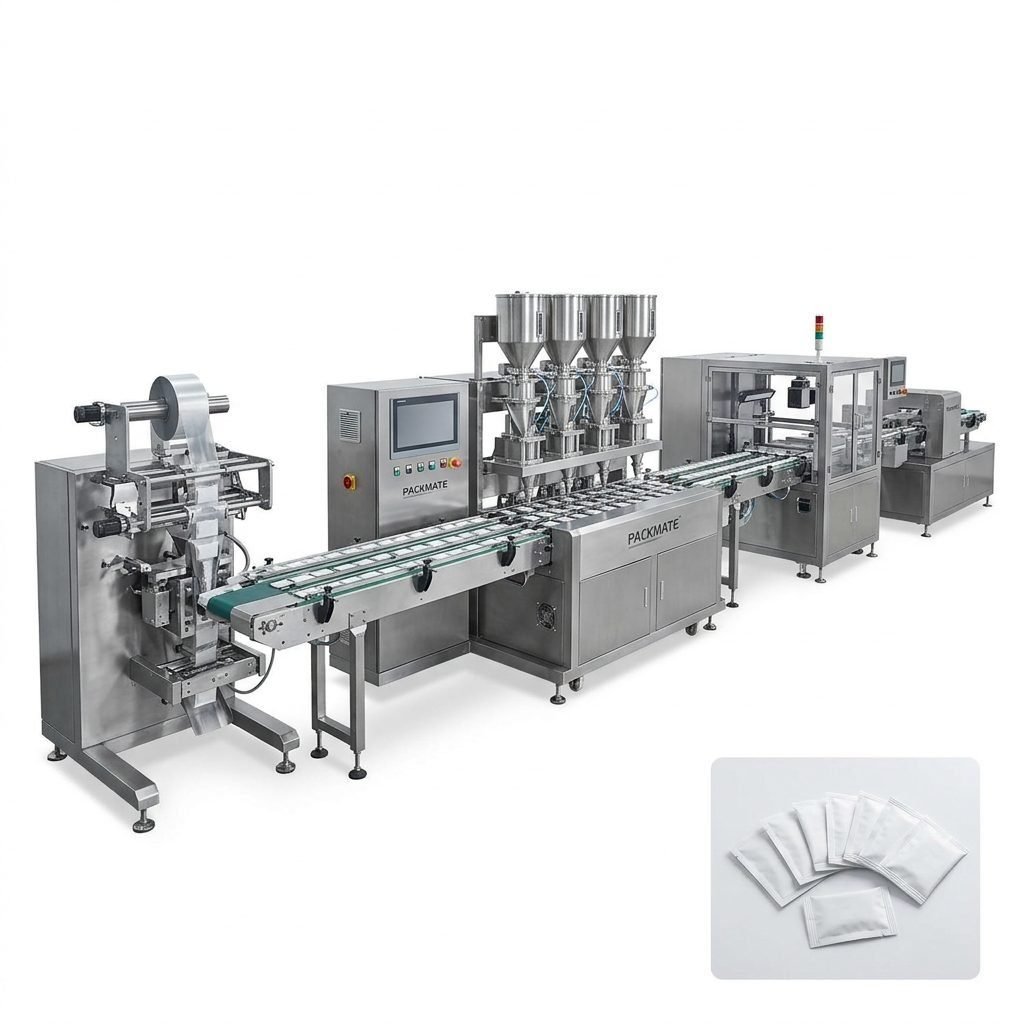
Choosing the right nicotine packaging machinery supplier for your factory in Senegal is a decision that affects product quality, regulatory compliance, and long-term profitability. This guide walks you through a practical, locally aware process to evaluate suppliers, compare machines, and ensure smooth installation and ongoing service — tailored to the Senegalese market and business culture.
Understanding the Senegal Context 🇸🇳
Senegal’s manufacturing sector is growing, and nicotine pouch demand is rising in regional markets. When sourcing packaging machinery, keep local logistics, language preferences (French and Wolof), import regulations, and cultural business practices in mind. Suppliers who provide clear French documentation, responsive local support, and experience with West African customs clearance will reduce delays and hidden costs.
Practical tip: prioritize suppliers experienced in exporting to West Africa and able to offer reliable training on-site or via French-language materials. 🔧
Why the supplier choice matters
A machine is not just hardware — it’s a long-term partnership. The right supplier ensures consistent pouch weight, precise dosing, minimal downtime, compliant materials handling, and accessible spare parts. Suppliers with turnkey solutions can reduce integration headaches and accelerate time-to-market.
Key criteria to evaluate suppliers
Below are the most important factors to rate each supplier:
- Machine performance & consistency (yield, speed, waste rates)
- Regulatory compliance and international certifications (CE, ISO)
- Customization capability for pouch formats and local ingredients
- After-sales service, spare parts availability, and training
- Local shipping experience, documentation in French, and customs support
- Transparent pricing, clear warranty terms, and project references
1. Assess machine performance and product fit
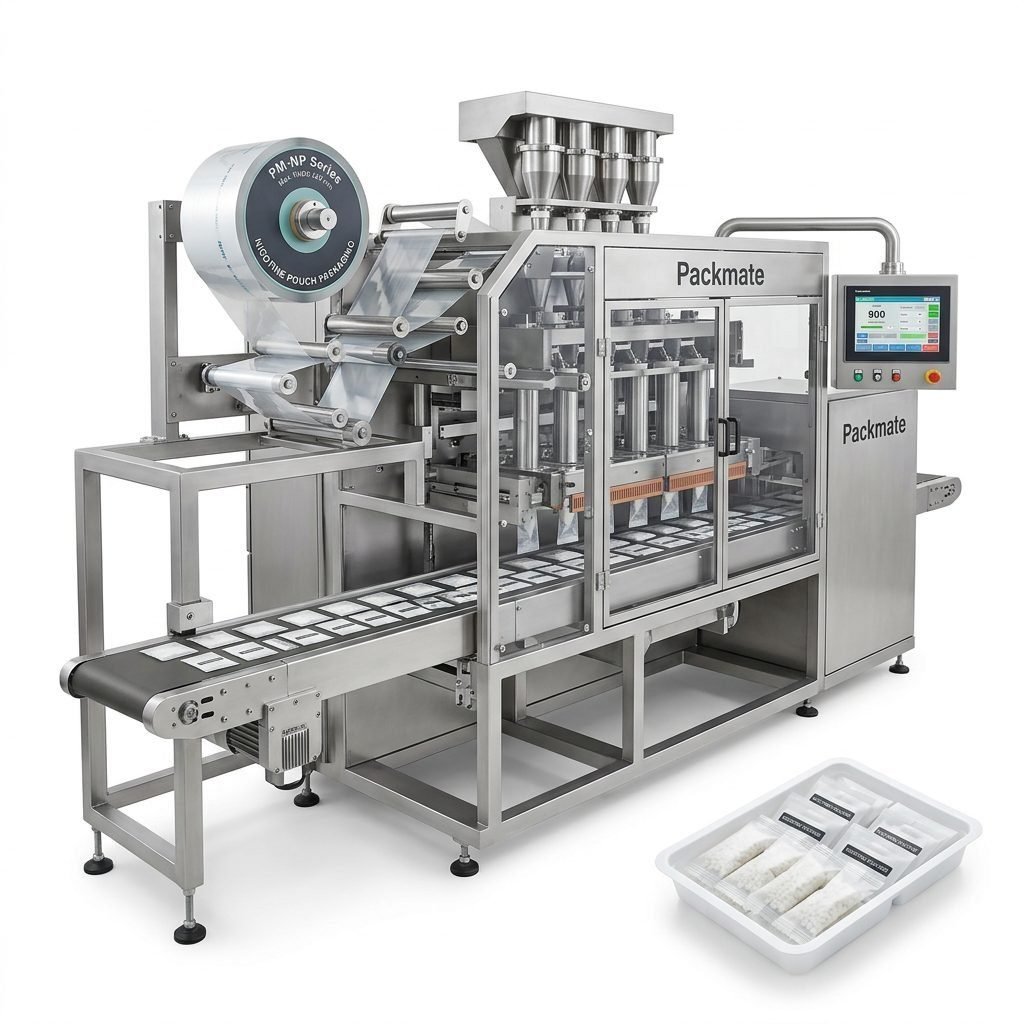
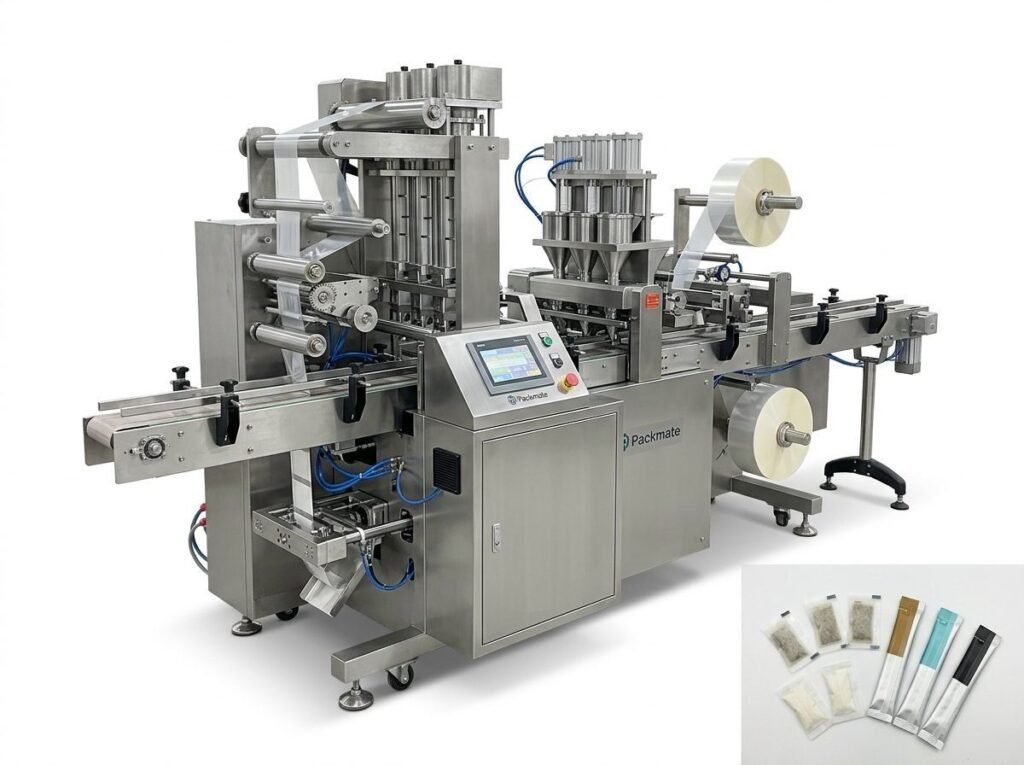
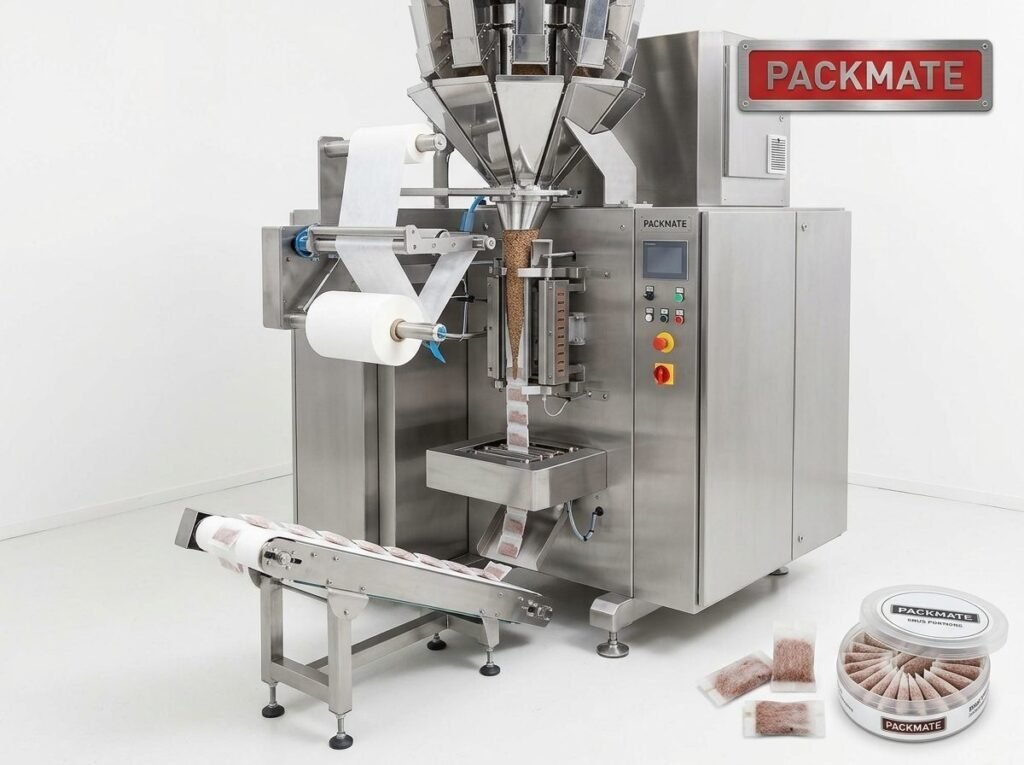
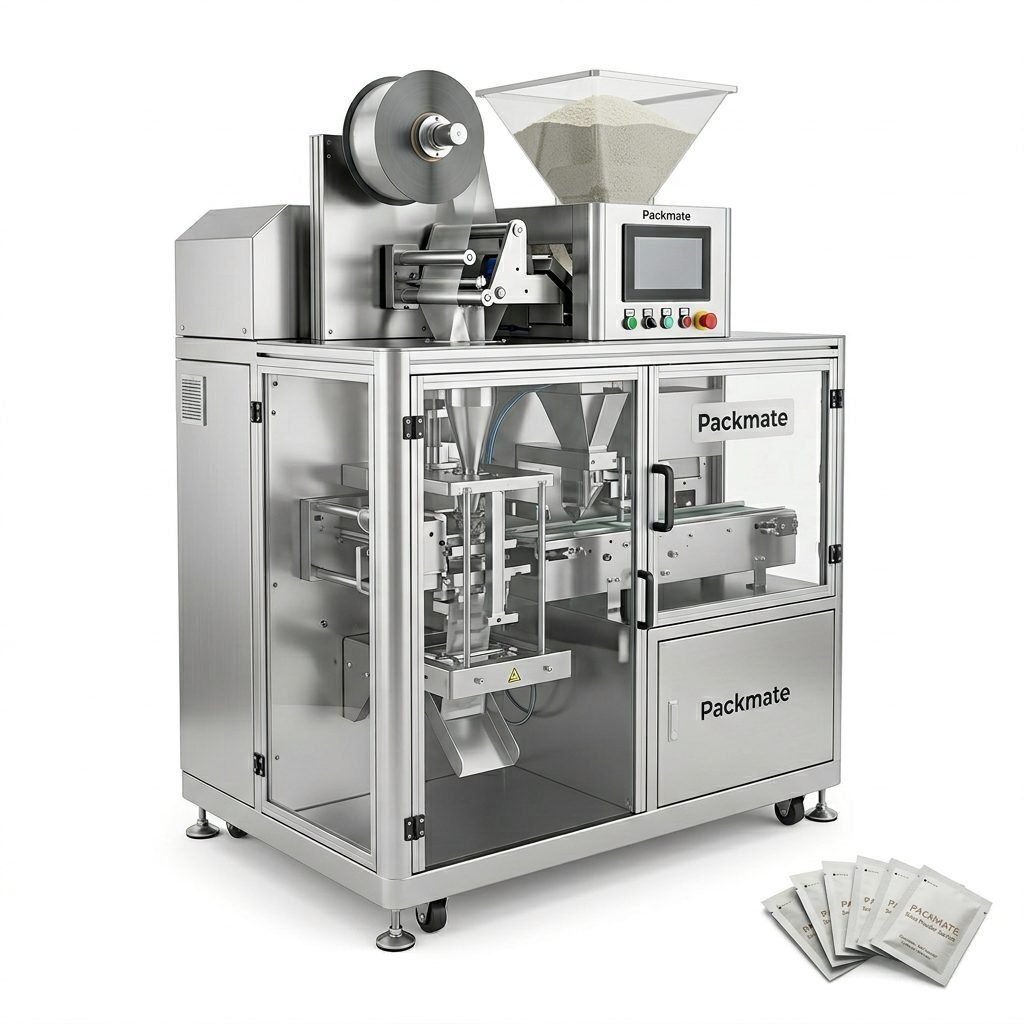
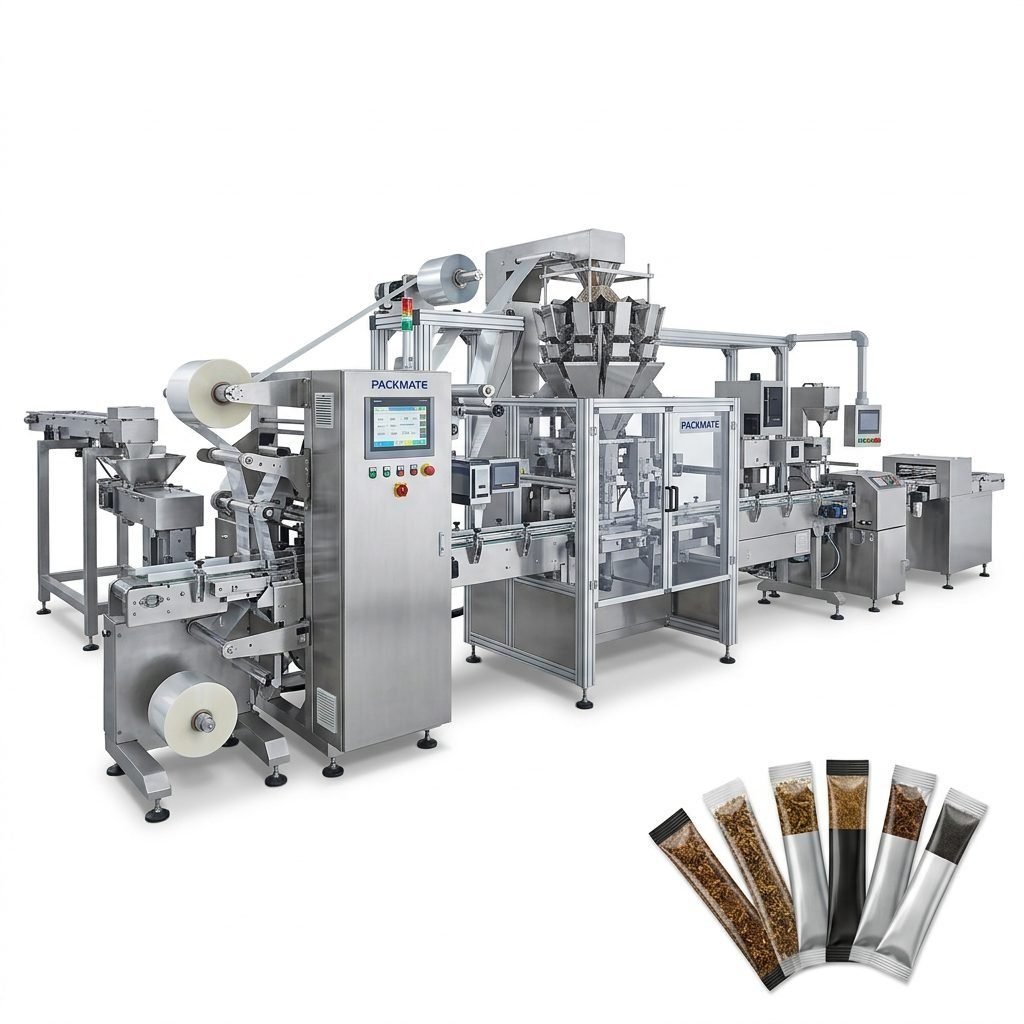
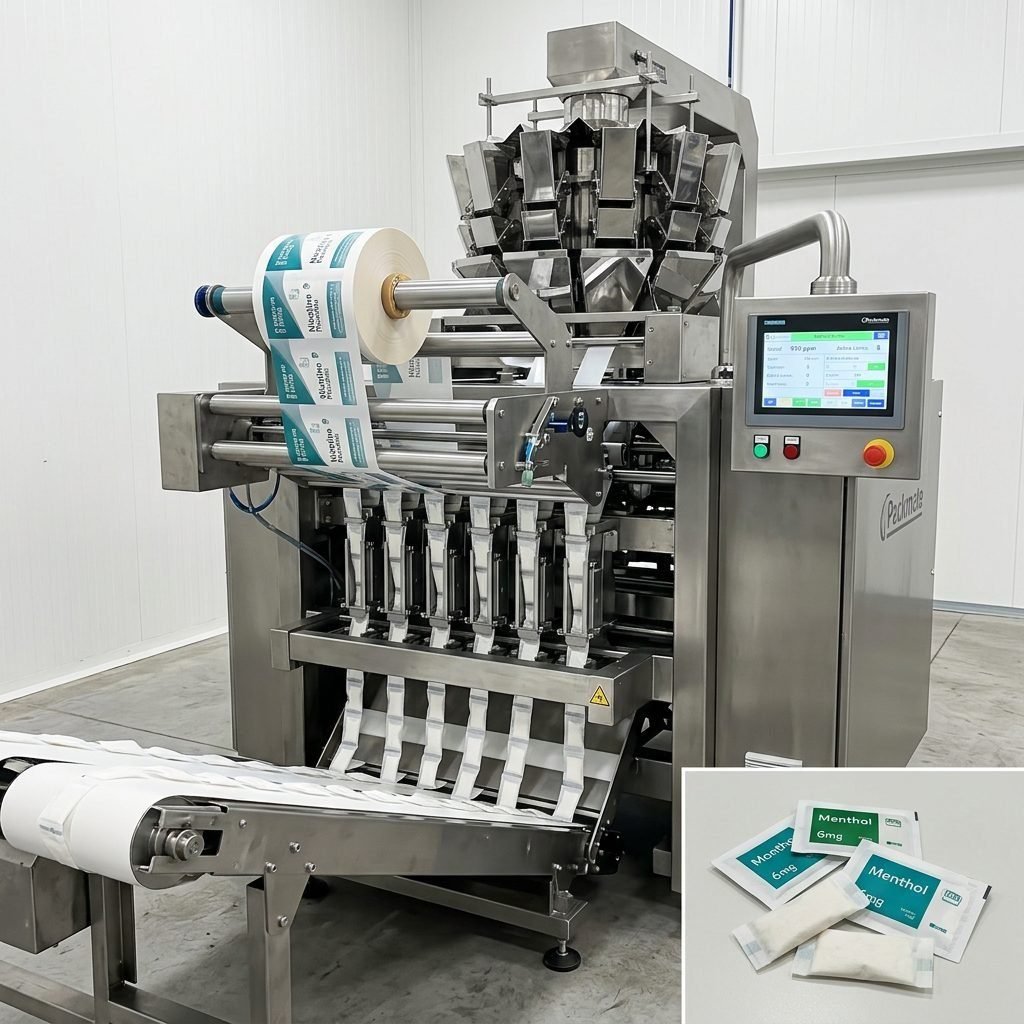
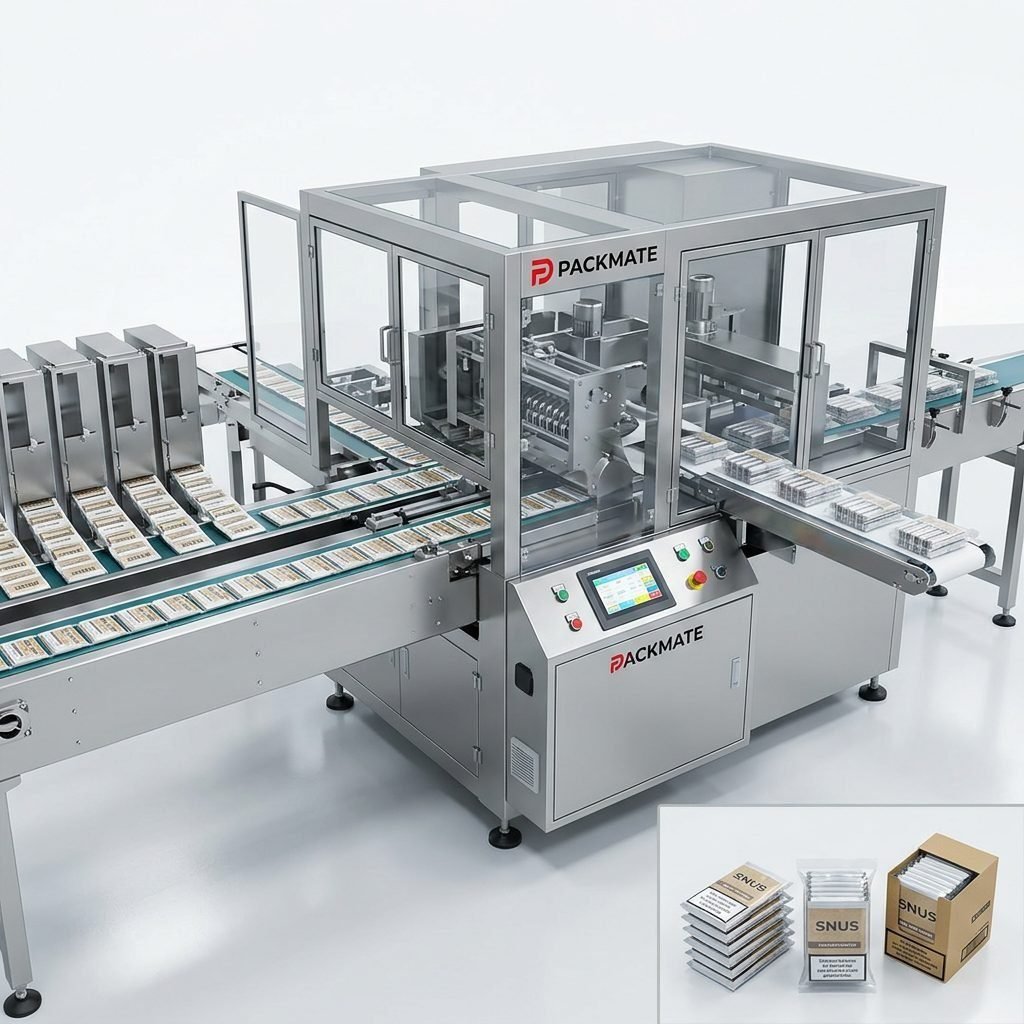
Match the machine to your production needs: single-lane vs. multi-lane, pouch type (flat pouch, stick pack, sachet), dosing accuracy for micro-doses, and speed. For nicotine pouches you will typically want equipment designed for small-dose precision and gentle handling to preserve product integrity. Visit supplier case pages to see similar installations — for example, Packmate’s portfolio highlights snus and nicotine solutions at their Snus & Nicotine Packaging Machines page.
2. Compliance, certifications and materials
Choose suppliers that provide machines compliant with CE and ISO standards, and that use food/pharma-grade contact materials if required. This protects your brand and helps when exporting to neighboring countries. Ask for certificates and test reports before purchase — reputable vendors will include these in their proposals. (See vendor certificate examples on Certificate.)
3. Customization & adaptability
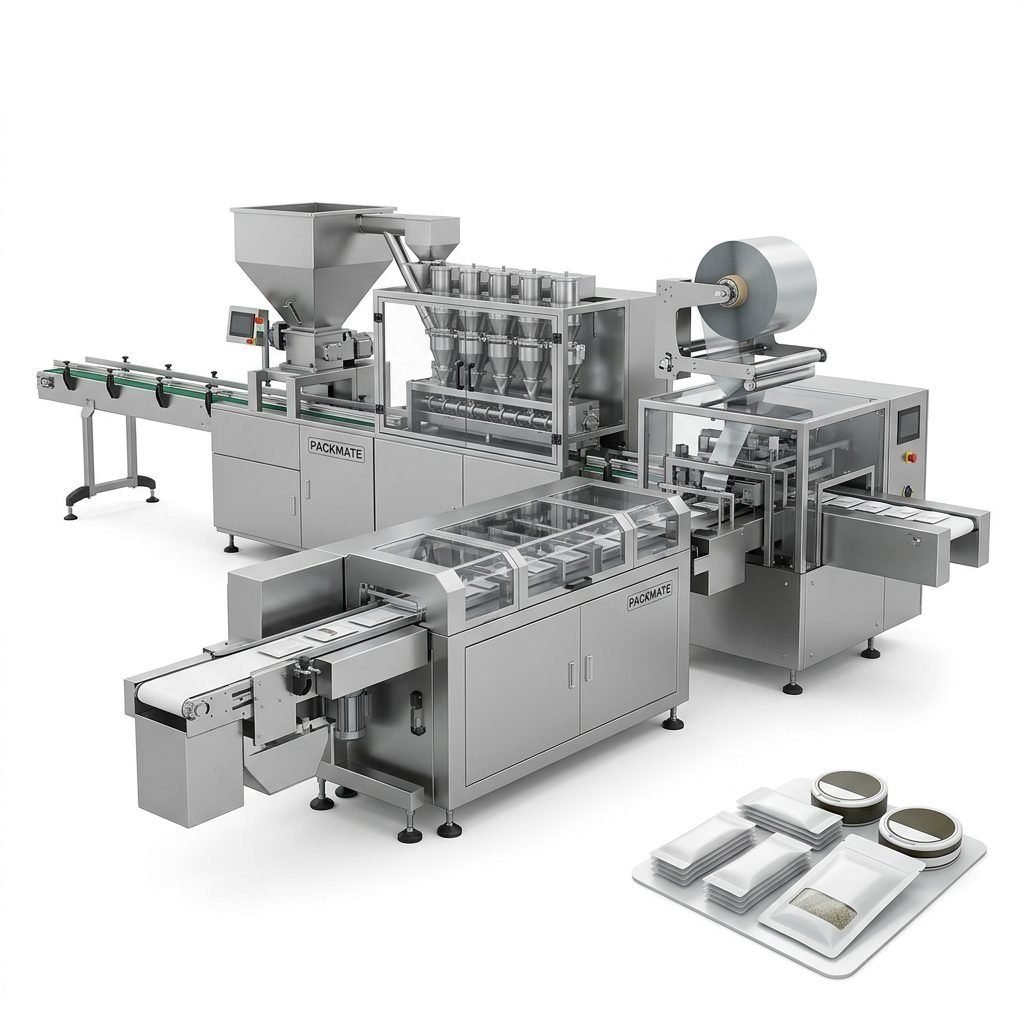
Your factory may need specific pouch sizes, multi-lane outputs, or integrated dosing systems. Suppliers with modular platforms and customization experience reduce adaptation time. Check if they offer turnkey lines combining filling, weighing, packaging, and auxiliary equipment — many vendors list these under Filling & Packaging Lines and Weighing & Packaging Systems.
Evaluating supplier credibility and track record
A credible supplier shares factory details, certifications, and global case studies. Look for long-term engineering experience (30+ years is a strong signal), a sizable manufacturing footprint, and demonstrable exports to markets with strict standards. Packmate Snus Machine, for example, emphasizes decades of development, a 20,000㎡ facility, and global turnkey solutions — indicators you should verify in supplier documentation.
4. After-sales support, spare parts & training
Prioritize suppliers who provide:
- Local or regional service partners, or guaranteed remote support
- Quick-access spare parts and consumables shipments
- On-site installation, commissioning and operator training (in French if needed)
- Clear warranty conditions and service-level agreements
Note: Senegalese factories often rely on prompt parts supply to avoid production stoppages — ensure lead times are defined in days, not weeks. ⏱️
5. Total cost of ownership (TCO) and financing
Evaluate beyond purchase price: shipping, import duties, installation, spare parts, energy consumption, expected maintenance, and operator training. Ask suppliers for TCO projections and options for phased payments, local financing partnerships, or leasing. Transparent suppliers will provide comparative calculations for different configurations.
Logistics, import rules and local business etiquette
In Senegal, standard practice includes French-language documentation, punctual meetings, and relationship building. When importing machinery, plan for customs documentation, possible VAT/duty, and port handling at Dakar. Work with suppliers who have export experience to West Africa and who can coordinate documentation and freight forwarding.
6. Installation and commissioning expectations
Define responsibilities: who handles mechanical installation, electrical hookup, utility requirements, protective grounding, and software configuration. Confirm whether the supplier provides an engineer for on-site commissioning and whether additional costs (travel, lodging, meals) are included.
Checklist for factory visits and supplier evaluation
When you visit the supplier or review a proposal, have this checklist ready:
- Factory photos and floor layout (verify manufacturing scale)
- Machine demo videos or live demonstrations (same product type)
- References and global case studies — ask for contacts
- Bill of materials, electrical drawings, and piping diagrams
- Spare parts list and recommended stock levels
- Lead times for machine delivery and spare parts
Questions to ask every prospective supplier
The right questions reveal responsiveness and capability. Here are essential ones:
- Can you show similar installations in Africa or other emerging markets?
- What are the exact warranty terms and typical response times for part shipments?
- Do you provide French-language manuals and training on-site?
- What are the power and compressed air requirements for the selected machine?
- Can you provide a turnkey line including weighing and auxiliary equipment?
Red flags to avoid
Watch for these warning signs:
- No factory visit or third-party audit allowed
- Unclear spare-parts policies or extremely long lead times
- Hidden costs in proposals (installation, training, documentation)
- Lack of documented references or unverifiable customer contacts
Why consider Packmate and where to learn more
Suppliers with deep engineering experience and a broad product range can deliver reliable nicotine packaging solutions. Packmate Snus Machine is one such supplier with decades of experience, a large factory footprint, global case studies, and turnkey packaging options. Review product categories like Snus & Nicotine Packaging Machines and Bag & Pouch Packaging Machines for specific models, and inspect their Case studies and About Packmate pages for credibility and exhibition history.
Practical procurement timeline for Senegal
- Week 1–2: Define requirements, product specs, and budget.
- Week 2–4: Shortlist vendors, request proposals and certifications.
- Week 4–6: Factory visits, reference checks, contract negotiation.
- Month 2–4: Order placement, deposit payment, and production scheduling.
- Month 4–6: Shipping, customs clearance, on-site installation and training.
Making the final decision — a simple scoring method
Create a weighted matrix assigning points for performance, price, lead time, service, and references. Suppliers scoring highest across practical criteria (not just lowest price) will typically give better long-term value. Consider pilot runs or trial periods if available.
Closing advice — practical tips for Senegalese buyers
Keep these local tips in mind:
- Negotiate for French-language manuals and training sessions;
- Request spare-part kits to be shipped with first machine delivery;
- Plan customs paperwork early and use an experienced freight forwarder;
- Respect local business etiquette—build trust with vendor reps through direct communication and site visits;
- Consider phased purchases: start with a pilot machine, then expand to multi-lane systems as demand grows.
Useful resources and links
Learn more about relevant product lines and company credentials:
- Snus & Nicotine Packaging Machines
- About Packmate
- Case — global installations and references
- Contact Us — request quotes and local support options
Final checklist before signing a contract
Confirm these items in writing:
- Detailed equipment specifications and acceptance tests
- Delivery schedule, shipping incoterms, and installation plan
- Warranty, service response times, and spare parts list
- Training scope and language for manuals
- Payment milestones and penalties for delays
Conclusion
Selecting the best nicotine packaging machinery supplier in Senegal requires a blend of technical scrutiny and local market considerations. Emphasize proven machine performance, reliable after-sales service, French-language support, and clear logistics experience. Use a weighted scoring system, perform thorough reference checks, and insist on transparent contract terms to protect your investment and accelerate your factory’s path to stable production.
Common Questions (FAQs)
Q1: How long does shipping and installation typically take to Senegal? Answer: Expect 3–6 months total depending on machine customization and shipping method; expedited options may shorten lead times.
Q2: Should I buy a single-lane or multi-lane machine first? Answer: Start with a pilot single- or dual-lane if your market is developing; scale to multi-lane when volumes justify the investment.
Q3: What about spare parts availability in West Africa? Answer: Require a parts kit with the initial shipment and confirm supplier’s international shipping timelines for critical spares.
Q4: Is French-language training commonly available? Answer: Reputable suppliers provide French manuals and can arrange French-speaking engineers or translators for commissioning.
Q5: Where can I see examples of lines similar to mine? Check the Case studies and product galleries for machine demos and installation references.