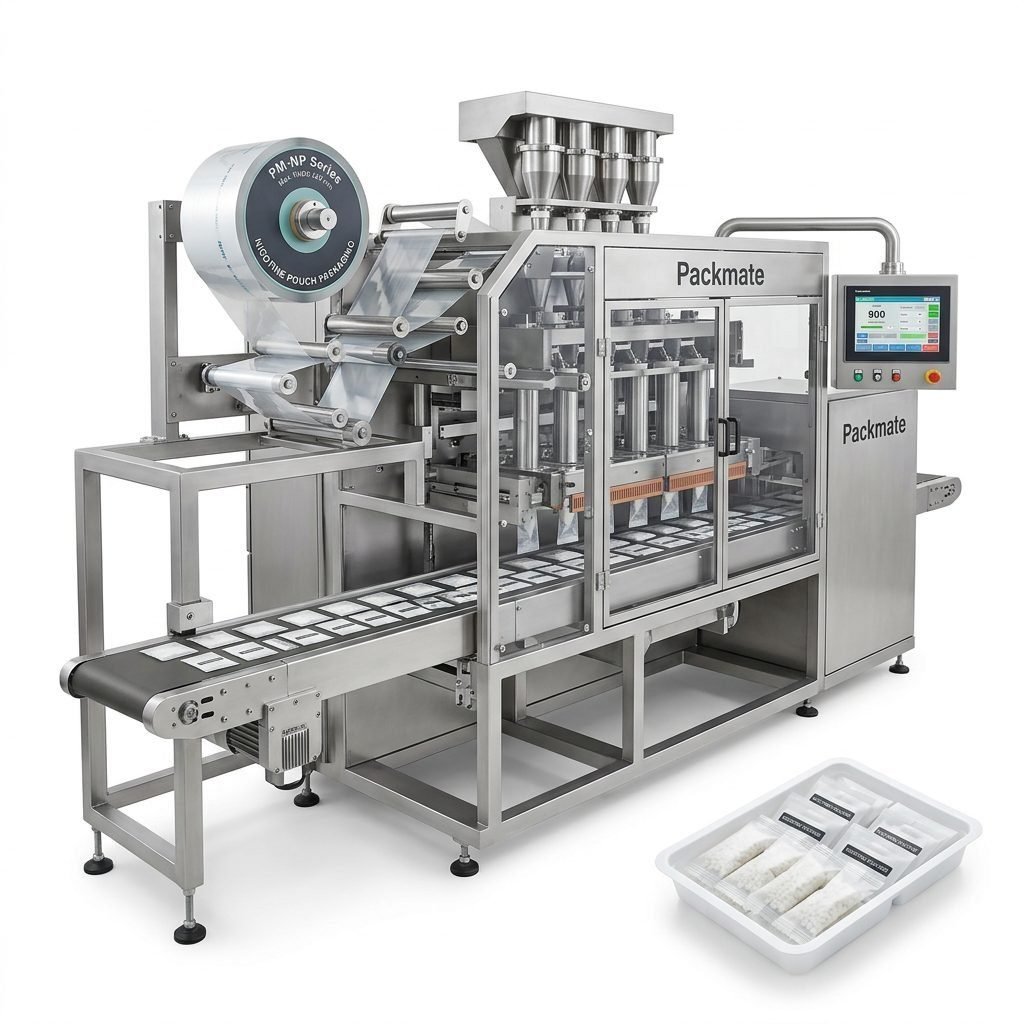
Choosing the right snus packaging machine in Bangladesh requires more than picking the fastest equipment — it means understanding local consumer habits, climate challenges, regulatory restrictions, production targets, and after-sales support. This guide walks manufacturers, plant managers, and procurement teams through the full selection process so you can choose a machine that delivers quality, uptime, and the fastest return on investment.
Understanding the Bangladesh Market & Local Habits
Bangladesh has long-standing traditions of smokeless tobacco use such as paan, zarda, and gutka. These products are typically sold in small sachets or pouches and consumed across urban and rural populations. When introducing modern snus or nicotine pouches to this market, you must respect local preferences for small-dose, single-use packs and ensure packaging preserves flavor and shelf life in high humidity conditions.
Key local factors to consider:
• Climate: High humidity and temperature require robust moisture barriers and effective seal integrity.
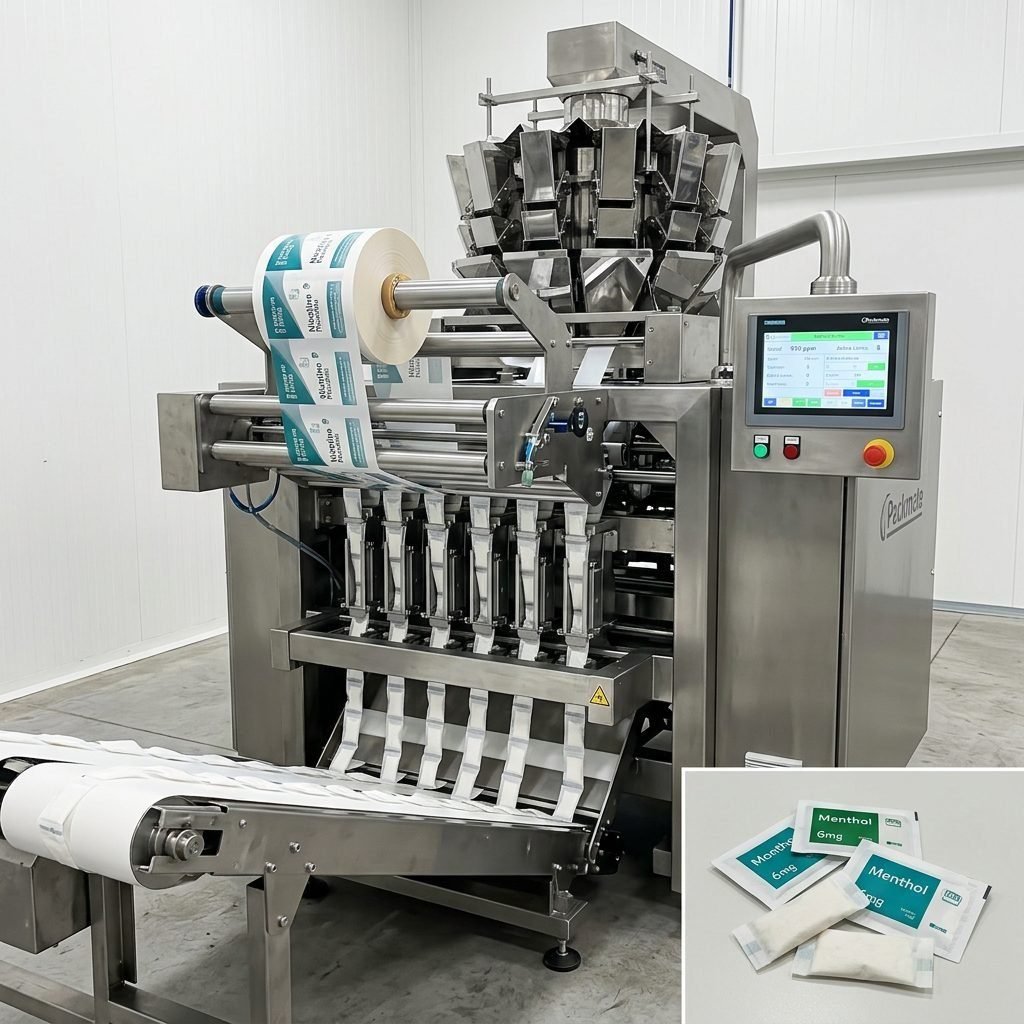
• Pack size: Consumers favor single-use sachets and small tins; multi-lane stick or sachet machines are often ideal.
• Distribution: Rural distribution demands durable outer packaging and shock-resistant stacking.
Which Machine Type Fits Your Product?
There are several machine families suited to snus and nicotine pouches. Match the machine type with your product format, throughput needs, and budget.
Common equipment options:
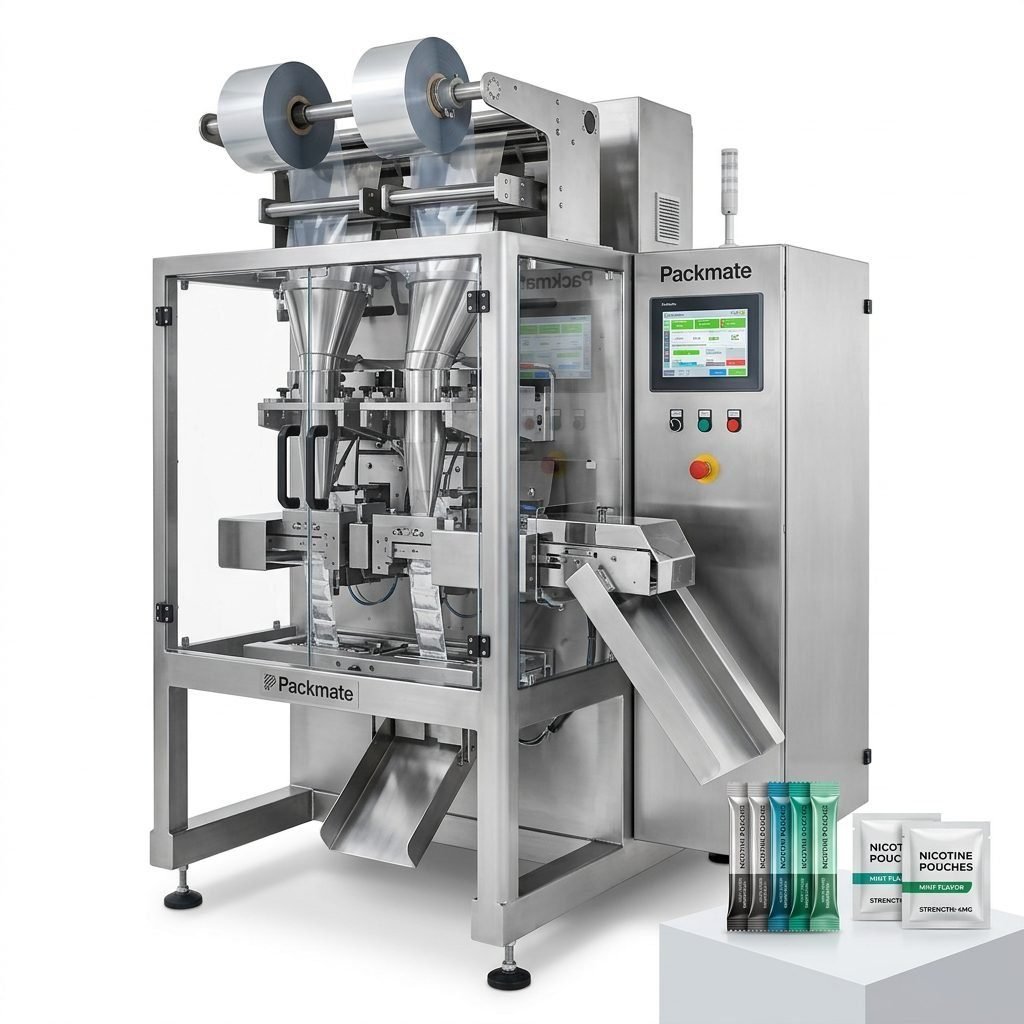
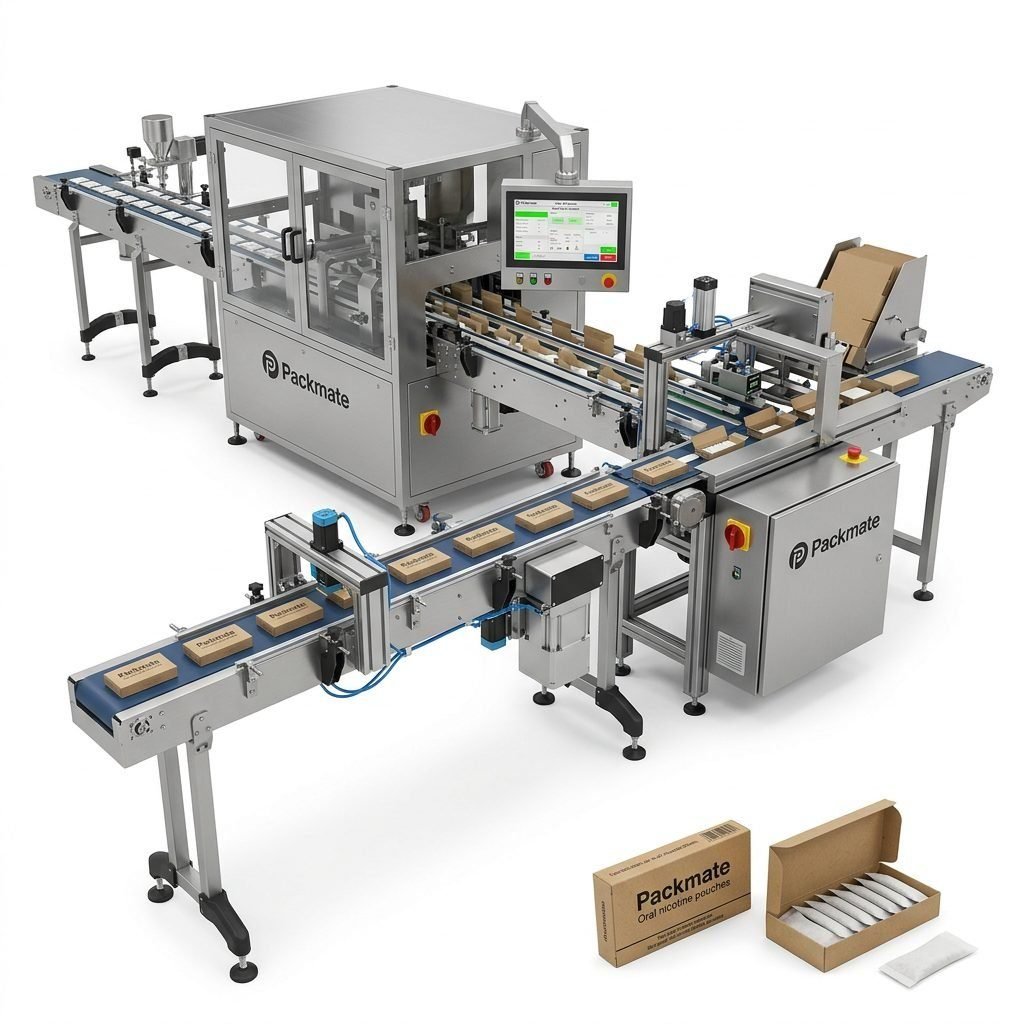
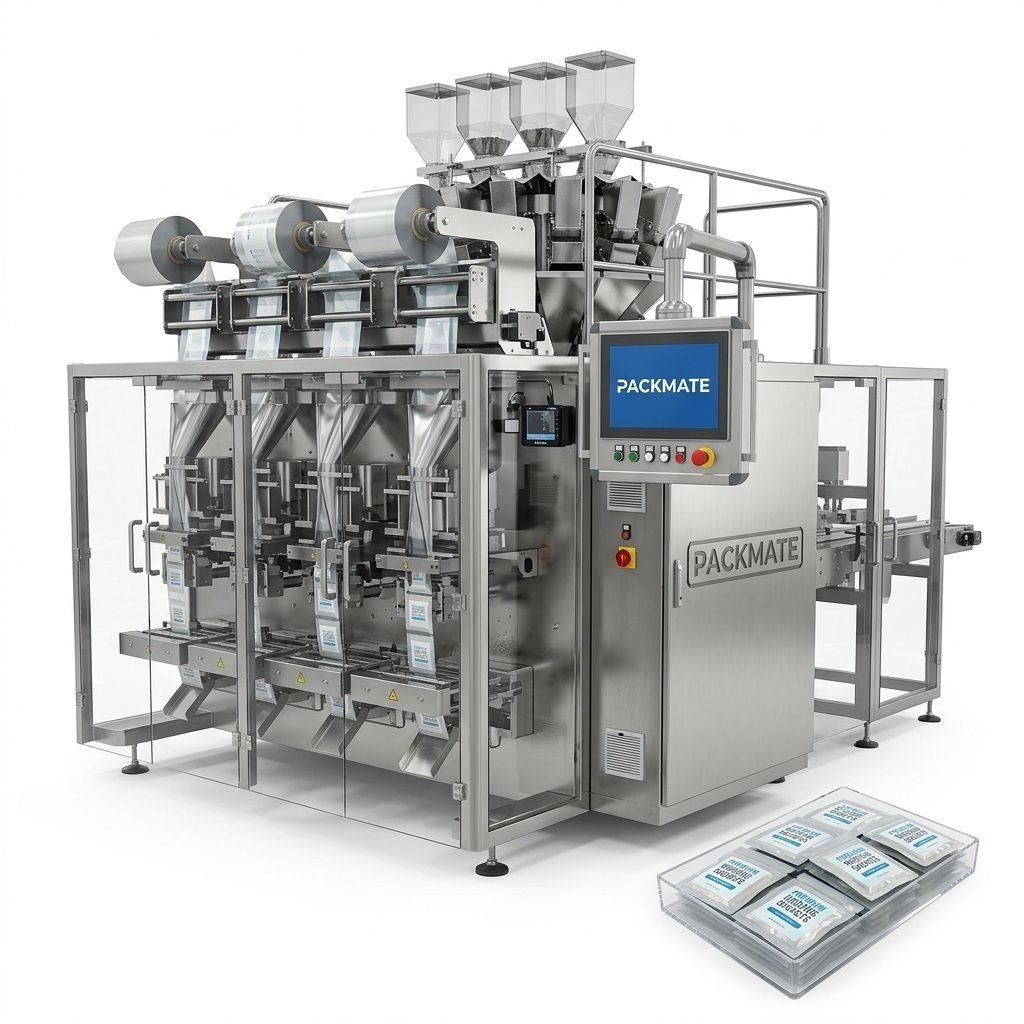
• Stick & multi-lane machines — high throughput for small-dose pouches (ideal for high-volume production).
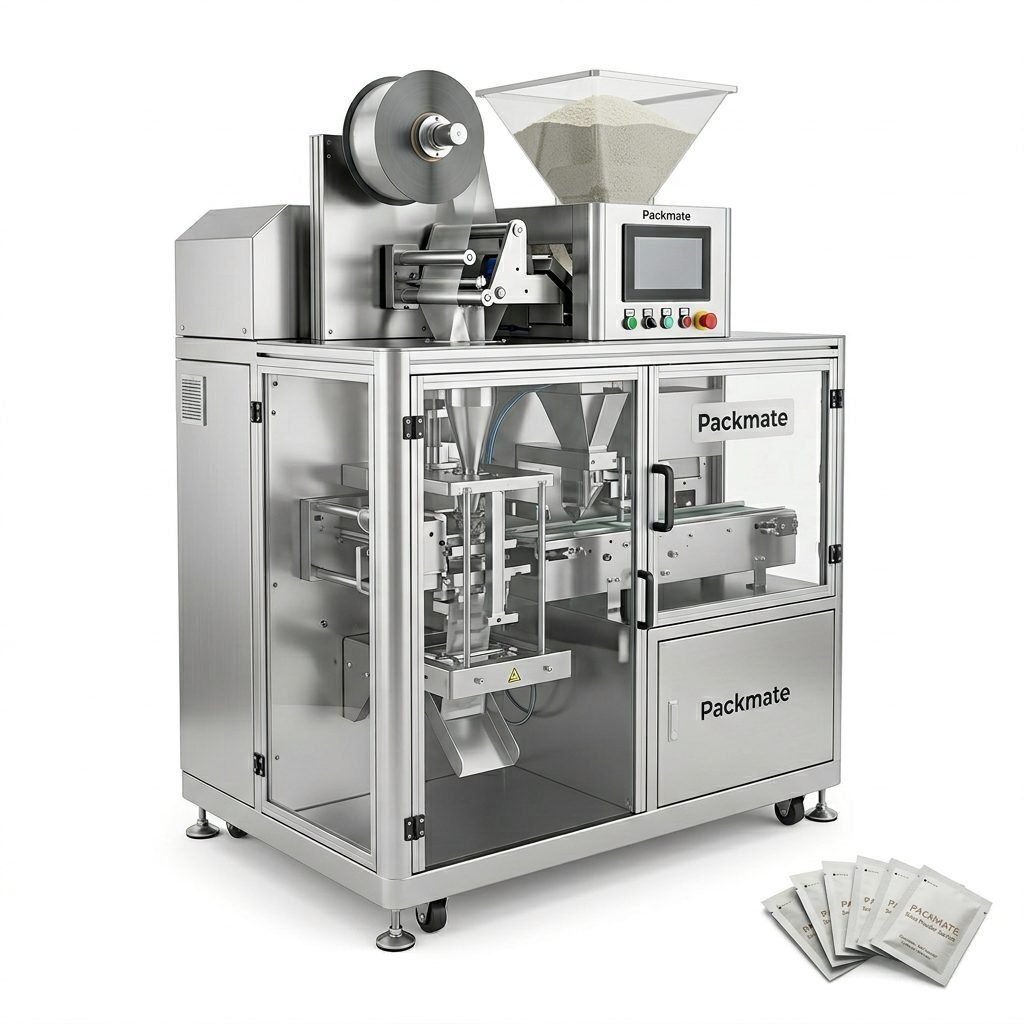
• Sachet machines — flexible formats and attractive for single-use retail sachets.
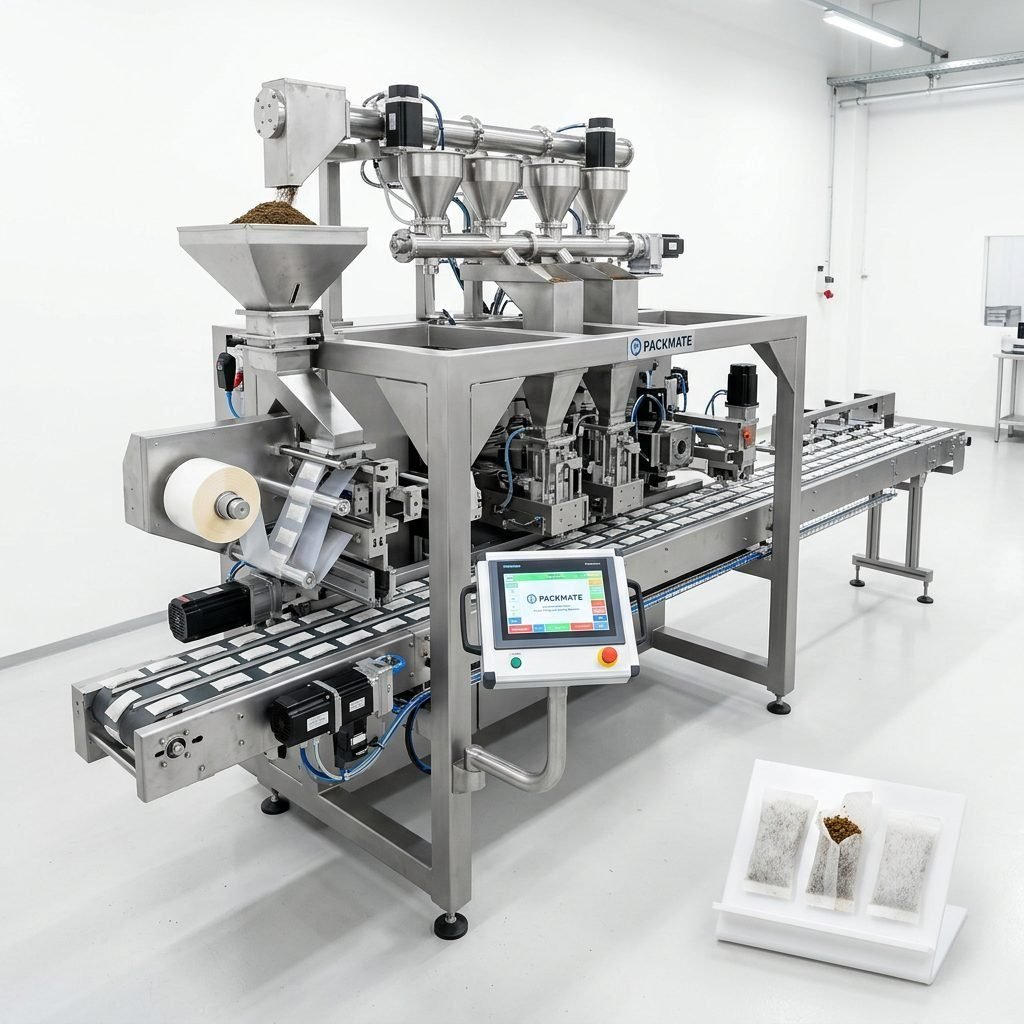
• Powder/granule fillers — if you handle powdered tobacco or nicotine blends, choose accurate dosing systems with minimal drift.
For detailed machine categories and specifications, see product families such as Snus & Nicotine Packaging Machines and Sachet & Stick Pack Machines.
Production Capacity & Speed Requirements
Estimate your current and 3–5 year demand before choosing. Machines are typically rated in pouches per minute per lane. Multi-lane systems dramatically increase output without requiring a large factory footprint — a critical advantage for Bangladesh operations targeting both local retail and export.
Capacity checklist:
✓ Calculate average daily output (pouches/day) and peak demand.
✓ Match lane count and speed: choose multi-lane if space-limited but volume-high.
✓ Allow 15–30% buffer for maintenance downtime and product changeovers.
Material Compatibility & Packaging Films
Bangladesh’s humid climate requires barrier films with strong moisture resistance. Evaluate film types (metalized, multi-layer laminates, aluminum foils) and ensure your chosen machine can handle film thickness, seal temperatures, and lamination structures needed to maintain product freshness.
Film & pouch considerations:
• Heat-seal compatibility — confirm seal strength at production speeds.
• Oxygen & moisture barrier required for longer shelf life.
• Ease of printing and branding for retail visibility in Bangladesh markets.
Accuracy & Filling Technology
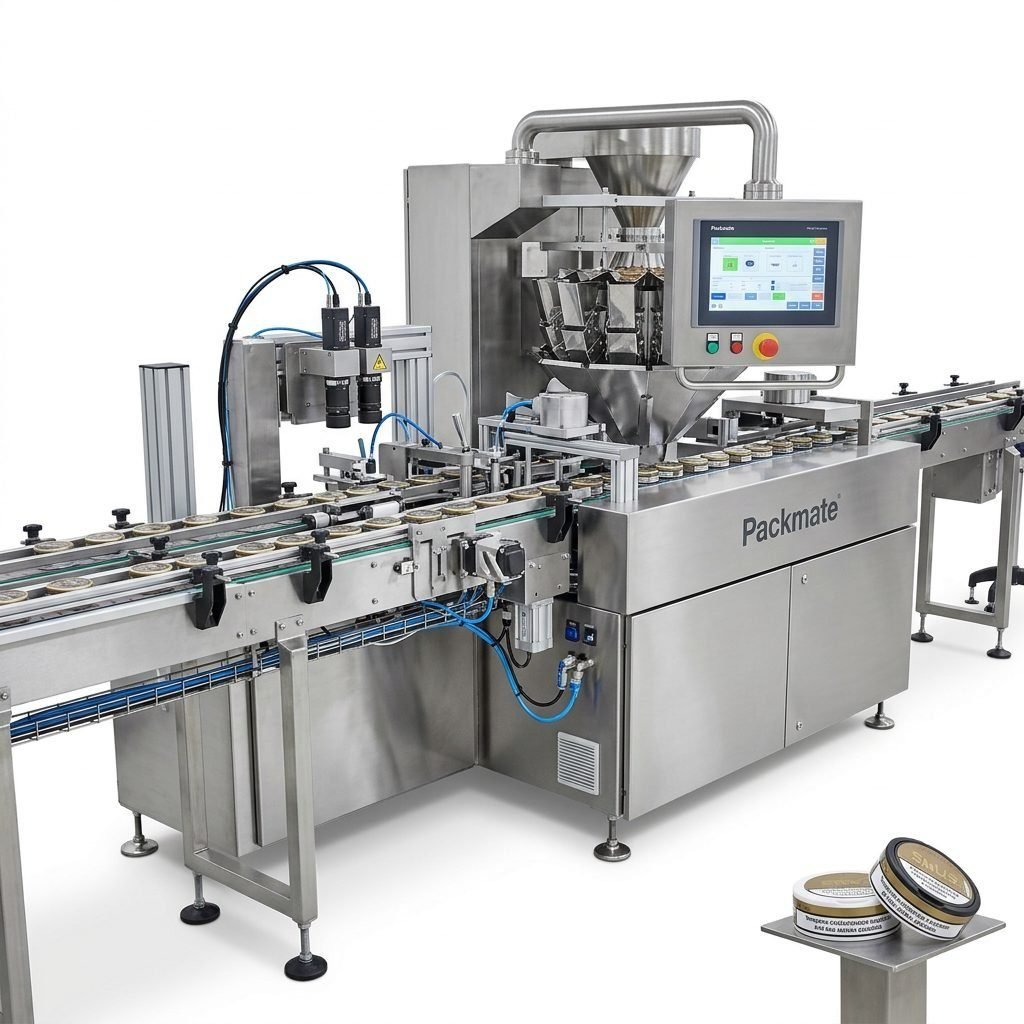
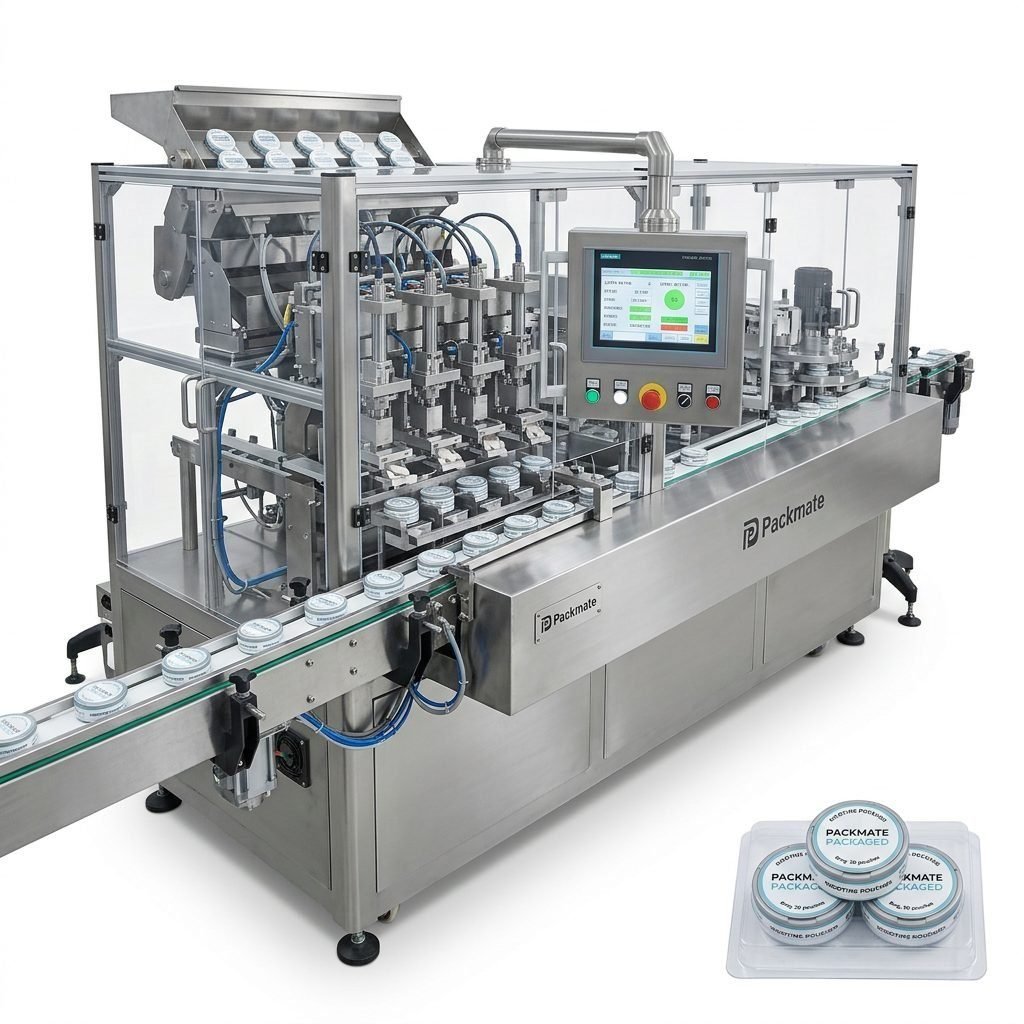
Accurate dosing is critical to maintain product consistency and regulatory compliance. Choose machines with advanced weighing or volumetric filling systems and in-process check-weighers to detect under/overfill. If you need combined systems, look into complete solutions such as Weighing & Packaging Systems and Filling & Packaging Lines.
Environmental, Electrical & Factory Requirements
Plan factory layout, electrical supply, and environmental control before ordering. Machines from international manufacturers often require stable mains power and clean compressed air. In Bangladesh, ensure voltage compatibility and protection against voltage fluctuations.
Site preparation tips:
• Electrical: specify local voltage and consider stabilizers/UPS.
• Air: provide dry, filtered compressed air to prevent moisture-related faults.
• Floor & layout: allow for conveyor flows, maintenance access, and safe operator movement.
Regulatory Compliance & Certifications
Because nicotine products are regulated, choose machines from manufacturers that provide international certifications and documentation. Look for CE, ISO, and supplier quality records so your equipment supports legal and export requirements.
Essential documentation to request:
• CE or equivalent safety certificates.
• Calibration & test reports for filling modules.
• Maintenance manuals and spare parts lists (local stocking helps reduce downtime).
After-sales Service, Training & Spare Parts
Local service capability is crucial. Choose vendors that provide remote support, on-site training, and spare parts availability. A supplier with a global presence and factory experience — for example, a manufacturer with over 30 years of engineering experience and a large production facility — can significantly reduce commissioning time and provide long-term support.
What to verify from your supplier:
• Local technical training and process optimization support.
• Readily available spare parts and consumables.
• Clear warranty terms and remote troubleshooting options.
For manufacturer background and turnkey solutions, you may review an established provider’s overview at About Packmate and contact pages at Contact Us.
Sanitation, Safety & Operator Ergonomics
Machines that allow quick changeover, easy cleaning, and minimal tooling are ideal for frequent product or film changes common in rapidly evolving markets. Safety guards, interlocks, and simple HMI layouts reduce operator error and improve uptime.
Operator & maintenance features to require:
• Quick-release film spindles and tool-less change parts.
• Intuitive touch-panel HMI with recipe management.
• Accessible inspection points and easy-to-clean surfaces to minimize contamination risks.
Budgeting & Return on Investment
Balance upfront cost against reliability, throughput, and lower operating expenses. A reliable multi-lane machine may cost more initially but delivers lower cost-per-pouch and better long-term ROI. Consider financing, service contracts, and spare parts agreements when calculating the total cost of ownership.
ROI checklist:
• Estimate cost-per-pouch across expected production volumes.
• Include downtime, consumables, and labor in calculations.
• Compare multi-lane throughput vs multiple single-lane machines for space efficiency.
Choosing a Trusted Supplier
Work with suppliers that have proven experience in snus or nicotine pouch production, solid manufacturing capabilities, and global after-sales networks. Suppliers with advanced CNC centers, large factories, and a portfolio of packaging lines (stick packs, sachets, powder/granule fillers) will better support your growth.
Why track record matters:
• Proven multi-lane systems reduce technical risk for small-dose pouch manufacturing.
• Large manufacturing capacity means spare-part availability and faster lead times.
• Certifications and case studies help with compliance and export planning. See sample implementations at Case.
If you need more details on auxiliary modules, belt conveyors, or integrated solutions, check Auxiliary Packaging Equipment to plan a complete production line.
Final selection summary (quick checklist):
• Define format and target output (pouches/min and lanes).
• Confirm film & seal compatibility for humid conditions.
• Request certifications, spare parts list, and local support options.
• Evaluate total cost of ownership including downtime and consumables.
Selecting the right snus packaging machine for Bangladesh means aligning product format, climate resilience, local consumption habits, and regulatory needs with a supplier who offers strong engineering, global experience, and dependable service.
If you want to explore specific machine models and receive tailor-made proposals, review the product line and request quotations through the manufacturer’s product pages and contact resources linked above.
FAQs
Q1: What machine type is best for small sachets in Bangladesh?
A: Multi-lane stick or sachet machines are usually best for small single-use sachets because they combine high throughput with compact footprints and lower cost-per-pouch.
Q2: How important is film selection for snus packaging in humid climates?
A: Extremely important. Use high-barrier laminates or metalized films and ensure your machine can seal those materials at production speed to prevent moisture ingress and preserve shelf life.
Q3: What documentation should a supplier provide for compliance and exports?
A: Ask for CE/ISO certificates, calibration and test reports, machine manuals, spare parts lists, and export-ready documentation. These help with regulatory review and customs clearance.
Q4: Can I get local support and spare parts quickly in Bangladesh?
A: Verify the supplier’s service network and local stocking arrangements. Suppliers with global service and large manufacturing facilities typically provide faster spare-part delivery and remote diagnostic support.
Q5: Where can I see real-world examples of snus packaging lines?
A: Review case studies and production examples available from experienced manufacturers; visit the Case page for reference installations and typical line layouts.