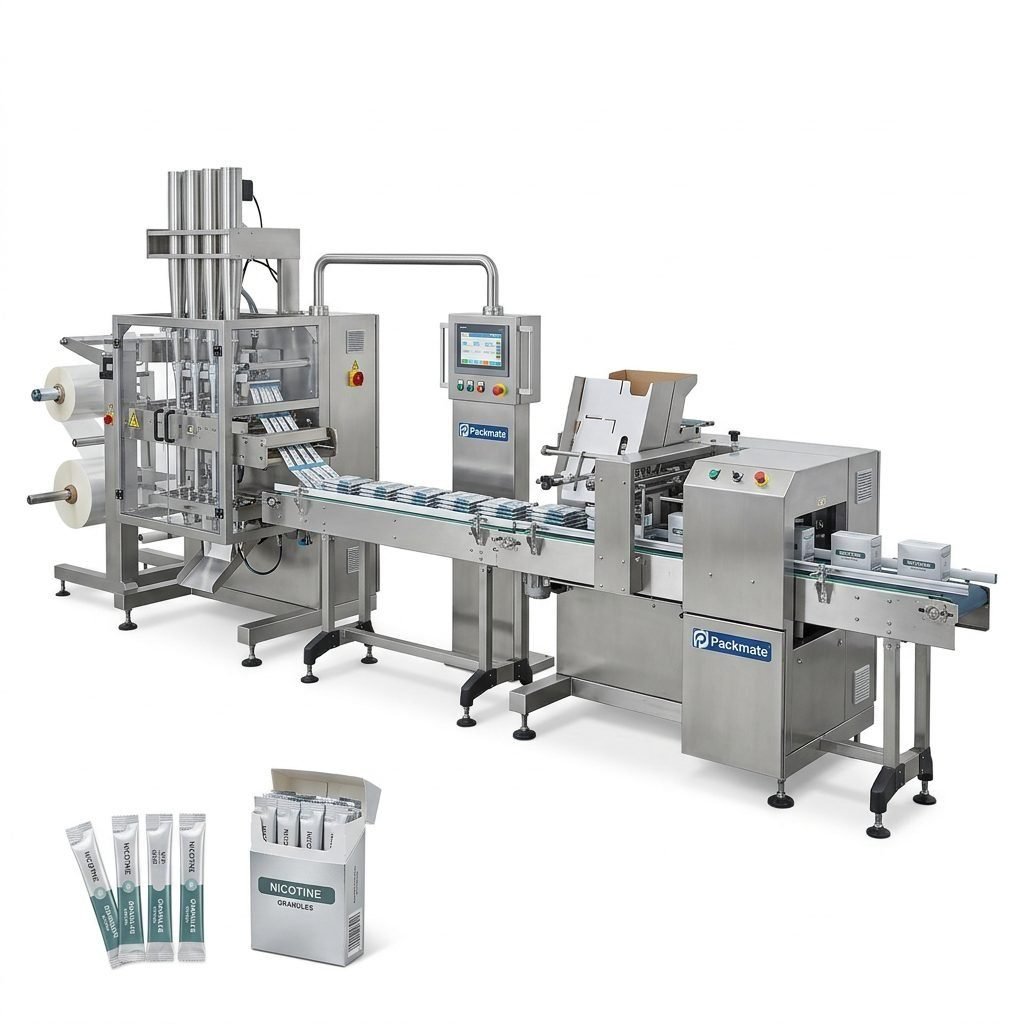
For businesses in Kiribati looking to enter or expand in the nicotine pouch and snus market, selecting the right packaging machinery manufacturer is a strategic decision that affects product quality, regulatory compliance, and long-term profitability. This guide explains practical steps, local considerations, and technical criteria to help you choose the best nicotine packaging machinery partner for your Kiribati operations.
Understanding Kiribati’s Market & Local Realities 🔍
Kiribati is a remote, low-lying island nation in the central Pacific. Its location and infrastructure shape how you should approach equipment procurement. Expect longer lead times for sea freight, limited local technical resources, and high sensitivity to humidity and salt air. When evaluating suppliers, prioritize manufacturers who understand logistics to remote islands, who offer robust corrosion protection and climate-adapted equipment, and who can support remote troubleshooting.
Key point: For Kiribati, the ideal supplier should offer reliable after-sales support, spare parts availability, and packaging machines designed to resist coastal corrosion and operate under variable power conditions.
Why the Manufacturer Matters More Than the Price
Choosing a low-cost OEM may save money initially but can cost far more in downtime, wasted material, and lost market share. Look for manufacturers with proven industry experience, robust quality control, and a track record in nicotine pouch packaging — these attributes translate to higher uptime, consistent fill accuracy, and dependable sealing integrity.
Evaluate Product & Machine Range
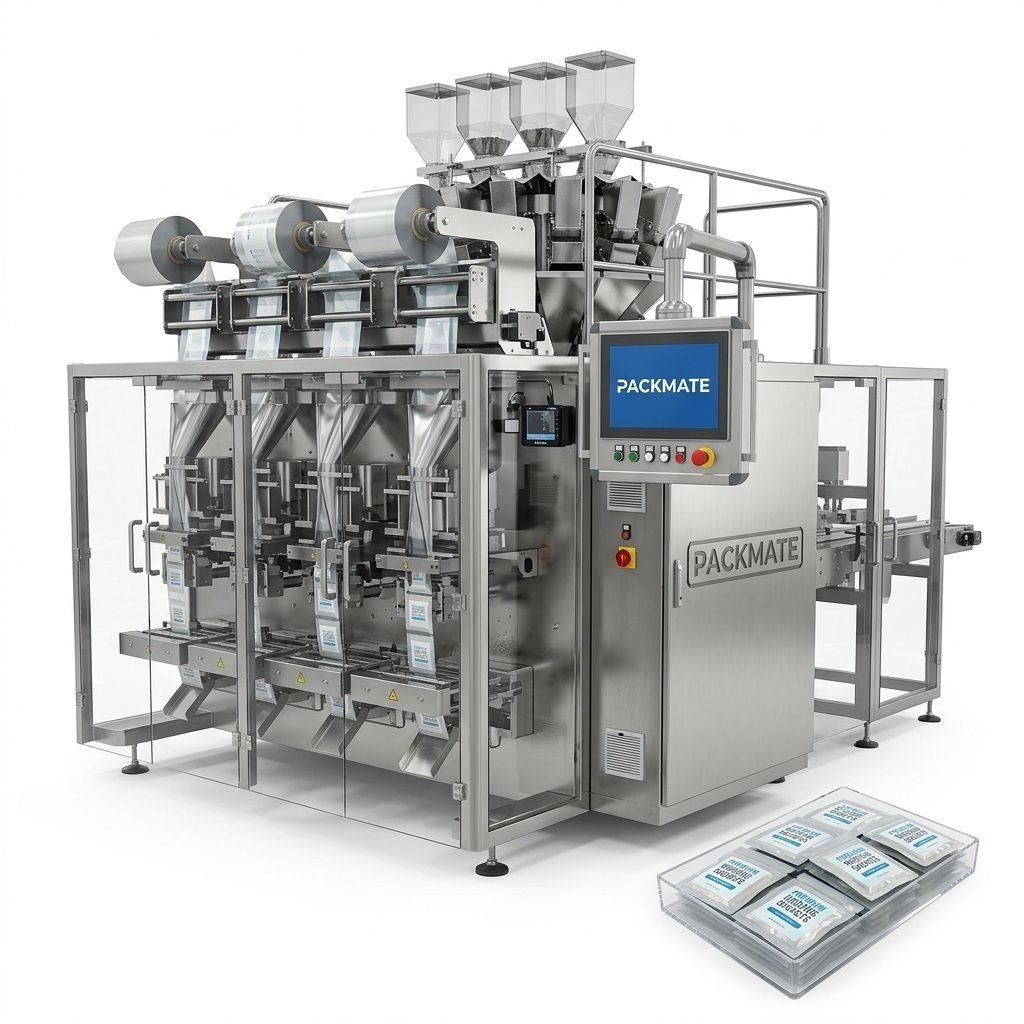
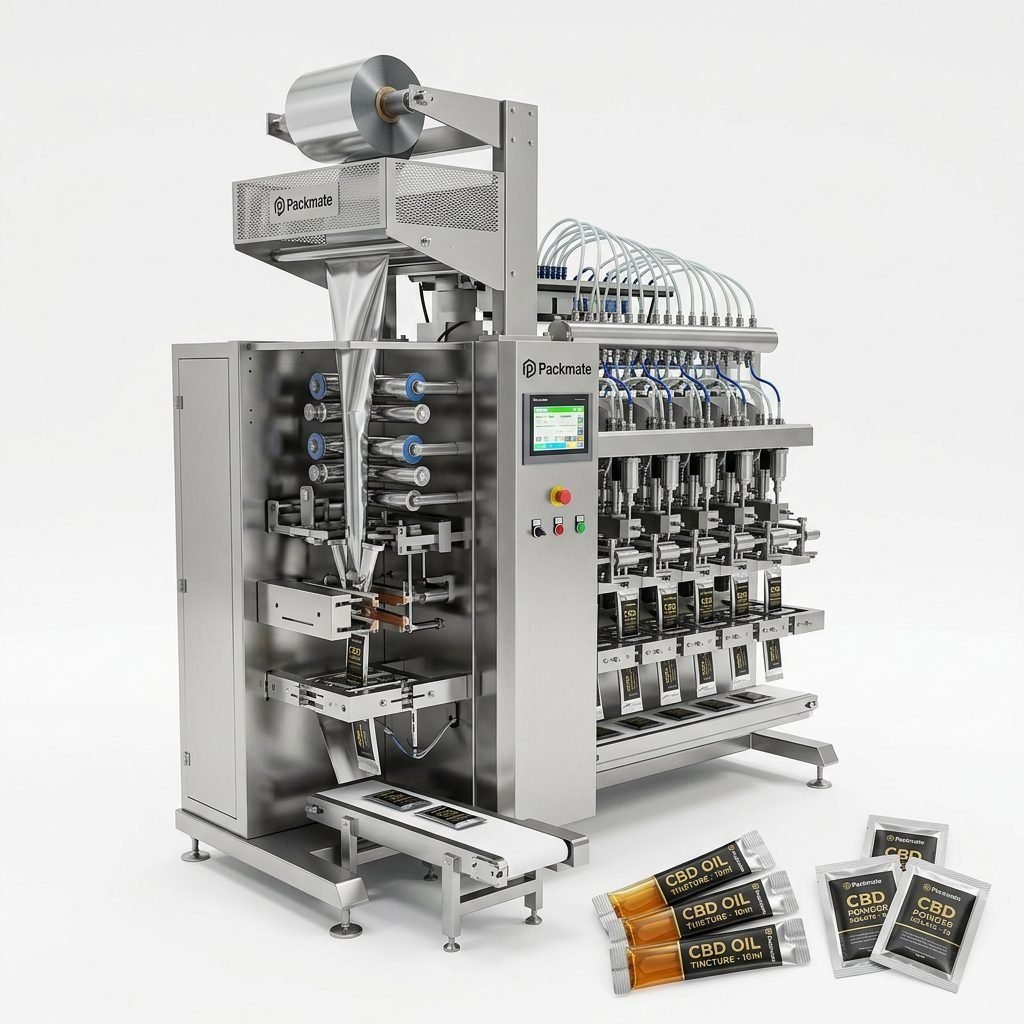
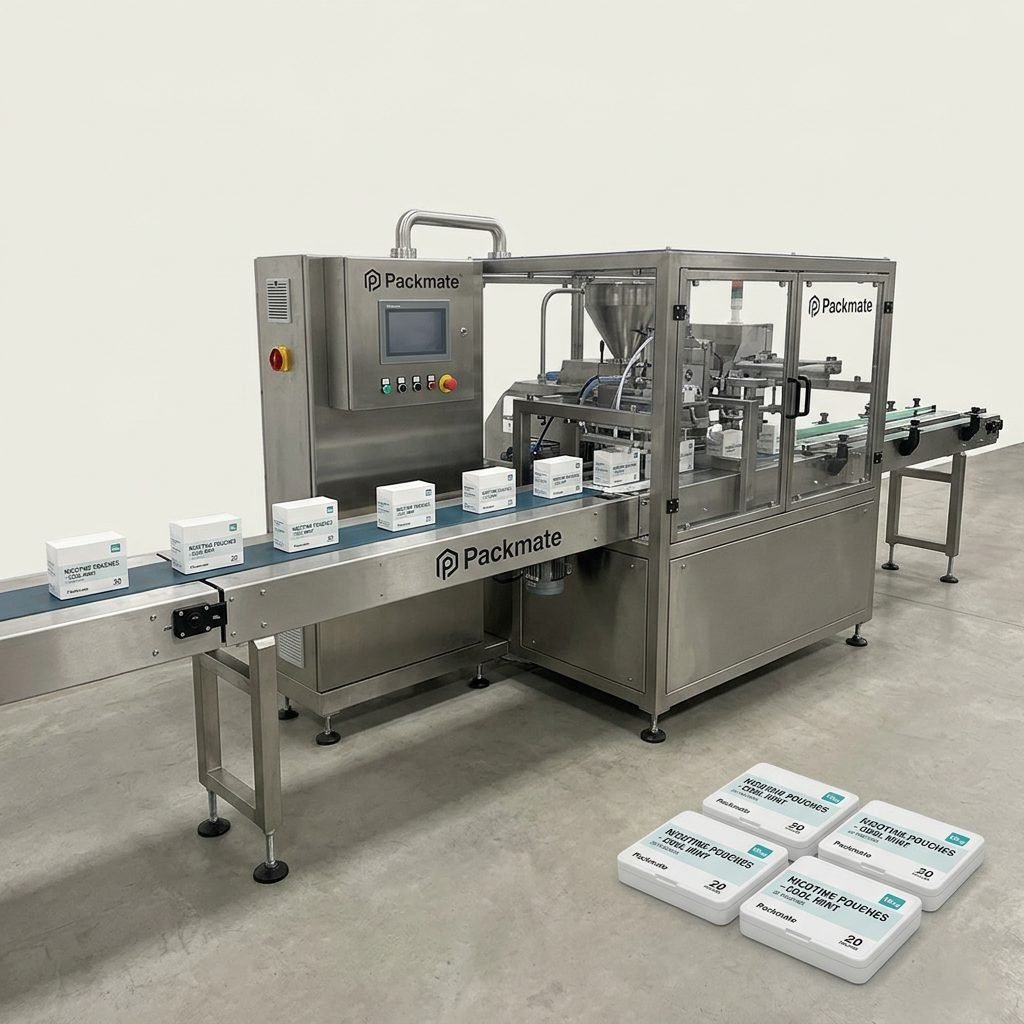
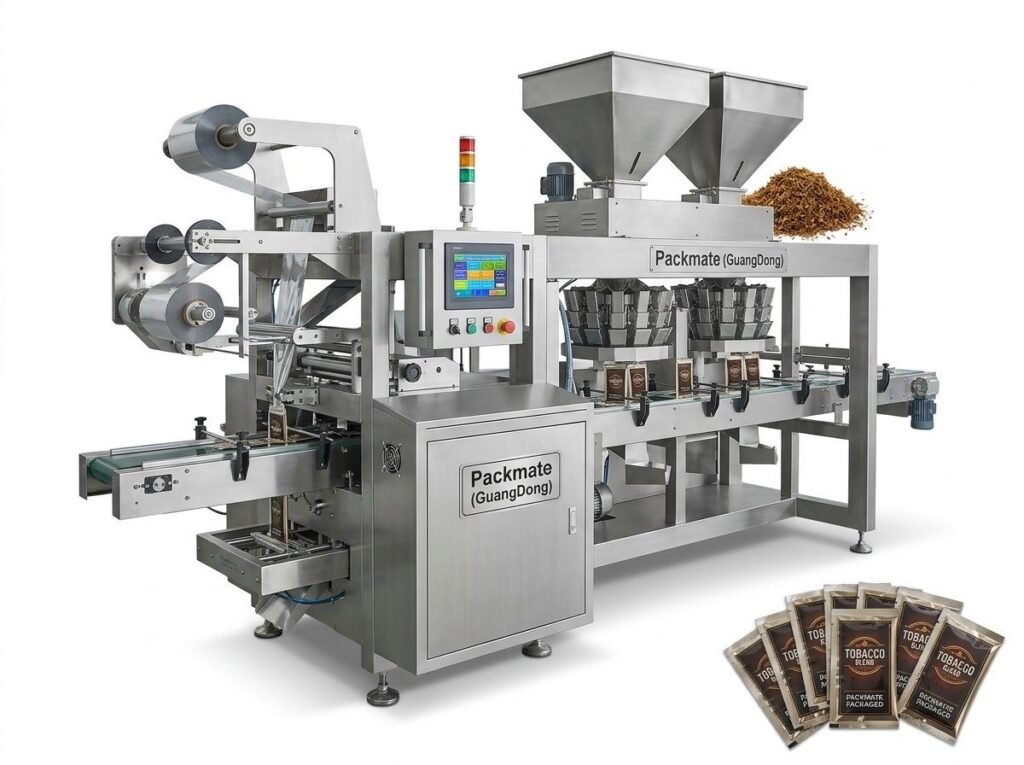
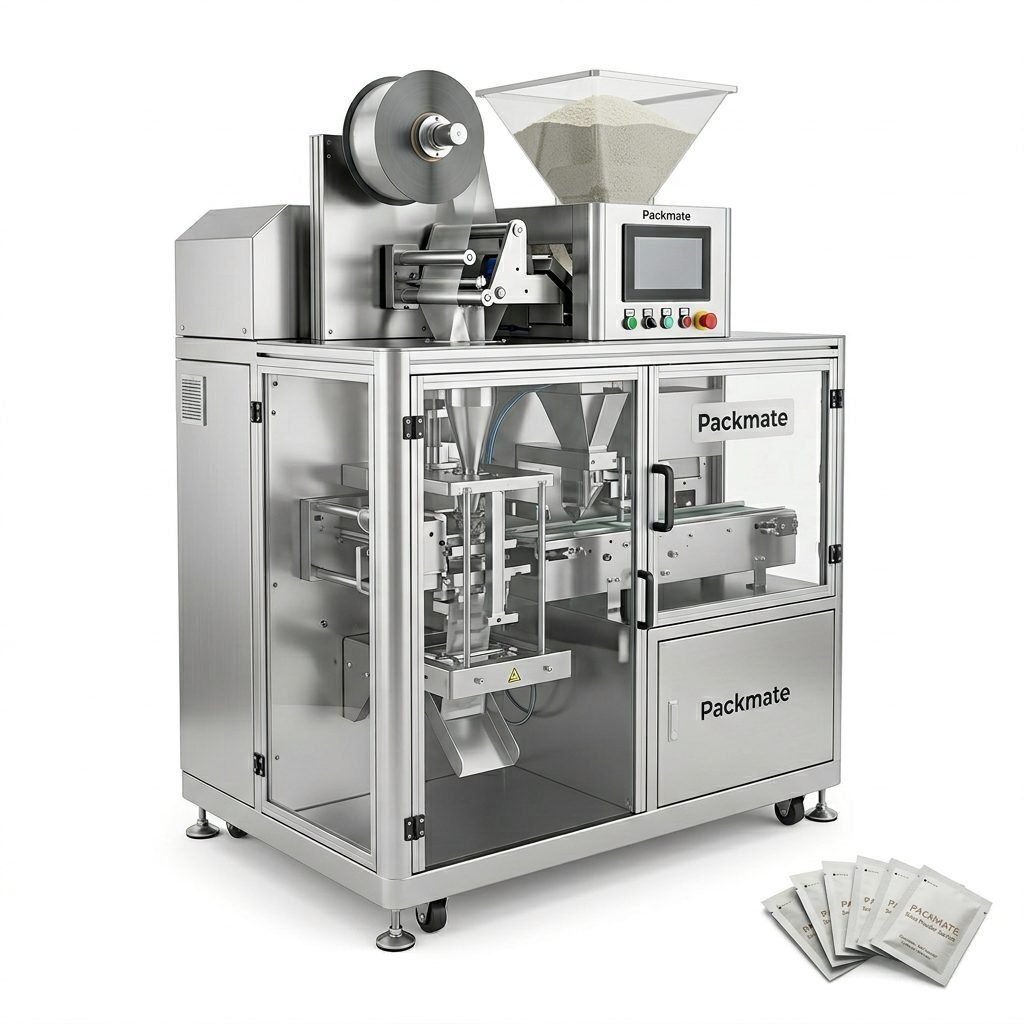
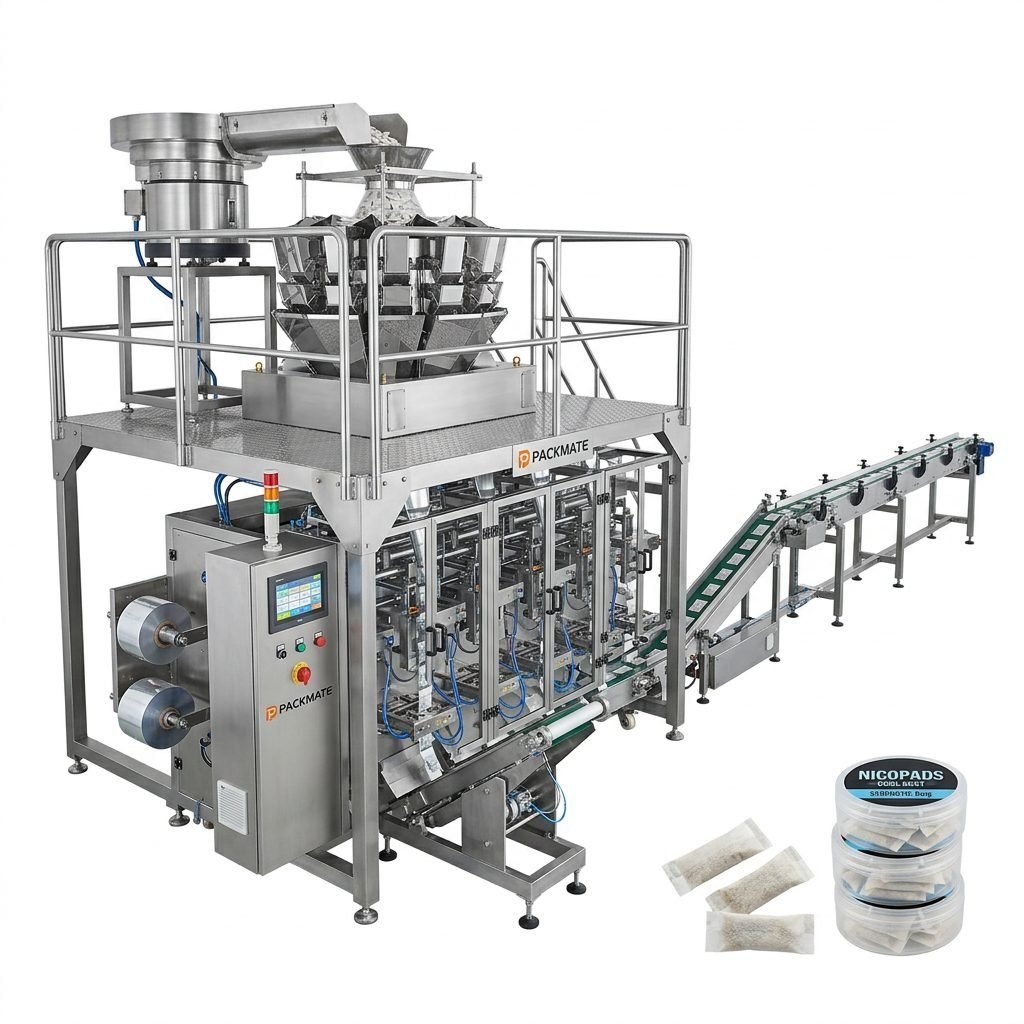
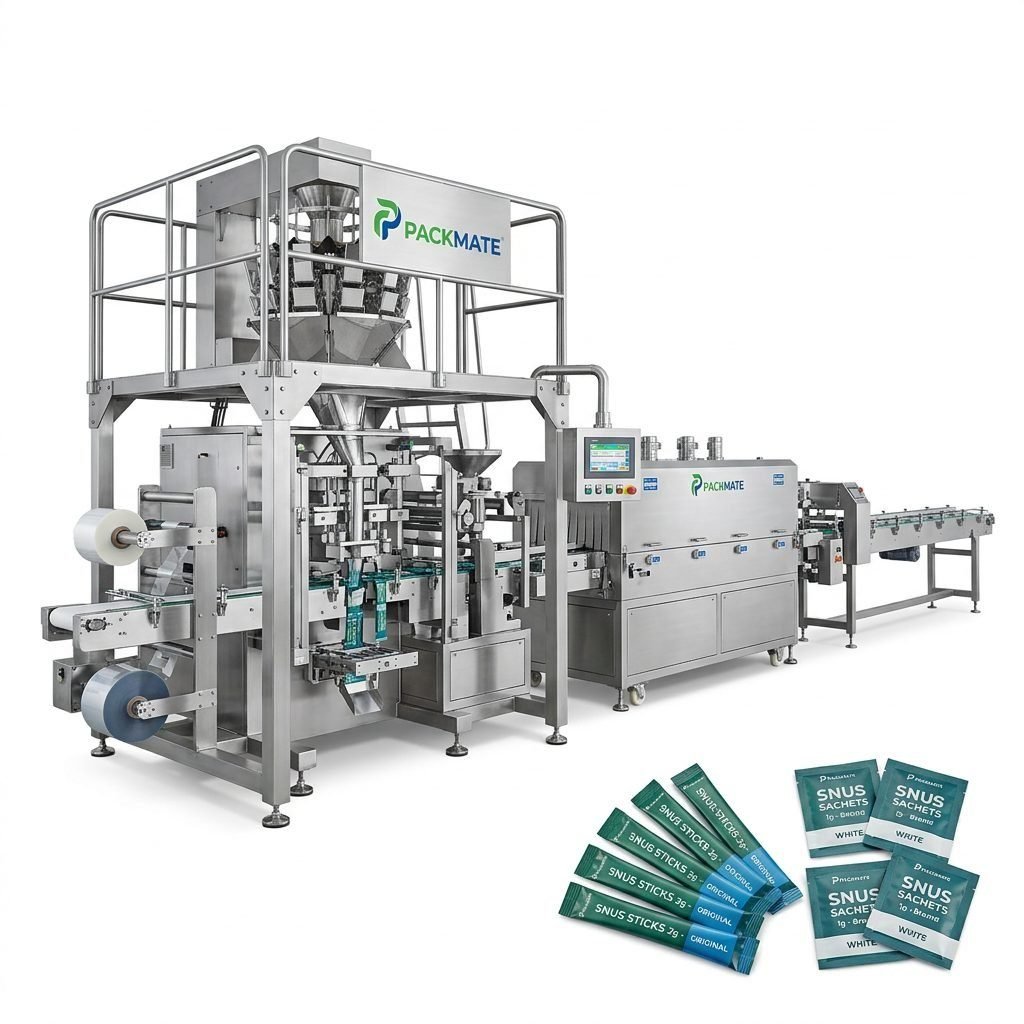
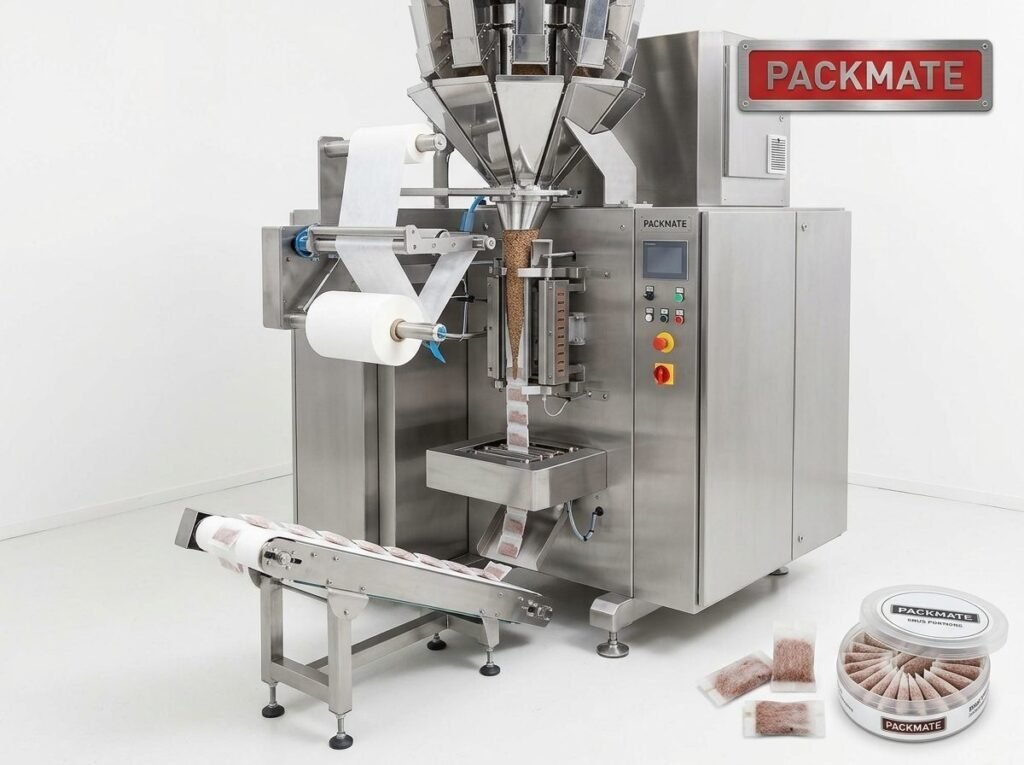
The right partner offers a range of solutions that fit your production scale and product format. Common systems include stick pack, sachet, multi-lane snus pouch lines, and fully automated filling and cartoning lines. If you want to review industry-standard options, explore specialist pages such as
Snus & Nicotine Packaging Machines and
Sachet & Stick Pack Machines.
Technical Criteria: What to Inspect
Inspect these critical technical areas before committing:
- Filling accuracy and repeatability (important for nicotine dosing).
- Sealing quality and longevity in humid, salty environments.
- Machine uptime guarantees and Mean Time Between Failures (MTBF).
- Compatibility with local power supplies and availability of voltage conversion options.
- Modularity for future upgrades (e.g., multi-lane expansions).
Technical tip: Ask manufacturers for a demonstration video of your product running on the proposed model and request sample packs to inspect sealing and presentation.
Quality Credentials & Regulatory Compliance ✅
Certifications such as CE and ISO reflect a manufacturer’s commitment to consistent production and safety. For nicotine pouch producers, machine hygiene and traceability capabilities are also important. Consider suppliers who have passed international certifications and are accustomed to supplying global markets — this often correlates with better documentation, test reports, and compliance support. You can learn more about reputable suppliers on their company information pages such as
About Packmate.
Service, Spare Parts & Training — The Support Equation
In Kiribati, where authorized service engineers may be scarce, a manufacturer’s willingness to provide remote guidance, on-site commissioning (when possible), fast spare-part shipments, and training is essential. Prioritize vendors that offer:
- Remote diagnostics and video support packages.
- Spare parts kits with consumables for first 12 months.
- Training programs for operators and maintenance staff.
- Documentation in English and clear machine diagrams.
Service reminder: Insist on a clear Service Level Agreement (SLA) that spells out response times for remote support and spare part delivery to Pacific island destinations.
Packaging Line Turnkey Solutions vs. Individual Machines
Many suppliers offer turnkey lines that integrate filling, dosing, sealing, and secondary packaging. Turnkey systems reduce integration risk but demand a higher upfront investment and coordination for shipment to Kiribati. Alternatively, buying modular machines allows staged investment and local assembly, which can be advantageous if you want to grow capacity gradually.
Cost, Financing & Total Cost of Ownership (TCO)
Evaluate total cost beyond purchase price: shipping, customs duties, installation, training, spare parts inventory, and expected energy consumption. For remote markets, shipping insurance and packaging for long sea voyages matter. Ask manufacturers for a detailed TCO estimate and references from similar export customers.
Logistics: Shipping, Import Clearance & Local Handling
Kiribati import processes can be protracted. Ensure your supplier understands export packaging standards, and ask them to:
- Provide export documentation and assistance for customs clearance.
- Offer shock-resistant packing and corrosion inhibitors for sea transit.
- Coordinate with freight forwarders familiar with Pacific island routes.
Logistics tip: Request a pro forma bill of lading and an estimated door-to-door timeline before purchase to avoid surprises.
Customization & Future-Proofing
Your product formats, labeling needs, and future SKUs should be discussed early. The best suppliers offer tailored solutions such as multi-lane systems for small-dose pouches, integrated weight-checking, and flexible changeovers. A manufacturer with R&D experience and a factory-level control over parts (CNC capabilities, etc.) will respond faster to custom requests and future upgrades.
Track Record: Case Studies & References
Ask to see similar installations and speak to references. Real-world performance numbers (uptime, OEE, throughput) are more telling than marketing claims. For example, Packmate Snus Machine showcases global cases and exhibitions that demonstrate their experience with snus and nicotine pouch lines — see their case pages for reference:
Case.
Negotiation & Contract Essentials
When drafting contracts, ensure the following elements are explicit:
- Scope of supply, including spare parts list and consumables for first year.
- Warranty terms and exclusions, plus SLA details for remote and on-site support.
- Acceptance testing criteria and sign-off procedures.
- Shipment terms (Incoterms), packing specifications, and insurance responsibilities.
Contract advice: Include a clause for spare parts lead time guarantees and a commitment to support remote commissioning via video calls.
Why Choose a Specialist Snus & Nicotine Machine Manufacturer?
Specialist manufacturers bring decades of experience in specific product handling — critical for nicotine pouches and snus where dosing, hygroscopic materials, and seal integrity are sensitive. Suppliers like Packmate focus on snus machines, multi-lane systems, and turnkey lines, manufacturing robust equipment with proven CNC and assembly capabilities. Explore their equipment portfolio for technical alignment at
Bag & Pouch Packaging Machines and related pages.
Environmental & Cultural Sensitivities in Kiribati
Kiribati communities are tightly knit and environmentally conscious. If launching nicotine products, be mindful of local attitudes and legal restrictions. Engage local stakeholders early, ensure packaging complies with labeling requirements, and plan corporate social responsibility approaches that respect local culture. A machine supplier who provides clean production and minimal waste aligns with these community expectations.
Final Checklist: Questions to Ask Potential Manufacturers
Use this checklist when evaluating suppliers:
- Can you provide customer references in similar remote export markets?
- What are your machine corrosion protection measures for coastal climates?
- Do you supply initial spare-parts kits and consumables?
- What remote support packages do you offer for commissioning and maintenance?
- Can the line be exported with full documentation and CE/ISO certificates?
Pro tip: Request a pilot run or sample packs produced by the proposed machine model before final payment whenever feasible.
How to Proceed: A Recommended Buying Flow
1) Define product specs and target throughput. 2) Shortlist experienced suppliers and request quotes with TCO. 3) Check references and request demo samples. 4) Verify certifications and export readiness. 5) Negotiate SLA, spare-part stock, and training. 6) Plan logistics and installation timeline with your freight forwarder.
Where to Find Trusted Suppliers & More Information
If you are assessing suppliers with global reach and specific experience in snus and nicotine pouch systems, review manufacturer catalogs and service pages. For further company details and show schedules you can consult the manufacturer’s exhibition and service resources at
Our Exhibition and
Service.
Closing thought: Selecting the right nicotine packaging machinery manufacturer for Kiribati requires balancing technical excellence with logistics, local culture, and long-term service commitments. Prioritize proven experience and clear post-sale support to protect your investment.
Frequently Asked Questions
Q1: How long does shipping and installation typically take for machinery to Kiribati?
A1: Transit time varies widely by origin; sea freight to Kiribati can take several weeks to months depending on routing. Allow additional time for customs clearance and on-site commissioning — plan for 8–16 weeks from factory dispatch to accepted installation in many cases.
Q2: What maintenance capabilities should local teams have?
A2: Local teams should be trained in daily maintenance tasks: lubrication, quick replacement of wear parts, basic PLC resets, and simple mechanical adjustments. The manufacturer should provide remote training and easy-to-follow manuals.
Q3: Are nicotine pouch machinery suppliers able to help with regulatory paperwork?
A3: Some experienced manufacturers assist with documentation for export and provide certificates like CE and ISO. However, local regulatory approval for nicotine products requires local legal counsel — manufacturers typically do not provide regulatory approval in buyer jurisdictions.
Q4: How can I ensure machine longevity in salty, humid island conditions?
A4: Choose machines with corrosion-resistant components, stainless steel where appropriate, protective coatings, and sealed electronics. Regular anti-corrosion maintenance and proper storage of spare parts are also crucial.
Q5: Where can I get more information about proven machine models and real cases?
A5: Review manufacturer product pages, case studies, and contact their sales for demonstrations. Useful resources include product and case pages like Snus & Nicotine Packaging Machines and the company Case pages referenced above.