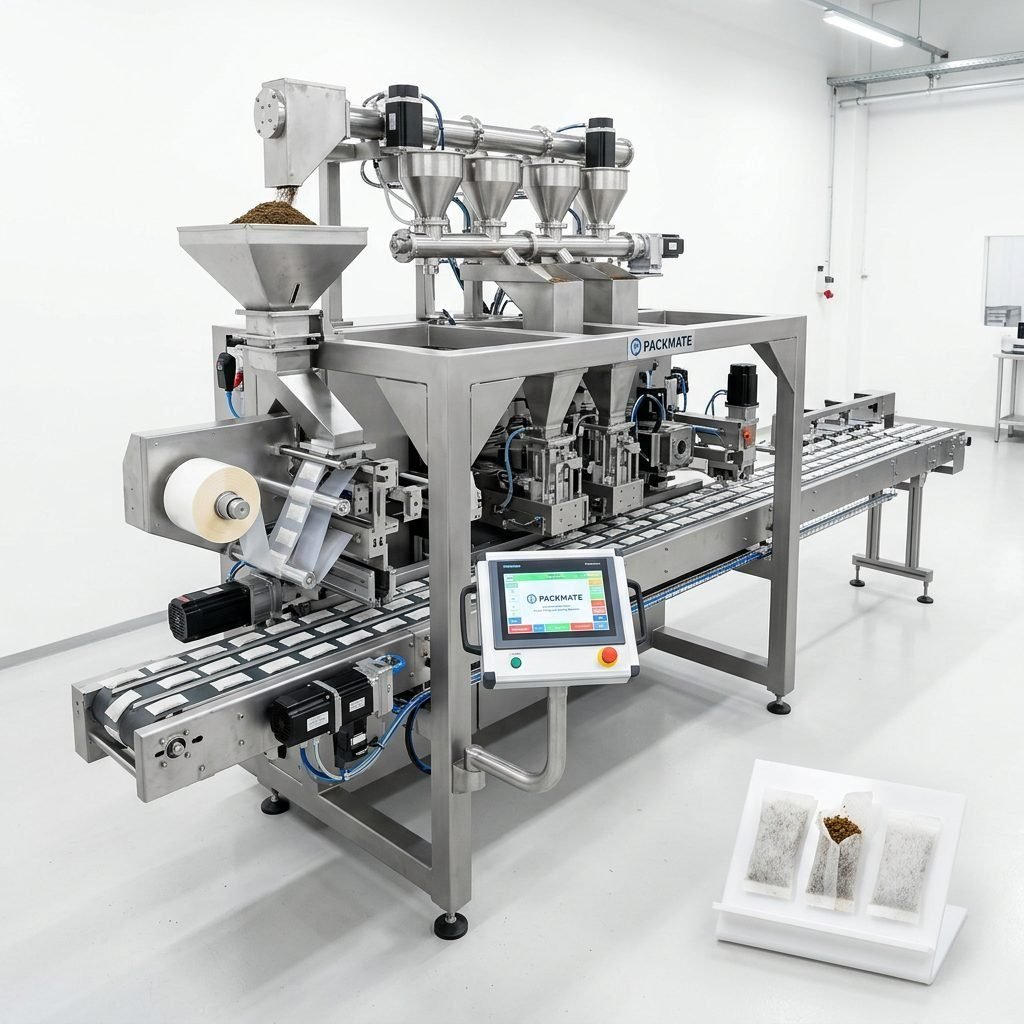
Entering the snus and nicotine pouch market in Argentina requires more than a strong product idea — it demands the right packaging partner. Argentina’s manufacturing environment, regional trade practices within MERCOSUR, and local consumer habits (including sensitivity to humidity in coastal regions like Buenos Aires and demand for discreet, convenient portion formats) shape machine selection and line design. This guide helps factory owners, production managers, and procurement teams choose the best snus packaging machine supplier for an Argentine operation, focusing on practical criteria, local considerations, and actionable checklists to reduce risk and speed up ramp-up.
Understand the Argentine Context and Market Needs
Argentina’s tobacco and nicotine consumption sits alongside a strong culture of social rituals like mate; however, snus and modern nicotine pouches often target urban, convenience-seeking consumers. Local buyers value:
Reliability and simplicity — Argentine factories often prefer robust machines that tolerate variable power and environmental conditions. Moisture control is crucial due to humid coastal climates, so look for packaging that ensures extended shelf-life. Local language support (Spanish) for training and documentation is a practical advantage.
Why local customs matter
Packaging formats (portions, sachets, stick packs) and labeling must respect consumer expectations and local regulations. Many Argentine retailers prefer compact, shelf-friendly shapes with clear Spanish labeling. Suppliers familiar with Latin American labeling, barcodes, and regulatory documentation will help you avoid time-consuming rework.
Core Criteria When Choosing a Snus Packaging Machine Supplier
🔧 Experience & specialization: Prefer suppliers with a proven track record in snus or nicotine pouch equipment. Specialized experience reduces design revisions and improves packaging yield.
📄 Certifications & compliance: CE and ISO certifications indicate adherence to safety and quality standards. Ensure machines meet local electrical and safety codes.
⚙️ Range of models & customization: From single-lane sachet machines to high-speed multi-lane lines, a supplier with diverse models can match your output targets and product formats.
Technical Performance Metrics to Evaluate
Look beyond maximum speed numbers. Key metrics include mean time between failures (MTBF), dosing accuracy for low-dose nicotine pouches, changeover time between formats, and waste rate. A supplier that provides verified test reports or machine run videos gives you confidence in real-world performance.
Essential Machine Types and Line Configurations
The right equipment depends on product format and throughput goals. Common options include:
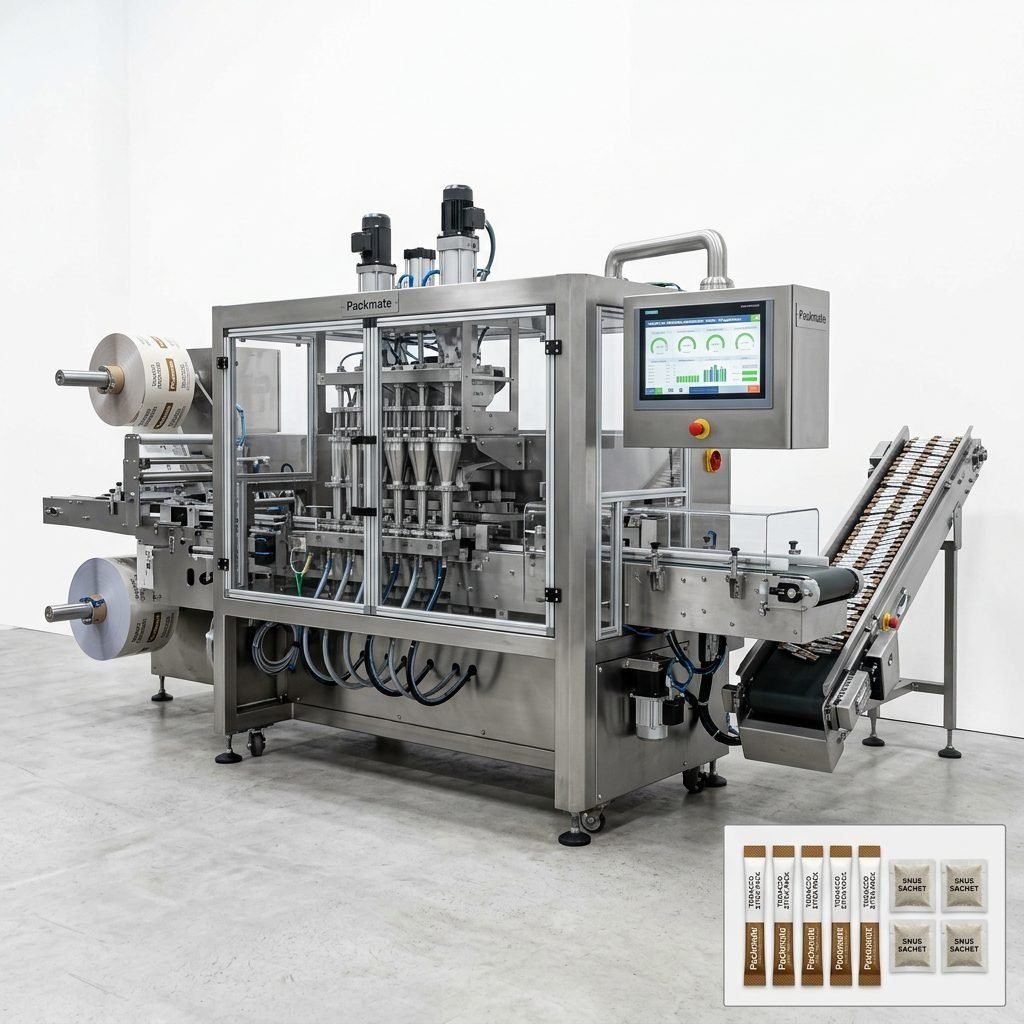
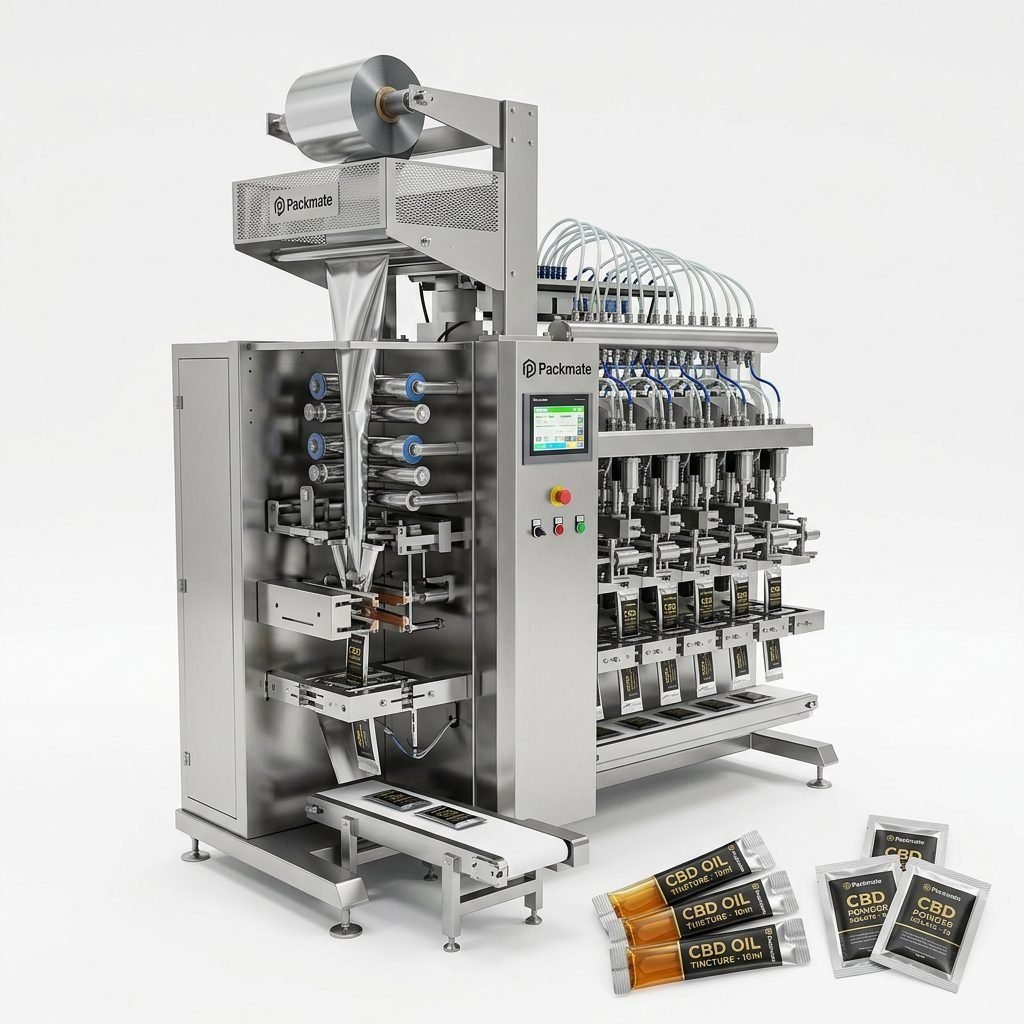
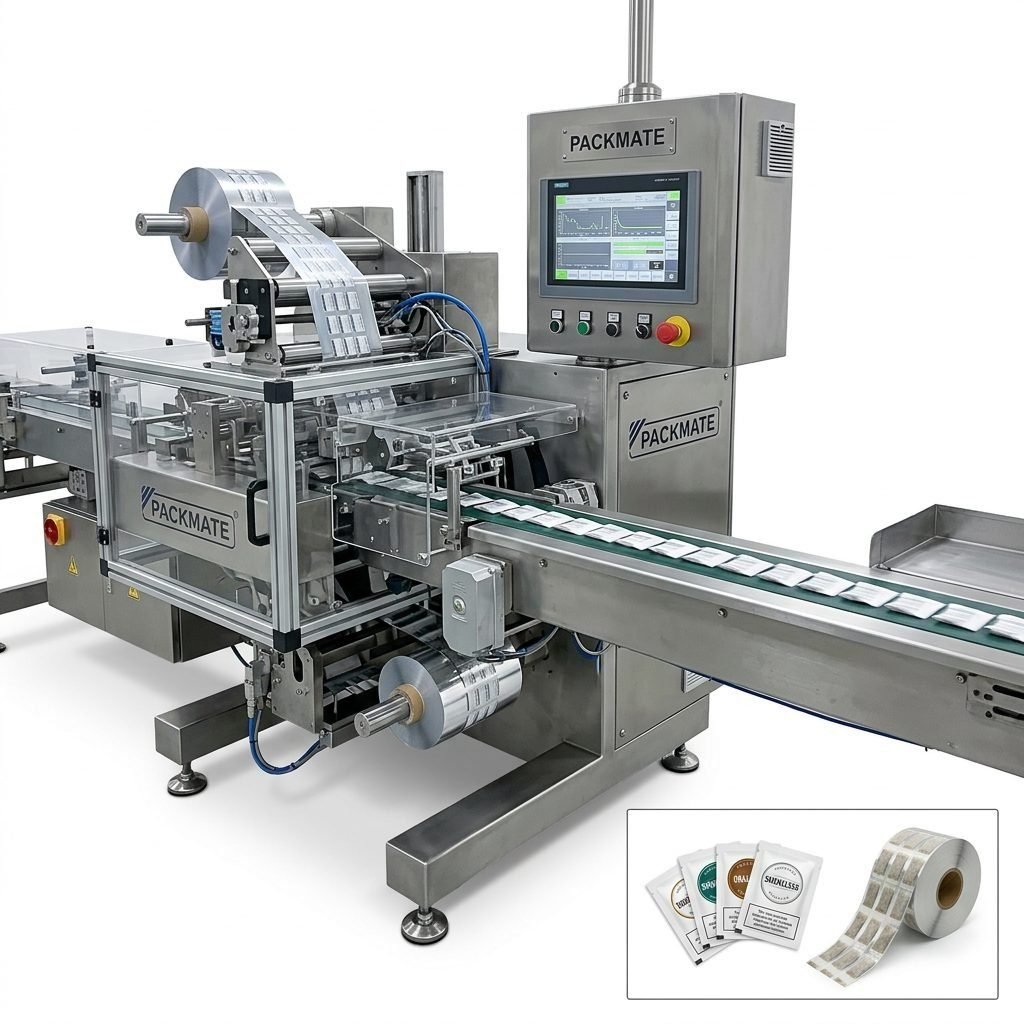
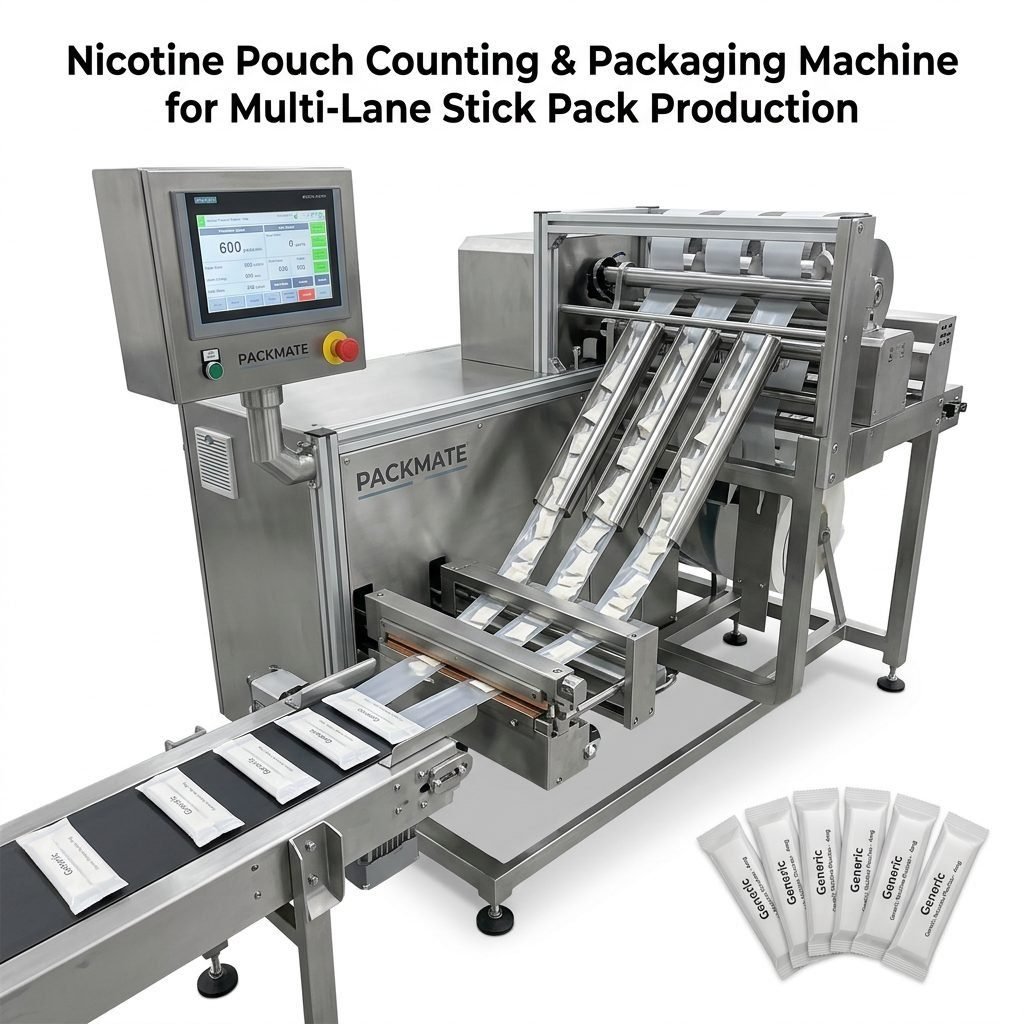
- Multi-lane sachet machines for high throughput of small-dose nicotine pouches
- Stick pack systems for long, single-serve formats
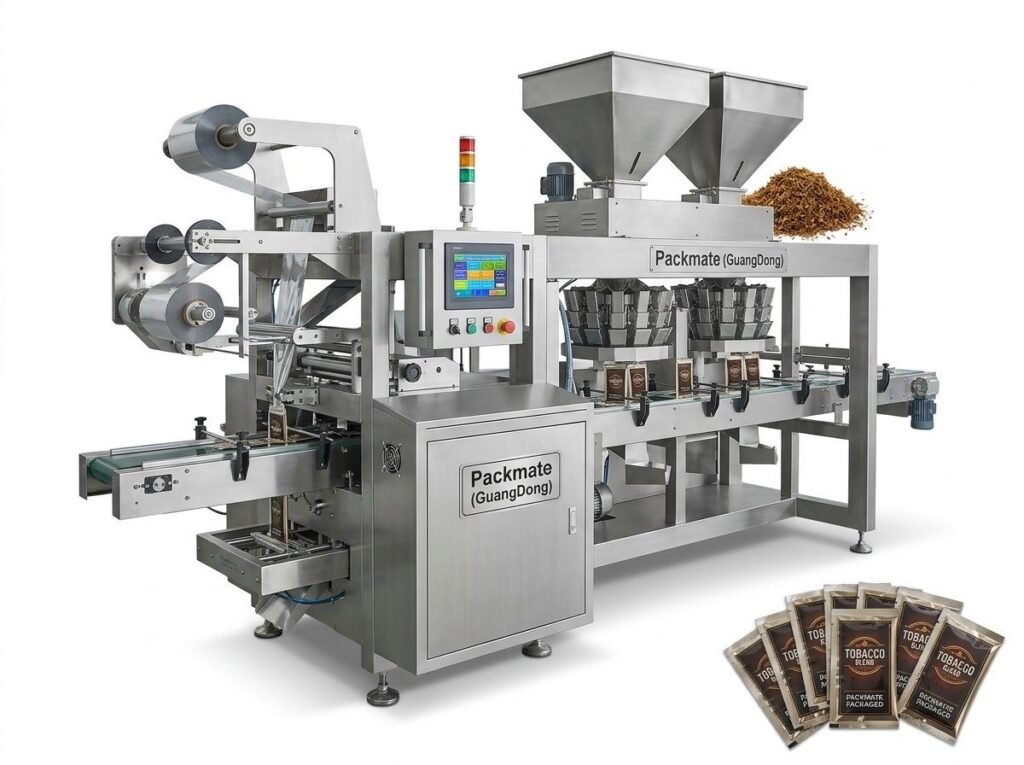
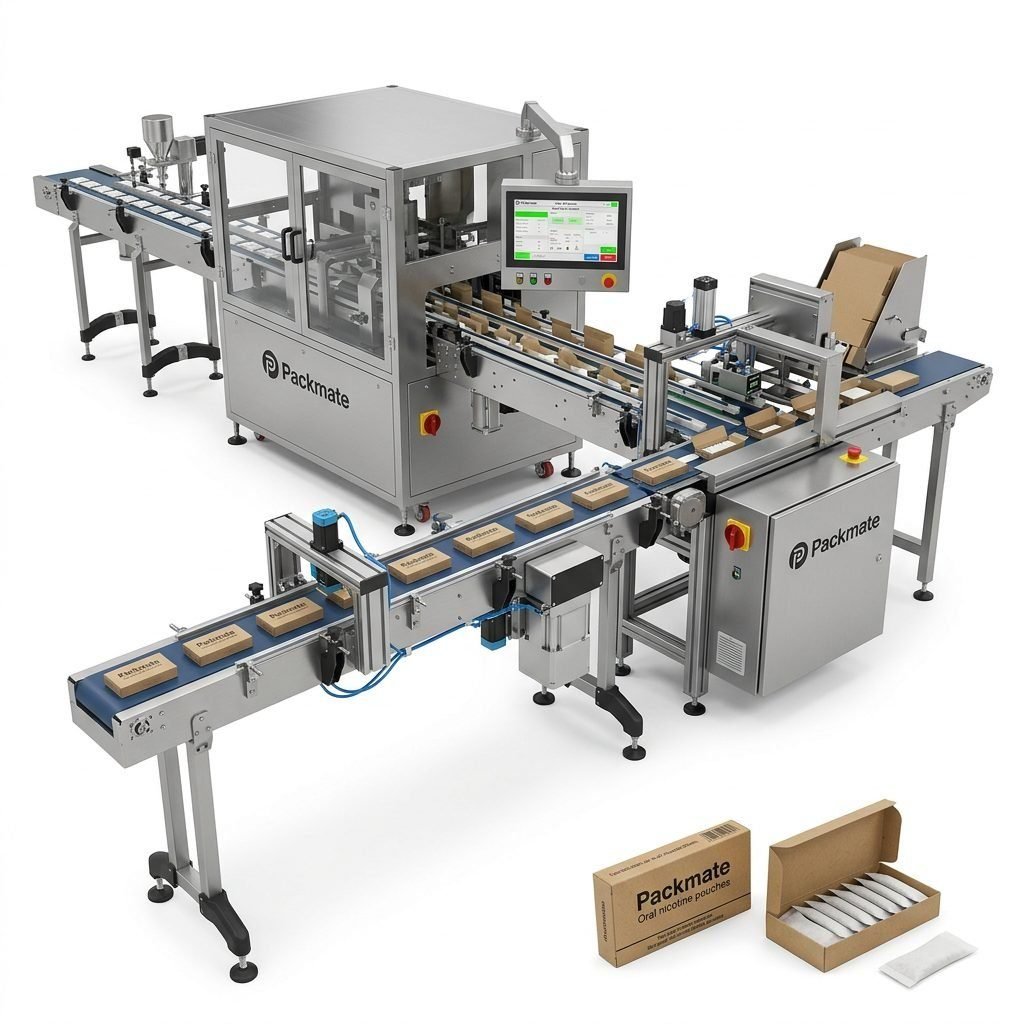
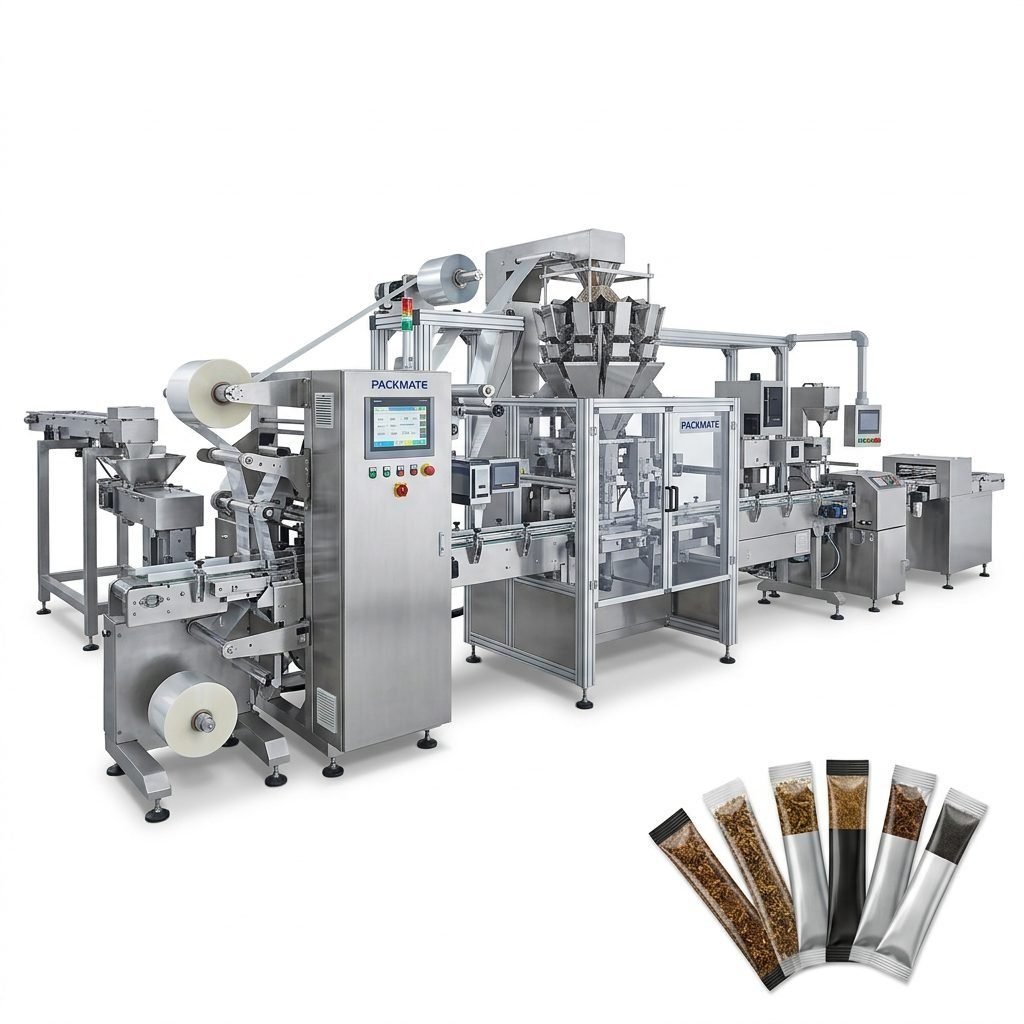
- Combined filling & packaging lines with integrated weighing systems for powders or granular blends
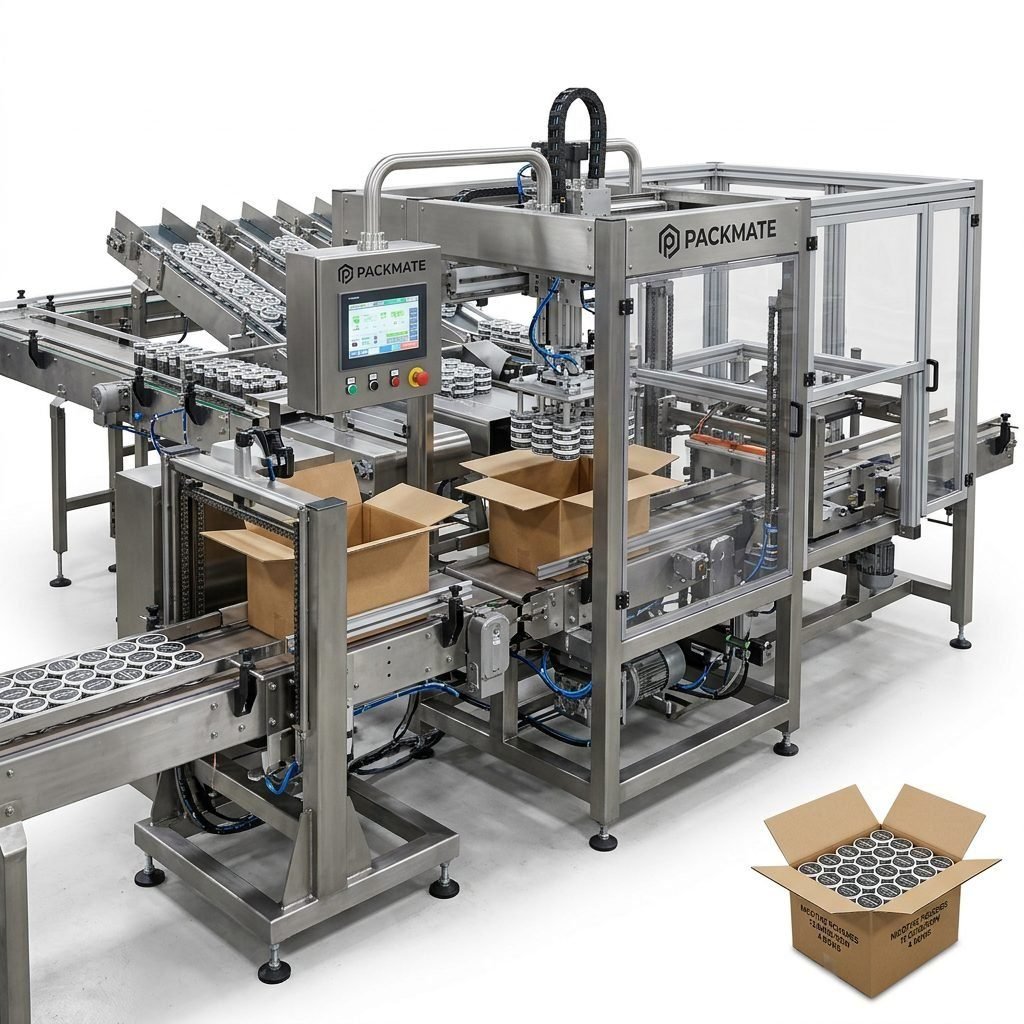
Reputable suppliers often offer turnkey lines integrating auxiliary packaging equipment, weighing systems, and packaging sealing units — reducing the complexity of vendor coordination.
Service, Training, and After-Sales Support
After-sales service is one of the most important differentiators. Consider:
✅ Local language training (Spanish) for operators and maintenance staff
✅ Spare parts availability & clear spare lists with lead times
✅ Remote diagnostics or industry 4.0 connectivity for rapid troubleshooting
Factory Capability and Quality Assurance
Visit suppliers (or request a virtual tour) to verify manufacturing capability. Key evidence of quality includes advanced CNC machining centers, precision assembly lines, and documented testing procedures. A supplier that invites you to see factory acceptance tests demonstrates transparency.
Packmate Snus Machine, for example, highlights a 20,000㎡ factory, advanced CNC systems, and over 30 years of engineering experience — factors that contribute to consistent machine quality and the ability to customize lines for specific nicotine pouch formats. See additional resources: About Packmate, Case studies.
Certifications, Safety, and Regulatory Compliance
Ensure machines comply with international safety norms (CE) and quality systems (ISO). For Argentine operations, also verify power specifications, wiring norms, and any necessary documentation for customs clearance. Suppliers who prepare export-ready technical files will speed up import processes.
Cost Considerations and Return on Investment
Evaluate total cost of ownership rather than only the purchase price. Include:
- Installation & commissioning costs
- Spare parts kit and first-year spares budget
- Operator training and productivity ramp-up time
- Energy consumption and maintenance labor
A higher initial investment in automation and multi-lane production can pay back quickly through reduced labor, improved yield, and higher throughput — especially if your product roadmap includes multiple SKUs.
Logistics, Lead Times, and Installation in Argentina
Confirm realistic lead times, packaging for ocean freight, and a plan for customs clearance. Suppliers with export experience can provide proper documentation, Certificates of Origin, and assistance with local agents. Consider on-site installation services or a technician dispatched to Argentina to guarantee a smooth start-up.
Local support & spare parts strategy
Plan a spare parts inventory tailored to expected downtime risks. If your supplier offers local stocking partners or fast courier options, this reduces risk. Some suppliers operate global service networks or offer training packages for local technicians.
Testing, Samples, and Pilot Runs
Insist on sample runs using your actual product blend and packaging film. Confirm dosing accuracy, pouch sealing integrity, and packaging aesthetics. A supplier willing to run your product in their factory and provide production videos or test reports demonstrates confidence in performance. For product-specific pages and equipment specs, review: Snus & Nicotine Packaging Machines and Weighing & Packaging Systems.
Contract Terms, Warranties, and Payment
Negotiate clear warranty terms, what constitutes warranty coverage, and timelines for response. Standard elements include a parts warranty, performance acceptance criteria, and defined timelines for corrective action. Discuss payment milestones tied to factory acceptance test (FAT), shipment, and successful site acceptance test (SAT) in Argentina.
Practical Selection Checklist (Make it a Scorecard)
🔎 Supplier Credibility — Years in business, factory size, CNC capacity
🚀 Technical Fit — Machine speed, dosing accuracy, multi-lane options
🛠️ Service & Support — Spanish training, spare parts lead times, remote support
📦 Logistics — Lead time, export documentation, customs assistance
💰 TCO & ROI — Energy, maintenance, uptime assumptions
Working with International Suppliers: What to Expect
An experienced international supplier will offer FAT documentation, machine videos, and sample production runs. They should provide clear installation manuals, electrical and pneumatic diagrams, and training plans. If you require local certification or engineer stamping for Argentine authorities, discuss this early to avoid delays.
Case Studies and References
Ask for references in similar product segments — especially companies that produce low-dose pouches or operate in Latin America. Verified case studies, production videos, and client testimonies help build confidence. See example references and exhibitions where suppliers demonstrate their lines: Our Exhibition and Case.
Making the Final Choice
Balance technical capability with commercial terms and after-sales support. A supplier may be less expensive upfront but have long spare part lead times or limited training — factors that cost more over machine life. Prioritize suppliers who provide transparent FAT results, robust after-sales plans, and an ability to customize for Argentine labeling and packaging preferences.
Why a turnkey supplier can be better for Argentina
Turnkey suppliers that bundle filling, weighing, and packaging reduce integration risk. They deliver tested lines ready to run, minimize vendor coordination, and typically include a single point of contact for commissioning and warranty claims. For turnkey options, explore combined solutions and auxiliary equipment pages: Filling & Packaging Lines and Auxiliary Packaging Equipment.
Next Steps for Argentine Buyers
1) Define product SKUs, target throughput, and expected shift patterns.
2) Shortlist 3–5 suppliers and request FAT videos, sample runs, and spare parts lists.
3) Evaluate total cost of ownership and local service capability.
4) Visit a reference or factory if possible, or request a live demo during an exhibition.
5) Confirm documentation for import and local compliance before signing.
📞 Ready to talk to suppliers? Contact a vendor with proven snus machine lines and ask for FAT reports and Spanish training options. You can reach Packmate via their contact resources here: Contact Us.
Final Remarks
Choosing a snus packaging machine supplier for Argentina blends technical evaluation with local business realities: environmental factors, Spanish-language support, customs and compliance, and after-sales readiness. A careful, documented selection process that includes sample runs, service agreements, and clear warranty terms will minimize downtime and accelerate your product launch.
Frequently Asked Questions (FAQs)
Q1: What machine type is best for small-batch nicotine pouches in Argentina?
A1: For small batches and multiple SKUs, modular multi-lane sachet machines or flexible stick pack systems that allow quick format changes are ideal. Emphasize dosing accuracy and low changeover time.
Q2: How important is Spanish-language training and documentation?
A2: Very important — Spanish manuals and on-site training reduce operator errors, speed commissioning, and simplify maintenance handovers to local teams.
Q3: What certifications should I require from a supplier?
A3: Ask for CE and ISO documentation, electrical and safety compliance, and export-ready documentation such as Certificates of Origin for customs. Also request FAT reports showing performance metrics.
Q4: How can I minimize downtime due to spare part delays?
A4: Negotiate a spare parts kit as part of the purchase, confirm local courier options, and choose suppliers who keep critical wear parts in regional hubs.
Q5: Where can I see real-world examples of snus packaging lines?
A5: Review supplier case studies and exhibition videos. For example, review the Packmate case portfolio and exhibition schedule to see machines in action: Case and Our Exhibition.