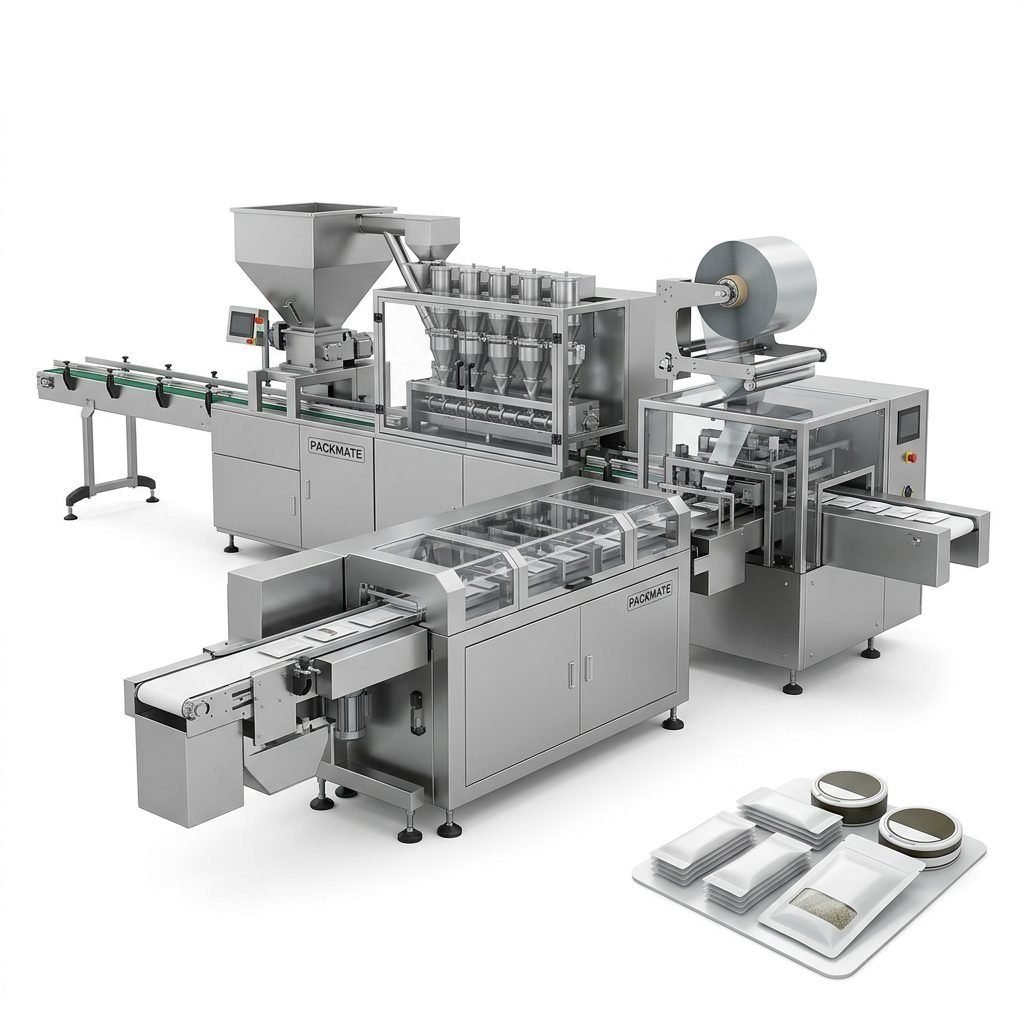
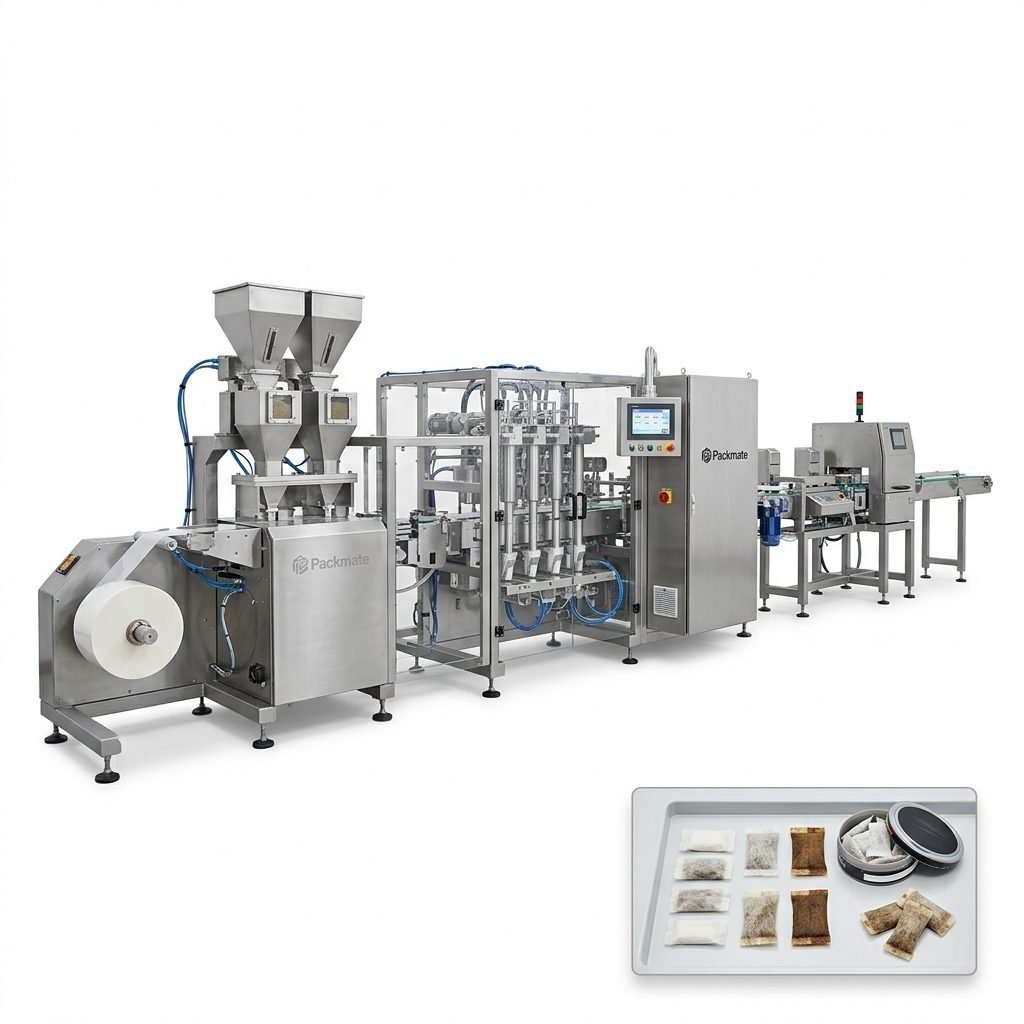
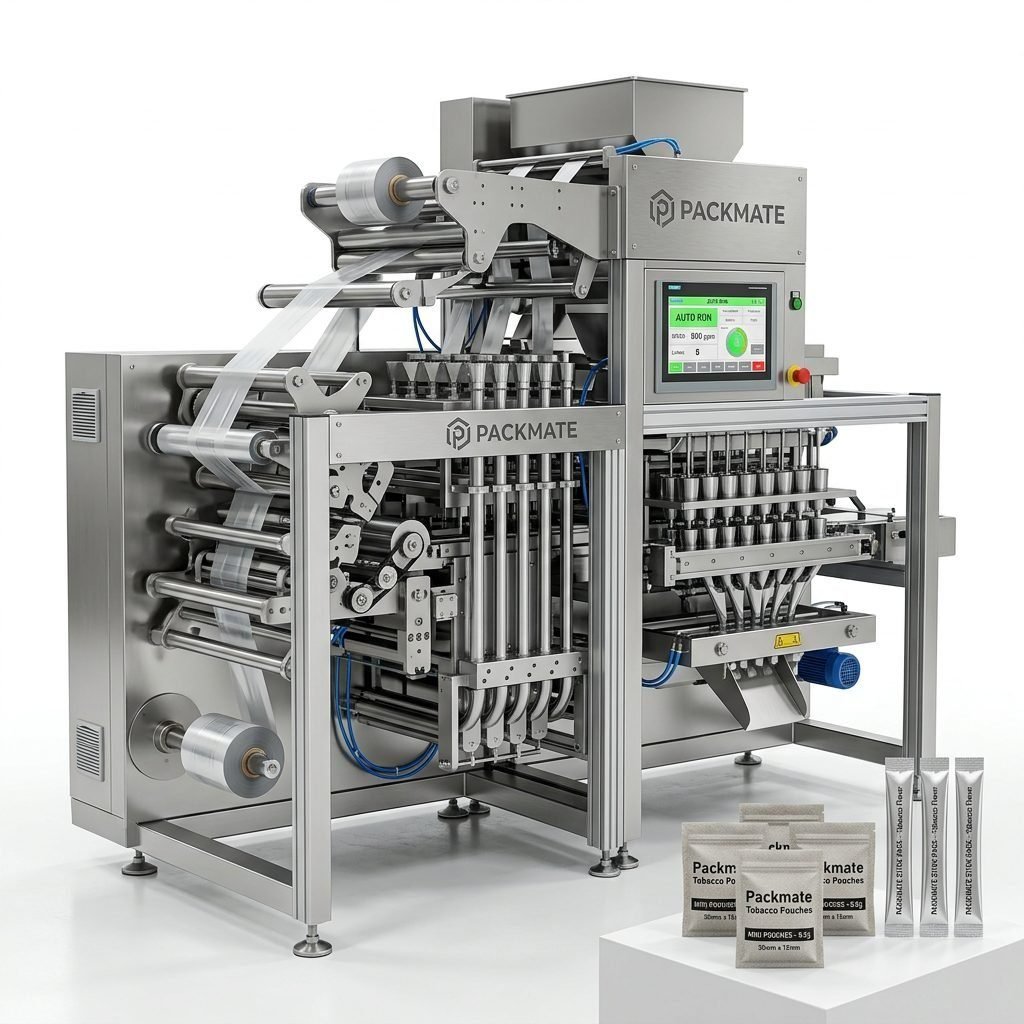
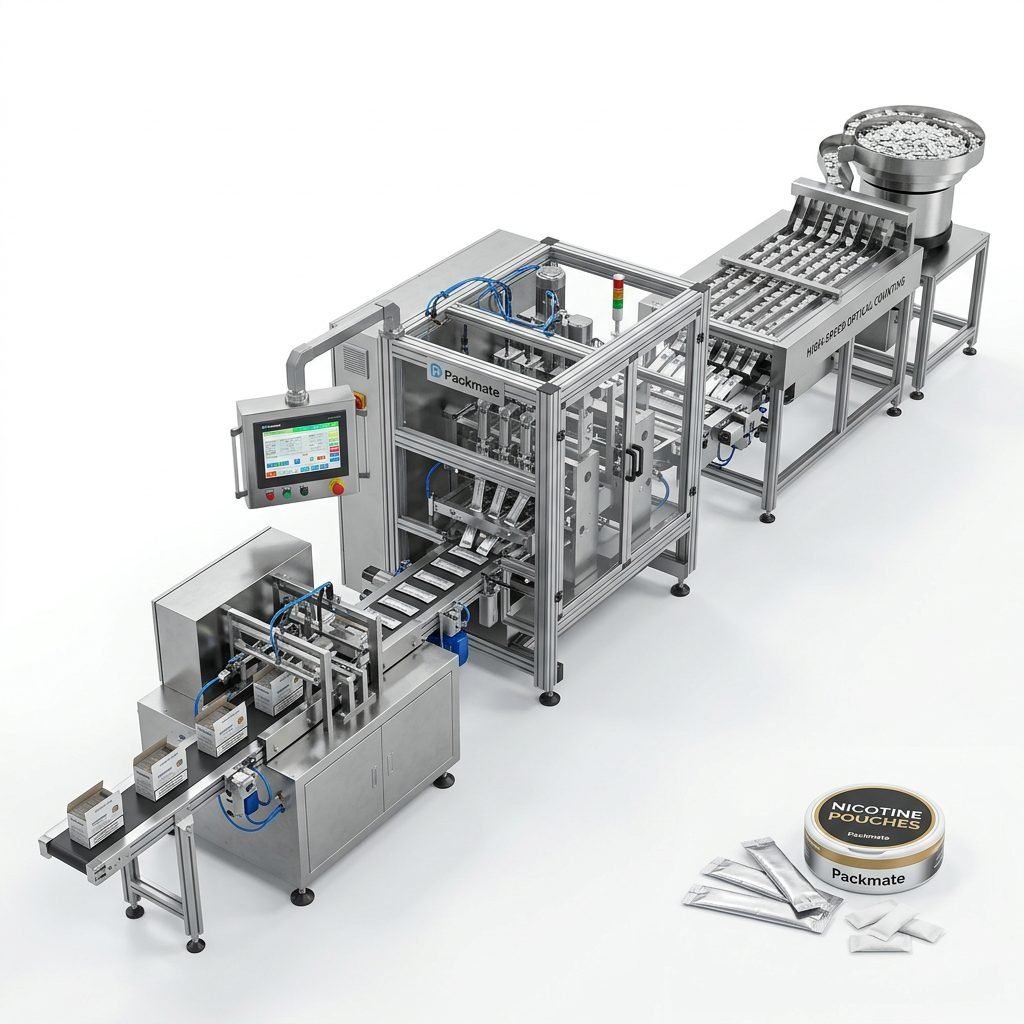
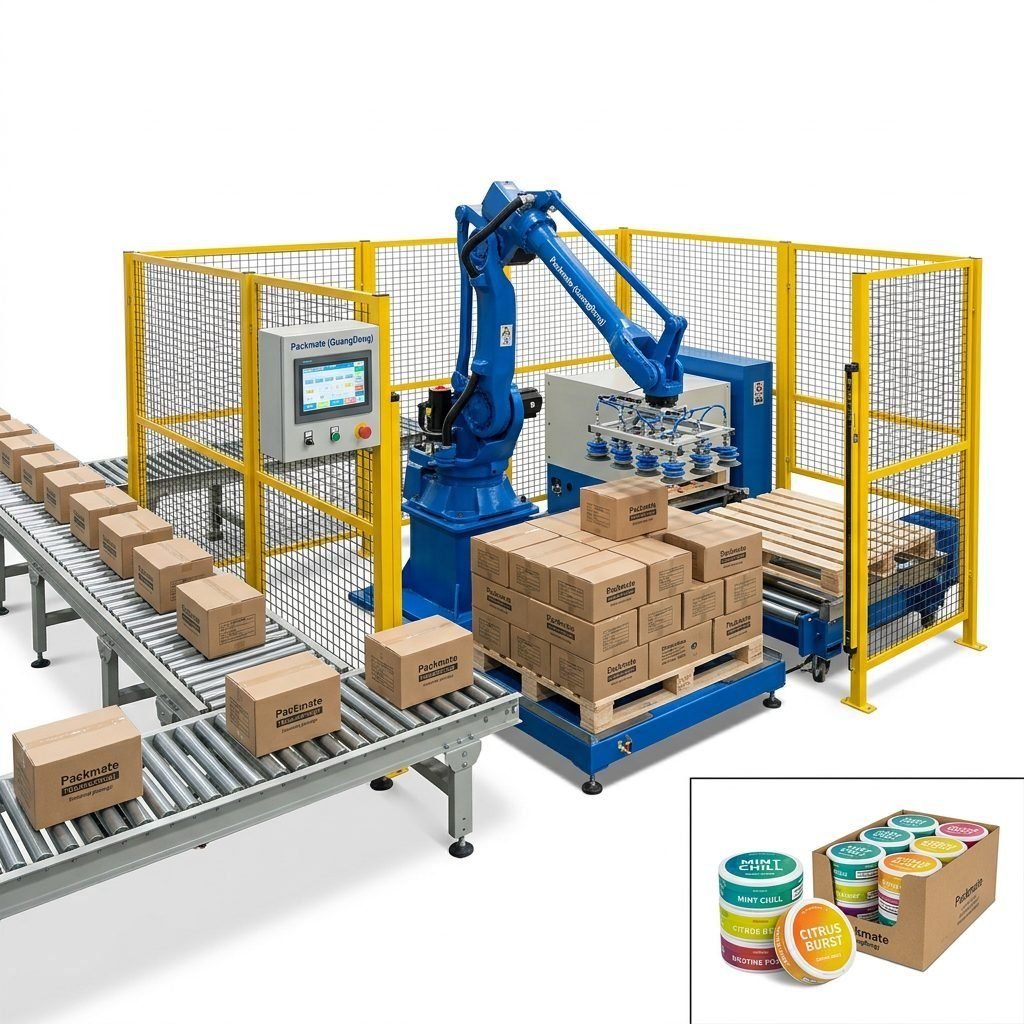
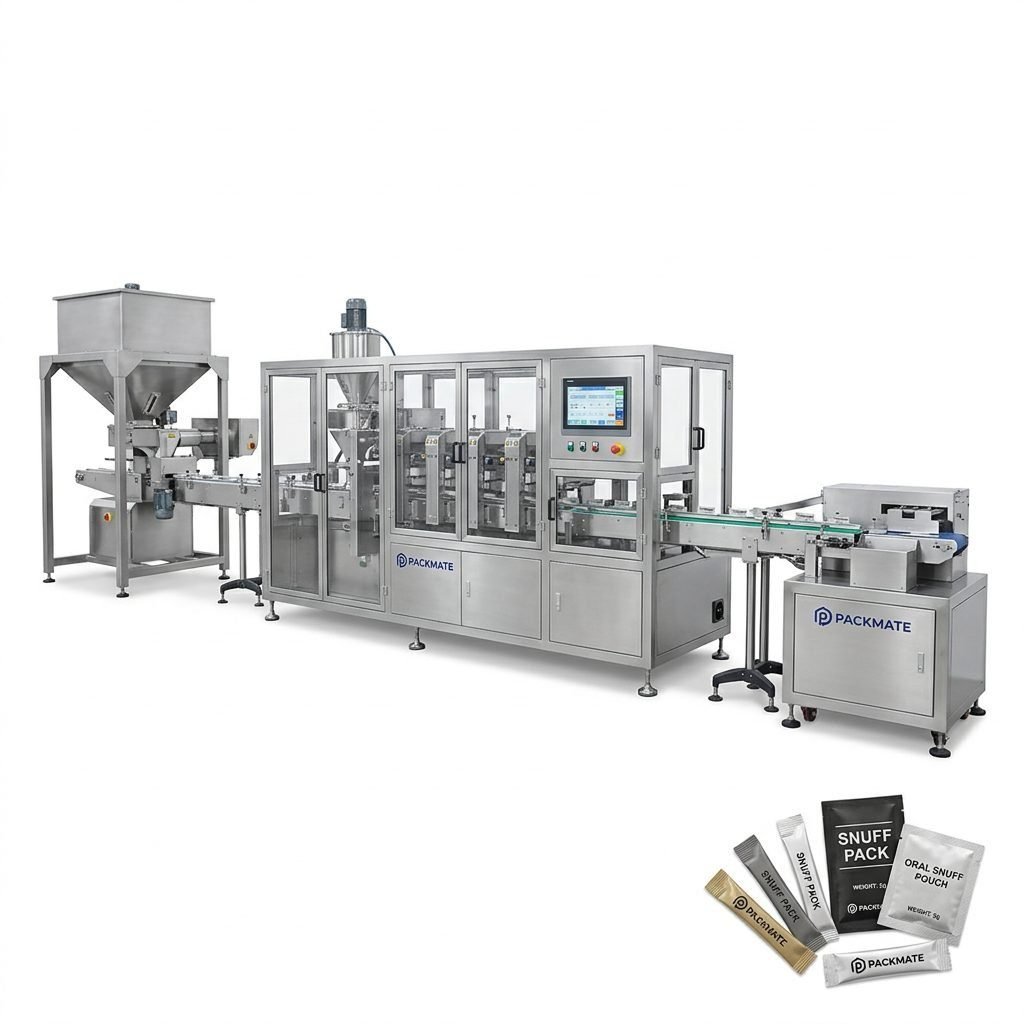
Choosing the right nicotine packaging machinery manufacturer in Bangladesh can determine the efficiency, compliance, and profitability of your snus or nicotine pouch production. This guide walks you through practical criteria, evaluation steps, and negotiation strategies so you can select a partner who delivers reliable machines, long-term service, and measurable return on investment.
Understand Your Production Needs
Before you contact manufacturers, map out your production requirements in detail. Knowing the exact product format, target output, and packaging materials will help you narrow suppliers quickly.
Product type and volume
Are you producing nicotine pouches, snus, stick packs, sachets, or a combination? Daily throughput targets (pieces per minute or per hour) determine whether you need single-lane, multi-lane, or fully automated lines. Matching machine lane count to product dose and size avoids costly overinvestment or bottlenecks later.
Materials, formats and regulatory needs
Specify pouch materials (foil/film laminates), sealing types, and any barrier requirements. If you handle nicotine, confirm regulatory labeling or material handling constraints upfront so the manufacturer can propose compliant solutions.
Technical Capabilities and Manufacturer Experience
Technical depth is paramount. Prefer suppliers with proven experience in snus and nicotine packaging technology and a broad portfolio of machine types. Look for manufacturers who document their engineering track record and factory capabilities.
Years of industry experience
Companies with decades of R&D and incremental improvements typically offer more robust, serviceable machines. For example, manufacturers with 20–30+ years in packaging lines have matured designs and field-tested components.
Machine portfolio and custom solutions
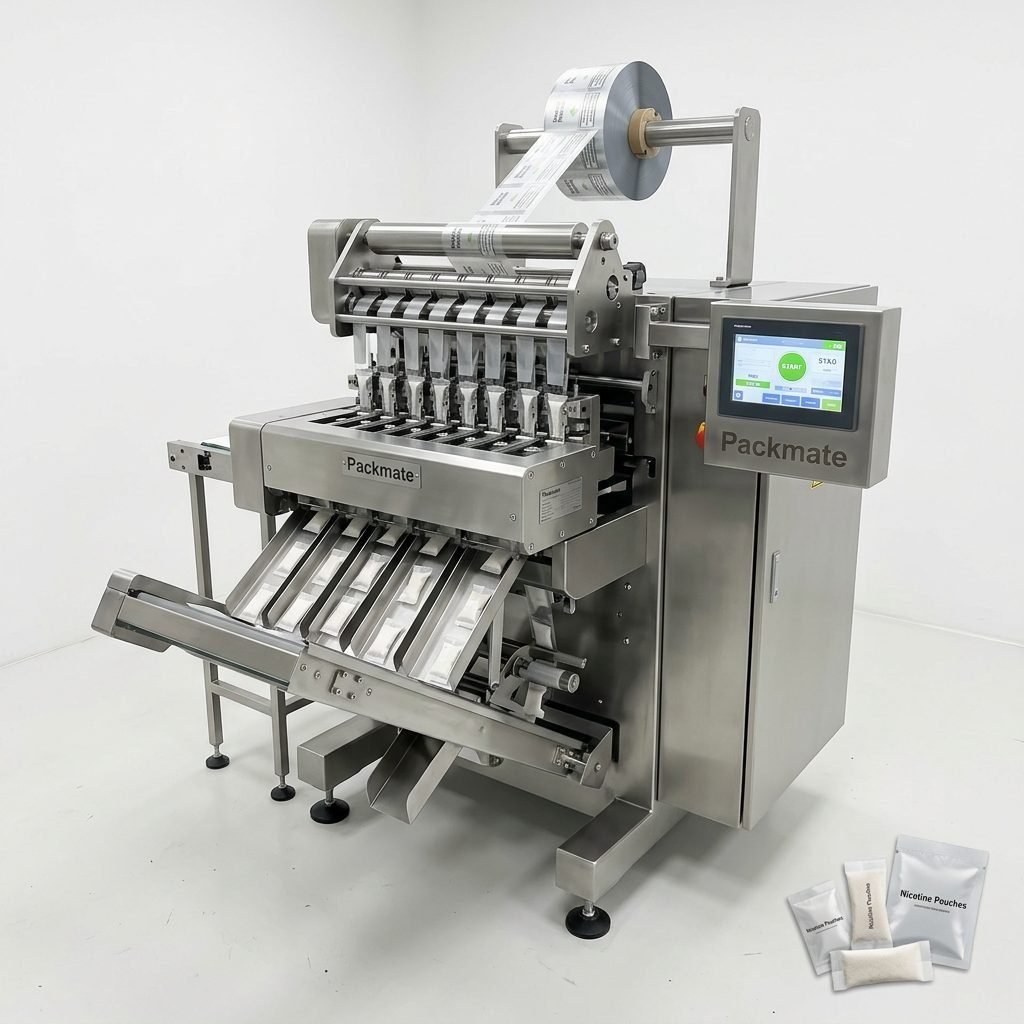
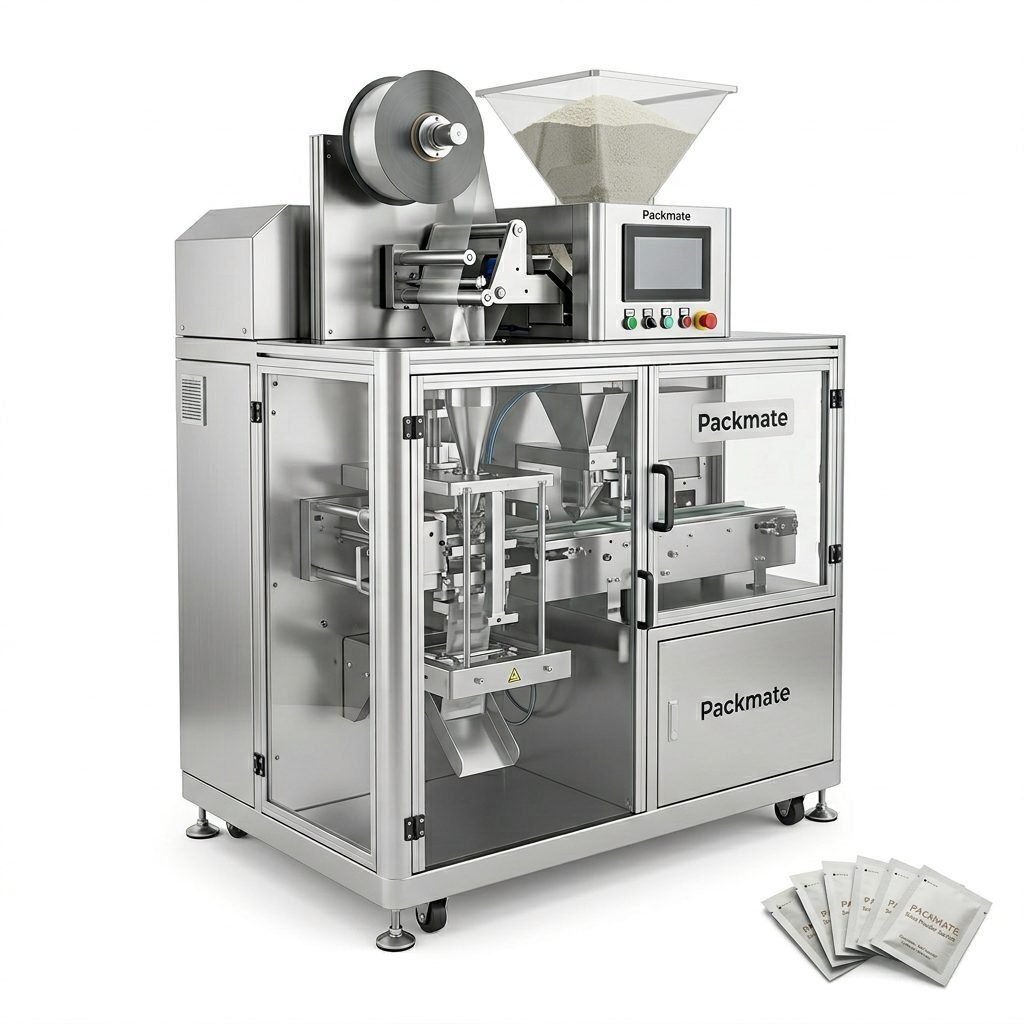
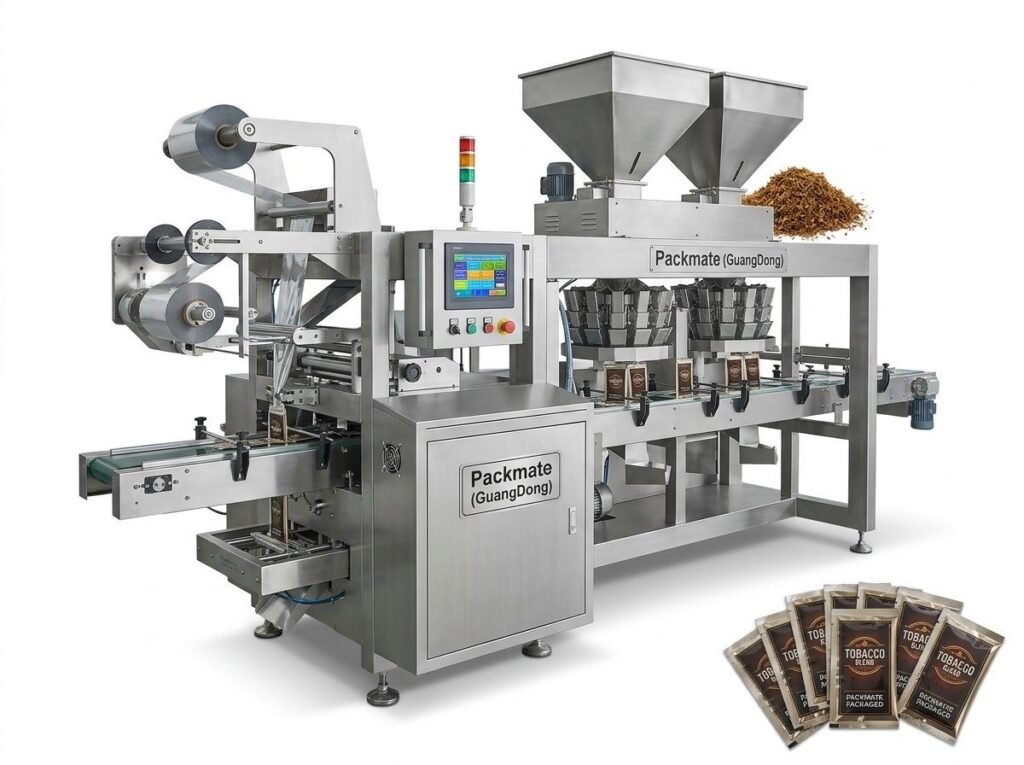
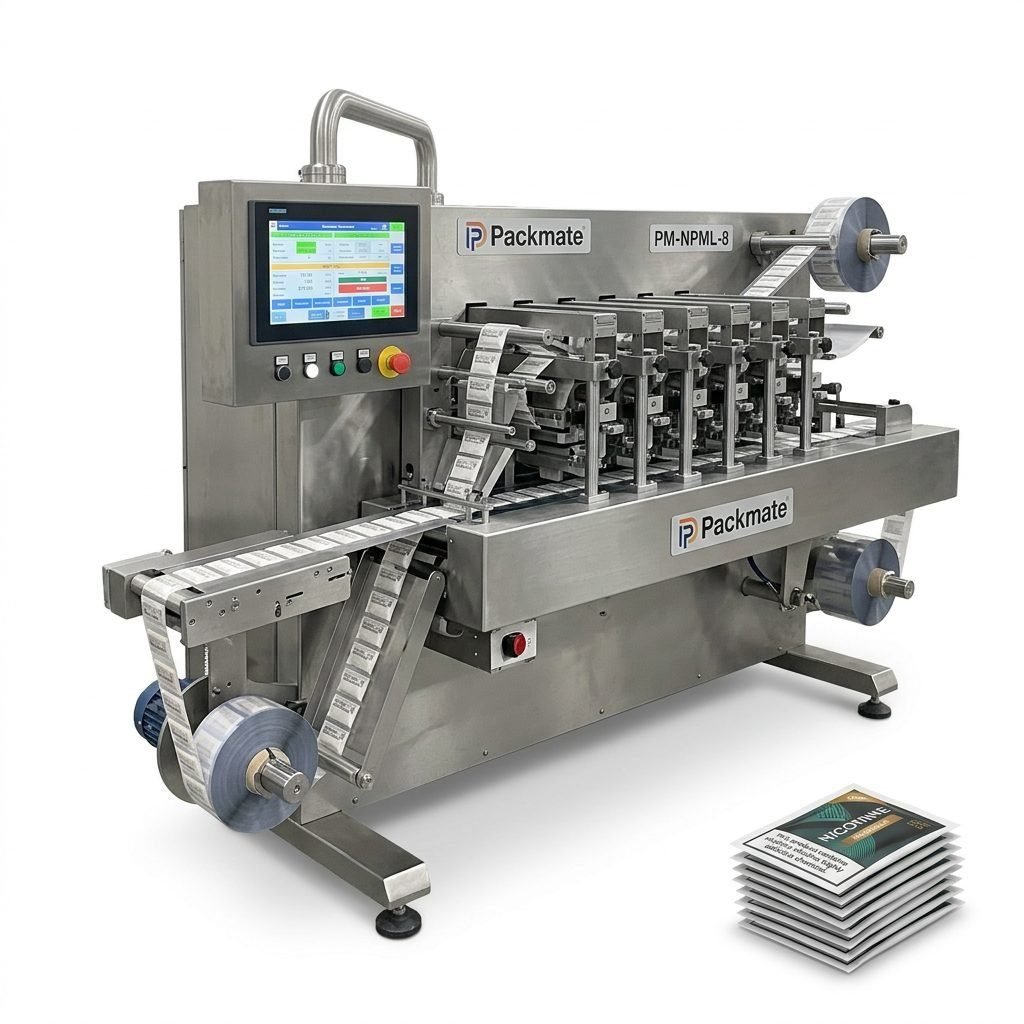
Verify the available models and whether the supplier offers multi-lane systems and modular upgrades. Review product pages such as Snus & Nicotine Packaging Machines and Sachet & Stick Pack Machines to understand typical capabilities and configurations.
⚙️
Key technical indicators:
• Proven multi-lane designs for small-dose pouches
• Accurate filling systems and synchronized packaging motion
• PLC/HMI control with recipe management and diagnostics
• Easy-access parts and modular spares for quick maintenance
Factory Strength, Manufacturing & Quality Control
A manufacturer’s production capacity, machining capability, and testing processes speak volumes about product consistency. Look for facilities with advanced CNC centers, dedicated assembly lines, and formal quality testing.
For example, a factory with a 20,000㎡ footprint, precision CNC machining, and strict QC protocols is more likely to deliver machines that run stably in demanding nicotine packaging environments. For more details about a supplier’s history and manufacturing, see their About Packmate page.
Certifications, Safety & Compliance
Request copies of CE, ISO, and other relevant certificates. Certifications ensure the machines meet international safety and quality standards, which simplifies import, insurance, and compliance reviews. Check the supplier’s documented certificates: Certificate.
After-Sales Service, Spare Parts & Training
Ongoing support is where many buyers gain or lose uptime. Confirm the service network, availability of spare parts, remote diagnostic capabilities, and on-site training programs.
A supplier that provides clear service contracts, spare parts kits, and technician training will shorten the ramp-up period and protect daily production targets. You can review typical service offerings on the supplier’s Service page.
✅
Critical service questions to ask:
• How quickly are spare parts shipped to Bangladesh?
• Is there an authorized service engineer available locally?
• What is covered by the warranty and what response time is guaranteed?
• Are remote diagnostics and software updates included?
Cost, Total Cost of Ownership and ROI
Initial price is only part of the decision. Evaluate electrical consumption, spare part turnover, expected downtime, and operator training needs to estimate your Total Cost of Ownership (TCO). A slightly higher-capability machine can often generate lower TCO through higher uptime and easier maintenance.
Factory Acceptance Testing (FAT) & Site Acceptance
Always require a documented FAT where the machine runs your product or equivalent materials under production conditions. FAT should include performance metrics, sealing integrity tests, and safety checks. After shipment, a Site Acceptance Test verifies installation and line integration.
Delivery, Installation, Commissioning and Training
Clarify delivery terms (EXW, FOB, CIF), lead times, and responsibilities for customs clearance. Ensure installation and commissioning are part of the contract with a defined acceptance checklist and operator training plan.
How to Evaluate Supplier Proposals
When comparing quotes, create a weighted criteria matrix to score each supplier on technical fit, lead time, TCO, serviceability, and warranties. Don’t let the lowest sticker price dominate the decision—value and reliability matter.
- Technical compliance to specs and FAT protocol
- Lead time and manufacturing capacity to meet your schedule
- Warranty terms, spare parts policy, and service SLA
- References and field performance—ask for case studies
Reviewing Case Studies & References
Request documented cases similar to your application. Live demonstrations at exhibitions or recorded runs help validate claims—see their published case histories for global projects: Case and check exhibition appearances at Our Exhibition.
📌
Pre-purchase checklist (print or save):
1. Product format, speed and material specs documented
2. FAT plan and acceptance criteria signed
3. Spare parts list and lead times confirmed
4. Warranty, training and service response times in contract
5. Local support/partner contacts and escalation matrix
Negotiation Tips and Procurement Strategy
Structure the contract to include milestones, payment linked to FAT success, penalties for missed lead times, and a clear warranty start date. Ask for spare parts kits, training hours, and a support trial period to be included or discounted.
Where to Find Trusted Manufacturers
Check supplier websites for product categories such as Bag & Pouch Packaging Machines, Weighing & Packaging Systems, and Filling & Packaging Lines to assess the breadth of solutions. A broad product offering usually signals maturity and the ability to integrate multiple technologies into a turnkey line.
Requesting Proposals: What to Include
Your request for quotation (RFQ) should include: product specifications, target output, incoming materials, required utilities (power/air), site details, and acceptance criteria. Ask suppliers to provide detailed BOM, spare parts list, power consumption, and a proposed FAT checklist.
🔎
Sample RFQ fields:
• Detailed product drawings and pouch sizes
• Target pieces/min and daily throughput
• Material roll specs and core size
• Desired automation level and integration needs
• Acceptance & FAT procedures
Final Recommendations
1) Prioritize manufacturers with documented snus/nicotine expertise and clear FAT processes.
2) Confirm service and spare part logistics to Bangladesh before committing.
3) Evaluate proposals on TCO and uptime, not just initial price.
4) Visit the factory or request live demos; use published case studies to validate performance.
If you need detailed product catalogs or direct contact, check the supplier’s Catalog and Contact Us pages to request quotes, FAT schedules, and spare parts lists.
Frequently Asked Questions
Q1: How long does it take to deliver a fully configured snus packaging line?
A1: Typical lead times vary by customization level; basic machines can be 8–12 weeks, while fully customized multi-lane turnkey lines may take 16–28 weeks including FAT and documentation.
Q2: What warranty and post-sale support should I expect?
A2: Look for at least 12 months warranty on major components, clear spare parts lead times, remote diagnostics, and paid on-site support packages. Confirm response SLAs for critical downtime incidents.
Q3: Can machines be adapted for different pouch sizes later?
A3: Many modern machines are modular and support range adjustments, but verify the conversion time, additional tooling costs, and any software recipe updates needed.
Q4: Are there local partners for installation and maintenance in Bangladesh?
A4: Some manufacturers maintain local agents or certified partners. If local presence is limited, ensure rapid remote support and a stocked spare parts plan.
Q5: How do I validate machine performance before purchase?
A5: Insist on a FAT with your actual materials or certified equivalents, receive video documentation, and require signed performance metrics before final payment. Request references for similar installations and review documented case studies.