Choosing the right nicotine packaging machine supplier in Guyana is a strategic decision that affects product quality, regulatory compliance, and long-term profitability. This guide walks you through practical, on-the-ground considerations—technical, commercial, and cultural—so you can confidently select a supplier that fits your business goals and the unique Guyanese market.
Understand the Guyana Market and Local Habits
Guyana is an English-speaking country with a diverse cultural mix, including Indo-Guyanese and Afro-Guyanese communities. Consumers often prefer clear English labeling and familiar flavor profiles. When selecting a supplier, prioritize machines that support:
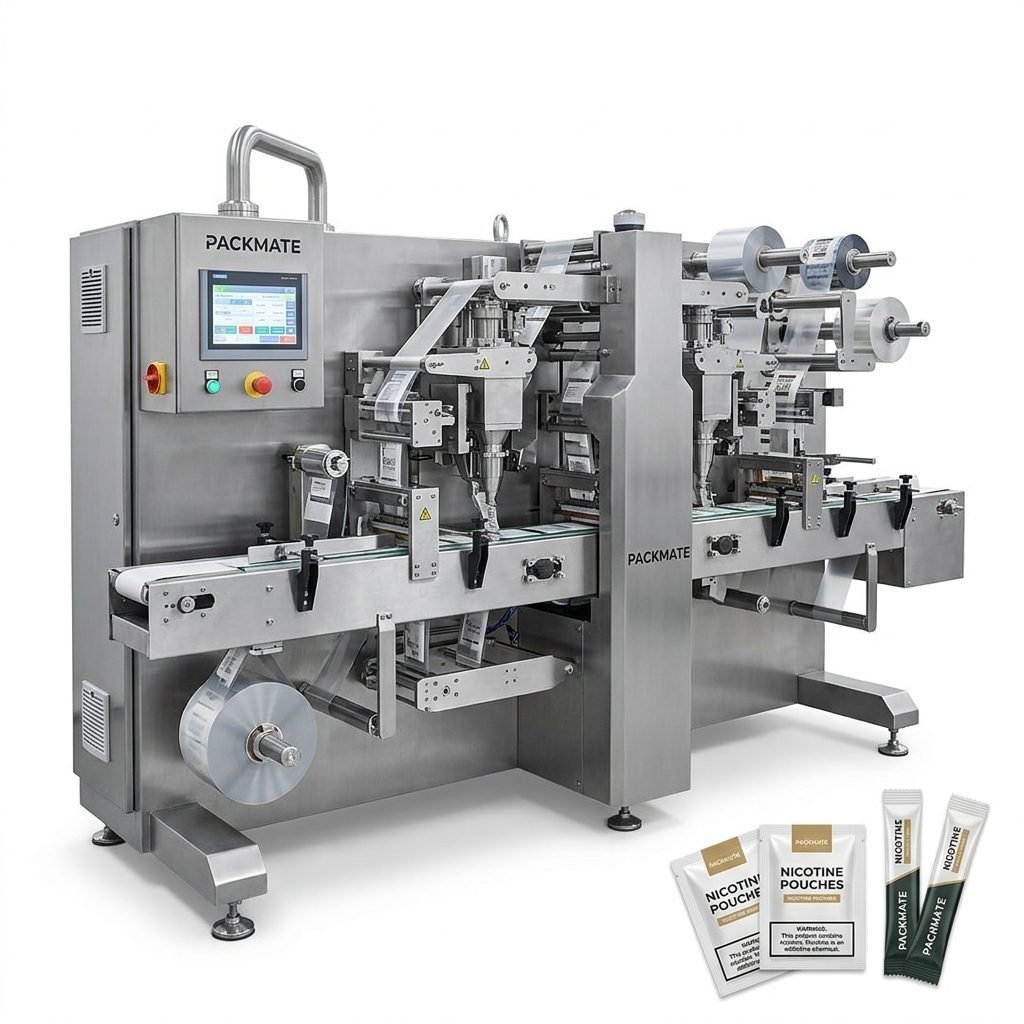
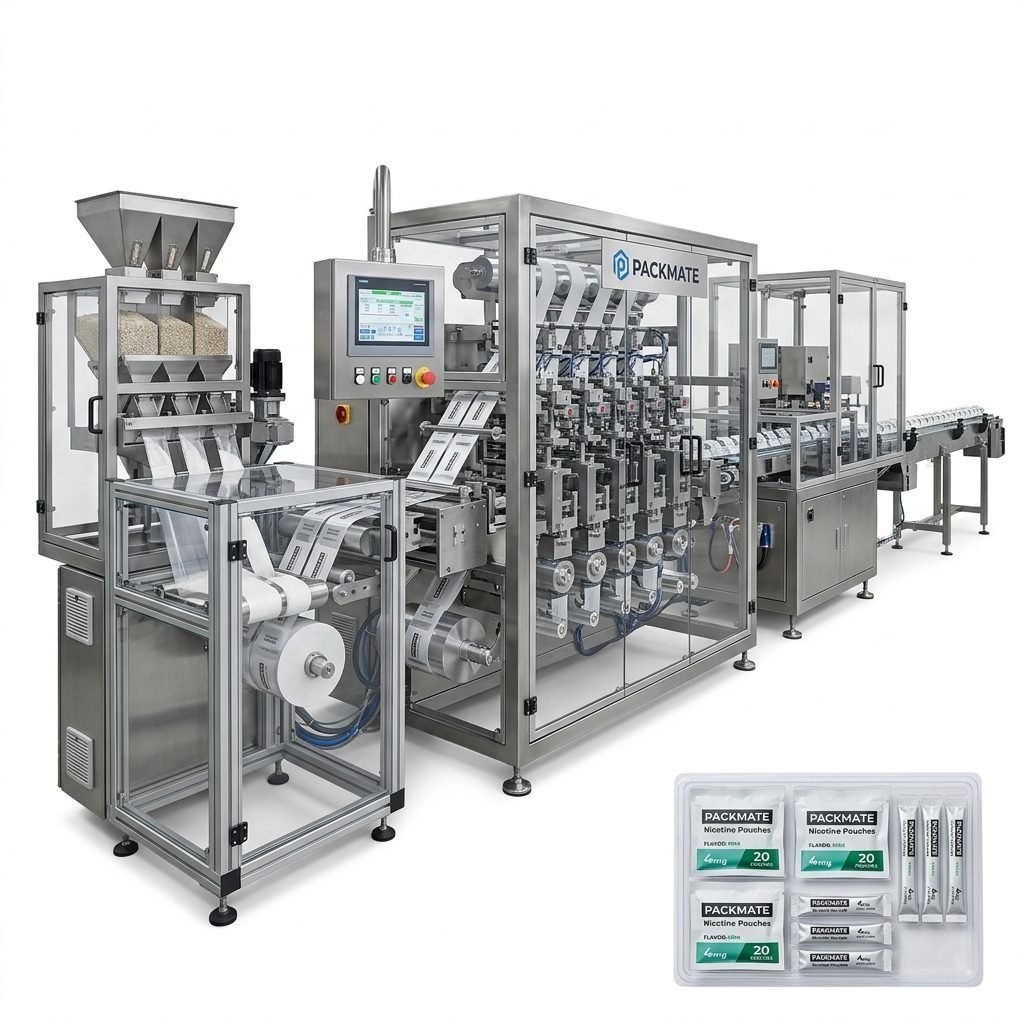
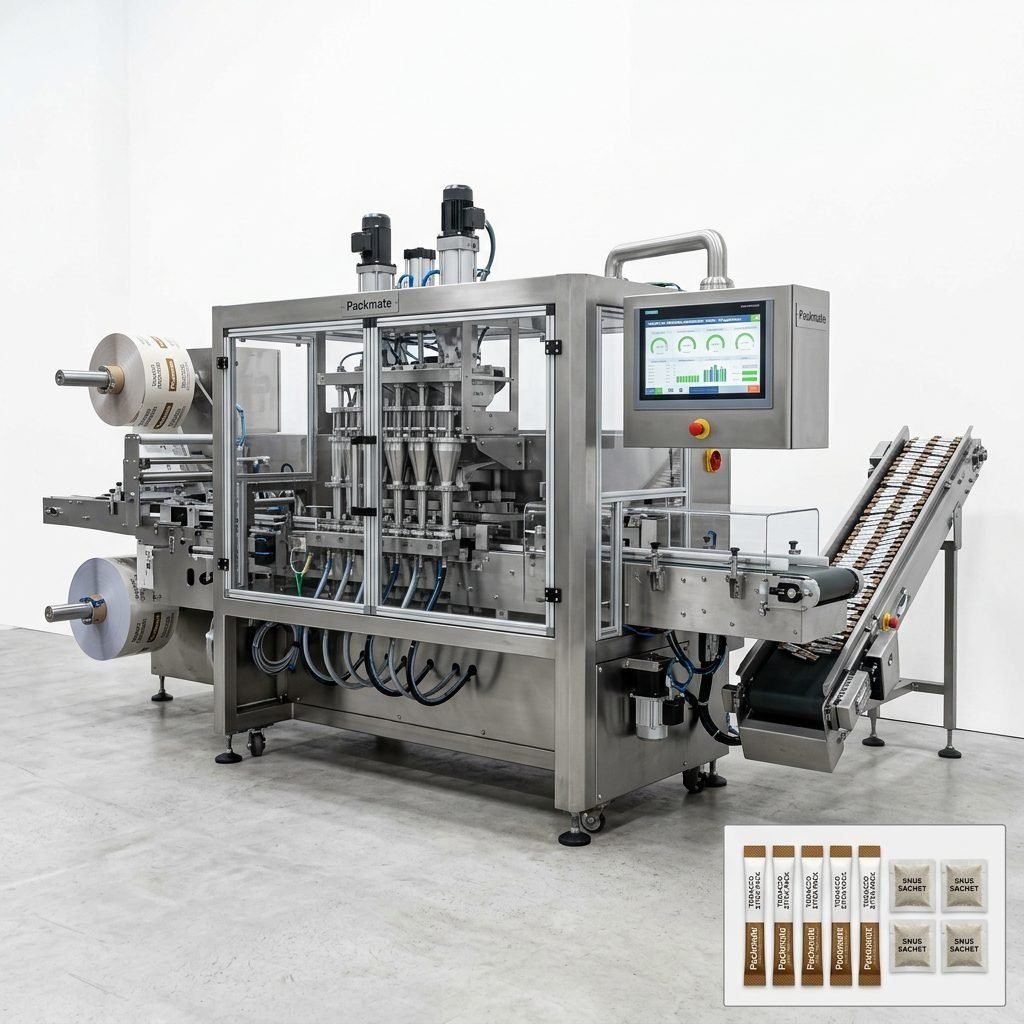
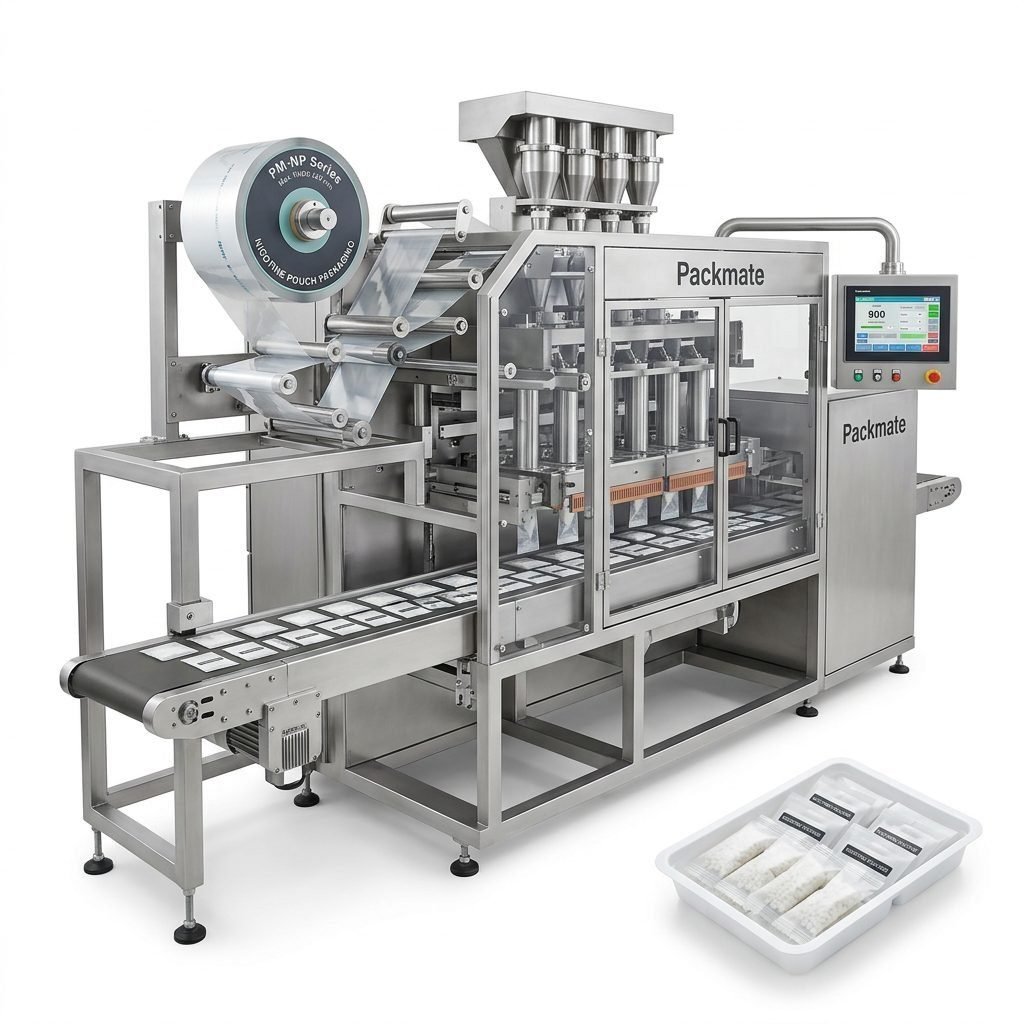
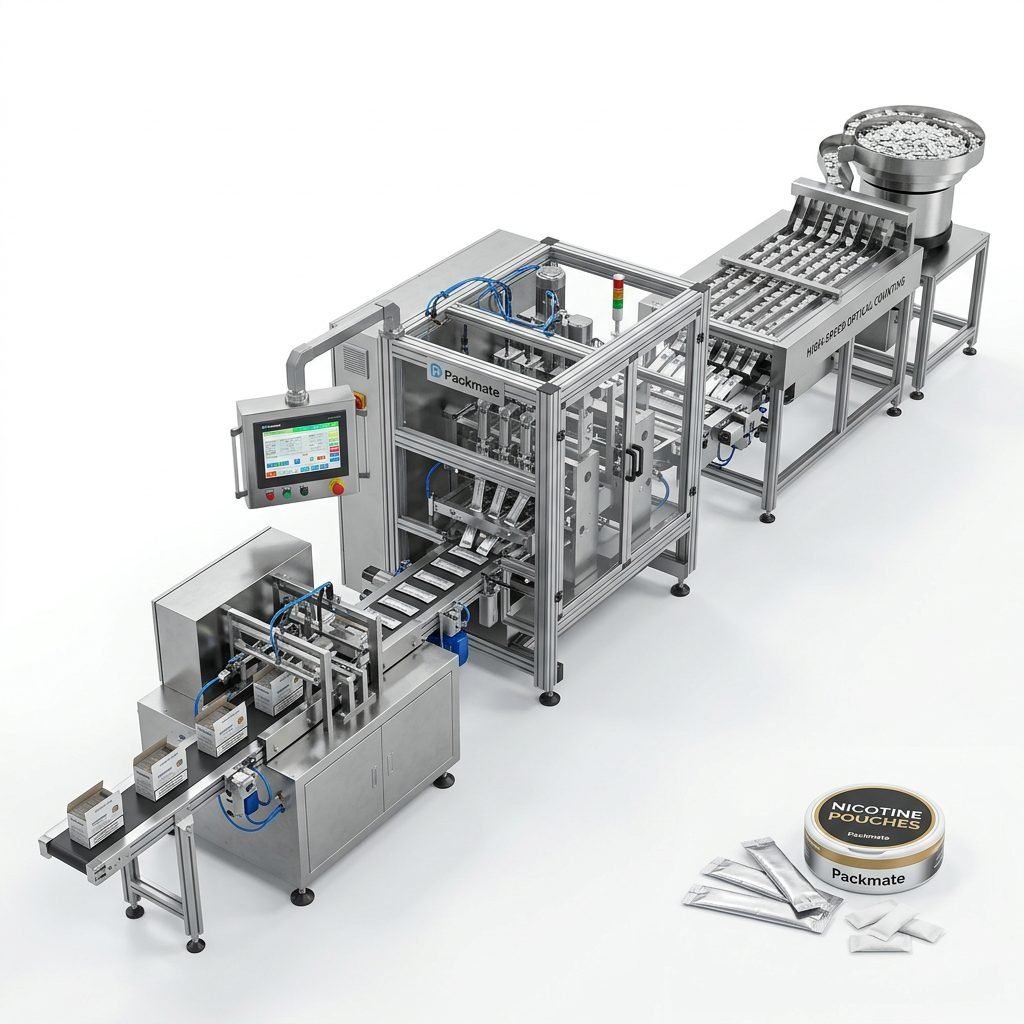
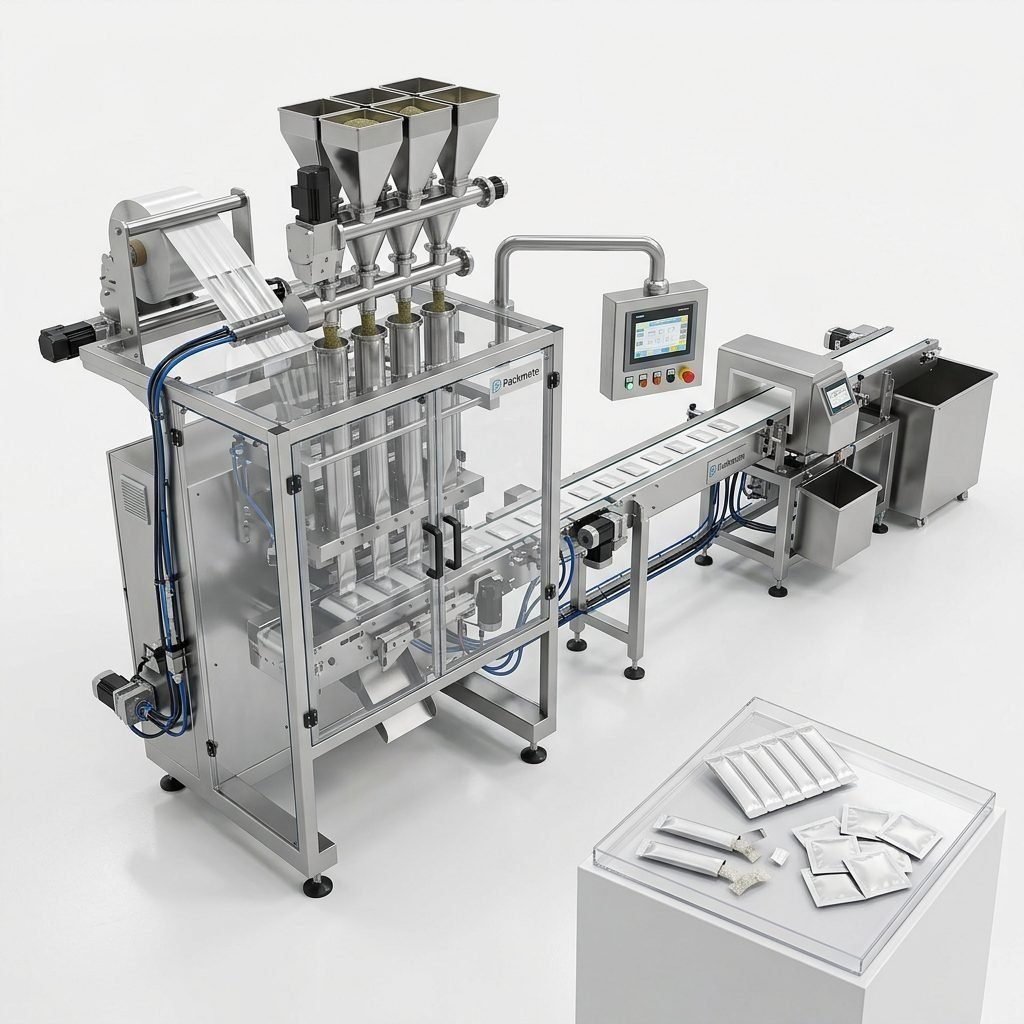
Flexible pouch formats (loose pouches, sachets, stick packs) and multi-lane capabilities for small-dose nicotine pouches — these are essential for serving varied preferences and seasonal promotions in Guyanese retail.
Why cultural fit matters
Local retailers and consumers value packaging that is easy to open, clearly labeled in English, and complies with local regulations. A supplier who understands these preferences will help you avoid costly rework and ensure better shelf acceptance.
Technical Capabilities: What to Inspect
When evaluating manufacturers, inspect the following technical features closely:
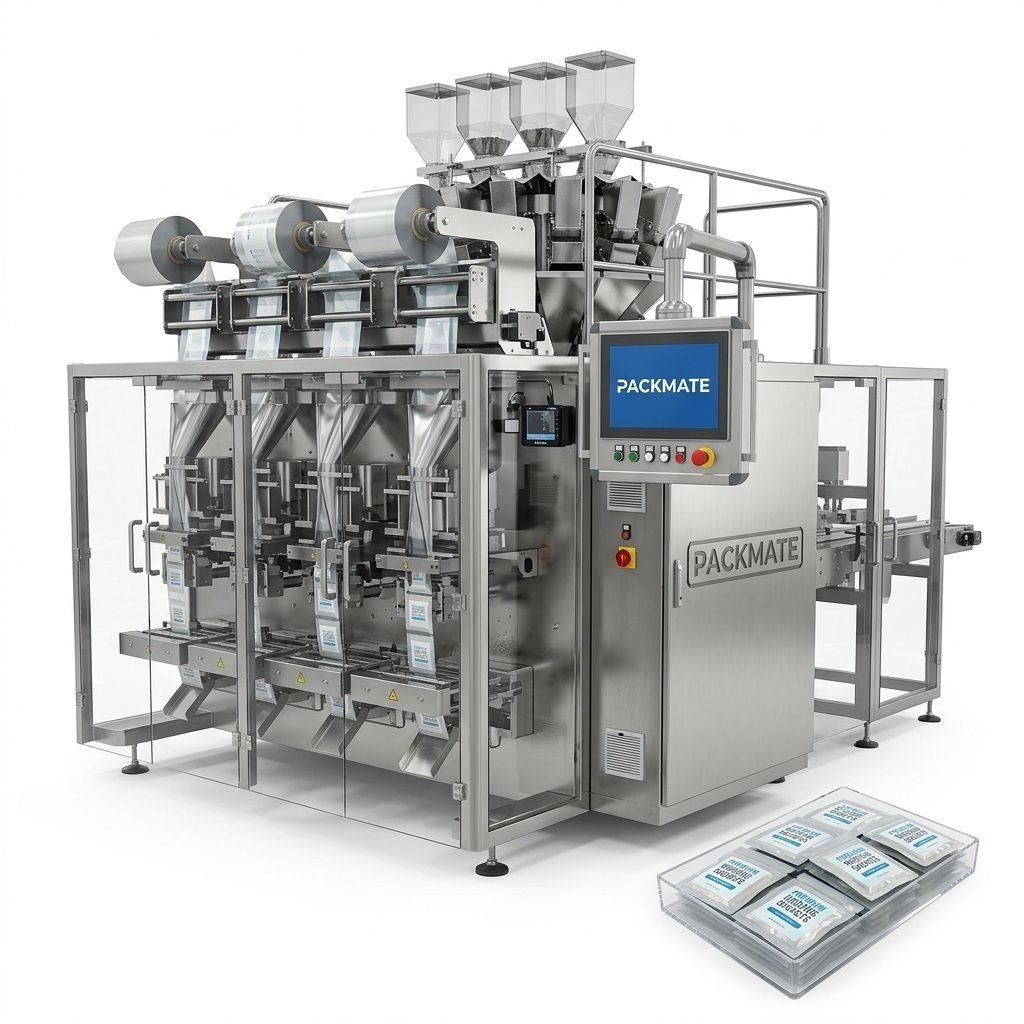
✓ Multi-lane options — for higher throughput with small-dose pouches; reduces floor space and labor costs.
✓ Accurate weighing & filling — essential to meet strict nicotine dosage claims and to minimize waste.
✓ Modular design — allows easy retrofitting, new pouch sizes, or integration with auxiliary equipment.
Automation level and production goals
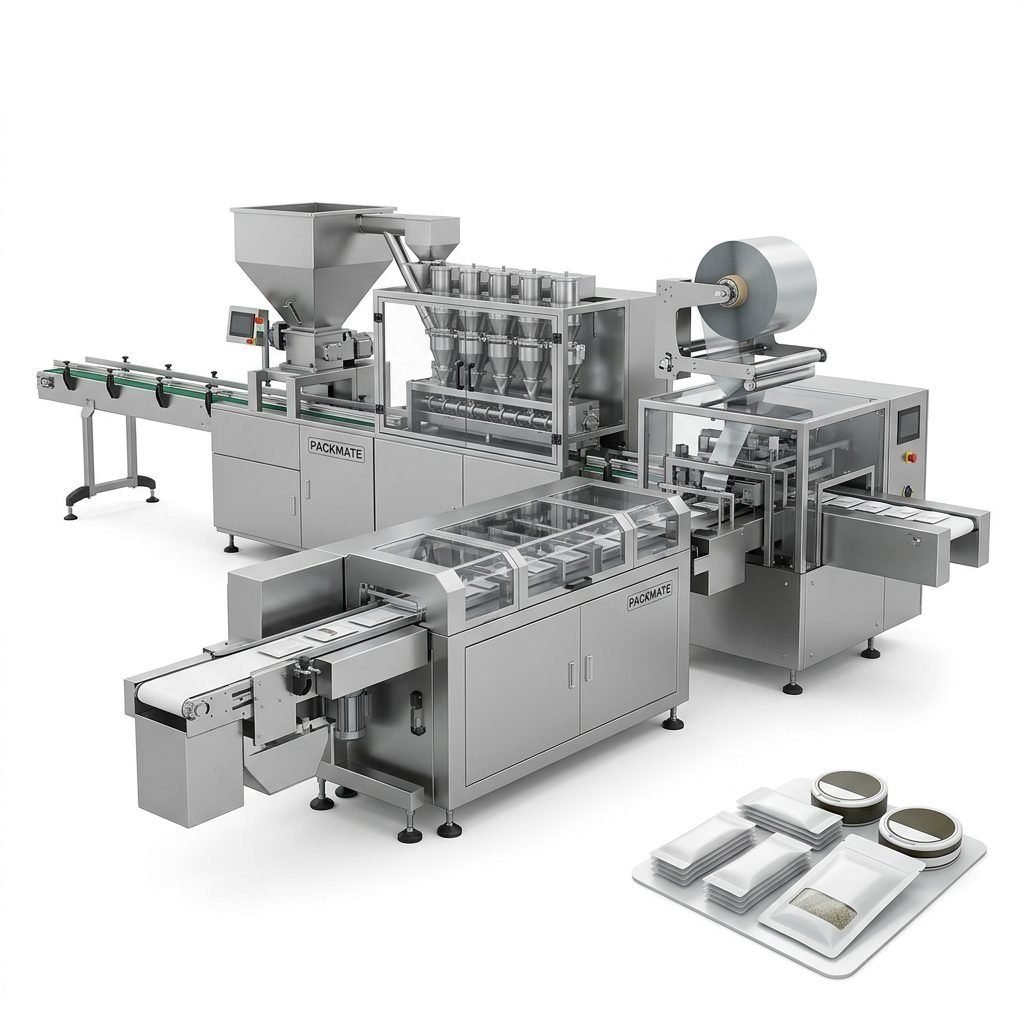
Decide whether you need a fully turnkey line (filling, dosing, sealing, labeling, case packing) or a modular machine to pair with existing equipment. Suppliers who provide end-to-end solutions save time and reduce integration risk.
Quality, Certifications, and Reliability
Regulatory compliance and machine reliability are non-negotiable. Look for suppliers with internationally recognized certifications and rigorous testing records.
CE and ISO certifications show alignment with global safety and quality systems. Request documented test runs and endurance tests to validate uptime expectations.
For reference and machine models, explore manufacturers’ product pages such as
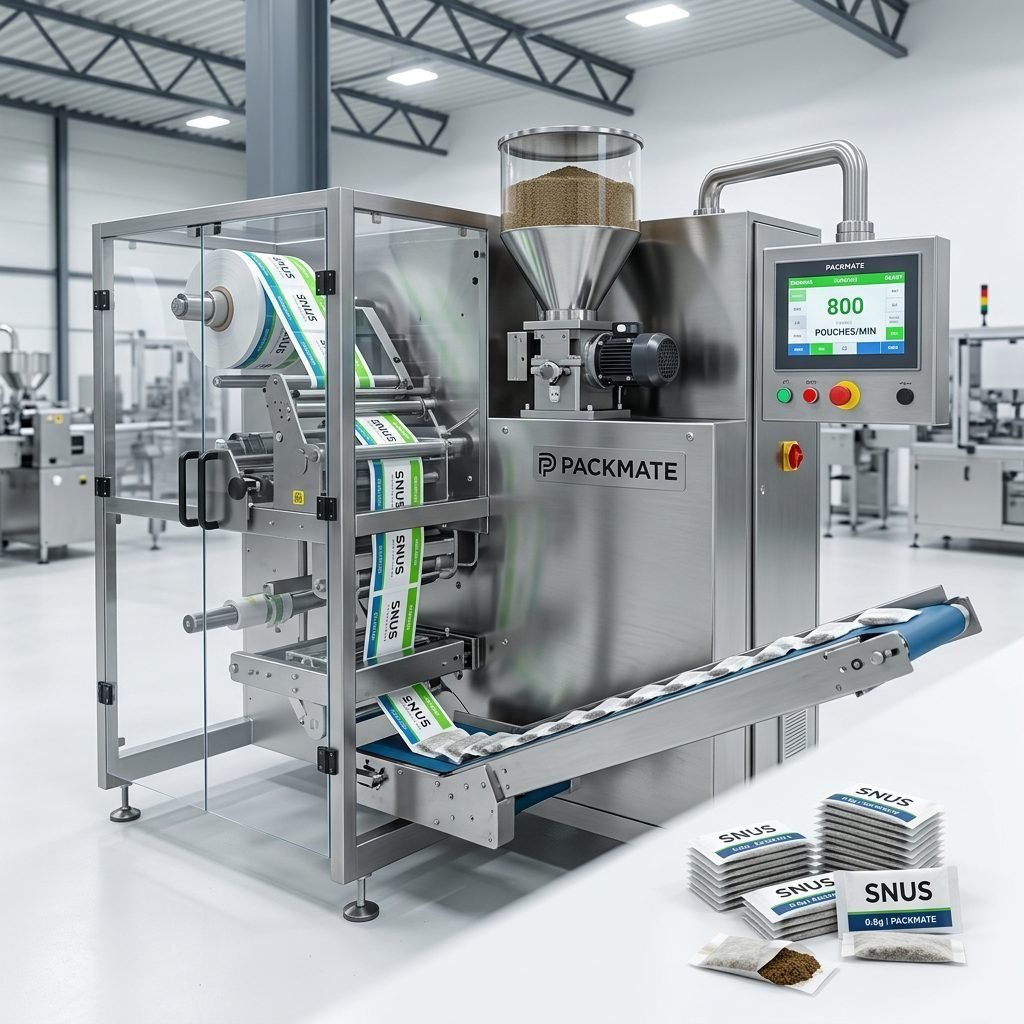
Snus & Nicotine Packaging Machines
and complete solutions like
Filling & Packaging Lines.
After-Sales Service, Spare Parts and Local Support
A strong service network is crucial for continuous production. Evaluate:
- Local or regional technicians — faster response times for breakdowns.
- Spare parts availability — ask for parts lists, delivery times, and minimum stock recommendations.
- Remote support and training — remote PLC/HMI troubleshooting reduces downtime.
Service agreements to negotiate
Negotiate a clear service level agreement (SLA) that covers response times, warranty terms, and pricing for preventive maintenance. Some suppliers offer training packages for local operators—this is especially valuable in Guyana, where on-site skilled service may be limited.
Customization, Flexibility and Scalability
Your supplier should support product evolution: new flavors, different pouch sizes, labeling changes, and compliance updates. Key things to test:
ℹ️ Quick changeovers — less downtime when switching SKUs.
ℹ️ Software updates — an open control platform allows customization without costly hardware changes.
Logistics, Import Rules and Local Compliance in Guyana
Importing heavy machinery into Guyana requires planning. Key local considerations:
- Customs documentation: Ensure the supplier provides complete commercial invoices, packing lists, and certificates of origin.
- Tax & duty planning: Consult with a local customs broker to estimate import duties and VAT applicable to packaging machinery and spare parts.
- Electrical standards: Verify machine voltage compatibility or include transformer/drive adjustments in the purchase contract.
Local testing and pilot runs
Arrange for a pilot production run either at the supplier’s factory or upon arrival in Guyana. This practice avoids surprises and helps train operators before full-scale launch.
Price, Payment Terms and Total Cost of Ownership
Initial price quotations can be misleading. Look at the total cost of ownership (TCO):
- Machine price and options
- Freight, insurance, and import duties
- Installation and start-up fees
- Spare parts inventory and consumables
- Expected energy and maintenance costs over 3–5 years
Negotiate balanced payment terms: deposit, progress payment, and final payment on factory acceptance test (FAT) or successful local commissioning.
Factory Acceptance Test (FAT) and Site Acceptance Test (SAT)
A credible supplier will offer FAT at their factory and a SAT at your site in Guyana. Use these tests to verify:
✓ Production speed vs. spec
✓ Dosing accuracy and yield
✓ Operator ergonomics and safety features
Check References, Case Studies and Exhibition Presence
Ask for recent references in similar markets and specific case studies. Suppliers who exhibit at international shows demonstrate openness and proven market reach. You can review examples and company background via their public pages such as
Case
and learn more About Packmate.
Red flags to watch
Slow responses to technical questions, vague warranty terms, or reluctance to allow FAT are warning signs. Prefer suppliers who are transparent and offer documented proofs of performance.
Negotiating the Contract and Aftercare
Include clear deliverables: FAT protocols, warranty scope and duration, spare parts lead times, training sessions, and payment milestones. Ask for a detailed parts list and recommended spare stock.
Consider post-sale service packages and remote monitoring options to reduce long-term risk and ensure consistent production in Guyana.
A Practical Evaluation Checklist
Use this checklist during supplier evaluation and factory visits:
- Does the supplier provide FAT and documented test results?
- Are CE / ISO certificates and electrical compatibility provided?
- Can the machine be customized for local labeling and pouch formats?
- What are the SLA, warranty, and spare parts delivery times?
- Are local references or installation examples available?
Recommended supplier example
Manufacturers with long industry experience and a broad product range—covering snus/nicotine packaging, sachets, stick packs, and full filling lines—are often the safest choice. For a detailed look at product families and turnkey solutions, review suppliers that list their product lines such as
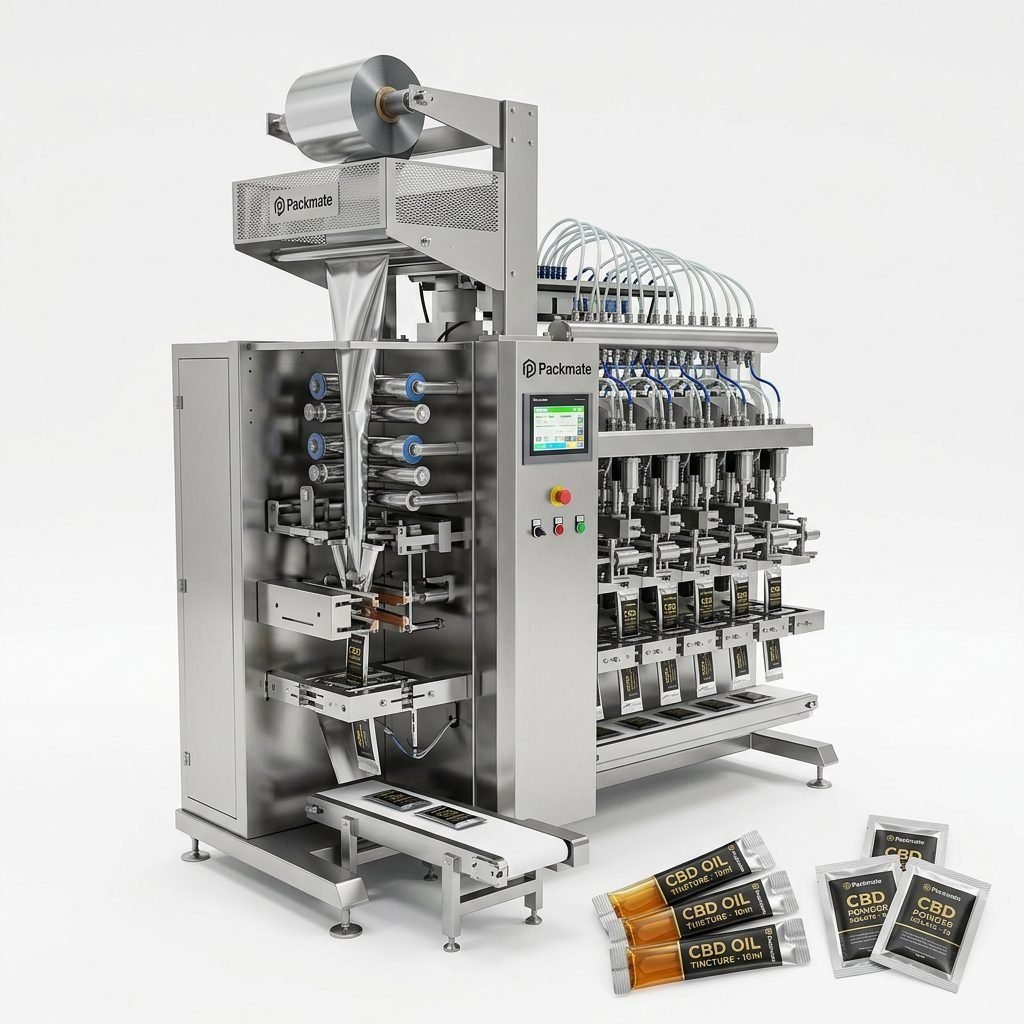
Sachet & Stick Pack Machines
and related auxiliary equipment pages.
Implementation Tips for Guyanese Operators
– Train local technicians during installation and have supplier-led sessions for multiple shifts.
– Keep an initial stock of high-wear parts like sealing jaws, belts, and sensors.
– Schedule preventive maintenance with the supplier within the first 3–6 months to stabilize performance.
Final Steps to Choosing the Best Supplier
Summarize your decision around three pillars: technical fit, service & support, and commercial clarity. Invite shortlisted suppliers for a technical review, request FAT, and verify references. If possible, visit a live installation or exhibition—suppliers who participate actively at trade shows signal transparency and commitment. You can view exhibition activities and certifications on the supplier’s public pages such as
Our Exhibition and
Certificate.
Decision matrix (quick)
Priority: Compliance > Reliability > Local support > TCO > Customization.
Need more information or next steps?
When you’re ready to request proposals, prepare a clear specification sheet with desired speed, pouch formats, and regulatory labeling requirements. For direct supplier contact and detailed product catalogs, consider visiting the manufacturer’s service and contact pages like
Service and
Contact Us.
Summary: Selecting the best nicotine packaging machine supplier for Guyana requires a balance of technical capability, compliance documentation, strong after-sales support, and an understanding of local consumer preferences. Prioritize suppliers who offer FAT/SAT, clear warranties, spare-part plans, and training for local operators.
Common Questions
Q1: How long is the typical lead time for snus/nicotine packaging machines?
A1: Lead times vary by model and customization, but typical delivery ranges from 10 to 20 weeks. Allow extra time for FAT, shipping, customs clearance in Guyana, and on-site commissioning.
Q2: What certifications should I insist on for import into Guyana?
A2: Ask for CE and ISO certificates, electrical conformity statements, and machine test reports. Also ensure the supplier provides full shipping documentation and a certificate of origin for customs clearance.
Q3: Is local spare parts support available for international suppliers?
A3: Many reputable suppliers maintain regional warehouses or agreed logistics channels. If local stock is limited in Guyana, negotiate guaranteed lead times for critical spares and consider a starter kit of consumables.
Q4: Can machines be adapted for different pouch sizes and labeling requirements?
A4: Yes—choose suppliers with modular designs and software-configurable settings. Verify changeover times and request demonstrations during FAT.
Q5: How do I validate a supplier’s performance before purchase?
A5: Request FAT data, client references in similar markets, on-site demonstrations, and documented warranty/service terms. Visiting trade shows or reviewing case studies helps confirm real-world performance.