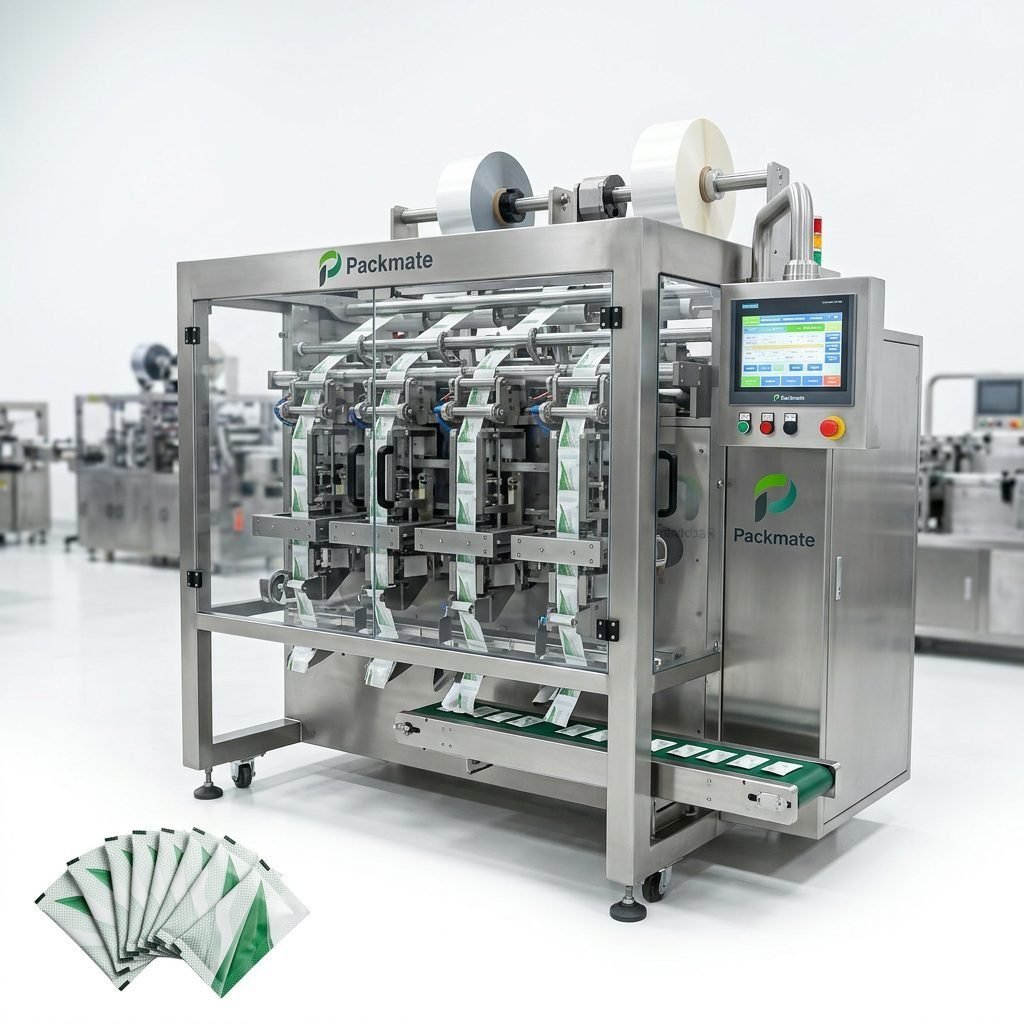
Choosing the right nicotine packaging machine supplier in the Republic of Congo requires a clear understanding of both technical requirements and local business realities. This guide walks you step-by-step through the most important considerations — from machine performance and compliance to after-sales service, logistics, and adapting to Congo’s tropical climate and commercial culture.
🔍 Understand Your Product and Production Needs
Before contacting suppliers, define your product specifications: pouch size, material, fill type (powder, granule, moisture content), required output speed (pouches/min), and multi-lane requirements. In Congo, small-batch niche production is common for emerging nicotine markets, so prioritize flexibility: machines with modular designs and multi-format capability reduce future upgrade costs.
📌 Key technical checklist
✅ Compatibility with packaging materials — can the machine handle biodegradable films, foil laminate, or paper-based pouches?
✅ Filling accuracy — essential for nicotine pouches to meet dosage tolerances.
✅ Scalability — multi-lane or multi-head options for future growth.
✅ Sanitary and cleanability — important if your product requires hygienic handling.
📦 Supplier Credibility and Local Compliance
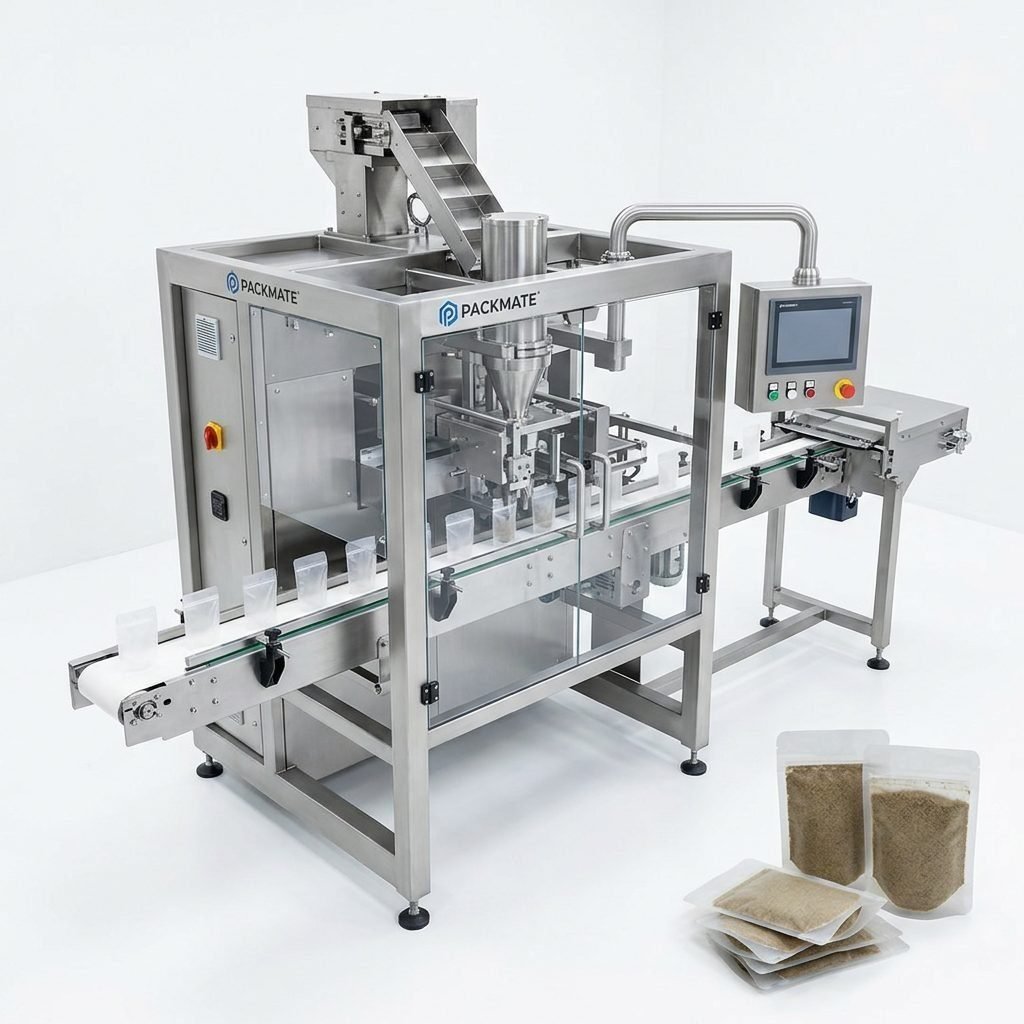
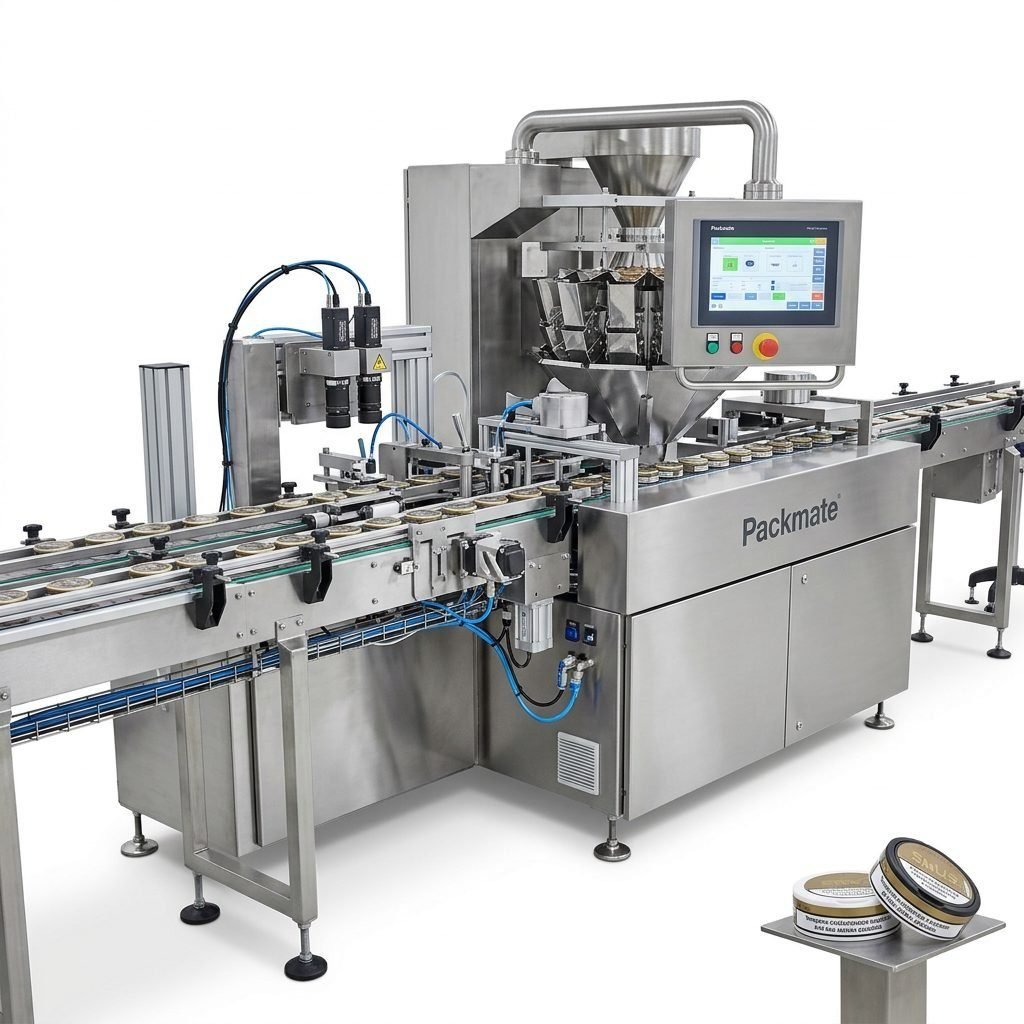
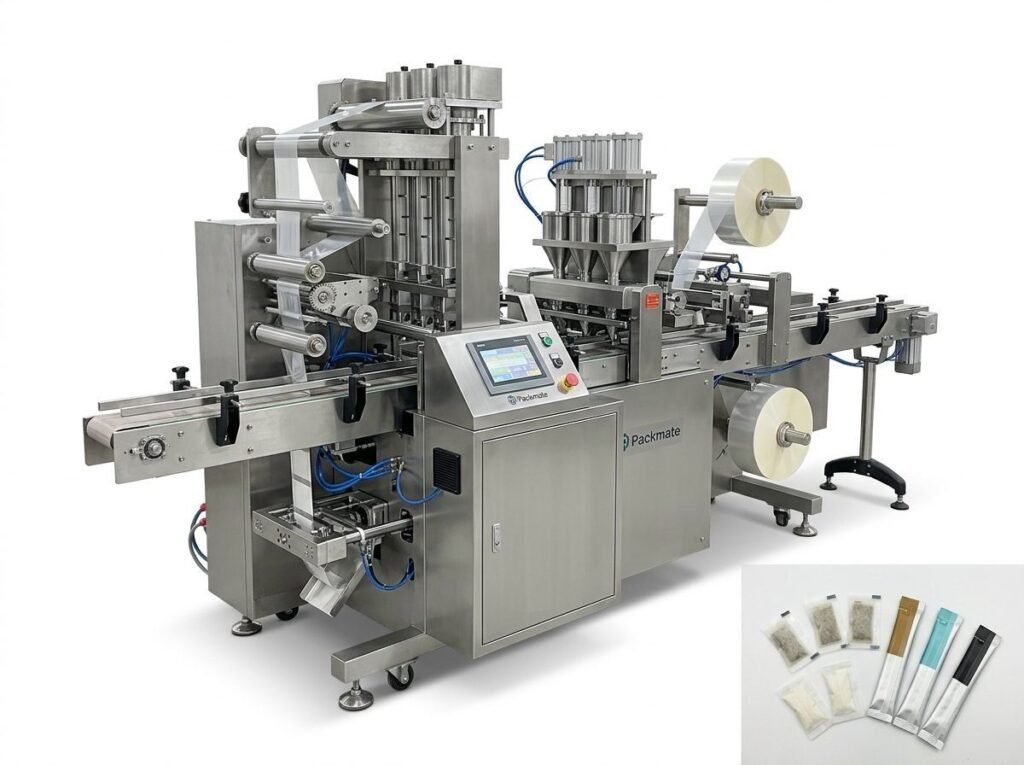
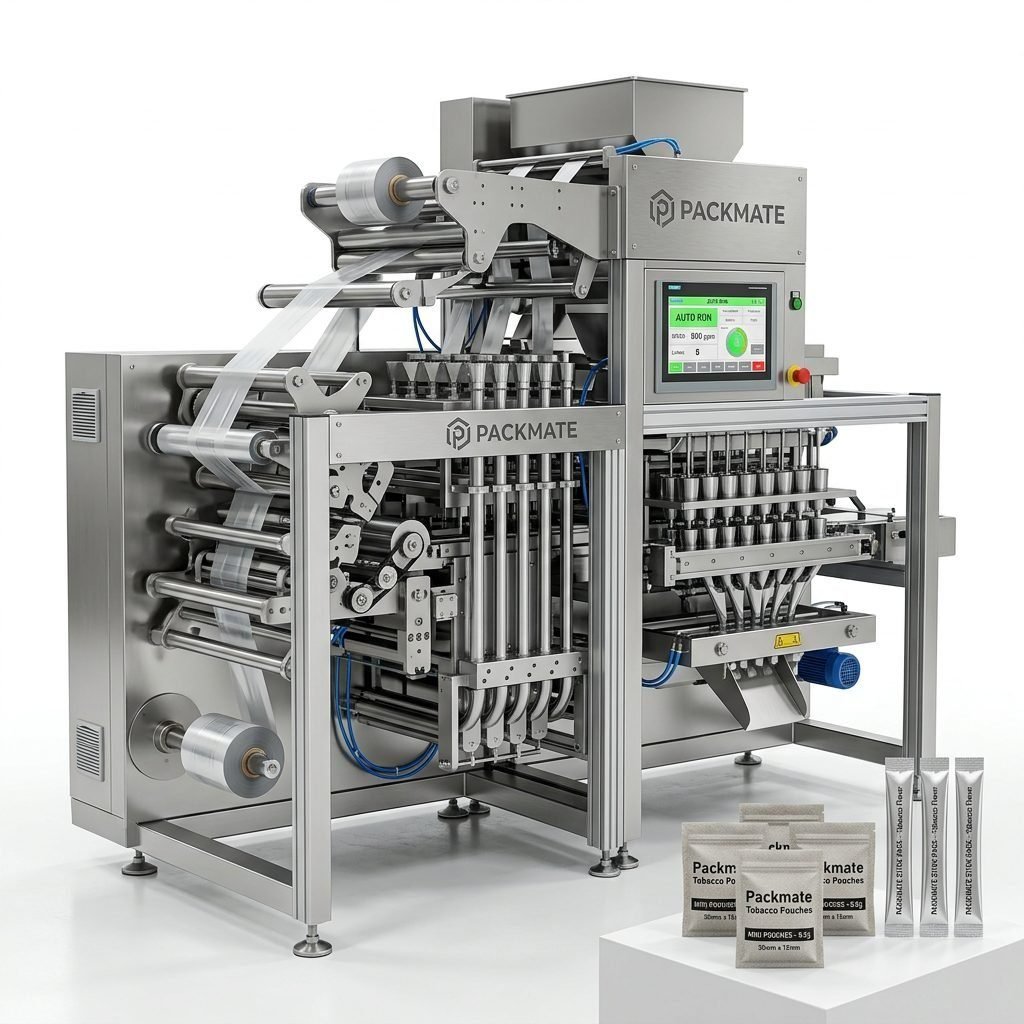
In the Republic of Congo, business transactions often involve close collaboration and respect for formalities. Choose a supplier who understands international certifications and can support local regulatory compliance. Look for CE and ISO certifications and a track record of exporting to African markets. Packmate’s history in snus and nicotine packaging lines and its CE/ISO compliance are examples of the kind of credentials you should request.
🛡️ Certification & Documentation
Request machine certificates, material safety data sheets, and conformity reports. A reliable supplier provides full documentation for customs clearance and local health authority inspections. If you want to review product categories and machines, consider the supplier’s product pages like
Snus & Nicotine Packaging Machines and
Bag & Pouch Packaging Machines.
🌍 Logistics, Importing and Local Infrastructure
The Republic of Congo has key ports like Pointe-Noire and the river access in Brazzaville. When importing heavy machines, coordinate shipping, customs clearance, and inland transport. Ask the supplier about previous deliveries to Congo or Central Africa and whether they offer freight forwarding support. A supplier with turnkey capabilities will handle export packaging, shipping documentation, and customs paperwork more efficiently.
🚚 Practical logistics considerations
🔸 Check port access and local crane/haulage availability.
🔸 Plan for power requirements and voltage conversion — Congo often has variable grid quality; consider generators or UPS compatibility.
🔸 Verify spare parts availability and lead times — long lead times can halt production.
🤝 After-Sales Service, Training and Local Support
In-person commissioning and operator training are essential, especially where local technicians may be new to high-speed snus packing lines. Prefer suppliers offering:
- On-site installation and calibration
- Operator and maintenance training
- Remote troubleshooting and spare parts supply
- Local partnership or service network for faster response
A supplier like Packmate emphasizes long-term technical support and global turnkey solutions — review their service and case histories to gauge responsiveness:
Service |
Case.
⚙️ Durability and Manufacturing Quality
The tropical climate in Congo means machines must resist corrosion and manage humidity. Stainless steel construction, protective paints, and sealed control cabinets are important. Inspect the supplier’s factory capabilities — advanced CNC machining centers, precision assembly, and quality testing are indicators of durable equipment.
🏭 What to request from manufacturers
🔧 Photos or virtual tours of the factory floor.
🔧 Details of materials used (SS304 vs SS316 for wet environments).
🔧 Quality control procedures and test reports.
🔧 References from other African or tropical-climate customers.
💰 Total Cost of Ownership (TCO)
Purchase price is only part of the story. Evaluate TCO by including:
- Installation and training costs
- Spare parts pricing and availability
- Energy consumption and efficiency
- Maintenance intervals and labor requirements
Ask suppliers for sample TCO calculations and lifetime estimates. Suppliers who publish clear specs and provide references tend to be more transparent and reliable.
🤖 Automation & Integration with Your Production Line
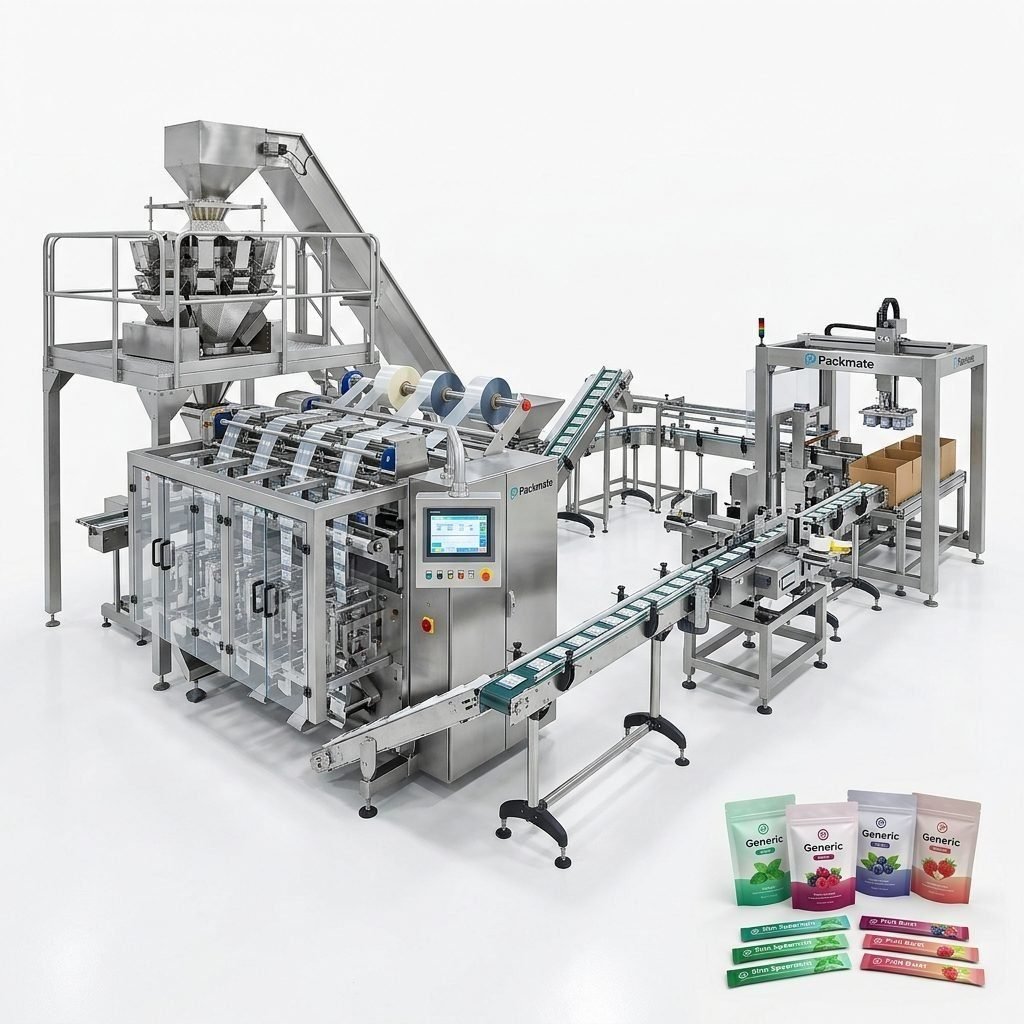
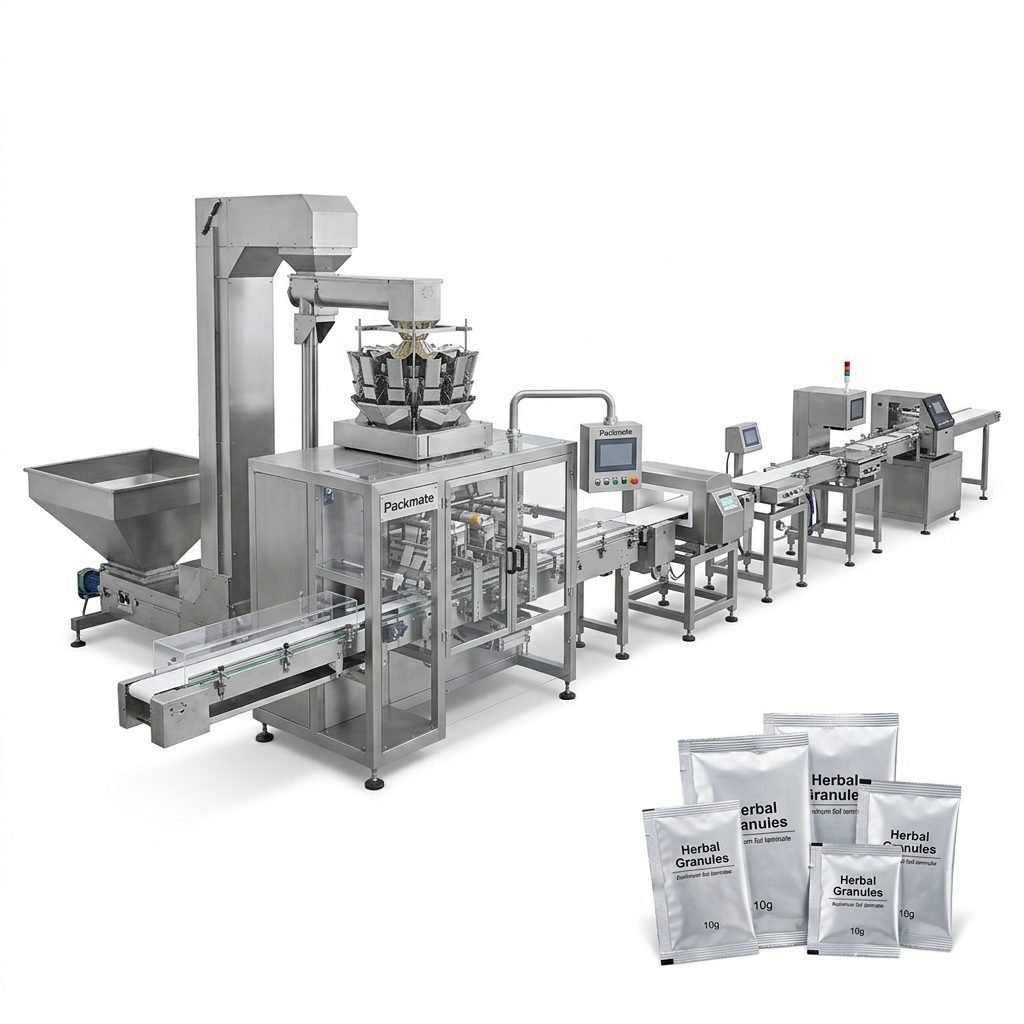
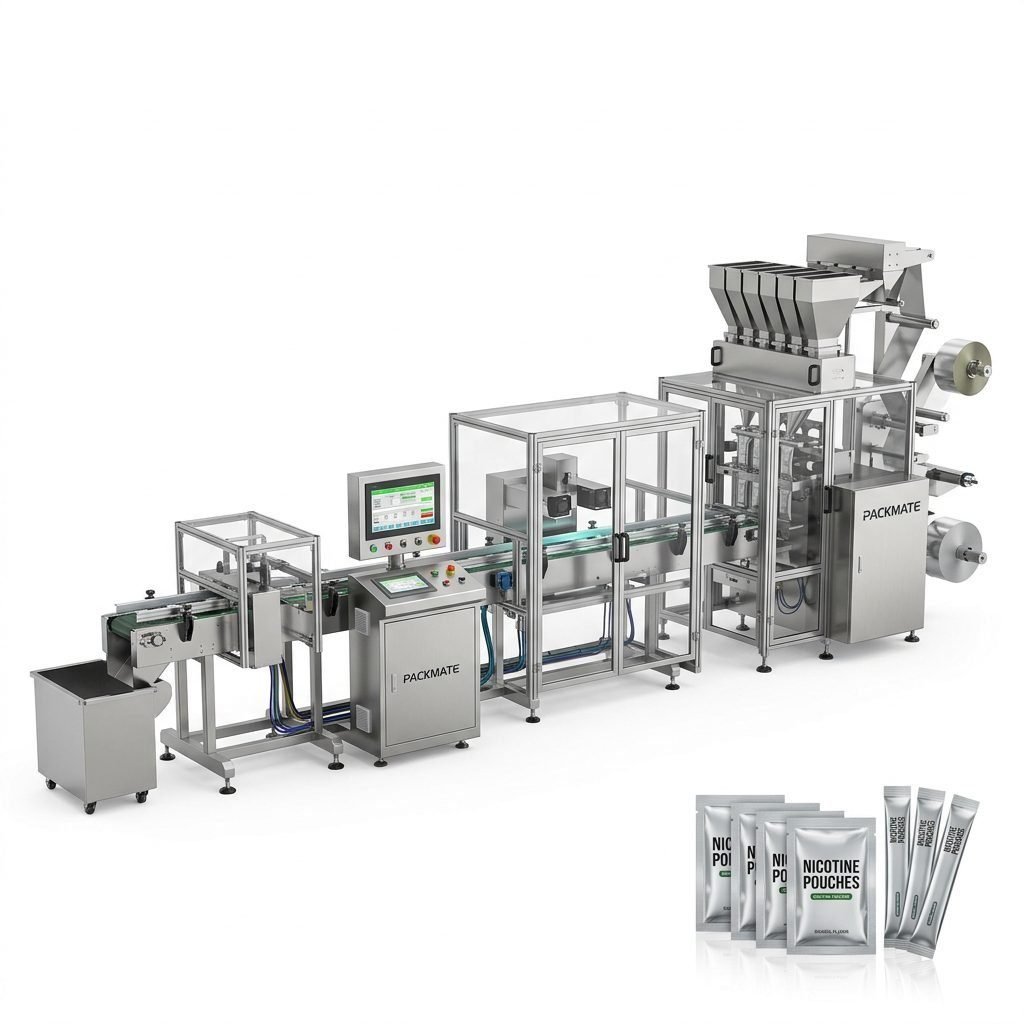
If you plan a fully automated line — blending, weighing, pouch forming, packing, and case packing — confirm the supplier’s ability to integrate ancillary equipment. Many providers offer complete filling and packaging lines as well as auxiliary equipment. See examples on the supplier’s product pages:
Weighing & Packaging Systems and
Filling & Packaging Lines.
🔗 Integration must-haves
Ensure the supplier provides PLC communication protocols, HMI interfaces in a language your team understands (French is common in Congo), and clear electrical schematics for local electricians.
📈 Local Market & Cultural Considerations in Republic of Congo
Business etiquette in Congo values strong relationships and clear contractual terms. Negotiations often benefit from face-to-face meetings or reliable local agents. Use French for documentation and negotiations whenever possible. Also be aware of local consumer preferences — packaging aesthetics, size preferences, and labeling language (French and local languages) can influence machine format choices.
💬 Communication tips
Build trust by requesting references from local or regional clients and arranging video demos or factory visits. Ask about training materials in French and whether local technicians can be trained to perform routine maintenance.
✅ Final Evaluation Checklist Before Purchase
📌 Financial: clear quotation with TCO breakdown and payment terms.
📌 Technical: specs sheet, test reports, and demo videos.
📌 Compliance: CE/ISO certificates and export documents.
📌 Service: warranty terms, spare parts list, and training plan.
📌 Logistics: delivery schedule, installation plan, and customs support.
📞 Next Steps: Contacting the Right Supplier
When you are ready to request quotes, prepare a detailed Request for Quotation (RFQ) including expected product specs, production targets, site conditions (power, humidity), and preferred delivery window. Reach out to experienced suppliers and ask for product catalogs and certificates. To learn more about a long-standing manufacturer with turnkey capabilities, review
About Packmate and contact them via
Contact Us.
📝 Sample RFQ items to include
– Product description, pouch dimensions, and materials.
– Target output and shifts per day.
– Power supply and environmental conditions at your site.
– Required certifications and acceptance tests.
– After-sales service expectations and warranty duration.
📌 Summary & Key Takeaways
Selecting a nicotine packaging machine supplier in the Republic of Congo means balancing technical performance, compliance, logistics capability, and cultural fit. Prioritize suppliers with proven manufacturing strength, clear certifications, after-sales support, and experience exporting to similar markets. A partner who offers turnkey lines, thorough documentation, and responsive service will minimize risk and accelerate your production ramp-up.
❓ Frequently Asked Questions
Q1: What certifications should a nicotine packaging machine have for use in Republic of Congo?
Look for internationally recognized certificates like CE and ISO, plus detailed machine conformity documents. These help with customs clearance and local regulatory review. Suppliers often provide a certification pack — request it early.
Q2: How important is local after-sales service and spare parts availability?
Extremely important. Delays in spare parts or technical support can halt production. Choose suppliers who offer reasonable spare parts lead times, remote diagnostic support, and training for local technicians.
Q3: Can packaging machines from international suppliers handle Congo’s humid climate?
Yes, if machines are specified for tropical conditions — stainless steel construction, sealed cabinets, and corrosion-resistant finishes. Discuss climate-specific protections with your supplier and request guidance for site preparation.
Q4: How do I assess a supplier’s reliability before purchasing?
Verify factory capabilities, request factory tour or video, check client references especially in similar regions, confirm certifications, and ask for a detailed contract covering delivery, installation, training, and warranty. Reviewing case studies and product catalogs online can also help.